

 English
 русский

Home / News / Industry News / How Do Electric Counterbalance Forklifts Compare to IC Engine Models in Terms of Performance?
Introduction
When it comes to choosing the right forklift for material handling, businesses face a key decision: electric counterbalance forklifts or internal combustion (IC) engine models? Both types offer distinct advantages and have specific applications depending on factors like operational environment, lifting capacity, and cost considerations.
Overview of Electric Counterbalance Forklifts
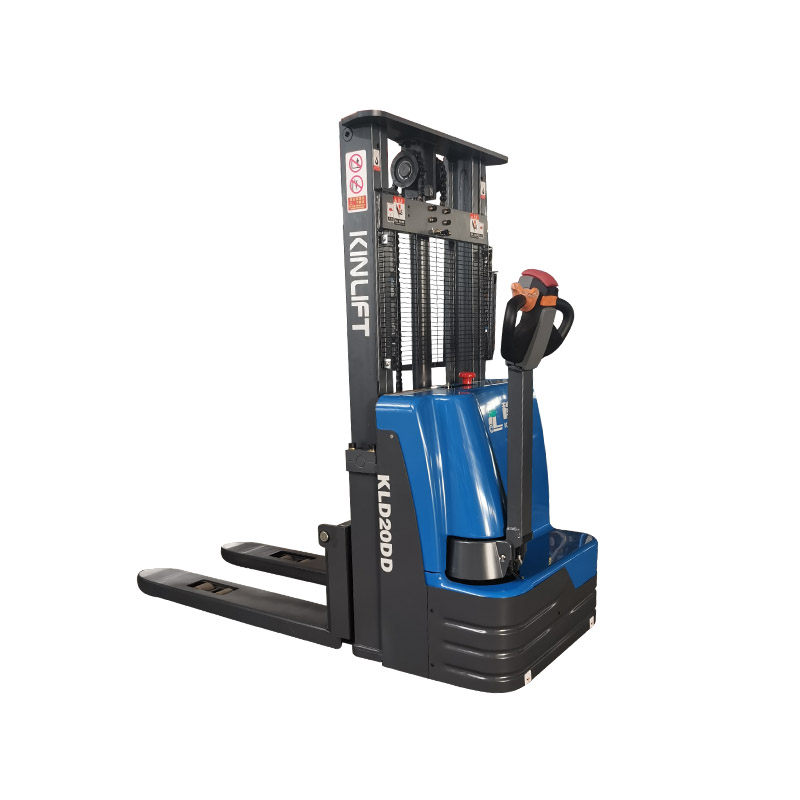
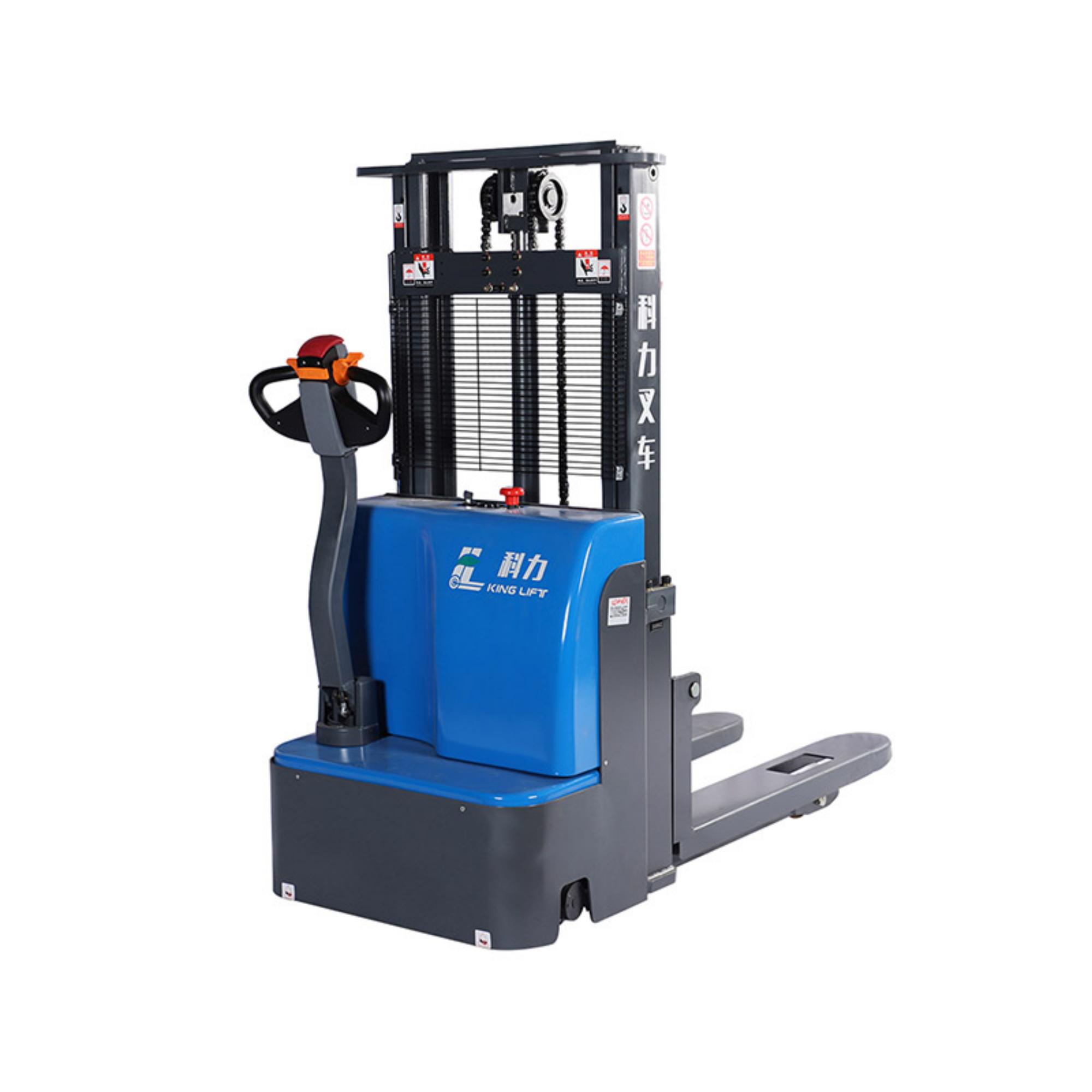
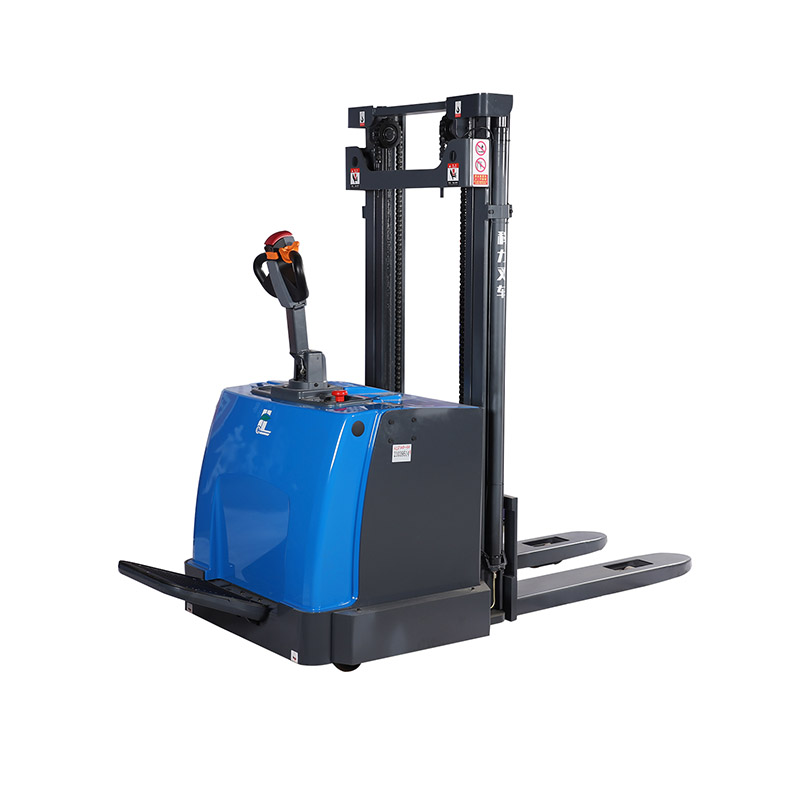
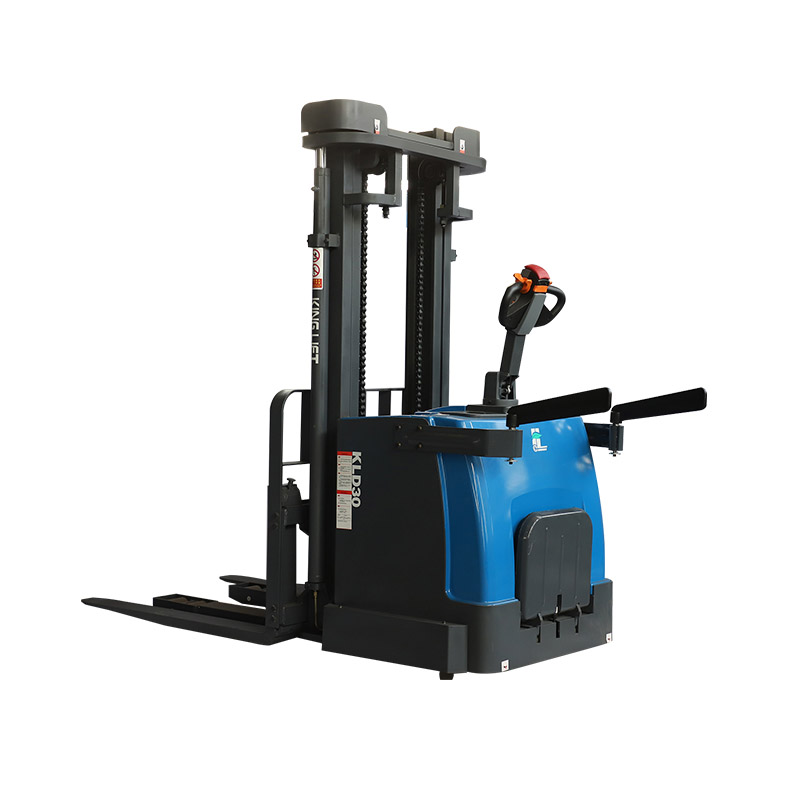
Electric counterbalance forklifts are powered by electric motors and rechargeable batteries. These forklifts are widely used in indoor environments due to their zero emissions and quieter operation. Electric forklifts offer an energy-efficient solution for warehouses, distribution centers, and facilities that require precise, quiet material handling.
Key Characteristics of Electric Counterbalance Forklifts:
- Power Source: Rechargeable batteries
- Energy Efficiency: High efficiency with low operating costs
- Environmental Impact: Zero emissions, ideal for indoor operations
- Noise Levels: Low noise, suitable for quiet environments
- Maintenance Requirements: Generally lower compared to IC engine models due to fewer moving parts
Overview of Internal Combustion (IC) Engine Forklifts
Internal combustion engine forklifts, powered by gasoline, diesel, or LPG, are designed for more rugged outdoor applications. These forklifts are typically used in environments where higher lifting capacities and longer operational hours are required. IC engine models offer power and performance for heavy-duty tasks, especially in construction or outdoor logistics.
Key Characteristics of IC Engine Forklifts:
- Power Source: Gasoline, diesel, or LPG
- Energy Efficiency: Generally less efficient than electric models, with higher operating costs
- Environmental Impact: Emits gases and pollutants, not suitable for indoor use without ventilation
- Noise Levels: Higher noise levels compared to electric forklifts
- Maintenance Requirements: More complex maintenance due to more moving parts and the engine’s wear and tear
Performance Comparison: Electric vs. IC Engine Forklifts
Efficiency and Energy Consumption
Electric counterbalance forklifts are known for their energy efficiency, consuming less power over long periods. They are powered by batteries, which can be recharged during off-hours, minimizing downtime. In comparison, IC engine forklifts, while offering high power output, tend to consume more fuel and require frequent refueling, resulting in higher operational costs.
| Forklift Type | Energy Source | Efficiency Level | Operational Cost |
|---|---|---|---|
| Electric Counterbalance Forklift | Battery | High | Low |
| IC Engine Forklift | Gas/Diesel/LPG | Moderate | High |
Maintenance and Durability
Electric forklifts require less maintenance because they have fewer moving parts and no complex engine components. Battery maintenance is the main concern, though modern batteries have longer life spans and improved charging capabilities. IC engine forklifts, on the other hand, require more frequent servicing due to their engine components, exhaust systems, and fuel systems. This increases their total cost of ownership over time.
| Forklift Type | Maintenance Needs | Service Frequency | Durability |
|---|---|---|---|
| Electric Counterbalance Forklift | Low (battery, tires) | Low | High |
| IC Engine Forklift | High (engine, fuel system) | High | Moderate to High |
Environmental Impact
Electric counterbalance forklifts are ideal for environmentally conscious operations. They produce zero emissions, making them for use in indoor spaces where air quality is a priority. In contrast, IC engine forklifts release carbon dioxide and other pollutants, limiting their use in confined or sensitive environments.
| Forklift Type | Emissions | Suitability for Indoor Use |
|---|---|---|
| Electric Counterbalance Forklift | Zero emissions | Suitable |
| IC Engine Forklift | CO2, NOx, particulate | Not suitable (without ventilation) |
Performance and Power
IC engine forklifts are often preferred for their higher power output, making them suitable for heavy-duty tasks and rough terrain. However, electric forklifts are catching up, with advancements in battery technology and electric motor performance allowing them to handle increasingly challenging tasks.
| Forklift Type | Lifting Capacity | Max Speed | Terrain Capability |
|---|---|---|---|
| Electric Counterbalance Forklift | Moderate to High | Moderate | Smooth surfaces |
| IC Engine Forklift | High | High | Rough terrain |
Applications: Choosing the Right Forklift for Your Business
The decision to choose an electric counterbalance forklift or an IC engine forklift depends largely on your operational environment and specific needs. Electric forklifts excel in indoor warehouses, retail spaces, and manufacturing plants where noise and emissions are a concern. IC engine models are better suited for outdoor use, such as construction sites, lumberyards, or other heavy-duty applications requiring long operating hours and high power.
Cost Considerations: Initial Investment and Total Cost of Ownership
Although the upfront cost of electric forklifts tends to be higher due to the cost of the battery and motor systems, the long-term operating costs are significantly lower. In contrast, IC engine forklifts have a lower initial cost but incur higher ongoing fuel and maintenance costs.
| Forklift Type | Initial Cost | Fuel Cost | Maintenance Cost | Total Cost of Ownership |
|---|---|---|---|---|
| Electric Counterbalance Forklift | High | Low (electric) | Low | Low |
| IC Engine Forklift | Low | High (gas/diesel) | High | High |
Advancements in Electric Forklift Technology
The growing demand for sustainable and efficient material handling solutions has spurred innovations in electric counterbalance forklift designs. New battery technologies, such as lithium-ion batteries, offer faster charging times, longer life, and reduced maintenance needs. Furthermore, electric forklifts are becoming more adaptable to various industries, with manufacturers introducing models that can lift heavier loads and operate in challenging environments.
FAQ
1. What is the lifespan of an electric counterbalance forklift battery?
The lifespan of an electric forklift battery varies depending on usage but generally lasts between 4 to 6 years with proper maintenance.
2. Can electric forklifts operate outdoors?
Yes, some electric counterbalance forklifts are designed for light outdoor use, but they are efficient in indoor, controlled environments.
3. Are electric forklifts more energy-efficient than IC engine models?
Yes, electric forklifts tend to be more energy-efficient, especially in indoor applications, with lower operational costs and zero emissions.
4. What factors should be considered when choosing between electric and IC engine forklifts?
Consider factors such as the working environment (indoor vs outdoor), lifting capacity, fuel and maintenance costs, and environmental concerns.
5. Do electric forklifts require more maintenance than IC engine models?
No, electric forklifts generally require less maintenance due to fewer moving parts and no engine components to service.