

 English
 русский
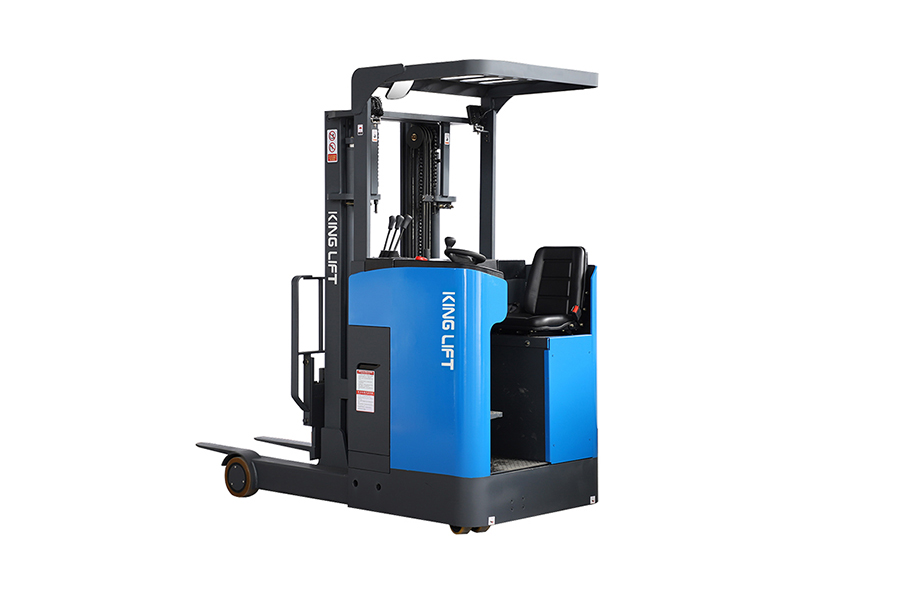
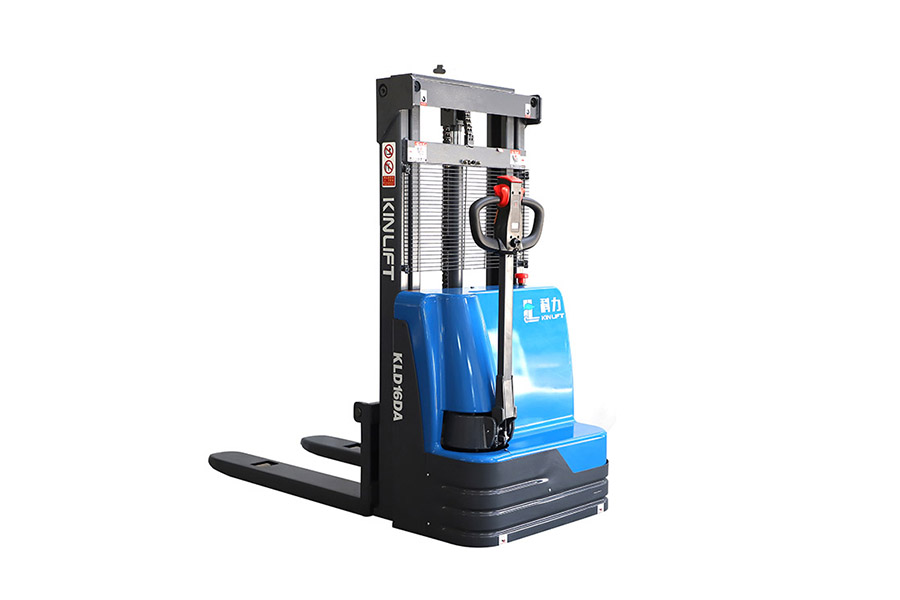
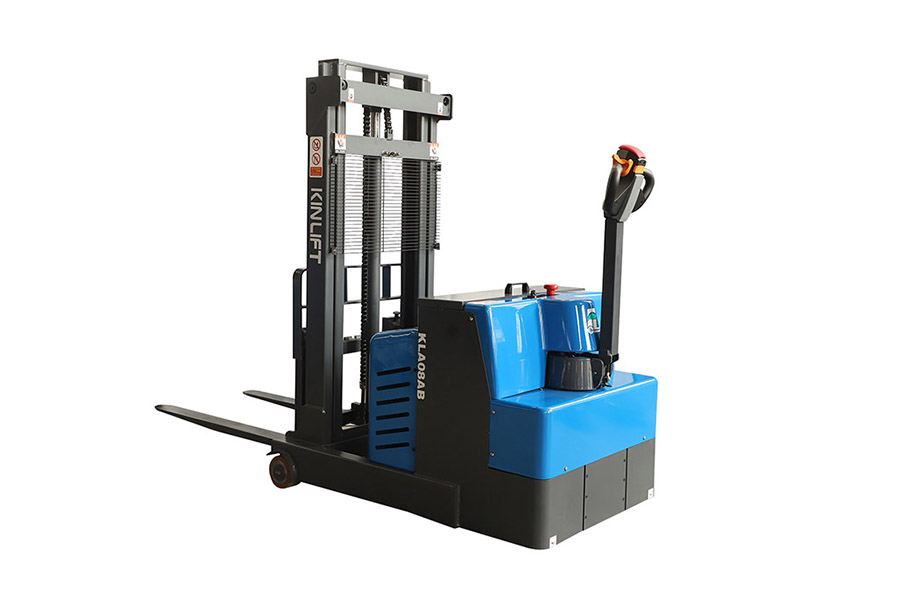
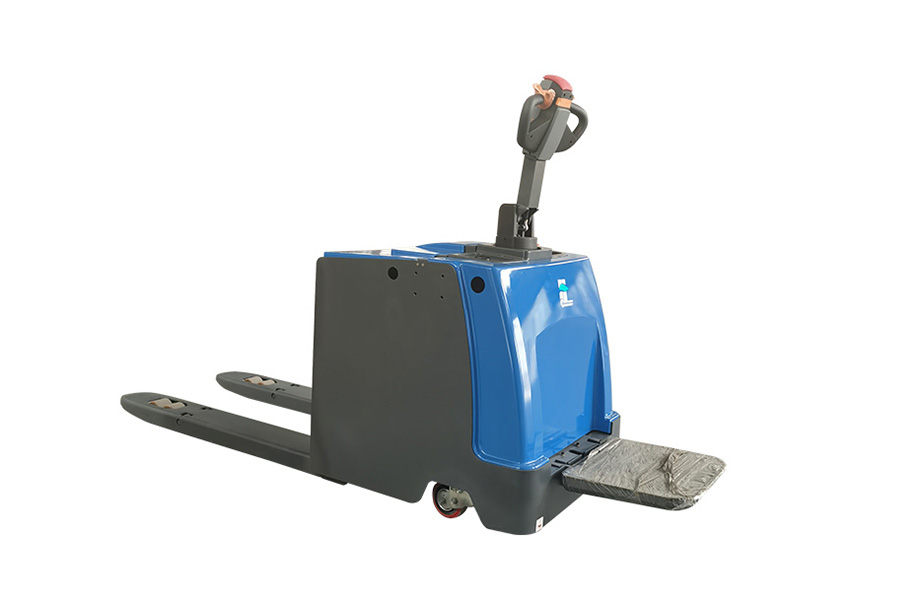

Understanding the Shift Toward Electric Material Handling
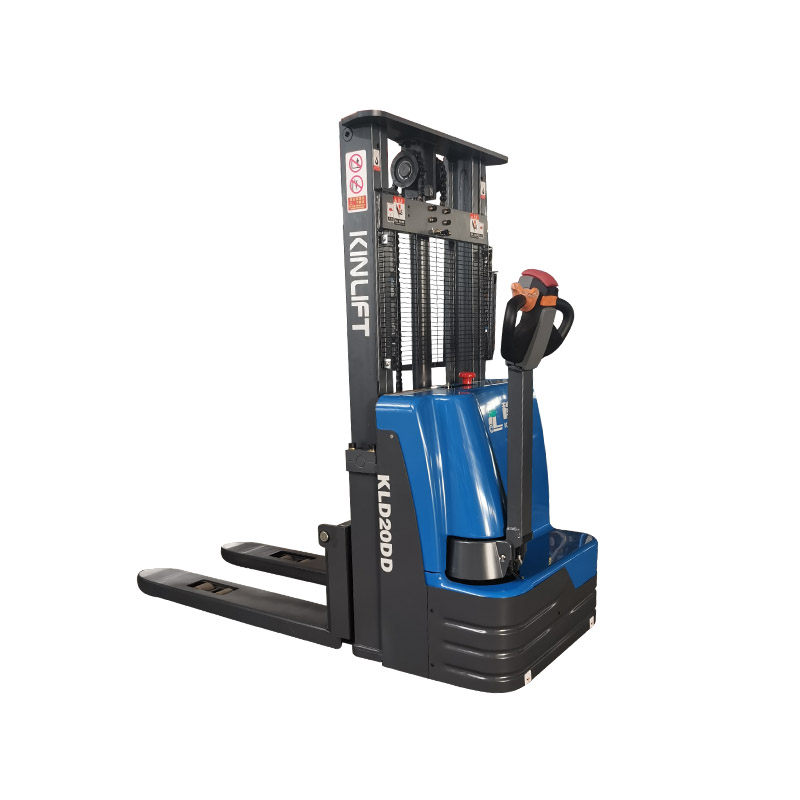
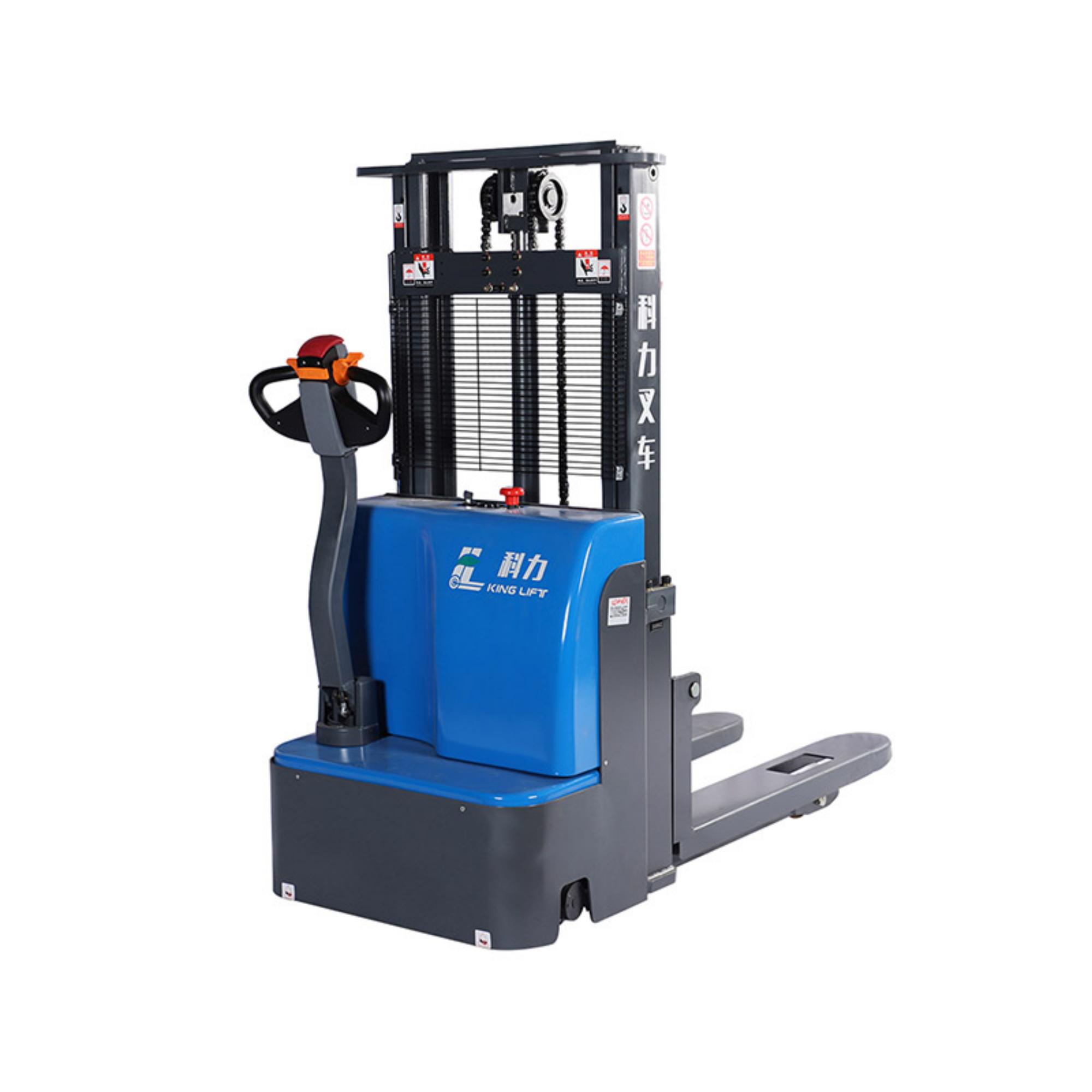
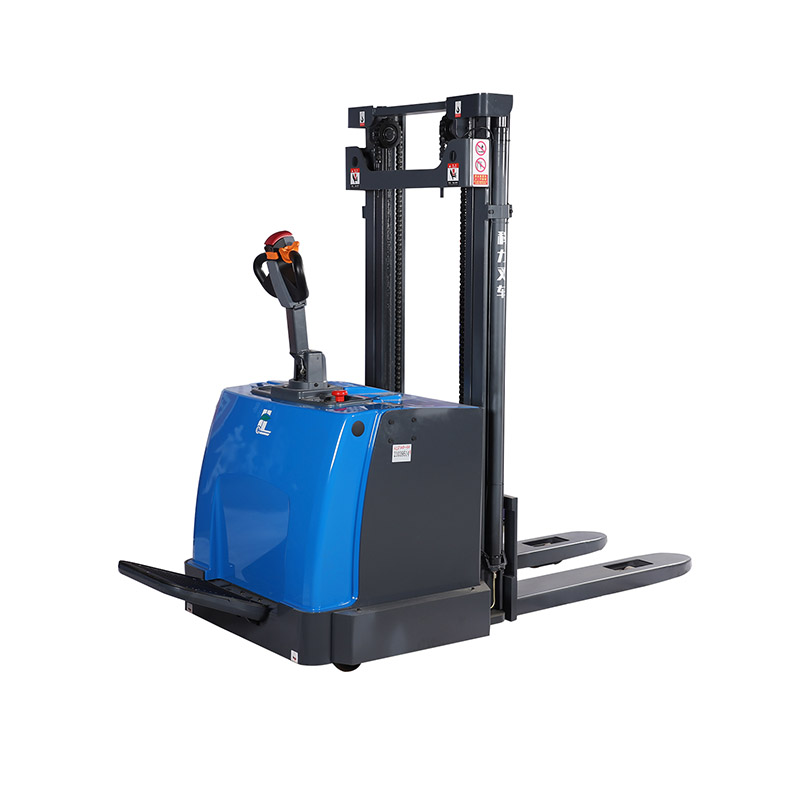
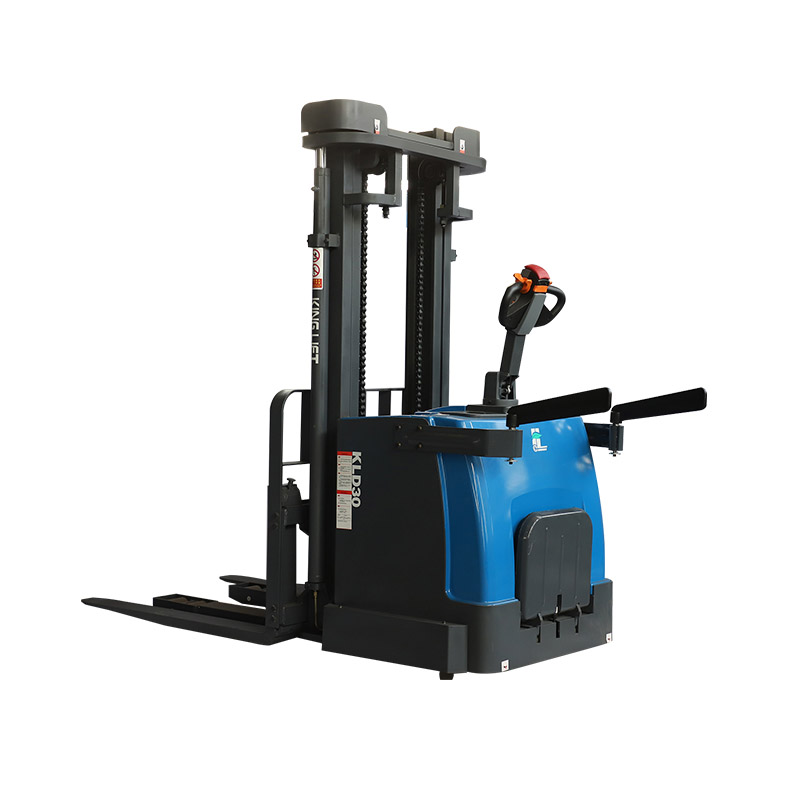
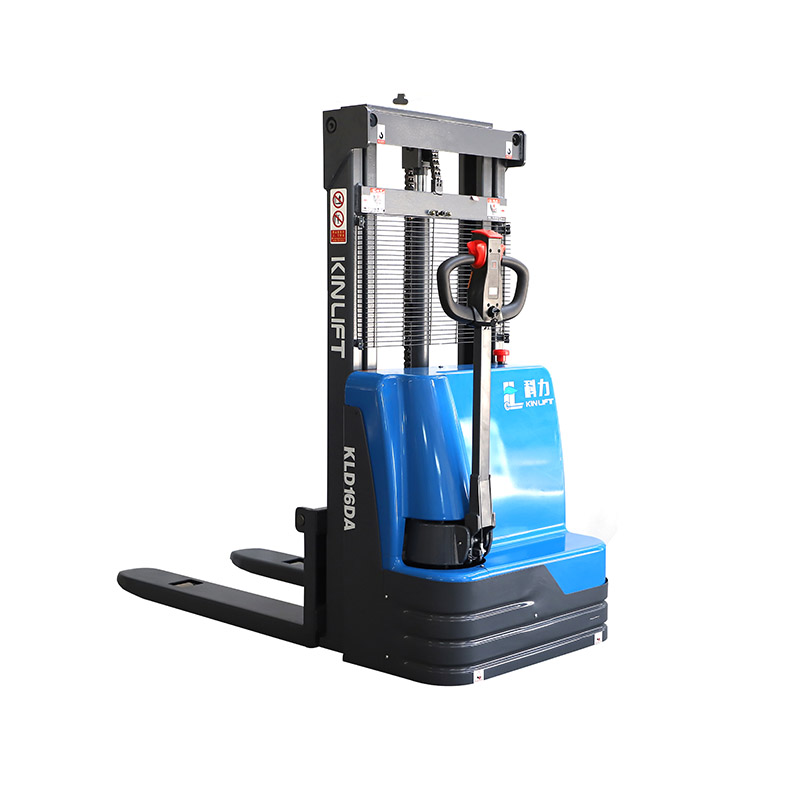
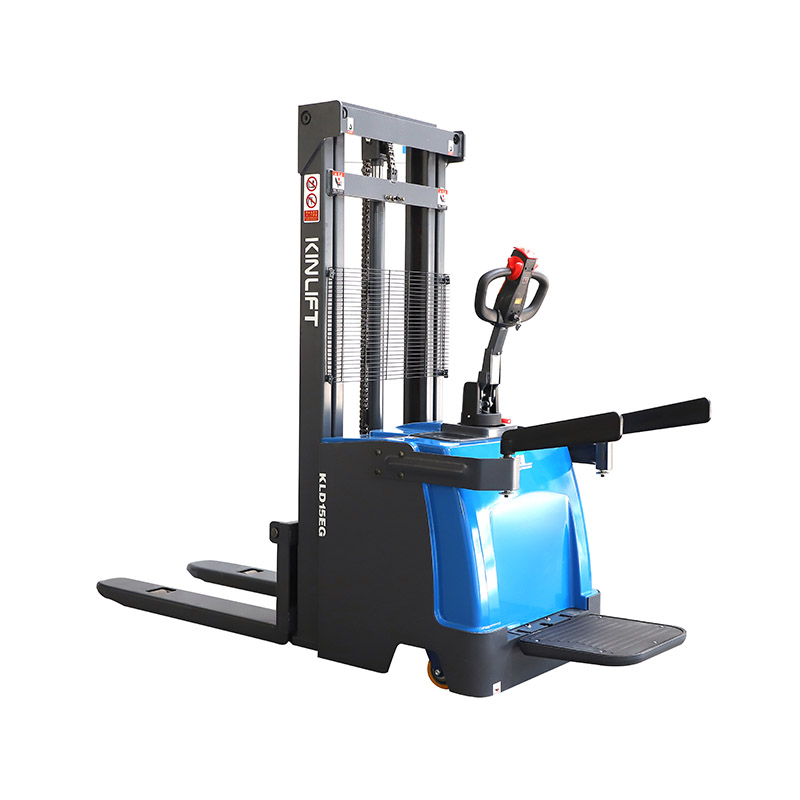
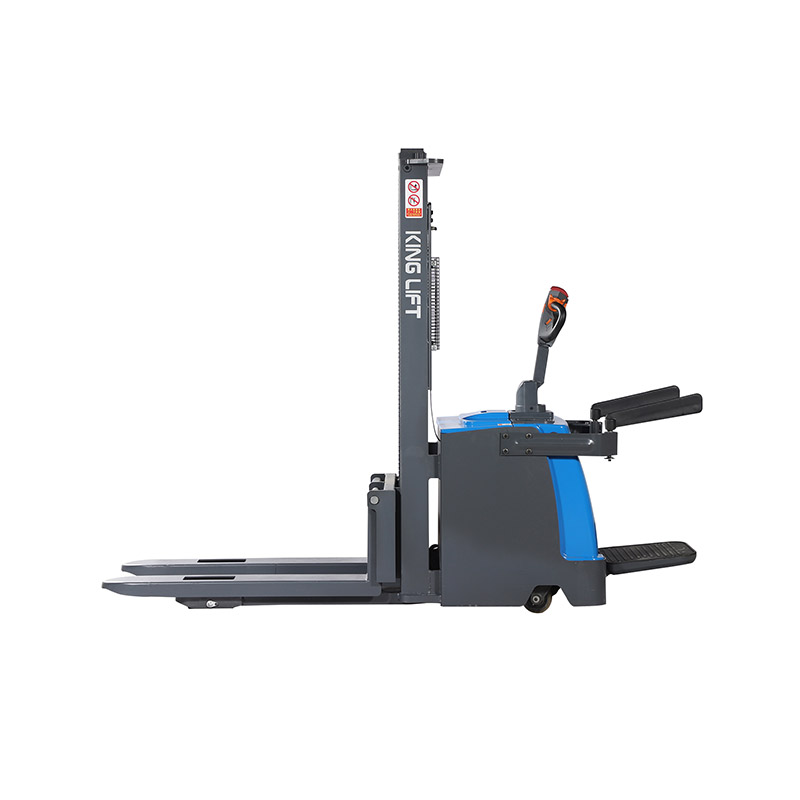
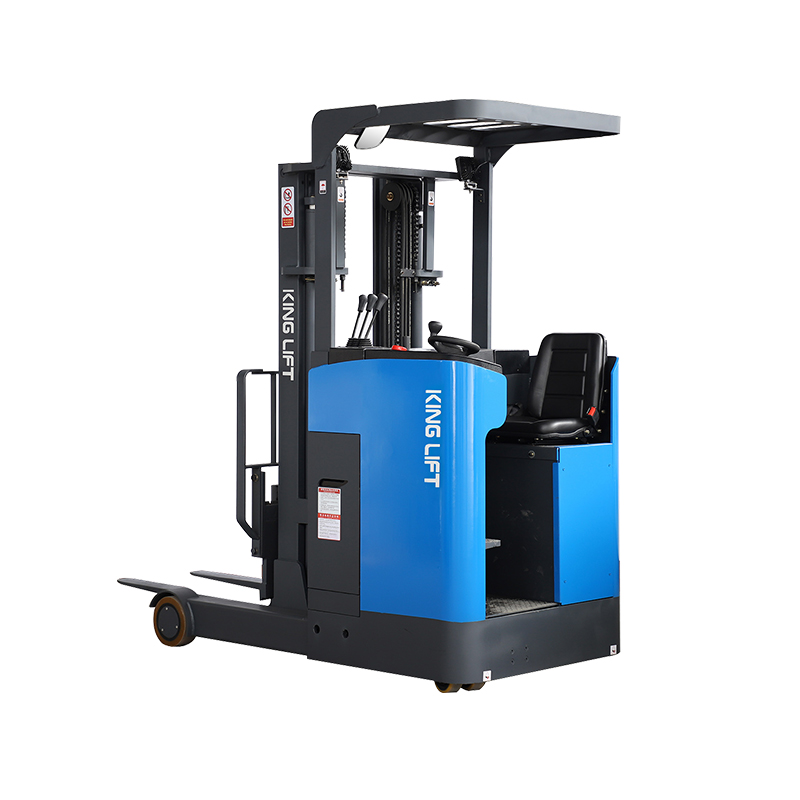
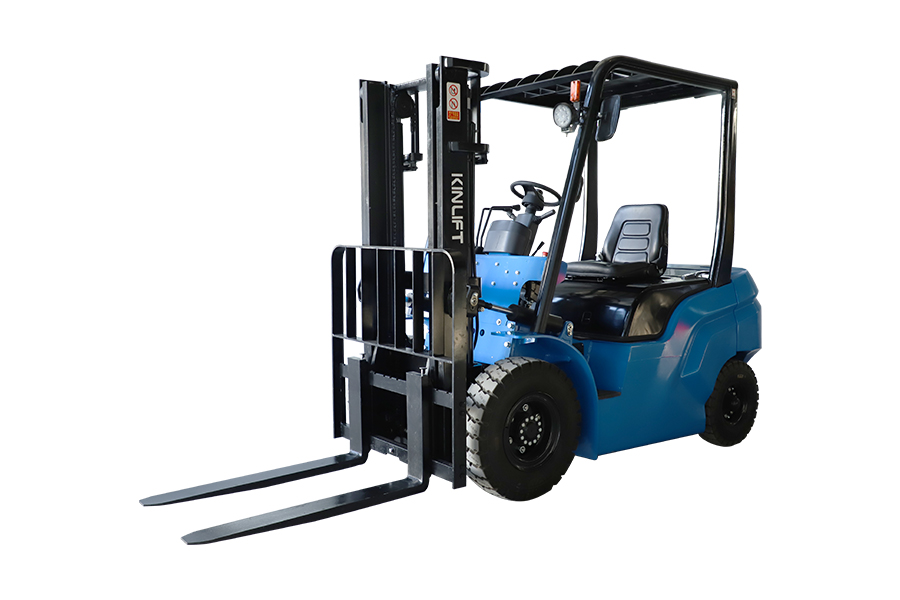
Warehouse operators across distribution, retail, and manufacturing sectors are steadily replacing internal combustion equipment with warehousing electric forklifts. This shift is driven by tighter emissions regulations, rising fuel costs, and growing demand for cleaner indoor air quality in enclosed facilities. Unlike diesel-powered units, electric machines produce zero tailpipe emissions, run quieter, and require substantially less mechanical upkeep over their service life.
Facility managers evaluating equipment upgrades are increasingly comparing total cost of ownership rather than upfront purchase price alone. When energy costs, maintenance intervals, and downtime are factored in, electric units often present a more predictable long-term expense profile.
Electric vs Diesel Forklifts: A Practical Comparison
Choosing between an electric forklift and a diesel-powered alternative depends on facility layout, shift patterns, and operating environment. The table below outlines core differences relevant to warehouse decision-makers.
| Factor | Electric Forklift | Diesel Forklift |
|---|---|---|
| Emissions | Zero on-site emissions | Combustion exhaust produced |
| Noise Level | Significantly quieter | Higher operational noise |
| Indoor Use | Well suited | Requires ventilation |
| Maintenance | Fewer moving parts, lower upkeep | Regular engine servicing needed |
| Refueling | Battery charging or swap | Diesel refill |
| Best Environment | Warehouses, distribution centers | Outdoor or rugged terrain sites |
For facilities operating primarily indoors, warehouse forklift fleets built around electric power tend to align more closely with air quality standards and employee comfort requirements.
Core Benefits of Electric Material Handling Equipment
Reduced emissions, lower noise, and simplified maintenance make electric equipment a practical fit for enclosed warehouse environments.
- Lower operating noise supports better communication and reduces worker fatigue on long shifts
- No exhaust output eliminates the need for costly ventilation retrofits in enclosed spaces
- Fewer fluid changes and simplified drivetrains reduce scheduled maintenance visits
- Instant torque delivery improves responsiveness during frequent stop-and-go warehouse tasks
- Regenerative braking on many models extends battery range during multi-stop operations
Lithium Battery Technology in Modern Warehouse Forklifts
The adoption of lithium battery electric forklift systems has changed how facilities plan shift coverage. Compared to older lead-acid battery designs, lithium-based systems typically offer faster opportunity charging, longer cycle life, and no need for dedicated battery-watering maintenance.
Key Advantages of Lithium Power
| Feature | Lithium Battery | Lead-Acid Battery |
|---|---|---|
| Charging Time | Fast, opportunity charging | Slower, full-cycle charging preferred |
| Maintenance | Minimal, sealed unit | Regular watering and equalization |
| Battery Swap Space | Often not required | May require dedicated swap area |
| Cycle Life | Extended lifespan | Shorter comparative lifespan |
Facilities running multiple shifts benefit most from lithium systems, since opportunity charging during breaks can eliminate the need for spare battery inventory and dedicated changing stations.
Selecting an Electric Forklift for Narrow Aisle Warehouse Layouts
Storage density is a growing priority as warehouses face rising real estate costs. An electric forklift for narrow aisle warehouse configurations allows facilities to reduce aisle widths and increase usable racking space without sacrificing picking efficiency.
Narrow Aisle Configuration Overview
Compact turning radii and precise steering control found in electric narrow aisle units allow facilities to reclaim aisle space for additional storage, often improving cubic storage utilization considerably compared to wide-aisle diesel operations.
High Lift Applications and Distribution Center Use
A high lift electric warehouse forklift is essential for facilities utilizing tall racking systems to maximize vertical storage. These units are engineered for stable mast extension, precise load placement at height, and controlled descent, all critical for safe high-bay operations.
For an electric forklift for distribution center environments, throughput consistency matters as much as lift height. Distribution centers typically prioritize:
- Fast acceleration for short-cycle picking and replenishment tasks
- Reliable battery runtime across extended shift schedules
- Compact chassis dimensions for maneuvering in congested staging areas
- Consistent lift performance regardless of battery charge level
How to Identify the Best Electric Forklift for Warehouse Operations
Finding the best electric forklift for warehouse use requires matching equipment specifications to actual operational demands rather than selecting based on price alone. Key evaluation criteria include:
| Criteria | What to Assess |
|---|---|
| Load Capacity | Match rated capacity to heaviest routine loads plus a safety margin |
| Lift Height | Confirm mast reach against tallest racking level |
| Aisle Width | Verify turning radius fits existing or planned aisle dimensions |
| Runtime Needs | Assess shift length against battery capacity and charging windows |
| Floor Surface | Check tire type suitability for concrete, epoxy, or uneven flooring |
Facilities pursuing comprehensive warehouse material handling upgrades often phase in electric units gradually, starting with high-traffic zones before transitioning entire fleets.
Typical Deployment Workflow for Electric Forklift Adoption
A structured rollout minimizes disruption to ongoing operations. Beginning with a site assessment ensures aisle widths, floor conditions, and load profiles are properly matched before equipment arrives.
Maintenance and Safety Considerations
Routine upkeep for electric warehouse equipment differs meaningfully from diesel servicing. Key maintenance points include:
- Regular inspection of battery connections and charging contacts
- Scheduled checks on hydraulic fluid levels for lift and tilt functions
- Tire wear monitoring, particularly on units used in narrow aisle configurations
- Brake system inspection given the reliance on regenerative and mechanical braking
Operator training remains essential regardless of power source. Proper load handling, speed control in tight aisles, and pre-shift inspection routines reduce workplace incidents and extend equipment service life.
Frequently Asked Questions
Q1: Are electric forklifts suitable for heavy-duty warehouse tasks?
Yes. Many electric models are engineered with load capacities comparable to diesel equivalents, making them suitable for a wide range of warehouse tasks including palletized loading and high-bay storage.
Q2: How long does it take to charge a warehouse electric forklift battery?
Charging times vary by battery type. Lithium systems generally support faster opportunity charging during breaks, while lead-acid batteries typically require longer, scheduled full charges.
Q3: Can electric forklifts operate effectively in cold storage environments?
Certain electric models are designed with cold-resistant components and insulated battery compartments specifically for refrigerated or freezer warehouse conditions.
Q4: What is the typical lifespan of a warehouse electric forklift battery?
Lifespan depends on battery chemistry and usage patterns, but lithium batteries generally offer a longer cycle life compared to traditional lead-acid alternatives.
Q5: Do electric forklifts require special facility infrastructure?
Facilities typically need designated charging areas with appropriate electrical capacity, though many modern units support flexible opportunity charging that reduces infrastructure demands.