

 English
 русский
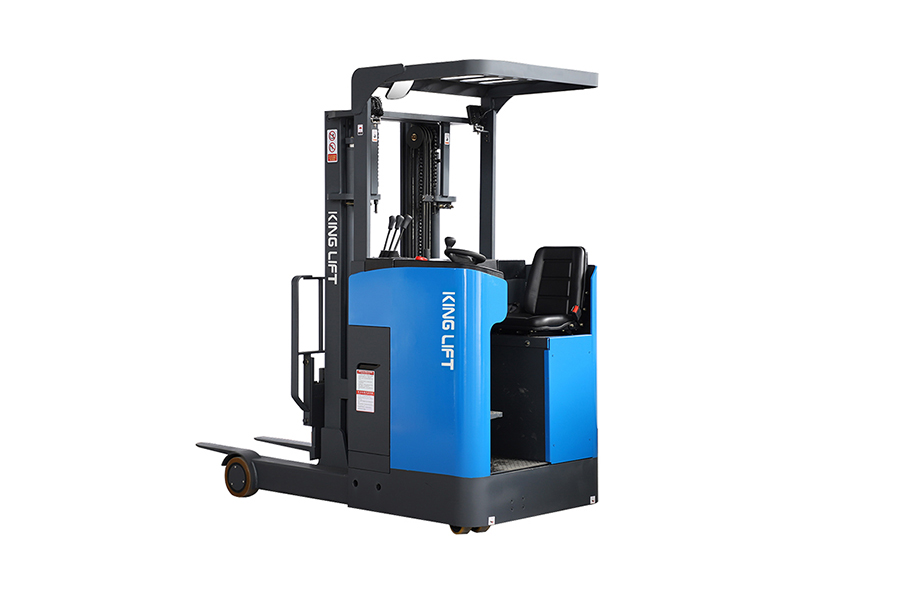
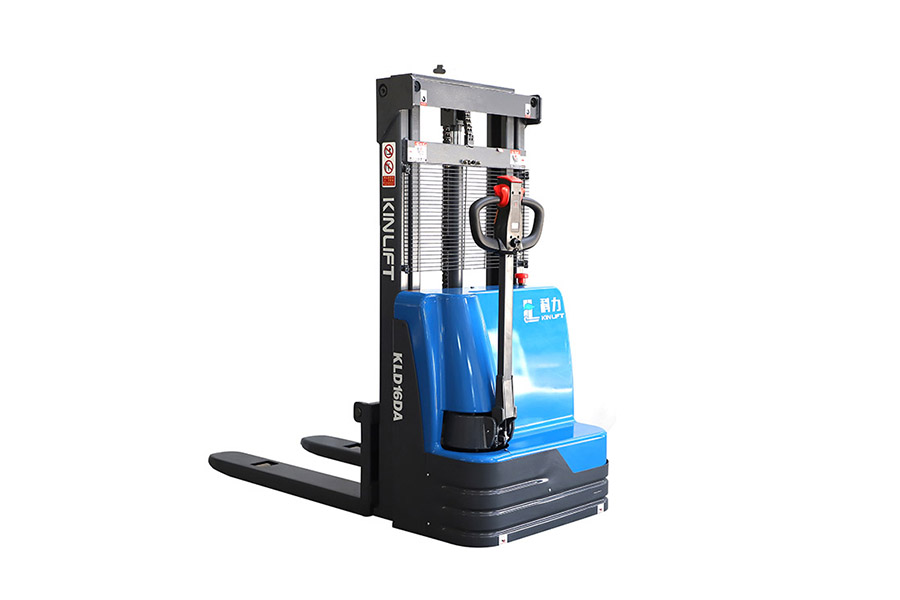
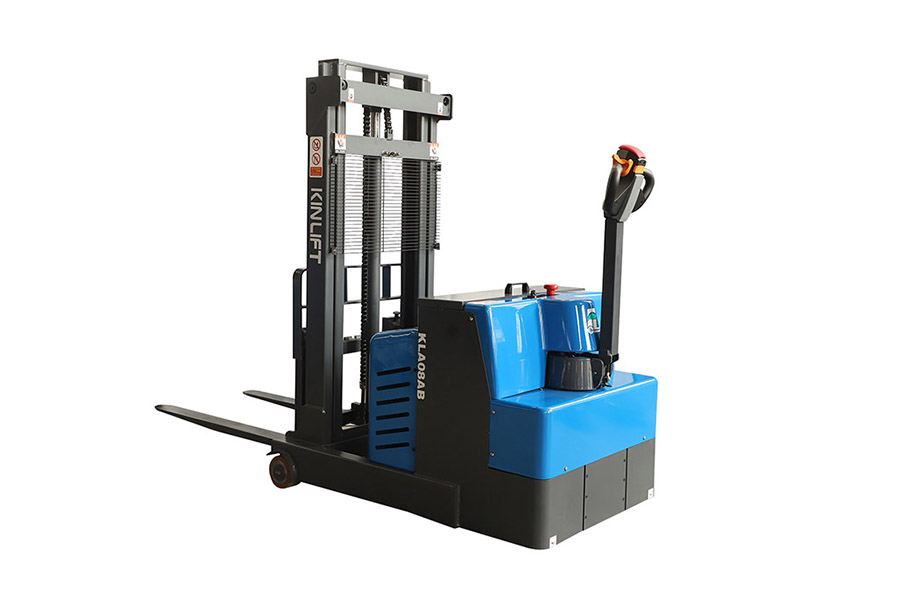
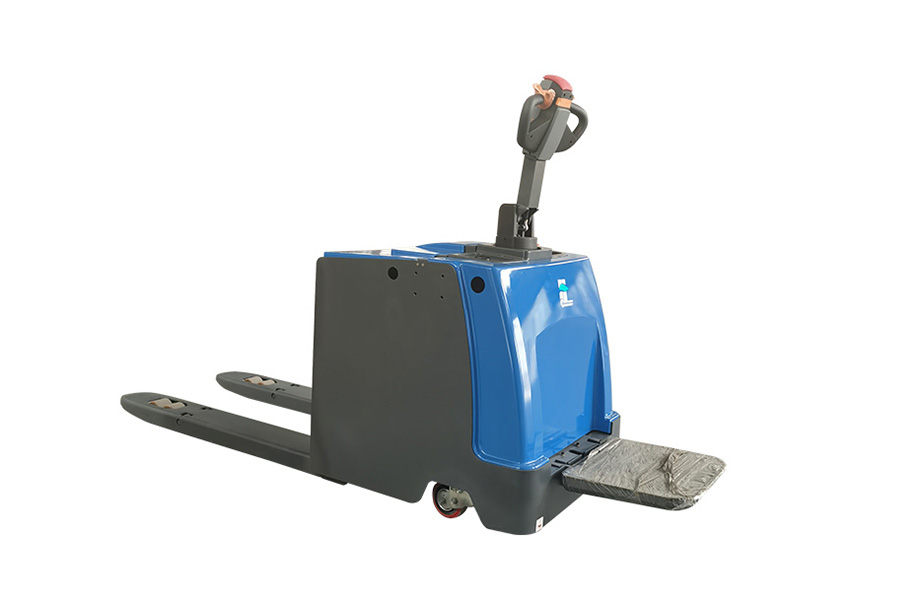

What Are Warehousing Electric Reach Trucks? The Buyer's Bottom Line
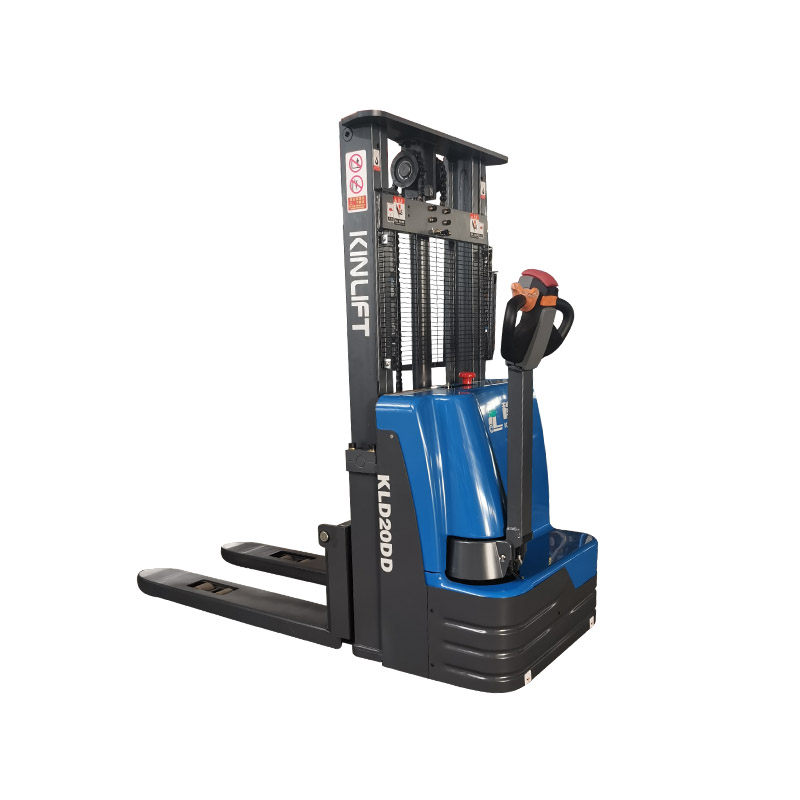
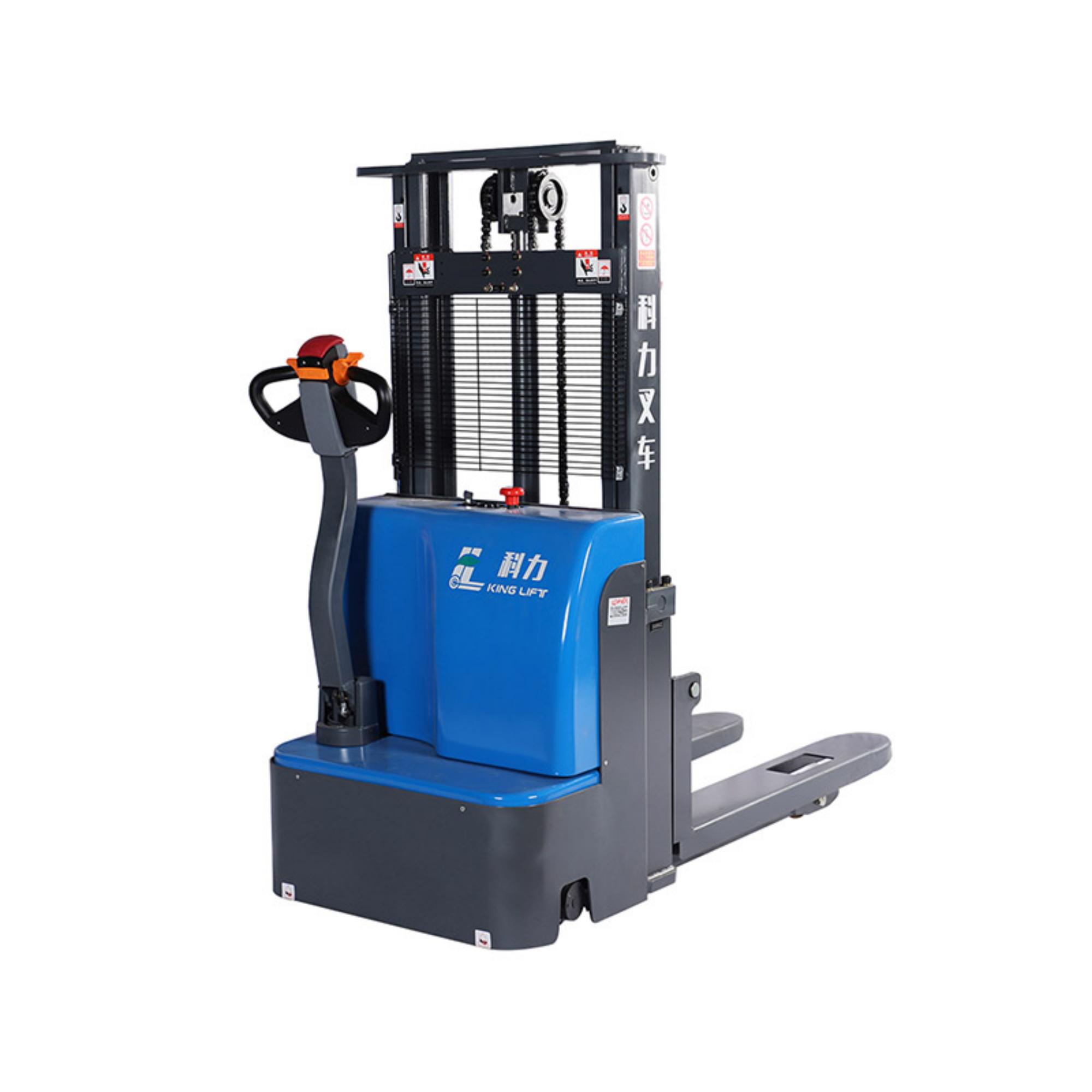
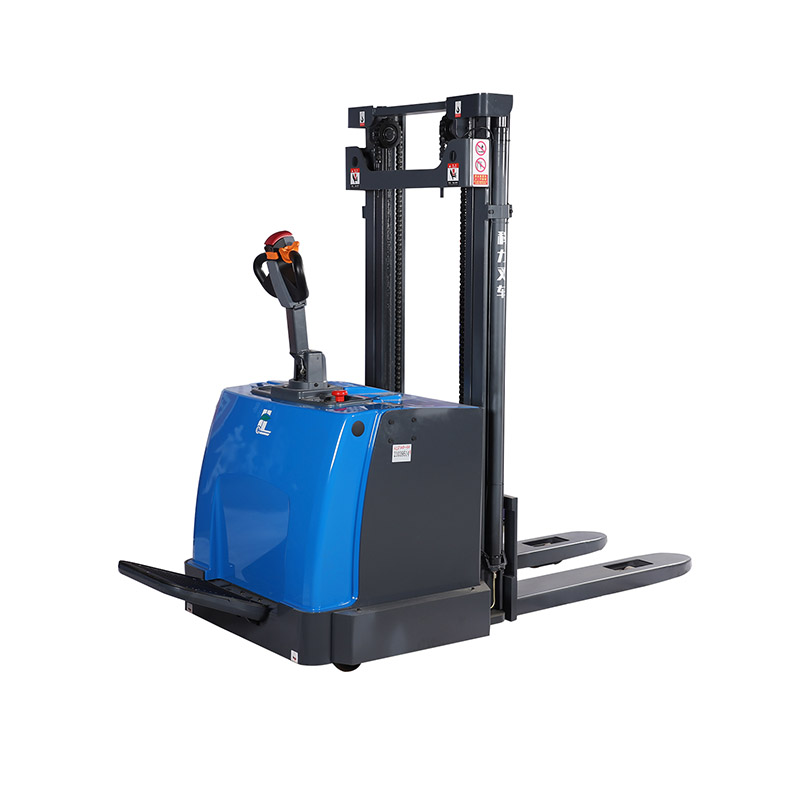
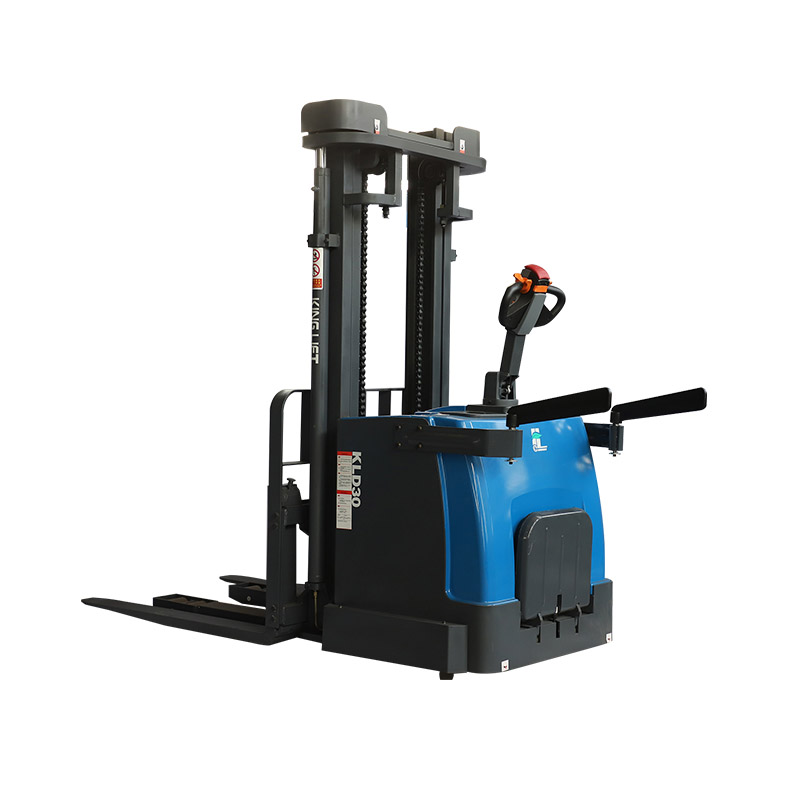
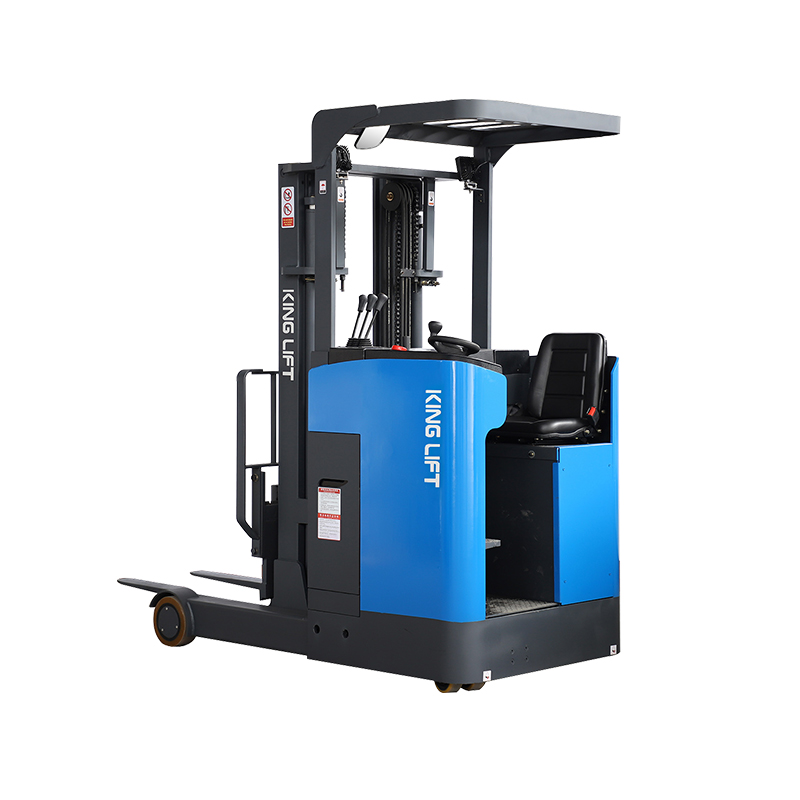
An electric reach truck is a specialized, battery‑powered forklift engineered for high‑density storage in narrow‑aisle warehouses. Its defining feature is a pantograph mechanism that extends the forks forward into racking systems while the truck body remains in the aisle, allowing operation in spaces as tight as 2.5 to 3 meters (about 8–10 feet) wide. For warehouse operators, the direct answer is this: if your goal is to maximize vertical storage space and dramatically increase pallet positions without expanding your building footprint, the electric reach truck is the essential tool for the job.
Core Capabilities: Lift Height, Capacity, and Aisle Width
Understanding the technical specifications is the first step to making an informed purchase. Here are the critical performance benchmarks for modern electric reach trucks.
Maximum Lift Height and Load Capacity
Electric reach trucks are designed for high‑bay warehousing. Standard models can achieve lift heights of 8 to 12 meters (26–40 feet), with some high‑reach variants capable of exceeding 45 feet. However, it is crucial to understand that load capacity decreases as lift height increases. For example, a truck rated for 3,000 lbs at 20 feet may only safely handle 1,800 lbs at 35 feet. Always consult the manufacturer's load capacity chart for your specific application.
- Standard Capacity Range: 1,400 kg to 2,500 kg (approx. 3,000–5,500 lbs).
- High‑Reach Models: Engineered for very high racking (12m+), with reinforced masts for stability.
- Aisle Width Requirement: Operates in aisles as narrow as 2.5–3 meters, compared to 3.5–4.5 meters needed for a counterbalance forklift.
Types of Electric Reach Trucks
Not all reach trucks are the same. Several variants exist to match different operational needs and racking configurations.
- Standard Reach Trucks: The most common type, designed for typical pallet handling at medium to high heights (up to 10–12 meters). Available in stand‑up or sit‑down configurations.
- Double‑Deep Reach Trucks: Equipped with forks that can extend further to reach the second pallet position in a rack. This allows for even denser storage by reducing the number of aisles required.
- Narrow‑Aisle / Articulated Reach Trucks: These models combine articulation with reach capability to operate in extremely narrow aisles (sometimes under 6 feet), maximizing floor space utilization.
Lithium‑Ion vs. Lead‑Acid Batteries: A Critical Decision
The battery is the heart of an electric reach truck, and your choice profoundly impacts operational efficiency. The industry is rapidly shifting from traditional lead‑acid to lithium‑ion technology.
Key Differences for the Buyer
- Charging Time: Lead‑acid batteries typically require 6–8 hours for a full charge, while lithium‑ion can be fully charged in 1–2 hours with a compatible fast charger.
- Opportunity Charging: Lithium‑ion batteries support opportunity charging, meaning they can be recharged during operator breaks without damaging the battery. This is a game‑changer for multi‑shift operations, eliminating the need for time‑consuming battery swaps.
- Maintenance: Lithium‑ion batteries are virtually maintenance‑free, whereas lead‑acid batteries require regular watering, cleaning, and equalization charges.
For 24/7 warehouses, the higher upfront cost of lithium‑ion is often justified by reduced downtime, lower long‑term costs, and increased productivity.
Key Specifications & Performance Comparison
Quick reference for operational metrics when evaluating electric reach trucks.
| Feature | Narrow Aisle Reach Truck | Standard Forklift (Counterbalance) |
|---|---|---|
| Aisle Width Requirement | 2.5 – 3 m (8–10 ft) | 3.5 – 4.5 m (11.5–15 ft) |
| Typical Max Lift Height | 8 – 12 m (26–40 ft) | 4.5 – 6 m (15–20 ft) |
| Power Source | Electric (Lithium‑Ion or Lead‑Acid) | Electric, LPG, or Diesel |
| Primary Application | High‑density indoor storage, racking | Loading/unloading, outdoor/versatile use |
Safety and Ergonomic Features to Prioritize
Working in confined spaces and at height requires robust safety features. Look for these critical systems in your new equipment.
- Regenerative Braking: Most modern reach trucks feature regenerative braking, which captures energy during deceleration and returns it to the battery, extending runtime.
- Stability Systems: Features like Curve Assist, which automatically adjusts speed based on the steering angle, are essential for preventing tip‑overs.
- Operator Compartment: An ergonomic design with good visibility, adjustable controls, and full suspension from the chassis reduces operator fatigue. A fatigued operator is a less safe operator.
- Rack Protection Sensors: These optional systems prevent costly collisions with racking infrastructure.
Frequently Asked Questions (FAQ)
Can electric reach trucks be used outdoors?
No. They are strictly designed for indoor use on smooth, level floors. They are not suitable for rough outdoor terrain or inclement weather.
No. They are strictly designed for indoor use on smooth, level floors. They are not suitable for rough outdoor terrain or inclement weather.
Do reach truck operators need special training?
Yes. Operating a reach truck requires specific certification. The skills from driving a counterbalance forklift do not directly transfer due to the different controls, center of gravity, and stability characteristics.
Yes. Operating a reach truck requires specific certification. The skills from driving a counterbalance forklift do not directly transfer due to the different controls, center of gravity, and stability characteristics.
Can they operate in cold storage environments?
Yes. Many models can be equipped with cold storage packages designed to protect sensitive components and maintain performance in freezers and refrigerated environments.
Yes. Many models can be equipped with cold storage packages designed to protect sensitive components and maintain performance in freezers and refrigerated environments.
How long does it take to charge a lithium‑ion battery?
With a fast charger, a lithium‑ion battery can be fully charged in as little as 1–2 hours, compared to 6–8 hours for a traditional lead‑acid battery.
With a fast charger, a lithium‑ion battery can be fully charged in as little as 1–2 hours, compared to 6–8 hours for a traditional lead‑acid battery.
How to Select the Right Reach Truck for Your Operation
Purchasing an electric reach truck is a significant investment. Use these key criteria to guide your selection process:
- Define Your Aisle Width: Measure your current or planned aisles. This is the single most important factor. If your aisles are 2.5–3 meters, a reach truck is the right choice.
- Determine Maximum Lift Height: Measure the top of your highest racking beam. Add a safety margin to account for load sway and mast travel.
- Calculate Your Duty Cycle: How many moves per hour do you need? How many shifts per day? This will determine the battery type and capacity required.
- Assess Your Loads: Know the weight, dimensions, and typical center of gravity of your pallets. This will determine the required load capacity, especially at higher lift heights.
- Plan Your Battery Strategy: Decide between lithium‑ion for multi‑shift operations with opportunity charging, or lead‑acid for single‑shift, lower‑intensity use.