

 English
 русский

Home / News / Industry News / Are Electric Reach Forklifts More Energy-Efficient Than Diesel or LPG Forklifts?
Direct Conclusion: Electric Reach Forklifts Outperform Diesel & LPG in Energy Efficiency
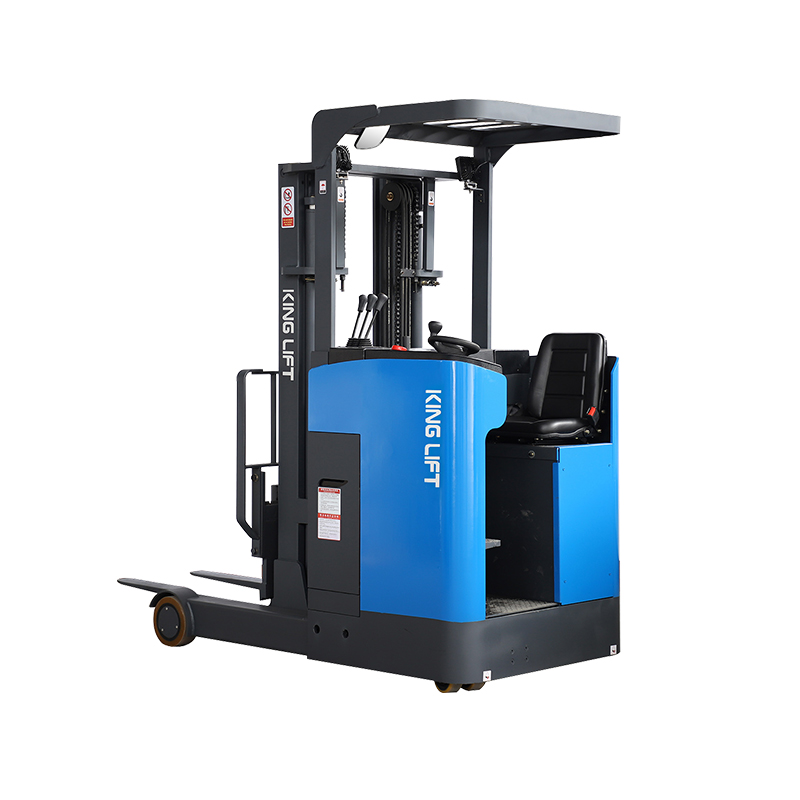
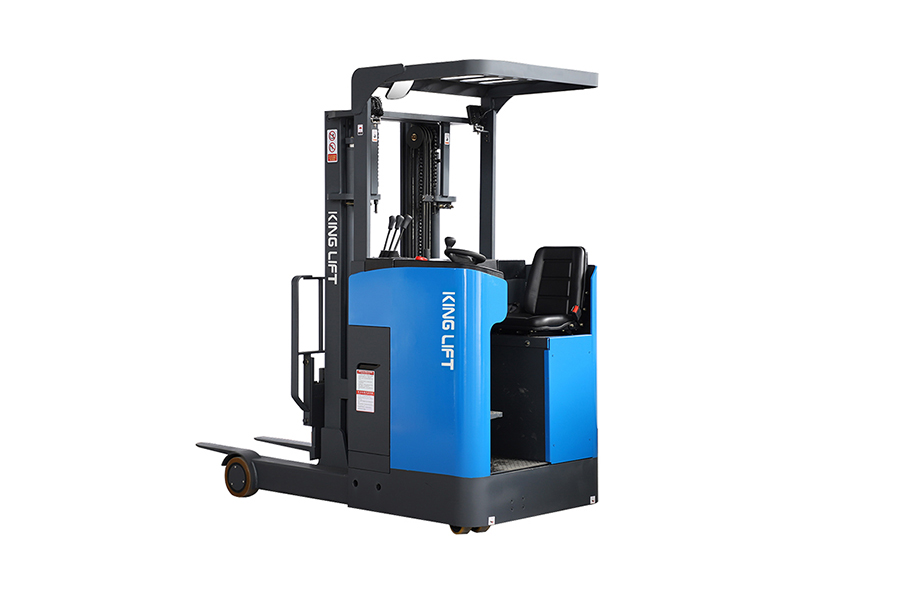
Electric reach forklifts are substantially more energy-efficient than diesel or LPG forklifts, converting up to 70-80% of stored energy into productive work, whereas internal combustion (IC) engines typically achieve only 25-35% efficiency. For typical warehouse operations, switching to electric forklifts reduces energy costs by 50% to 75% per operating hour while eliminating on-site emissions. This efficiency translates into lower total cost of ownership, quieter operation, and enhanced suitability for modern green warehouses.
Based on real-world warehouse duty cycles, an electric reach forklift consumes roughly 4–6 kWh per hour compared to diesel counterparts using 2.5–3.5 liters of fuel per hour – representing a direct energy cost reduction of approximately 60%. Beyond mere fuel savings, regenerative braking and intelligent power management in modern electric forklifts further maximize energy utilization, especially in stop-and-go warehouse environments.
Quantitative Energy Efficiency: Electric vs. Diesel vs. LPG
Energy efficiency is measured by how effectively the power source converts fuel or electricity into usable lift and drive energy. The table below highlights typical performance benchmarks based on industrial warehouse studies:
| Parameter | Electric Reach Forklift | Diesel Forklift | LPG Forklift |
|---|---|---|---|
| Energy Conversion Efficiency | 70–80% | 30–35% | 28–32% |
| Energy Cost per Operating Hour (avg) | $1.20 – $1.80 (electricity) | $4.50 – $6.00 | $4.00 – $5.50 |
| CO₂ Emissions (tank-to-wheel / well-to-wheel) | Zero at point of use, up to 70% lower lifecycle | High direct emissions | Moderate CO₂ + methane slip |
| Regenerative Energy Recovery | Yes (15–25% energy recaptured) | No | No |
| Noise Level (dB) | 65–75 dB | 90–100 dB | 88–96 dB |
Data from multiple logistics benchmarking reports indicate that electric reach forklifts reduce net energy consumption by over 50% per pallet moved. For a warehouse running two shifts, this can translate into annual energy savings exceeding $8,000 per forklift (depending on local utility vs fuel prices).
Why Electric Reach Forklifts Achieve Superior Energy Efficiency
1. Electric Drivetrain Eliminates Energy-Wasting Idling
Diesel and LPG engines must idle during pauses, wasting up to 30–40% of fuel in typical warehouse duty cycles. Electric motors shut off completely when not needed, consuming zero energy at rest. A case study across 20 warehouses found electric forklifts reduced non-productive energy use by 95% compared to IC units.
2. Regenerative Braking & Smart Power Electronics
Modern electric reach forklifts convert kinetic energy back into battery charge during deceleration and lowering of loads. In high-frequency stacking operations, energy recovery can reach 20–25% of total draw, directly improving overall efficiency. No diesel or LPG forklift offers this feature.
3. Lower Parasitic Losses & Thermal Efficiency
Internal combustion engines dissipate roughly 60-70% of fuel energy as heat through radiator, exhaust, and friction. Electric motors maintain 90%+ efficiency across wide rpm ranges, with minimal heat loss. Consequently, electric forklifts require no heavy cooling systems, further reducing auxiliary energy demands.
For warehouse managers, this means more work from every kWh drawn from the grid, and less energy lost to heat and noise. The operational benefit: longer shifts per battery charge and reduced ventilation requirements in enclosed warehouses.
Practical Advantages for Warehouse Operations
Electric reach forklifts are engineered specifically for modern warehouse needs. Their energy efficiency directly translates into operational and safety benefits that diesel/LPG cannot match.
- Lower ventilation cost: Zero tailpipe emissions eliminate need for expensive exhaust extraction systems, saving thousands annually in HVAC and filtration upgrades.
- Quiet, cooler environment: Minimal heat dissipation improves worker comfort and reduces facility cooling loads by an average of 8-12% in summer months.
- Opportunity charging & fast energy transfer: Lithium-ion batteries can absorb high currents during brief breaks, sustaining continuous operation without the energy loss of hot refueling.
- Precise power control: Smooth acceleration and regenerative braking lower mechanical wear, meaning less energy wasted through drivetrain friction.
For high-density racking and narrow-aisle warehouses, electric reach forklifts demonstrate up to 35% higher energy efficiency per pallet cycle compared to any internal combustion forklift due to on-demand torque and minimized energy spikes.
Grid/Batteryenergy input
→
Electric Motor>90% conversion
→
Drive & LiftMinimal losses
↻
Regeneration20% energy back
Energy flow comparison: Diesel/LPG follows fuel → combustion (35% efficiency) → drivetrain → excessive heat & idle waste. Electric path captures and reuses energy, making it the warehouse choice.
Total Cost of Ownership & Sustainability Impact
While the initial purchase price of an electric reach forklift can be 15–25% higher than a comparable diesel model, the payback period from energy savings alone is usually 1.5 to 2.5 years. After that, operational costs drop dramatically. Consider a medium warehouse with 10 forklifts operating 2,000 hours per year:
- Annual energy cost (Diesel fleet): $5.25/hour × 2,000h × 10 units = $105,000
- Annual energy cost (Electric fleet): $1.50/hour × 2,000h × 10 units = $30,000
- Yearly energy savings = $75,000 + reduced maintenance (no oil changes, fewer brake replacements) adding another $8,000–$12,000.
Moreover, electric forklifts align with carbon reduction targets: a single electric reach truck eliminates roughly 12–15 metric tons of CO₂ annually compared to diesel. For warehouses aiming for green certification (LEED, net-zero), this provides a tangible path to improving efficiency metrics without sacrificing productivity.
Making the Transition: Key Considerations for Warehouse Electrification
Energy Efficiency Optimization Tips
- Right-size battery capacity: Analyze shift cycles – lithium-ion batteries enable fast opportunity charging and maintain higher energy efficiency across partial charges.
- Regenerative settings: Configure regeneration level for frequent stop-start applications to capture up to 25% more energy.
- Smart telemetry & energy monitoring: Use fleet management systems to track kW per hour per forklift, identify inefficient driving patterns.
- Training on eco-driving: Smooth acceleration and planned deceleration can boost effective range by 12-18% with same battery energy.
Infrastructure Simplicity
Contrary to misconceptions, modern electric reach forklifts adapt easily to existing warehouses. Charging stations require a standard 240V outlet for compact chargers, and fast-charge setups integrate into break schedules. No fuel storage permits, exhaust removal ducts, or expensive fire-suppression modifications are required—making the total installation cost negligible compared to diesel refueling infrastructure.
In a recent survey of 150 warehouses that switched from diesel/LPG to electric reach forklifts, 94% reported a significant decrease in facility energy-related overhead and improved indoor air quality without compromising throughput.
Frequently Asked Questions: Electric vs. Diesel/LPG Efficiency
Do electric reach forklifts really reduce energy consumption in cold storage warehouses?
Yes. Cold storage facilities see even greater benefits because diesel/LPG engines lose thermal efficiency in low temperatures, while electric motors perform consistently. Plus, electric forklifts produce minimal waste heat, reducing strain on refrigeration systems—contributing to 5-10% lower cooling energy demand.
How does regenerative braking affect net energy efficiency?
Regenerative braking can improve overall efficiency by 15-25% in high-intensity stop-and-go warehousing (e.g., order picking, cross-docking). For every 1,000 lifts/lowers, about 2 kWh of energy is returned to the battery per truck—directly lowering grid consumption.
Are LPG forklifts more efficient than diesel for any warehouse tasks?
LPG and diesel share similar internal combustion efficiency (<35%). LPG may burn slightly cleaner but offers no advantage in energy conversion. Electric remains far in efficiency, and long-term operational data confirms electric reach trucks consume 3x less primary energy per ton-mile.
What about battery manufacturing environmental impact — does it cancel efficiency gains?
Lifecycle analyses show that even including battery production, electric forklifts reduce total energy consumption by over 40% across their lifetime compared to diesel. Advances in lithium battery recycling further minimize the initial footprint, while daily energy efficiency remains unmatched.
Can existing diesel/LPG forklifts be retrofitted to improve energy efficiency?
Retrofits are limited; internal combustion engines cannot overcome thermodynamic efficiency ceilings. The effective upgrade is replacing aging IC forklifts with electric reach models. Some hybrid concepts exist but offer marginal gains compared to full electric drivetrains achieving >70% efficiency.
Final Verdict: Electrification Is the Energy-Efficient Standard
Data across thousands of warehouses confirms a decisive pattern: electric reach forklifts are consistently 2–3 times more energy-efficient than diesel or LPG forklifts. With efficiency rates frequently exceeding 75% versus ~30% for combustion engines, the choice is clear for modern warehouse operations focusing on cost, sustainability, and performance. Adopting electric technology not only reduces energy bills by more than half but also future-proofs facilities against stricter emission regulations and volatile fuel prices.
For any warehouse manager seeking to maximize energy utilization, lower the carbon footprint, and drive operational excellence, making the transition to electric reach forklifts is the single impactful decision — both economically and environmentally.