

 English
 русский
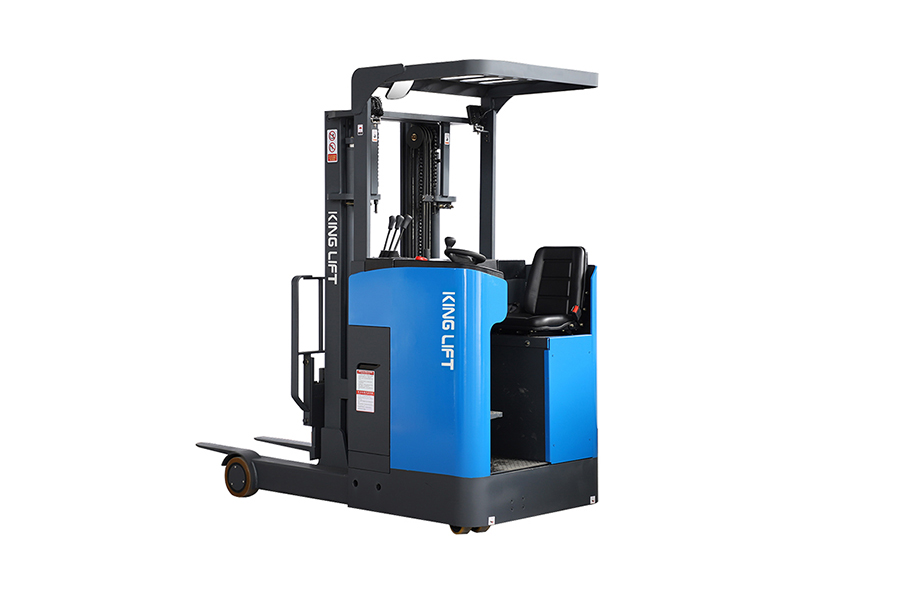
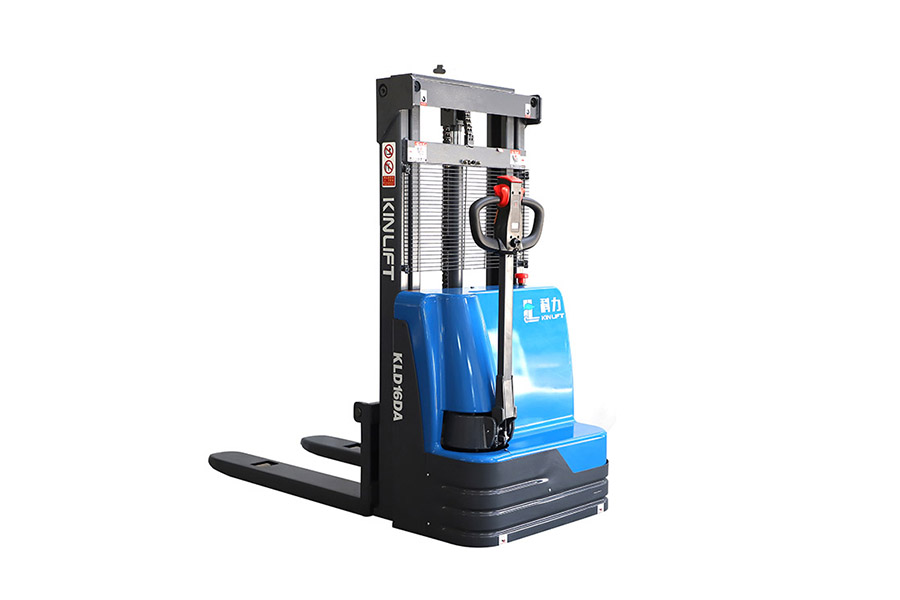
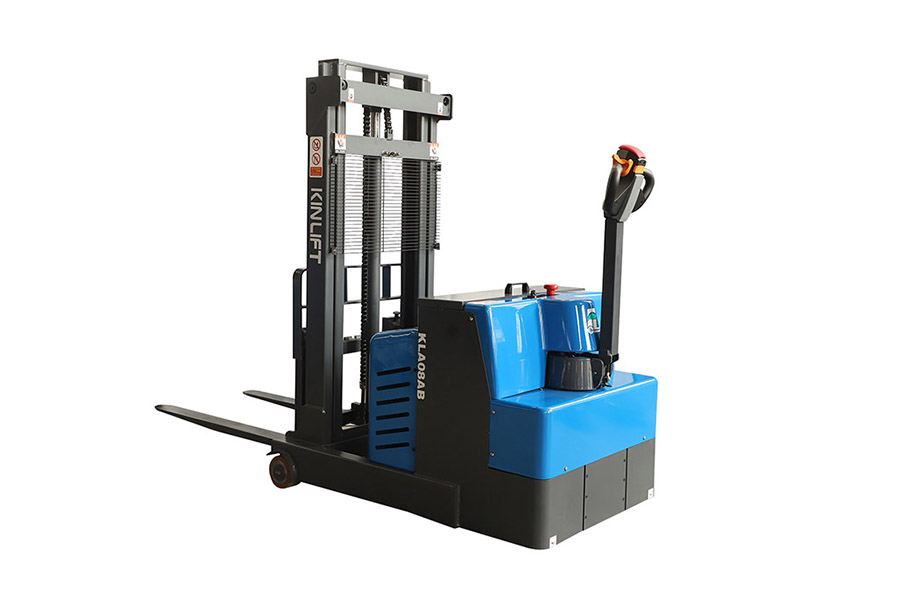
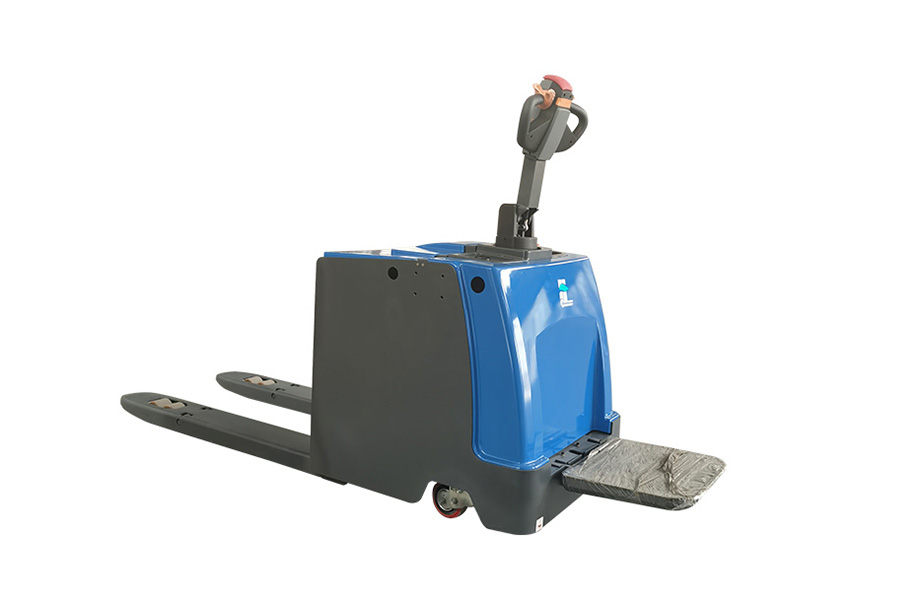
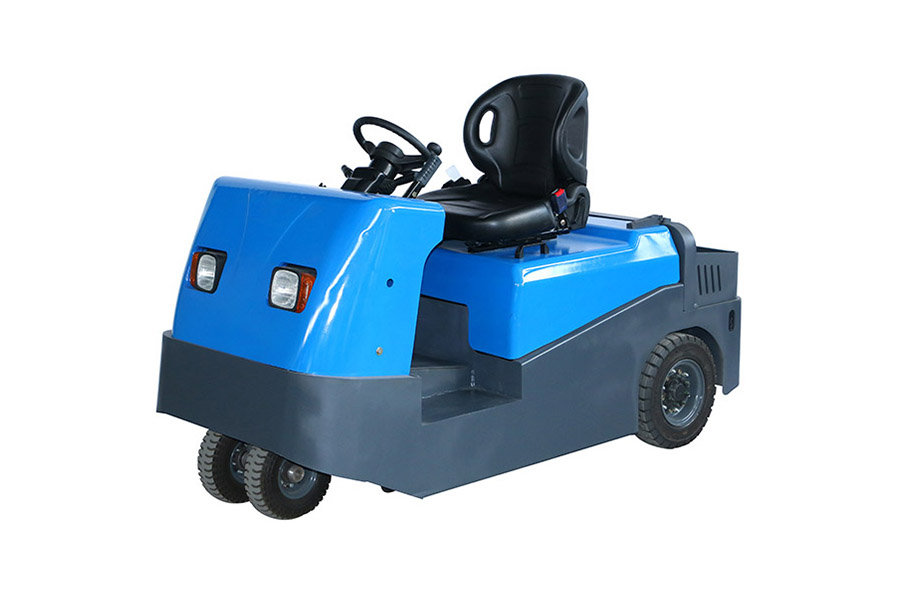
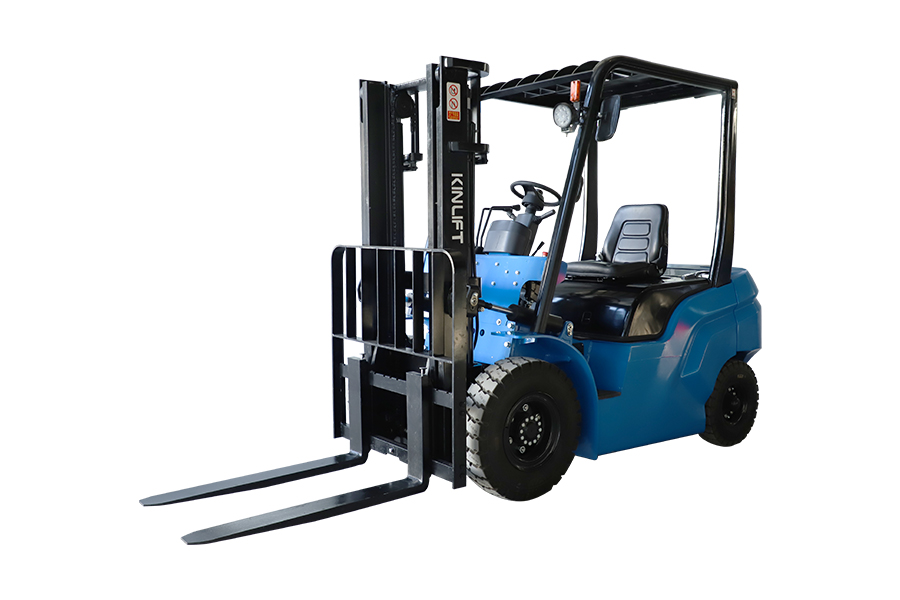

Electric counterbalance forklifts deliver 30–50% lower operating costs compared to internal combustion models, zero tailpipe emissions, and 70% fewer moving parts — making them the definitive solution for modern warehouses, retail environments, and emission-sensitive facilities. With rapid advances in lithium-ion technology, these trucks now offer opportunity charging, consistent power output, and total cost of ownership (TCO) reductions up to 45% over 10,000 operating hours.
Key Advantages Over Conventional Forklifts
Electric counterbalance forklifts have transformed material handling by providing tangible economic and environmental benefits. Unlike diesel or LPG forklifts, electric models eliminate direct carbon emissions while drastically reducing noise pollution—crucial for indoor operations. Below are quantifiable performance differentiators:
| Parameter | Electric Counterbalance Forklift | Internal Combustion Forklift |
|---|---|---|
| Energy cost per hour (typical) | $1.20–1.80 (electricity) | $4.00–6.50 (diesel/LPG) |
| Maintenance intervals | Every 1,000–1,500 hours (no oil/filter changes on engine) | Every 200–400 hours (engine oil, filters, spark plugs) |
| Carbon footprint (annual 2000h) | ~0 kg CO₂ (direct), up to 80% lower indirect with green grid | ~8,200 kg CO₂ per year (typical 3-ton LPG) |
| Noise level (operator ear) | 68–72 dBA — suitable for quiet zones | 85–92 dBA (requires hearing protection) |
Beyond hard numbers, electric counterbalance forklifts provide instant torque delivery for smooth acceleration and precise load handling. Their low center of gravity (thanks to battery placement) enhances stability on ramps and uneven floors. Businesses moving toward sustainability targets report that electrifying forklift fleets reduces their scope 1 emissions by up to 18%.
Core Components & Working Principle
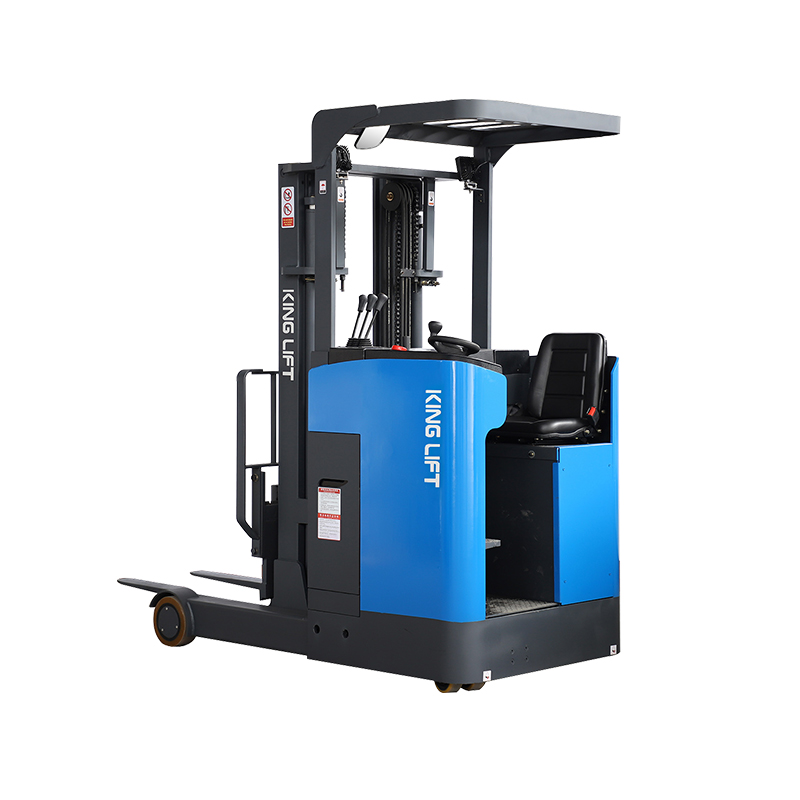
Understanding the architecture of an electric counterbalance forklift helps operators maximize efficiency. The system relies on a closed-loop electric drivetrain, eliminating transmissions, clutches, or exhaust systems.
Main subsystems
- Battery pack — Typically 48V, 80V, or 96V lithium-ion or lead-acid. Modern Li-ion offers 2,500+ deep cycles and 1-hour opportunity charging.
- Traction motor & AC controller — Powers drive wheels with regenerative braking, recovering up to 15% of energy during deceleration.
- Hydraulic pump motor — Independent system for lift/lower and tilt functions, delivering on-demand flow reducing energy waste by ~25% compared to fixed displacement pumps.
- Counterweight chassis — Cast rear weight (typically 35–45% of total truck mass) balances the load moment, enabling heavy lifting without outriggers.
Energy & signal flow: How power becomes motion
- Battery
DC Power - Controller
(Inverter & FOC) - Traction Motor
(AC induction/Sync) - Drive Axle & Wheel
Linear motion - Lifting
Hydraulic actuator
The intelligent motor controller regulates torque and speed based on pedal position and load weight. In practical applications, electric counterbalance forklifts achieve over 90% energy efficiency from battery to wheel, compared to ~30–35% for internal combustion engines. Regenerative braking further extends shift life by 5–12% in stop-and-go operations.
Performance Considerations & Selection Guide
Choosing the right electric counterbalance model requires alignment with load capacity, duty cycle, and operating environment. Below are essential parameters and typical specifications to guide procurement.
| Selection Factor | Typical Range / Recommendation | Why it matters |
|---|---|---|
| Load capacity | 1.5 – 5.0 tonnes (common classes) Heavy-duty up to 10t available |
Match max load + 15% safety margin to avoid motor strain. |
| Lift height | 3m to 6.5m (standard mast) Triplex mast up to 8m |
Higher masts reduce residual capacity; consult load-moment chart. |
| Battery type | Lithium-ion: opportunity charging, maintenance-free, 3000 cycles Lead-acid: lower initial cost, needs watering & equalization |
Li-ion suits multi-shift operations; lead-acid for single shift with dedicated charging room. |
| Wheelbase & turning radius | Compact: 1750–1950 mm (3-wheel) Standard: 1950–2250 mm (4-wheel) |
3-wheel excels in narrow aisles (under 3.2m), 4-wheel offers better outdoor stability. |
Data-driven note: Studies on forklift fleet utilization show that switching to electric counterbalance models can increase shift availability by 25–30% due to reduced refueling time and minimal maintenance downtime. For cold storage environments, lithium-ion maintains 95% capacity at -10°C, while lead-acid loses up to 40% capacity. Always verify IP rating (minimum IP54 for wet areas).
Maintenance Best Practices for Longevity
Electric counterbalance forklifts require a structured preventive maintenance regime to ensure uptime and preserve battery health. With fewer wear components than IC engines, focus remains on electrical contacts, hydraulics, and tires.
Recommended service schedule
- Daily checks: Inspect tires (tread depth >1.5mm), verify horn & lights, check hydraulic fluid level, clean battery terminals.
- Every 250 hours: Lubricate mast chains, pivot pins, and lift cylinder mounts; torque wheel nuts.
- Every 500 hours: Replace hydraulic oil filter; test brake function and regenerative braking efficiency; inspect contactors and fuses.
- Every 1,000 hours: Change hydraulic oil (ISO VG 32/46), perform motor brush inspection (for DC motors, though AC dominant today), and controller diagnostics via OEM software.
Lithium-ion batteries require no equalization but need to avoid deep discharges below 10% state-of-charge (SOC). Data shows that adhering to thermal management (battery remains 15°C–35°C) increases battery lifespan by 35%. For lead-acid, weekly watering and monthly equalization charging prevent sulfation. Also, keep electric forklift controllers dust-free; debris accumulation causes overheating and derating – a major factor contributing to 23% of electronic failures in warehouses.
Operator habits to maximize component life
- Use smooth acceleration and anticipate stops — aggressive operation can reduce range by up to 18%.
- Lift only on level ground, avoid mast tilting under full load to reduce hydraulic stress.
- Charge batteries during breaks (for Li-ion) without waiting for deep discharge.
Frequently Asked Questions (FAQ)
Can electric counterbalance forklifts be used outdoors?
Yes, modern electric forklifts with pneumatic tires and IP54-rated electronics are fully capable for outdoor use. However, avoid prolonged operation in heavy rain or deep puddles. Many models include weather-resistant connectors and sealed motors, making them suitable for yard applications, provided surface gradients don’t exceed 12–15%.
How long does a typical battery charge last on an electric counterbalance forklift?
With a standard 48V/600Ah lead-acid battery, a full charge lasts 6–8 hours of continuous operation under moderate loading. Lithium-ion packs with similar kWh capacity provide consistent power for full shifts (8+ hours) and can be fast-charged in 1–2 hours during breaks, enabling 24/7 multi-shift usage without battery swapping.
What is the total cost advantage of switching from diesel to electric?
Over a 5-year lifecycle (10,000 operating hours), electric counterbalance forklifts offer 40–45% lower TCO compared to diesel equivalents. Savings derive from 70% lower energy costs, 60% reduction in maintenance parts, and zero DEF/engine oil expenses. The higher upfront purchase is typically recouped within 18–24 months in high-utilization fleets.
Do electric forklifts have enough power for heavy loads (3–5 tons)?
Absolutely. AC motors deliver peak torque at zero RPM, enabling instantaneous lift and travel even with full loads. A typical 3-ton electric counterbalance forklift provides gradeability of 18–22% laden, matching or exceeding diesel performance. Advanced torque control ensures precise handling, making them ideal for heavy manufacturing and container loading.
How often should regenerative braking be inspected?
Regenerative braking systems in electric counterbalance trucks are largely maintenance-free, but the traction controller should be checked during annual full-diagnostics. Field data shows less than 2% failure rate over 8,000 hours. Routine brake pad wear is reduced by over 50% compared to conventional brakes, extending service intervals.
Key takeaway: Electric counterbalance forklifts represent a mature, high-performance technology that delivers measurable operational savings while reducing environmental footprint. By specifying the right battery architecture and following predictive maintenance protocols, warehouses achieve ROI faster and safer operations.