

 English
 русский

Home / News / Industry News / Are Warehousing Electric Forklifts the Future of Warehouse Operations?
In the rapidly evolving landscape of warehouse logistics, efficiency, safety, and sustainability are becoming essential benchmarks for operational success. Warehousing electric forklifts have emerged as a key technology that addresses these needs, offering a modern alternative to traditional diesel or gas-powered forklifts.
Understanding Warehousing Electric Forklifts
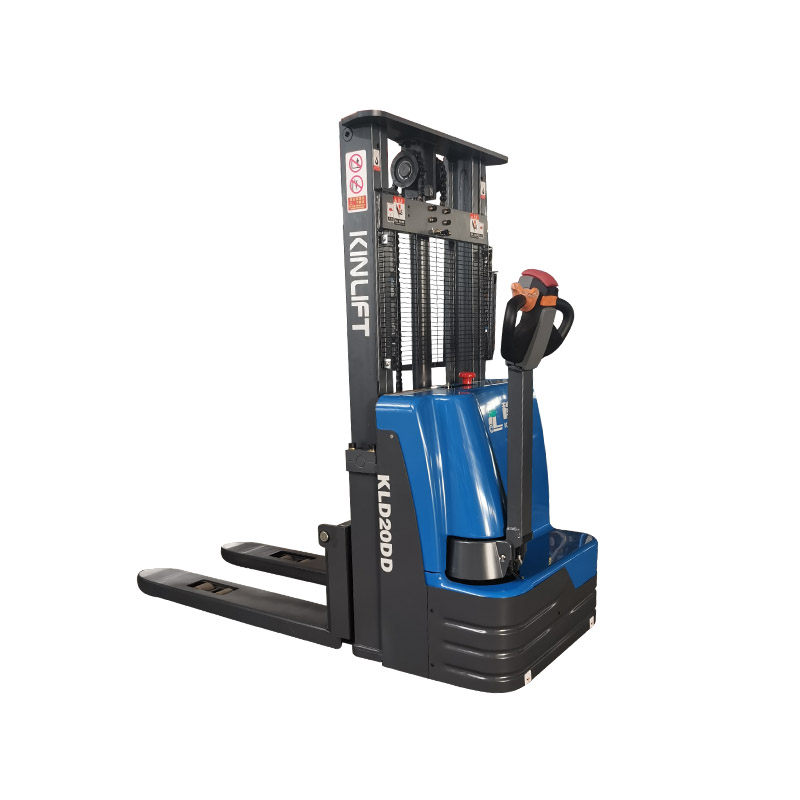
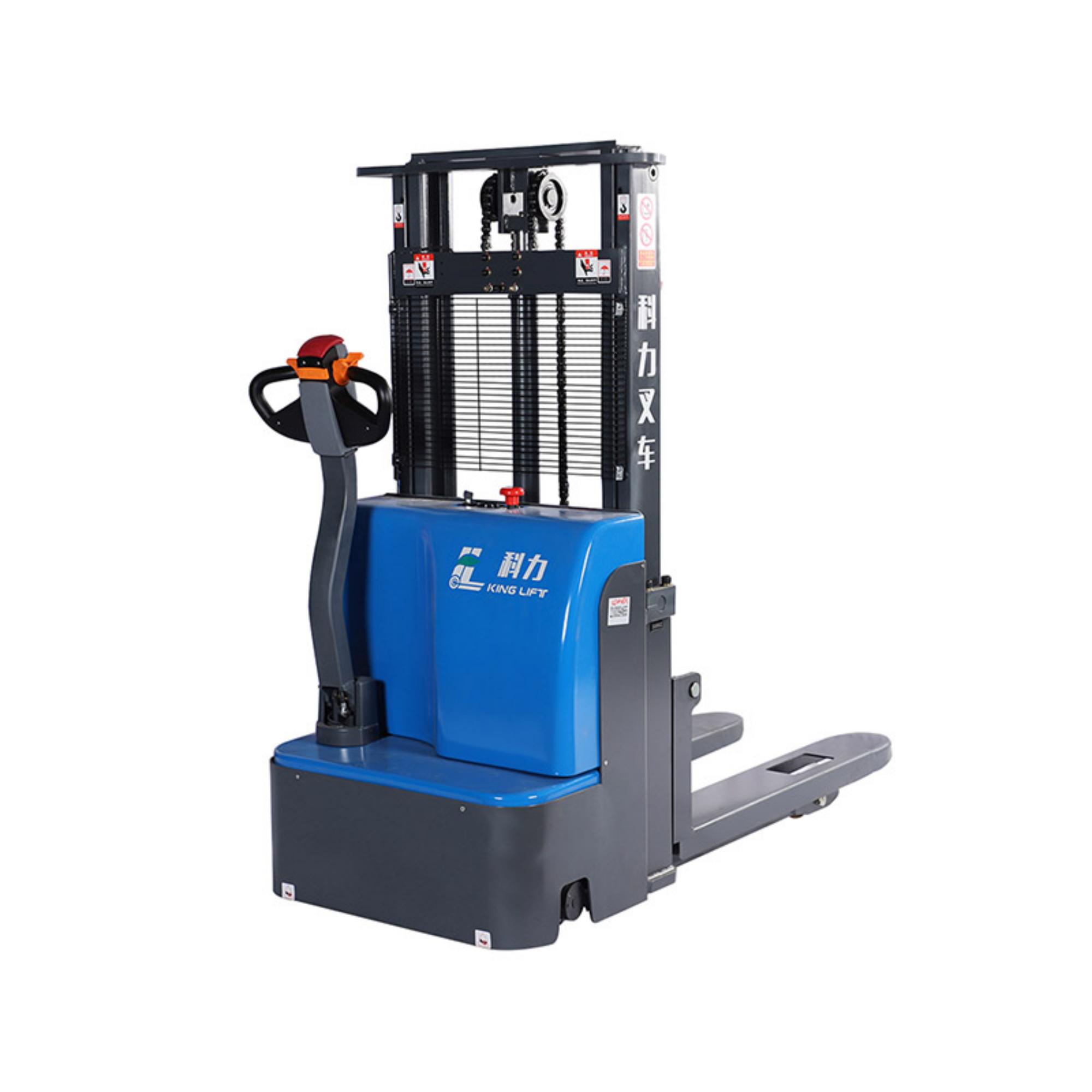
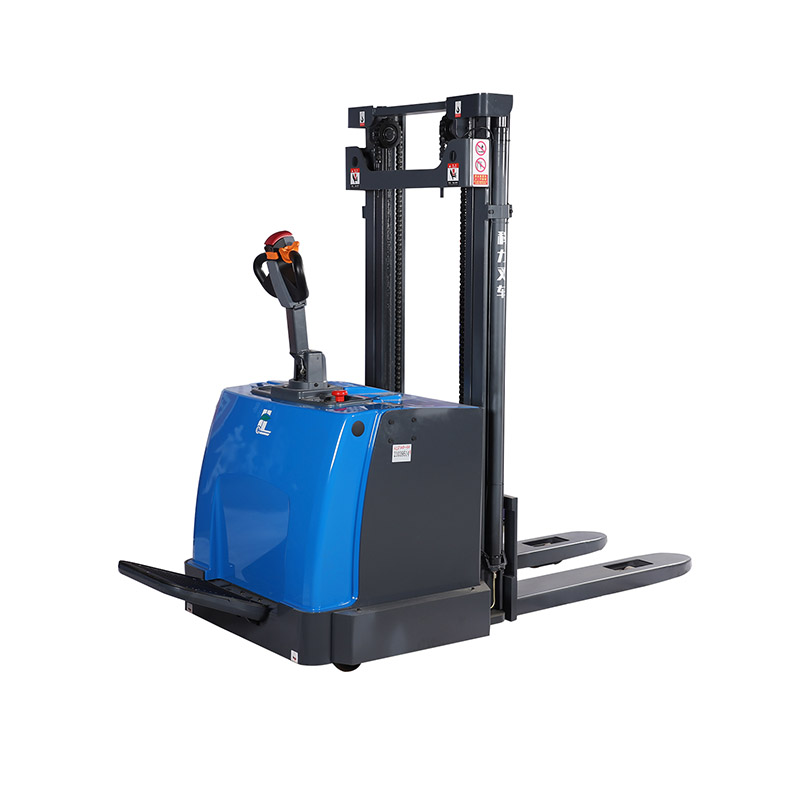
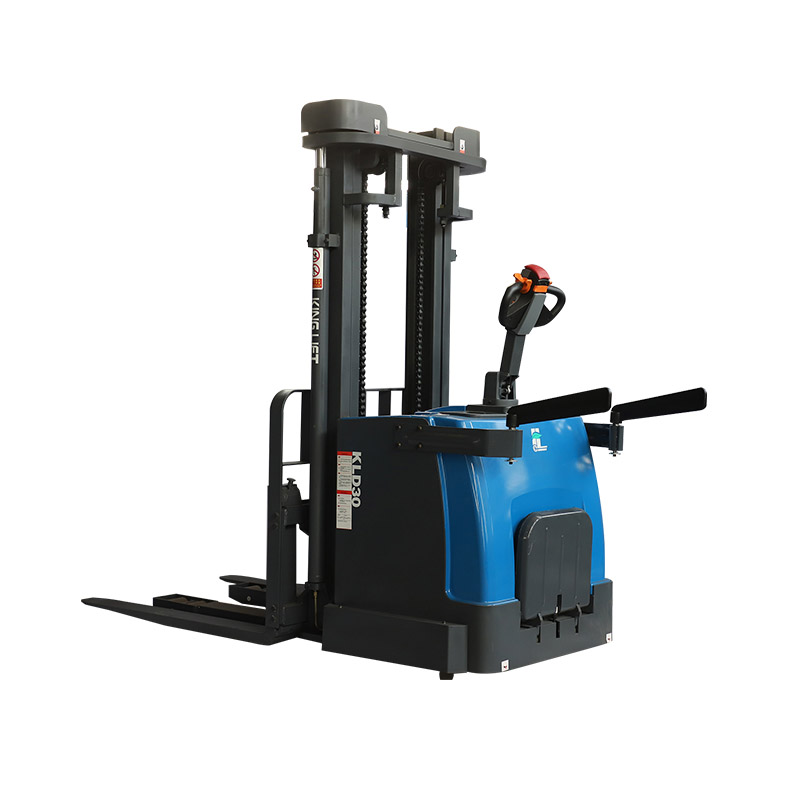
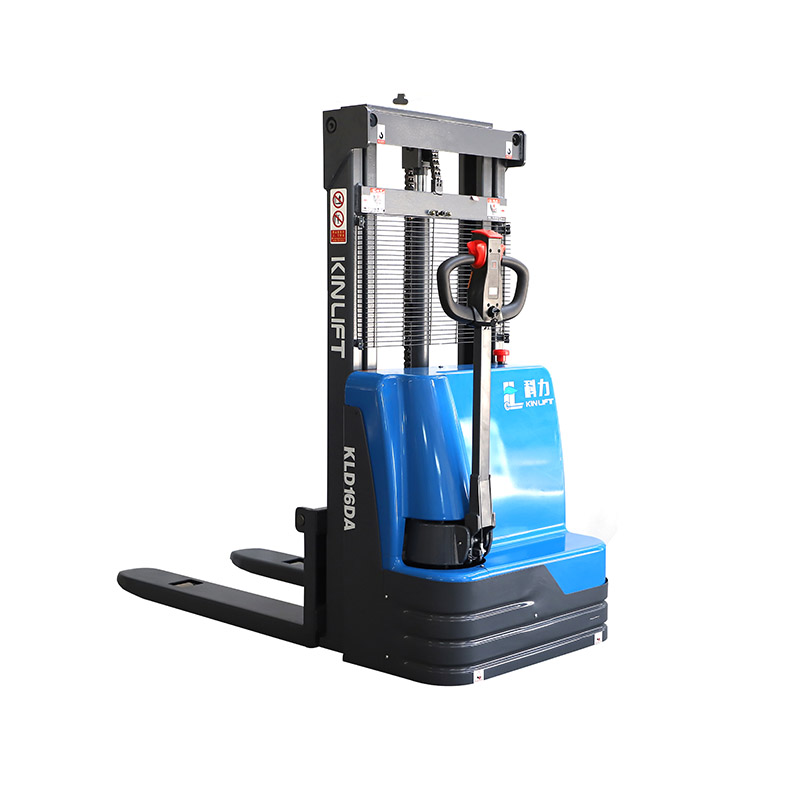
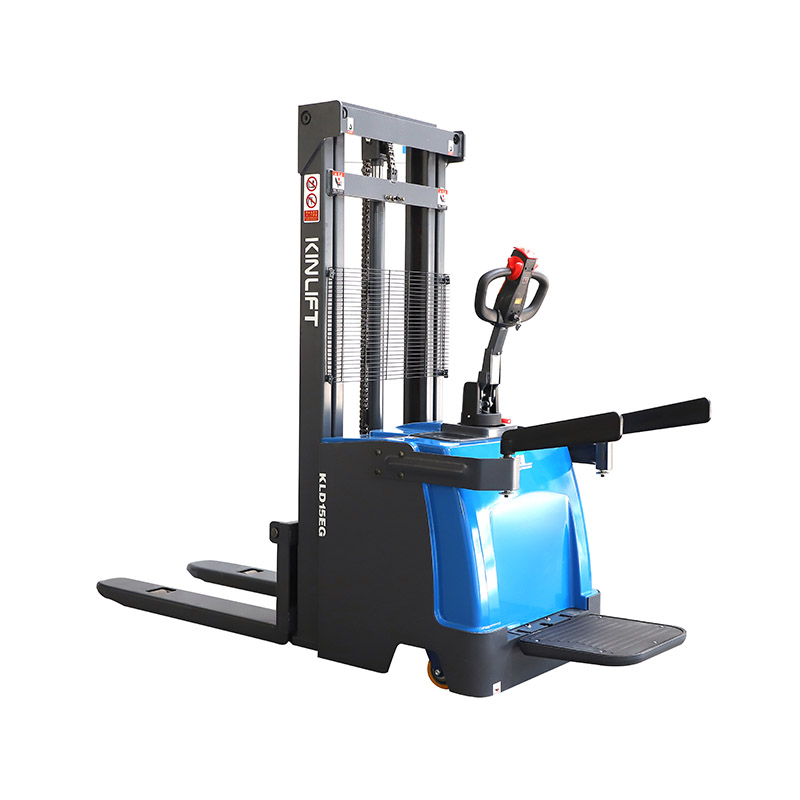
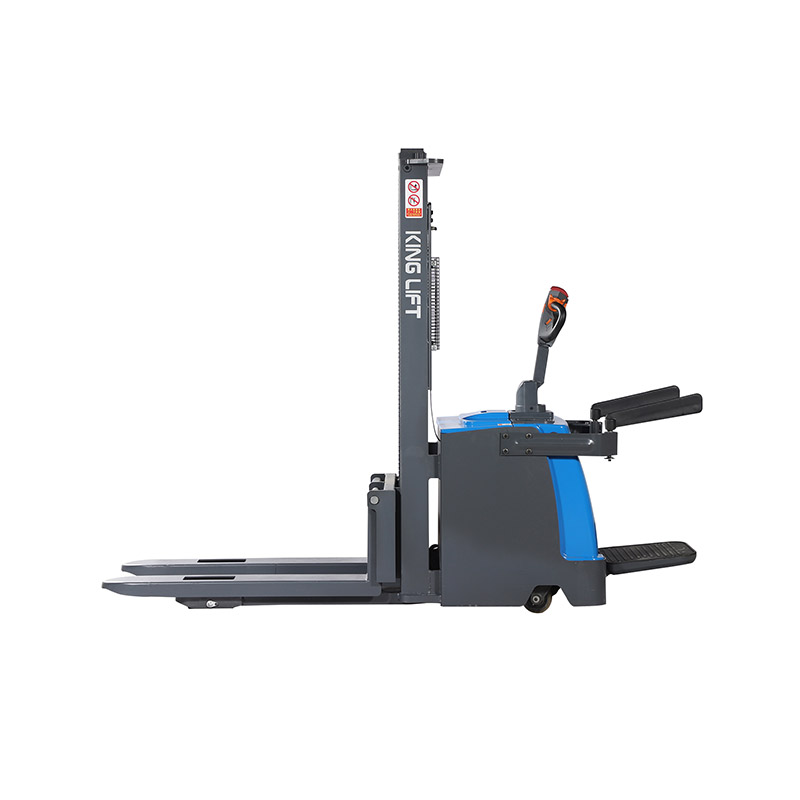
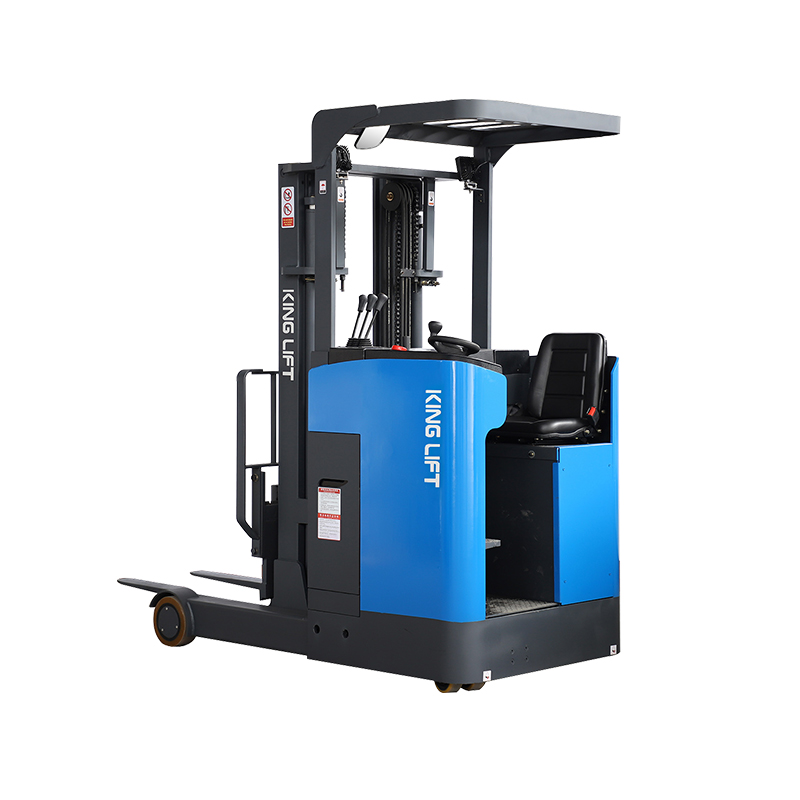
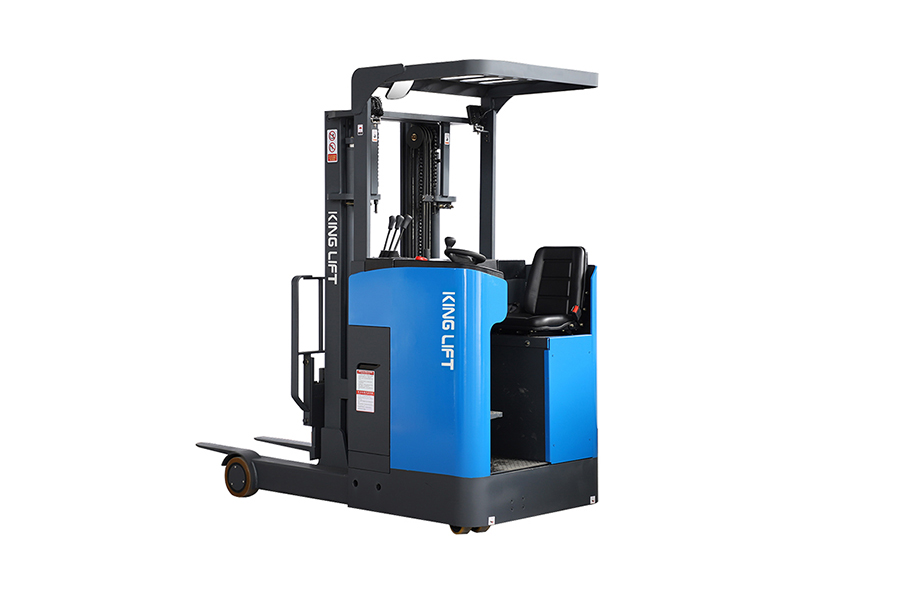
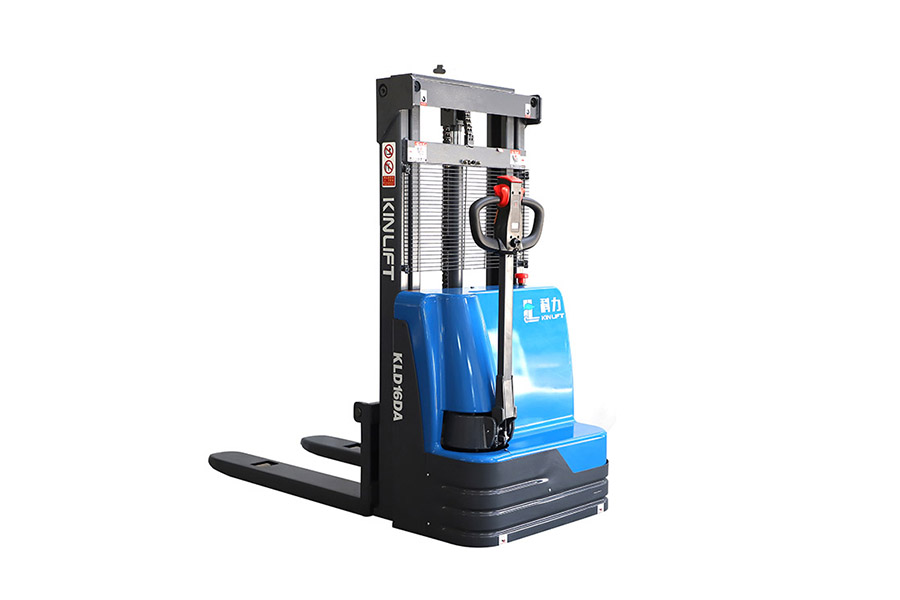
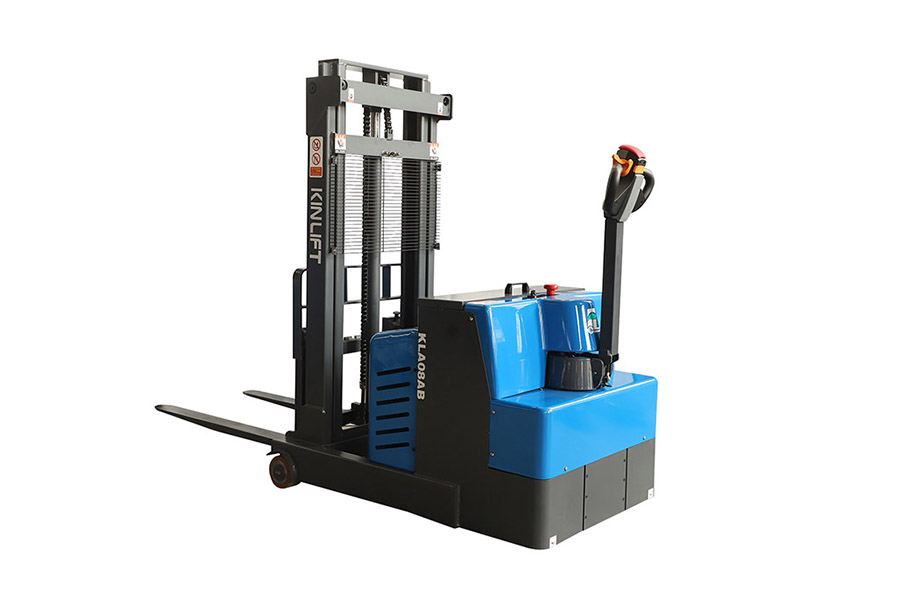
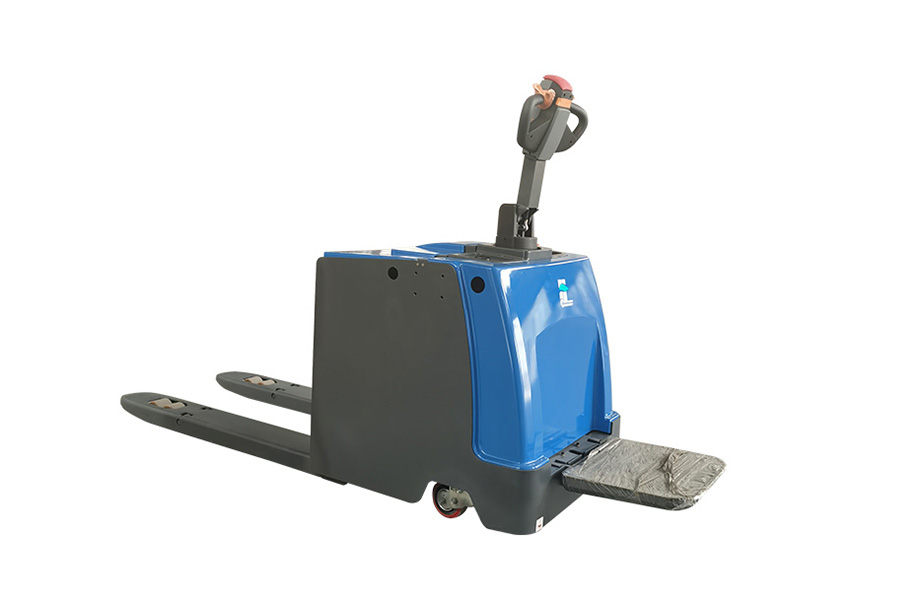
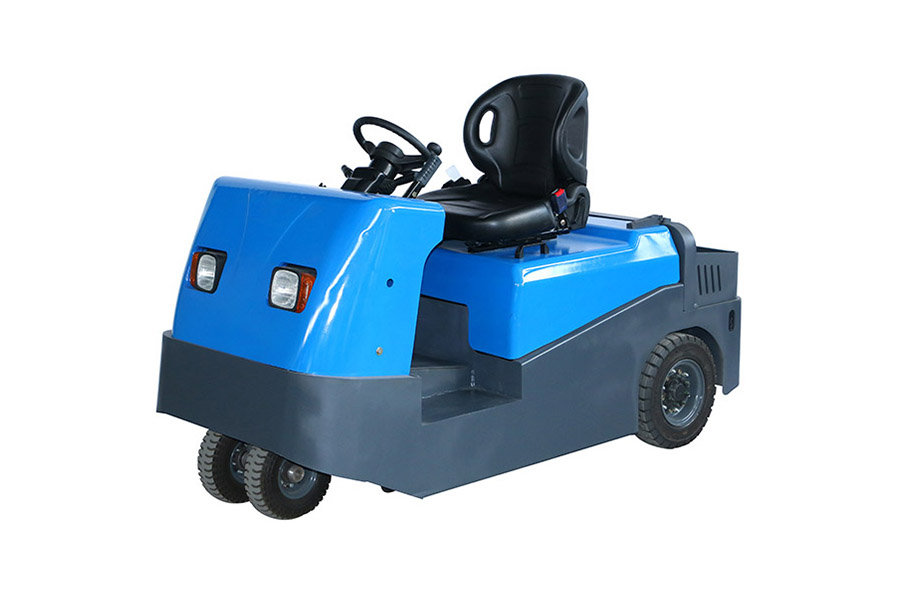
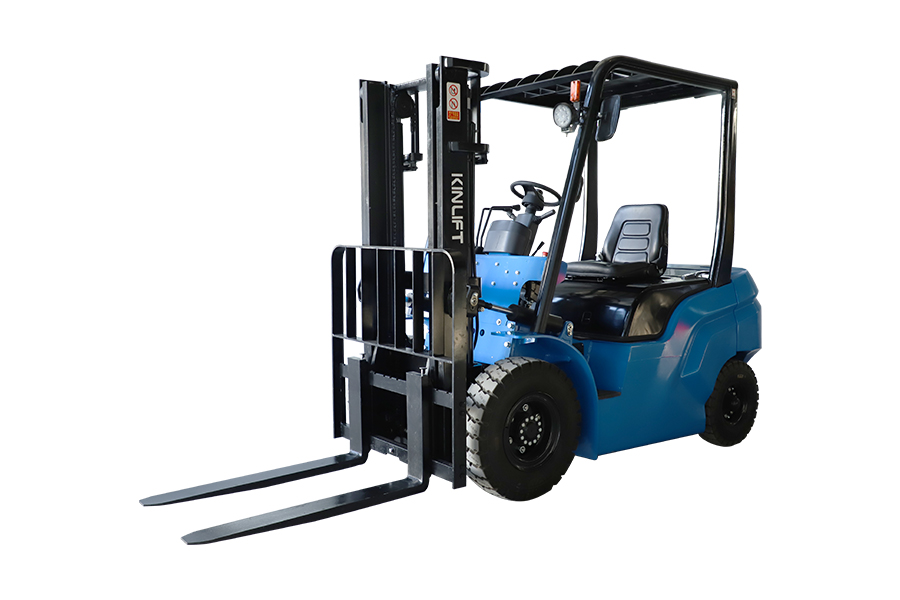
Warehousing electric forklifts are battery-powered material handling vehicles designed to move, lift, and transport goods within a warehouse environment. Unlike conventional forklifts, electric models rely on rechargeable batteries, eliminating the need for fossil fuels and reducing emissions within indoor spaces. Their adoption is driven by both environmental considerations and operational efficiency.
Key Features of Warehousing Electric Forklifts
The main attributes that define modern warehousing electric forklifts include:
| Feature | Description | Benefits |
|---|---|---|
| Battery Type | Lithium-ion or lead-acid batteries | Longer operating hours, faster charging |
| Load Capacity | Ranges from 1 to 5 tons | Flexible handling of various warehouse goods |
| Maneuverability | Compact design and tight turning radius | Ideal for narrow aisles and high-density storage |
| Safety Systems | Collision sensors, automatic braking | Reduces workplace accidents |
| Ergonomic Design | Adjustable seats, controls within reach | Enhances operator comfort and reduces fatigue |
These features collectively improve warehouse productivity, making electric forklifts a compelling choice for modern operations.
Advantages of Warehousing Electric Forklifts
Environmental Benefits
One of the significant advantages of warehousing electric forklifts is their environmental impact. Unlike diesel or gas-powered alternatives, electric forklifts produce zero tailpipe emissions. This makes them particularly suitable for indoor environments where air quality is a priority. Warehousing electric forklifts also contribute to sustainability goals, aligning warehouse operations with corporate environmental responsibilities.
Operational Efficiency
Electric forklifts are quieter, smoother, and require less maintenance than traditional models. The reduction in vibration and noise improves working conditions, while fewer moving parts reduce downtime and maintenance costs.With the rise of warehouse automation, battery-powered forklifts can also integrate seamlessly with automated storage and retrieval systems.
Cost Effectiveness
While the initial investment in warehousing electric forklifts may be higher than conventional forklifts, the long-term savings are significant. Reduced fuel costs, minimal maintenance, and longer equipment lifespan contribute to a lower total cost of ownership.
| Cost Factor | Diesel/Gas Forklifts | Electric Forklifts | Comparison |
|---|---|---|---|
| Fuel/Energy | High, recurring | Low, electricity-based | Electric forklifts reduce energy cost by up to 50% |
| Maintenance | Frequent oil changes, engine repair | Battery maintenance, minimal mechanical wear | Electric forklifts require less frequent service |
| Lifespan | 7-10 years | 8-12 years | Slightly longer lifespan for electric models |
| Operating Noise | 80+ dB | 60 dB or lower | Electric forklifts offer quieter operations |
Enhanced Safety
Safety is a paramount concern in warehouses, and electric forklifts contribute positively. Modern models include advanced safety features such as automatic braking, stability control, and collision detection. These systems not only protect operators but also safeguard goods and infrastructure.
Applications in Modern Warehouses
Warehousing electric forklifts are versatile tools suitable for various warehouse settings. Their applications include:
High-density storage facilities: Compact design allows navigation in narrow aisles.
Cold storage warehouses: Electric forklifts perform efficiently in low-temperature environments without emission risks.
Inventory management centers: Smooth operation reduces product damage during handling.
Comparing Electric Forklifts with Traditional Forklifts
| Criteria | Diesel/Gas Forklifts | Warehousing Electric Forklifts |
|---|---|---|
| Emissions | High, indoor pollution | Zero tailpipe emissions |
| Noise | Loud operation | Quiet and low vibration |
| Energy Cost | Fuel-dependent | Electricity-based, cheaper |
| Maintenance | Frequent | Reduced, simpler components |
| Suitability | Indoor/outdoor | Best for indoor and semi-outdoor |
The comparison highlights how electric forklifts are increasingly the preferred choice for modern warehouse operations, especially where sustainability and safety are prioritized.
Integration with Warehouse Technology
As warehouses adopt automation and smart inventory systems, warehousing electric forklifts complement these technologies. Battery-powered forklifts can be equipped with sensors for real-time tracking, telematics for predictive maintenance, and IoT integration for optimized fleet management. This allows warehouses to enhance efficiency and reduce operational risks.
Long-Term Operational Strategy
Incorporating electric forklifts into a warehouse requires careful planning, including:
Assessing load requirements and battery capacity.
Optimizing warehouse layout for compact maneuvering.
Implementing charging schedules to minimize downtime.
| Planning Aspect | Key Consideration |
|---|---|
| Battery Management | Lithium-ion vs lead-acid selection |
| Fleet Size | Number of forklifts needed per shift |
| Operator Training | Familiarization with controls and safety systems |
| Charging Infrastructure | Placement of charging stations to avoid operational bottlenecks |
A well-planned integration ensures that warehousing electric forklifts provide benefits, from cost savings to improved safety.
Challenges and Considerations
Despite their advantages, there are challenges associated with warehousing electric forklifts:
Battery life and charging time: Although lithium-ion batteries have improved efficiency, charging still requires downtime.
Initial cost: Higher upfront investment may deter small operations, though long-term savings often justify the expense.
Operational adaptation: Staff need training to handle new technology and follow practices for battery management.
Addressing these challenges involves careful planning, structured training programs, and selecting forklifts that match warehouse operational demands.
The Future of Warehousing Electric Forklifts
The trends indicate that warehousing electric forklifts will continue to dominate the future of warehouse operations. Key factors influencing this shift include:
Sustainability mandates: Companies are increasingly required to reduce carbon footprints.
Technological integration: Smart warehouses demand forklifts capable of seamless integration.
Cost efficiency: Long-term operational savings outweigh higher initial costs.
Safety compliance: Electric forklifts align with modern safety regulations.
Warehousing electric forklifts are no longer just an alternative; they are a strategic asset for modern warehouse operations.
Conclusion
As warehouse operations evolve, efficiency, sustainability, and safety have become non-negotiable requirements. Warehousing electric forklifts address these demands, providing a versatile, cost-effective, and environmentally friendly solution. With continued advancements in battery technology and warehouse automation, these forklifts are poised to become the standard in warehouse logistics. Businesses that adopt and integrate warehousing electric forklifts effectively will benefit from enhanced productivity, lower operational costs, and improved safety outcomes.