

 English
 русский

Home / News / Industry News / Warehousing Electric Forklifts vs Traditional Forklifts: Which Is Better?
Warehouses and distribution centers are evolving rapidly, driven by increasing demand for efficiency, sustainability, and operational safety. Forklifts remain central to material handling, yet the debate between traditional forklifts and warehousing electric forklifts continues. With warehouse operators seeking solutions that reduce costs and enhance productivity, understanding the key differences between these types of forklifts is critical.
Operational Efficiency
Efficiency in warehouse operations directly impacts throughput and overall productivity. Traditional forklifts, often powered by diesel, gasoline, or LPG, are known for their strong lifting capacity and durability. They excel in outdoor environments and heavy-duty applications, providing consistent performance under extended operation.
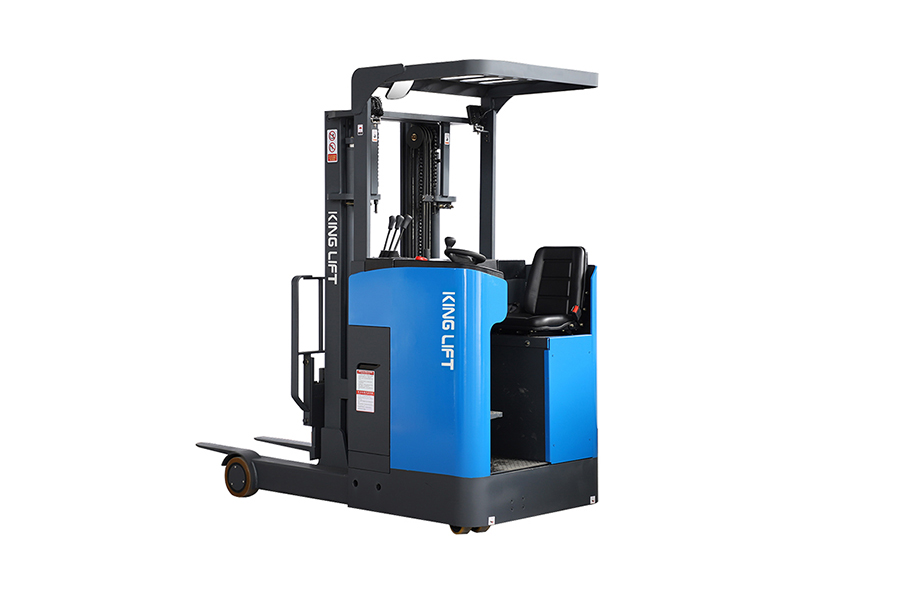
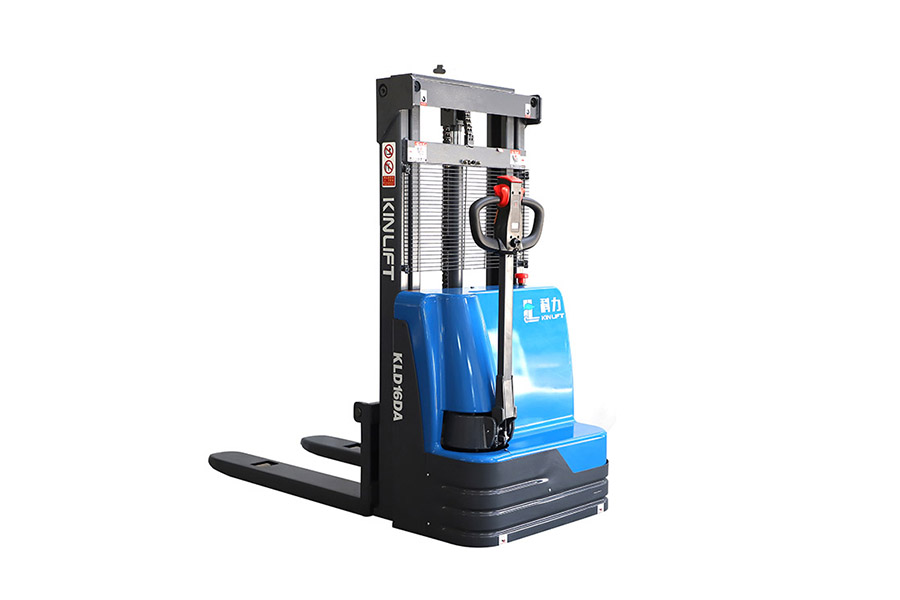
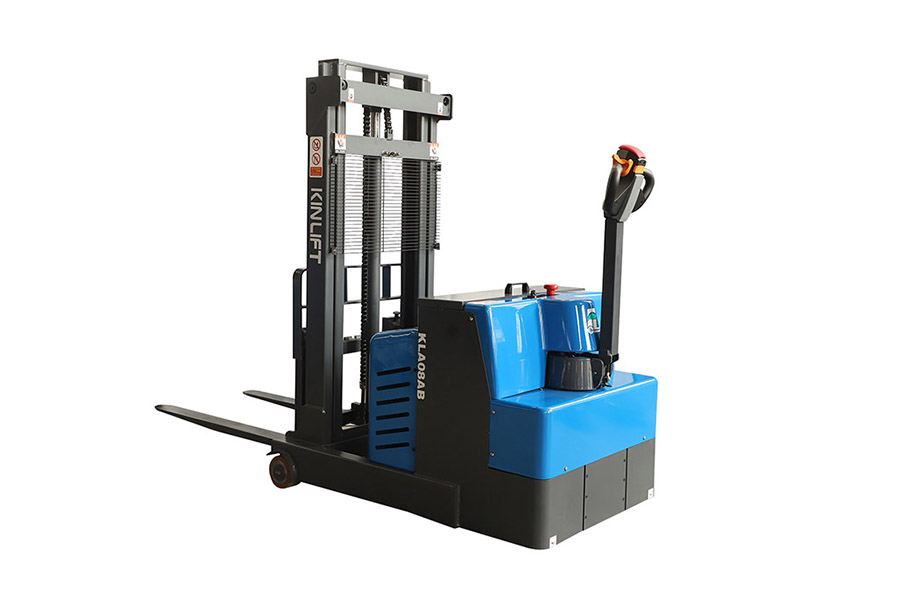
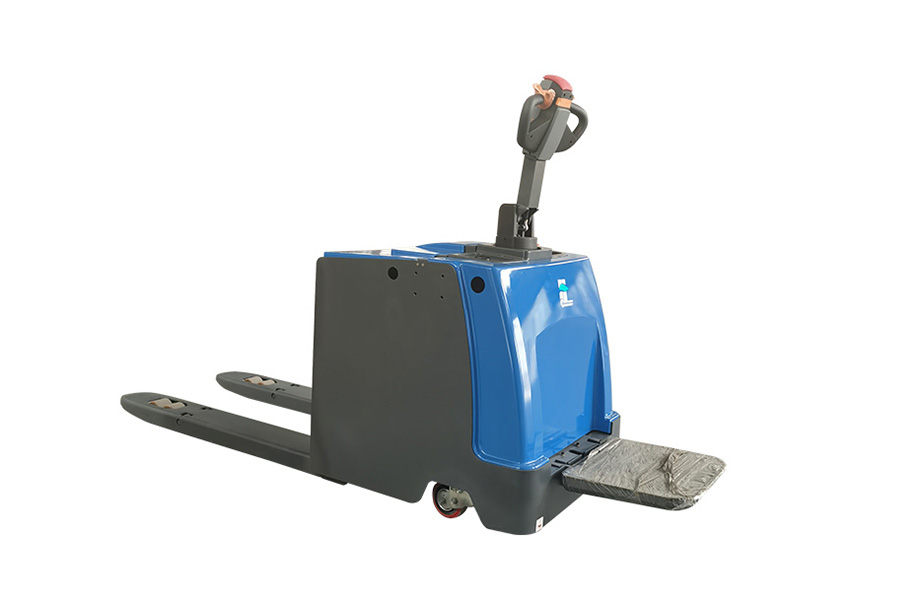
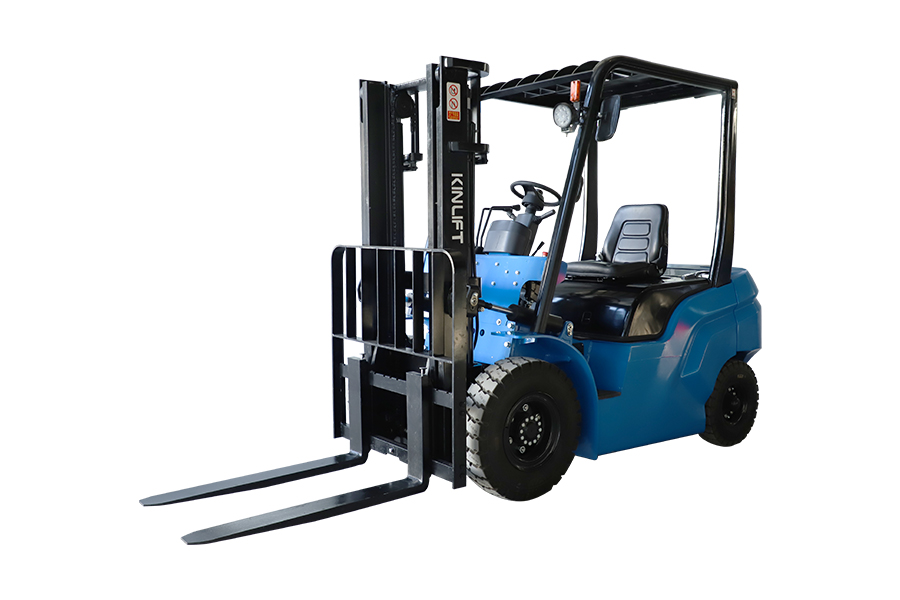
Warehousing electric forklifts, however, offer a different type of efficiency. Their electric drive systems allow for smooth acceleration, precise maneuvering, and quieter operation, making them ideal for indoor warehouses. Electric forklifts also reduce downtime associated with fuel handling and engine maintenance.
Operational Comparison
| Feature | Traditional Forklifts | Warehousing Electric Forklifts |
|---|---|---|
| Power Source | Diesel, Gas, LPG | Electric (Battery-powered) |
| Noise Level | High | Low |
| Indoor Suitability | Limited due to emissions | Excellent |
| Acceleration | Moderate | Smooth and precise |
| Maintenance Frequency | Higher | Lower |
The table demonstrates that warehousing electric forklifts are particularly advantageous in environments where noise reduction and air quality are priorities.
Environmental Impact
Environmental regulations are tightening, pushing warehouse operators to consider sustainable alternatives. Traditional forklifts emit carbon dioxide and particulate matter, contributing to indoor and outdoor air pollution. Diesel-powered models also generate heat and require fuel storage, which can increase operational complexity and risk.
Warehousing electric forklifts eliminate direct emissions, offering a greener alternative. Battery technology improvements have extended operational hours, and modern forklifts allow for rapid charging, supporting high-demand schedules. Additionally, electric forklifts produce less heat, creating a safer and more comfortable indoor environment.
Cost Considerations
Cost analysis is often a decisive factor in forklift selection. Traditional forklifts generally have lower upfront costs compared to electric forklifts, but higher fuel and maintenance expenses over time. Diesel engines require regular servicing, fuel costs fluctuate, and exhaust systems need inspection to meet safety standards.
Warehousing electric forklifts typically involve higher initial investment due to battery systems and electric drive technology. However, operational costs are lower, as electricity is cheaper than diesel or LPG, and maintenance requirements are reduced. For facilities with high indoor usage, total cost of ownership (TCO) can favor electric models.
Cost Comparison Overview
| Cost Category | Traditional Forklifts | Warehousing Electric Forklifts |
|---|---|---|
| Purchase Price | Moderate | Higher |
| Fuel/Energy | High | Low |
| Routine Maintenance | High | Low |
| Total Cost of Ownership (5 years) | Moderate to High | Moderate |
This comparison highlights that warehousing electric forklifts can be a more cost-effective solution in the long term, especially for operations with frequent indoor material handling.
Safety and Ergonomics
Safety is critical in warehouse management. Traditional forklifts require careful ventilation indoors due to emissions. Operator fatigue is another concern, as combustion engines can produce vibrations and higher noise levels.
Electric forklifts offer several safety and ergonomic advantages:
Low vibration and smooth operation reduce operator fatigue.
Quieter operation enhances communication and awareness in busy warehouses.
Absence of fuel reduces fire hazards and improves indoor air quality.
Advanced models integrate electronic stability systems and automated safety controls.
Safety and Ergonomics Comparison
| Aspect | Traditional Forklifts | Warehousing Electric Forklifts |
|---|---|---|
| Vibration | Moderate to High | Low |
| Noise | High | Low |
| Indoor Air Safety | Limited | Excellent |
| Advanced Safety Features | Optional | Often Standard |
| Operator Comfort | Standard | Enhanced |
Warehousing electric forklifts are particularly suitable for facilities where safety and long-term operator comfort are priorities.
Maintenance and Reliability
Maintenance requirements significantly affect forklift uptime. Traditional forklifts demand frequent engine checks, oil changes, and exhaust system servicing. These activities not only incur labor and parts costs but also result in operational downtime.
Electric forklifts benefit from fewer moving parts and no combustion engine, reducing mechanical failure risks. Battery management systems ensure charge and prolong battery life. Scheduled preventive maintenance is simpler and faster, minimizing downtime.
Battery Technology and Charging
A critical factor for electric forklifts is battery performance. Modern lithium-ion batteries provide faster charging and longer life compared to traditional lead-acid batteries. Rapid-charging systems can support multiple shifts without interrupting operations, making electric forklifts more practical in high-volume warehouses.
Battery vs Fuel Logistics
| Factor | Traditional Forklifts | Warehousing Electric Forklifts |
|---|---|---|
| Refueling/Charging | 5-10 minutes (fuel) | 1-3 hours (rapid charge) |
| Shift Continuity | Limited by fuel availability | Enhanced with battery rotation |
| Environmental Waste | Fuel and exhaust | Battery recycling required |
| Energy Cost | Higher | Lower |
Warehouse managers increasingly consider battery lifecycle and charging infrastructure when evaluating electric forklifts, as it directly impacts productivity and operational costs.
Applications and Use Cases
The choice between traditional and electric forklifts depends on specific warehouse requirements:
Traditional Forklifts: Best suited for outdoor use, heavy loads, uneven terrain, and temperature conditions.
Warehousing Electric Forklifts: Ideal for indoor facilities, temperature-controlled environments, and operations requiring reduced noise and zero emissions.
Warehouse operators can select forklifts based on load capacity, aisle width, frequency of use, and operational shifts.
Integration with Warehouse Automation
Modern warehouses are adopting automation and digital tracking systems. Electric forklifts integrate more seamlessly with these technologies. Features like telematics, battery monitoring, and automated route guidance are easier to implement in electric models. This improves inventory accuracy, reduces downtime, and optimizes overall warehouse workflow.
Long-Term Sustainability
Sustainability is no longer optional. Warehousing electric forklifts contribute to corporate social responsibility initiatives, reduce carbon footprints, and comply with evolving environmental regulations. Renewable energy integration further enhances their appeal, allowing warehouses to reduce reliance on fossil fuels.
In contrast, traditional forklifts continue to rely on combustion fuel, which may face future regulatory constraints, particularly in indoor or urban operations.
Conclusion
Comparing warehousing electric forklifts with traditional forklifts reveals that each has distinct advantages:
Traditional forklifts excel in outdoor, heavy-duty, and high-load scenarios.
Warehousing electric forklifts offer efficiency, lower maintenance, safety, and sustainability for indoor and controlled environments.
For warehouse operators prioritizing long-term cost savings, environmental compliance, operator comfort, and integration with modern warehouse systems, warehousing electric forklifts present a compelling option. Selecting the right forklift involves evaluating operational context, load requirements, and strategic objectives.