

 English
 русский
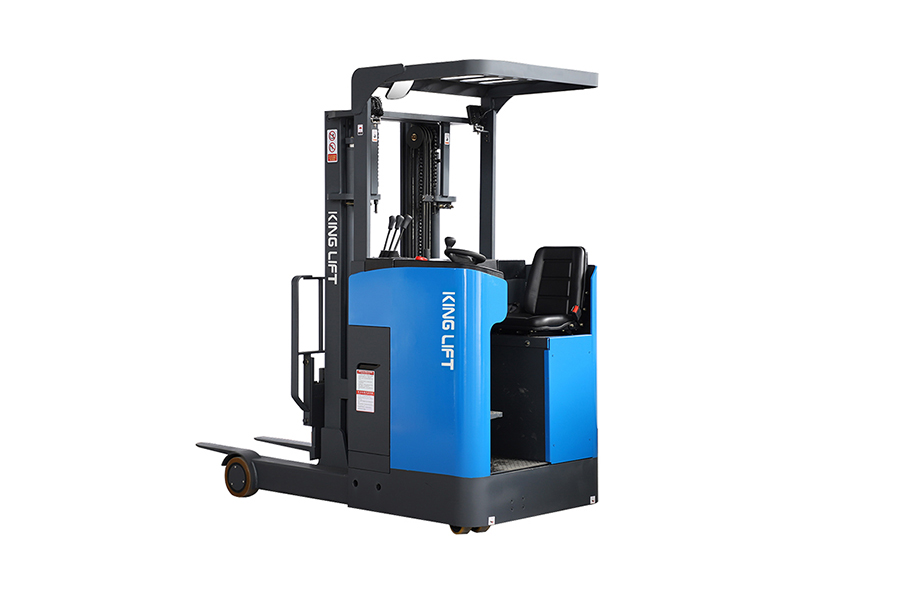
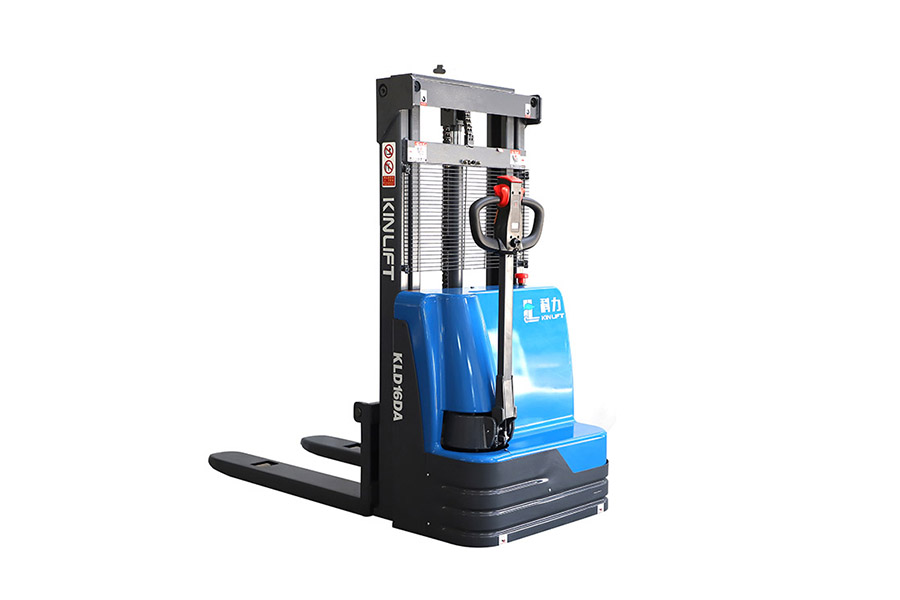
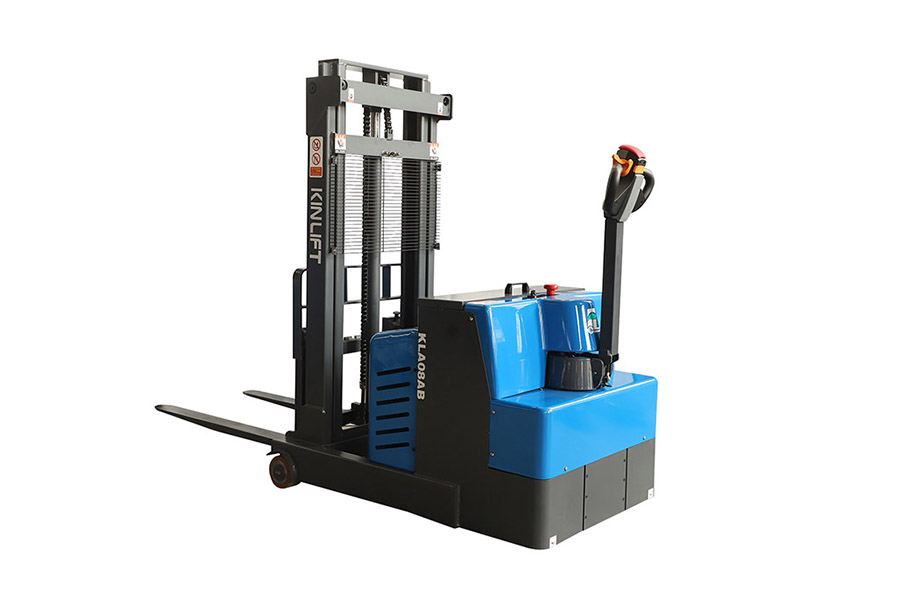
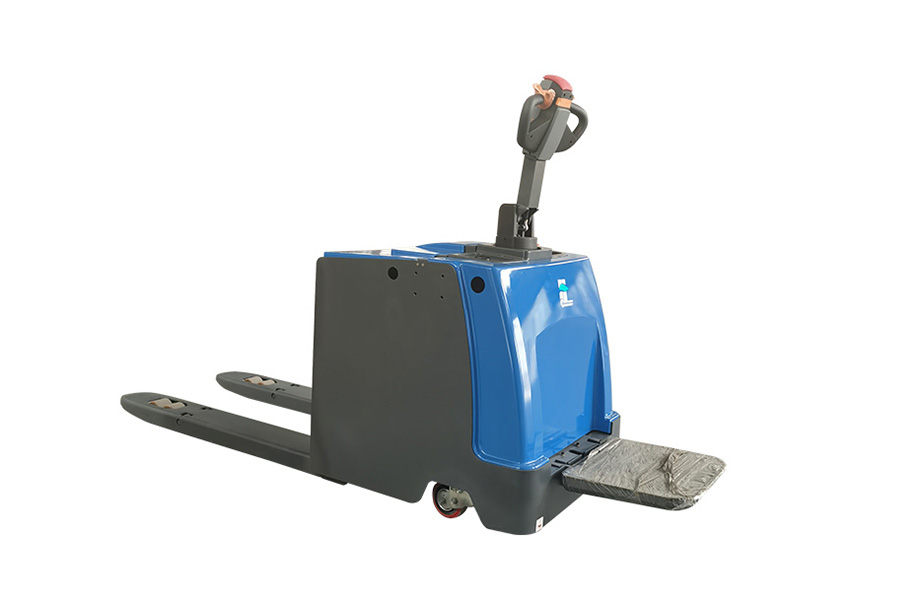
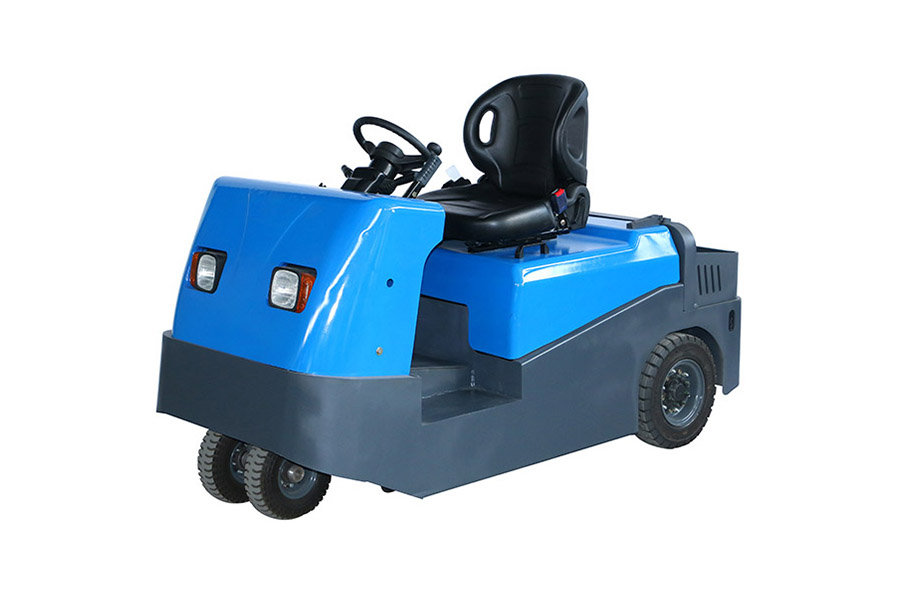
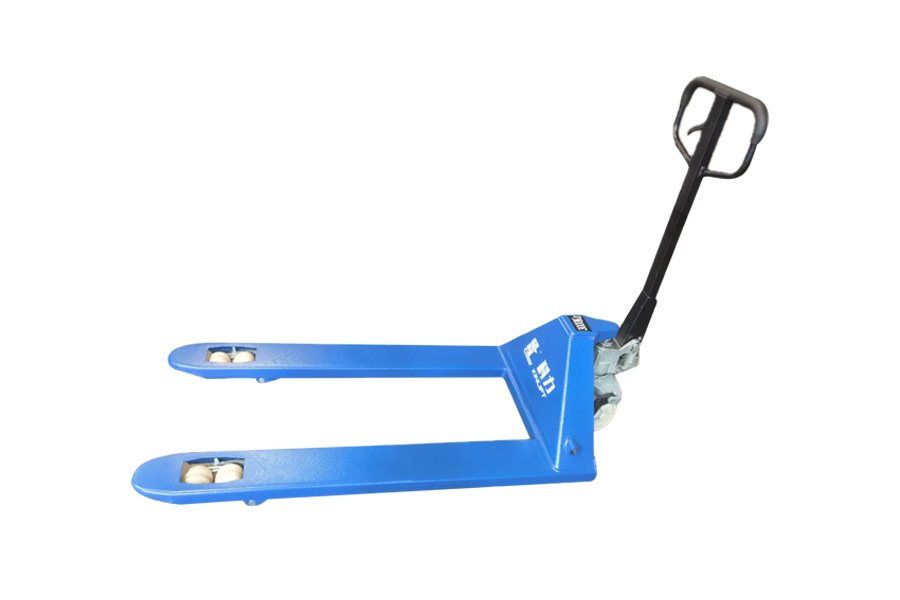
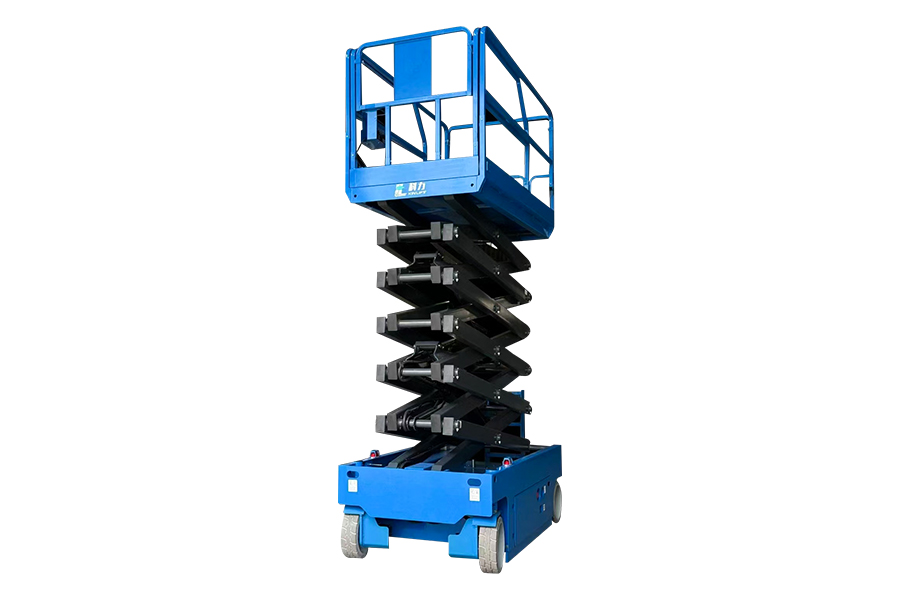
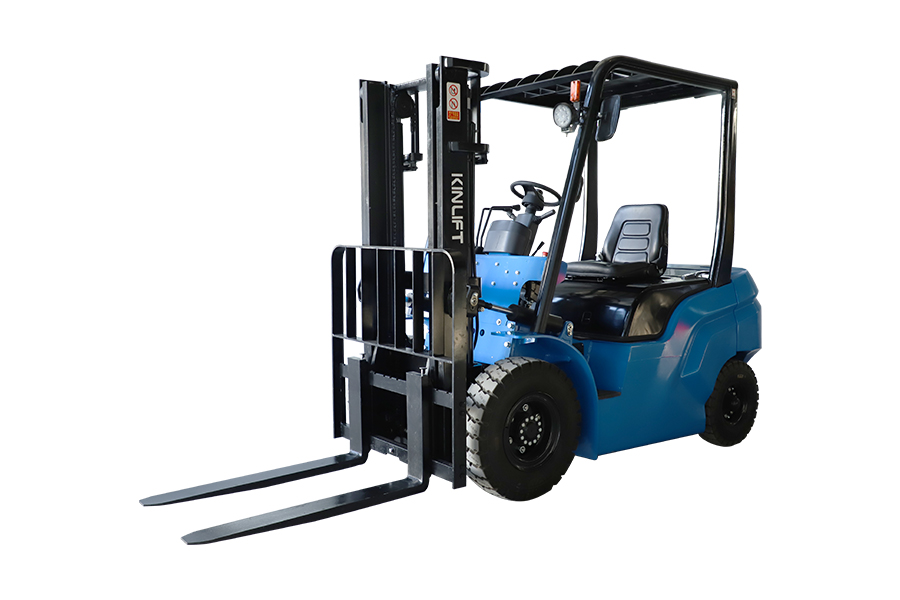

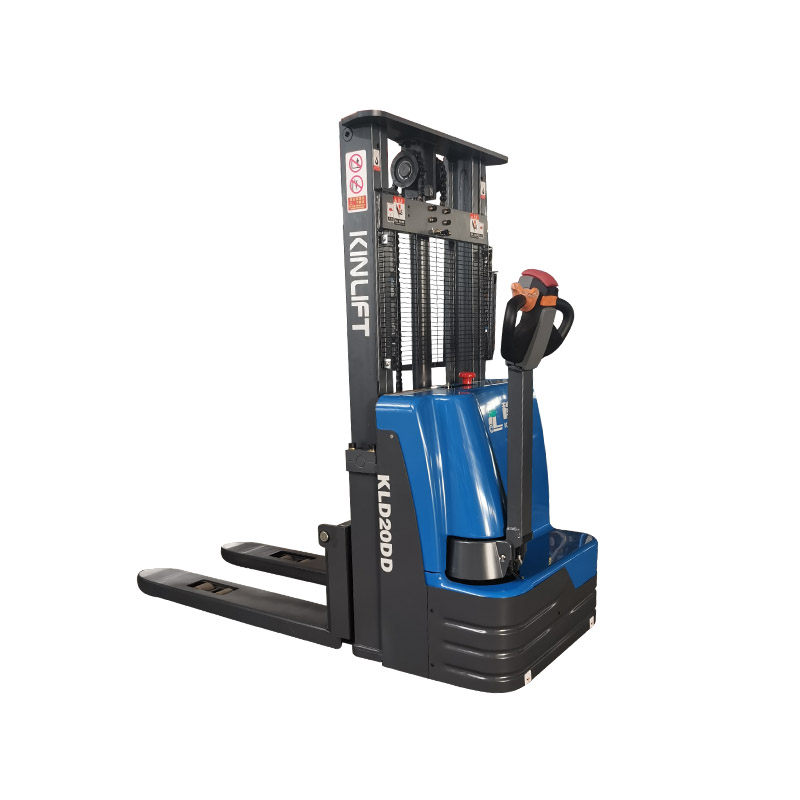
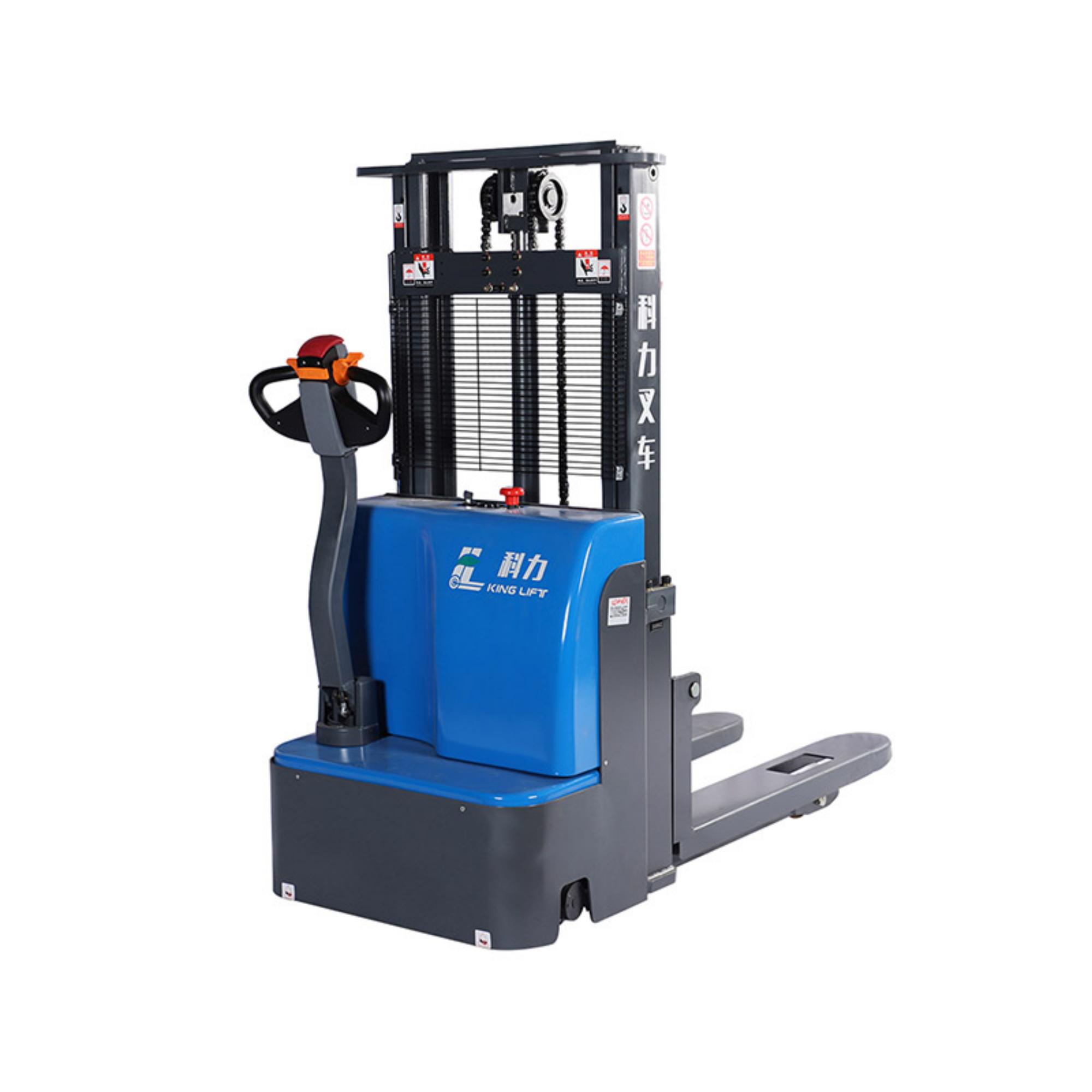
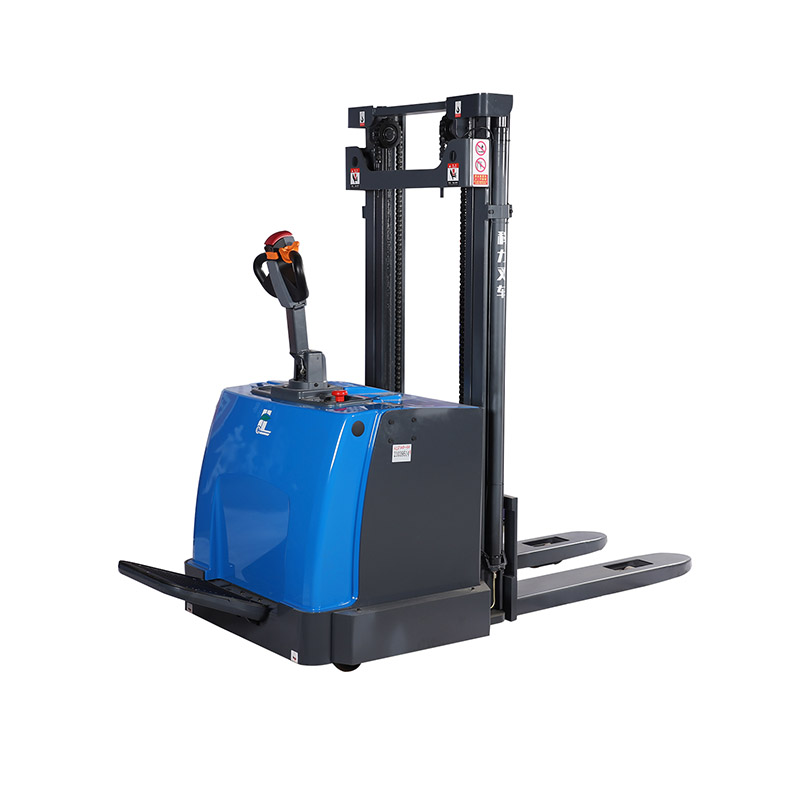
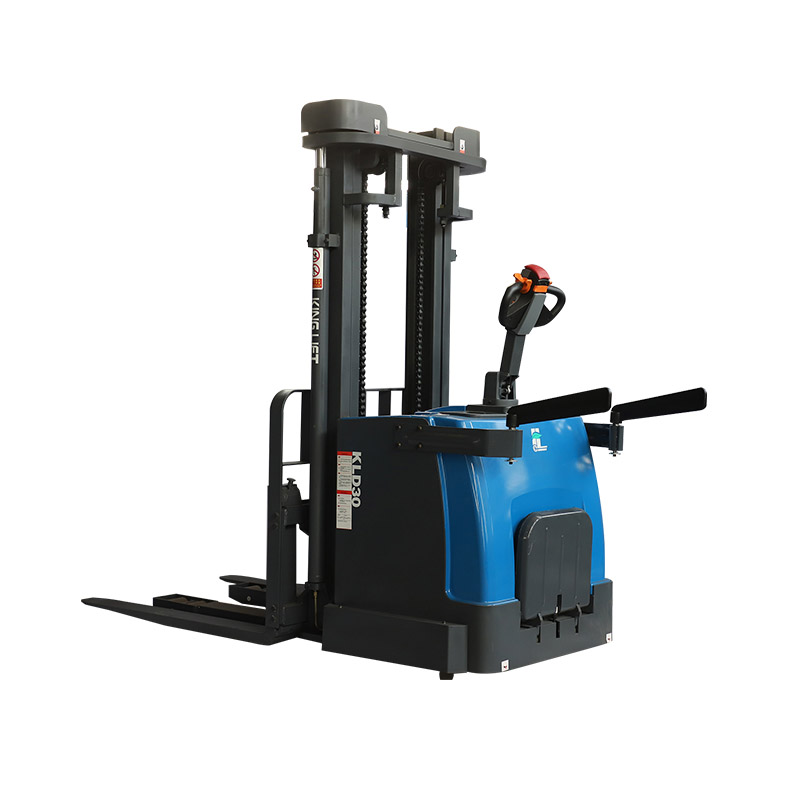
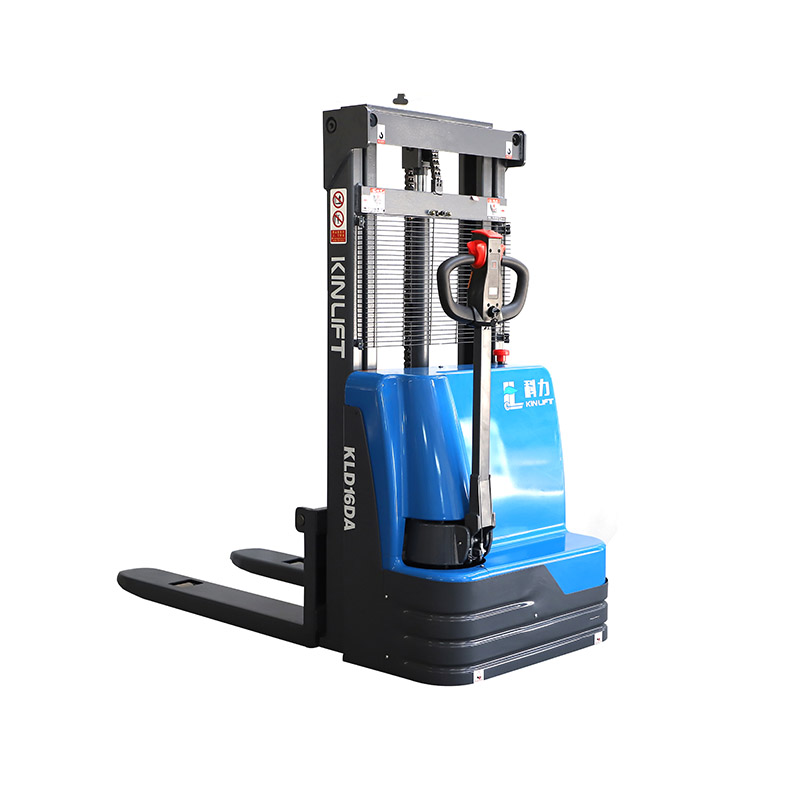
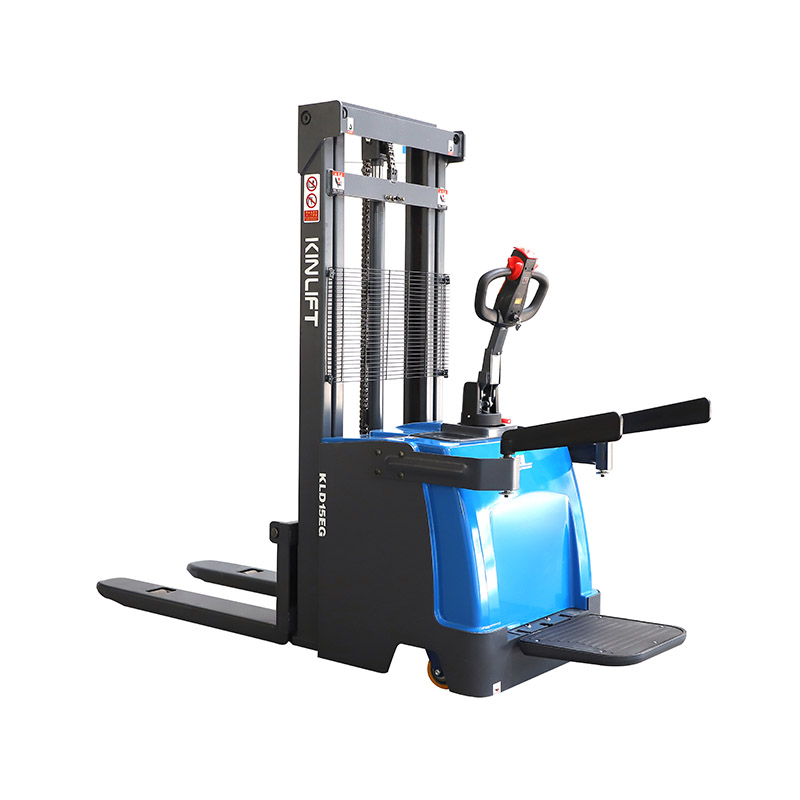
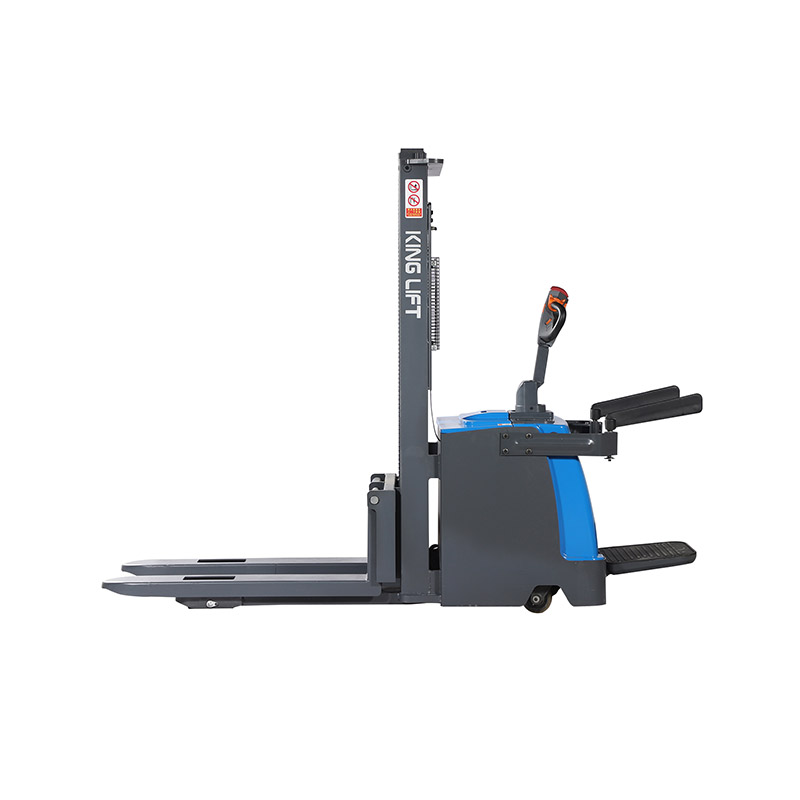
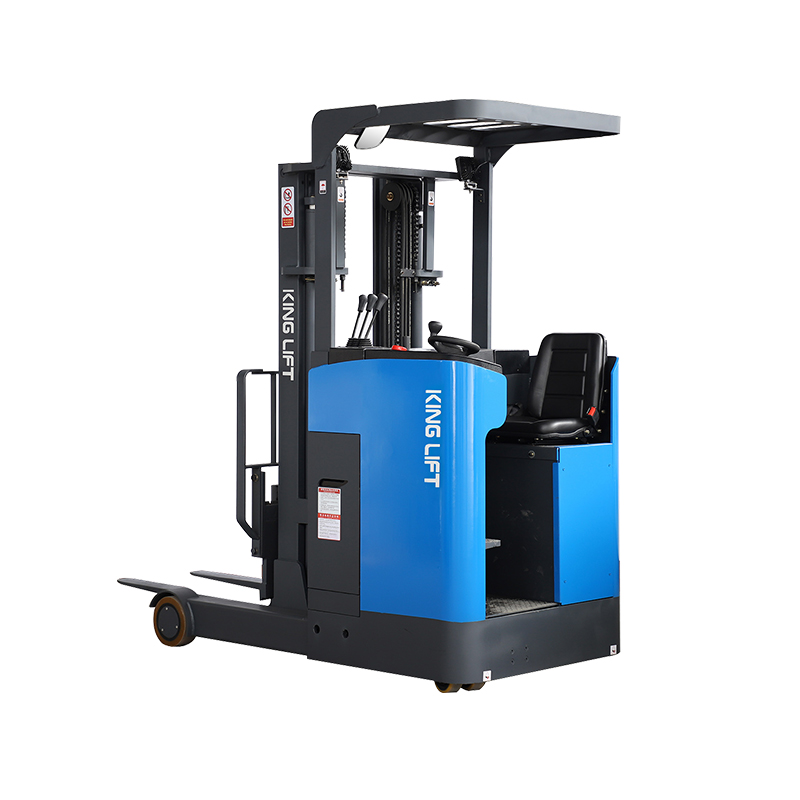
Efficient warehouse operations are increasingly relying on modern material handling solutions. Among these, warehousing electric forklifts have become a cornerstone for smooth and safe logistics. Compared to traditional forklifts, electric variants offer environmental benefits, lower operational costs, and quieter operation. However, improper use or lack of understanding of these machines can decreased efficiency, safety risks, and higher maintenance costs.
Ignoring Pre-Operational Inspections
One of the frequent mistakes is neglecting routine pre-operational checks. Electric forklifts are complex machines with multiple systems—battery, hydraulic, electrical, and safety mechanisms. Failing to inspect these can malfunctions, accidents, or unexpected downtime.
Key Points for Pre-Operational Checks:
| Component | Inspection Focus | Potential Issue if Ignored |
|---|---|---|
| Battery | Charge level, water levels, and terminal cleanliness | Reduced runtime, battery failure |
| Tires | Wear, cracks, pressure | Instability, accidents |
| Forks & Mast | Cracks, deformation, hydraulic leaks | Load drop, equipment damage |
| Safety Devices | Horn, lights, seatbelt, brakes | Reduced operator safety |
| Controls | Steering, lifting, tilt functions | Difficulty maneuvering, safety hazards |
Regular inspections can prevent costly repairs and improve overall warehouse safety. Warehousing electric forklifts, unlike diesel models, rely heavily on battery health, making these inspections crucial.
Improper Charging Practices
Another common error is mishandling battery charging routines. Electric forklifts for warehouse use depend on consistent and proper charging to maintain efficiency and lifespan. Overcharging, undercharging, or using incompatible chargers can significantly reduce battery performance.
Best Practices for Battery Management:
Always follow manufacturer-recommended charging cycles.
Avoid complete discharge before charging to extend battery life.
Ensure charging areas are well-ventilated to prevent hydrogen gas buildup.
Train staff to monitor battery indicators regularly.
Ignoring these steps often leads to unexpected downtime and decreased operational efficiency in busy warehouses.
Overloading Beyond Capacity
Many accidents and equipment failures stem from exceeding the forklift’s load capacity. Warehousing electric forklifts are designed with strict weight limits to maintain stability and prevent tipping.
| Factor | Recommended Practice | Risk if Ignored |
|---|---|---|
| Maximum Load | Never exceed rated capacity | Tip-over, product damage |
| Load Center | Maintain proper load distribution | Mast strain, instability |
| Stacking Height | Follow warehouse height guidelines | Reduced visibility, collisions |
Operators must always verify the load weight and center of gravity before moving materials to avoid accidents.
Neglecting Operator Training
A frequent mistake in warehouse operations is underestimating the importance of operator training. Electric forklifts may appear easy to operate, but their responsiveness, braking, and maneuvering differ from traditional forklifts.
Training Considerations:
Simulated practice in a controlled environment.
Understanding electric forklifts’ regenerative braking systems.
Familiarity with warehouse-specific layouts, including narrow aisles.
Periodic refresher courses to maintain operator competence.
Proper training directly improves safety, productivity, and equipment longevity.
Ignoring Maintenance Schedules
Maintenance is critical for long-term efficiency. Warehousing electric forklifts require routine inspection and servicing of batteries, brakes, tires, and hydraulics. Neglecting scheduled maintenance leads to accelerated wear and potential breakdowns.
| Maintenance Task | Frequency | Importance |
|---|---|---|
| Battery water top-up | Weekly | Maintains capacity and lifespan |
| Tire inspection | Daily/Weekly | Ensures safe operation |
| Hydraulic system check | Monthly | Prevents leaks and system failure |
| Brake test | Weekly | Maintains stopping performance |
| Electrical systems | Monthly | Avoids sudden faults |
Following a proactive maintenance schedule prevents unexpected downtime and enhances warehouse workflow.
Mismanaging Warehouse Layout
Electric forklifts for warehouse use perform in organized and well-planned environments. Poorly designed passageways, cluttered spaces, or inefficient storage layouts can inefficiency and accidents.
Warehouse Optimization Tips:
Ensure aisles are wide enough for turning radius.
Mark traffic routes and storage zones.
Use clear signage for load limits and forklift pathways.
Separate pedestrian zones from forklift traffic areas.
Proper layout design maximizes safety and throughput for warehousing electric forklifts.
Ignoring Environmental Considerations
Although electric forklifts are cleaner than diesel alternatives, they still require suitable environmental conditions. Temperature extremes, dust, and moisture can impact battery performance and electrical systems.
| Environmental Factor | Impact | Mitigation |
|---|---|---|
| Temperature | Reduced battery efficiency in heat/cold | Controlled storage or climate management |
| Dust/Debris | Can affect electrical and mechanical components | Regular cleaning and filters |
| Moisture | Risk of short circuits or corrosion | Covered storage, dry charging areas |
Maintaining conditions prolongs forklift life and improves operational efficiency.
Overlooking Ergonomics and Operator Comfort
Long shifts and repetitive tasks can fatigue operators. Warehousing electric forklifts are designed with ergonomic considerations, but ignoring comfort features reduces productivity and increases error risks.
Recommendations:
Adjust seats, steering, and controls for each operator.
Ensure visibility is optimized with mirrors and lighting.
Provide periodic breaks to reduce fatigue.
Comfortable operators handle forklifts more efficiently and safely, which translates to better warehouse performance.
Poor Documentation and Record-Keeping
Maintaining accurate records of inspections, maintenance, battery cycles, and operator training is often overlooked. Warehousing electric forklifts’ reliability is directly tied to documentation.
Benefits of Proper Records:
Identifies recurring issues early.
Ensures compliance with safety standards.
Facilitates predictive maintenance planning.
Supports decision-making for fleet upgrades.
Without documentation, it is difficult to pinpoint root causes of failures or inefficiencies.
Failure to Use Technology Features
Modern electric forklifts for warehouse use come equipped with digital displays, telematics, and safety alerts. Ignoring these features is a missed opportunity to optimize operations.
| Feature | Function | Benefit |
|---|---|---|
| Load weight display | Shows real-time load | Prevents overloading |
| Battery indicator | Tracks charge and cycles | Optimizes charging schedule |
| Telemetry systems | Monitor usage and location | Supports fleet management |
| Safety alerts | Warns of excessive speed or tilt | Reduces accidents |
Leveraging technology ensures efficiency and safety in warehouse operations.
Conclusion
Warehousing electric forklifts are invaluable assets for modern warehouse operations, offering cleaner, quieter, and more efficient alternatives to traditional forklifts. However, improper usage, lack of training, neglected maintenance, and disregard for operational practices can negate their benefits. By avoiding common mistakes such as ignoring inspections, overloading, improper charging, and underutilizing technological features, warehouse managers can maximize the productivity, safety, and longevity of their electric forklifts.