

 English
 русский
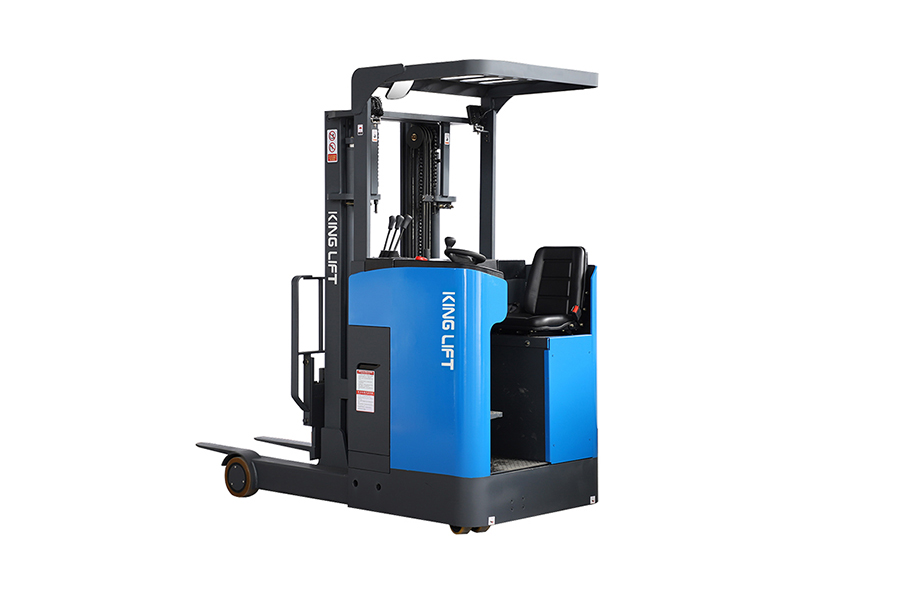
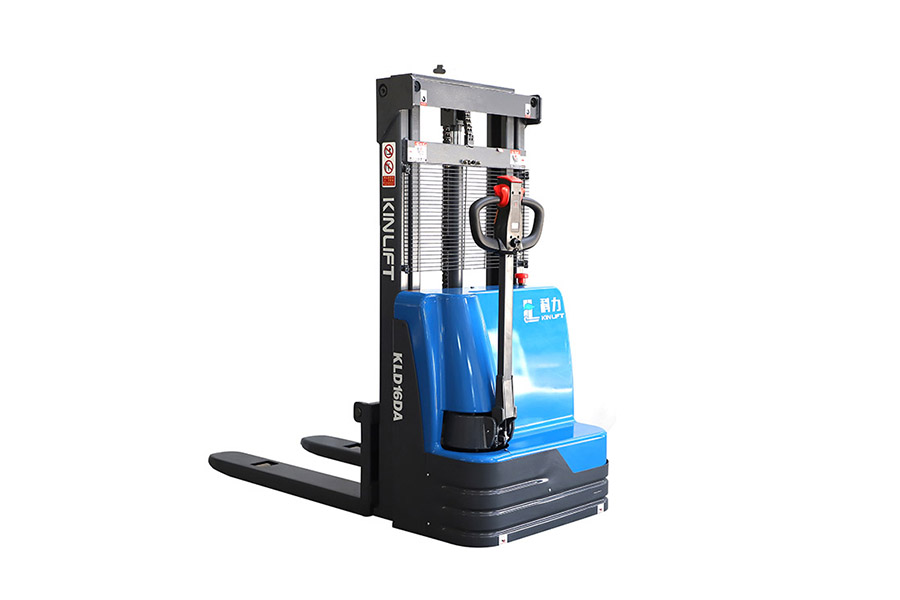
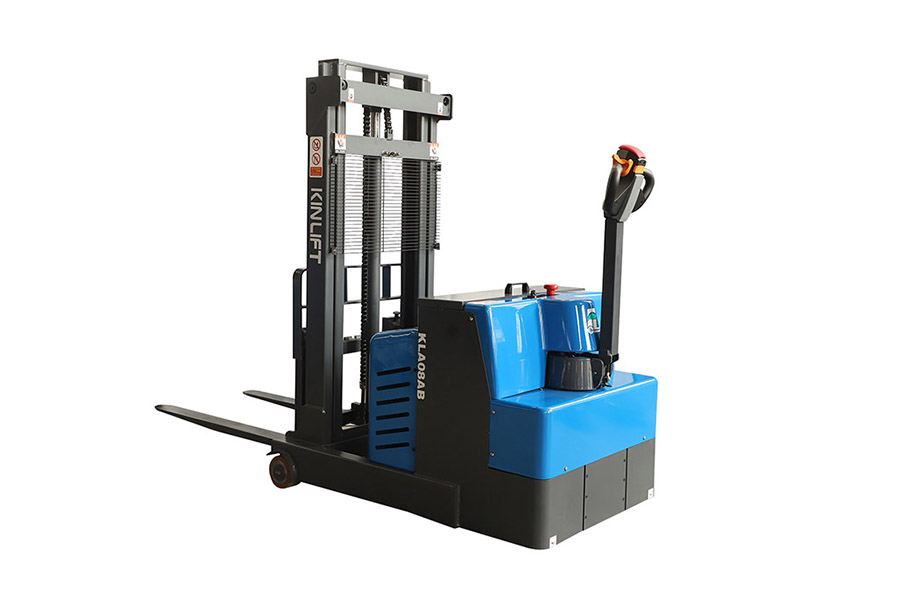
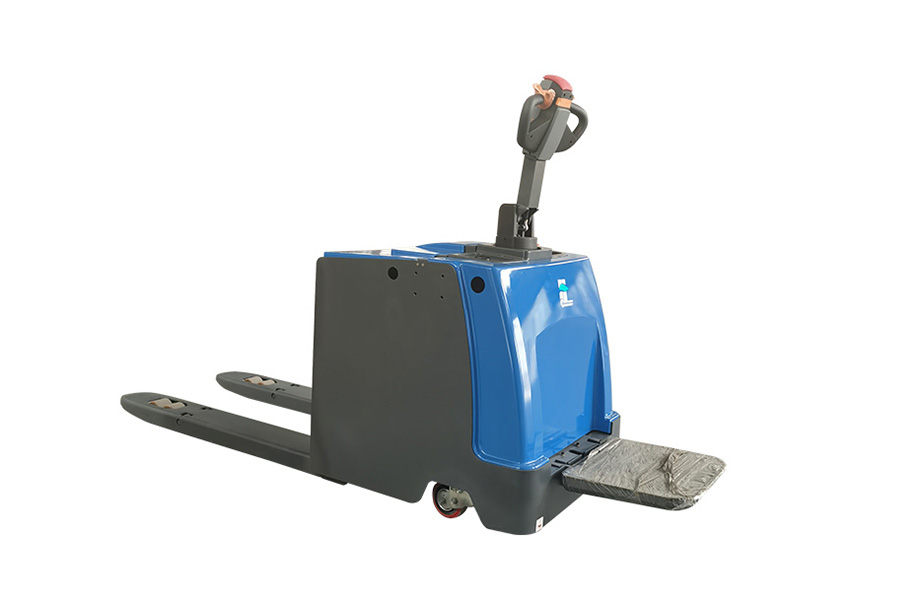

In the modern logistics and warehousing sector, the demand for efficient, safe, and cost-effective material handling equipment has never been higher. Among the various solutions, warehousing electric forklifts have emerged as a preferred choice for many operations due to their energy efficiency, low maintenance requirements, and adaptability in diverse warehouse environments.
Understanding Warehousing Electric Forklifts
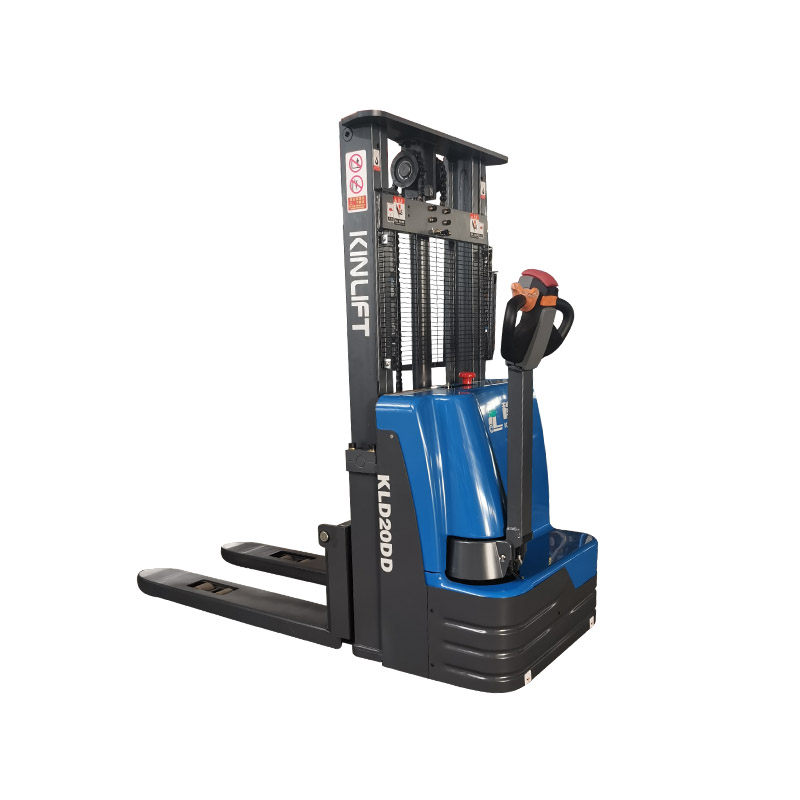
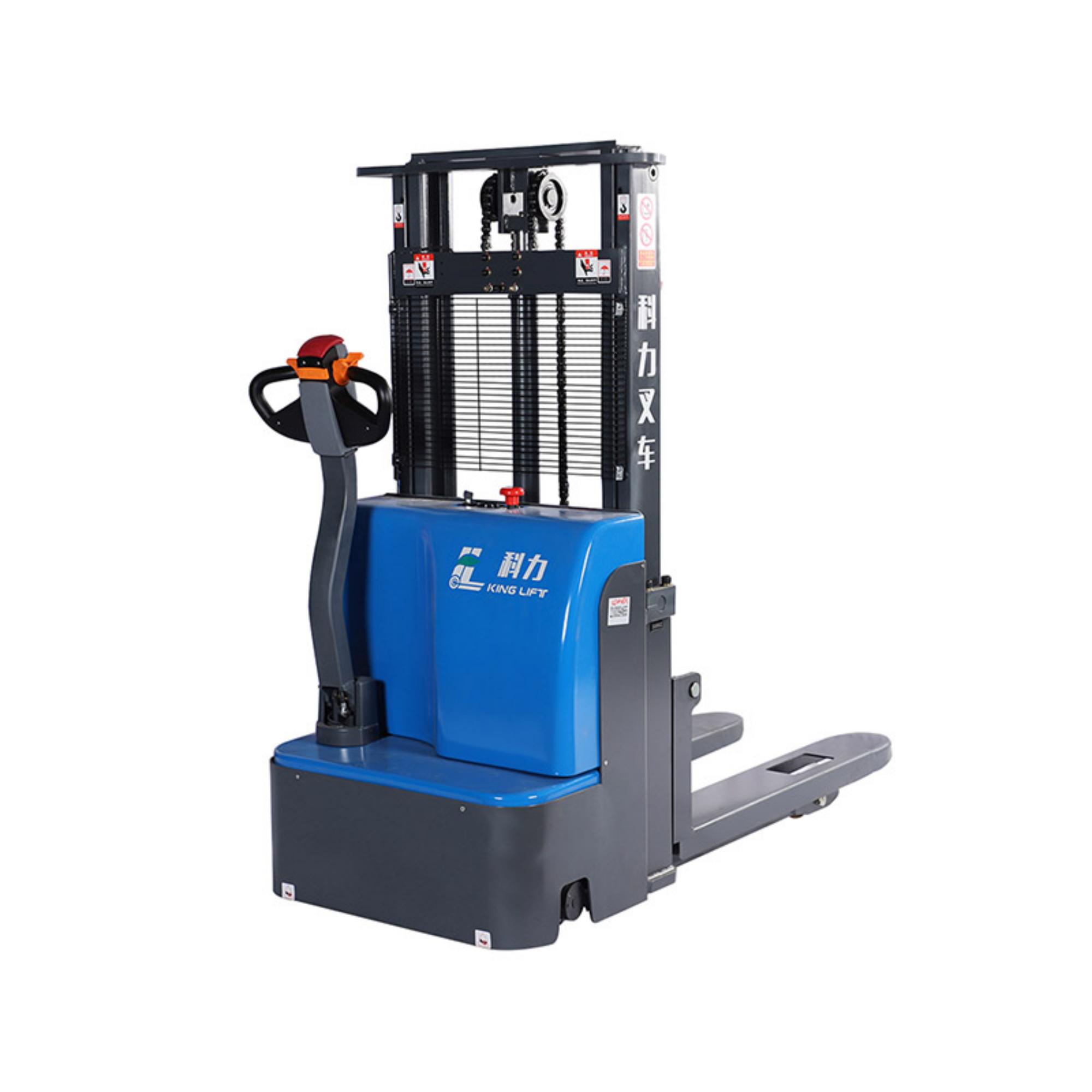
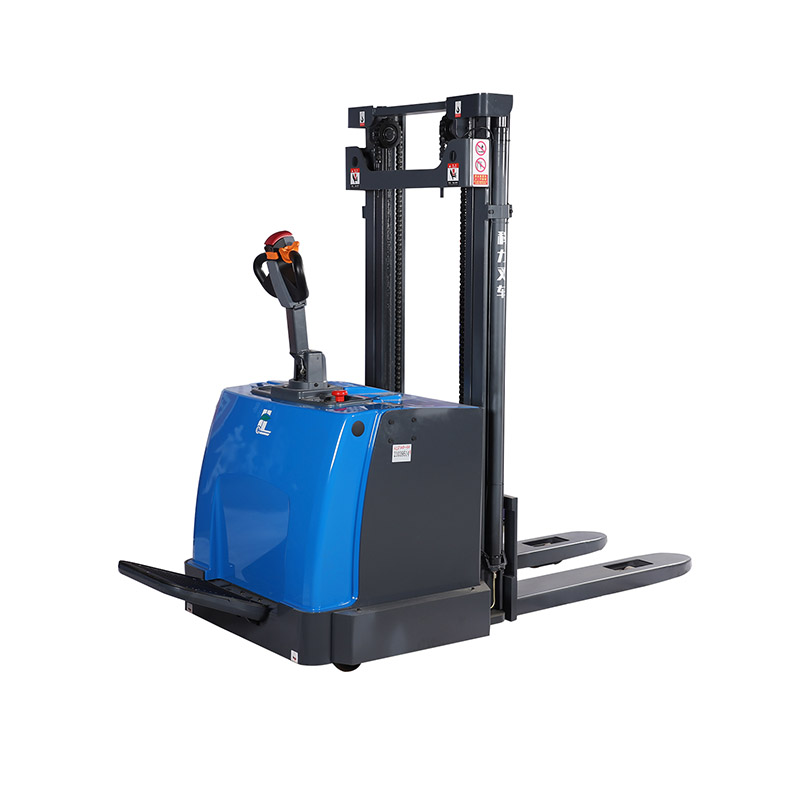
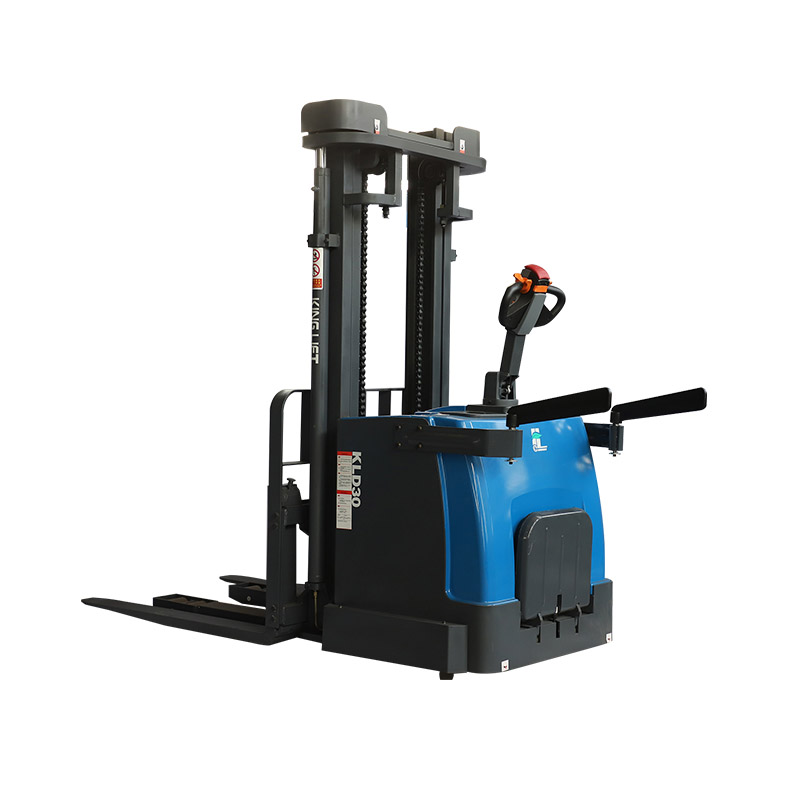
Warehousing electric forklifts are powered by batteries rather than internal combustion engines, making them cleaner, quieter, and more environmentally friendly. These forklifts are designed specifically for indoor operations, narrow aisles, and frequent load handling. The main advantages include reduced noise pollution, zero emissions, lower operating costs, and ease of maintenance.
Key Features of Warehousing Electric Forklifts
Battery Capacity and Charging Options: Battery performance is a crucial factor. High-capacity batteries ensure longer operation times without interruption, while fast-charging options improve overall productivity.
Lift Capacity: The weight a forklift can handle varies based on design and motor power. Selecting the right lift capacity ensures efficient material handling without compromising safety.
Maneuverability: Warehouse spaces often involve tight corners and narrow aisles. Compact electric forklifts with precise steering capabilities are ideal for such conditions.
Operator Comfort and Safety: Ergonomic designs, adjustable seating, and advanced control systems reduce operator fatigue and enhance safety.
Maintenance Requirements: Electric forklifts generally require less maintenance than combustion models, but understanding battery management, tire care, and mechanical checks is essential.
Types of Warehousing Electric Forklifts
Warehousing electric forklifts come in several types, each designed for specific warehouse operations:
| Forklift Type | Ideal Use Case | Key Advantages |
|---|---|---|
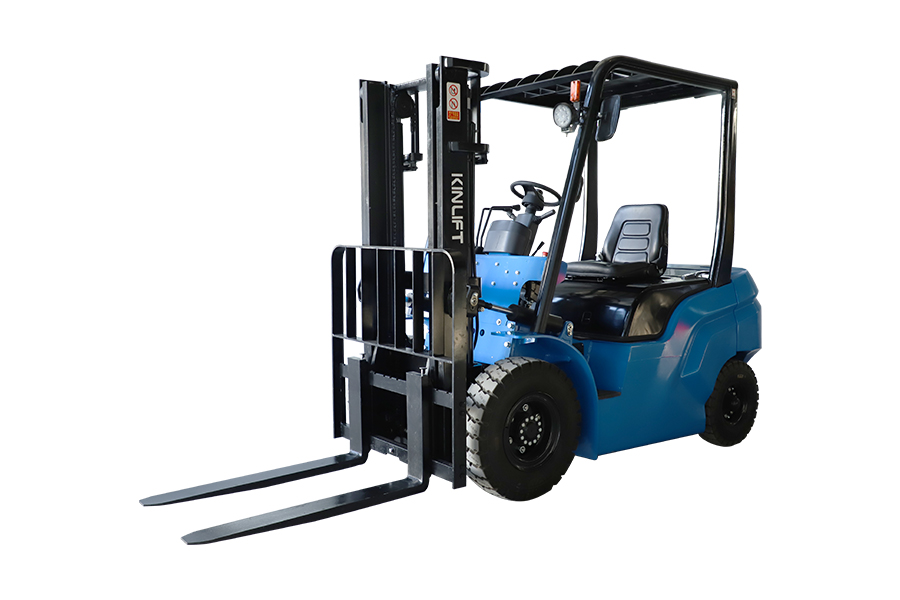
| Counterbalance Electric | General lifting and stacking | Easy operation, versatile, good lift capacity |
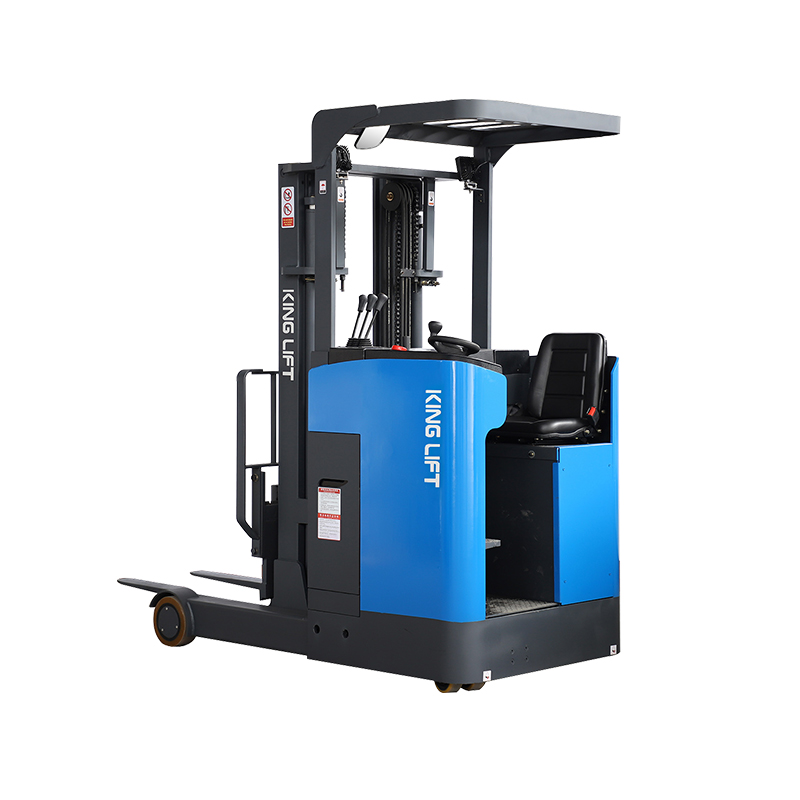
| Reach Trucks | Narrow aisles and high racks | High reach, precise handling, space-saving |
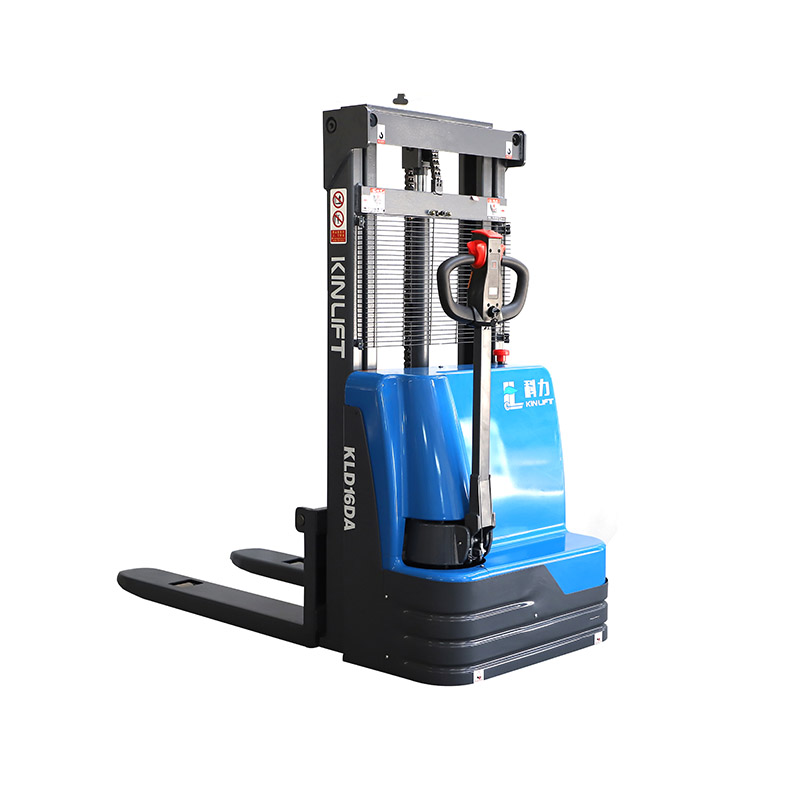
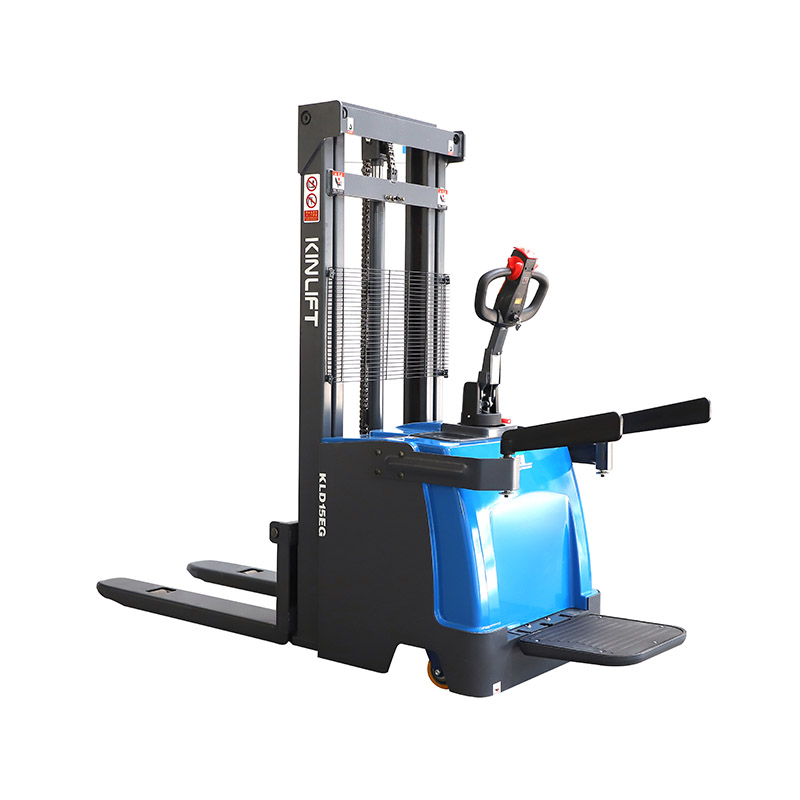
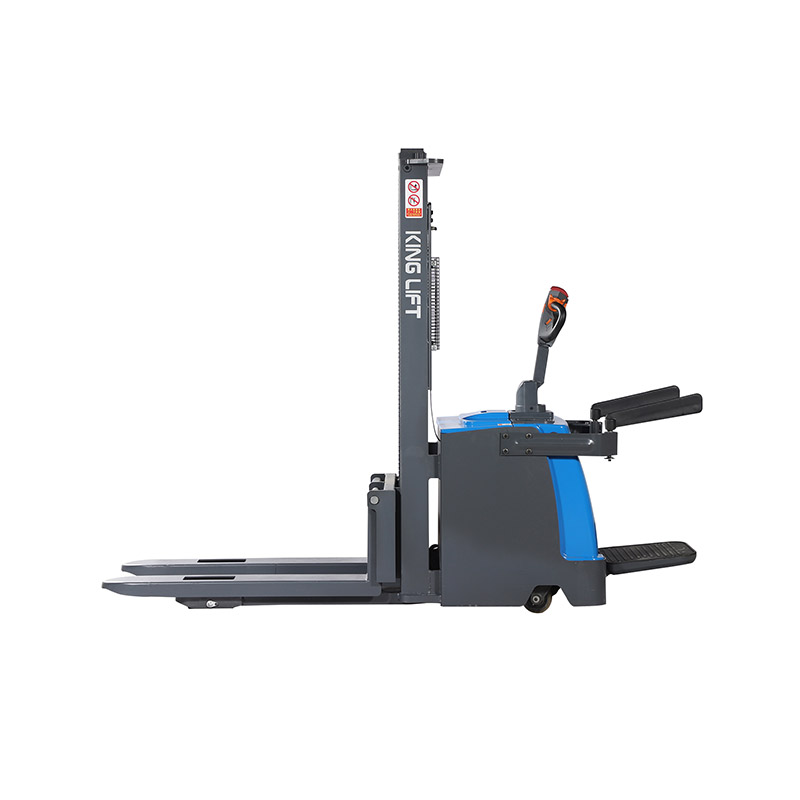
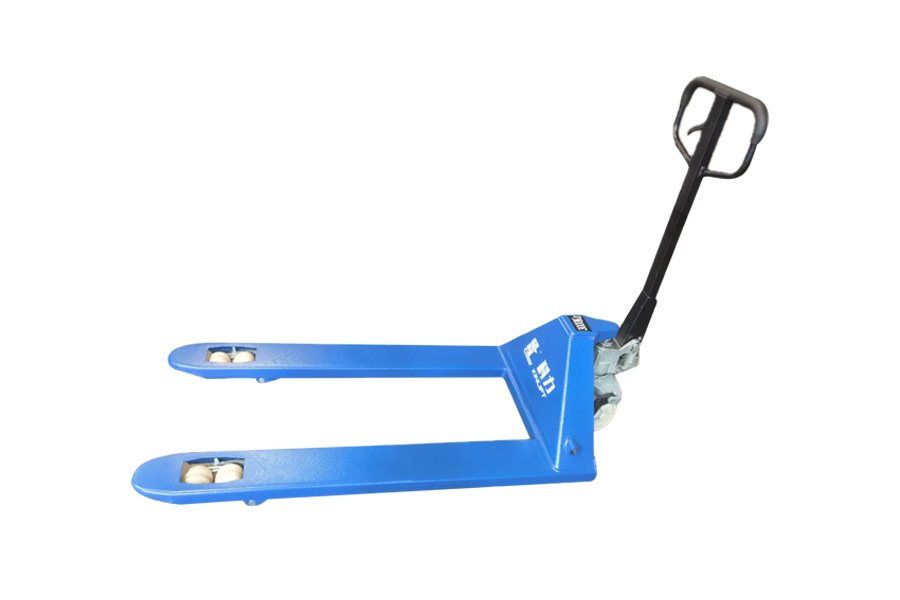
| Pallet Jacks / Walkie Stackers | Low-level pallet transport | Compact, economical, simple operation |
| Order Pickers | Picking items from medium-height racks | Efficient picking, reduced labor cost |
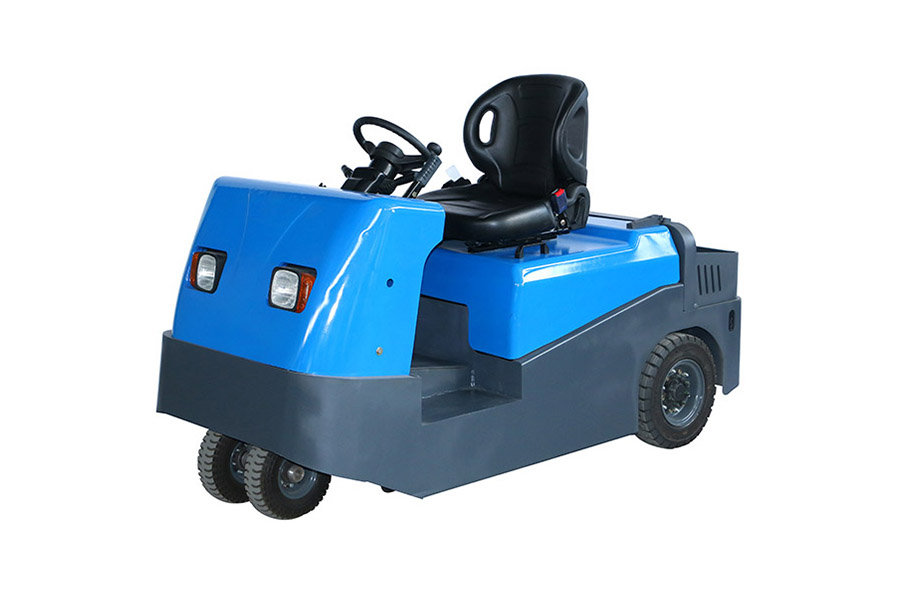
| Tow Tractors | Moving multiple carts or trolleys | High load transfer capacity, reduces manual labor |
Each type addresses unique operational needs, and choosing the right forklift depends on warehouse layout, product types, and frequency of use.
Selecting the Right Warehousing Electric Forklifts Manufacturer
Choosing a reliable warehousing electric forklifts manufacturer is as crucial as selecting the forklift itself. A reputable manufacturer ensures:
High-quality production standards
Access to after-sales service and spare parts
Comprehensive technical support
Customization options for unique warehouse requirements
When evaluating a manufacturer, consider their production capability, history in the industry, technical expertise, and customer service responsiveness. This ensures long-term reliability and reduces downtime in warehouse operations.
Factors to Consider Before Purchase
Before investing in warehousing electric forklifts, businesses should evaluate the following factors:
Warehouse Layout and Space
Warehouse size, aisle width, and shelving height dictate forklift type. Narrow aisles favor reach trucks, while open areas may allow for larger counterbalance forklifts. Conducting a thorough warehouse audit helps in selecting the model.
Load Requirements
The type and weight of goods influence lift capacity, mast height, and battery life. Oversizing or undersizing forklifts can result in inefficiency or safety risks.
Operational Frequency
For high-frequency operations, forklifts with longer battery life and faster charging are necessary. Some models offer interchangeable batteries to reduce downtime.
Safety Features
Modern electric forklifts come with advanced safety systems such as:
Automatic speed control
Load-sensing stability
Collision warning systems
Ergonomic operator cabins
Prioritizing safety not only protects staff but also minimizes potential damage to products and infrastructure.
Cost of Ownership
Electric forklifts offer lower operational costs compared to traditional forklifts. Key considerations include:
Battery maintenance and replacement
Electricity costs
Routine inspections and minor repairs
Depreciation over time
High-Performance Specifications to Evaluate
A detailed comparison of specifications helps make an informed choice. Below is a sample table illustrating common parameters for warehousing electric forklifts:
| Specification | Typical Range | Importance |
|---|---|---|
| Load Capacity | 1,500 – 5,000 kg | Determines suitability for different goods |
| Lift Height | 3 – 12 meters | Matches warehouse racking systems |
| Battery Type | Lithium-ion / Lead-acid | Affects operation time, charging speed, and life |
| Travel Speed | 10 – 20 km/h | Impacts efficiency in large warehouses |
| Turning Radius | 1.2 – 2.0 meters | Important for maneuvering in tight spaces |
| Noise Level | <65 dB | Ensures compliance with indoor noise standards |
Maintenance Tips for Longevity
Even though warehousing electric forklifts require less maintenance than combustion models, regular upkeep ensures longevity and performance:
Battery Care: Avoid deep discharges, keep terminals clean, and follow manufacturer’s charging guidelines.
Tire Maintenance: Inspect for wear and tear regularly. Replace worn tires to prevent instability.
Regular Inspections: Daily pre-shift checks for brakes, steering, forks, and warning systems help detect issues early.
Software Updates: Modern electric forklifts often have onboard software for diagnostics. Keeping firmware updated ensures operational efficiency.
Integrating Forklifts into Warehouse Operations
The effectiveness of warehousing electric forklifts depends on proper integration into warehouse management systems. Some strategies include:
Aligning forklift types with specific workflow zones
Training operators for route planning
Scheduling battery charging during low-activity periods
Implementing preventive maintenance programs
This approach maximizes productivity, reduces operational risks, and extends forklift lifespan.
Environmental and Regulatory Considerations
Electric forklifts contribute to greener warehouse operations. Benefits include:
Zero emissions, improving indoor air quality
Reduced noise pollution
Compliance with increasingly stringent environmental regulations
Many manufacturers of warehousing electric forklifts offer models that adhere to international safety and environmental standards, making them suitable for modern sustainable operations.
Future Trends in Warehousing Electric Forklifts
The sector is rapidly evolving, with trends that include:
Autonomous Electric Forklifts: Automated guided vehicles (AGVs) reducing labor dependency
IoT Integration: Real-time monitoring of forklift usage, battery status, and maintenance needs
Enhanced Battery Technology: Faster charging lithium-ion batteries improving uptime
Modular Forklift Designs: Flexible configurations for multi-purpose warehouse operations
Adopting these innovations allows warehouses to improve efficiency and remain competitive.
Conclusion
Selecting the right warehousing electric forklifts requires careful consideration of operational needs, warehouse layout, safety requirements, and cost efficiency. Partnering with a reliable warehousing electric forklifts manufacturer ensures access to high-quality equipment, technical support, and long-term operational reliability. By evaluating factors such as battery life, lift capacity, maneuverability, and safety features, businesses can optimize warehouse performance, reduce costs, and improve sustainability.
Investing in the right electric forklift is not merely a purchase—it is a strategic decision that influences productivity, safety, and environmental impact. Understanding the nuances of warehousing electric forklifts and aligning them with your warehouse’s unique needs ensures efficiency and long-term success in material handling operations.