

 English
 русский

Introduction
Warehouse operations require the use of heavy-duty equipment to handle materials efficiently and safely. Among the essential pieces of machinery in modern warehouses are lift trucks, also known as forklifts. These trucks are available in two primary fuel types: electric and gas-powered models. Both types offer distinct advantages and drawbacks, and selecting the right model can significantly impact warehouse productivity, efficiency, and safety. In this article, we will compare warehouse electric lift trucks to gas-powered models, highlighting their key differences in performance, environmental impact, operational costs, and more.
Overview of Warehouse Lift Trucks
Electric Lift Trucks
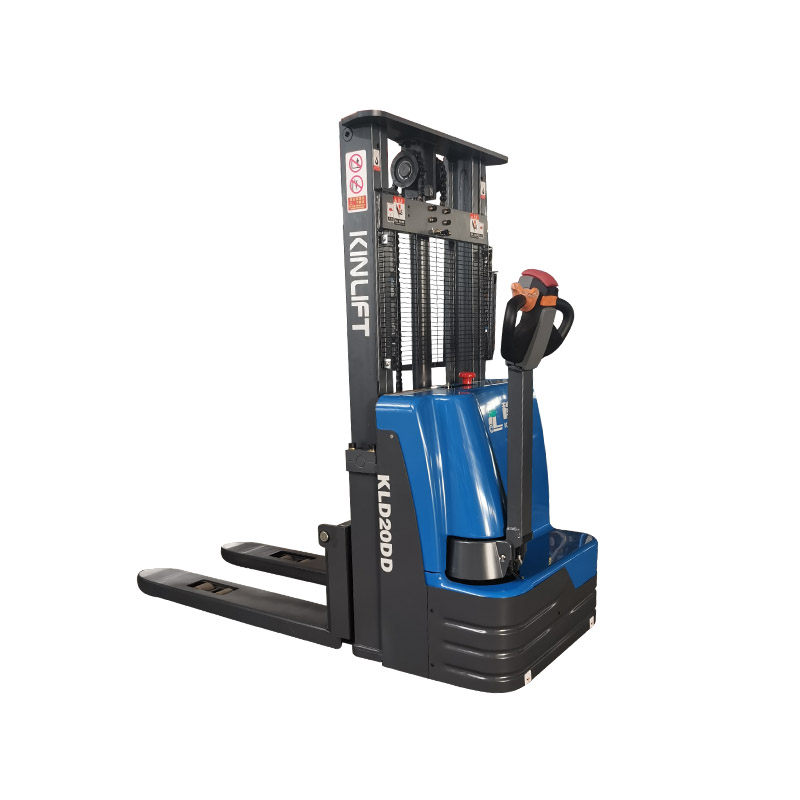
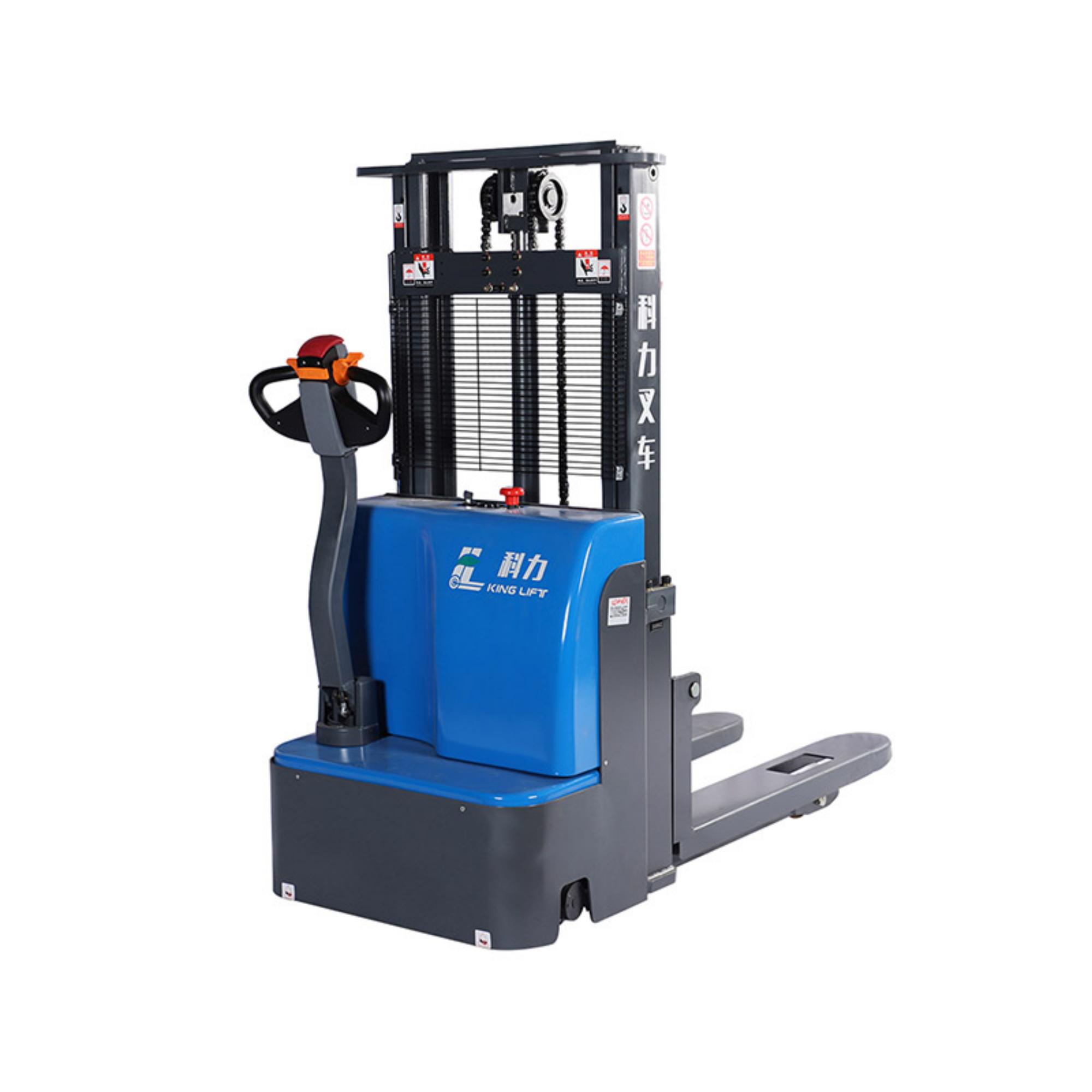
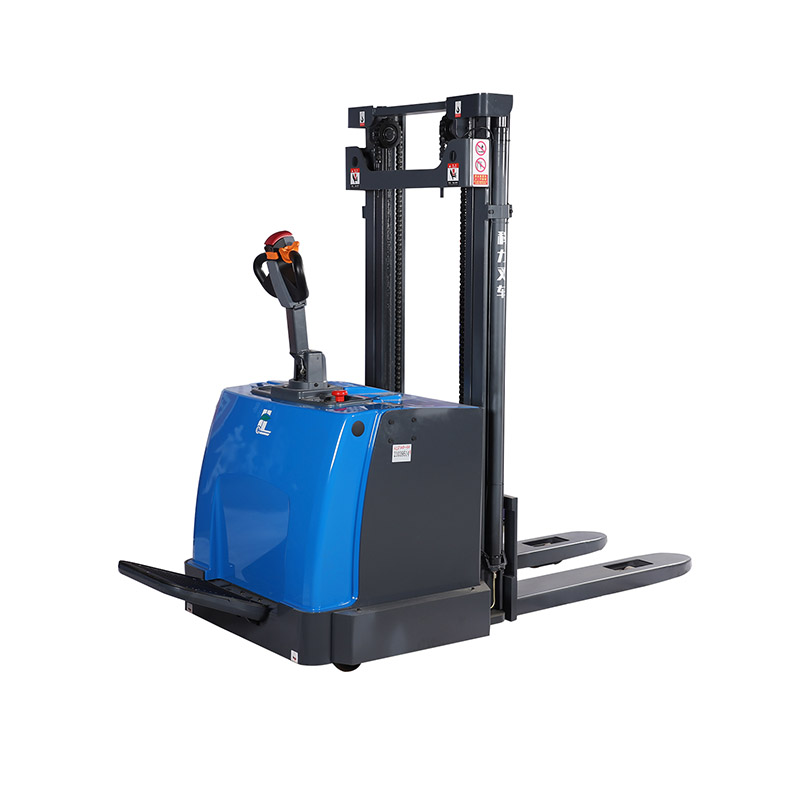
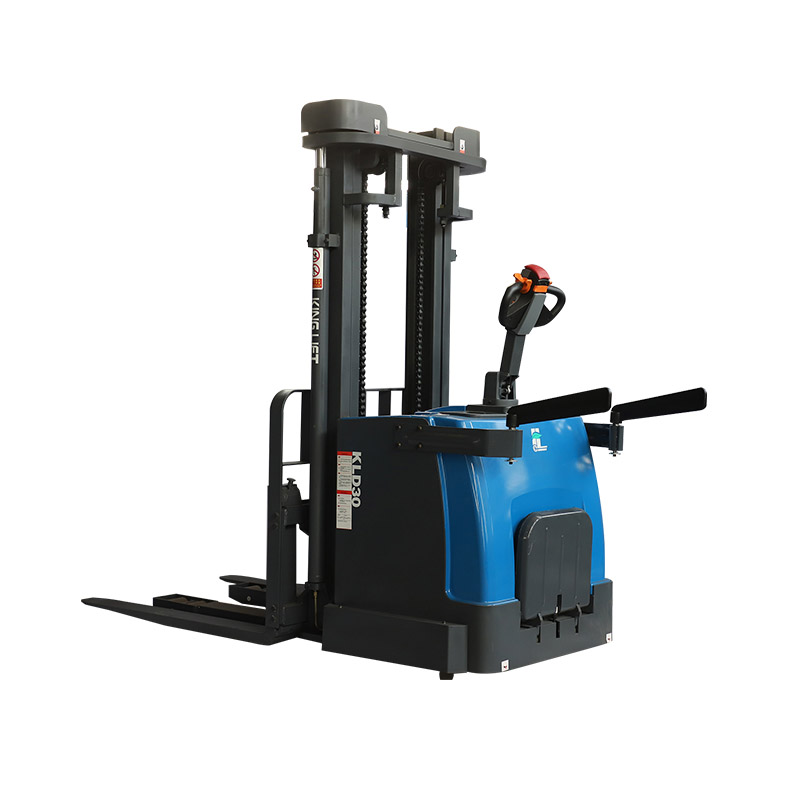
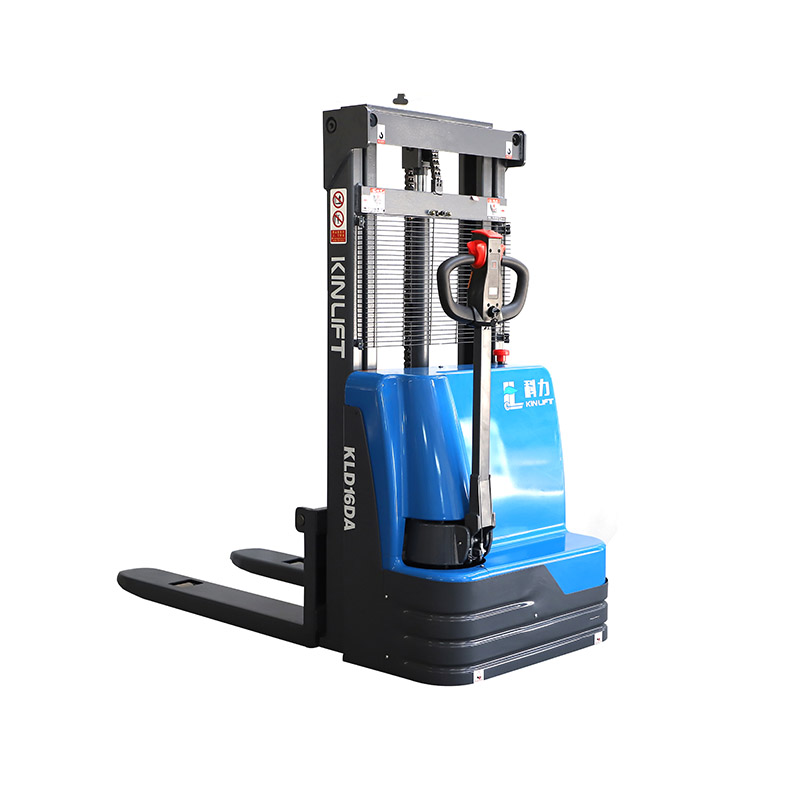
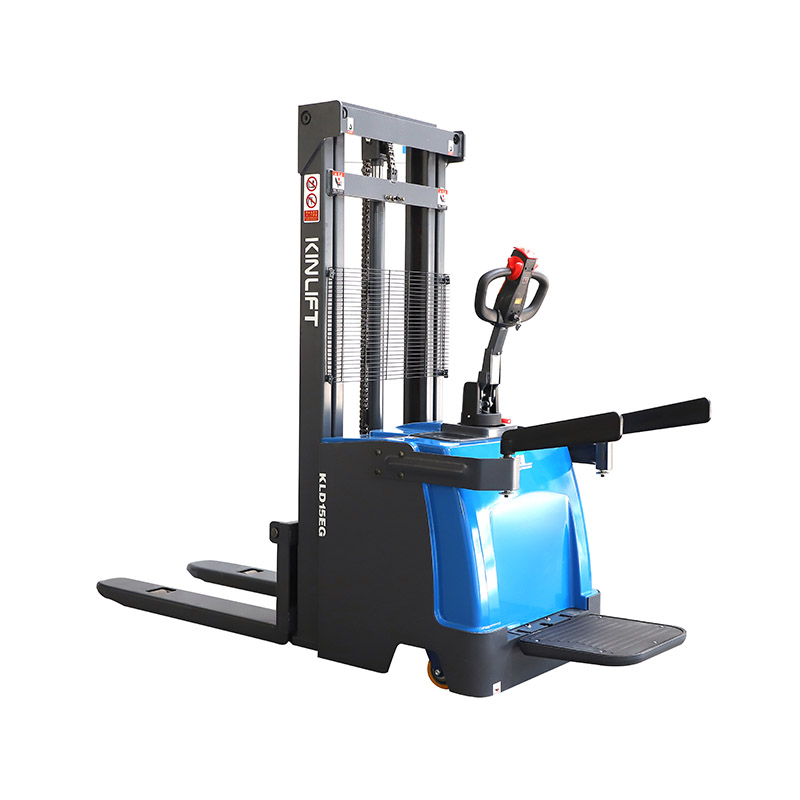
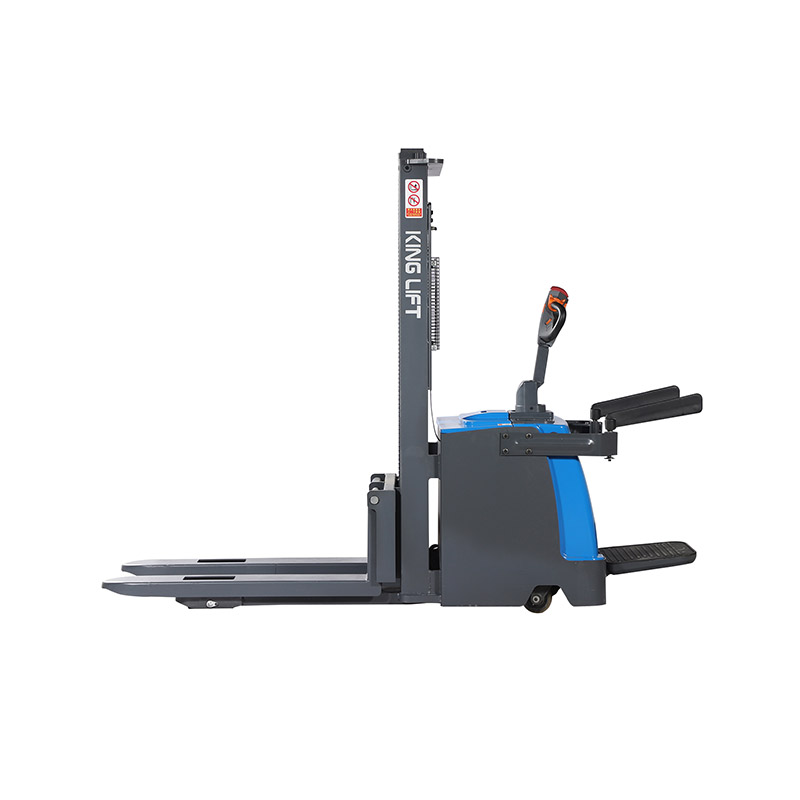
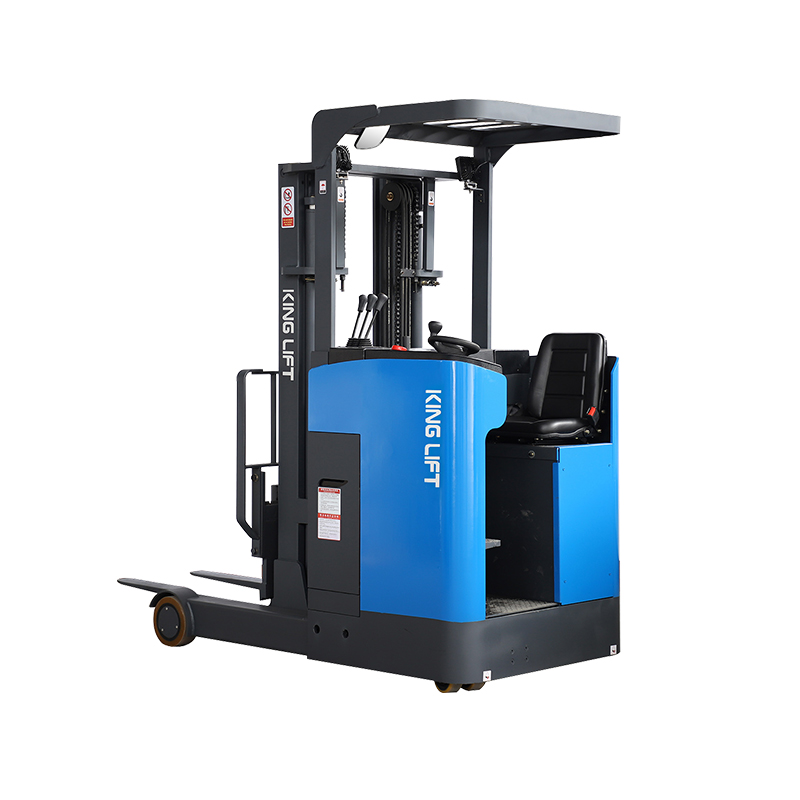
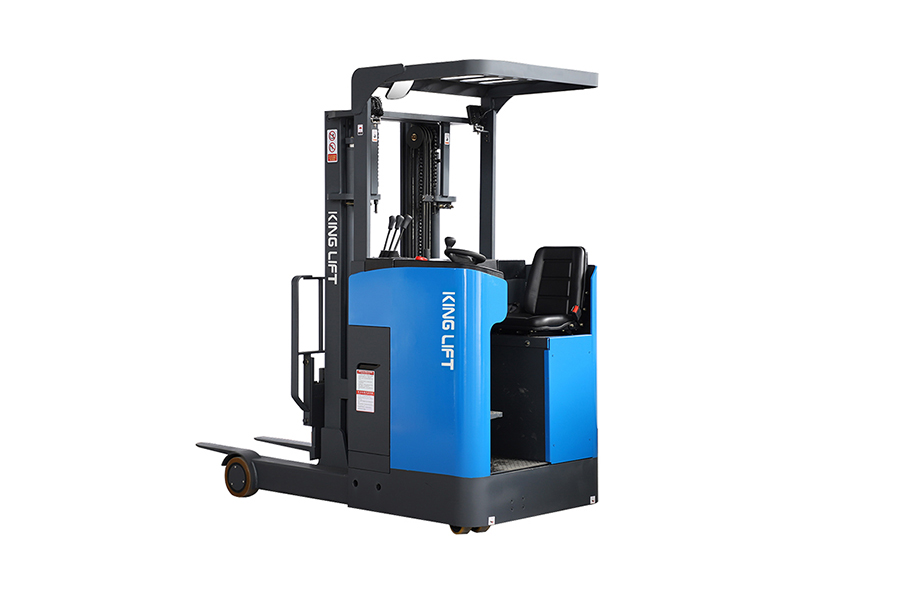
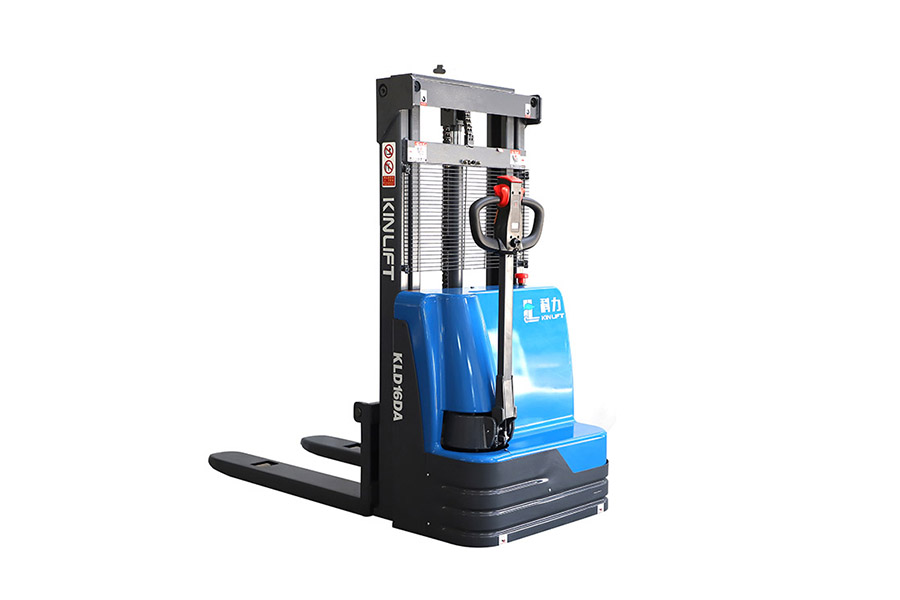
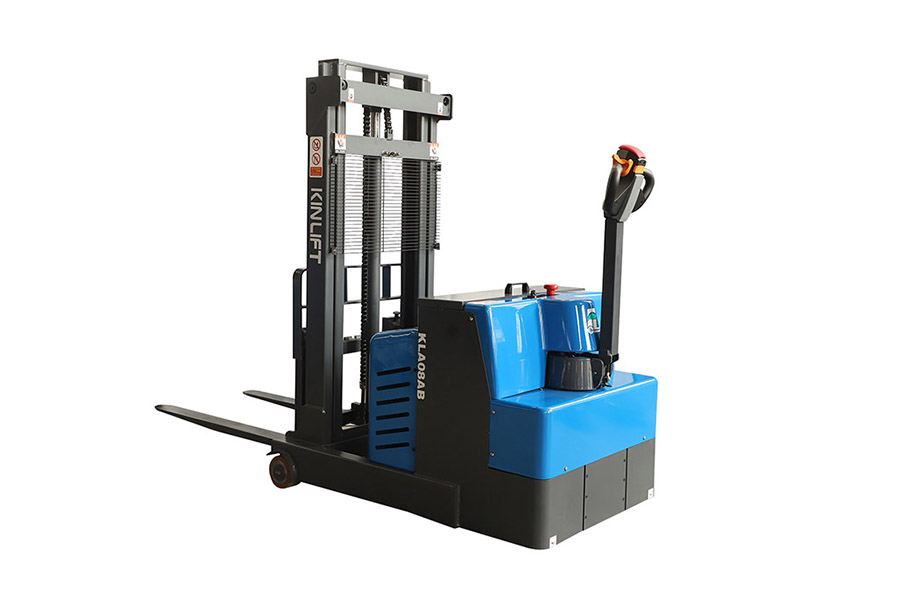
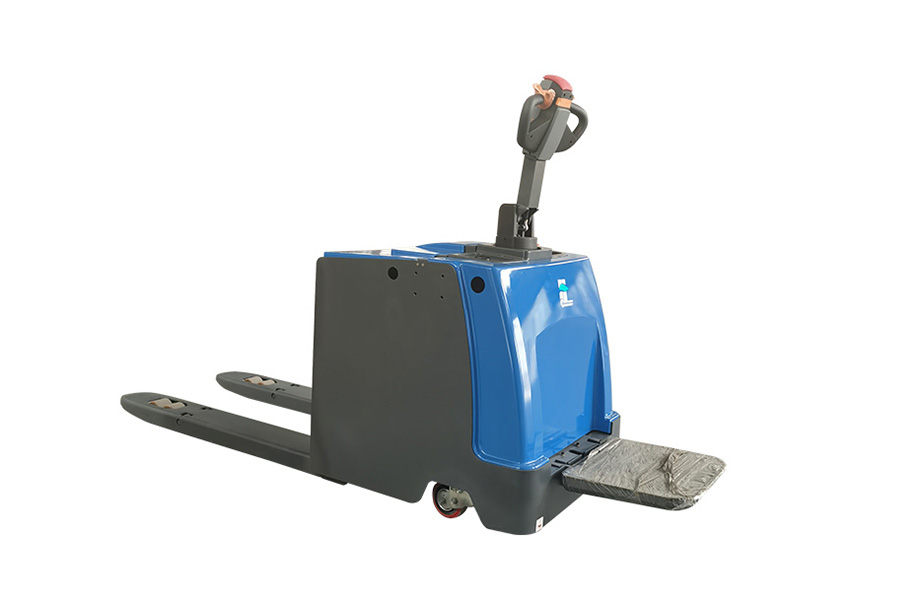
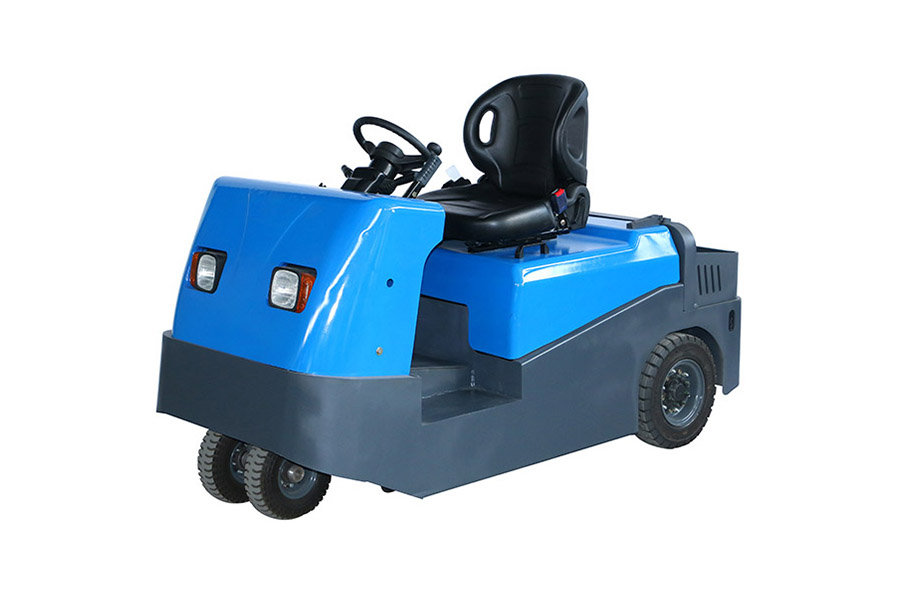
Electric lift trucks are powered by batteries and are ideal for indoor use due to their low emissions and quiet operation. These trucks come in various configurations, including sit-down and stand-up models, and can be used for a wide range of material handling tasks in warehouses and distribution centers.
Gas-Powered Lift Trucks
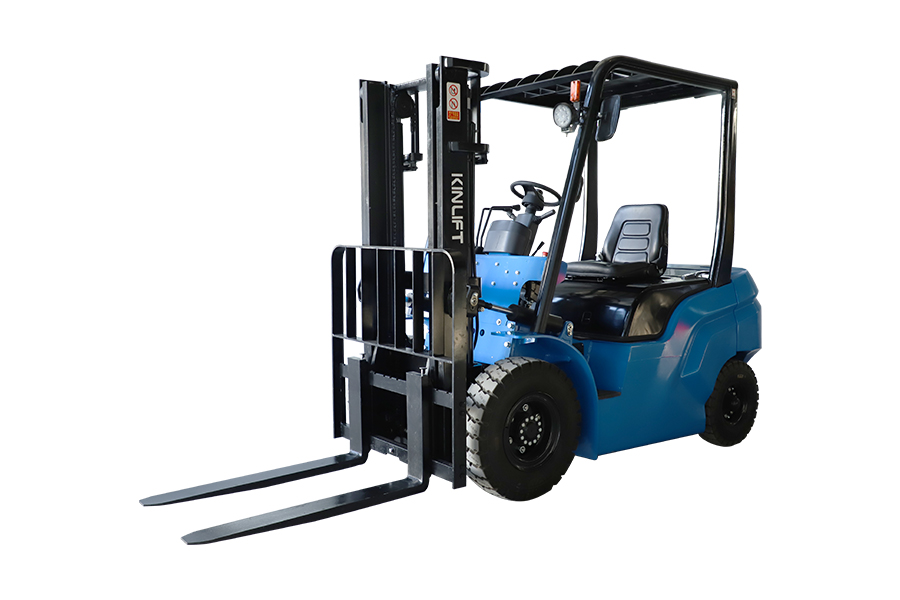
Gas-powered lift trucks run on either gasoline or propane. These models are typically used in outdoor environments or where heavy-duty lifting capabilities are required. Gas-powered trucks are known for their higher lifting capacity and longer operational range but are louder and emit exhaust fumes, making them less suitable for indoor use.
Key Differences Between Electric and Gas-Powered Lift Trucks
| Feature | Electric Lift Trucks | Gas-Powered Lift Trucks |
|---|---|---|
| Power Source | Battery-powered | Gasoline/Propane |
| Environment | Ideal for indoor use | Suitable for outdoor use |
| Noise Level | Low noise emission | High noise level |
| Emissions | Zero emissions | Emits exhaust gases |
| Lifting Capacity | Moderate to heavy-duty options | Higher lifting capacity |
| Operational Cost | Lower operating cost (electricity) | Higher operational cost (fuel) |
| Maintenance | Lower maintenance requirements | Requires more frequent maintenance |
| Run Time | Dependent on battery life | Longer operational hours |
Performance and Efficiency
Electric lift trucks are known for their quiet operation and efficiency in indoor spaces. Their electric motors offer smooth acceleration and deceleration, which improves driver comfort and reduces wear and tear on mechanical components. Moreover, they are typically easier to control due to their precise handling features.
In contrast, gas-powered lift trucks are designed for high-performance tasks that require substantial lifting power. They can work longer hours without needing to recharge, making them ideal for outdoor or large-scale operations. However, their performance is often accompanied by higher fuel consumption and frequent maintenance due to the nature of combustion engines.
Environmental Impact
One of the key differences between warehouse electric lift trucks and their gas-powered counterparts is the environmental impact. Electric models produce zero emissions, making them a more eco-friendly option for indoor environments. This makes them suitable for businesses aiming to reduce their carbon footprint and comply with environmental regulations.
On the other hand, gas-powered lift trucks release harmful gases, such as carbon monoxide, nitrogen oxides, and particulate matter, which contribute to air pollution. While modern gas-powered models are often designed with emissions-reduction technology, they are still not as environmentally friendly as electric models.
Operational Costs
Electric lift trucks are generally more cost-effective to operate over the long term. Their primary expense is the cost of electricity, which is typically much lower than the cost of gasoline or propane. Additionally, electric trucks have fewer moving parts and require less frequent maintenance, resulting in lower overall maintenance costs.
Gas-powered lift trucks, while initially less expensive, incur higher operational costs due to fuel consumption and regular maintenance requirements. Gasoline and propane prices fluctuate, meaning that operating a gas-powered forklift can become expensive over time.
Maintenance and Lifespan
The maintenance requirements of electric and gas-powered lift trucks differ significantly. Electric lift trucks require less frequent maintenance, as they have fewer moving parts and no need for oil changes. Regular battery checks and occasional brake adjustments are typically the main forms of upkeep.
Gas-powered lift trucks, however, require more extensive maintenance due to their internal combustion engines. Maintenance tasks include oil changes, fuel system checks, and exhaust system repairs. These trucks also tend to have a shorter lifespan than electric lift trucks, which can result in higher long-term costs.
Safety Considerations
When it comes to safety, both types of lift trucks have specific advantages. Electric lift trucks are safer for indoor environments because they produce no exhaust fumes, reducing the risk of toxic exposure. Their quieter operation also minimizes noise-related distractions, enhancing operator focus and safety.
Gas-powered lift trucks, while more powerful, can pose a greater risk in terms of exhaust emissions, especially in poorly ventilated areas. In addition, their loud operation may make it harder for operators to hear surrounding hazards. However, they are generally equipped with features to handle the higher power demands and rougher outdoor conditions.
Ideal Use Cases
Electric Lift Trucks
Electric lift trucks are ideal for:
- Indoor warehouse and distribution centers
- Environments requiring low emissions
- Operations with limited space
- Businesses aiming to reduce operational noise levels
Gas-Powered Lift Trucks
Gas-powered lift trucks are ideal for:
- Outdoor operations, such as construction sites or large-scale material handling
- Environments where higher lifting capacities are required
- Operations that require longer runtimes without frequent charging
Conclusion
Both warehouse electric lift trucks and gas-powered models offer distinct advantages, depending on the specific needs of a business. Electric lift trucks excel in indoor environments, offering lower operational costs, minimal emissions, and quieter operation. Gas-powered models, on the other hand, are better suited for outdoor use and heavy-duty applications, with greater lifting power and longer runtimes. Ultimately, the choice between electric and gas-powered lift trucks will depend on factors such as the operational environment, budget, and long-term goals of the business.
FAQ
1. What is the main difference between electric and gas-powered lift trucks?
- The primary difference lies in their power source. Electric lift trucks are battery-powered, making them ideal for indoor use, while gas-powered models run on gasoline or propane and are better suited for outdoor environments or heavy-duty tasks.
2. Are electric lift trucks more cost-effective?
- Yes, electric lift trucks typically have lower operational costs since electricity is cheaper than fuel, and they require less maintenance due to fewer moving parts.
3. Can gas-powered lift trucks be used indoors?
- Gas-powered lift trucks can be used indoors, but they produce exhaust emissions, which can be hazardous in poorly ventilated areas. For this reason, electric lift trucks are often preferred for indoor operations.
4. How long do electric lift trucks last compared to gas-powered models?
- Electric lift trucks generally have a longer lifespan due to their simpler mechanics and fewer maintenance needs. Gas-powered lift trucks tend to require more frequent repairs and may have a shorter overall lifespan.
5. What is the environmental impact of using electric versus gas-powered lift trucks?
- Electric lift trucks are more environmentally friendly because they produce no emissions. In contrast, gas-powered lift trucks emit harmful gases that contribute to air pollution, especially when used indoors.