

 English
 русский

Home / News / Industry News / What Are the Maintenance Requirements for Electric Counterbalance Forklifts?
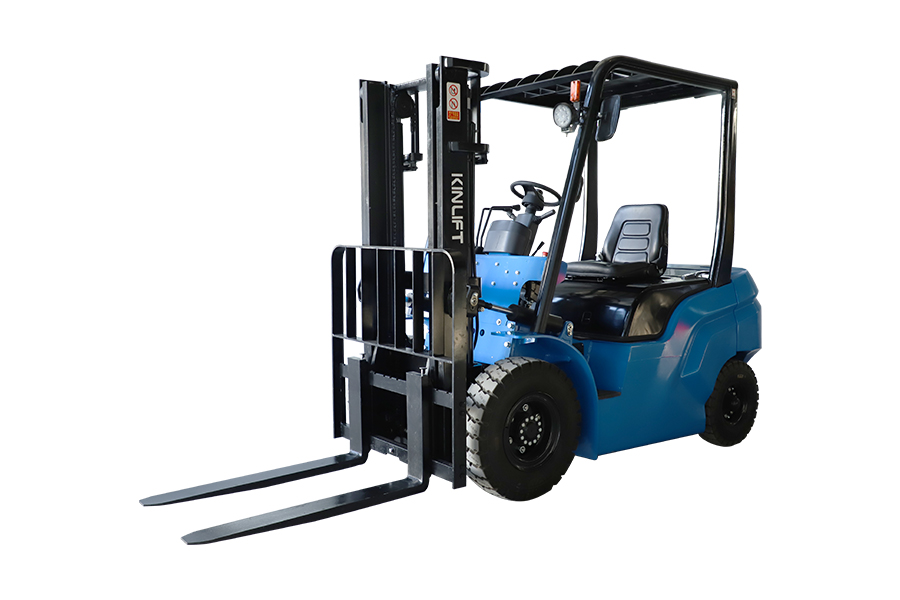
Electric counterbalance forklifts are essential machines in many industries, providing efficient lifting and transportation solutions within warehouses and distribution centers. Unlike traditional internal combustion engine forklifts, electric counterbalance forklifts run on batteries, offering the advantage of being environmentally friendly, cost-effective, and quieter in operation. However, just like any industrial equipment, these forklifts require regular maintenance to ensure they continue performing at their levels and to extend their lifespan.
Battery Maintenance
The battery is the heart of an electric counterbalance forklift. Proper battery care is crucial for the performance and longevity of the forklift. Here are the key maintenance steps for forklift batteries:
- Regular Charging: Batteries should be charged after each use to maintain energy levels. Ensure that the forklift is not overcharged or undercharged, as both conditions can reduce battery life.
- Watering: Most forklift batteries are lead-acid, and these need to be checked for water levels regularly. Low water levels can cause the battery plates to become exposed, which can damage and shorten battery life.
- Cleaning Terminals: The terminals of the battery should be cleaned regularly to remove any corrosion, dirt, or buildup that could affect electrical conductivity. Use a wire brush and a mixture of baking soda and water to clean the terminals.
- Equalizing Charge: Every few weeks, perform an equalizing charge to balance the cells and prevent sulfation, which can battery failure.
- Inspection for Damage: Inspect the battery for any signs of wear, leaks, or damage to the casing. Damaged batteries should be replaced promptly to avoid any safety risks.
Forklift Inspection and General Cleaning
Regular cleaning and inspection are vital to maintaining the overall health of the forklift. Here’s what to check:
- Cleaning: Regularly clean the forklift, especially the undercarriage, wheels, and lifting mechanisms, to prevent dirt and debris from accumulating. This helps to avoid issues such as rust or malfunctioning hydraulic components.
- Inspection of Forks: Inspect the forks for signs of wear or damage, such as cracks or bends. Forks should also be checked for proper alignment and that they are securely attached to the mast.
- Hydraulic Systems: Ensure that the hydraulic oil levels are within the recommended range, and the system is free of leaks. Regularly inspect hydraulic hoses for any signs of wear, cuts, or abrasions.
- Mast and Lift Chains: The mast and lift chains should be checked regularly for smooth operation. Lubricate them with the appropriate grease to ensure the forklift operates smoothly.
- Cables and Wires: Examine cables for any damage, wear, or fraying. Ensure that wires are correctly connected and that there are no exposed wires that could cause electrical issues or safety hazards.
Tire Maintenance
The tires of an electric counterbalance forklift play a significant role in its stability and maneuverability. Proper tire care is essential to avoid safety risks and improve the forklift’s performance:
- Check Tire Pressure: Maintain the proper tire pressure, as low pressure can affect the forklift’s lifting capacity and increase fuel consumption.
- Inspect for Damage: Regularly inspect the tires for any signs of wear, cuts, or punctures. Replace tires that are worn down or damaged to ensure the forklift remains stable and safe to operate.
- Wheel Alignment: Check the wheel alignment periodically to ensure that the forklift’s tires are properly aligned. Misalignment can cause uneven wear and make the forklift harder to control.
Motor and Electrical System Maintenance
Electric counterbalance forklifts are powered by electric motors, which require regular maintenance to ensure they function correctly:
- Motor Inspection: Periodically check the motor for any signs of overheating, unusual noises, or vibration. Overheating can be a sign of electrical issues or a faulty cooling system.
- Cooling System: Make sure that the forklift’s cooling system is functioning properly. An overworked motor can overheat if the cooling system is blocked or malfunctioning. Regular cleaning of cooling vents and fans can prevent overheating.
- Electrical Components: Check the forklift’s electrical components such as switches, relays, and connectors for wear and corrosion. Clean and lubricate electrical connections as needed to avoid electrical faults.
Brakes and Steering System Maintenance
Brakes and steering systems are critical to the safe operation of a forklift. Regular checks ensure that they remain responsive and reliable:
- Brake Inspections: Perform regular inspections on both the parking and service brakes. Ensure that brake fluid levels are within the recommended range and that the brake pads are not worn out.
- Steering System: Ensure that the steering system operates smoothly and that there are no signs of leaks or damage. Check the steering column, gears, and connections to ensure they are secure and functioning as expected.
Safety Features Maintenance
Forklifts are equipped with various safety features, including warning lights, horns, and backup alarms. These should be tested regularly to ensure they are operational:
- Horn and Warning Lights: Check that the horn and lights are working properly, as these are essential for signaling in busy warehouse environments.
- Backup Alarms: Test the backup alarm regularly to ensure that it works when the forklift is reversing.
- Seat Belts and Operator Safety: Inspect the seat belts to ensure they are in good working condition and that they properly secure the operator.
Scheduled Service and Professional Inspections
While operators can handle basic maintenance, professional inspections and scheduled services are essential for maintaining the long-term health of electric counterbalance forklifts:
- Service Intervals: Follow the manufacturer’s recommended service intervals for more complex maintenance tasks. This might include motor checks, battery testing, and system diagnostics.
- Professional Inspections: Hire a certified technician to perform in-depth inspections and repairs, particularly for electrical and hydraulic systems.
Common Issues and Troubleshooting
Despite regular maintenance, electric counterbalance forklifts may encounter issues. Some of the common issues include:
| Issue | Possible Cause | Solution |
|---|---|---|
| Forklift not starting | Battery issues, faulty connections | Check battery charge and wiring connections |
| Reduced lifting capacity | Low hydraulic fluid, damaged forks | Inspect hydraulic fluid levels, replace forks |
| Overheating | Blocked cooling system, motor failure | Clean cooling system and inspect motor |
| Steering difficulties | Misalignment, worn steering components | Inspect and align steering components |
Conclusion
Proper maintenance is crucial for the efficient operation of electric counterbalance forklifts. Following the recommended maintenance practices not only ensures that the forklift operates safely and efficiently but also extends its lifespan and reduces the likelihood of expensive repairs. By regularly maintaining the battery, hydraulic system, tires, and electrical components, and performing safety checks, businesses can maximize the value of their forklifts while providing a safe working environment for their operators.
FAQ
1. What is the lifespan of an electric counterbalance forklift battery?
The lifespan of a forklift battery depends on factors such as maintenance, usage, and charging habits. On average, a well-maintained battery can last between 4 to 6 years.
2. How often should I inspect my electric counterbalance forklift?
Forklifts should be inspected at least once a day before use. However, more detailed inspections should be carried out on a weekly or monthly basis, depending on the intensity of use.
3. How can I improve the battery life of my electric counterbalance forklift?
Ensure regular charging, avoid deep discharges, and check water levels frequently. Follow the manufacturer’s guidelines for battery care to prolong its lifespan.
4. Can I perform maintenance on an electric counterbalance forklift myself?
While basic maintenance such as cleaning, tire checks, and battery watering can be performed by the operator, more technical inspections and repairs should be handled by a professional.
5. What should I do if my electric counterbalance forklift starts overheating?
Check the cooling system, clean any vents or fans, and inspect the motor for damage. If overheating persists, seek professional inspection.