

 English
 русский

Home / News / Industry News / Electric Forklifts for Logistics Operations: Powering Efficient Material Handling
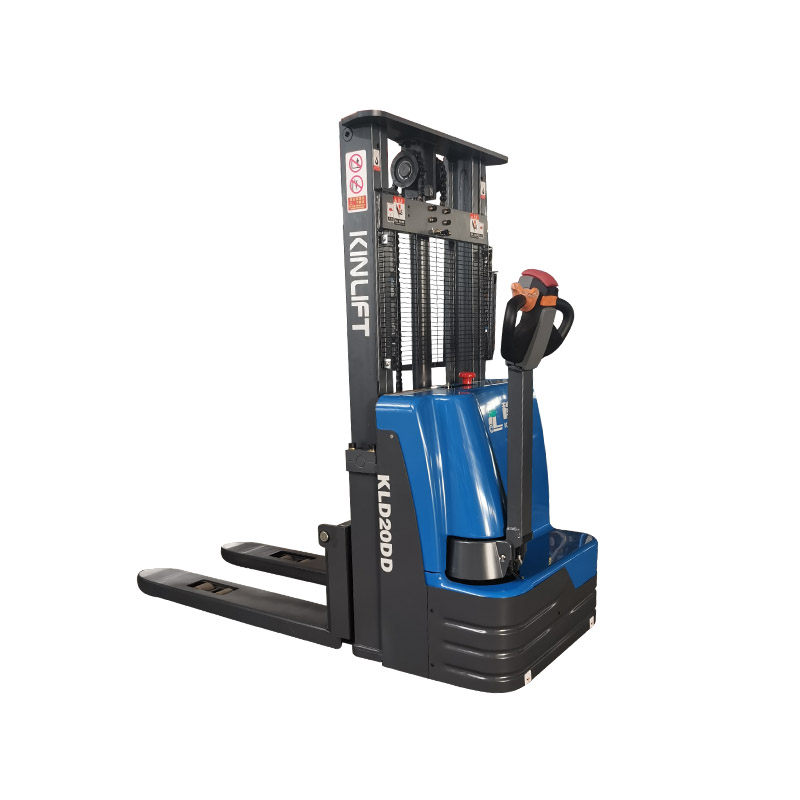
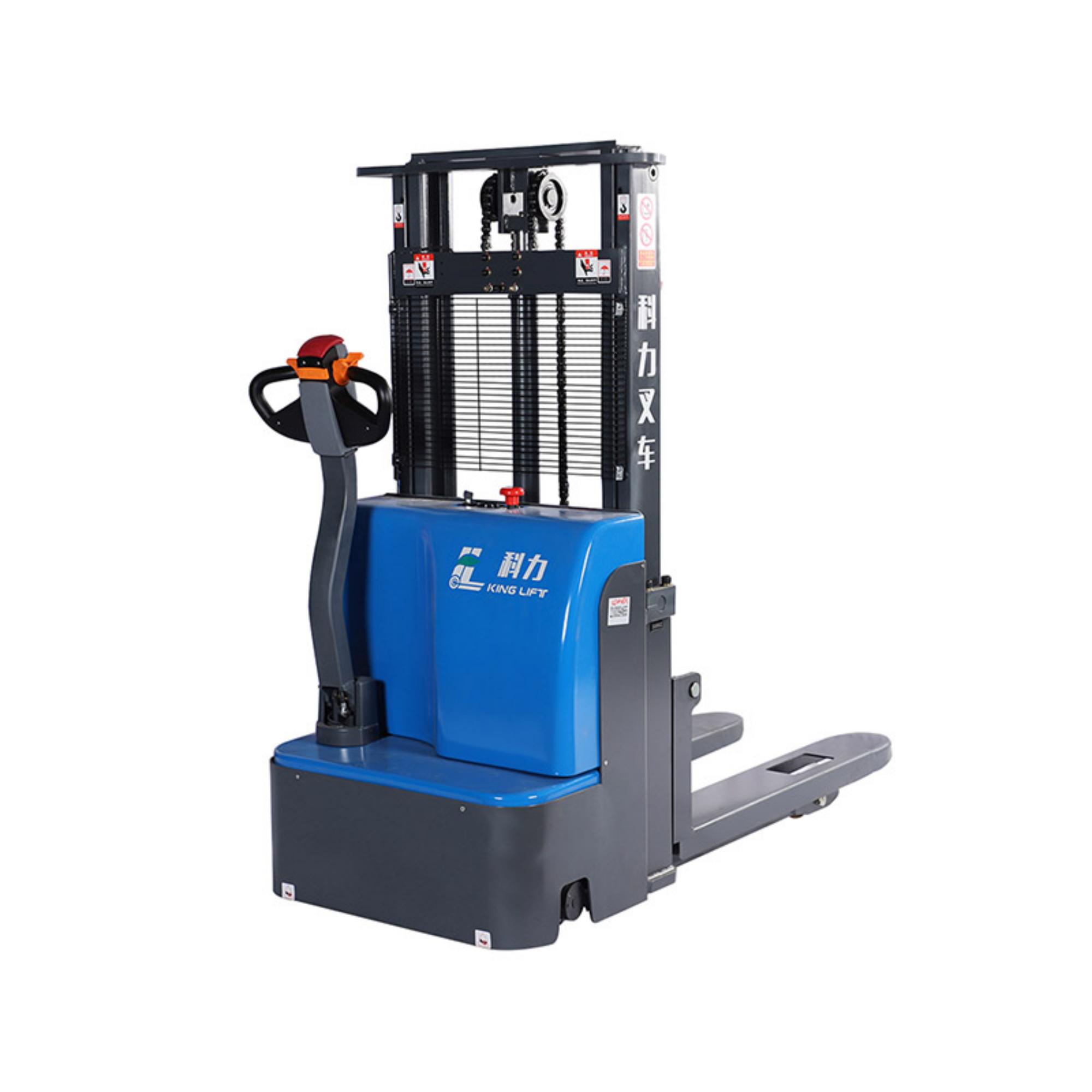
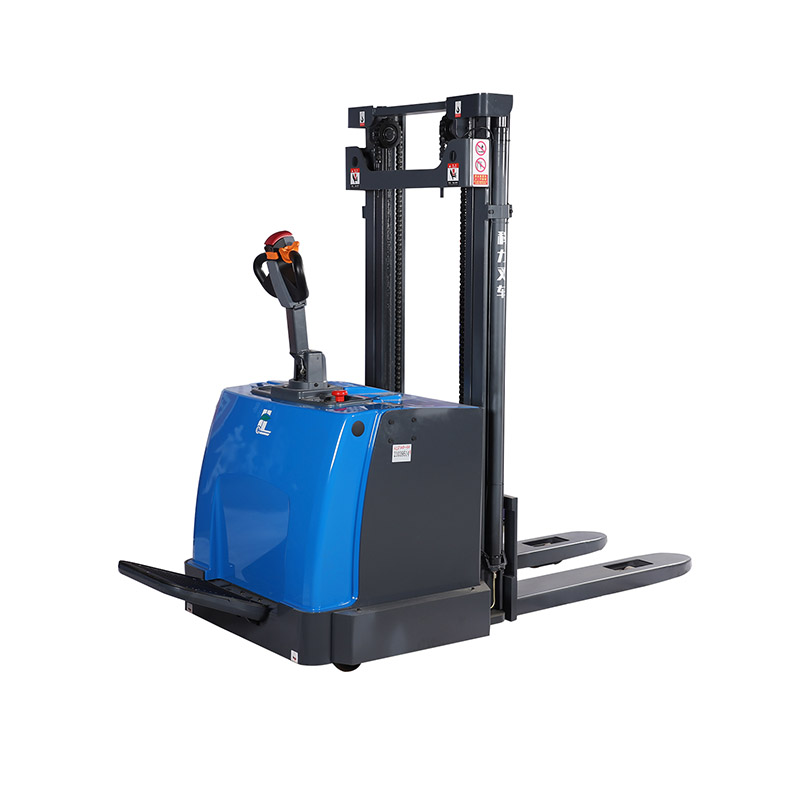
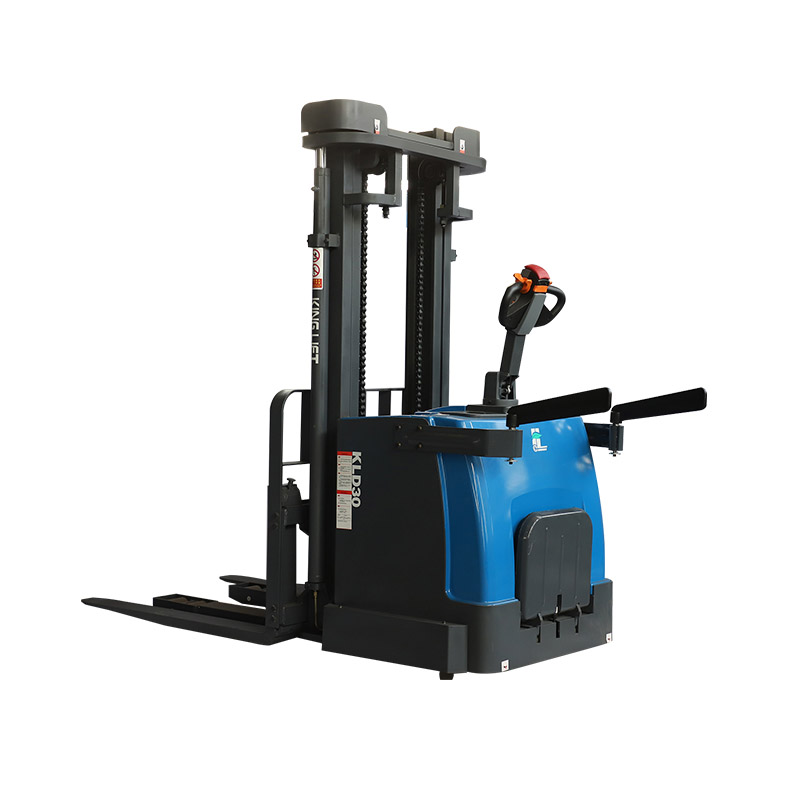
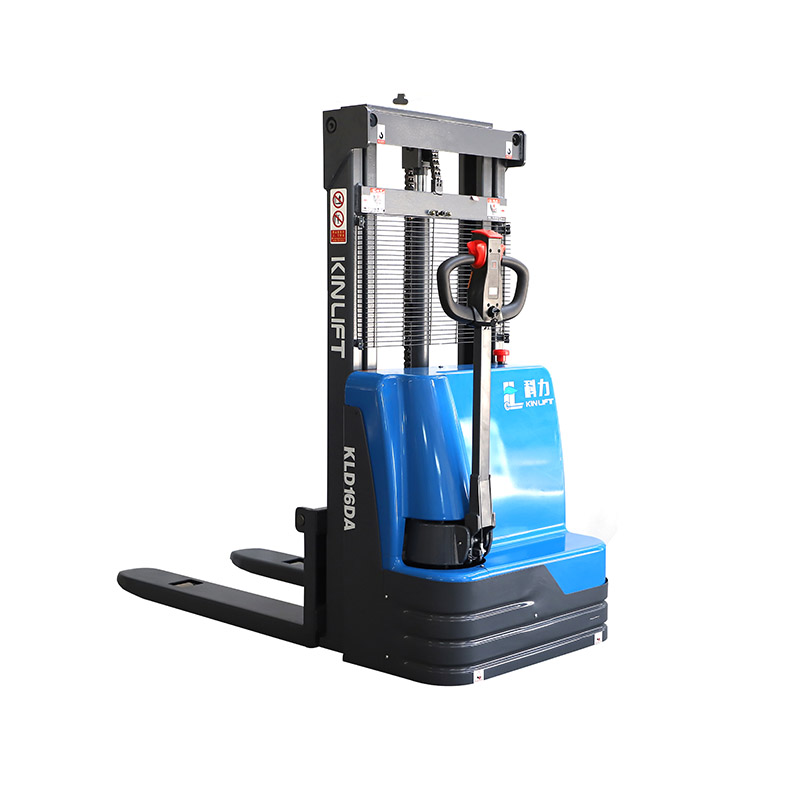
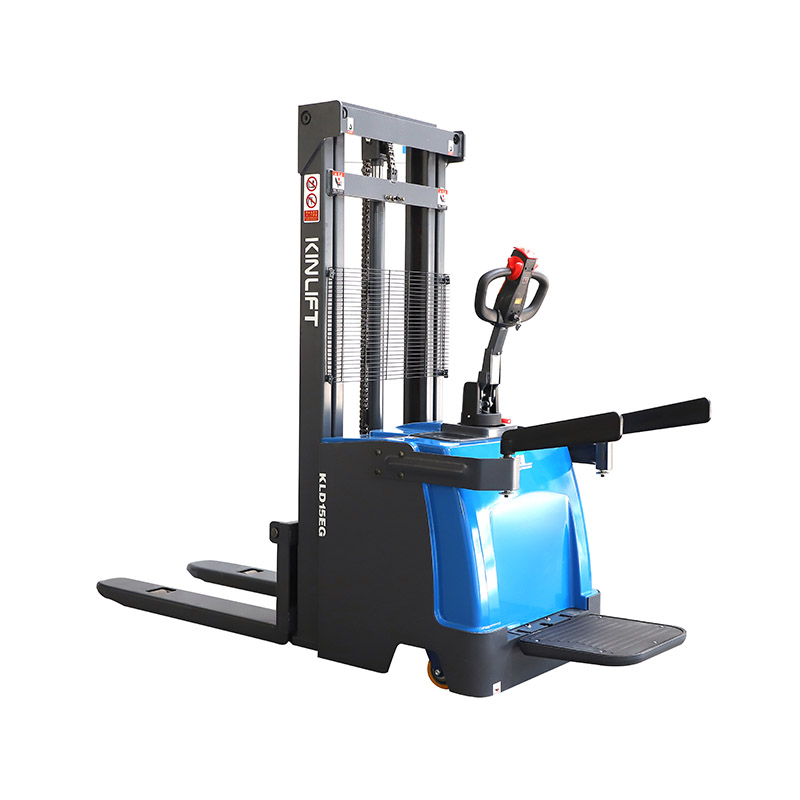
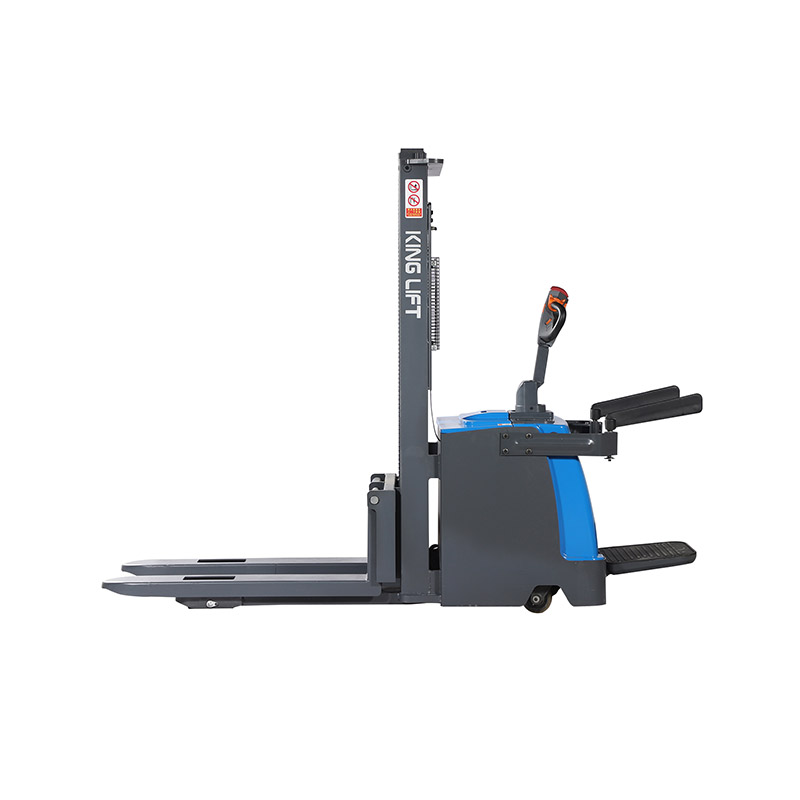
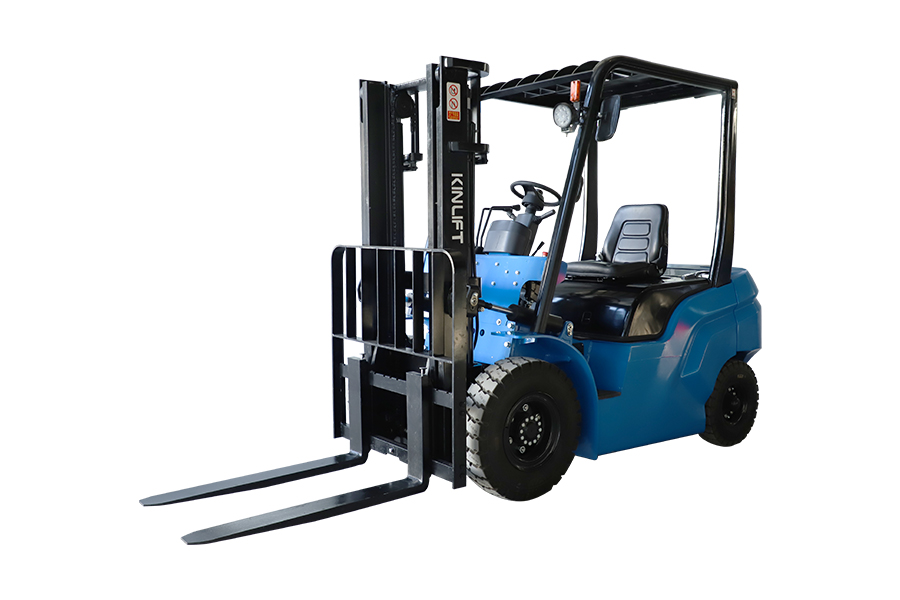
In modern logistics operations, efficiency and precision are paramount. Electric forklifts for logistics operations have emerged as a cornerstone technology for warehouses, distribution centers, and large-scale storage facilities. These forklifts are primarily battery-driven, offering a sustainable, emission-free alternative to traditional fuel-powered models. They are specifically designed to transport large items within storage spaces, combining maneuverability, lifting power, and innovative features such as USB ports, which enhance operator convenience.
Advancing Warehouse Mobility
One of the defining characteristics of electric forklifts for logistics operations is their ability to handle large items in storage with ease. Unlike manual handling or smaller pallet jacks, these forklifts are engineered for the heavy-duty movement of goods, ensuring that even oversized materials can be relocated efficiently. The battery-driven nature eliminates the need for continuous fuel supply, while quiet operation minimizes workplace disruption—a critical factor in busy warehouses.
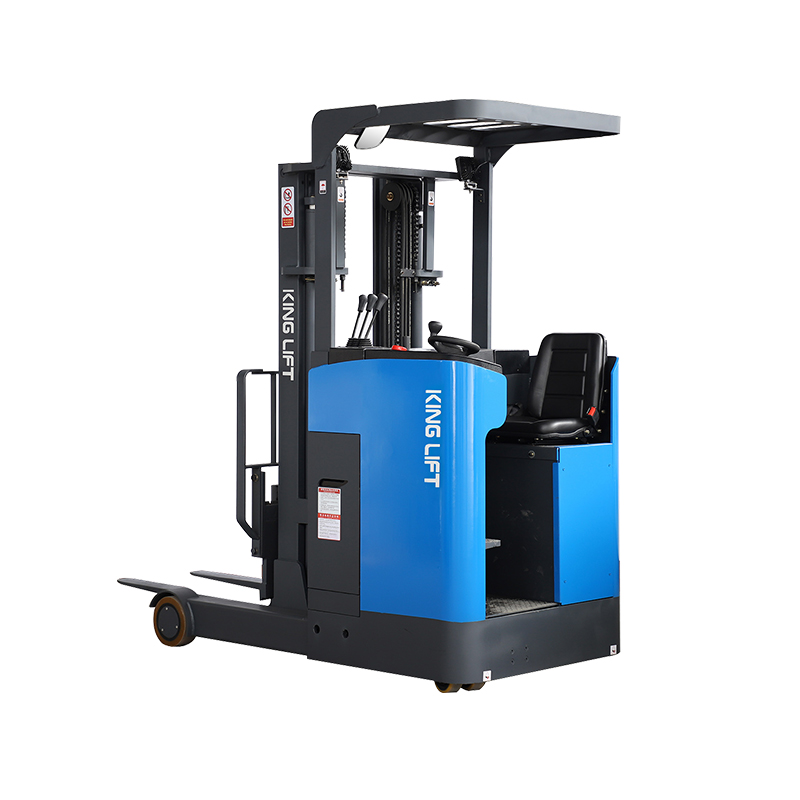
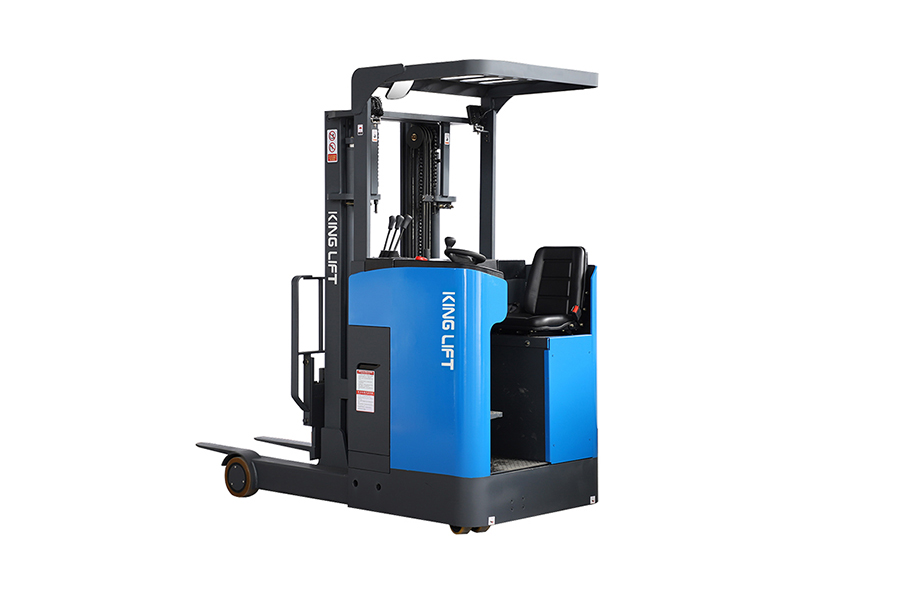
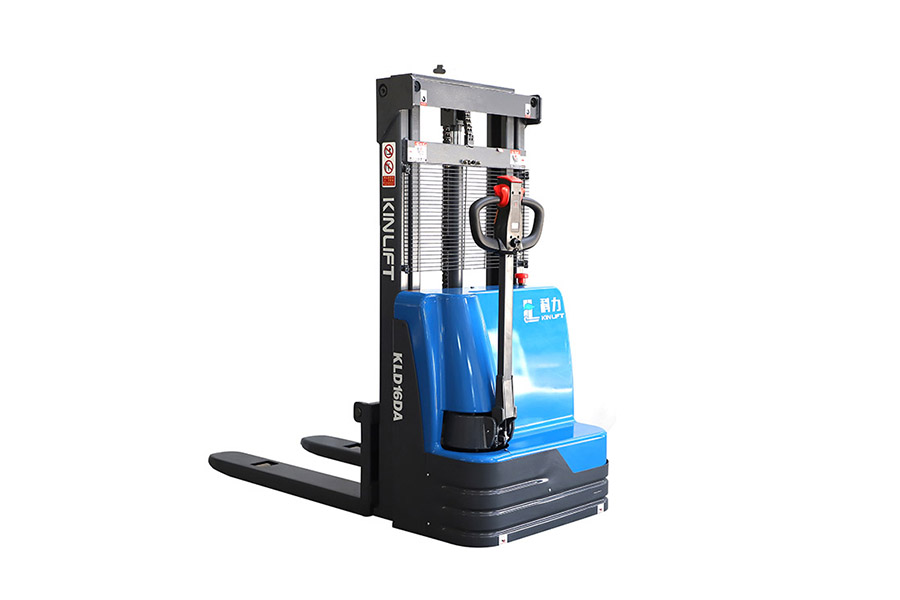
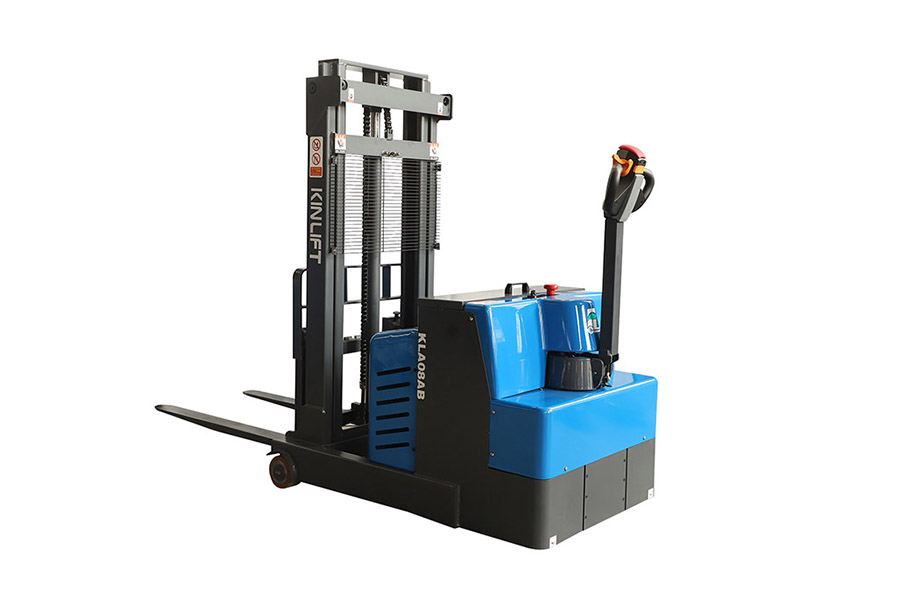
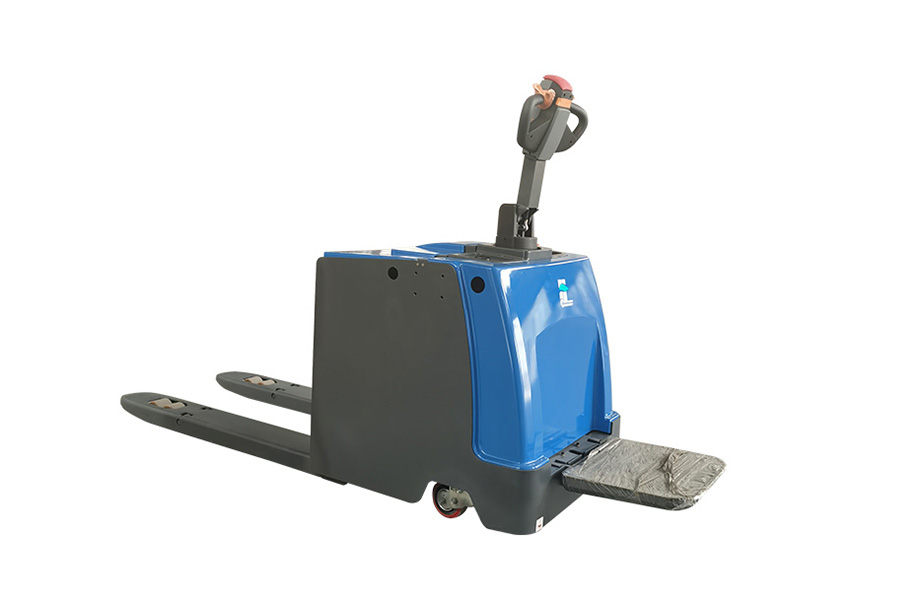
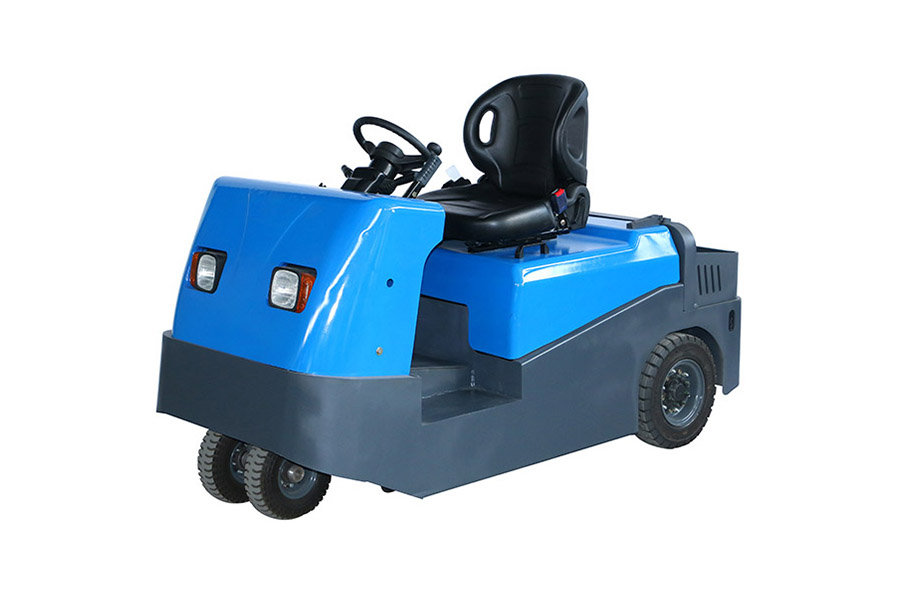
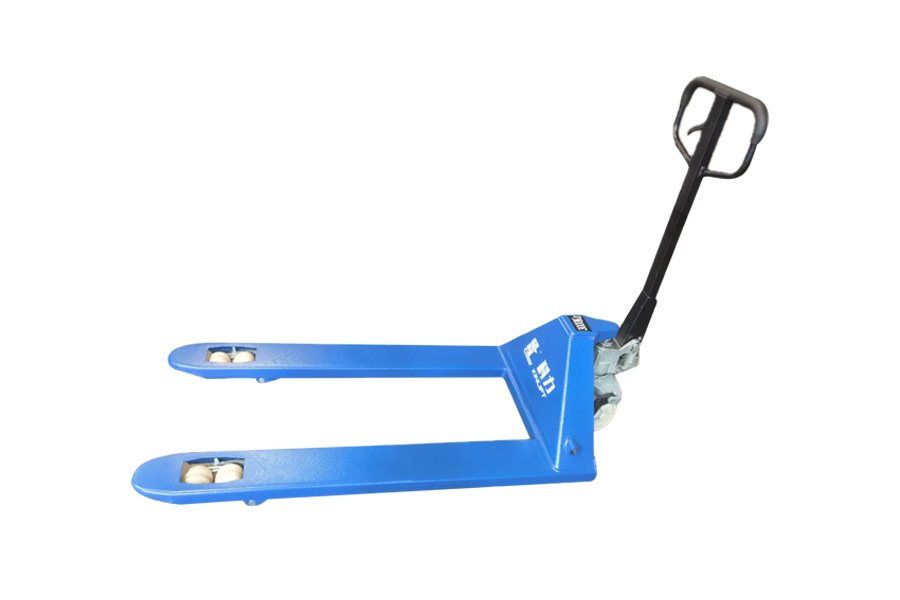
Modern models often integrate features such as electric pallet jacks, electric reach trucks, and electric counterbalance forklifts, providing versatility across diverse logistics scenarios. The inclusion of lithium-ion batteries further enhances operational efficiency by offering longer runtime and faster charging compared to traditional lead-acid batteries. In addition, emerging innovations such as autonomous electric forklifts and IoT-enabled electric forklifts allow for real-time monitoring, route optimization, and predictive maintenance, further boosting warehouse productivity.
Operator Convenience and Productivity
A notable innovation in the latest electric forklifts is the integration of a USB port directly within the operator cabin. This seemingly small feature addresses a growing need for connectivity in modern warehouse environments. Operators can charge handheld scanners, mobile devices, or even tablets while operating the forklift, ensuring uninterrupted workflow and efficient inventory management.
Moreover, the ergonomics of electric forklifts for logistics operations are optimized for prolonged usage. Adjustable seats, intuitive controls, and clear dashboards enable operators to maintain comfort and precision during extended shifts. These design considerations, combined with features like fast-charging forklifts and AI-powered forklifts, make material handling safer, faster, and more reliable.
Core Product Specifications
| Feature | Specification | Notes |
|---|---|---|
| Power Source | Lithium-ion Battery | Long runtime, environmentally friendly |
| Maximum Load Capacity | 1,000–3,000 kg | Suitable for large items in storage |
| USB Port | Available | Enables device charging and connectivity |
| Fork Type | Electric Reach / Counterbalance | Flexible handling for pallets and oversized items |
| Control System | IoT-enabled / AI-assisted | Real-time monitoring and route optimization |
| Applications | Warehouse, cold storage, e-commerce logistics | Wide operational scope |
Environmental and Economic Benefits
Electric forklifts provide significant environmental advantages by eliminating fuel emissions and reducing noise pollution in storage facilities. Unlike diesel forklifts, electric forklifts for logistics operations operate quietly, making them ideal for indoor warehouses or areas where human presence is constant. Reduced noise contributes to a safer and more comfortable working environment, while battery-driven mechanisms reduce carbon footprint.
Economically, these forklifts lower operational costs due to fewer moving parts and reduced maintenance requirements. Lithium-ion batteries, for instance, last longer than traditional lead-acid alternatives, and the inclusion of fast-charging technology minimizes operational downtime. These forklifts also improve labor efficiency by allowing operators to handle larger loads with precision, decreasing the need for multiple manual handling sessions.
Industry Applications
The versatility of electric forklifts makes them invaluable across various logistics contexts:
- Warehouse Operations: Transporting large pallets and heavy goods across storage racks.
- E-commerce Fulfillment Centers: Rapid movement of inventory from storage to packing stations.
- Cold Storage Facilities: Battery-driven forklifts prevent fuel emissions and maintain temperature-sensitive environments.
- Manufacturing Logistics: Moving raw materials and finished products within production sites.
Market Trends and Innovations
The demand for electric forklifts is growing rapidly due to the global emphasis on sustainability and warehouse automation. Market leaders are investing in autonomous electric forklifts, AI integration, and IoT-enabled devices that allow logistics operators to monitor fleet performance in real time. These innovations ensure that electric forklifts remain central to the future of material handling, particularly in high-density warehouse environments where precision and reliability are essential.
Additionally, integration with electric pallet jacks and electric counterbalance forklifts allows warehouses to standardize their equipment, streamline training, and optimize operational workflows. The continuous evolution of battery technology—such as lithium-ion batteries—ensures longer operational periods and lower total cost of ownership, making electric forklifts increasingly attractive for logistics providers.
Conclusion
Electric forklifts for logistics operations are no longer a niche tool; they are fundamental to modern warehouse efficiency and productivity. By combining battery-driven mobility, large-item transport capability, and operator-focused innovations like USB ports, these forklifts address the complex demands of contemporary logistics. From reducing environmental impact to enhancing workflow efficiency, electric forklifts are setting new standards in warehouse operations.
The growing adoption of electric reach trucks, electric lift trucks, and autonomous electric forklifts underscores the market’s shift toward smarter, cleaner, and more connected material handling solutions. As logistics demands evolve, the integration of intelligent features and ergonomic design ensures that electric forklifts will remain an indispensable asset for years to come.