

 English
 русский

Home / News / Industry News / Why adjustable lift warehouse electric stackers are essential for logistics?
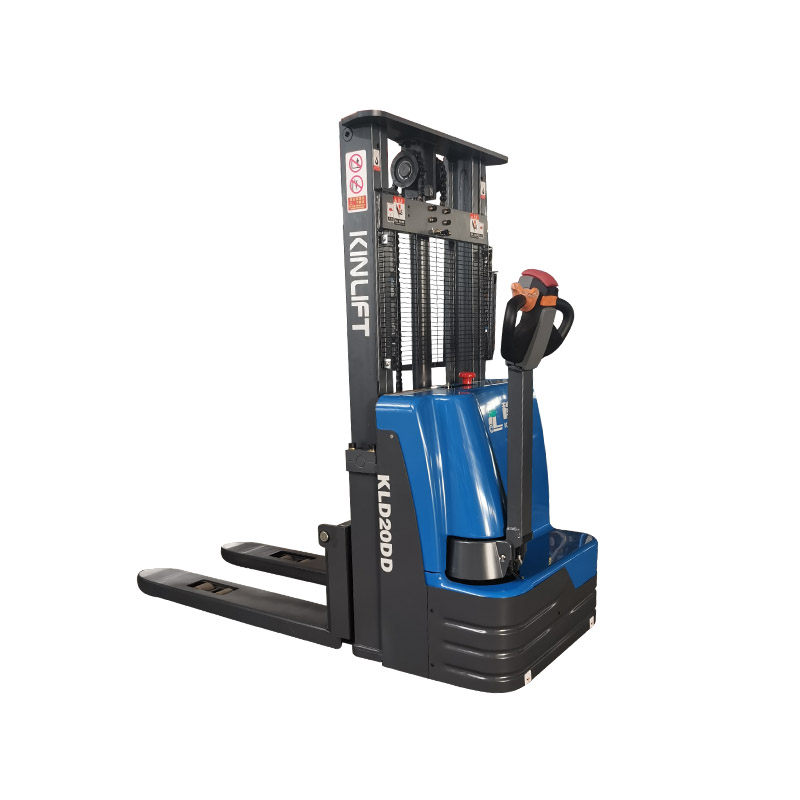
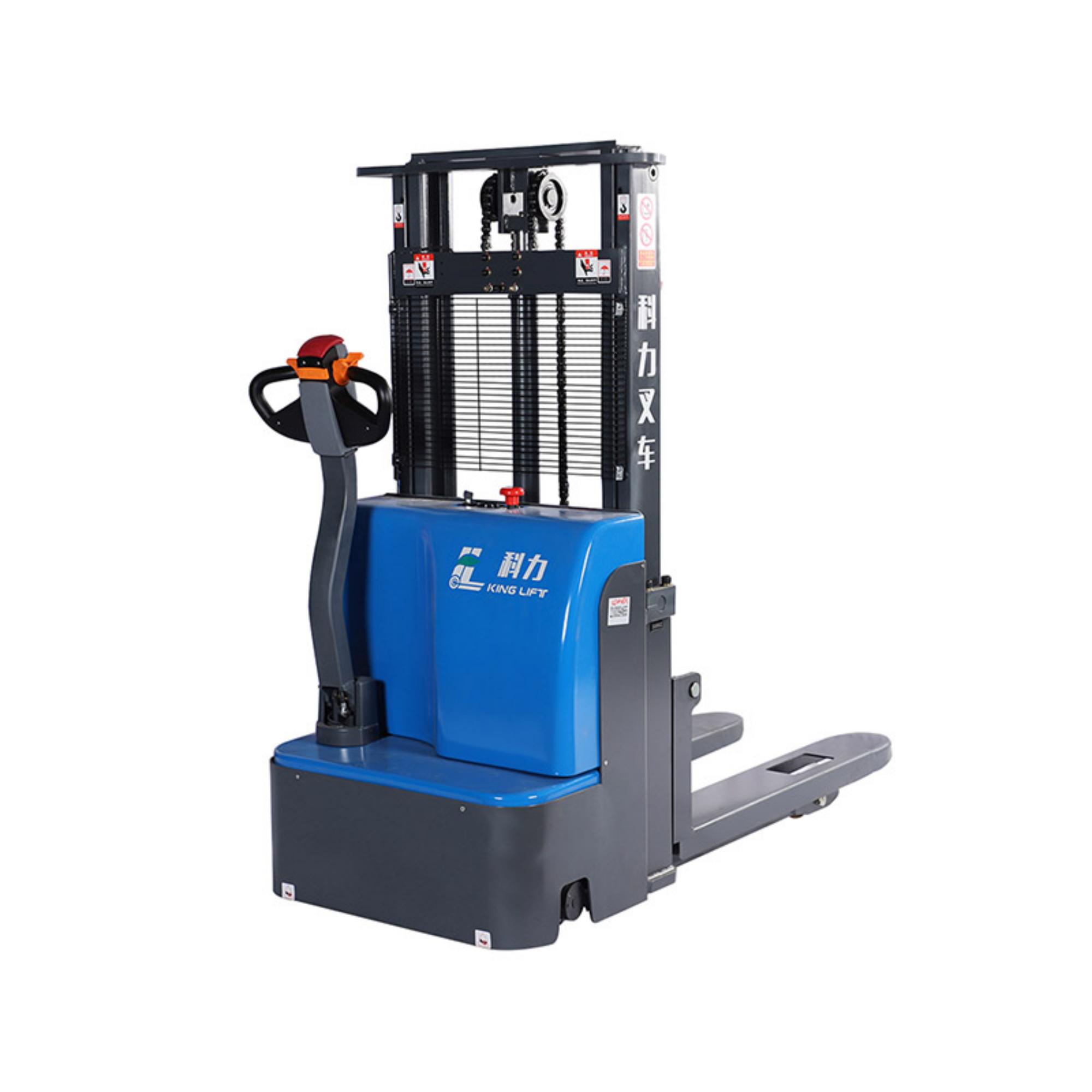
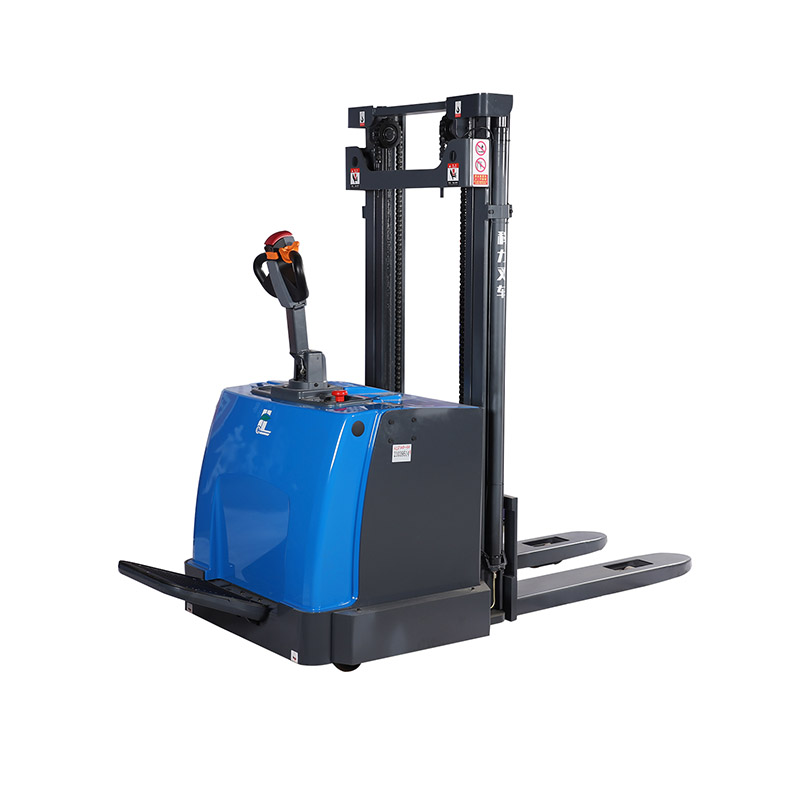
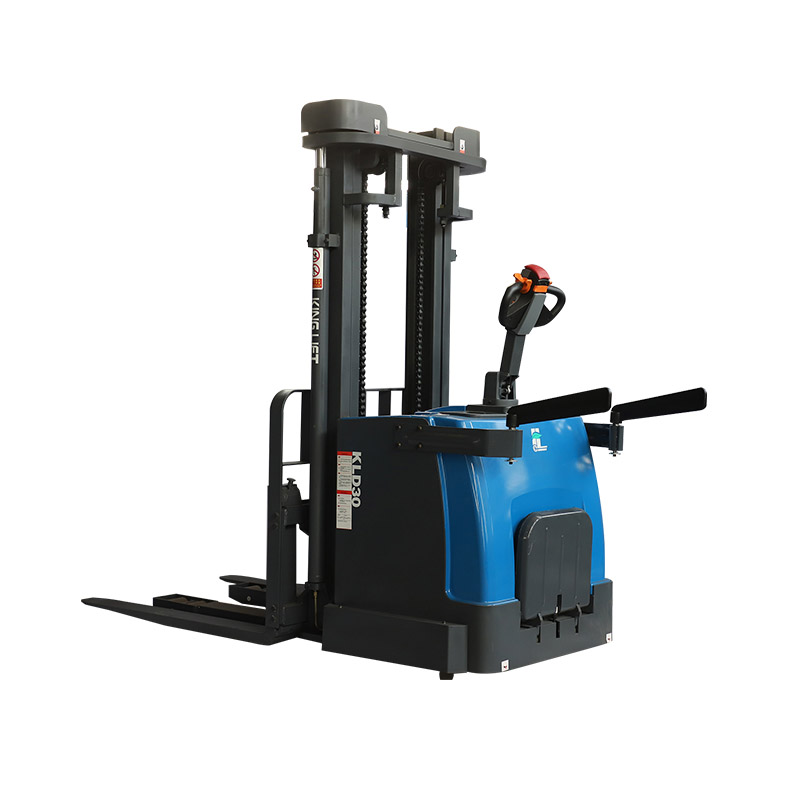
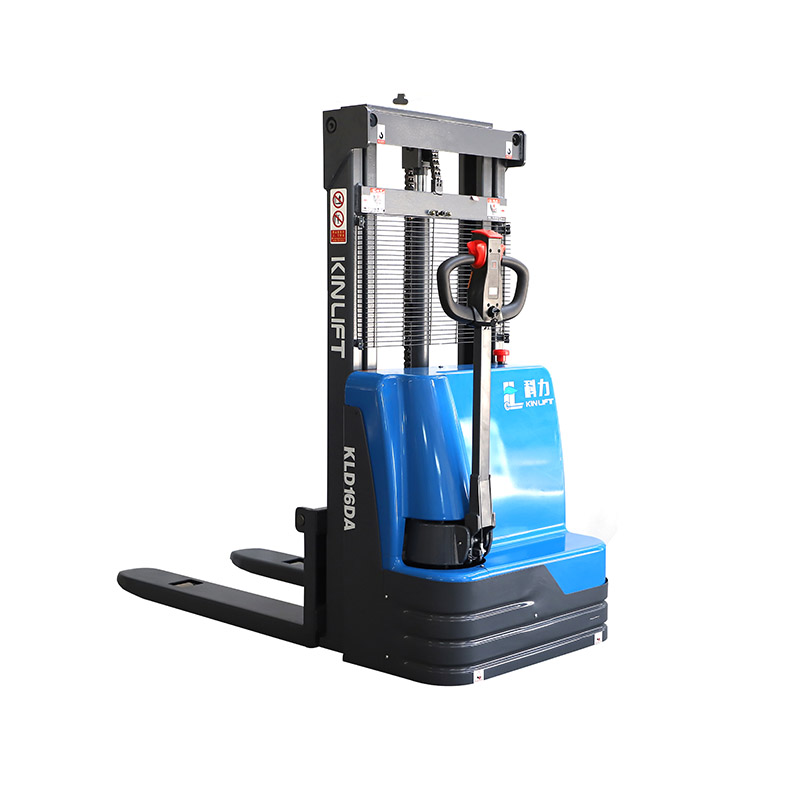
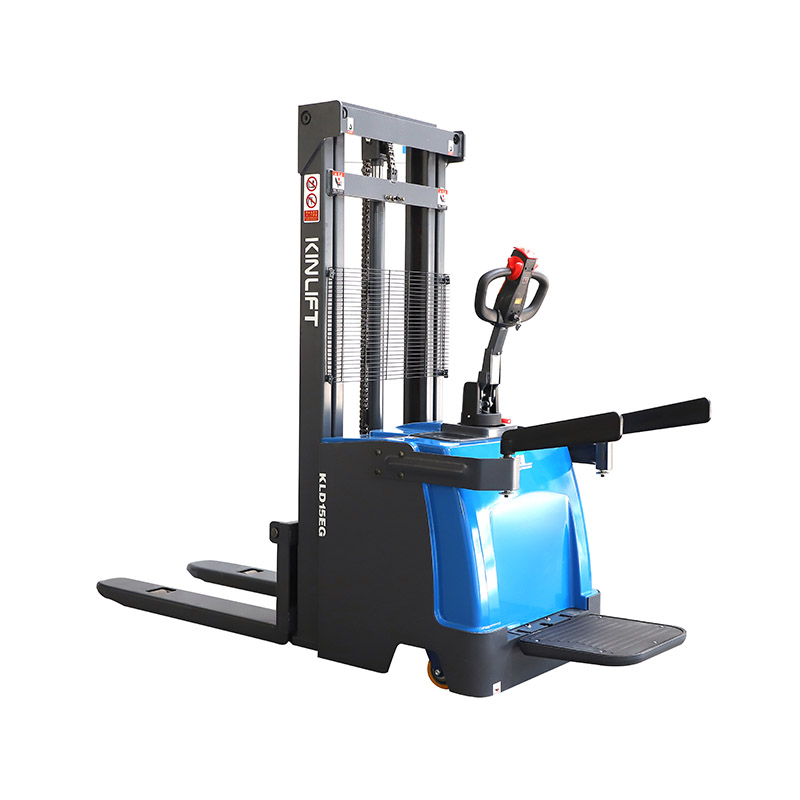
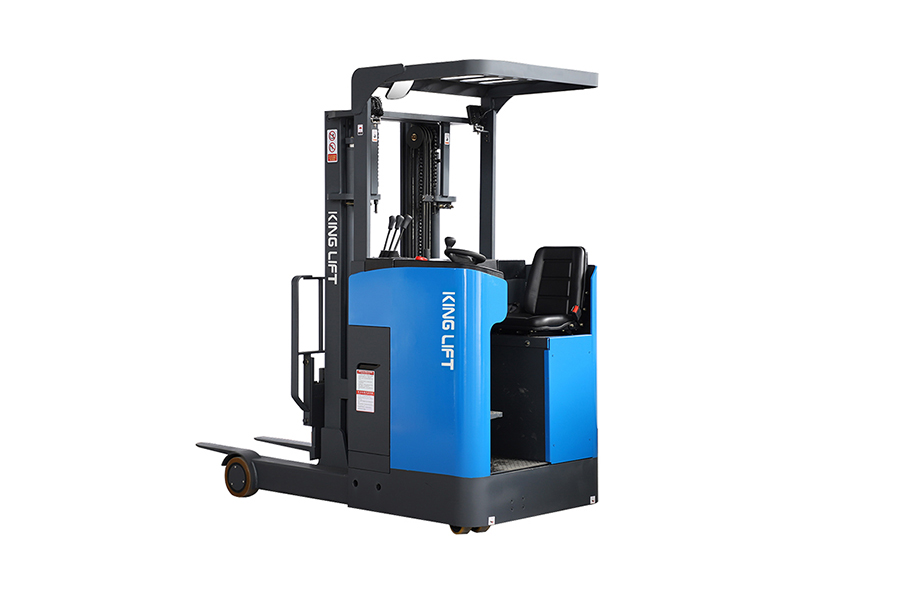
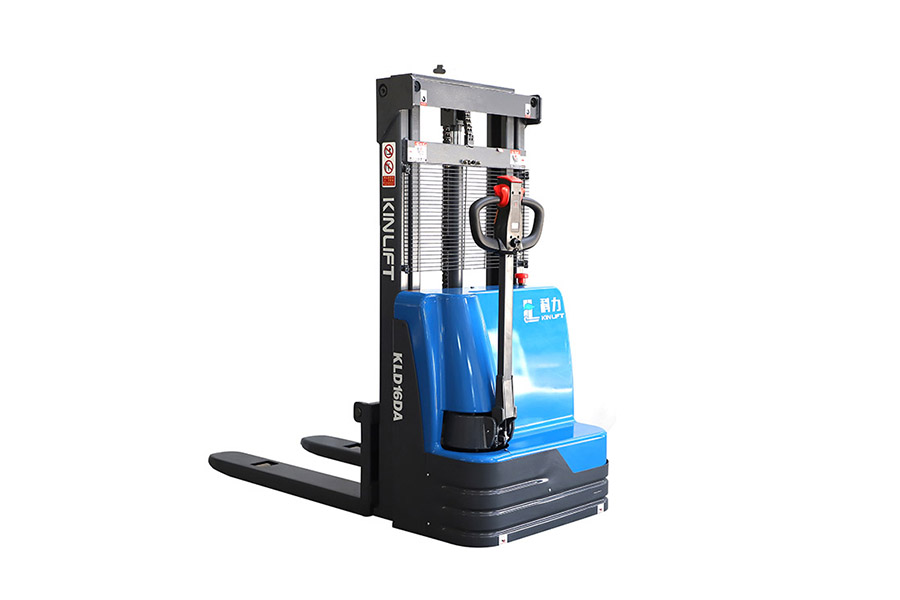
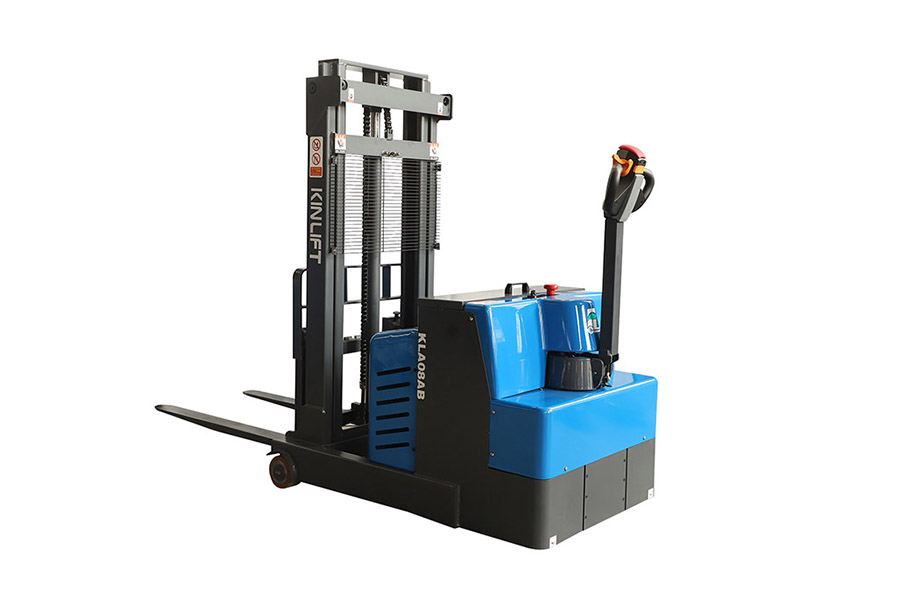
The evolution of warehouse operations has been driven by one constant demand: efficiency. Among the myriad of equipment facilitating smooth logistics, warehouse electric stackers have emerged as a pivotal solution for modern storage and distribution facilities. These electric-powered machines, particularly electric pallet stackers, are redefining how goods are handled, stored, and transported within warehouses, largely due to one standout feature: adjustable lift capability.
Adjustable Lift: The Core Advantage
In the complex environment of a warehouse, lifting and stacking goods of varying sizes and weights is a daily challenge. Traditional manual or fixed-lift equipment often limits operational flexibility and can compromise safety. Warehouse electric stackers equipped with adjustable lift technology offer a solution by allowing operators to raise or lower pallets with precision. This capability not only streamlines the storage process but also minimizes the risk of damage to inventory and the surrounding infrastructure.
Adjustable lift systems allow operators to tailor the stacker’s height to the specific demands of the task. From low-level pallet positioning for quick picking to high-level stacking in narrow aisles, the versatility of the electric stacker eliminates the need for multiple machines. This not only optimizes warehouse space but also reduces equipment costs over time.
Enhancing Efficiency in Warehousing Operations
Efficiency is the cornerstone of any successful logistics operation. Electric pallet stackers with adjustable lift functions significantly enhance workflow by reducing the time and effort required for loading and unloading. Operators can effortlessly adjust the fork height to match pallet levels, eliminating repeated manual adjustments and minimizing downtime.
Moreover, modern warehouse electric stackers often incorporate ergonomic design features that complement the adjustable lift. Controls are intuitively positioned, and lifting mechanisms are smooth and responsive, reducing operator fatigue and improving overall productivity. By combining mechanical efficiency with human-centered design, these stackers ensure that warehouses can operate at peak performance without compromising worker safety or comfort.
Safety Benefits of Adjustable Lift Stackers
Safety remains a critical consideration in any warehouse environment. Wrongly placed loads may cause accidents, damage to goods, or even injury to personnel. Warehouse electric stackers equipped with adjustable lift mechanisms significantly mitigate these risks. Operators can lift loads to the precise height needed, avoiding the dangers of overextending or misaligning pallets.
Many electric stackers also integrate additional safety features, such as automatic braking, overload protection, and stability sensors. These systems work in tandem with adjustable lifts to ensure secure handling of goods at any height. Consequently, businesses can reduce workplace incidents, insurance costs, and operational interruptions, creating a safer and more reliable logistics environment.
Flexibility for Diverse Warehouse Environments
Modern warehouses vary widely in size, layout, and operational complexity. Some facilities feature high-density racking systems with narrow aisles, while others prioritize quick access and frequent movement of goods. The adjustable lift capability of warehouse electric stackers allows a single machine to adapt to multiple scenarios.
For high-rise storage, operators can extend the lift to reach upper racks without compromising stability. In low-ceiling areas, the lift can be retracted to operate safely under height constraints. This flexibility makes electric pallet stackers ideal for warehouses of all types, from small distribution centers to expansive fulfillment facilities.
Integration with Warehouse Automation
The rise of warehouse automation has placed additional demands on material handling equipment. Adjustable lift stackers can integrate seamlessly into semi-automated or fully automated workflows. For example, stackers with programmable lift settings can synchronize with conveyor systems, automated storage, or retrieval units. This reduces manual intervention and ensures that goods are moved efficiently and accurately throughout the facility.
Furthermore, adjustable lift stackers can complement other automation technologies, such as barcode scanning and inventory management software. By precisely positioning pallets at the correct height for scanning or sorting, they help maintain accurate inventory records and facilitate smooth order fulfillment processes.
Energy Efficiency and Sustainability
As sustainability becomes a central concern in logistics, warehouse electric stackers offer an environmentally friendly alternative to diesel or gas-powered equipment. Adjustable lift models typically incorporate energy-efficient electric motors and regenerative braking systems. These technologies reduce power consumption while maintaining consistent lifting performance, aligning warehouse operations with corporate sustainability goals.
Battery-powered electric pallet stackers also offer operational flexibility. Operators can work continuously with minimal downtime for recharging, and some models even support fast-charge options. The combination of adjustable lift functionality with energy efficiency ensures that warehouses can maintain high productivity while minimizing their environmental footprint.
Future Trends in Adjustable Lift Stackers
The adjustable lift functionality in warehouse electric stackers is expected to become increasingly sophisticated. Advancements in sensor technology, artificial intelligence, and predictive maintenance could enable stackers to automatically adjust lifting heights based on load characteristics or warehouse layout. This level of automation would further reduce human error, optimize warehouse space, and streamline workflow efficiency.
Additionally, integration with IoT platforms could allow real-time monitoring of lift operations, battery status, and maintenance needs. Data-driven insights could help warehouse managers make informed decisions, allocate resources more effectively, and anticipate equipment wear before it impacts operations.
The logistics industry continues to evolve, with efficiency, safety, and flexibility at the forefront of operational priorities. Warehouse electric stackers, particularly those featuring adjustable lift technology, are playing a pivotal role in meeting these demands. By allowing precise control over lifting heights, enhancing operator safety, and supporting versatile warehouse layouts, these stackers have become indispensable tools for modern material handling.
Moreover, their integration with automation systems, ergonomic design, and energy-efficient operation ensures that warehouses can achieve high productivity while adhering to sustainability and safety standards. As technology advances, adjustable lift electric pallet stackers are poised to become even more intelligent, further revolutionizing how goods are handled in warehouses worldwide.