

 English
 русский

Home / News / Industry News / The Rising Importance of Battery Efficiency in Electric Counterbalance Forklifts
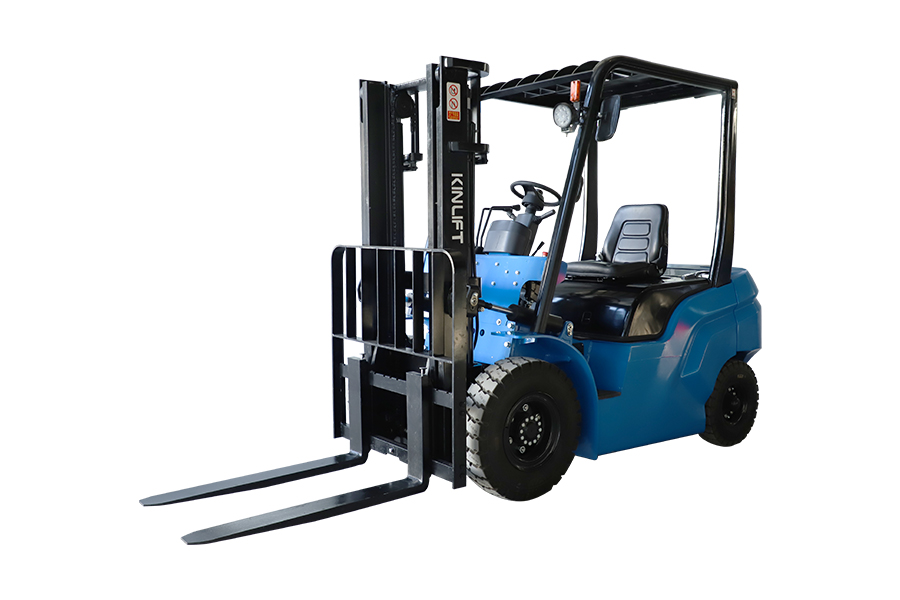
In recent years, the logistics and warehousing industries have witnessed a significant shift towards sustainable and efficient material handling solutions. Among these solutions, the electric counterbalance forklift has emerged as a key player. With growing environmental concerns and increasing operational costs, businesses are prioritizing energy efficiency and low-maintenance equipment. One defining feature that sets modern electric counterbalanced forklifts apart is their battery technology, which directly influences productivity, operational costs, and overall reliability.
The Evolution of Electric Counterbalance Forklifts
Traditional internal combustion forklifts have dominated warehouse operations for decades. However, the shift to electric power has introduced advantages in terms of energy efficiency, emissions reduction, and noise control. Today, electric forklifts, especially electric counterbalance forklifts, have evolved to address not only load-handling capacity but also operational continuity through advanced battery systems.
Battery efficiency is more than just runtime; it encompasses charging speed, lifespan, and environmental sustainability. A forklift with a well-designed battery system ensures uninterrupted warehouse operations and reduces downtime, which can significantly impact logistics efficiency.
Why Battery Technology Matters
Battery performance in electric counterbalance forklifts directly affects operational workflow. Modern warehouses often operate in multiple shifts, requiring forklifts to function continuously. A forklift that cannot sustain long operational hours or requires frequent charging can hinder productivity.
Additionally, battery technology influences maintenance needs. Lithium-ion batteries have a longer lifespan and charge faster than traditional lead-acid batteries. They also reduce energy waste and enable better load management, enhancing the overall cost-effectiveness of electric material handling solutions.
Key Factors in Battery Selection
- Operational Hours: Determines how long a forklift can work per shift without recharging.
- Charging Efficiency: Rapid charging reduces downtime and increases forklift availability.
- Battery Lifespan: Affects long-term costs and environmental impact.
- Energy Management: Intelligent battery management systems optimize performance and prevent over-discharge.
Comparative Analysis of Electric Counterbalance Forklifts
To illustrate how battery efficiency differentiates modern electric counterbalance forklifts, the table below compares popular configurations focusing on battery type, capacity, and estimated operational benefits.
| Battery Type | Capacity (kWh) | Charging Time | Operational Hours | Key Feature |
|---|---|---|---|---|
| Lead-Acid | 48 | 8 hrs | 6-7 hrs | Standard warehouse operations |
| Lithium-Ion | 40 | 2 hrs | 8-10 hrs | Fast charging for continuous shifts |
| Lithium-Ion | 60 | 3 hrs | 10-12 hrs | High capacity, heavy-duty lifting |
| Lead-Acid | 72 | 10 hrs | 7-8 hrs | Suitable for moderate workload environments |
Operational Benefits of Efficient Battery Systems
High-performance battery systems in electric counterbalance forklifts contribute to several operational benefits:
- Reduced Downtime: Quick charging and longer operational hours minimize interruptions.
- Lower Energy Costs: Efficient batteries consume less electricity, reducing operational expenses.
- Enhanced Safety: Intelligent battery management prevents overcharging and overheating, ensuring safe operations.
- Sustainability: Reduced energy consumption aligns with global environmental standards, supporting corporate sustainability goals.
Moreover, battery efficiency enhances the versatility of electric forklifts for warehouse material handling. Forklifts can handle heavier loads over longer shifts without the need for additional units, improving return on investment and warehouse throughput.
Future Trends in Electric Counterbalance Forklift Technology
The focus on battery technology is expected to intensify as logistics companies adopt smart warehousing solutions. Integration of IoT-enabled battery monitoring systems allows real-time tracking of energy usage, predictive maintenance, and performance analytics. In turn, businesses can optimize fleet operations and reduce total cost of ownership.
Another trend is the transition from lead-acid to lithium-ion technology in medium and heavy-duty electric counterbalance forklifts. Lithium-ion systems not only provide faster charging and longer lifespan but also reduce environmental impact due to fewer battery replacements and recycling requirements.
As the warehousing and logistics industry continues to evolve, the role of electric counterbalance forklifts equipped with efficient battery systems becomes increasingly vital. Battery technology is no longer a secondary feature—it defines operational productivity, cost efficiency, and sustainability.