

 English
 русский

Home / News / Industry News / How Can an Electric Counterbalance Forklift Improve Safety in Industrial Operations?
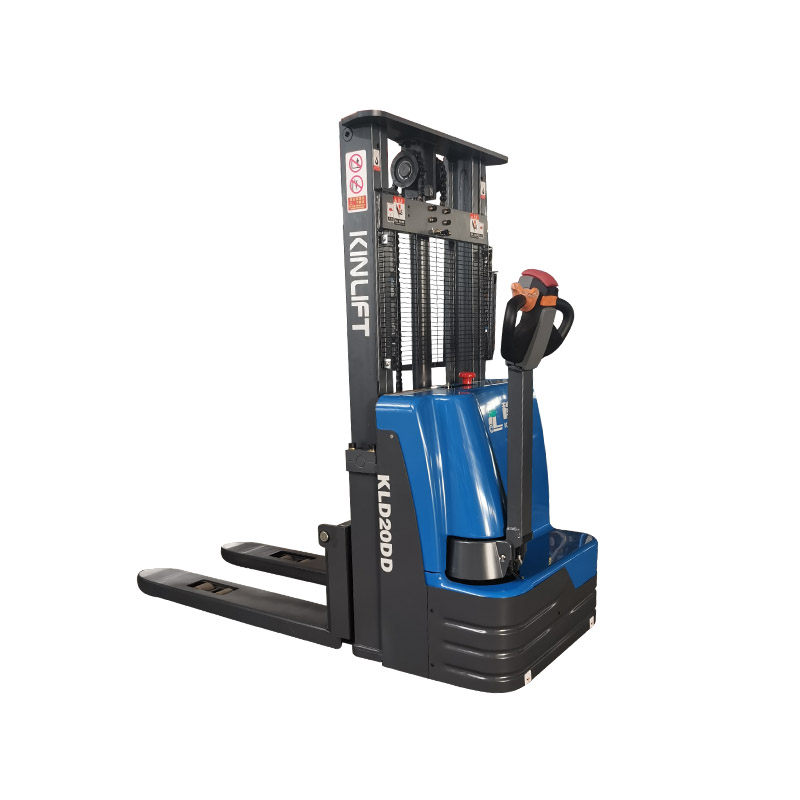
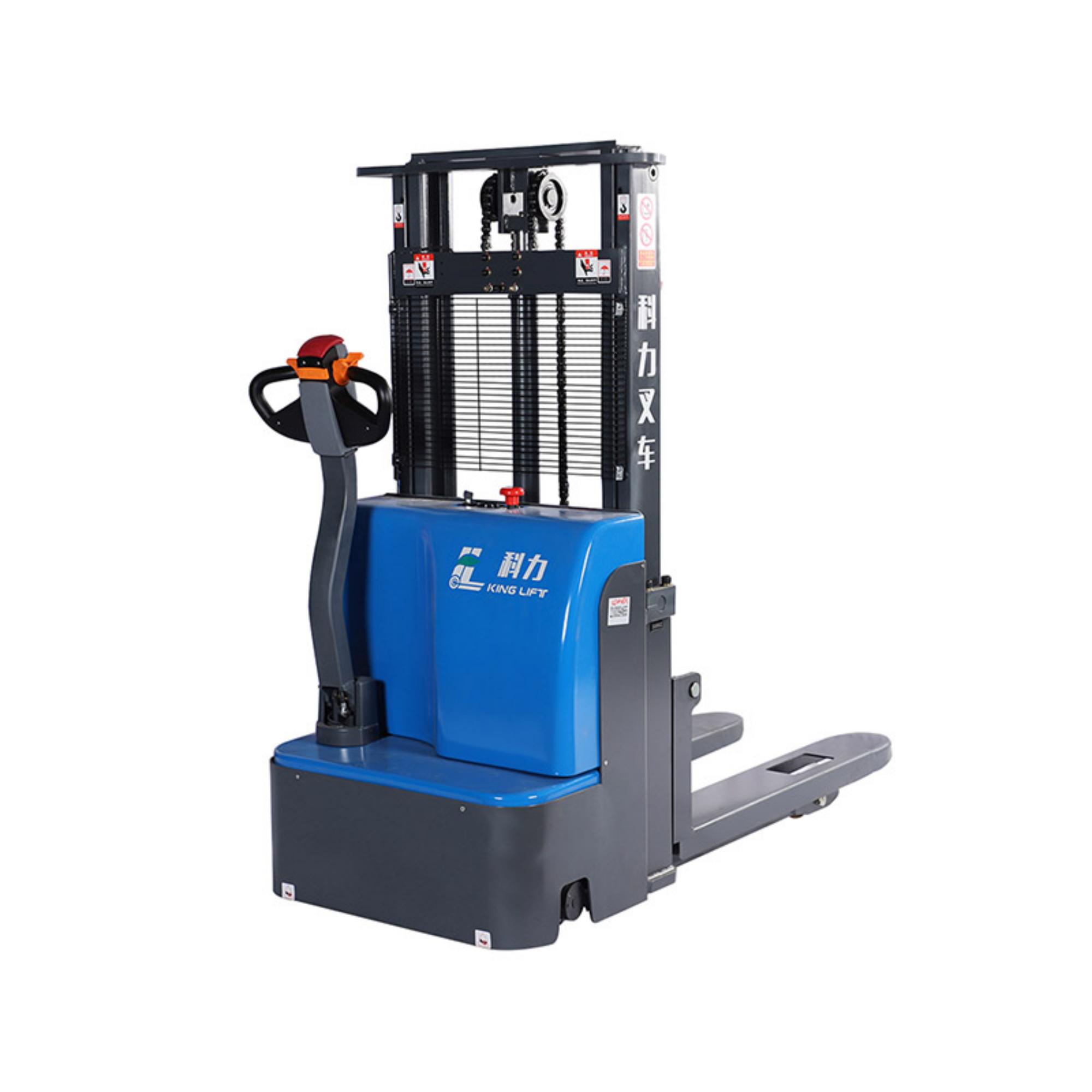
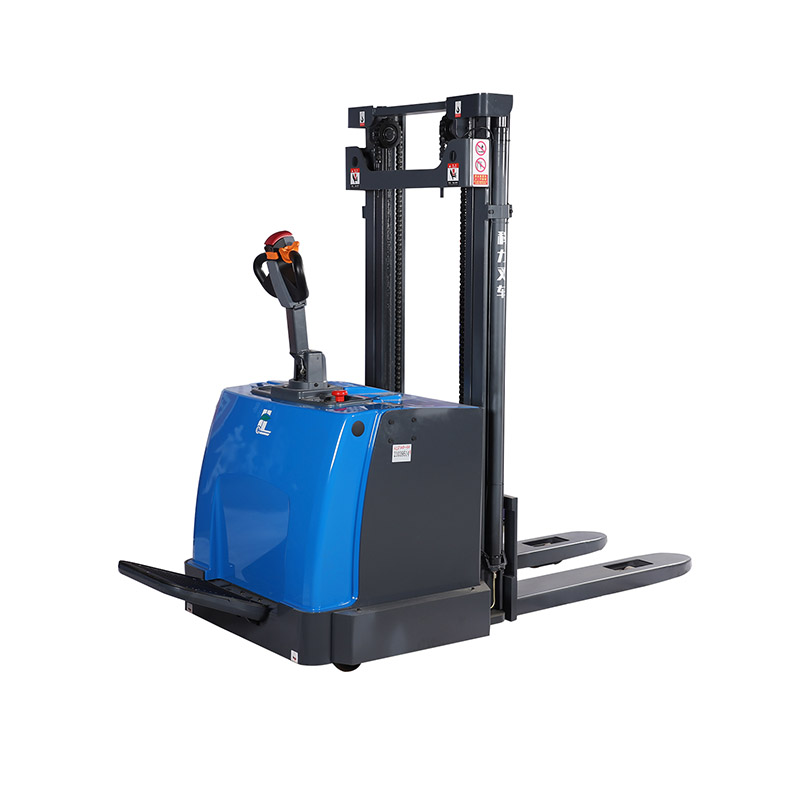
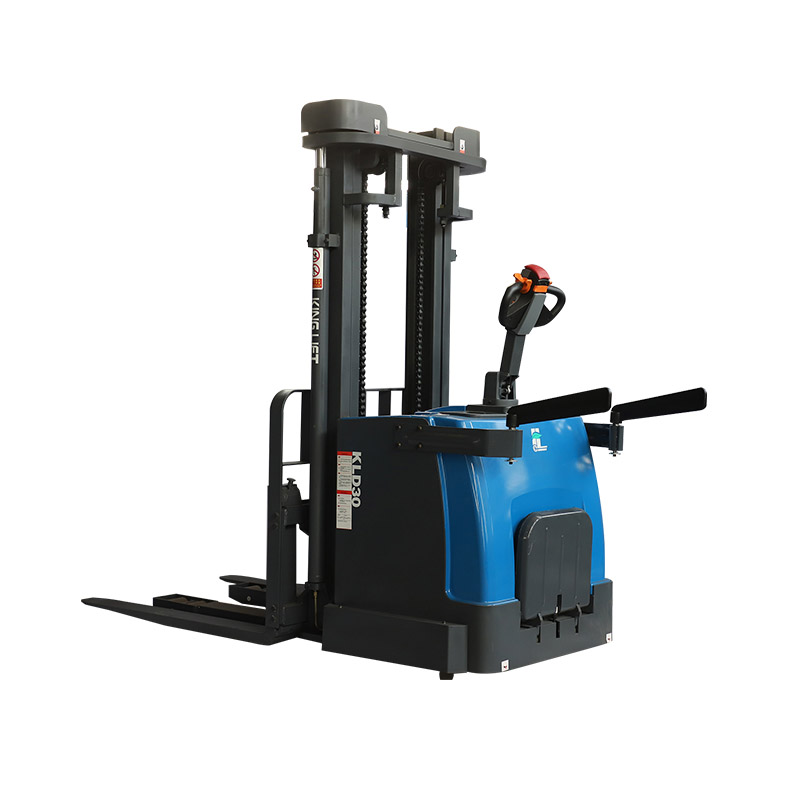
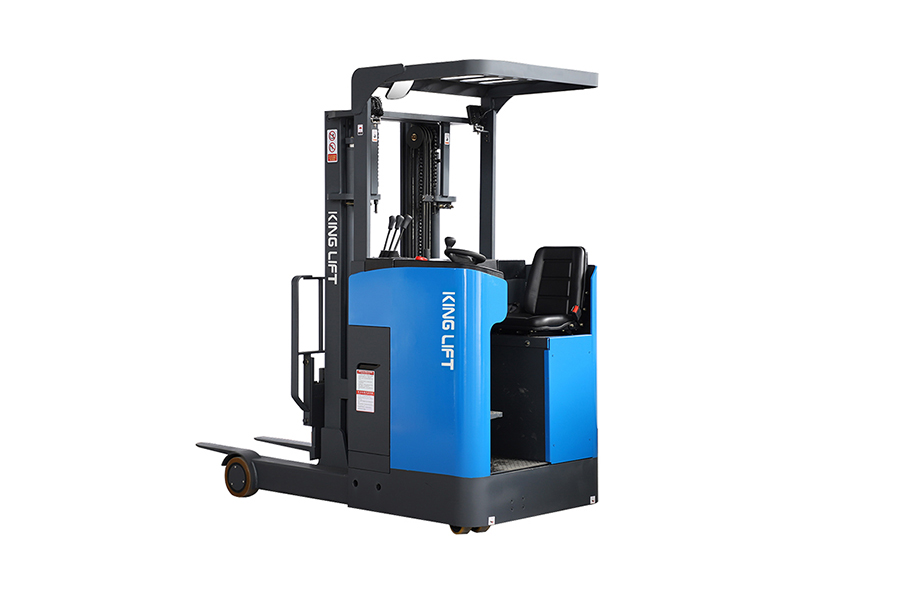
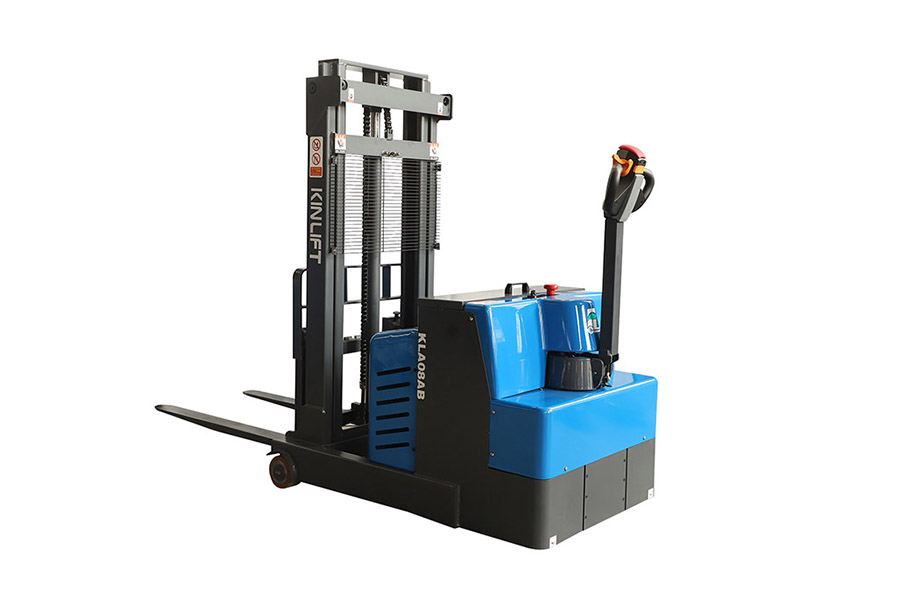
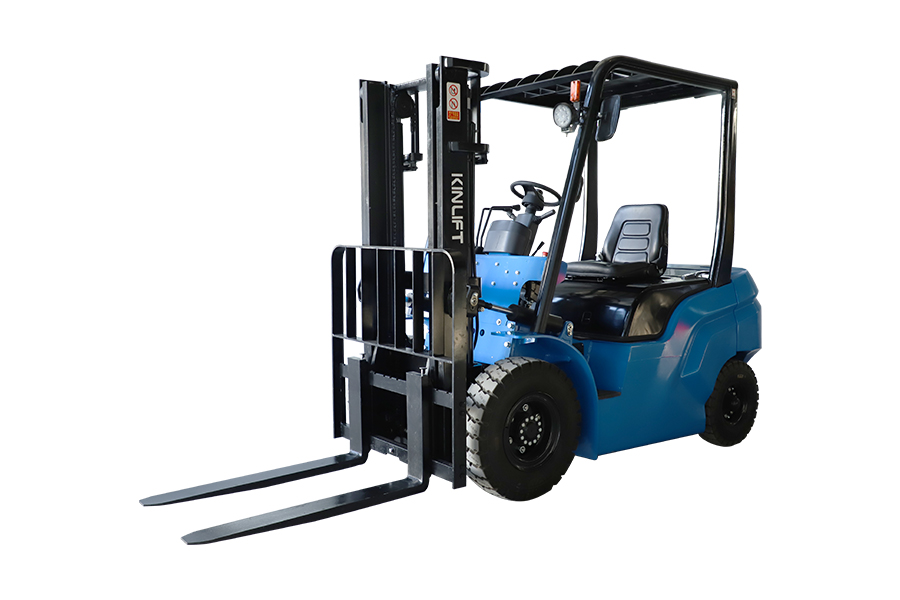
In modern industrial environments, forklifts are indispensable machines that help streamline operations. Among the various types available, the electric counterbalance forklift stands out due to its unique combination of efficiency, precision, and safety. Designed to handle heavy loads in narrow spaces, electric counterbalance forklifts play a critical role in enhancing safety standards across warehouses, factories, and distribution centers.
The Role of Safety in Industrial Forklift Operations
Industrial operations often involve complex tasks, heavy lifting, and confined workspaces. Forklifts are essential to moving goods efficiently, but without proper safety protocols, they can pose serious risks to both operators and workers in the vicinity. The introduction of electric counterbalance forklifts has significantly reduced the likelihood of accidents, thanks to several built-in safety features.
Key Safety Features of Electric Counterbalance Forklifts
-
Improved Maneuverability in Tight Spaces
One of the standout features of the electric counterbalance forklift is its compact design, which allows it to operate efficiently in narrow aisles and tight spaces. This capability reduces the chances of collisions with shelves or other objects, thus preventing injuries and damage to goods. The ability to maneuver with precision means fewer accidents in congested areas, which is a common risk factor in busy warehouses. -
Enhanced Visibility
Safety in forklift operations heavily relies on the operator’s ability to see their surroundings clearly. Electric counterbalance forklifts often come with advanced visibility features such as wide operator cabs, lowered overhead guard designs, and LED lights. These features provide operators with better sightlines, reducing the risk of blind spots and accidents, particularly when navigating through crowded aisles. -
Stable Load Handling
Electric counterbalance forklifts are specifically designed to carry heavy loads with stability. The counterbalance weight at the rear of the forklift ensures that the load is balanced, preventing tipping. This stability is essential when transporting heavy or unevenly loaded pallets, as it decreases the risk of forklift tip-overs, a common cause of accidents. -
Advanced Control Systems
Modern electric counterbalance forklifts are equipped with intelligent control systems that regulate speed, braking, and lifting. These systems allow for smooth operation, minimizing sudden movements that could accidents. Some models even include features like automatic speed reduction when turning, which enhances stability and safety. -
Regenerative Braking Systems
Many electric counterbalance forklifts incorporate regenerative braking technology. This system not only conserves energy but also provides smoother and more controlled deceleration. By reducing the risk of sudden stops, the braking system minimizes the likelihood of accidents caused by jerky movements, especially in environments with heavy traffic or tight maneuvering.
Training and Operator Awareness
While the forklift itself can be equipped with numerous safety features, operator training is crucial to safety. Proper training ensures that operators understand how to use these safety features effectively and handle the equipment with care. Forklift operators should be trained on the practices for maneuvering in tight spaces, handling loads safely, and responding to emergencies.
The Impact of Electric Forklifts on Workplace Safety Culture
The use of electric counterbalance forklifts can help foster a safety-first culture in the workplace. Their advanced safety features, combined with operator training, create a safer work environment. Employees are more likely to adhere to safety standards when they see that their employers are investing in equipment designed to protect them. Furthermore, electric forklifts contribute to overall warehouse safety by reducing noise and vibrations, which can operator fatigue and distraction.
Advantages Over Internal Combustion Forklifts
Compared to internal combustion (IC) forklifts, electric counterbalance forklifts offer several advantages in terms of safety. One key difference is that electric forklifts produce zero emissions, which means operators are less exposed to harmful gases, especially in indoor environments. This reduces the risk of health-related issues like respiratory problems, which are more common with IC forklifts.
Moreover, electric forklifts have fewer moving parts than IC models, resulting in lower maintenance requirements and reduced risk of mechanical failure. This translates to fewer breakdowns and malfunctions, which are a significant safety concern in busy industrial settings.
Key Statistics for Safety Improvements in Forklift Operations
| Safety Feature | Benefit | Impact on Safety |
|---|---|---|
| Maneuverability | Enables operation in tight spaces | Reduces collisions and damage |
| Visibility | Enhanced operator sightlines | Reduces accidents from blind spots |
| Stability | Counterbalance weight for load stability | Prevents tipping accidents |
| Advanced Control Systems | Smooth and controlled operation | Minimizes sudden movements and errors |
| Regenerative Braking | Smooth braking and energy conservation | Reduces the risk of jerky stops and accidents |
Conclusion
In an industrial setting, safety is paramount, and the electric counterbalance forklift plays a crucial role in minimizing workplace accidents. From enhanced maneuverability to advanced safety features like regenerative braking, these forklifts help reduce the risks associated with traditional models. By investing in electric counterbalance forklifts, businesses not only improve operational efficiency but also create a safer working environment for their employees.
FAQ
1. What is an electric counterbalance forklift?
An electric counterbalance forklift is a type of forklift that uses an electric motor for power and features a counterbalance weight at the rear to help lift and carry heavy loads safely.
2. How does an electric counterbalance forklift improve safety in the workplace?
These forklifts improve safety by offering enhanced maneuverability, better visibility, stability, and advanced control systems, all of which help prevent accidents in busy industrial environments.
3. Can electric counterbalance forklifts be used in tight spaces?
Yes, their compact design makes electric counterbalance forklifts ideal for use in narrow aisles and congested areas, reducing the risk of collisions and damage.
4. What makes electric counterbalance forklifts safer than internal combustion models?
Electric forklifts are safer than internal combustion models because they produce no emissions, have fewer mechanical parts, and are generally more stable and easier to control.
5. Do electric counterbalance forklifts require special training for operators?
Yes, operators must undergo proper training to ensure they use the forklift’s safety features effectively and handle the equipment with care.