

 English
 русский

Home / News / Industry News / How Do Battery Type and Runtime Affect Electric Reach Forklift Performance?
Introduction
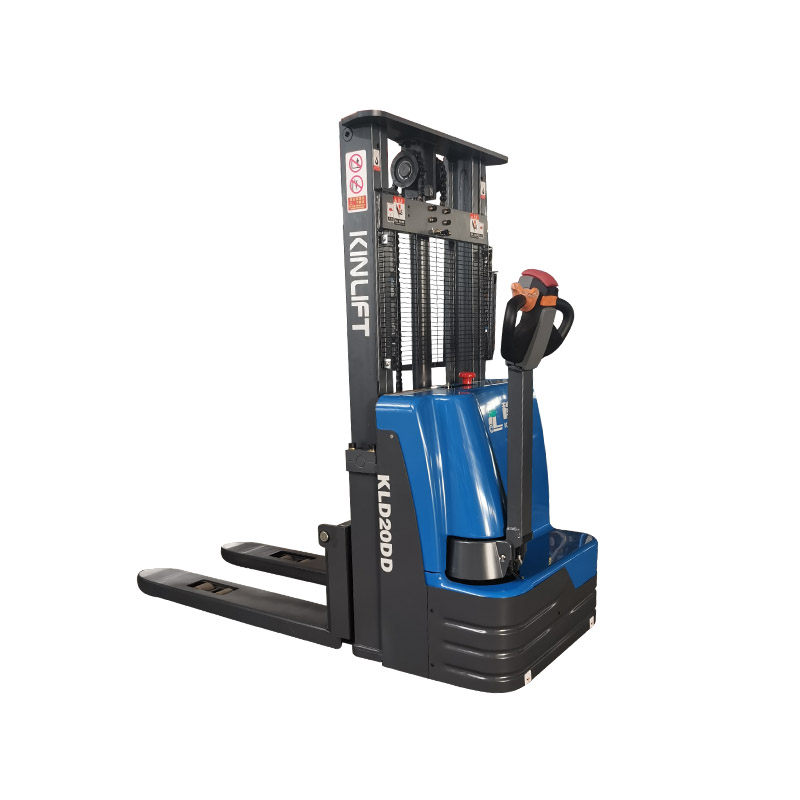
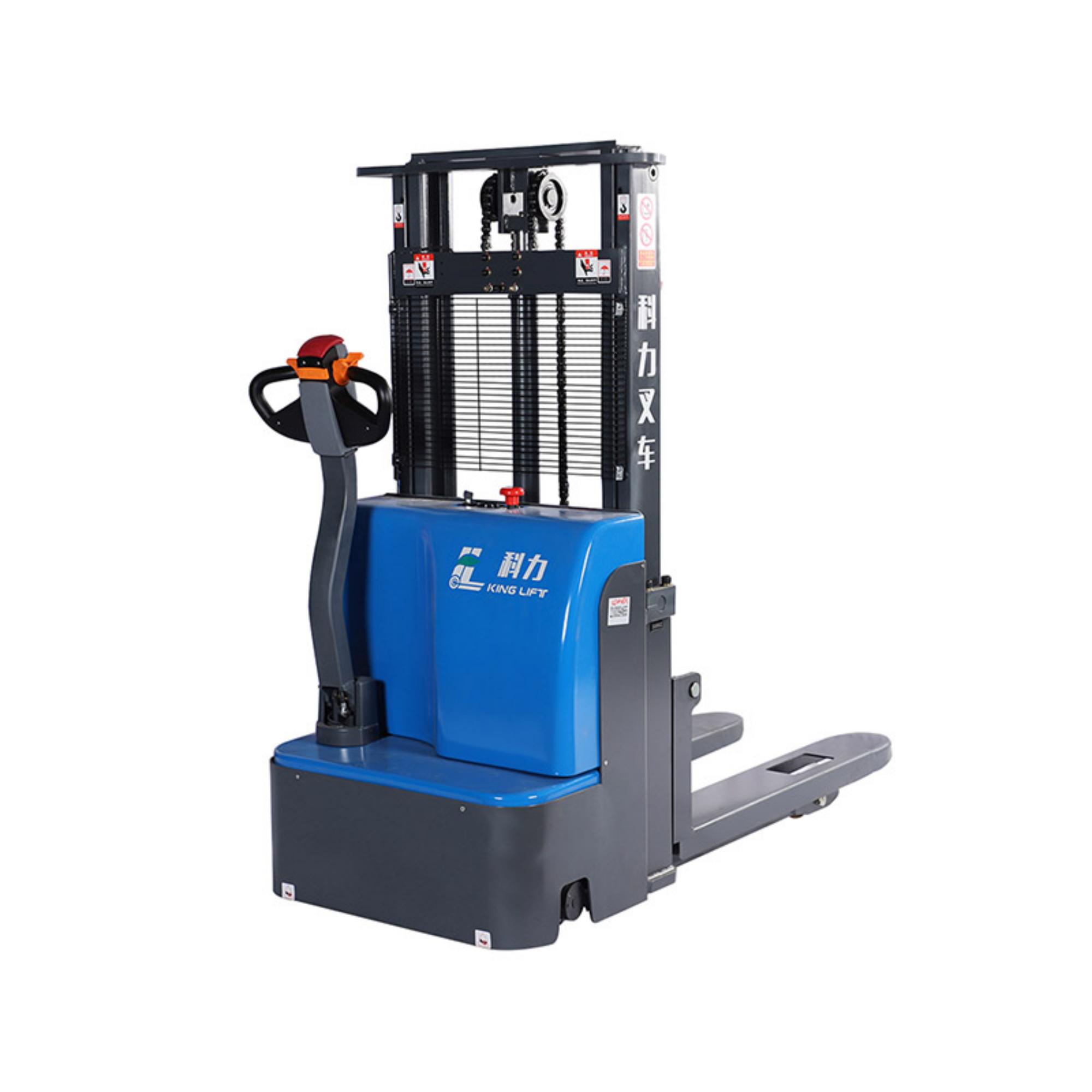
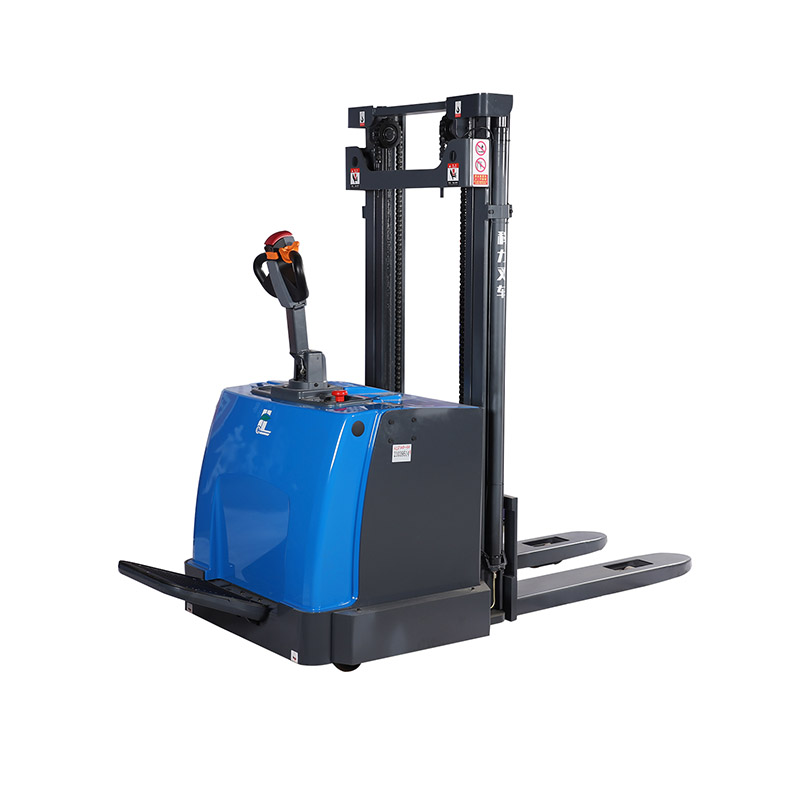
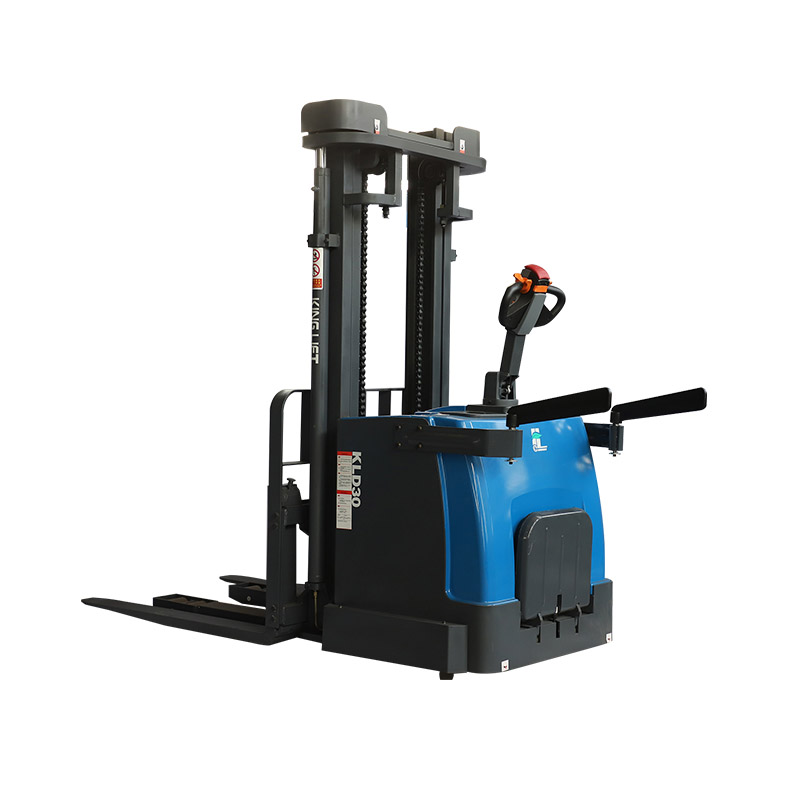
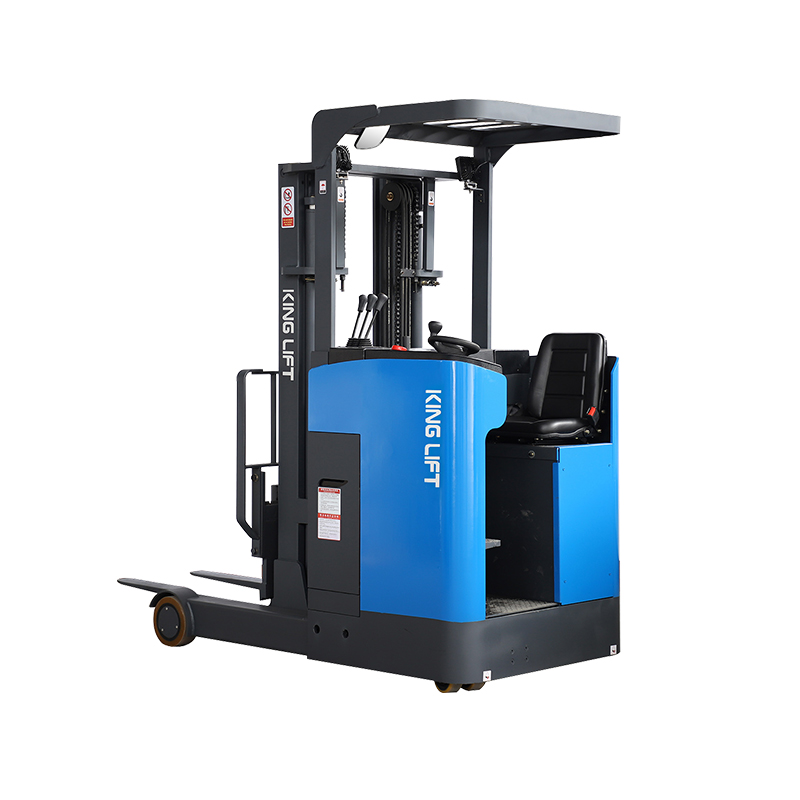
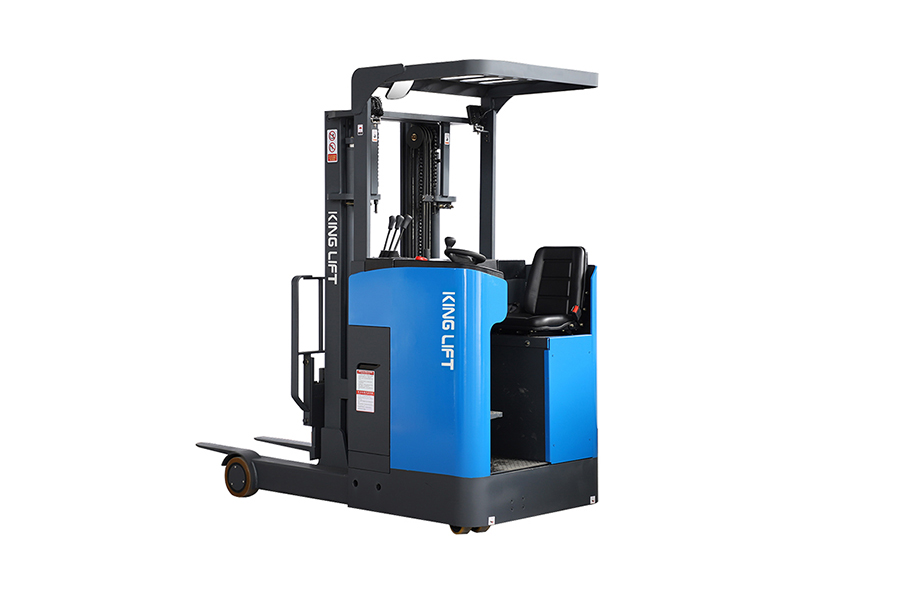
As modern warehouses continue to evolve toward higher efficiency, automation, and sustainability, electric material handling equipment has become central to daily operations. Among them, electric reach forklifts play a critical role in high-density storage environments, especially in narrow aisles and high-rack systems. While lifting capacity, mast height, and maneuverability often receive attention, battery type and runtime are equally decisive factors that directly influence forklift performance, operational continuity, and long-term cost efficiency.
The Role of Battery Systems in Electric Reach Forklifts
Electric reach forklifts rely entirely on battery systems to power traction motors, hydraulic lifting functions, control systems, and auxiliary electronics. Unlike internal combustion forklifts, there is no fuel buffer or rapid refueling option without interrupting operations. As a result, battery performance becomes inseparable from forklift productivity.
Key battery-related factors influencing performance include:
- Energy density and usable capacity
- Charging speed and charging method
- Discharge stability under load
- Battery weight and its impact on balance
- Lifecycle durability and degradation rate
In high-throughput warehouse environments, these factors collectively determine whether a forklift can sustain long shifts, adapt to peak workloads, and operate reliably across varying temperature and load conditions.
Common Battery Types Used in Electric Reach Forklifts
Lead-Acid Batteries
Lead-acid batteries have historically been the widely used option for electric forklifts for warehouse use. Their established supply chain and lower upfront cost make them familiar to many operators.
However, lead-acid batteries come with notable limitations:
- Longer charging times
- Mandatory cooling periods
- Regular maintenance requirements
- Gradual voltage drop during discharge
These characteristics can constrain runtime flexibility, especially in multi-shift operations.
Lithium-Ion Batteries
Lithium-ion batteries have gained rapid adoption in recent years due to their advanced energy management capabilities. They are increasingly favored in electric reach forklifts designed for intensive warehouse use.
Key characteristics include:
- High energy density
- Fast and opportunity charging capability
- Stable voltage output
- Minimal maintenance requirements
Lithium-ion systems fundamentally change how runtime is managed, enabling more dynamic operational schedules.
Emerging and Specialized Battery Technologies
In some niche applications, alternative battery technologies are being explored, such as thin-plate pure metal or hybrid battery systems. While less common, these options aim to balance cost, performance, and charging efficiency for specific warehouse conditions.
Battery Type vs. Runtime: A Performance Comparison
The relationship between battery type and runtime is not linear. Runtime is influenced by how energy is delivered under load, how consistently voltage is maintained, and how efficiently energy is replenished during downtime.
Runtime Stability Under Load
Electric reach forklifts frequently operate under variable load conditions, lifting pallets to significant heights while maneuvering through narrow aisles. Under these conditions:
- Lead-acid batteries experience gradual voltage decline, which may reduce lifting speed and travel performance as the charge depletes.
- Lithium-ion batteries maintain consistent voltage output until near depletion, ensuring uniform performance throughout the shift.
This difference directly affects operational predictability and operator efficiency.
Charging Behavior and Operational Flexibility
Runtime is not only about how long a battery lasts but also how easily it fits into daily workflows.
| Battery Type | Typical Charging Time | Opportunity Charging | Cooling Requirement |
|---|---|---|---|
| Lead-Acid | Long | Limited | Required |
| Lithium-Ion | Short | Fully Supported | Not Required |
Opportunity charging allows electric reach forklifts to regain usable runtime during short breaks, eliminating the need for battery swapping or long downtime.
Impact of Battery Weight on Forklift Performance
Battery weight contributes significantly to the overall mass of electric reach forklifts and directly affects stability, especially when handling elevated loads.
- Heavier batteries can improve counterbalance but may increase energy consumption.
- Lighter batteries improve energy efficiency but require precise forklift design to maintain stability.
Modern electric forklifts for warehouse use are increasingly engineered to optimize battery placement, ensuring both safety and performance regardless of battery chemistry.
Runtime Considerations Across Different Warehouse Applications
Single-Shift Operations
In facilities operating a single shift per day, runtime requirements are relatively predictable. Both lead-acid and lithium-ion batteries can meet basic needs, although lithium-ion systems reduce maintenance workload and charging complexity.
Multi-Shift and High-Throughput Warehouses
For continuous operations, runtime management becomes critical. Electric reach forklifts in these environments benefit from:
- Fast charging
- Minimal performance drop during discharge
- Reduced downtime
Lithium-ion batteries typically provide support for these demands without the need for battery replacement rooms or spare units.
Cold Storage and Temperature-Sensitive Environments
Battery performance is affected by ambient temperature. Electric forklifts for warehouse use in cold storage facilities require batteries that can deliver stable output under low-temperature conditions, making battery selection a strategic decision rather than a cost-driven one.
Battery Lifecycle and Long-Term Performance
Runtime performance must also be evaluated over the full lifecycle of the battery, not just during initial use.
Key lifecycle considerations include:
- Charge cycle lifespan
- Performance degradation rate
- Maintenance frequency
- End-of-life capacity retention
Lithium-ion batteries generally offer longer usable lifecycles with more predictable performance, while lead-acid batteries may require earlier replacement or performance adjustments over time.
Energy Efficiency and Total Cost Implications
Although this article avoids detailed numerical analysis, it is important to recognize that battery efficiency affects more than runtime alone. Energy losses during charging, idle consumption, and performance degradation all contribute to long-term operating cost.
Efficient battery systems allow electric reach forklifts to:
- Consume less energy per operating hour
- Reduce unplanned downtime
- Simplify fleet management
Over time, these factors influence not only cost but also overall warehouse productivity.
Conclusion
Battery type and runtime are no longer secondary considerations in electric reach forklift selection. They directly influence daily productivity, operational flexibility, maintenance workload, and long-term efficiency. Understanding how different battery systems behave under real warehouse conditions allows decision-makers to align equipment performance with operational goals.
For modern warehouses seeking reliable, scalable, and efficient material handling solutions, evaluating battery technology is essential to unlocking the full potential of electric reach forklifts.
FAQ
Q1: How does battery type affect daily forklift productivity?
Battery type determines charging speed, performance consistency, and downtime frequency, all of which directly impact how much work a forklift can complete in a shift.
Q2: Is longer runtime always better for electric reach forklifts?
Not necessarily. Flexible charging options and stable performance can be more valuable than runtime alone, especially in multi-shift warehouses.
Q3: Do batteries influence forklift handling and stability?
Yes. Battery weight and placement affect center of gravity, which is especially important when lifting loads to high rack levels.
Q4: Can battery choice reduce warehouse operational complexity?
Advanced battery systems can eliminate the need for battery swapping areas, reduce maintenance tasks, and simplify energy management.
Q5: How should warehouses plan for future battery upgrades?
Selecting forklifts designed to accommodate evolving battery technologies ensures adaptability as energy systems continue to advance.