

 English
 русский

Home / News / Industry News / What Safety Features Should You Look for in Electric Counterbalance Forklifts?
Introduction
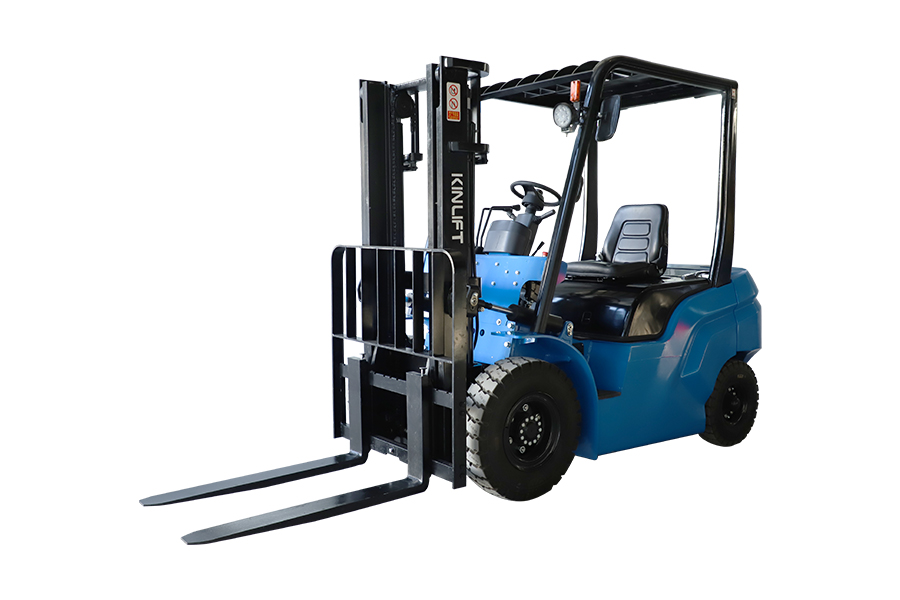
Electric counterbalance forklifts are crucial in various industries due to their efficiency, environmental benefits, and ability to operate in confined spaces. These forklifts are specifically designed for handling loads by using counterweights at the rear to balance the lifting operation. However, safety remains one of the important factors when selecting and using electric counterbalance forklifts.
Stability and Load Capacity
Why Stability Matters
Electric counterbalance forklifts are designed to carry heavy loads while maintaining stability. Their ability to lift and move items without tipping over is a critical aspect of safety, especially in high-traffic environments. Stability is determined by the forklift’s design and its weight distribution.
Key Features to Look For:
- Low Center of Gravity: Forklifts with a low center of gravity reduce the likelihood of tipping.
- Load Capacity Indicator: A safety feature that alerts the operator if the forklift is overloaded.
| Feature | Benefit |
|---|---|
| Low Center of Gravity | Improves forklift stability |
| Load Capacity Indicator | Prevents overloading, reducing accidents |
Operator Visibility
The Importance of Clear Visibility
Clear visibility is vital to ensuring the safety of the operator and those around the forklift. Poor visibility can accidents such as collisions with obstacles or other vehicles.
Key Features to Look For:
- Wide View Mast: A clear view mast design allows operators to see better while lifting and moving loads.
- Cameras and Sensors: Equipped with cameras and sensors, modern electric counterbalance forklifts provide an enhanced view of the surroundings, especially when lifting at heights.
| Feature | Benefit |
|---|---|
| Wide View Mast | Enhances forward visibility while lifting |
| Cameras and Sensors | Increases safety during reversing and lifting at heights |
Warning Systems and Alerts
Why Warning Systems Matter
Warning systems alert operators of potential hazards, such as nearby pedestrians or obstacles, helping to avoid accidents. Forklifts with these features enhance the overall safety of the workplace.
Key Features to Look For:
- Proximity Sensors: Alerts the operator when they are close to obstacles or pedestrians.
- Audible Alarms: Emits a sound when the forklift is moving in reverse or when approaching a hazardous area.
| Feature | Benefit |
|---|---|
| Proximity Sensors | Prevents collisions with obstacles or workers |
| Audible Alarms | Increases awareness of the forklift’s movement |
Ergonomics and Comfort
Reducing Operator Fatigue
An ergonomic forklift design ensures that operators can work comfortably without straining themselves. Comfortable operators are more alert and productive, contributing to safer operation.
Key Features to Look For:
- Adjustable Seat: Allows operators to find a comfortable position, reducing fatigue during long shifts.
- Easy-to-Use Controls: Forklifts with user-friendly controls reduce operator stress, improving focus on safety.
| Feature | Benefit |
|---|---|
| Adjustable Seat | Reduces operator fatigue and enhances comfort |
| Easy-to-Use Controls | Minimizes errors and enhances safety |
Braking System and Emergency Stops
Critical Braking Systems
A reliable braking system is crucial for stopping the forklift in time to avoid accidents. Emergency stop buttons provide an additional safety mechanism in case of an urgent situation.
Key Features to Look For:
- Automatic Braking: Electric counterbalance forklifts should have automatic braking features that engage when the operator releases the controls.
- Emergency Stop: A red emergency stop button should be easily accessible, providing quick access in emergencies.
| Feature | Benefit |
|---|---|
| Automatic Braking | Reduces the risk of accidents in urgent situations |
| Emergency Stop | Provides a quick response in emergencies |
Battery Management and Charging Safety
Safe Operation of Batteries
Electric counterbalance forklifts rely on rechargeable batteries. Proper battery management ensures that the forklift operates efficiently and safely, reducing the risk of electrical hazards.
Key Features to Look For:
- Overcharge Protection: Prevents battery overcharging, which could overheating or damage.
- Battery Compartment Safety: Ensures that the battery compartment is securely sealed to prevent leaks and damage.
| Feature | Benefit |
|---|---|
| Overcharge Protection | Prevents battery damage and overheating |
| Battery Compartment Safety | Reduces the risk of battery-related accidents |
Tilt and Load Control
Controlling the Forklift Tilt
Proper tilt control ensures that loads remain stable during lifting and lowering. Over-tilting the mast can result in loads shifting and potentially causing accidents.
Key Features to Look For:
- Load Control System: A system that prevents the mast from tilting too far forward or backward.
- Tilt Limiters: Devices that limit the angle to which the mast can tilt, ensuring safe handling.
| Feature | Benefit |
|---|---|
| Load Control System | Ensures that loads remain secure during operation |
| Tilt Limiters | Prevents over-tilting and potential accidents |
Conclusion
Electric counterbalance forklifts are essential tools in many industries, offering a high level of efficiency. However, ensuring the safety of both the operator and those around them is paramount. By focusing on features such as stability, operator visibility, ergonomic design, warning systems, and safe battery management, businesses can significantly reduce the risk of accidents and improve productivity.
FAQ
1. What is the load capacity of an electric counterbalance forklift?
Electric counterbalance forklifts typically have load capacities ranging from 1,000 to 5,000 kg, depending on the model. It is essential to follow the manufacturer’s specifications to ensure safety.
2. How often should electric counterbalance forklifts undergo maintenance?
Forklifts should undergo regular maintenance every 250 to 500 hours of operation, depending on the usage conditions. Regular checks help identify issues early and ensure safety.
3. Can electric counterbalance forklifts be used outdoors?
Yes, electric counterbalance forklifts can be used outdoors, but they should be equipped with appropriate tires and safety features, such as weatherproofing.
4. What is the importance of an ergonomic design in electric counterbalance forklifts?
Ergonomics reduce operator fatigue, enhance comfort, and improve focus, contributing to safer operation and better overall performance.