

 English
 русский

Home / News / Industry News / How Do Different Battery Types Affect the Performance of Warehouse Electric Pallet Trucks?
In modern warehouse operations, the efficiency of material handling equipment like electric pallet trucks plays a crucial role in maintaining productivity and reducing operational costs. One of the key factors influencing the performance of warehouse electric pallet trucks (EPTs) is the type of battery used. With various battery types available, understanding how each affects performance can help warehouse managers optimize their fleets, reduce downtime, and lower energy costs.
Understanding Warehouse Electric Pallet Trucks (EPTs)
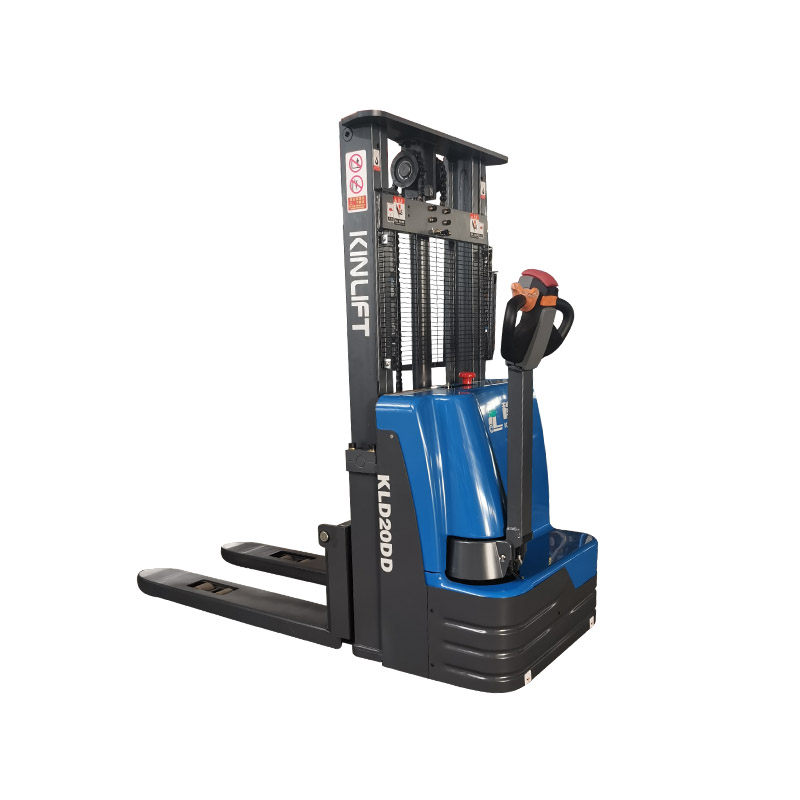
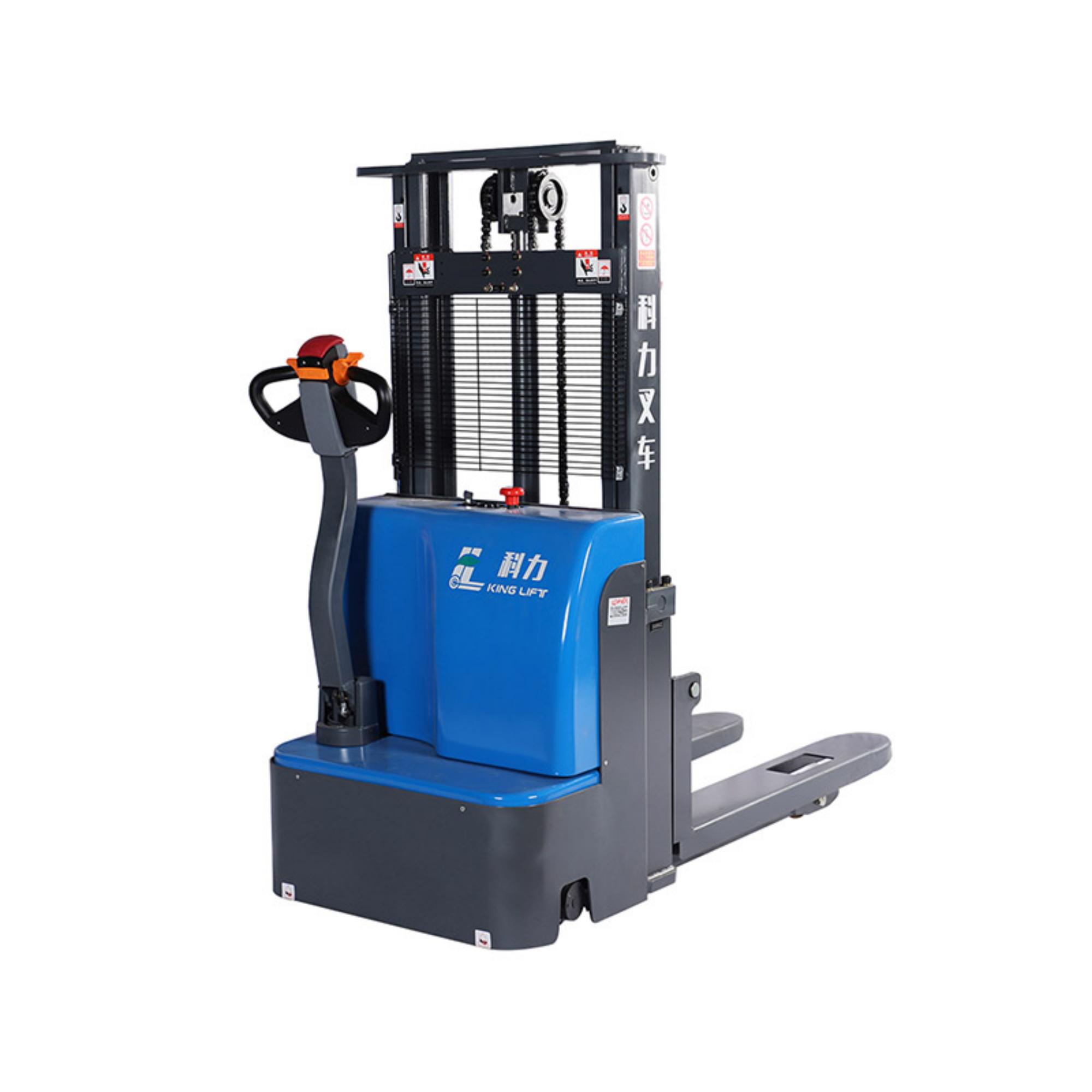
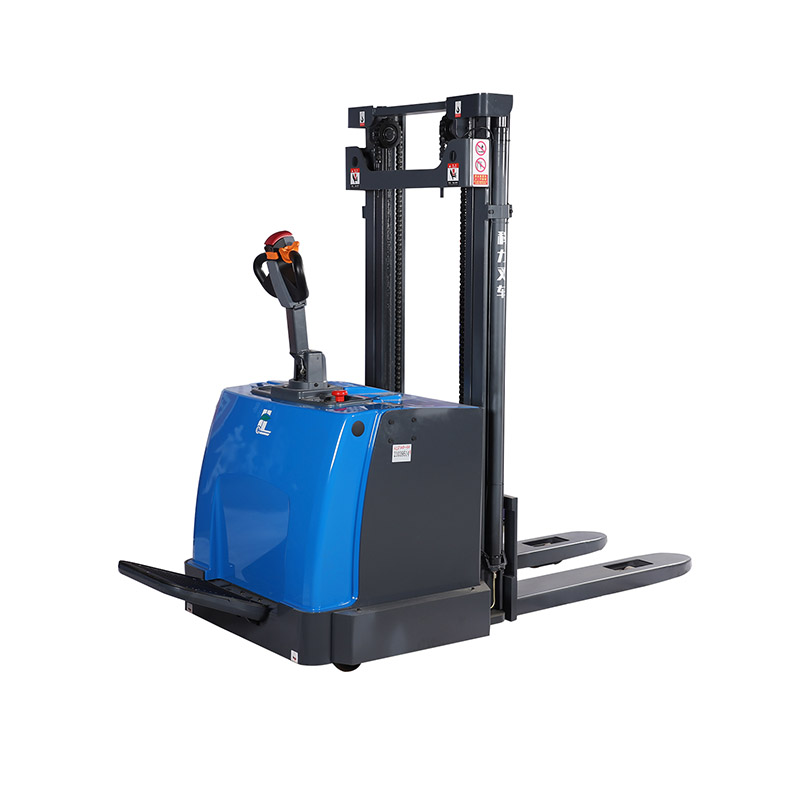
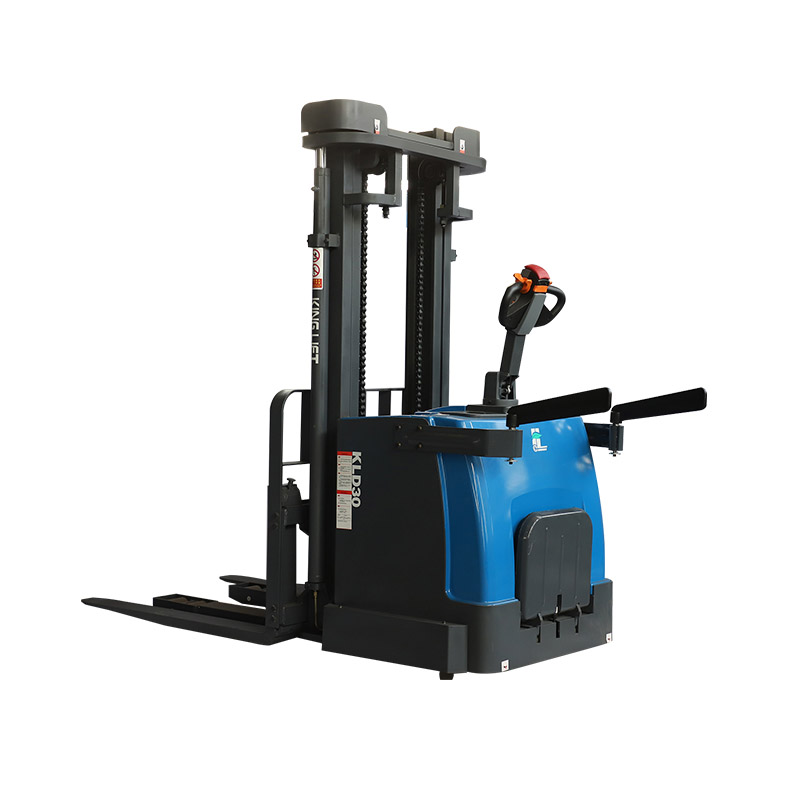
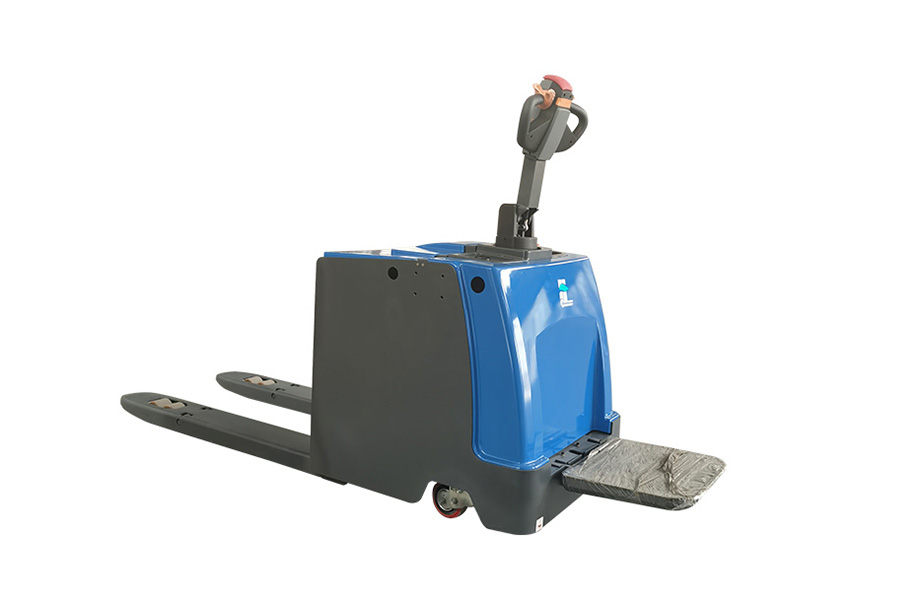
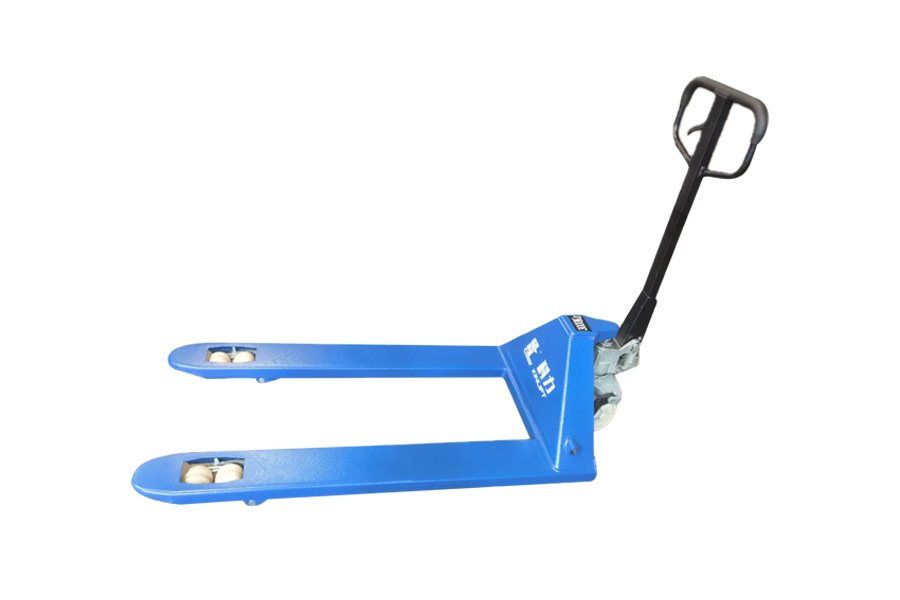
Before we dive into battery considerations, it’s essential to understand what warehouse electric pallet trucks are. These battery-powered vehicles are widely used in warehouses for lifting and moving heavy loads over short distances. Unlike manual pallet jacks, electric pallet trucks (also known as electric walkie pallet jacks) reduce operator effort, improve speed, and enhance productivity in material handling.
The battery used in these trucks is the heart of the system, providing the power required for their operation. However, choosing the right battery can be a complex decision because of the variety of options available, each with its own set of advantages and limitations.
Common Battery Types for Electric Pallet Trucks
There are several battery types used in warehouse electric pallet trucks, each suited for different operational needs. Below are the common types:
Lead-Acid Batteries
Lead-acid batteries are the traditional and widely used battery type in warehouse electric pallet trucks. They are often chosen for their cost-effectiveness and reliability.
Advantages:
Lower initial cost compared to other battery types.
Proven technology with a long history of use in industrial applications.
Suitable for standard warehouse operations.
Disadvantages:
Heavier than newer battery types, which can impact the overall truck performance.
Longer charging times compared to lithium-ion batteries.
Require regular maintenance, such as checking water levels and cleaning terminals.
Lithium-Ion Batteries
Lithium-ion (Li-ion) batteries have gained popularity in warehouse applications due to their high energy density and faster charging capabilities.
Advantages:
Faster charging times, often completing a full charge in 3-4 hours.
Lighter and more compact compared to lead-acid batteries, improving truck maneuverability.
Maintenance-free operation, as there is no need to check water levels.
Longer lifespan, with many lithium-ion batteries lasting 3-5 years longer than lead-acid batteries.
Disadvantages:
Higher upfront cost, which can be a barrier for some operations.
Performance can be affected by temperatures, though newer designs mitigate this.
Gel Batteries
Gel batteries are a type of lead-acid battery but with a gel-like electrolyte that makes them more resistant to spills and vibrations.
Advantages:
Maintenance-free compared to traditional flooded lead-acid batteries.
Better suited for harsh environments where vibration or tilt is common.
Longer lifespan than flooded lead-acid batteries.
Disadvantages:
Higher cost than flooded lead-acid batteries.
Lower energy density than lithium-ion batteries.
Absorbent Glass Mat (AGM) Batteries
AGM batteries are another variation of lead-acid batteries that use a fiberglass mat to absorb the electrolyte, making them spill-proof and less prone to corrosion.
Advantages:
Spill-proof and more resistant to vibration.
Maintenance-free, unlike traditional lead-acid batteries.
Better suited for more demanding applications than gel batteries.
Disadvantages:
More expensive than standard flooded lead-acid batteries.
Limited energy density compared to lithium-ion options.
Battery Impact on Warehouse Electric Pallet Truck Performance
Different battery types influence various aspects of electric pallet truck performance, including efficiency, charging time, load capacity, and overall operational costs. Let’s explore these factors in detail.
Efficiency and Operational Time
Battery capacity directly affects the operational time of a warehouse electric pallet truck. Lithium-ion batteries, with their higher energy density, tend to provide longer operational times compared to lead-acid batteries. This can result in fewer charging interruptions during shifts, enhancing productivity.
- Lead-Acid: Typically lasts for 4-6 hours of continuous operation.
- Lithium-Ion: Can run for 6-8 hours on a single charge, depending on the truck’s usage.
Charging Time and Maintenance
Charging times are crucial in fast-paced warehouse environments. Lithium-ion batteries have a significant advantage in this area, requiring less downtime between shifts compared to lead-acid batteries, which can take 8 hours or more to fully charge.
- Lead-Acid: Requires 8 hours for a full charge and needs a cooldown period between uses.
- Lithium-Ion: Can be charged in 3-4 hours, and some models offer opportunity charging, meaning they can be topped off during breaks.
Maintenance is another consideration. Lithium-ion batteries require little to no maintenance, whereas lead-acid batteries need regular checks to ensure water levels are appropriate and to prevent corrosion.
Cost-Effectiveness
While lithium-ion batteries have a higher initial purchase cost, their longer lifespan, lower maintenance needs, and faster charging times can make them more cost-effective in the long term. Warehouse managers should consider the total cost of ownership, which includes purchase price, maintenance, energy consumption, and lifespan.
Temperature Sensitivity
Extreme temperatures can impact battery performance, particularly for lithium-ion batteries. These batteries are more sensitive to both high and low temperatures, which can reduce their efficiency and lifespan. On the other hand, lead-acid batteries are less affected by temperature variations but may perform less efficiently at very low or high temperatures.
Choosing the Right Battery for Your Warehouse Electric Pallet Trucks
When selecting the appropriate battery type for your electric pallet trucks, consider factors such as:
- Warehouse size and layout: Larger warehouses may benefit from lithium-ion batteries due to their longer operational times and faster charging capabilities.
- Shift patterns and uptime requirements: Lithium-ion batteries are ideal for operations with multiple shifts or heavy usage, where minimizing downtime is critical.
- Maintenance capacity: If your warehouse lacks the resources for regular battery maintenance, a maintenance-free option like lithium-ion might be more practical.
Battery Comparison Table
| Battery Type | Initial Cost | Charging Time | Operational Time | Maintenance | Lifespan |
|---|---|---|---|---|---|
| Lead-Acid | Low | 8-10 hours | 4-6 hours | Regular (water checks) | 3-5 years |
| Lithium-Ion | High | 3-4 hours | 6-8 hours | Minimal/None | 6-10 years |
| Gel | Medium | 6-8 hours | 4-6 hours | Minimal | 4-6 years |
| AGM | Medium | 6-8 hours | 5-7 hours | Minimal | 4-6 years |
FAQ
1. What is the battery type for warehouse electric pallet trucks?
The battery type depends on your specific needs. Lithium-ion batteries are ideal for long shifts and fast charging, while lead-acid batteries may be more cost-effective for smaller operations.
2. How long do warehouse electric pallet truck batteries last?
Lithium-ion batteries typically last 6-10 years, while lead-acid batteries last 3-5 years, depending on usage and maintenance.
3. Can lithium-ion batteries be charged during breaks?
Yes, lithium-ion batteries can be topped off during breaks, making them ideal for operations that require continuous uptime.
4. Are gel and AGM batteries maintenance-free?
Yes, both gel and AGM batteries are maintenance-free, unlike traditional flooded lead-acid batteries.
5. How do temperature variations affect battery performance?
Lithium-ion batteries are more sensitive to temperatures, while lead-acid batteries are generally less affected but may lose efficiency in conditions.