

 English
 русский
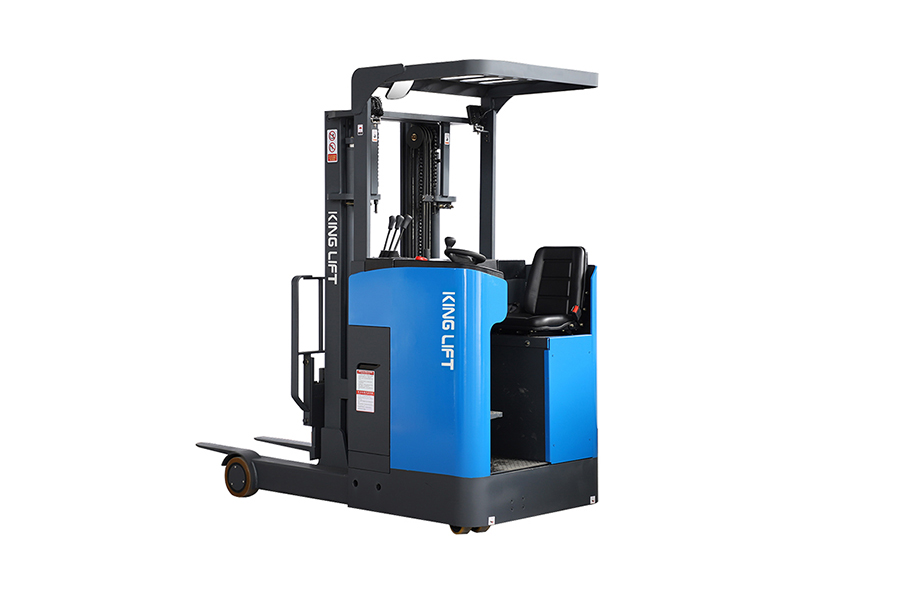
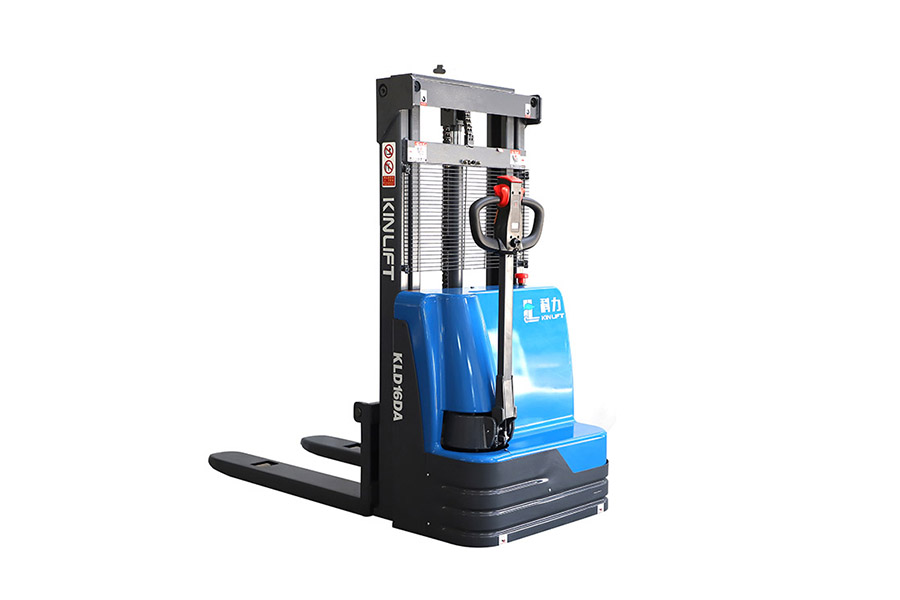
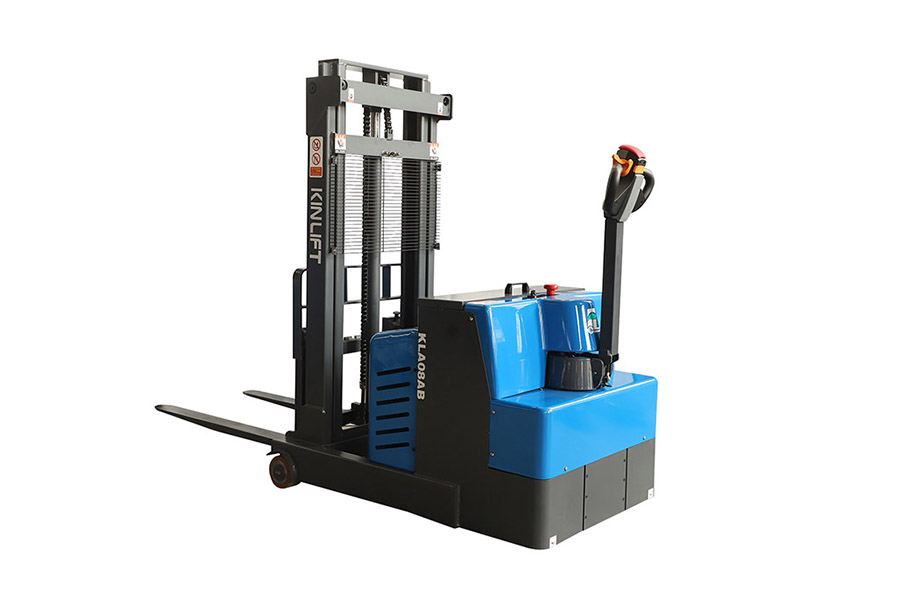
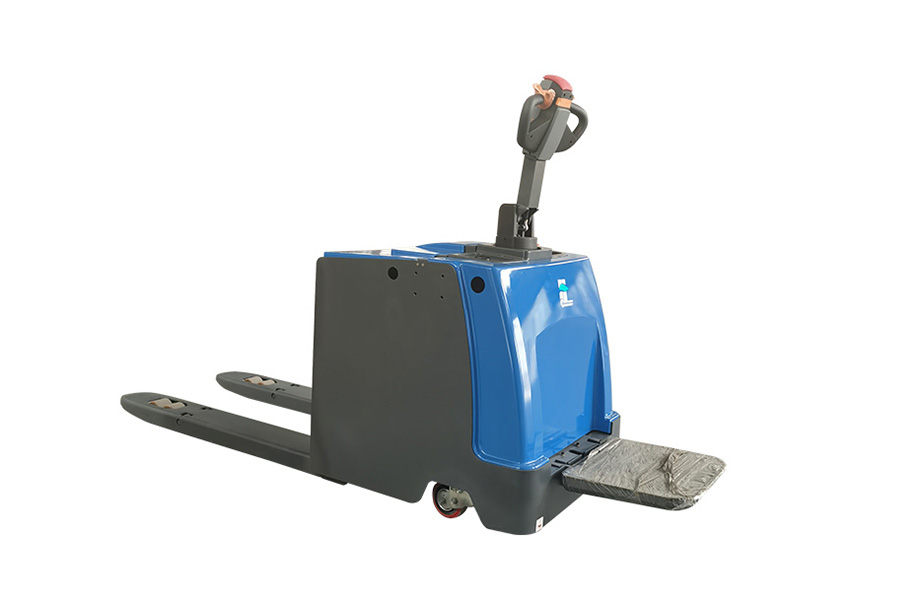
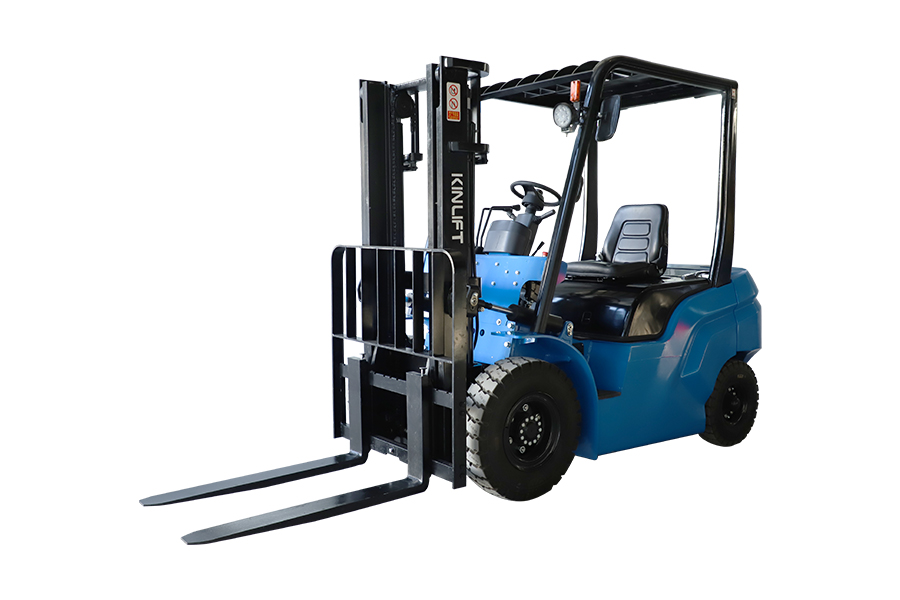

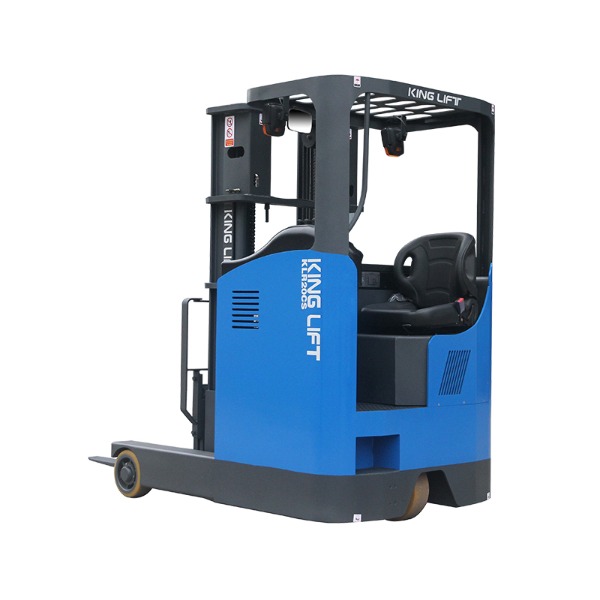
Electric reach forklifts are essential tools for efficiency in warehouse environments. They allow operators to access high storage racks with ease, offering both flexibility and maneuverability. However, to ensure that these forklifts continue to perform optimally over time, regular maintenance is crucial.
Routine Inspections and Check-ups
Maintaining an electric reach forklift begins with routine inspections. Regular check-ups help identify potential issues before they become costly problems.
Key Areas for Inspection:
- Battery Check: Since electric forklifts are powered by batteries, ensuring the battery is properly charged and maintained is crucial for performance. Inspect the battery terminals for any corrosion and clean them regularly.
- Tires and Wheels: Check the tires for wear and tear, ensuring they are properly inflated. This helps in maintaining stability and maneuverability. For electric reach forklifts, rubber tires are commonly used for smooth indoor operations.
- Hydraulic Systems: Inspect hydraulic systems regularly for leaks or damage. Hydraulic fluid should be topped up as required to ensure that lifting and lowering functions work properly.
By conducting these routine checks, you can identify small issues early and reduce the chances of serious malfunctions.
Battery Maintenance
Battery care is one of the critical aspects of maintaining an electric forklift. A well-maintained battery ensures that your forklift operates efficiently for longer periods without frequent charging.
Battery Maintenance Tips:
- Regular Charging: Avoid letting the battery discharge completely. It is better to charge the forklift’s battery during breaks to keep it within a charge range.
- Cleaning the Battery: Dirt and corrosion can build up on the battery terminals over time. Clean the terminals using a mixture of baking soda and water to neutralize any acid build-up.
- Avoid Overcharging: Always follow manufacturer guidelines to avoid overcharging the battery, which can shorten its lifespan.
Electric Drive System Maintenance
Electric reach forklifts are powered by an electric motor. Like all motorized systems, the electric drive system requires proper attention to maintain efficiency.
Maintenance Tips for the Electric Motor:
- Check Motor Brushes: The motor’s brushes should be inspected regularly for wear. Replace them as needed to prevent motor malfunction.
- Clean the Motor Housing: Dust and dirt can accumulate in the motor housing. This can overheating or even motor failure. Cleaning the motor and its components will help improve efficiency.
- Lubricate Moving Parts: Ensure that the moving components of the motor are properly lubricated to prevent friction and excessive wear.
Forks and Mast Maintenance
The forks and mast are the primary lifting components of the electric reach forklift. Ensuring these parts are in good condition is essential for smooth operations.
Fork and Mast Care:
- Forks: Inspect the forks for signs of bending or cracking. These issues can compromise the forklift’s load-bearing capacity and safety.
- Mast Alignment: The mast should be regularly checked for misalignment. Any misalignment can cause issues when lifting and lowering loads, potentially resulting in accidents.
- Lubrication: Regularly lubricate the mast rails and other moving components to prevent wear and ensure smooth operation.
Regular Tire and Brake Maintenance
Electric reach forklifts are designed for efficiency and safety, and tire and brake care play a large part in maintaining these aspects.
Tire Maintenance:
- Inspect for Damage: Regularly check tires for signs of wear, cuts, or punctures. Damaged tires can cause poor handling and reduced safety, especially when carrying heavy loads.
- Proper Inflation: Keep tires inflated to the correct pressure to avoid uneven wear and ensure stability.
Brake Maintenance:
- Check Brake Fluid Levels: Just like hydraulic brakes in a car, the forklift’s brakes require regular checks of fluid levels.
- Inspect Brake Pads: Worn-out brake pads can significantly affect stopping power, so check the brake pads regularly and replace them as needed.
Electrical and Control System Maintenance
Since electric reach forklifts rely heavily on electrical systems, it is essential to keep the electrical components in good working condition.
Electrical System Maintenance Tips:
- Inspect Cables and Wiring: Check all wiring for signs of wear or damage. Exposed wires or frayed insulation can electrical failures.
- Check Control Panel and Buttons: Regularly test the control panel and buttons to ensure that they respond properly. Faulty controls can cause operational delays and safety risks.
- Test the Reverse and Safety Alarms: Electric forklifts should be equipped with safety alarms, including reverse warning sounds. Ensure these systems are fully operational for operator and pedestrian safety.
Keeping the Forklift Clean
Maintaining a clean forklift ensures better performance and extends the equipment’s longevity.
Cleaning Tips:
- Exterior Cleaning: Regularly clean the exterior of the forklift to prevent dust, debris, and grime from accumulating. Use a damp cloth to wipe surfaces and avoid harsh chemicals that can damage the paint.
- Undercarriage Cleaning: Dust and dirt can build up in the undercarriage, which can affect moving parts and motors. Clean the undercarriage regularly to prevent dirt from causing damage.
Performance Testing
After conducting routine maintenance tasks, it is essential to test the forklift’s performance to ensure that all components are functioning correctly.
Performance Check:
- Test Lifting Capacity: Ensure that the forklift can lift loads to the required heights without issues. A failure in lifting capacity may indicate a problem with the mast or hydraulic system.
- Test Battery Performance: After cleaning and charging the battery, test the forklift to ensure that it operates at battery efficiency and that charging times are consistent.
Training and Operator Awareness
Proper training for forklift operators is an often-overlooked aspect of forklift maintenance. Operators who are well-trained are more likely to recognize potential issues early and operate the forklift safely, which can prevent damage.
Operator Tips:
- Load Handling: Ensure that operators are trained on proper load handling to avoid overloading the forklift, which can damage the lifting components.
- Forklift Operation: Operators should be familiar with the operation of all controls, including emergency stops and alarms.
Conclusion
Maintaining an electric reach forklift for long-term performance requires diligence and attention to detail. By focusing on routine inspections, proper battery care, and maintaining key components like the drive system, forks, and brakes, you can ensure that your electric forklift continues to serve your warehouse needs for years to come.
FAQ
Q1: How often should I check the battery of an electric forklift?
It’s essential to check the battery at least once a week to ensure proper charging, prevent corrosion, and extend battery life.
Q2: What should I do if my electric forklift’s lift system stops working?
First, check for any issues with the battery, hydraulic fluid levels, and motor. If the problem persists, consult a professional technician for further diagnosis.
Q3: Can I perform electric forklift maintenance myself?
Routine checks such as tire inspections and cleaning can be done by operators, but more complex issues like motor repairs or hydraulic system maintenance should be left to qualified technicians.
Q4: How do I prevent tire damage on my electric forklift?
Check the tire pressure regularly, inspect for cuts or punctures, and avoid overloading the forklift to ensure the tires remain in good condition.
Q5: How can I extend the lifespan of my electric forklift?
Regular maintenance, proper operator training, and maintaining battery health are essential steps to extend the lifespan of your forklift.