

 English
 русский

Home / News / Industry News / How Warehousing Electric Reach Trucks Are Reshaping Space Utilization?
As warehouses face mounting pressure to maximise vertical storage without expanding their footprint, warehousing electric reach trucks have emerged as a key solution. Industry reports indicate that modern reach equipment can increase usable storage by nearly one‑third in narrow‑aisle environments, all while improving operational safety.
What Are Reach Trucks? A Quick Refresher
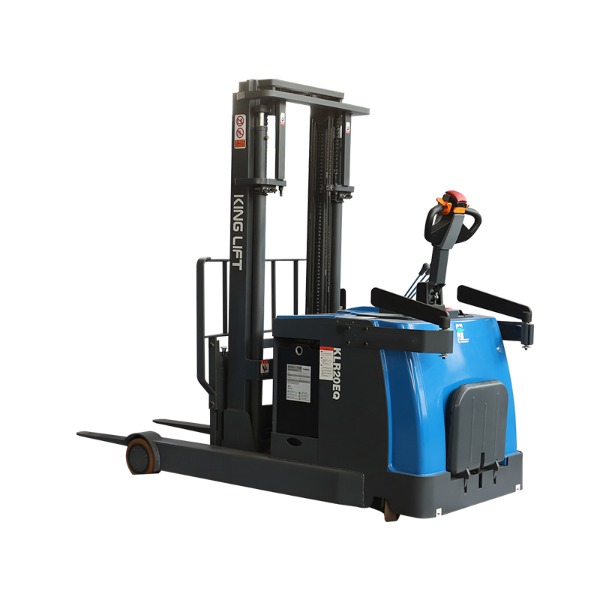
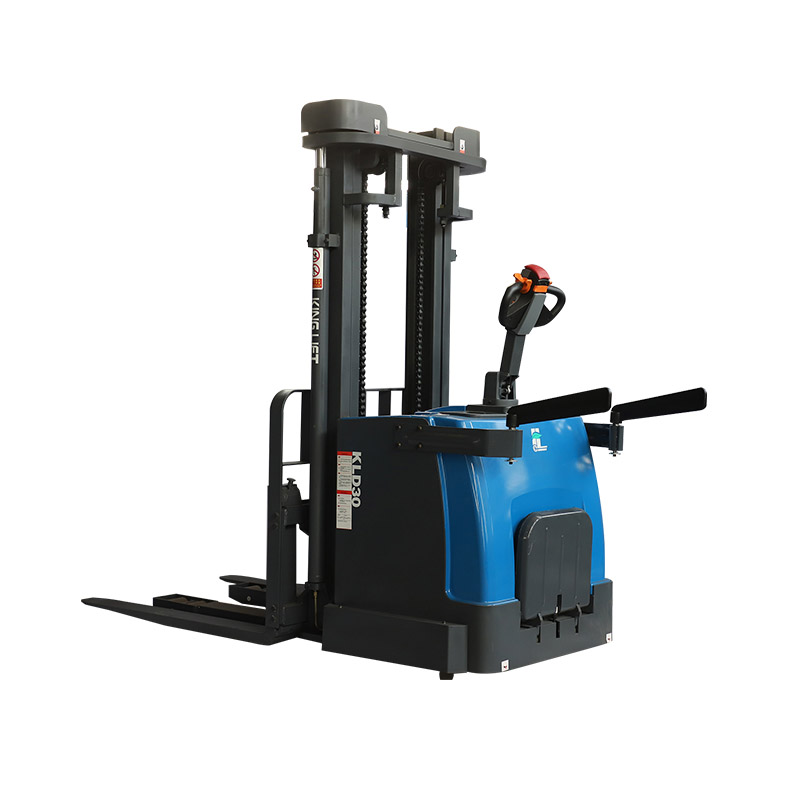
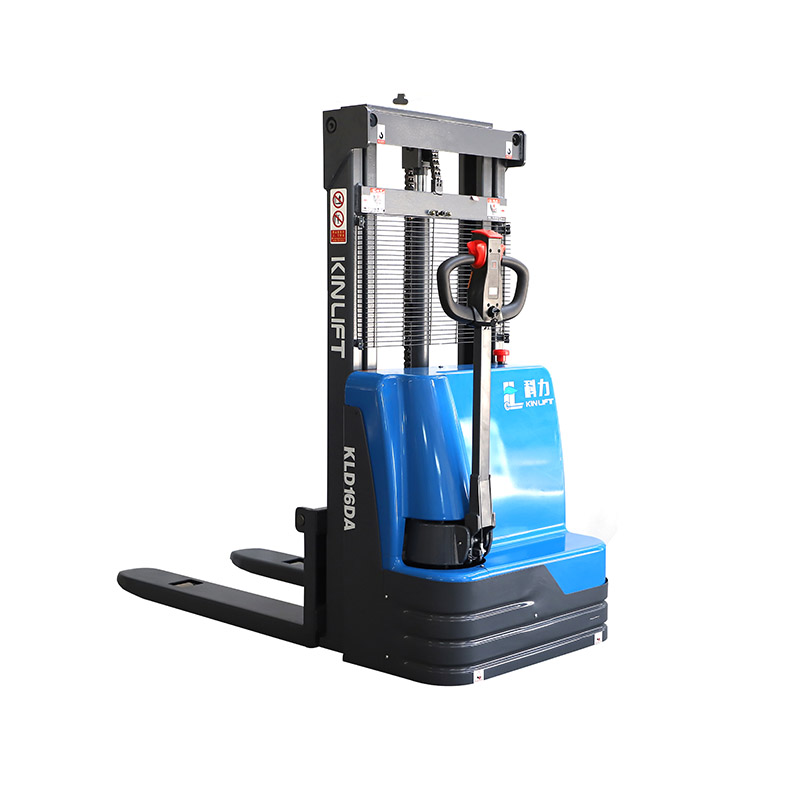
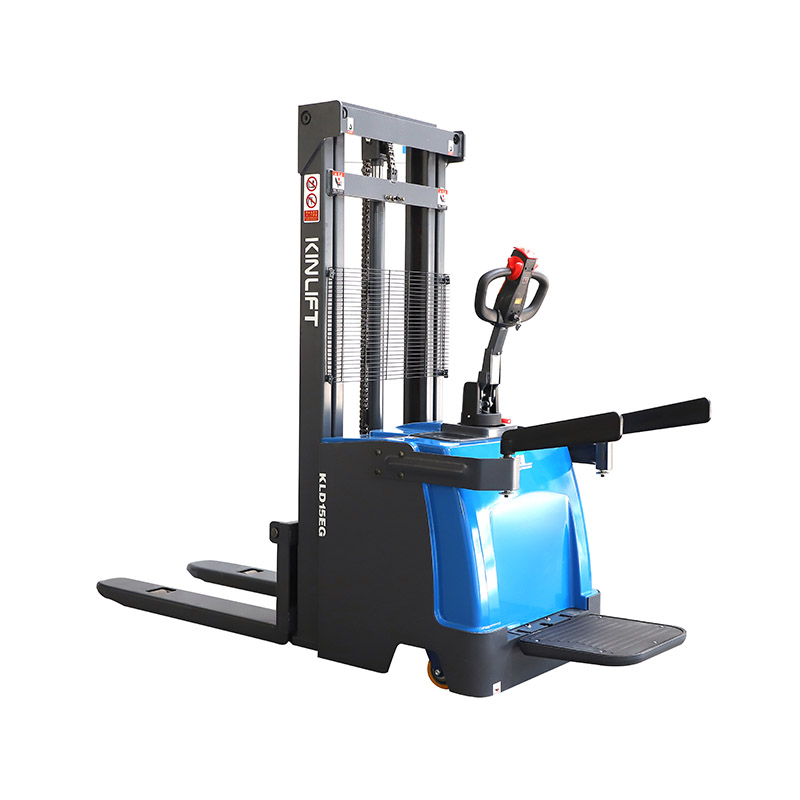
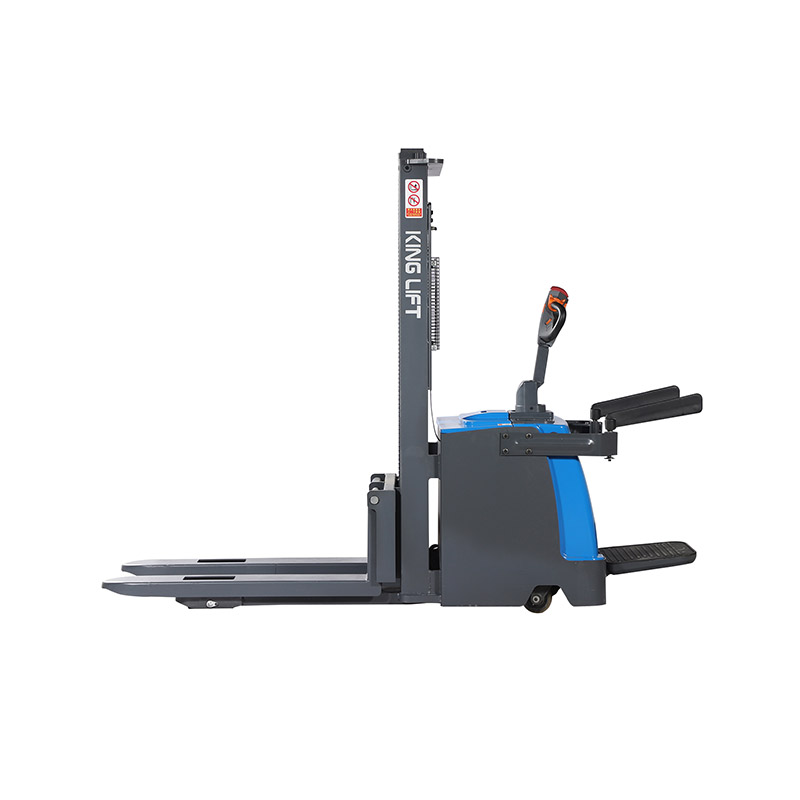
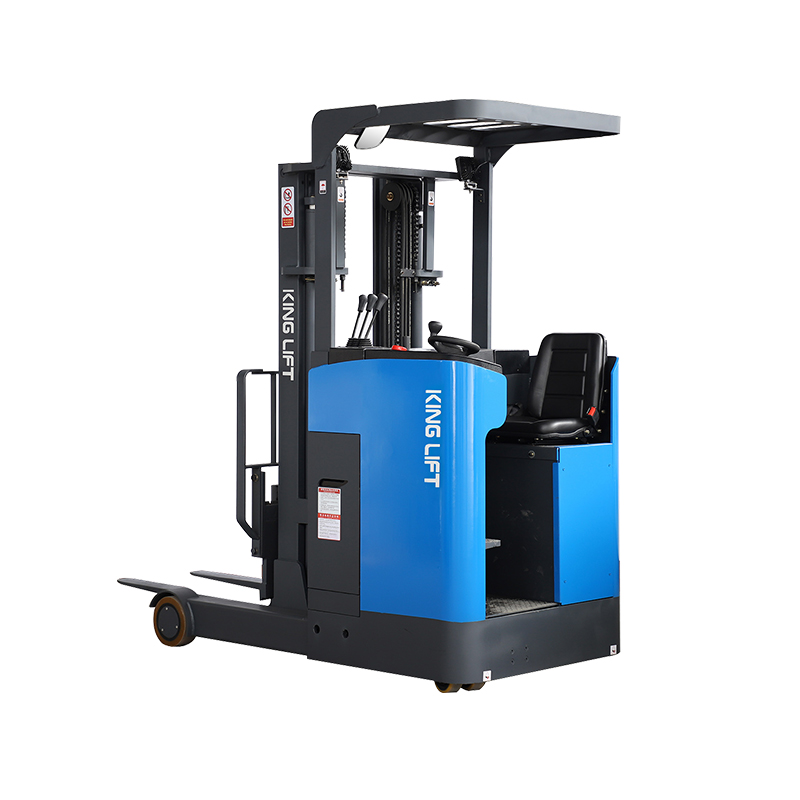
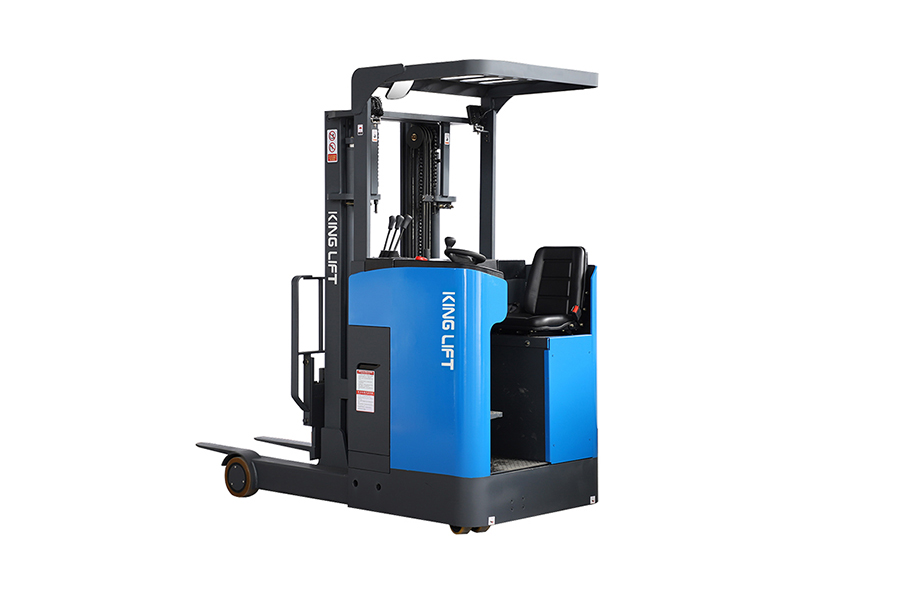
Reach trucks are specialised forklifts designed for indoor facilities with high racking and tight aisles. Their compact chassis and extendable mast allow operators to place and retrieve pallets at significant heights. Unlike counterbalance forklifts, reach trucks use outrigger legs for stability, making them ideal for dense storage layouts. Key traits include:
- Extendable mast for deep‑reach operations
- Small turning radius for narrow aisles
- Electric powertrains for clean, quiet indoor use
Note: Warehousing electric reach trucks are preferred over internal combustion models because they lower long‑term operational costs and produce zero emissions – a critical factor for enclosed environments.
Main Types of Reach Trucks on the Market
Different layouts demand different equipment. Below is a clear comparison of the common types of reach trucks available today.
| Type | Best For | Key Mechanism |
|---|---|---|
| Single‑reach truck | Small to medium warehouses, single‑pallet racks | Standard extendable forks |
| Double‑deep reach truck | High‑volume storage, two‑pallet depth | Telescoping scissor mechanism |
| Moving mast reach truck | Loading/unloading without touching the rack | Entire mast moves forward |
| Multidirectional reach truck | Long, awkward loads (pipes, lumber) | Wheels that rotate 90° (sideways movement) |
| Robotic reach truck | Automated warehouses, 24/7 operation | Autonomous navigation & OS integration |
Among these, double deep reach truck models are gaining traction in e‑commerce fulfilment centres, while moving mast reach truck designs reduce the need to drive flush against shelving. For facilities handling diverse materials, the multidirectional reach truck offers unmatched agility. Meanwhile, robotic reach truck adoption is rising as labour shortages persist.
What to Consider When Choosing Reach Equipment
Selecting the right machine requires a balanced assessment of your environment. Here are the core factors:
- Aisle width and rack depth – Single‑reach units work in aisles around 8‑10 feet; double‑deep models need slightly more clearance but double storage density.
- Load size and weight – Always respect the truck’s rated capacity. Overloading compromises stability, especially at height.
- Indoor vs. outdoor use – Reach trucks are not designed for uneven outdoor terrain. They perform on smooth concrete floors.
- Safety features & training – Look for automatic speed reduction at height, side‑shift assist, and cameras. Operators must complete reach truck training requirements that cover narrow‑aisle dynamics and high‑lift stability.
A well‑chosen narrow aisle forklift like a single‑reach or double‑deep unit can dramatically cut product handling time while freeing floor space.
Cost and Maintenance Insights
Initial investment for warehousing electric reach trucks is typically higher than for standard counterbalance forklifts. However, total cost of ownership tells a different story.
- Upfront cost – Purchase or rental options exist. Renting is viable for seasonal peaks or trial periods.
- Operational costs – Electric models have fewer moving parts, lower energy bills, and reduced maintenance compared to diesel or LPG units. Electric reach truck operational cost can be 50‑70% lower over five years.
- Efficiency gains – Reach trucks reduce the need for multiple handling steps. One machine can serve both deep storage and picking faces.
Conclusion: Matching the Right Truck to Your Warehouse
Understanding how to choose a reach truck starts with mapping your racking configuration, typical load profiles, and aisle dimensions. Whether you need a single reach truck for small warehouse or a double deep reach truck for high volume warehouse, the market offers a precise fit. Always prioritise operator training and safety features.
FAQ
1. What is the main difference between a single‑reach and a double‑deep reach truck?
A single‑reach truck handles one pallet depth. A double‑deep reach truck uses a telescoping scissor mechanism to place or retrieve pallets two positions deep, doubling rack density without widening aisles.
2. Can I use a standard reach truck outdoors?
No. Reach trucks are designed for smooth indoor surfaces. Outdoor use on uneven ground poses stability risks and may damage the undercarriage. For outdoor applications, consider a counterbalance forklift.
3. How much training is required to operate a reach truck safely?
Operators must complete certified training that covers narrow‑aisle navigation, high‑lift stability, load centre principles, and emergency procedures. Refresher courses are recommended annually.
4. Are robotic reach trucks expensive to integrate?
Initial integration costs can be significant, but many systems work with existing warehouse management software. Over time, reduced labour needs and 24/7 operation often justify the investment.
5. Which reach truck is for handling long loads like pipes or lumber?
A multidirectional reach truck, thanks to wheels that rotate 90 degrees, allowing sideways travel. This makes manoeuvring lengthy items in narrow aisles much easier and safer.