

 English
 русский

Home / News / Industry News / How Do Warehouse Electric Pallet Trucks Compare to Manual Pallet Trucks?
In the world of warehouse logistics and material handling, choosing the right type of pallet truck can significantly impact operational efficiency, safety, and cost-effectiveness. Two of the commonly used types of pallet trucks are warehouse electric pallet trucks and manual pallet trucks. Both offer unique advantages depending on the nature of the work and the specific requirements of a warehouse operation.
Understanding the Basics of Pallet Trucks
Before we compare the two types of pallet trucks, it is essential to understand what they are and how they work.
Manual Pallet Trucks
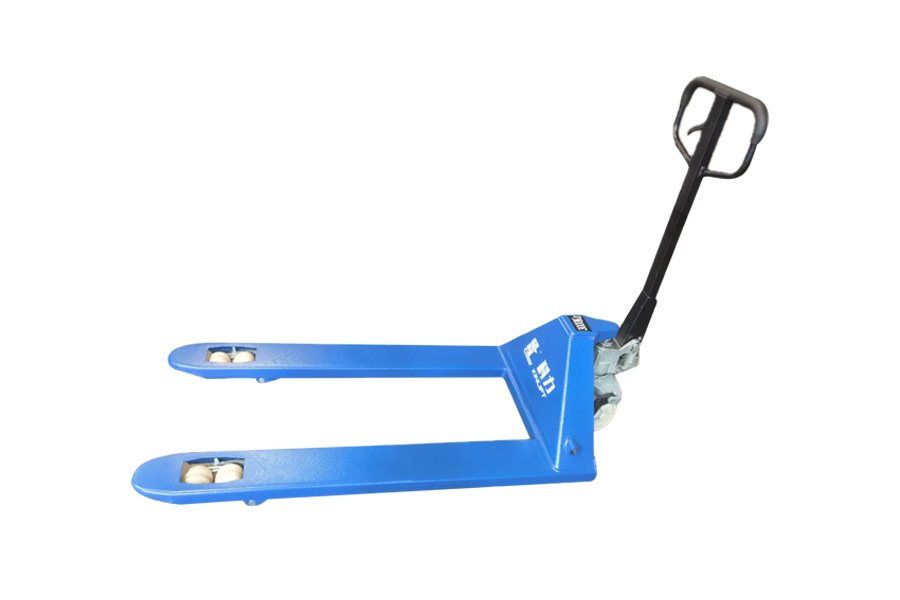
Manual pallet trucks, also known as hand pallet jacks, are a simple yet reliable piece of equipment commonly used in warehouses and factories. These trucks are operated entirely by hand, requiring the operator to push or pull the load manually.
Typically, manual pallet trucks consist of:
- A hydraulic lift system that raises the pallet.
- A set of wheels or rollers to maneuver the load.
- A handle for control.
Despite their simplicity, manual pallet trucks are effective for moving pallets over short distances and in environments where the weight being moved is not too heavy.
Warehouse Electric Pallet Trucks
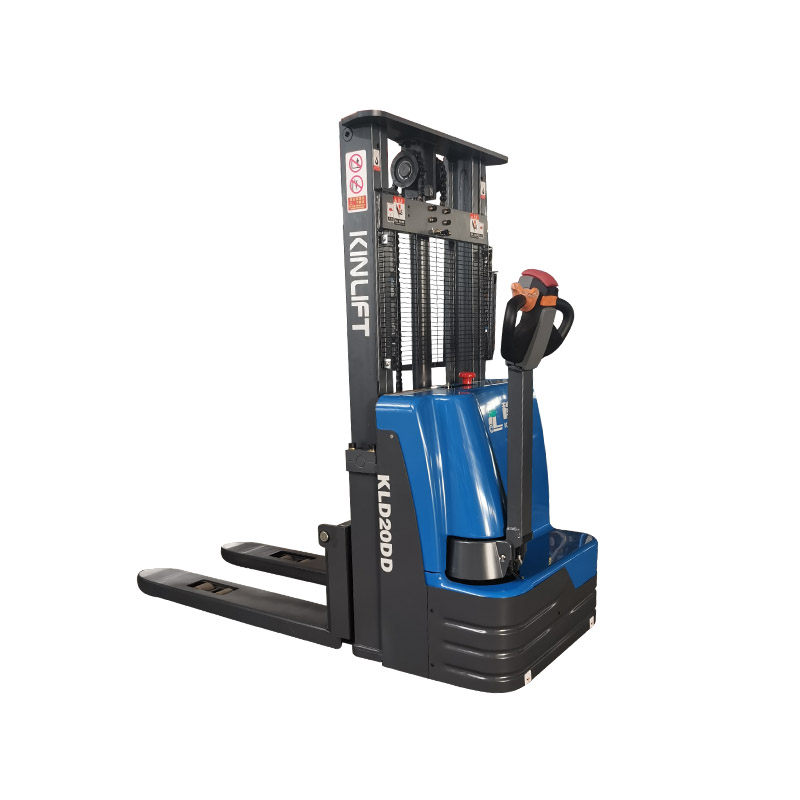
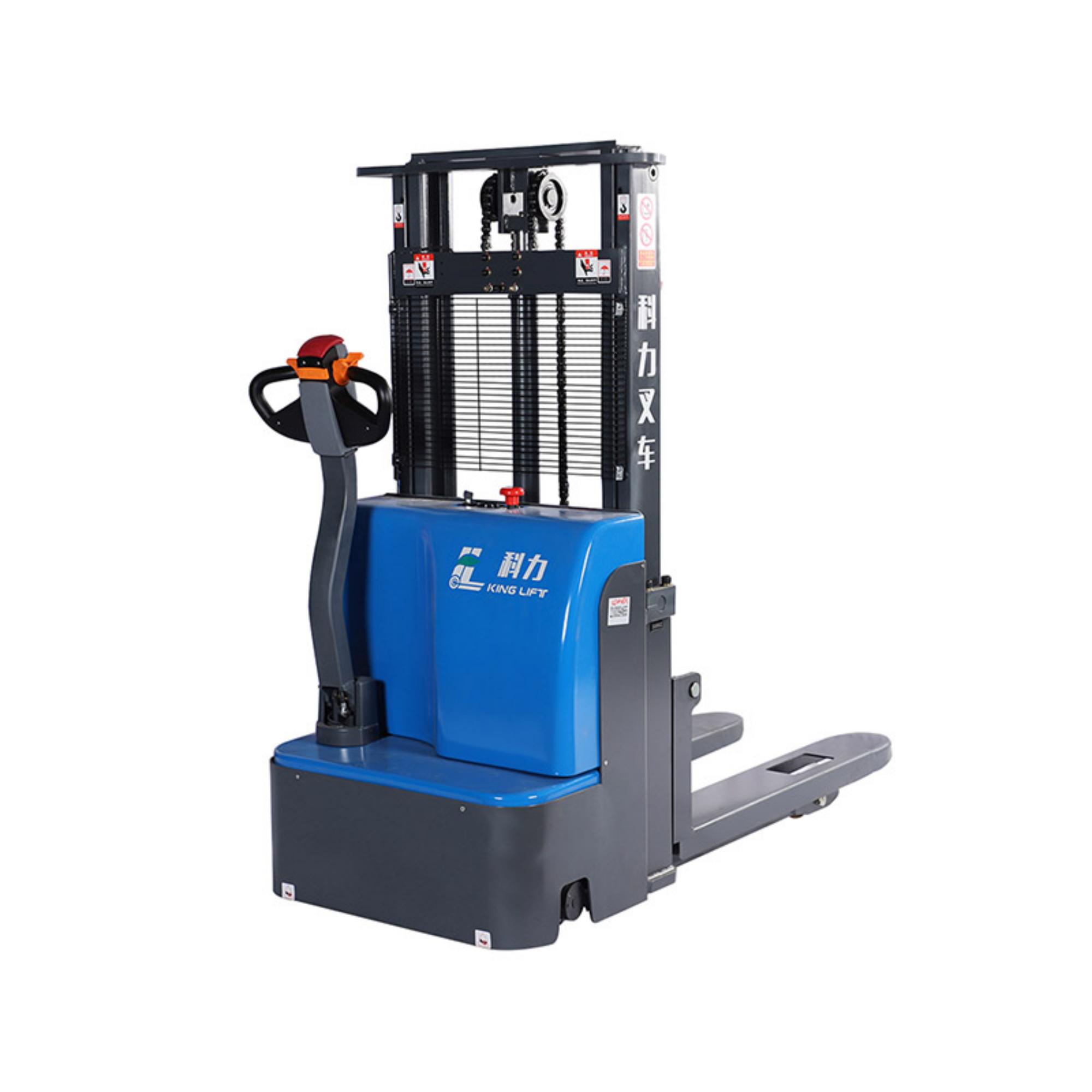
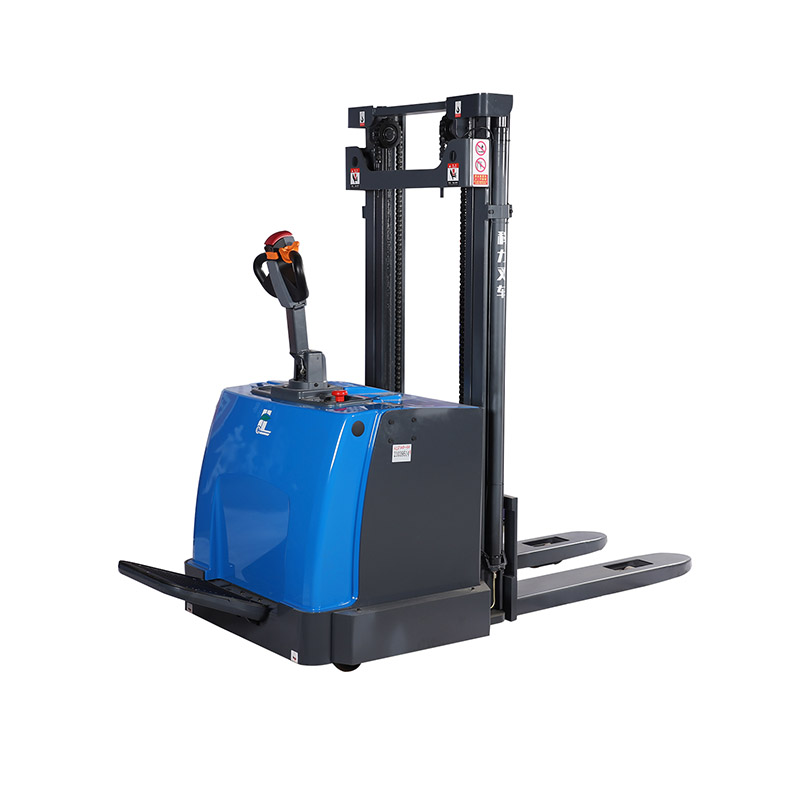
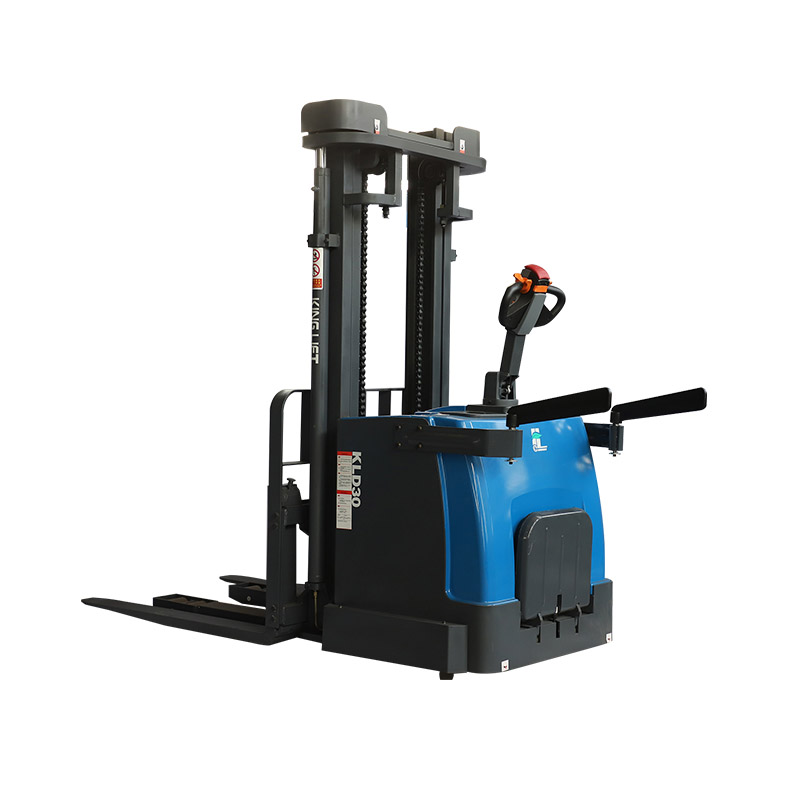
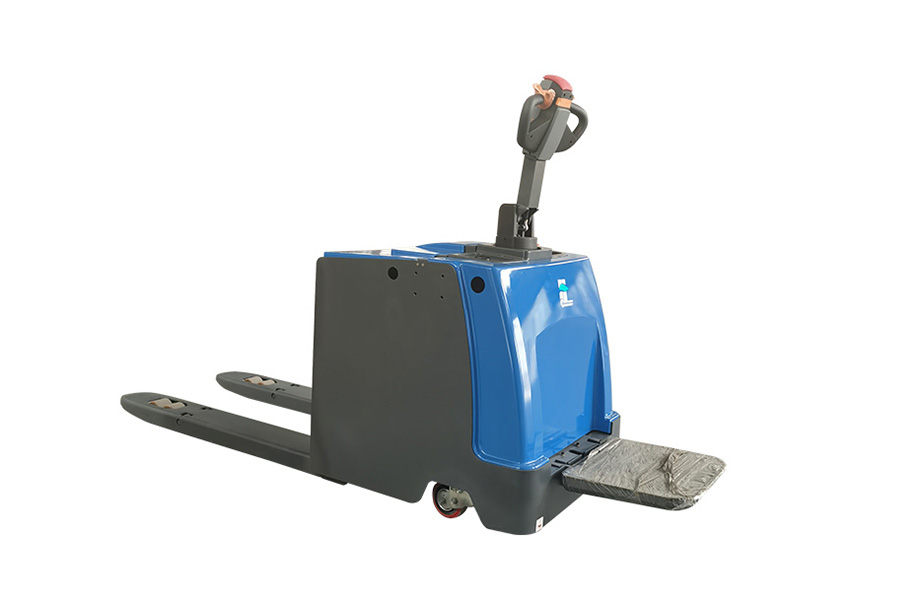
Warehouse electric pallet trucks, also known as electric walkie pallet jacks, are powered by electricity, either through a battery or a direct power source. These trucks are designed to assist in moving heavy pallets with minimal physical effort from the operator. The electric motor powers the lifting mechanism and the movement of the truck, making it easier to handle larger loads with less strain.
Electric pallet trucks typically feature:
- A battery-powered motor for lifting and driving.
- An ergonomic handle for steering.
- Increased maneuverability, particularly in tight spaces.
These trucks are often preferred for environments where heavy lifting and high-frequency pallet handling are required.
Key Differences Between Electric and Manual Pallet Trucks
Ease of Use
One of the noticeable differences between electric and manual pallet trucks is the level of physical effort required to operate them.
- Manual Pallet Trucks: These trucks require the operator to manually push, pull, and lift the load. While the hydraulic system assists in lifting, operators must still exert force to move the truck, especially when dealing with heavier loads.
- Electric Pallet Trucks: These trucks are powered, allowing the operator to focus on steering and controlling the direction of movement. The electric motor does the heavy lifting, significantly reducing physical strain.
Winner: Warehouse electric pallet trucks are much easier to use, particularly when handling heavy or bulky loads.
Speed and Efficiency
Electric pallet trucks tend to operate faster than their manual counterparts. The motor-driven system allows for quicker movements, especially when moving across larger warehouse areas or in high-volume operations.
- Manual Pallet Trucks: The operator’s pace dictates how fast the load moves. The physical effort required for pushing can slow down operations, especially when managing multiple pallets in a day.
- Electric Pallet Trucks: The electric motor provides consistent and faster movement, improving productivity. Operators can navigate through warehouse aisles more quickly, making electric pallet trucks ideal for high-volume environments.
Winner: Warehouse electric pallet trucks offer speed and efficiency.
Cost Considerations
While electric pallet trucks provide significant benefits in terms of efficiency and ease of use, they come with a higher initial investment than manual pallet trucks.
- Manual Pallet Trucks: These are cost-effective, requiring little maintenance beyond occasional inspections of the hydraulic system. The low upfront cost makes manual pallet trucks a suitable option for businesses with smaller budgets or lower material handling requirements.
- Electric Pallet Trucks: The higher cost of electric pallet trucks is offset by the productivity gains and labor cost savings. However, businesses need to consider the long-term expenses, including battery replacement, charging infrastructure, and regular maintenance.
Winner: Manual pallet trucks are more affordable upfront, while electric pallet trucks offer better long-term value in terms of productivity.
Maintenance and Durability
Both types of pallet trucks require maintenance, but the level of complexity differs.
- Manual Pallet Trucks: Maintenance is relatively simple, focusing on checking the hydraulic system, wheels, and general structure. These trucks are durable and can last for years with minimal maintenance.
- Electric Pallet Trucks: Electric pallet trucks require more maintenance due to the complexity of the motor, battery, and electrical components. Regular battery charging, motor inspections, and overall system maintenance are crucial for ensuring performance and longevity.
Winner: Manual pallet trucks are easier and less costly to maintain.
Load Capacity and Performance
Electric pallet trucks are designed to handle heavier loads more efficiently than manual models. The motor allows for better control over larger and bulkier pallets, reducing the physical strain on operators.
- Manual Pallet Trucks: Typically, manual pallet trucks can handle loads up to 5,000 pounds, depending on the model. However, handling heavy loads manually can become exhausting and time-consuming.
- Electric Pallet Trucks: Warehouse electric pallet trucks can handle heavier loads, often exceeding the capacity of manual models. The electric motor ensures that the truck operates smoothly under heavy loads, making them ideal for industries that need to move large quantities of goods quickly.
Winner: Electric pallet trucks can handle higher load capacities more efficiently.
Safety and Ergonomics
Safety and ergonomics are essential in warehouse operations to reduce injuries and improve worker well-being.
- Manual Pallet Trucks: The manual nature of these trucks can physical strain, especially for operators working with heavy loads over extended periods. Incorrect lifting techniques can back or shoulder injuries.
- Electric Pallet Trucks: The ergonomic design of electric pallet trucks allows operators to move loads with minimal physical effort, reducing the risk of injury. The motor’s assistance ensures that operators can handle heavier loads without straining their bodies.
Winner: Warehouse electric pallet trucks provide better ergonomics and safety features.
Applications of Electric and Manual Pallet Trucks
Manual Pallet Trucks
Manual pallet trucks are suited for:
- Short-distance transportation of pallets.
- Environments where loads are relatively light.
- Smaller warehouses with limited space.
- Operations that require fewer material handling tasks per day.
Warehouse Electric Pallet Trucks
Electric pallet trucks excel in:
- Larger warehouses or distribution centers.
- High-volume operations that require fast movement of goods.
- Heavy-duty material handling where manual trucks would be inefficient or unsafe.
- Environments with limited physical space where the compact size of electric trucks can make navigating easier.
Conclusion: Which One is Right for Your Warehouse?
Choosing between a manual pallet truck and a warehouse electric pallet truck depends on several factors, including the nature of the work, the volume of materials, and budget constraints.
- Manual pallet trucks are a choice for businesses looking for a low-cost, straightforward solution for light to moderate workloads.
- Warehouse electric pallet trucks, on the other hand, offer greater efficiency, speed, and ergonomic benefits, making them ideal for high-volume warehouses or businesses handling heavier loads.
By evaluating the specific needs of your operation, you can make an informed decision that maximizes both productivity and safety in your warehouse environment.
FAQ
1. How do warehouse electric pallet trucks improve warehouse efficiency?
Warehouse electric pallet trucks speed up the movement of goods by eliminating the physical effort required for manual pushing, allowing operators to move pallets faster and more efficiently.
2. Are warehouse electric pallet trucks suitable for small warehouses?
Yes, electric pallet trucks can be used in small warehouses, especially those with narrow aisles, where their maneuverability and compact design offer significant advantages.
3. What factors should I consider when choosing between manual and electric pallet trucks?
Consider factors like load capacity, speed, space constraints, budget, and the level of physical effort required for your warehouse operations.
4. How long does a battery last in a warehouse electric pallet truck?
The lifespan of a battery in an electric pallet truck can vary depending on usage and maintenance but typically lasts between 3 to 5 years with proper care.
5. Can I use a manual pallet truck for heavy-duty tasks?
Manual pallet trucks can handle loads up to 5,000 pounds, but for continuous, heavy-duty tasks, electric pallet trucks are more efficient and safer.