

 English
 русский
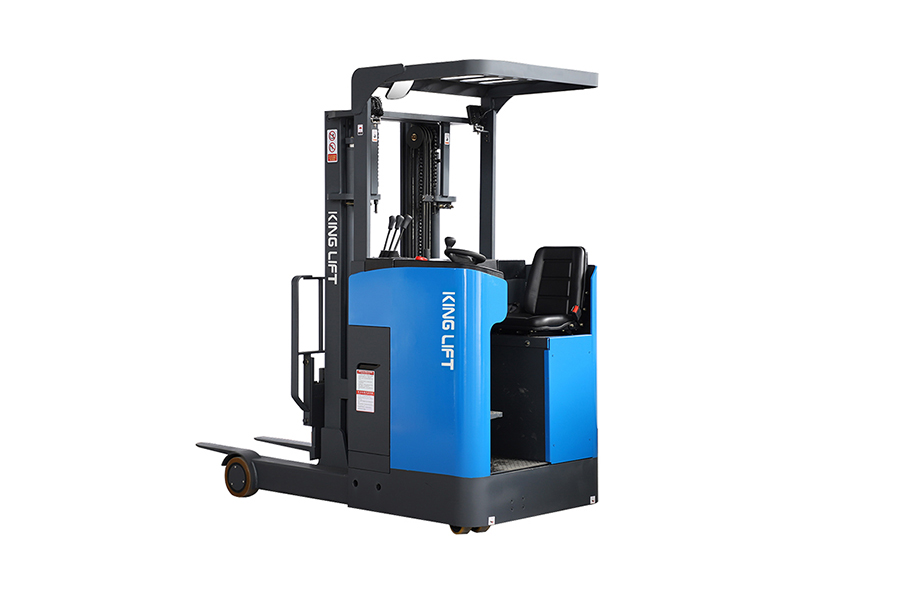
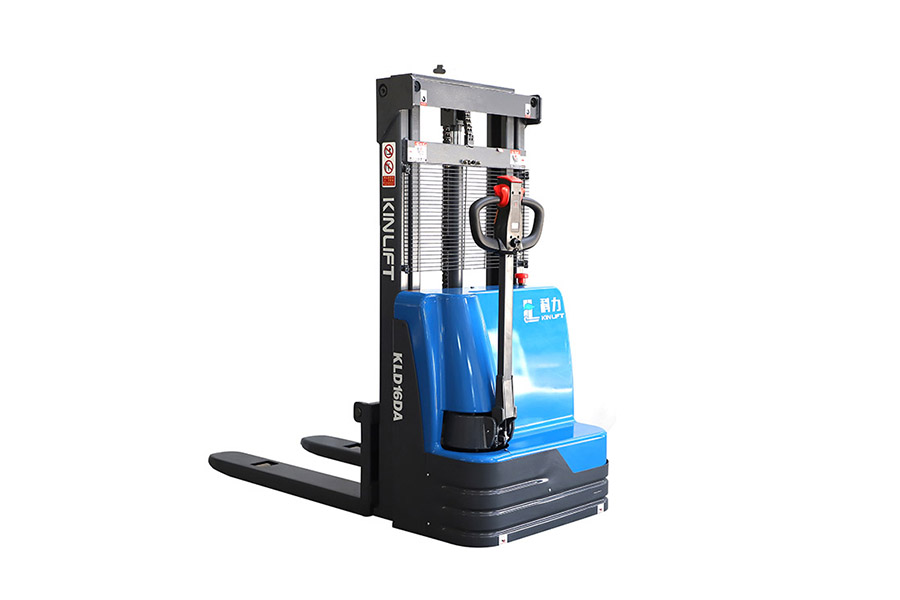
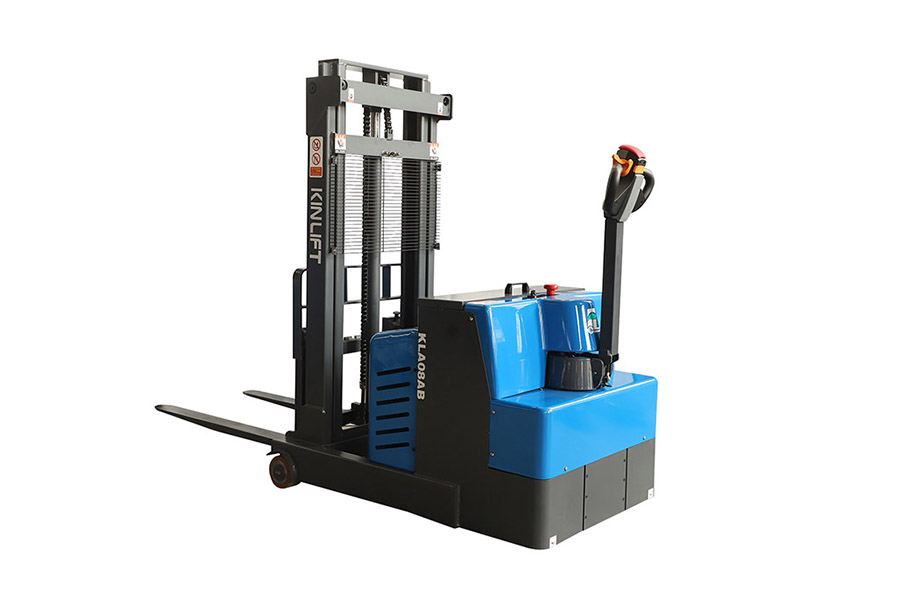
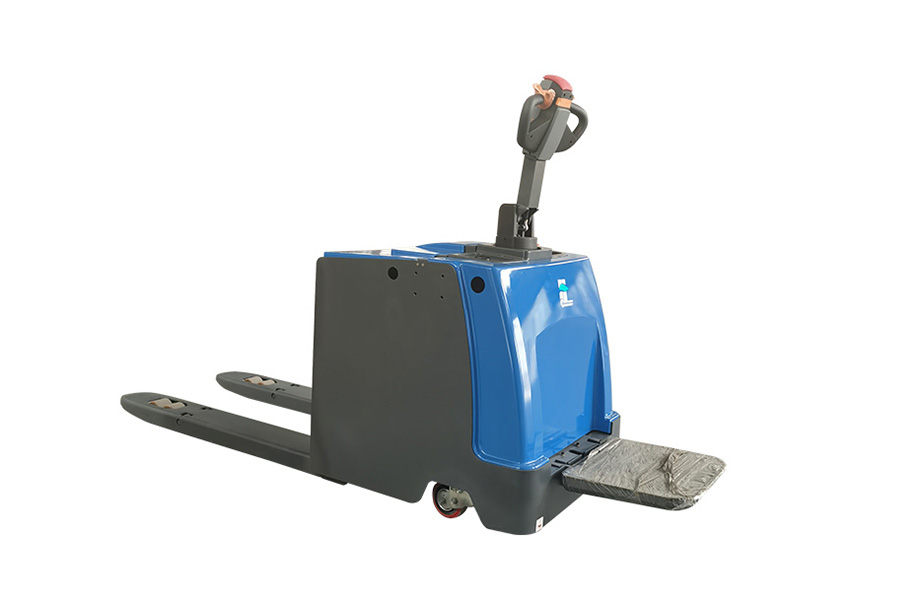
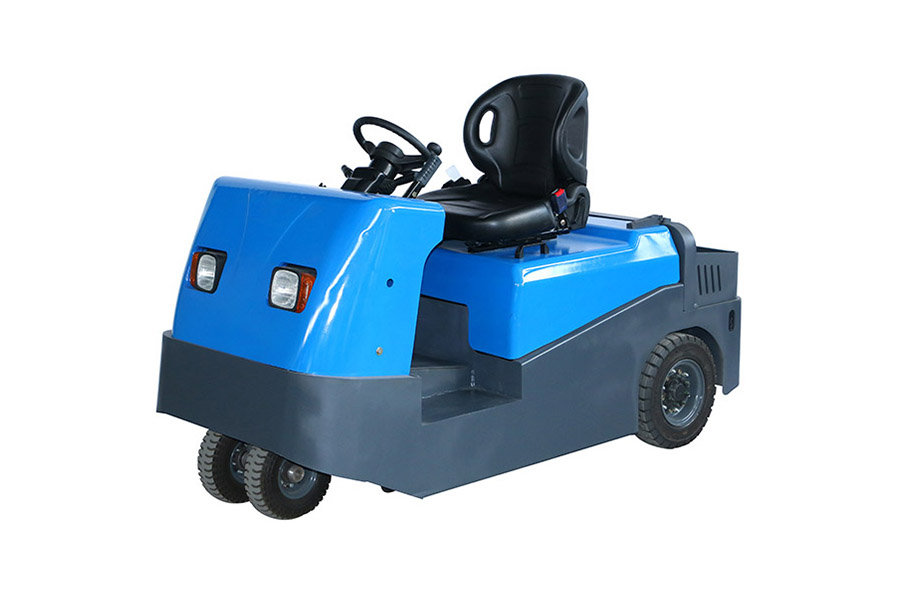
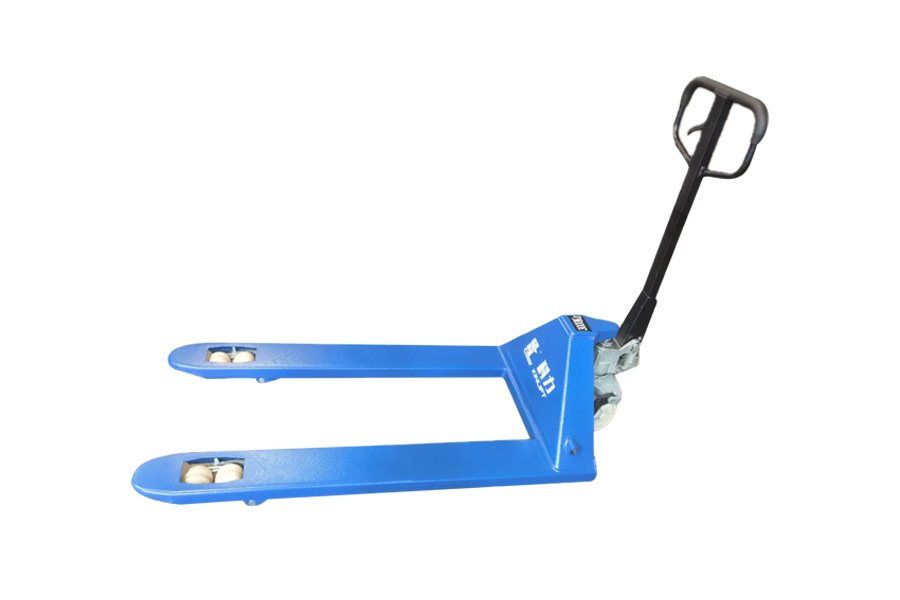
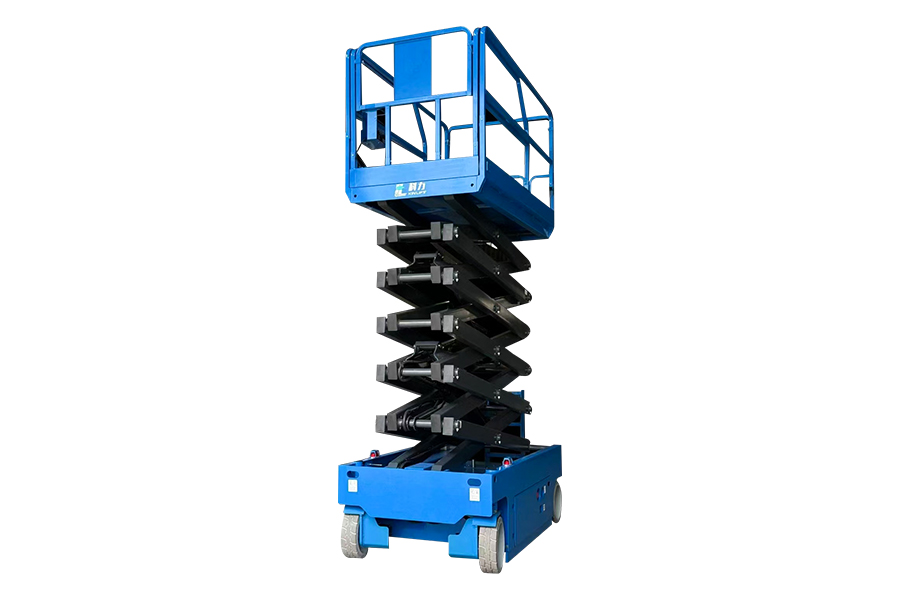
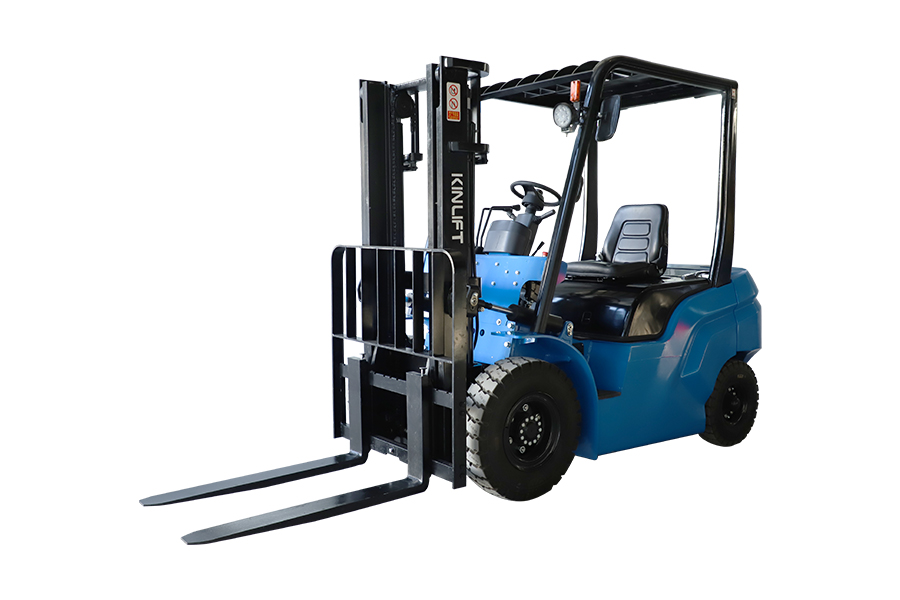

Electric forklifts, particularly electric reach forklifts, have become increasingly popular in modern logistics operations due to their numerous benefits over traditional internal combustion engine forklifts. As industries and businesses evolve, companies are continuously looking for ways to improve their operational efficiency, reduce costs, and meet environmental regulations. Switching to electric reach forklifts is one such way that businesses in logistics and warehousing can achieve these goals.
Introduction to Electric Reach Forklifts
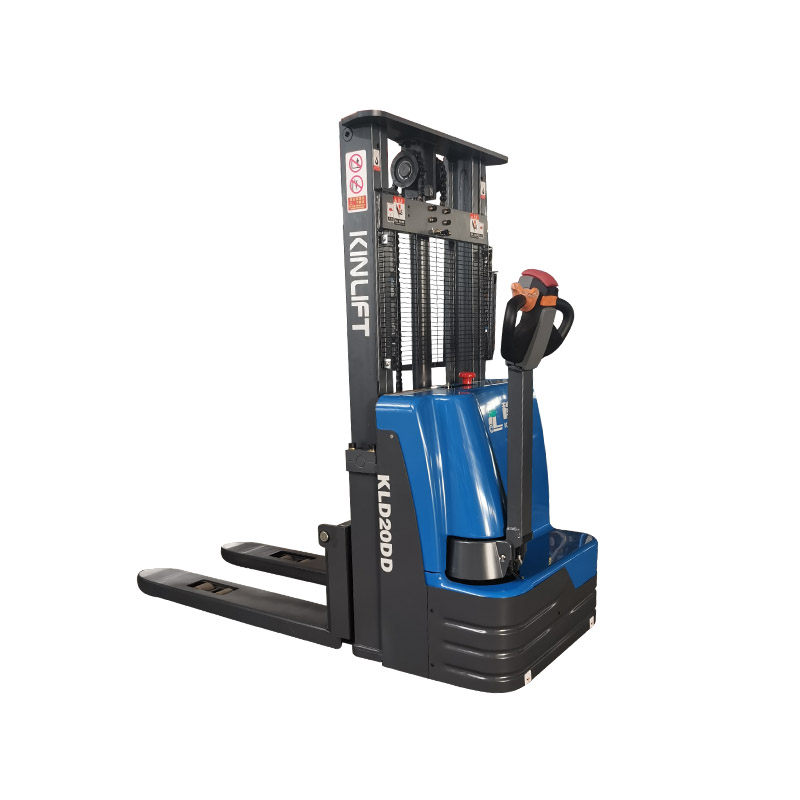
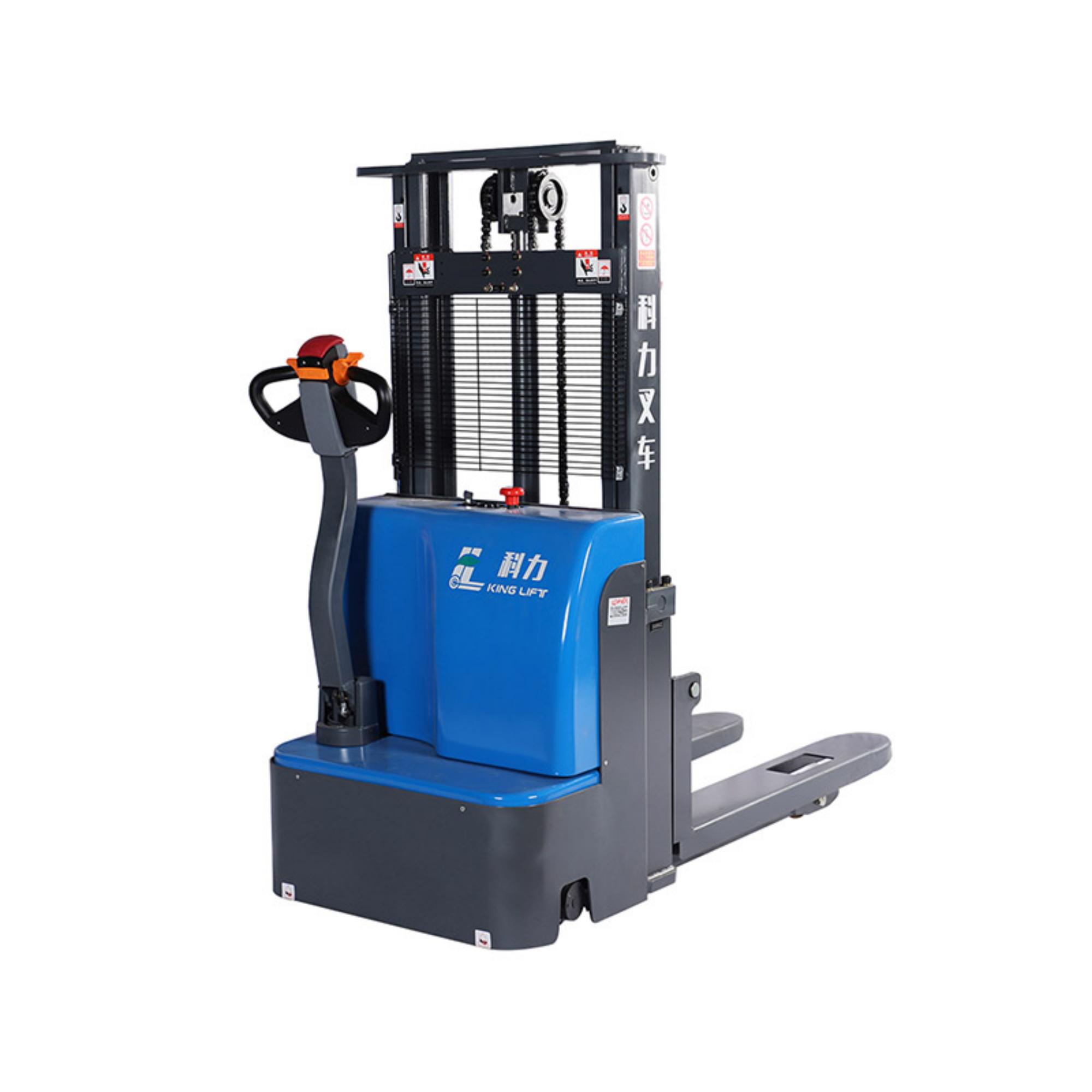
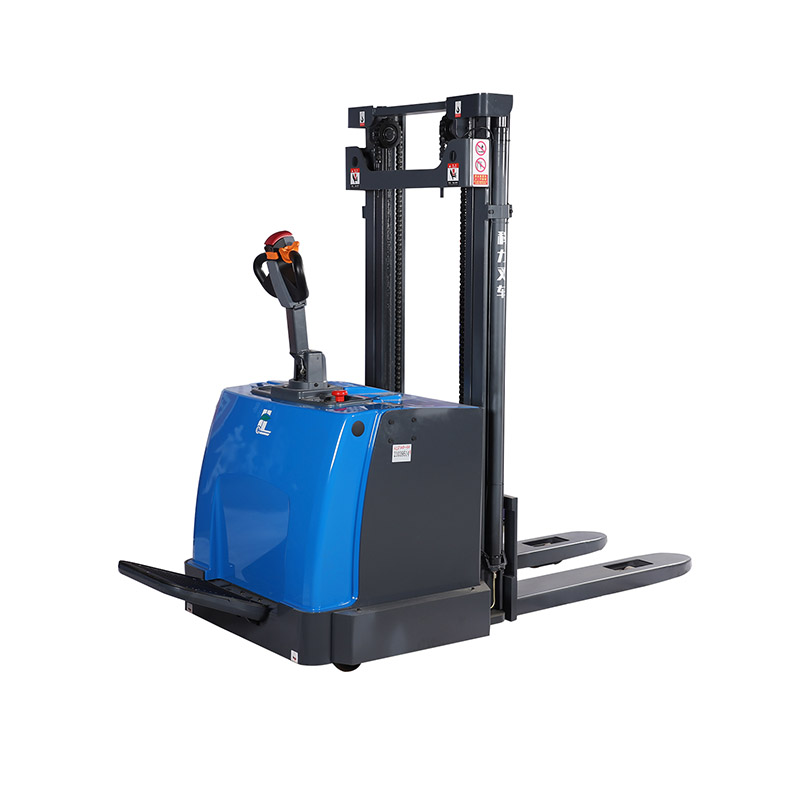
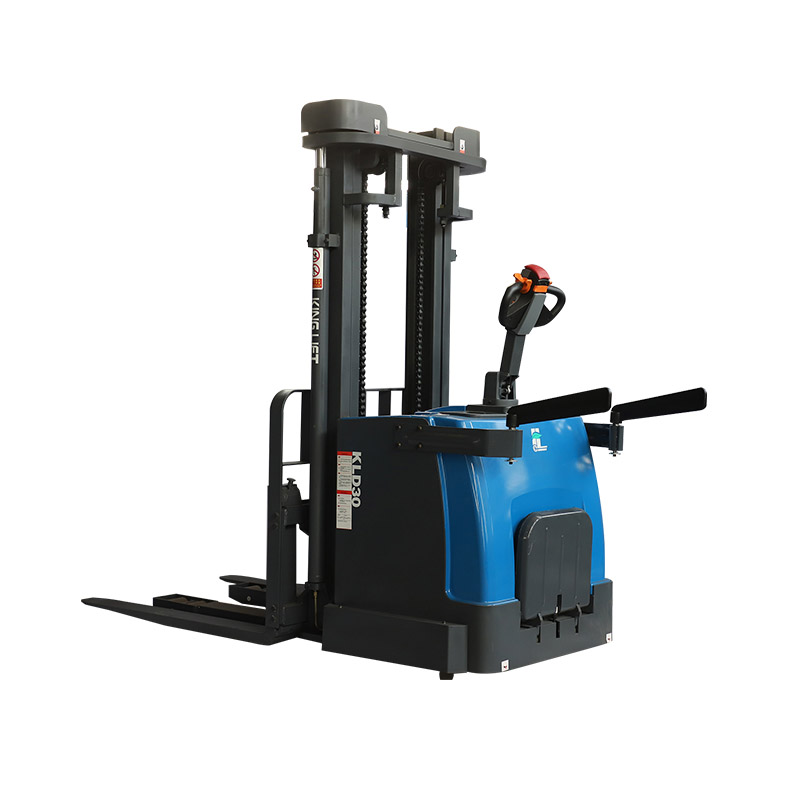
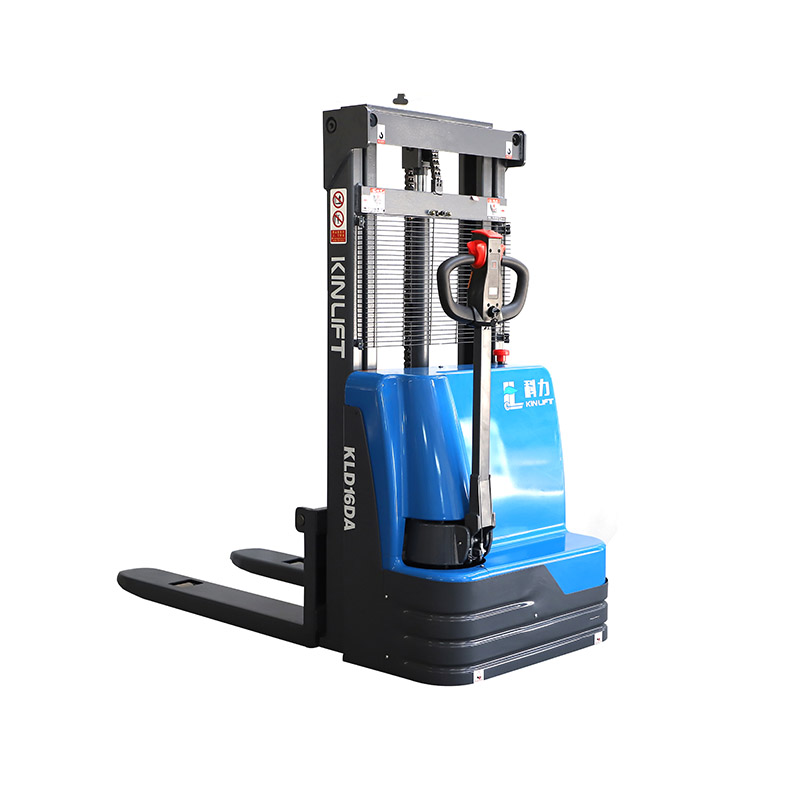
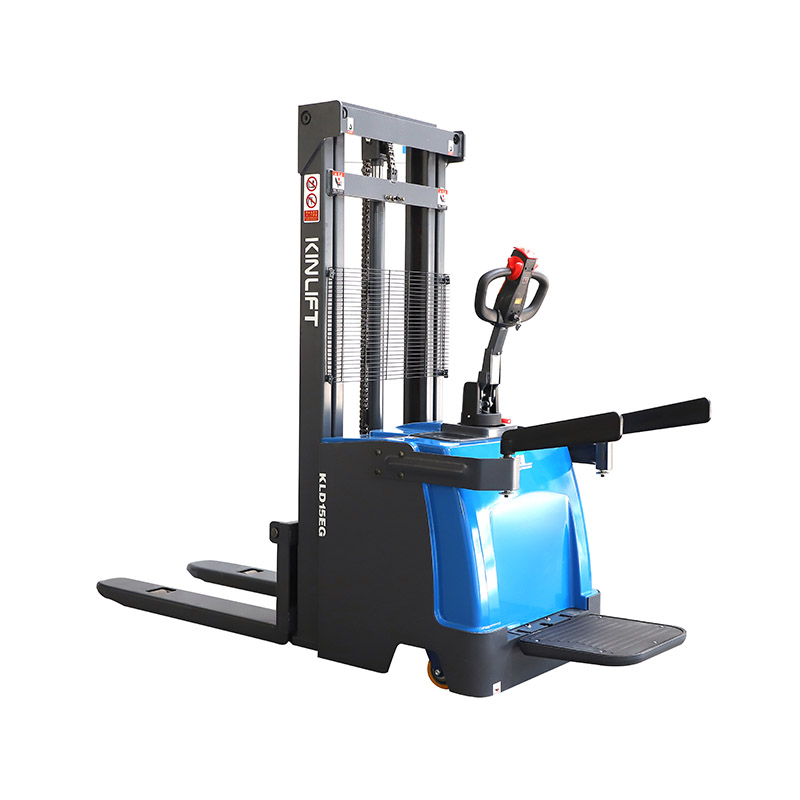
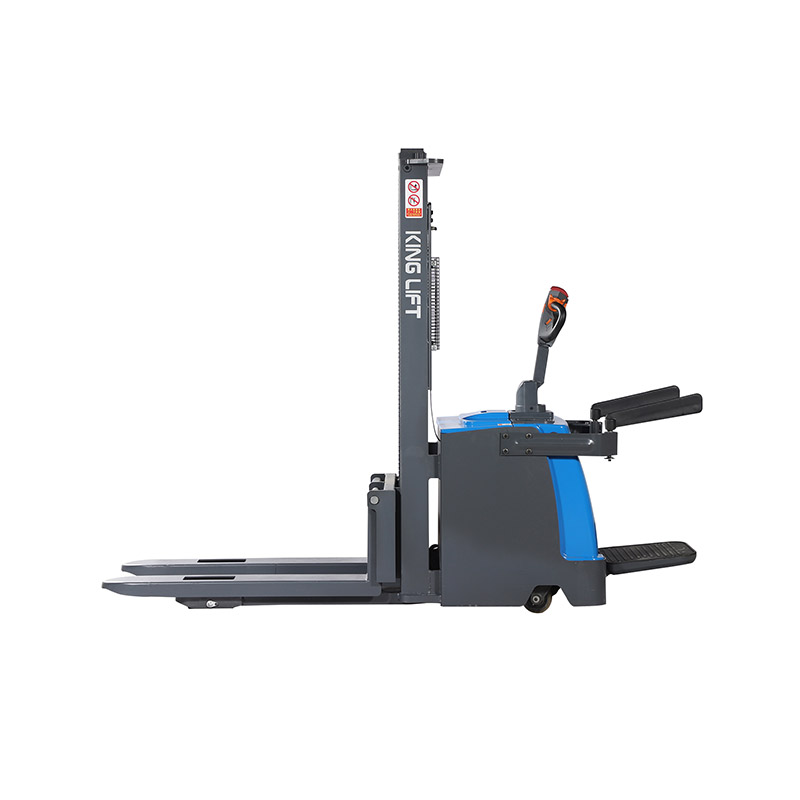
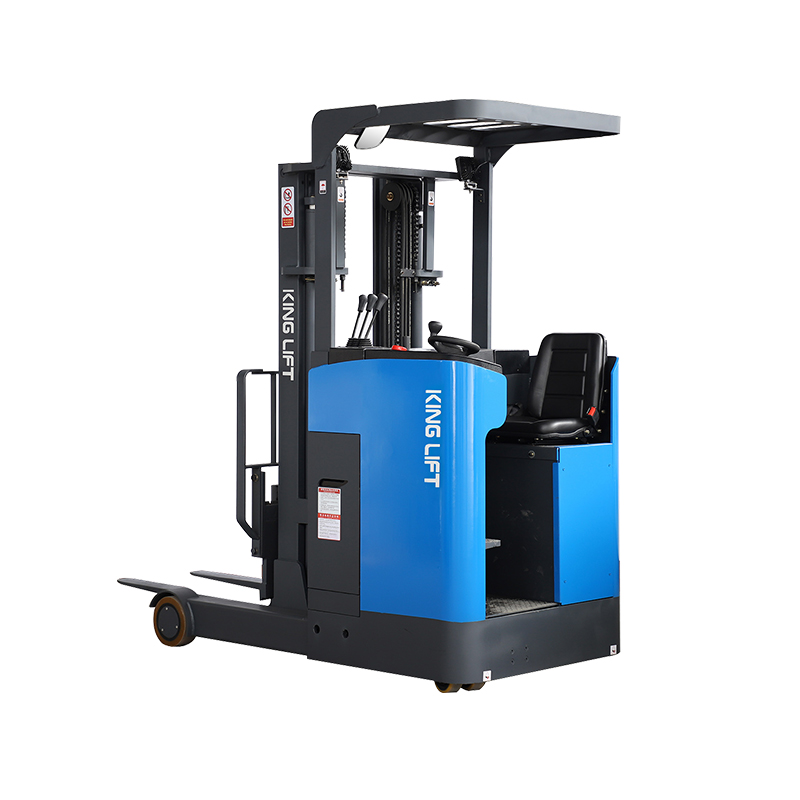
Electric forklifts are powered by electric motors instead of internal combustion engines. They are equipped with batteries that need recharging but provide an efficient, cost-effective solution for material handling tasks. Electric reach forklifts, in particular, are designed for operations that require lifting and reaching to higher places, making them ideal for warehouse and distribution center environments.
These forklifts have become a preferred choice for industries that focus on reducing operational costs while maintaining high levels of performance and productivity. With the growing demand for sustainable and efficient solutions in logistics, electric reach forklifts stand out as a key investment.
Key Advantages of Electric Reach Forklifts
Reduced Operating Costs
One of the compelling reasons to switch to electric forklifts for logistics operations is the significant reduction in operating costs. Traditional internal combustion engine forklifts require regular maintenance, fuel costs, and oil changes. In contrast, electric reach forklifts have fewer moving parts, which means less maintenance is required. Their batteries can last for a long time with proper care, reducing the need for frequent repairs.
The charging cost of electric forklifts is also considerably lower compared to fueling traditional forklifts. Over time, the savings in fuel and maintenance expenses can a significant reduction in total cost of ownership (TCO). This is especially important for companies that operate a fleet of forklifts and are looking to streamline their logistics expenses.
Environmental Benefits
As businesses become more environmentally conscious, electric reach forklifts offer a more sustainable alternative to internal combustion engine models. They produce zero emissions during operation, reducing the carbon footprint of logistics operations. This is increasingly important as industries face stricter environmental regulations and demand for greener practices grows.
Using electric forklifts in warehouses and distribution centers helps improve indoor air quality, which can also contribute to a healthier work environment for employees. Additionally, the ability to recharge the forklift batteries using renewable energy sources further enhances their environmental benefits.
Improved Safety
Electric forklifts are designed with advanced safety features that are often not available in traditional forklifts. These features can help reduce workplace accidents and improve overall safety. For instance, electric reach forklifts often come with enhanced stability systems that help prevent tip-overs, which can be a significant concern in high-lift operations.
Electric forklifts also feature quieter operations compared to their gas or diesel counterparts. This reduces noise pollution in the warehouse, which not only makes for a more comfortable working environment but also improves communication between workers, reducing the chances of accidents caused by miscommunication.
Increased Productivity and Efficiency
Electric reach forklifts are highly efficient and provide smooth, precise handling, which can significant productivity gains. Their ability to operate in tighter spaces and reach higher shelves makes them ideal for warehouses with high-density storage systems. With the help of electric reach forklifts, warehouse workers can retrieve and store goods more quickly, improving turnaround times and enhancing operational efficiency.
Electric forklifts also have lifting capabilities, ensuring that heavy goods can be moved with ease. The reduced downtime due to fewer maintenance requirements further boosts productivity by allowing forklifts to operate for longer periods without interruption.
Quieter Operations
Electric forklifts are known for their quiet operation, which makes them ideal for use in indoor environments, particularly where noise reduction is a priority. Traditional forklifts powered by internal combustion engines can be quite loud, causing noise pollution within warehouses and distribution centers. The quieter operation of electric forklifts helps create a more comfortable working environment, which can contribute to improved employee satisfaction and well-being.
Energy Efficiency
Electric forklifts are inherently more energy-efficient than their gas or diesel-powered counterparts. They use electric motors that convert energy into motion more efficiently, which means that less energy is wasted. This results in lower energy consumption, which contributes to further cost savings for businesses. Additionally, the regenerative braking systems found in many electric reach forklifts help conserve energy, making them even more efficient during operation.
Lower Maintenance Requirements
Electric reach forklifts have a simpler design and fewer moving parts compared to traditional forklifts. This results in lower maintenance requirements and fewer parts that could wear out over time. The absence of internal combustion engines, transmission systems, and exhaust systems means there is less need for routine servicing.
Additionally, electric forklifts often require less maintenance when it comes to the battery system, as long as proper charging and storage protocols are followed. This translates into reduced labor costs and less downtime associated with repairs.
Enhanced Control and Maneuverability
Electric reach forklifts offer control and maneuverability. The electronic control systems used in these forklifts provide smooth acceleration and braking, which improves the overall driving experience. This level of control is especially important when maneuvering in tight spaces, where traditional forklifts may struggle.
Electric reach forklifts are also more responsive and easier to operate, reducing the learning curve for new operators and improving overall warehouse management.
The Role of Electric Forklifts in Modern Logistics
As logistics operations continue to evolve with the growth of e-commerce, demand for faster and more efficient material handling solutions has increased. Electric forklifts are essential to this shift because they offer reliable, cost-effective, and sustainable solutions for modern warehouses.
Furthermore, electric forklifts support automation and the integration of advanced technologies in logistics. They can easily be integrated with warehouse management systems (WMS), and with advancements in battery technology, some models can operate for extended hours without needing to be recharged. The rise of electric forklifts will continue to be a key trend in the logistics industry as companies strive to meet the increasing demands of a dynamic market.
Comparison of Electric and Internal Combustion Forklifts
| Feature | Electric Forklifts | Internal Combustion Forklifts |
|---|---|---|
| Fuel Type | Electric Battery | Gas/Diesel |
| Maintenance Requirements | Low, fewer parts | High, requires frequent servicing |
| Emissions | Zero emissions | High emissions |
| Noise Levels | Quiet operation | Noisy |
| Energy Efficiency | Highly efficient, uses energy efficiently | Less efficient, more fuel consumption |
| Operating Costs | Lower due to fewer parts and lower energy costs | Higher due to fuel costs and maintenance |
| Maneuverability | Highly maneuverable, ideal for tight spaces | Less maneuverable, less suited for tight spaces |
FAQ
1. How long does the battery of an electric reach forklift last?
The battery life of an electric reach forklift varies depending on the model and usage, but typically, a properly maintained battery can last between 4 to 7 years. Regular charging and proper maintenance can help extend battery life.
2. Can electric forklifts be used outdoors?
While electric forklifts are primarily designed for indoor use, some models are equipped for light outdoor operations. However, for heavy-duty outdoor tasks, businesses may want to consider electric forklifts designed specifically for outdoor environments.
3. What are the benefits of regenerative braking in electric forklifts?
Regenerative braking helps conserve energy by converting the energy generated during braking into electrical power, which is then fed back into the battery. This improves energy efficiency and extends battery life.
4. Are electric forklifts more expensive than traditional forklifts?
The upfront cost of electric forklifts is typically higher than internal combustion forklifts, but the long-term savings in energy costs, maintenance, and operation make them more cost-effective over time.
5. How long does it take to charge an electric reach forklift?
Charging times for electric reach forklifts vary, but typically, it takes between 8 and 12 hours for a full charge. Fast-charging options may be available for specific models, allowing for quicker turnaround times.
Conclusion
Switching to electric reach forklifts offers a variety of advantages for businesses in logistics and warehousing. From cost savings and environmental benefits to improved safety and productivity, electric forklifts are helping companies modernize their operations and stay competitive in an increasingly demanding market. The transition to electric forklifts for logistics operations represents a step forward in efficiency, sustainability, and long-term growth.