

 English
 русский

Home / News / Industry News / How High Can Electric Reach Forklifts Lift and What Determines Their Load Capacity?
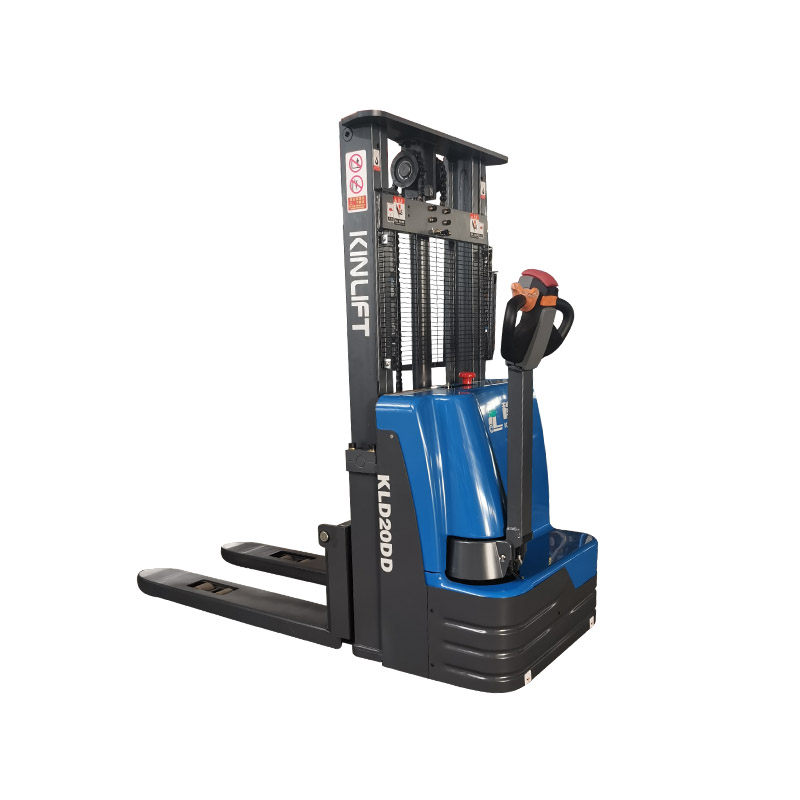
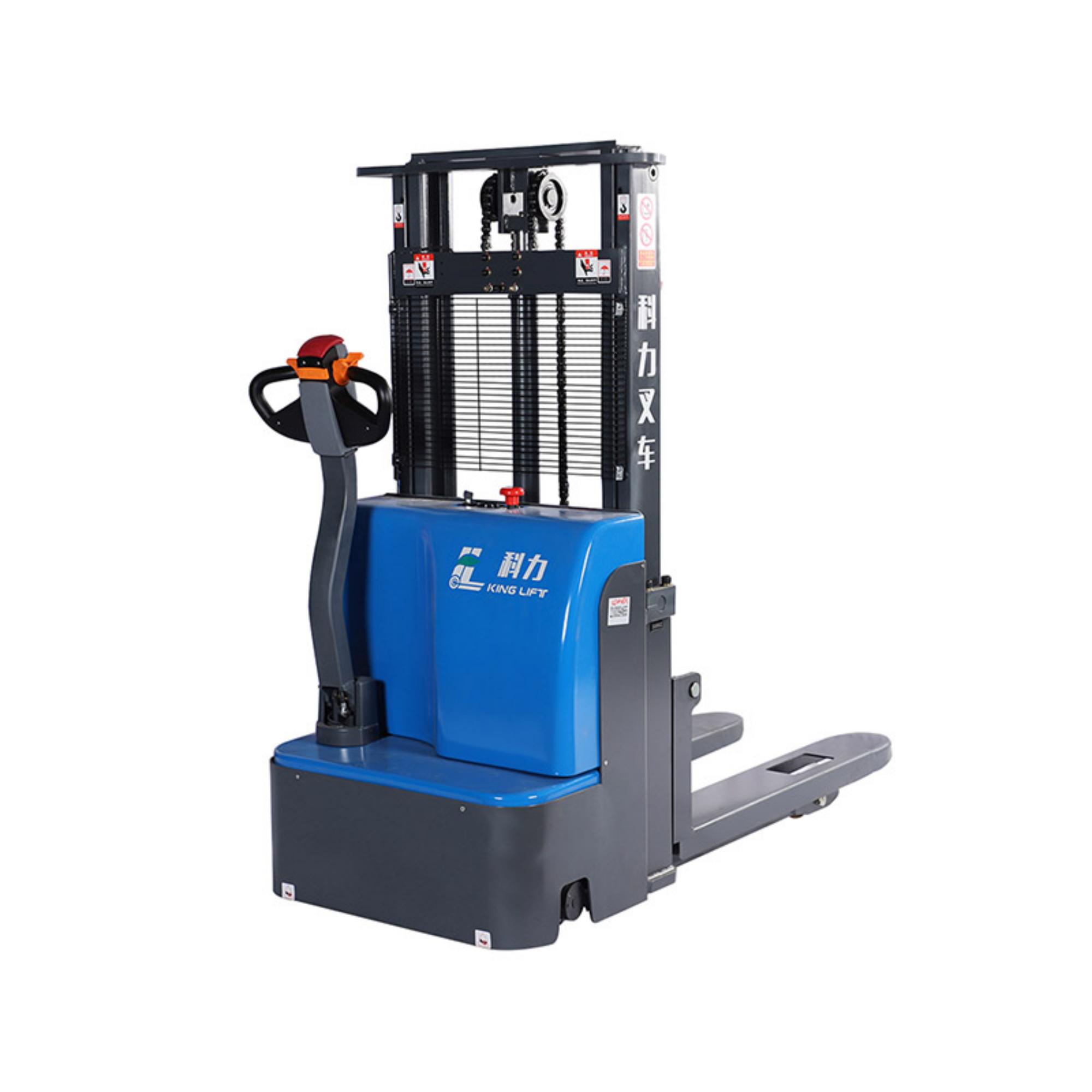
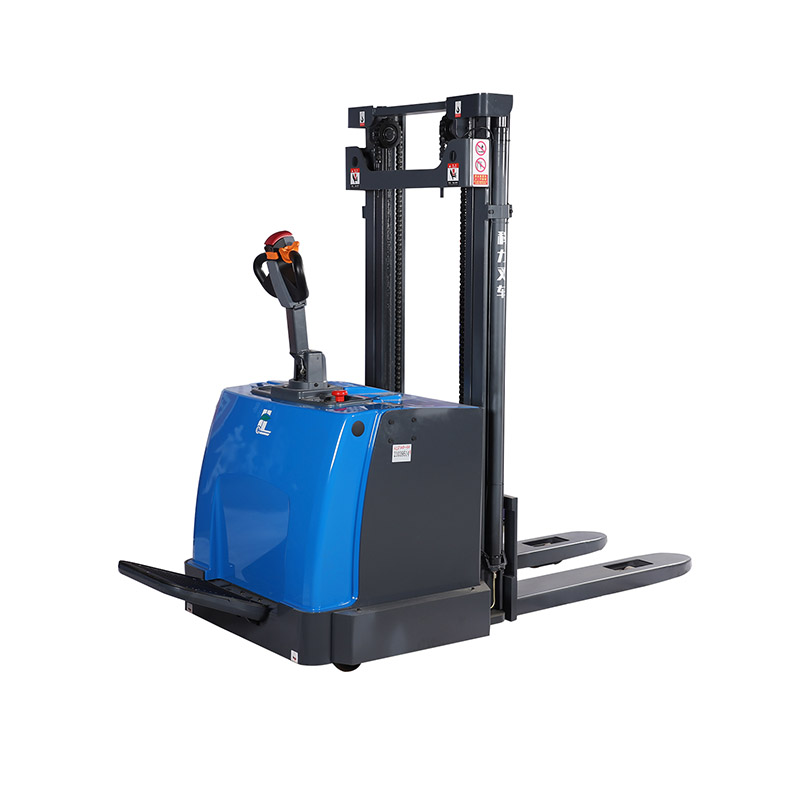
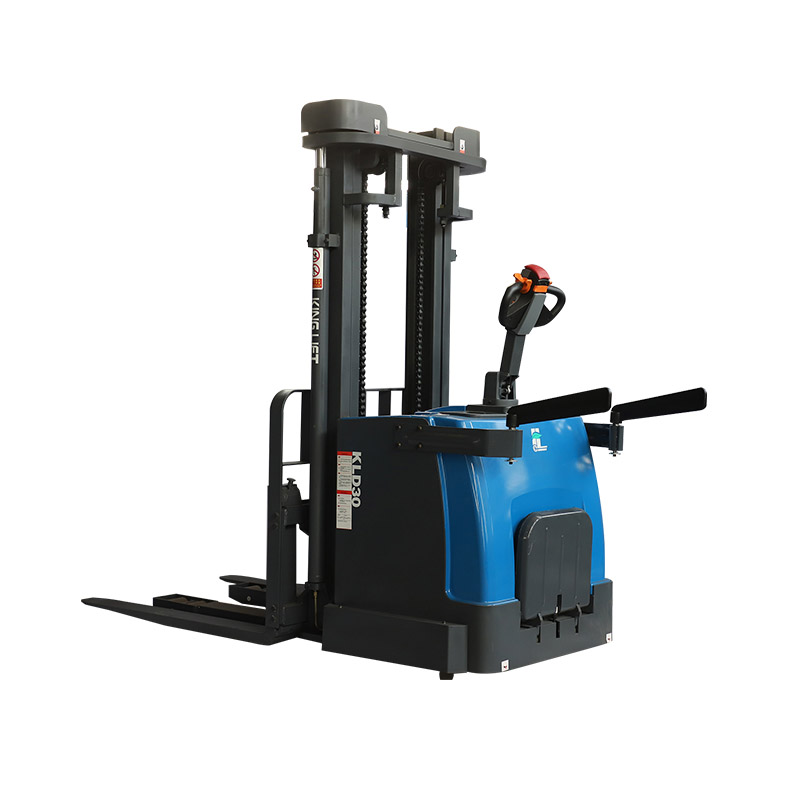
Electric reach forklifts are crucial for modern warehousing and industrial operations. These machines are designed to provide efficient, safe, and reliable material handling in various storage environments. They are especially important for reaching higher shelves, allowing businesses to maximize their warehouse space and improve productivity. However, the lifting height and load capacity of electric reach forklifts are critical considerations that determine their suitability for specific tasks.
Understanding Electric Reach Forklifts
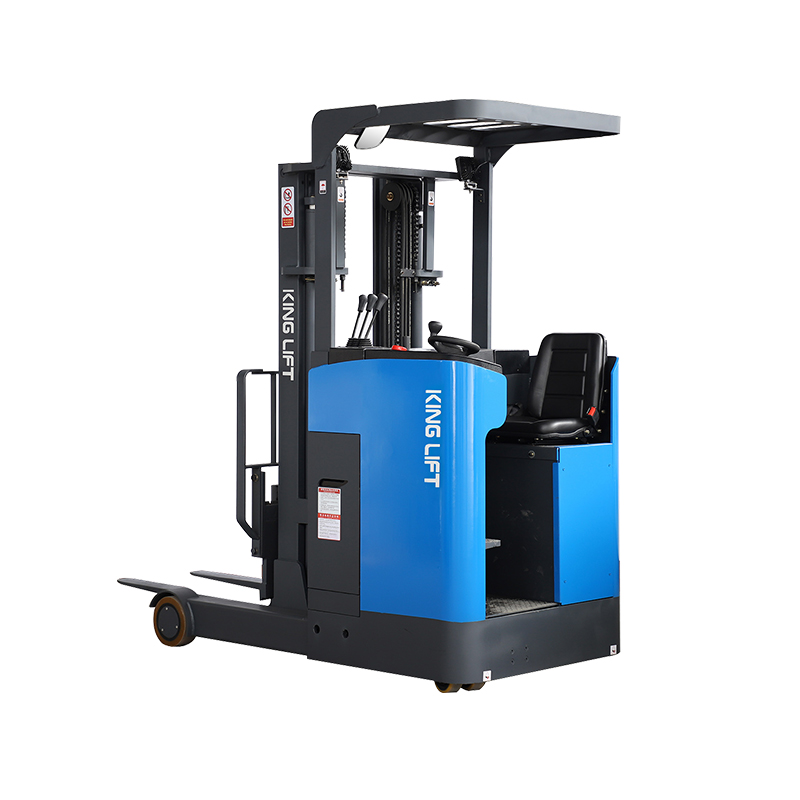
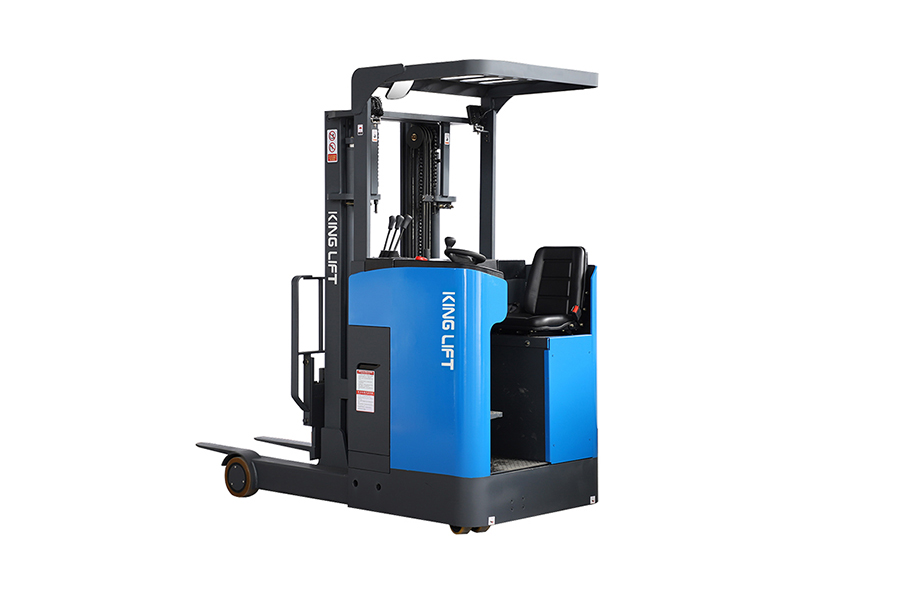
Electric reach forklifts are a type of material handling equipment powered by electricity. Unlike traditional internal combustion forklifts, electric models are environmentally friendly, produce less noise, and require lower maintenance. These forklifts are designed for use in narrow aisles and are ideal for stacking and retrieving pallets from high shelves. Their extended reach capability makes them particularly useful in warehouses with high vertical storage.
What Determines the Lifting Height of Electric Reach Forklifts?
The lifting height of an electric reach forklift is a key performance parameter. Several factors contribute to how high these forklifts can lift, including:
a. Mast Design and Configuration
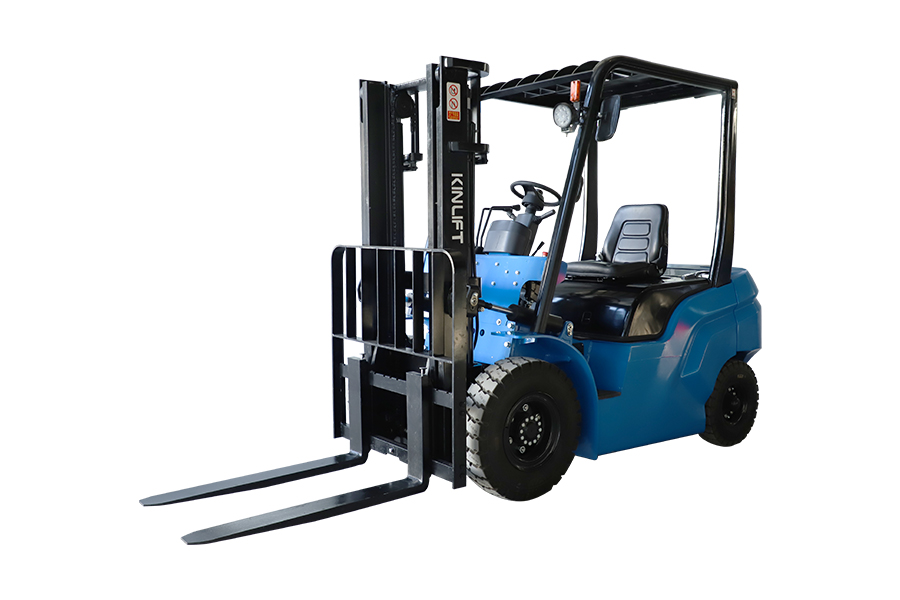
The mast is the vertical structure that supports the lifting mechanism and elevates the load. Electric reach forklifts typically use a three-stage mast configuration, which allows for a higher lifting capacity while maintaining stability. The design of the mast determines the height the forklift can achieve. Most electric reach forklifts can lift loads to heights between 20 feet and 40 feet, although specialized models can reach up to 50 feet or more.
b. Load Handling System
The load handling system, including forks and the carriage, plays a vital role in determining the lifting height. The design of these components affects how well the forklift can lift and support heavy loads at greater heights.
c. Forklift Stability
The stability of the forklift, which is influenced by the wheelbase, counterweights, and mast design, is crucial for maintaining balance when lifting heavy loads to greater heights. Electric reach forklifts are designed with stability in mind, ensuring that they remain steady even at lift heights.
d. Battery and Power Supply
The size and capacity of the battery in an electric forklift can also affect its lifting capabilities. Larger batteries offer more power, but they also increase the forklift’s weight. This added weight can limit the lifting height, as the forklift needs to remain balanced under load.
What Affects the Load Capacity of Electric Reach Forklifts?
The load capacity of electric reach forklifts refers to the weight they can lift safely. This capacity is influenced by several factors:
a. Forklift Design and Construction
The overall build quality, including the frame and mast construction, determines the forklift’s load-bearing capability. Robust materials and engineering ensure that the forklift can safely handle heavier loads without compromising stability.
b. Mast Elevation and Reach Extension
As the mast elevates and the forks extend, the load capacity generally decreases. Electric reach forklifts are designed to lift heavy loads at lower heights but tend to have reduced capacity as they reach higher elevations. The reach extension feature allows operators to handle loads at greater depths, but the load capacity must be carefully balanced with the height.
c. Load Center
The load center refers to the distance from the forklift’s front wheels to the center of the load. A shorter load center typically means higher load capacity, as it places less strain on the forklift’s lifting mechanism. As the load moves further out, the forklift’s stability is challenged, which can reduce its load capacity.
d. Lift Speed and Control Systems
The speed at which a forklift can lift and lower a load impacts its overall load capacity. Electric forklifts designed for warehouse use often feature advanced control systems that help operators manage both speed and stability, ensuring a safe lifting process, especially when handling heavy loads.
e. Environmental Conditions
Environmental factors, such as temperature, floor type, and warehouse layout, can affect the forklift’s load capacity. Electric forklifts are often used in indoor environments, where factors like temperature and humidity can influence performance.
Selecting the Right Electric Reach Forklift for Your Warehouse
Choosing the right electric reach forklift involves considering several factors, including the lift height, load capacity, and the nature of the materials being handled. Here are a few important considerations for selecting the electric forklift for warehouse use:
a. Warehouse Layout
The layout of your warehouse will impact the type of forklift you need. If your warehouse has narrow aisles, you’ll need a forklift designed for maneuverability. Electric reach forklifts are for this because they can operate in tight spaces while reaching higher shelves.
b. Load Types and Weight
The type of products or materials you need to lift will affect the forklift you choose. If your warehouse handles lighter goods, a forklift with a lower capacity might suffice. However, for heavy materials, you’ll need a forklift with a higher load capacity to ensure safe operation.
c. Frequency of Use
Consider how often the forklift will be used. For high-volume environments, you may need a forklift with higher durability and extended battery life. If the forklift is used intermittently, a smaller, more affordable model may be sufficient.
d. Battery Life and Charging Options
Battery capacity and the availability of charging stations are crucial for ensuring your electric reach forklift remains operational. Long battery life and efficient charging systems will keep your warehouse operations running smoothly.
Typical Lifting Heights and Load Capacities of Electric Reach Forklifts
| Model Type | Maximum Lift Height | Maximum Load Capacity |
|---|---|---|
| Standard Electric Reach | 20 to 30 feet | 3,000 to 4,000 lbs |
| High-Capacity Electric Reach | 30 to 40 feet | 5,000 to 7,000 lbs |
| Specialized High Reach | 40 to 50 feet | 2,000 to 3,000 lbs |
FAQ
Q1: How high can electric reach forklifts lift?
- Electric reach forklifts can typically lift loads to heights ranging from 20 feet to 40 feet. Some specialized models can reach up to 50 feet.
Q2: What factors influence the load capacity of electric reach forklifts?
- Factors include forklift design, mast configuration, load center, stability, battery size, and environmental conditions.
Q3: Can electric reach forklifts handle heavy loads at high elevations?
- While electric reach forklifts are designed to handle heavy loads, their load capacity typically decreases as the lift height increases. It’s essential to match the forklift’s capacity with the height and weight of the load.
Q4: Are electric forklifts suitable for outdoor use?
- Electric forklifts are generally designed for indoor use, but some models are capable of operating outdoors in dry conditions.
Q5: What maintenance is required for electric reach forklifts?
- Regular maintenance includes checking battery health, inspecting the mast and forks, and ensuring the electrical system is functioning properly.