

 English
 русский
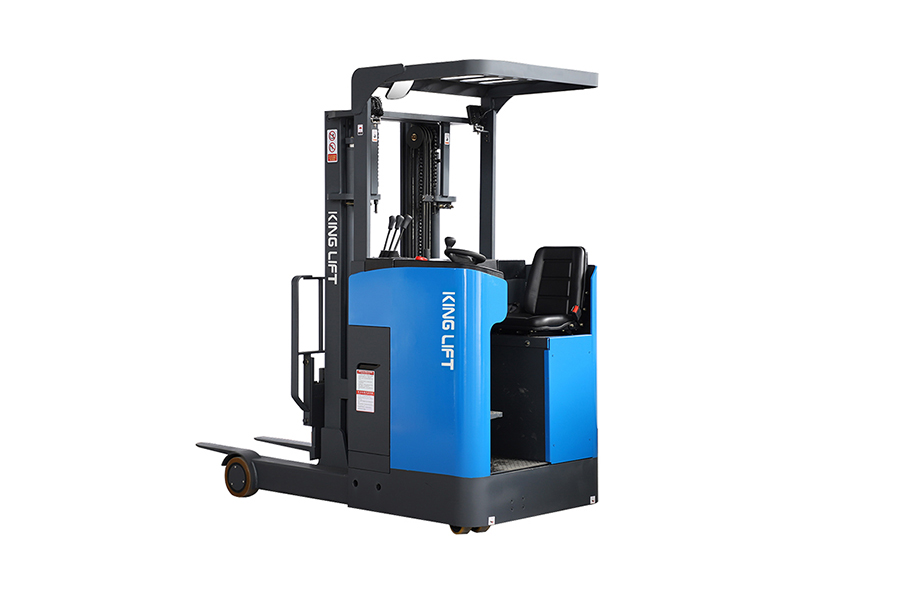
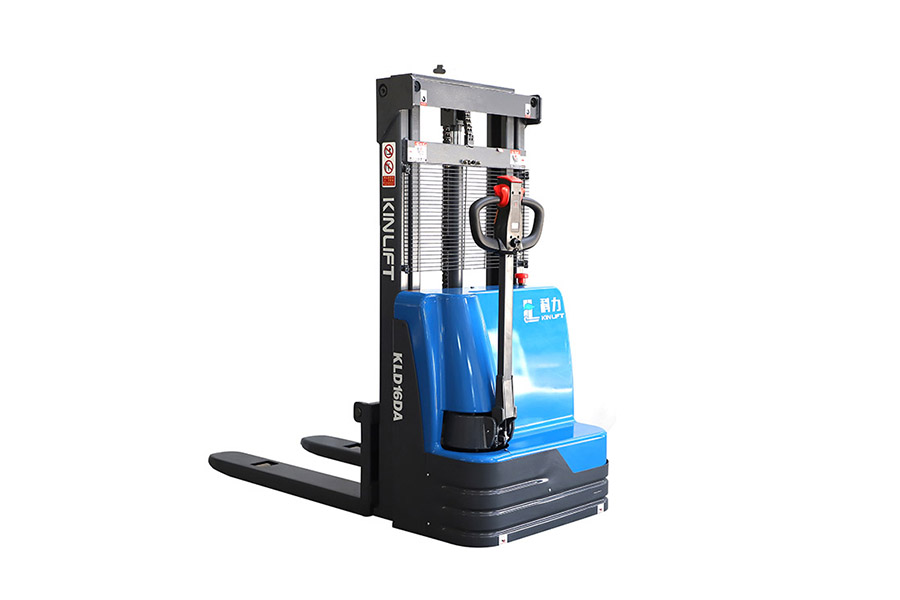
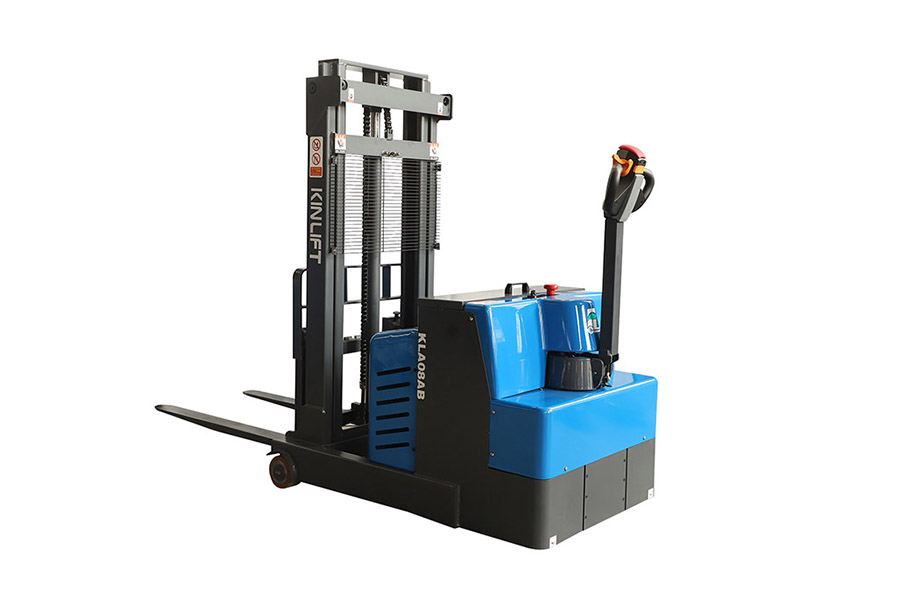
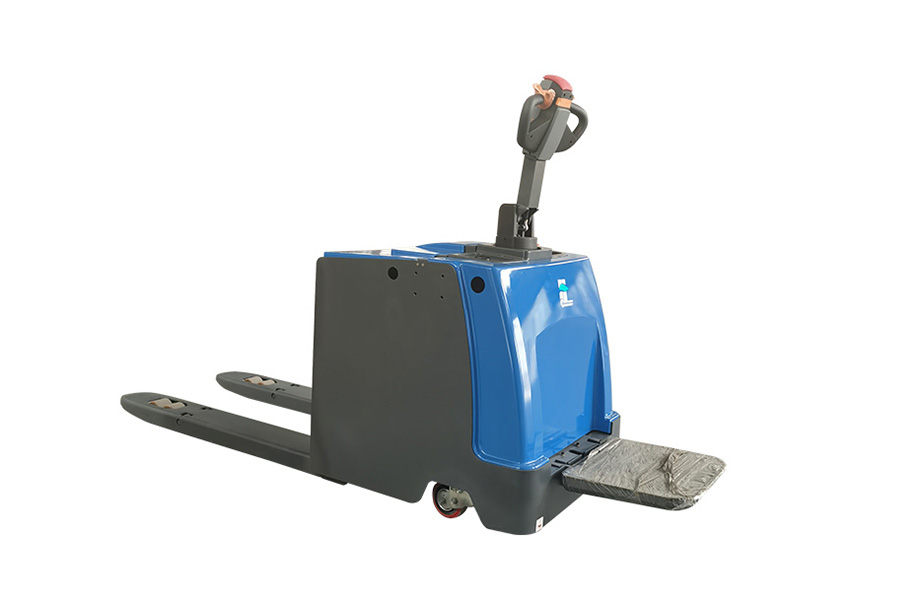
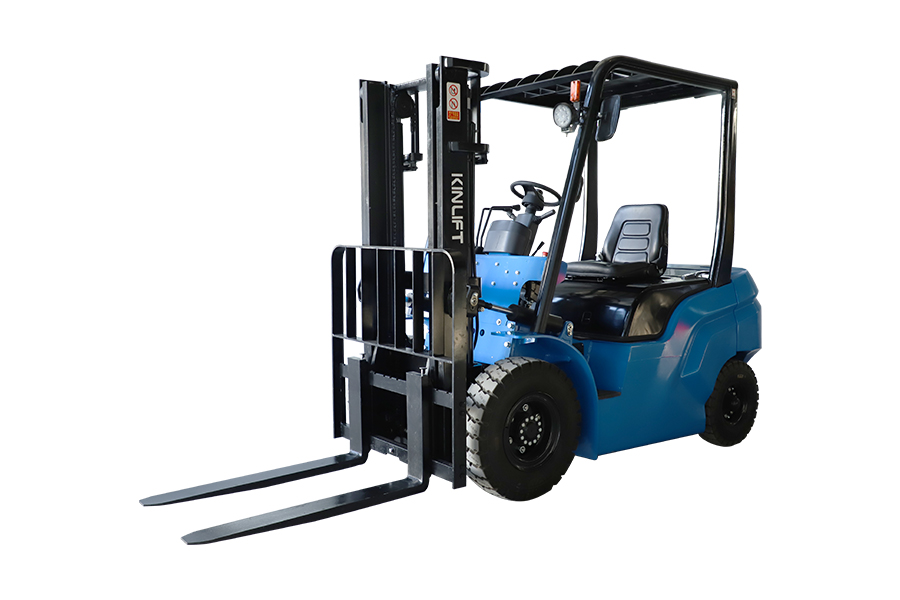

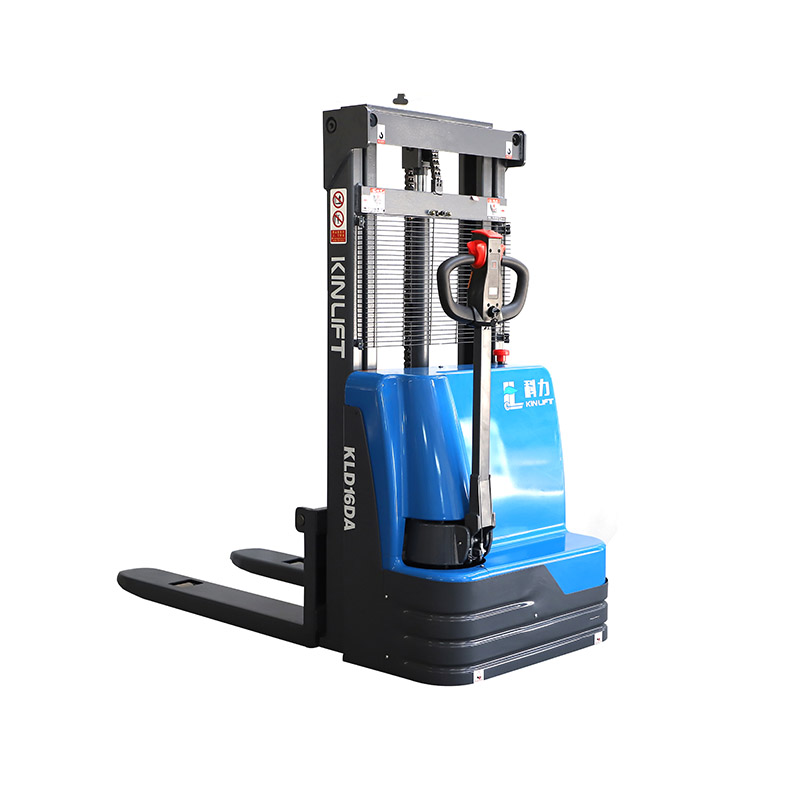
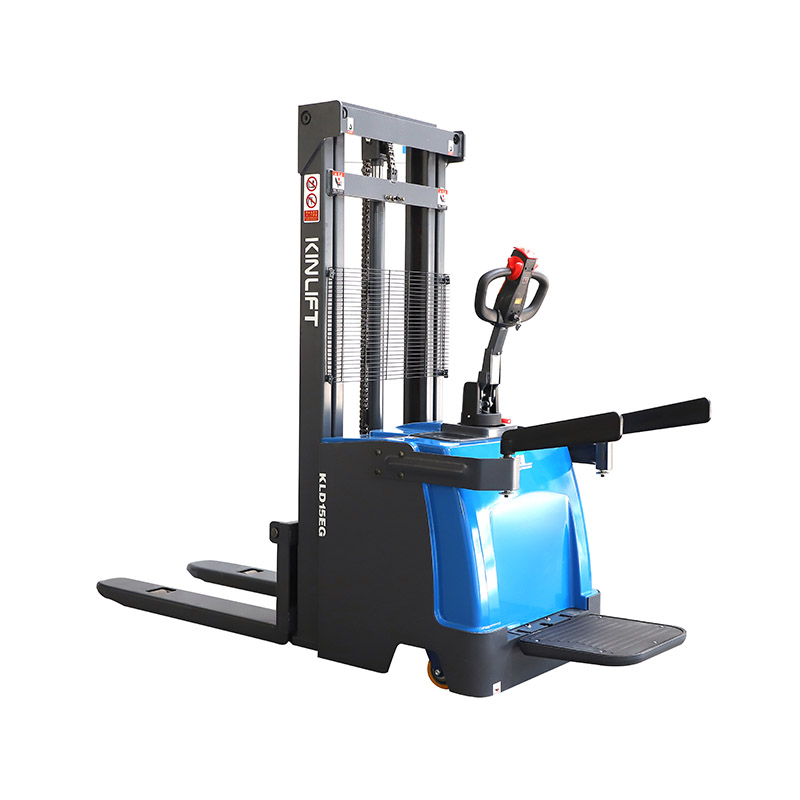
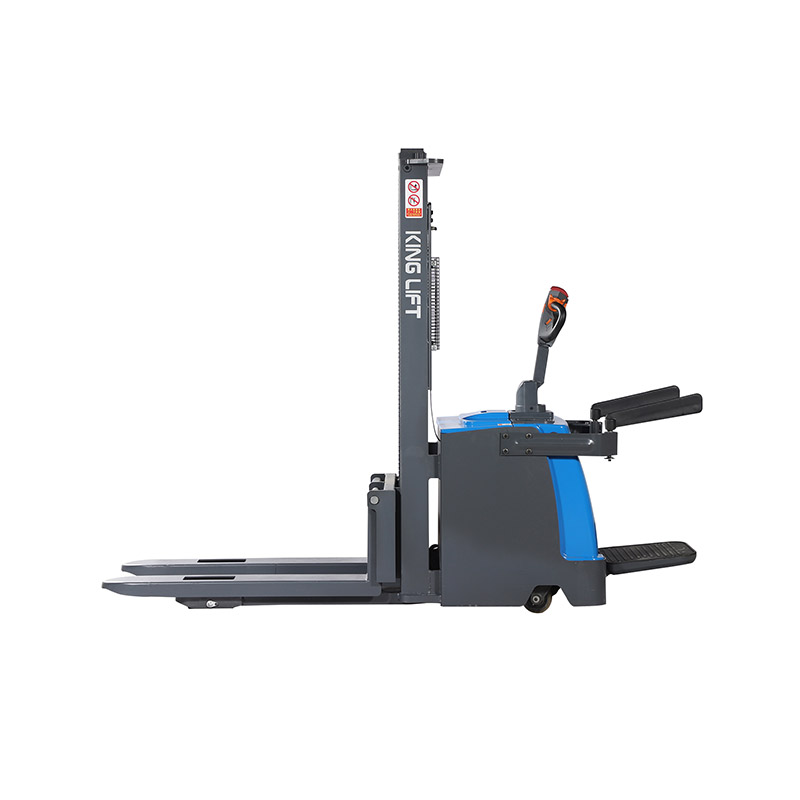
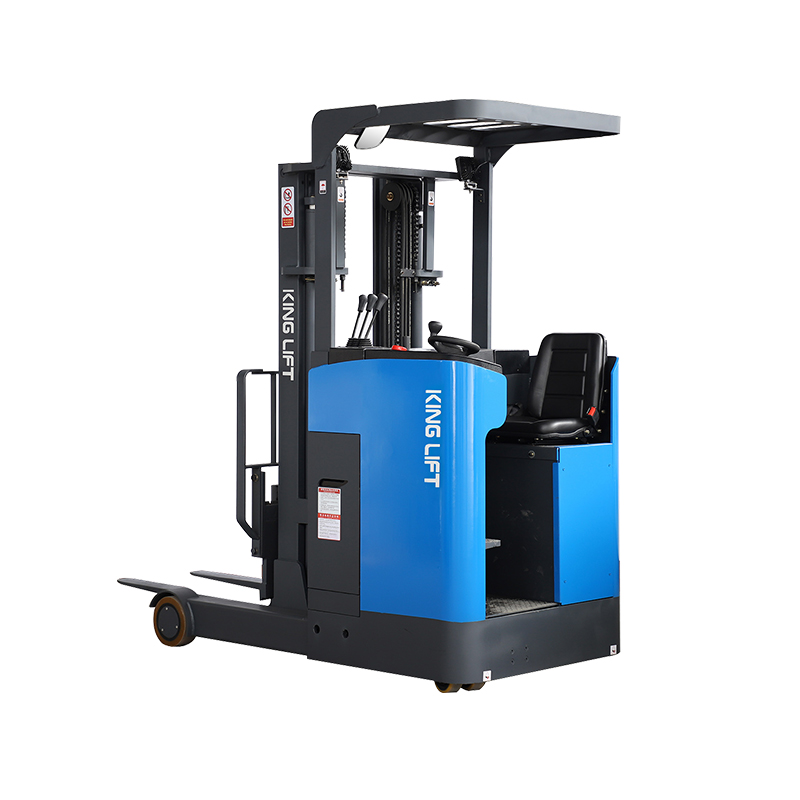
Electric reach forklifts are essential tools in modern logistics operations, providing efficient and precise material handling solutions. As businesses increasingly rely on electric forklifts for logistics operations, ensuring their performance and longevity becomes a priority. Regular maintenance is crucial to prevent downtime, reduce repair costs, and extend the lifespan of these sophisticated machines.
Understanding Electric Reach Forklifts
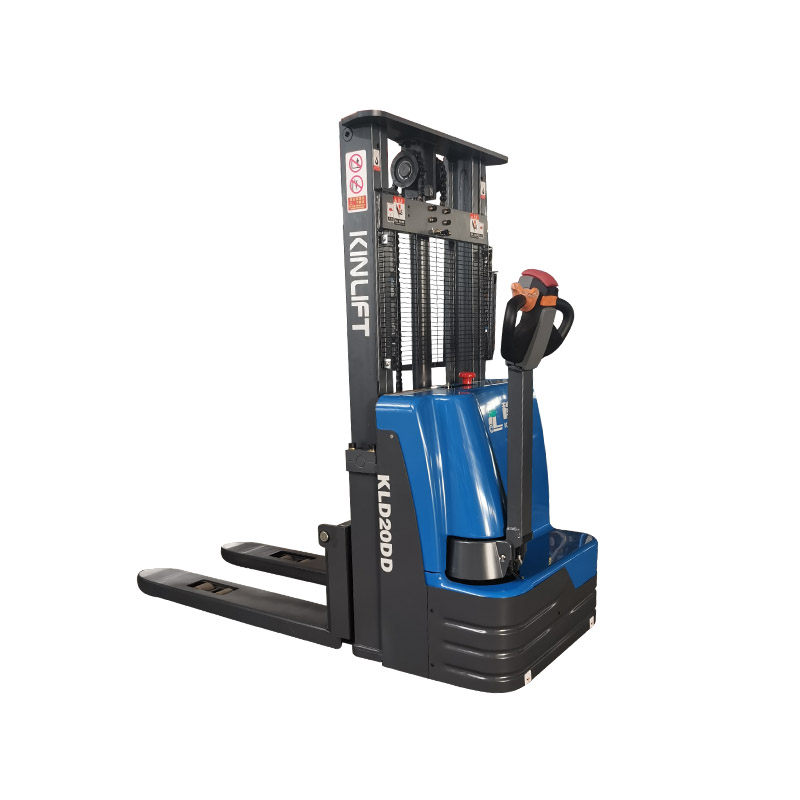
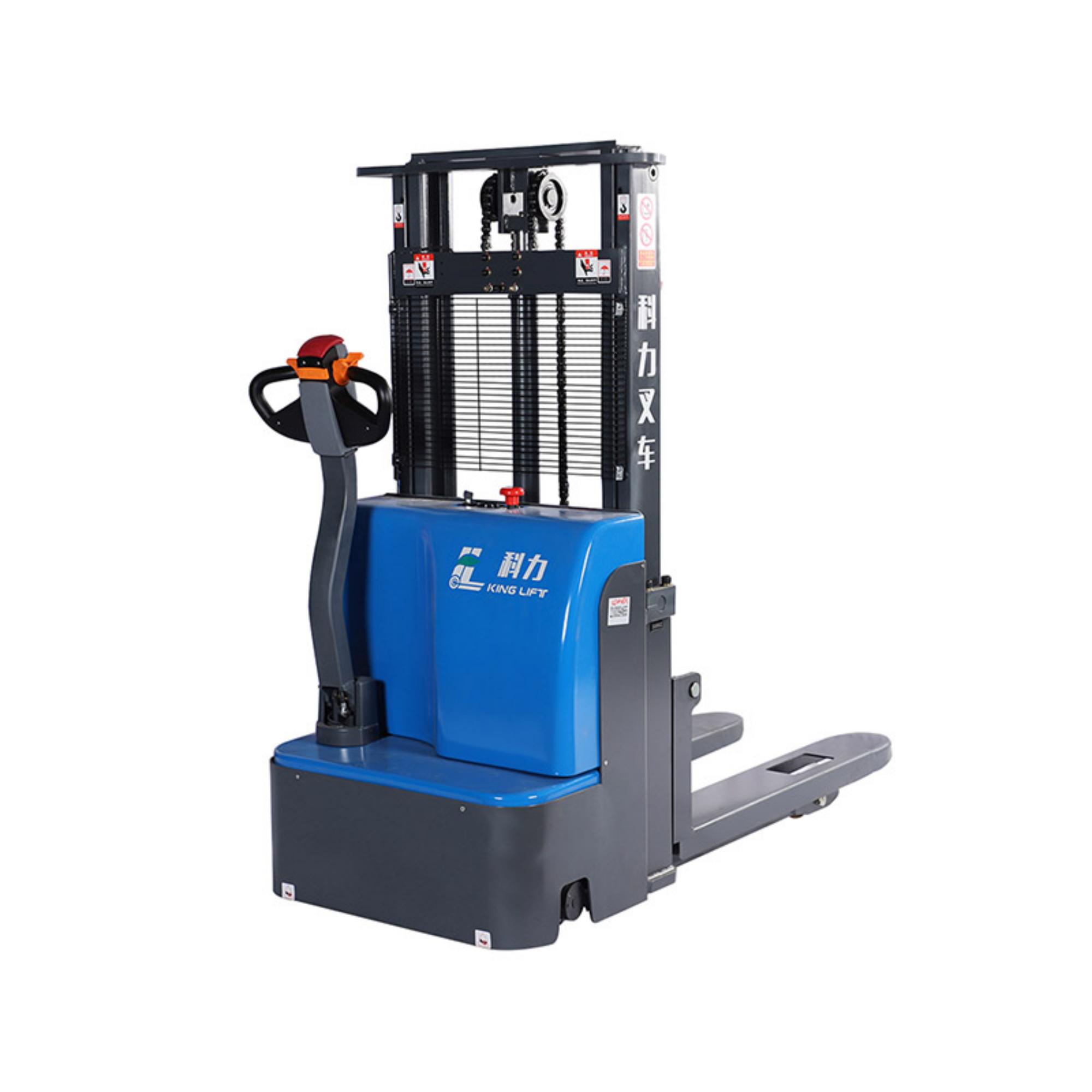
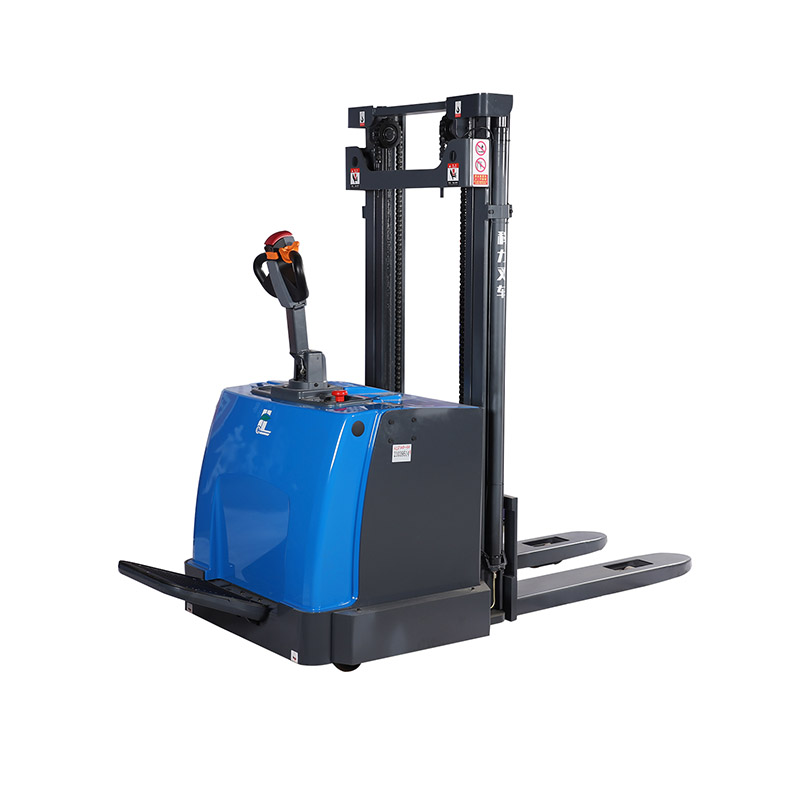
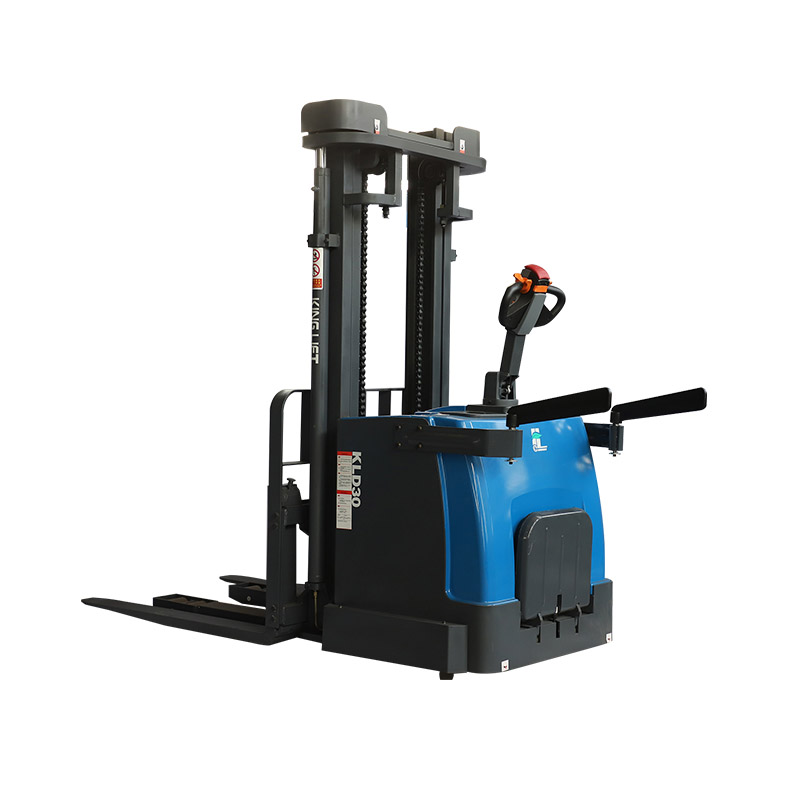
Electric reach forklifts are designed to operate efficiently in narrow aisles, providing operators with greater flexibility and precision in material handling. They are commonly used in warehouses, distribution centers, and storage facilities. These forklifts are powered by rechargeable batteries and feature a range of lifting capacities and heights, making them ideal for high-density storage systems.
Key Features of Electric Reach Forklifts
- Electric Power: Unlike traditional internal combustion engine forklifts, electric reach forklifts are powered by batteries, which produce zero emissions and operate quietly.
- Compact Design: The narrow frame and reduced turning radius make them for tight spaces.
- Reach Capability: Electric reach forklifts are capable of extending their forks and lifting loads to greater heights than conventional forklifts, which is particularly beneficial in high-rack warehouses.
- Energy Efficiency: Electric forklifts consume less energy per operation compared to gas-powered forklifts, making them a more sustainable option.
The Importance of Regular Maintenance
Maintaining an electric reach forklift is vital to its performance, efficiency, and safety. Without proper care, issues such as battery failure, motor overheating, or malfunctioning hydraulic systems can cause expensive downtime and safety hazards. Regular maintenance ensures that potential problems are detected early, reducing the likelihood of major repairs.
Key Maintenance Areas for Electric Reach Forklifts
Battery Maintenance
The battery is the heart of any electric forklift. Maintaining the battery is essential for the forklift’s operational capacity and longevity. Over time, batteries can degrade if not properly maintained, which results in reduced efficiency or unexpected breakdowns.
Maintenance Tips for Batteries:
- Charging: Always charge the battery after use and avoid partial charges. Ensure the battery is charged fully to maximize its lifespan.
- Inspection: Check the battery terminals regularly for corrosion and clean them to ensure a solid connection.
- Fluid Levels: For lead-acid batteries, check the electrolyte levels periodically. Ensure that the water levels are maintained, as low water levels can damage the battery.
- Storage: When not in use, ensure the battery is stored in a cool, dry place to prevent degradation.
- Recharging Frequency: Avoid overcharging or letting the battery run completely out of power, as both extremes can reduce battery life.
Forklift Tires
Electric reach forklifts rely heavily on their tires for traction, stability, and load support. The condition of the tires plays a crucial role in ensuring safe operation.
Maintenance Tips for Tires:
- Inspect Regularly: Check the tires for any visible signs of wear, punctures, or cuts. Replace damaged tires promptly.
- Tire Pressure: Regularly check the tire pressure to ensure it matches the manufacturer’s specifications. Low tire pressure can uneven wear and loss of stability.
- Tire Type: Ensure that the tires are suitable for the surface type of the warehouse or logistics center. For example, non-marking tires may be needed for indoor operations to prevent leaving marks on the floor.
Motor and Electrical Components
The motor and electrical system of an electric reach forklift are crucial for smooth and efficient operation. Regular inspections and care are needed to ensure performance and prevent electrical malfunctions.
Maintenance Tips for Motors and Electrical Systems:
- Visual Inspections: Regularly inspect the motor and electrical wiring for any signs of wear, fraying, or damage.
- Keep Connections Clean: Ensure all electrical connections are clean and tight. Loose connections can inefficiency or motor failure.
- Cooling System: Electric motors can overheat if not properly cooled. Ensure that the motor’s cooling system is functioning properly and clean any vents or filters regularly.
Hydraulic System
The hydraulic system in electric reach forklifts is responsible for lifting and lowering the load. Over time, hydraulic systems can develop leaks or lose fluid, which can poor lifting performance.
Maintenance Tips for Hydraulic Systems:
- Fluid Levels: Regularly check hydraulic fluid levels and top them off as necessary.
- Leaks: Inspect the hydraulic system for any signs of leaks. Leaking fluid can cause the forklift to operate inefficiently and may system failure.
- Hydraulic Hoses: Check for any signs of wear or cracks in the hydraulic hoses, as these can fluid leaks or pressure loss.
Brakes and Steering System
The braking and steering systems are critical for operator safety, and ensuring they are in good working condition is crucial.
Maintenance Tips for Brakes and Steering:
- Brake Pads: Inspect brake pads regularly and replace them when they become worn.
- Brake Fluid: Check brake fluid levels and top them off if necessary. Low fluid levels can result in reduced braking performance.
- Steering Components: Ensure that all steering components are well-lubricated and free from wear.
Forks and Mast
The forks and mast of an electric reach forklift are the components that physically move and lift loads. Regular maintenance is required to ensure these components function smoothly.
Maintenance Tips for Forks and Mast:
- Lubrication: Lubricate the mast rails and moving parts regularly to ensure smooth operation and prevent wear.
- Fork Inspection: Inspect the forks for any cracks or bends. Damaged forks should be replaced immediately to avoid unsafe operations.
- Cleanliness: Keep the mast clean of any debris or buildup that could impede its operation.
Preventative Maintenance Schedule
To maintain the longevity and functionality of your electric reach forklift, it’s essential to establish a preventative maintenance schedule. This schedule should include daily, weekly, monthly, and annual tasks, with specific attention to key components like the battery, tires, motor, hydraulic system, and brakes.
| Maintenance Task | Frequency | Details |
|---|---|---|
| Check Battery Charge | Daily | Ensure the battery is fully charged after each use. |
| Inspect Tires | Weekly | Check for wear and proper inflation. |
| Visual Inspection of Motor | Weekly | Look for wear on wires and components. |
| Inspect Hydraulic Fluid Levels | Weekly | Check fluid levels and refill as needed. |
| Brake Pad Check | Monthly | Inspect brake pads for wear and replace if needed. |
| Lubricate Mast Components | Monthly | Apply lubricant to moving parts and rails. |
| Inspect Forks and Mast | Annually | Check for cracks or bending, ensure safety compliance. |
Common Issues and Troubleshooting Tips
- Battery Not Charging Properly: If the battery isn’t charging fully, check the charger and connections. A malfunctioning charger or loose connections can incomplete charging.
- Forklift Not Lifting: If the forklift is struggling to lift, inspect the hydraulic system for leaks or low fluid levels.
- Uneven Tire Wear: Uneven tire wear can indicate improper tire pressure or the need for alignment.
FAQ
Q1: How often should the battery be replaced?
- The battery should be replaced every 4-6 years, depending on usage and maintenance. Regular charging and proper storage can extend its lifespan.
Q2: Can electric reach forklifts be used outdoors?
- While electric reach forklifts are primarily designed for indoor use, they can be used outdoors in dry, non-extreme weather conditions. However, they are not suitable for heavy-duty outdoor use in harsh environments.
Q3: What is the average lifespan of an electric reach forklift?
- With proper maintenance, electric reach forklifts can last up to 10 years or more. Regular servicing will help extend their operational life.
Q4: How do I know if the hydraulic system needs maintenance?
- If you notice sluggish or uneven lifting, or if the forklift is leaking hydraulic fluid, it may be time to service the hydraulic system.
Q5: Are electric forklifts for logistics operations more cost-effective than internal combustion forklifts?
- Yes, electric forklifts are generally more cost-effective in the long run, as they require less maintenance, have lower energy costs, and produce fewer emissions.
Conclusion
Proper maintenance of electric reach forklifts is vital for ensuring their efficiency and longevity. By regularly inspecting key components like the battery, tires, motor, hydraulic system, and forks, businesses can minimize downtime, prevent costly repairs, and optimize the performance of their electric forklifts for logistics operations. Establishing a comprehensive preventative maintenance schedule will help ensure smooth, safe, and reliable operation in the long term.