

 English
 русский

Home / News / Industry News / Electric Reach Forklifts vs. Pallet Stackers: Which Is Better for High-Rack Storage?
In the modern warehouse environment, storage capacity while maintaining efficient material handling is essential. As businesses expand and the need for high-rack storage increases, choosing the right type of equipment becomes critical. Two popular options for warehouses with high racking systems are electric reach forklifts and pallet stackers. Each machine serves distinct purposes, but both are effective in different warehouse setups.
Introduction to High-Rack Storage
High-rack storage systems, also known as narrow-aisle shelving, are designed to maximize vertical space in warehouses. These systems require specialized equipment capable of navigating tight aisles and lifting loads to significant heights. Electric forklifts for warehouse use and pallet stackers are common solutions for these environments, but understanding their respective advantages and limitations is key to making an informed decision.
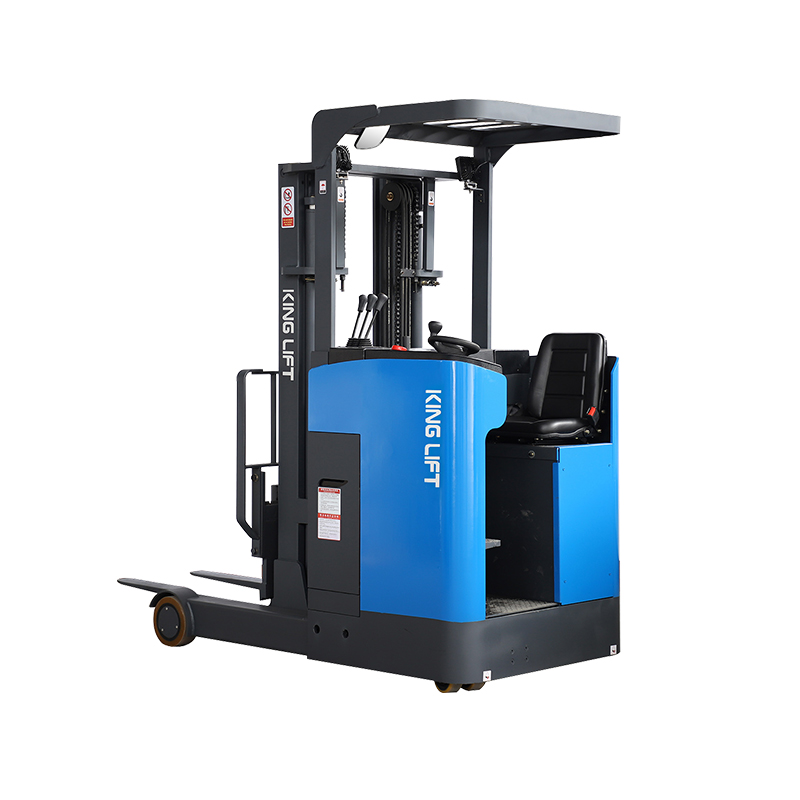
What Are Electric Reach Forklifts?
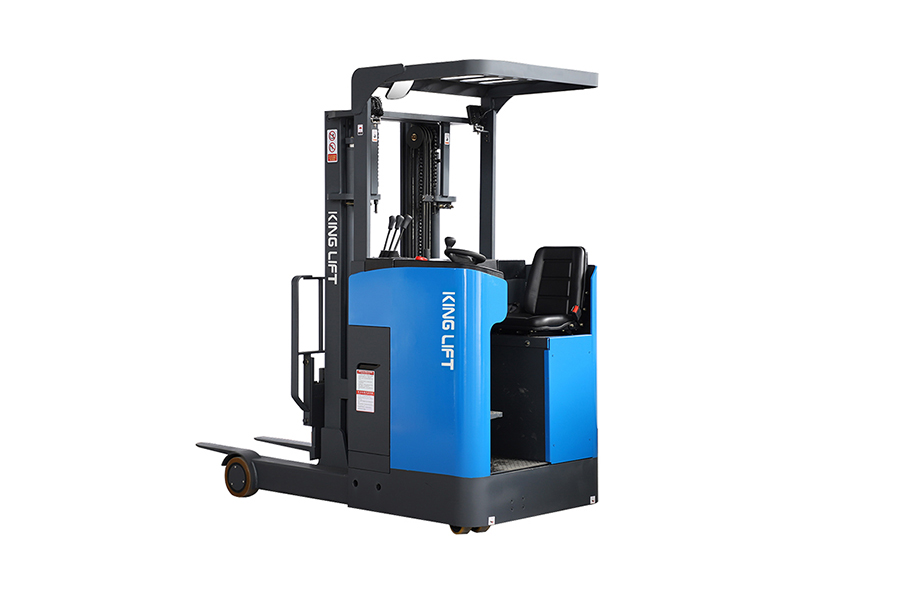
Electric reach forklifts are a type of forklift truck designed specifically for narrow aisle operations. These machines feature a retractable mast, allowing the operator to reach higher storage levels while keeping the base of the forklift stationary. Reach forklifts are ideal for environments where space efficiency and vertical stacking are priorities.
Features of Electric Reach Forklifts:
- Extended Reach: Reach forklifts have a mast that can extend forward, allowing them to pick up pallets from higher shelves without requiring the forklift to move forward or backward.
- Narrow Aisle Compatibility: These forklifts are built to work in narrow aisles, making them a great choice for warehouses with high-density storage systems.
- Electric Power: Powered by electric batteries, these forklifts are ideal for indoor use and do not produce emissions, making them suitable for environments like food storage or clean rooms.
- Enhanced Maneuverability: The design allows operators to navigate tight spaces with ease, making these forklifts particularly useful in environments where floor space is at a premium.
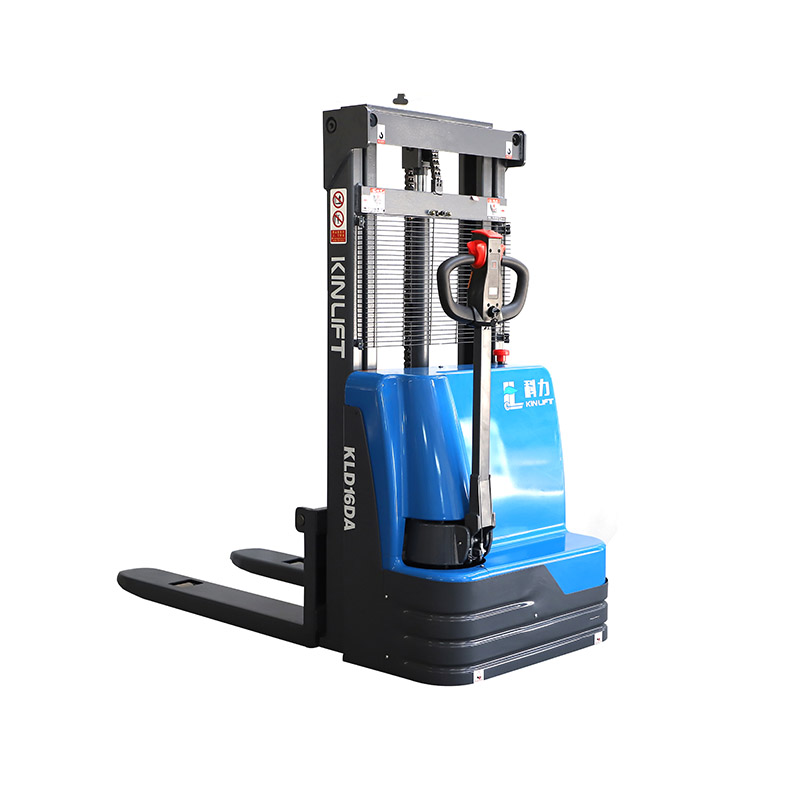
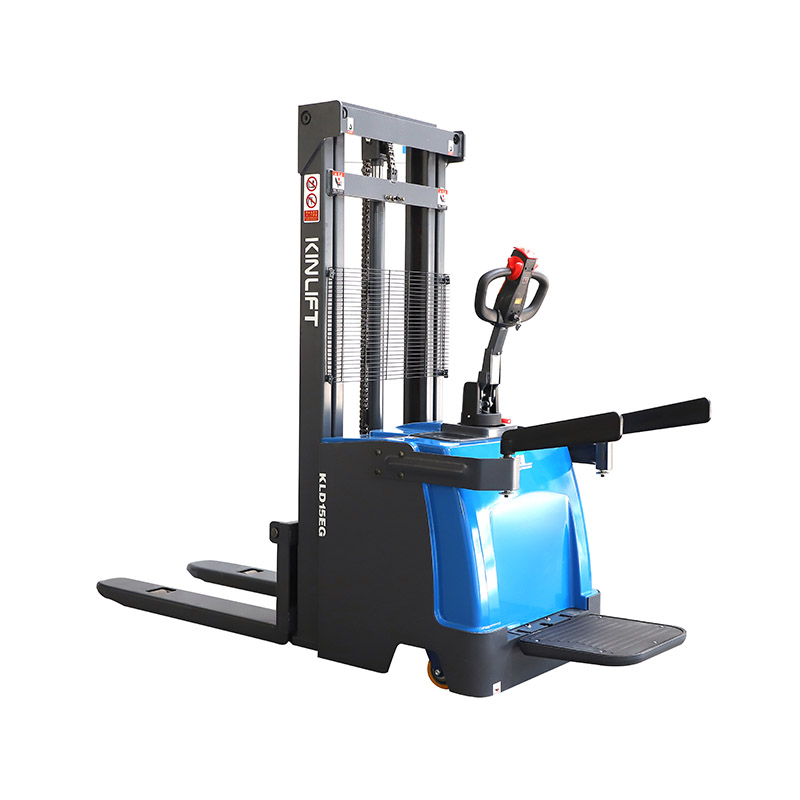
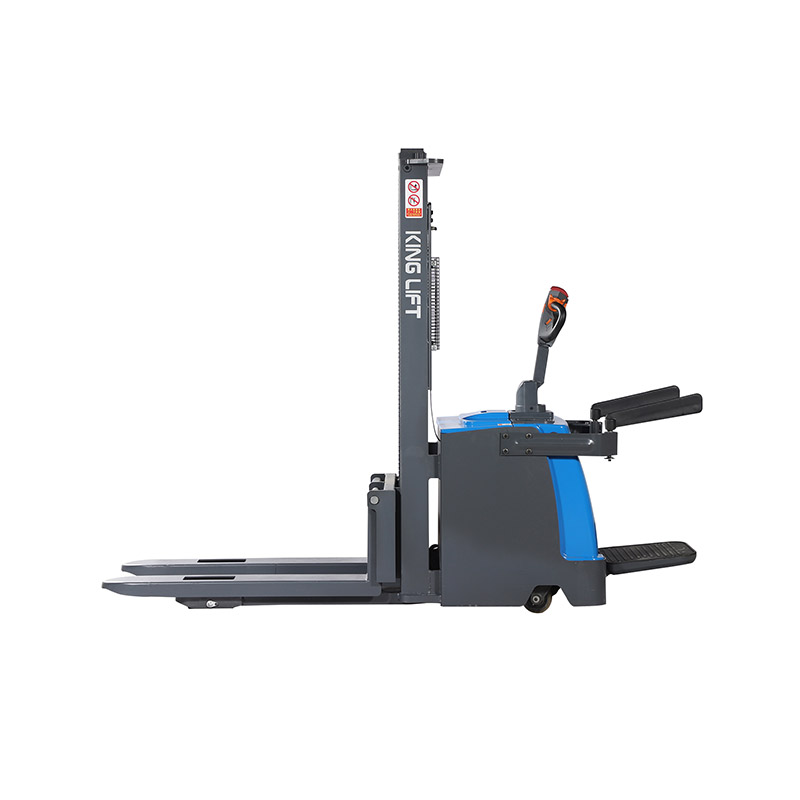
What Are Pallet Stackers?
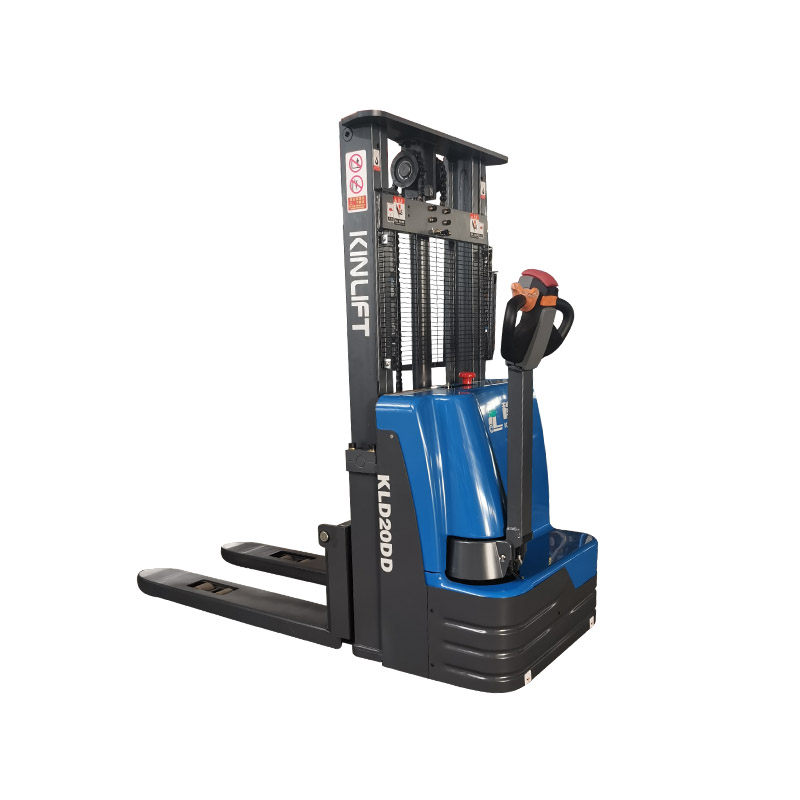
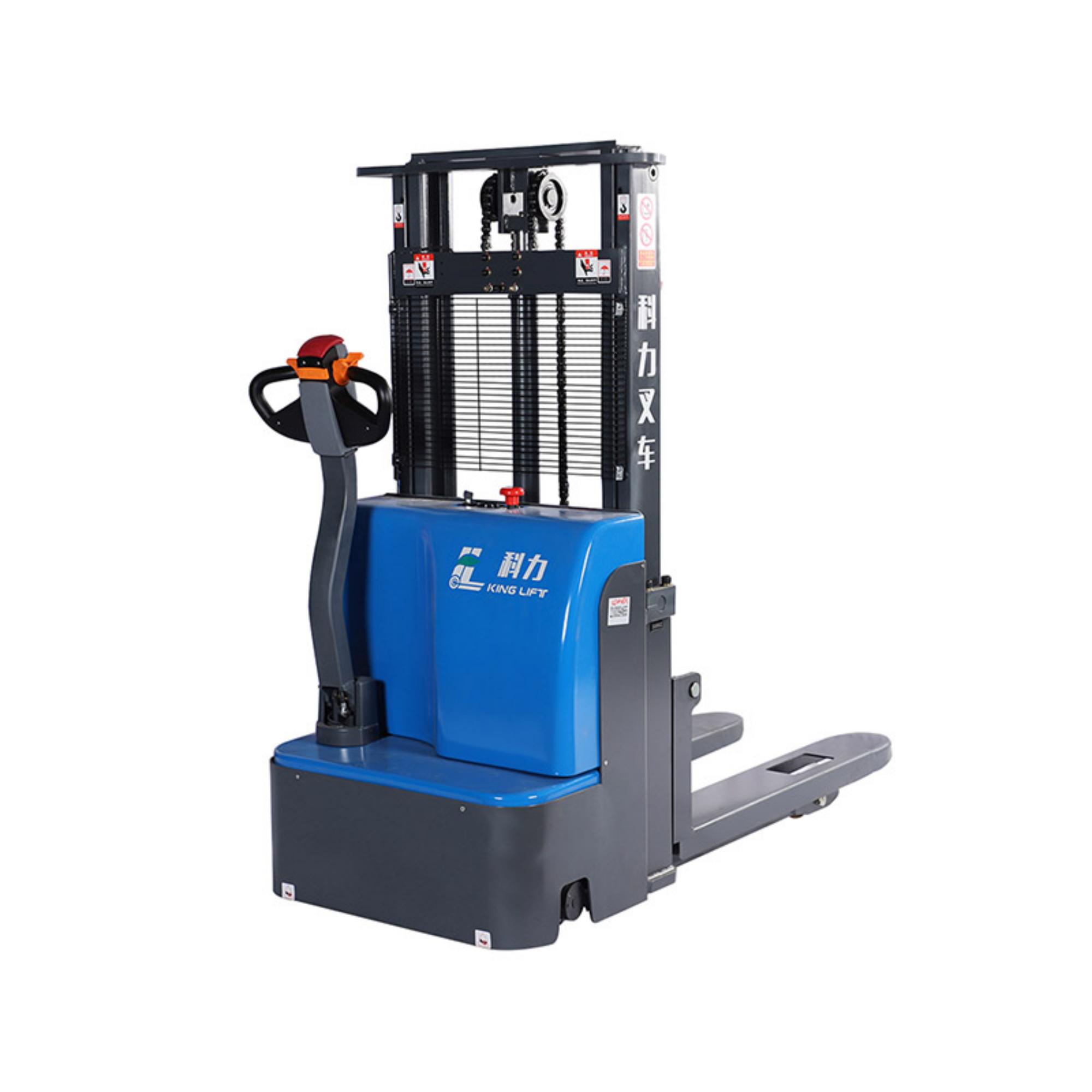
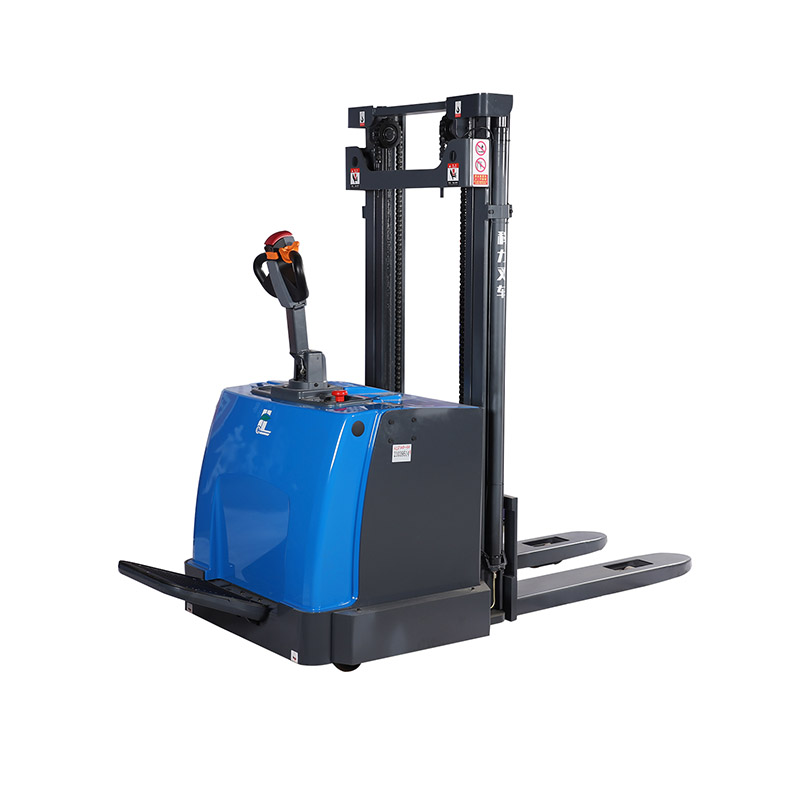
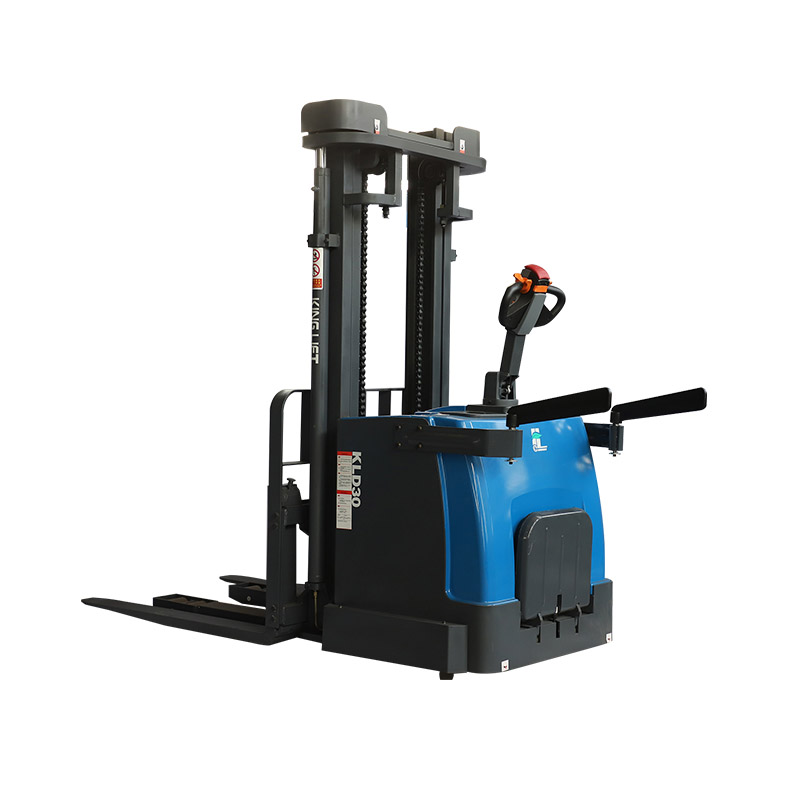
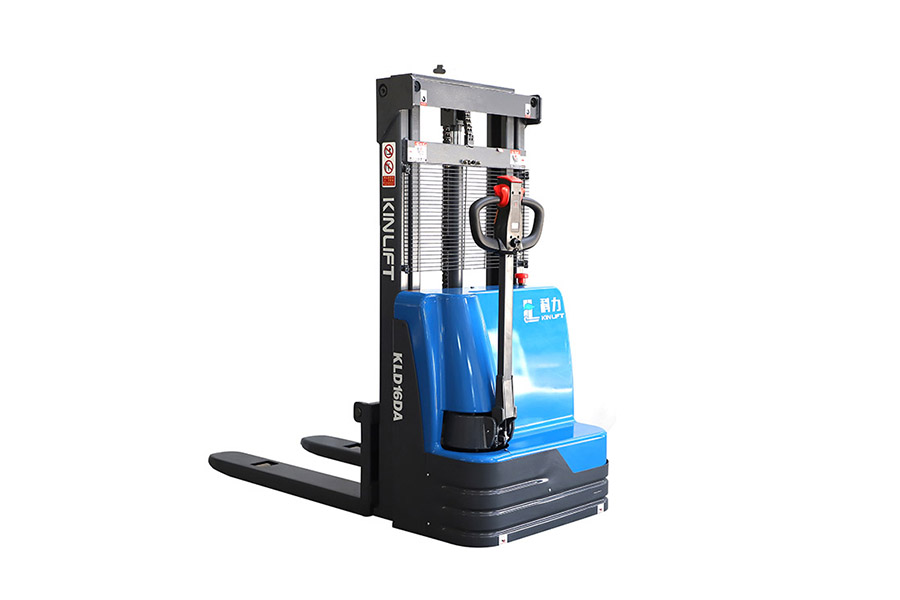
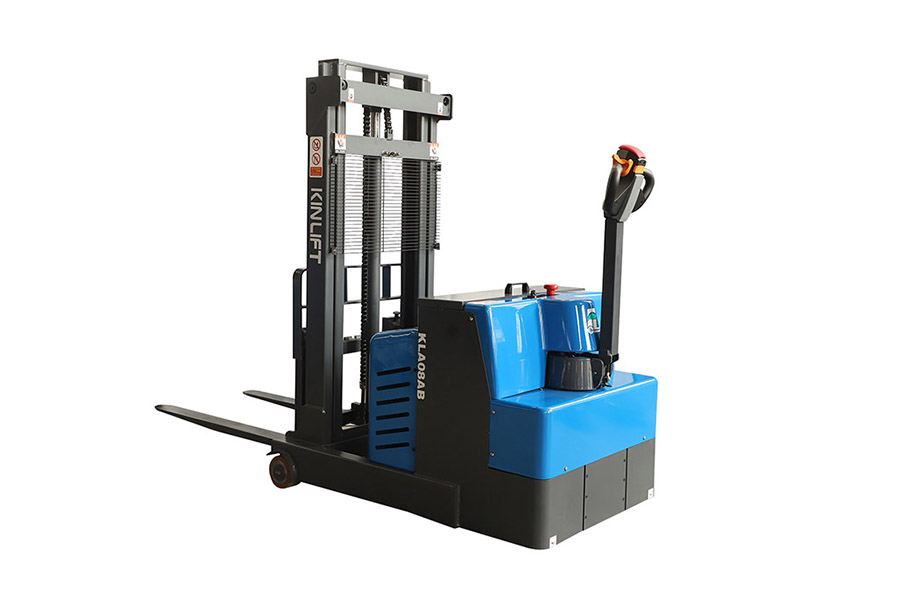
Pallet stackers, on the other hand, are more compact and are often used for lighter lifting and stacking tasks. While similar in appearance to electric forklifts, pallet stackers are typically smaller and have a limited lifting height compared to reach forklifts.
Features of Pallet Stackers:
- Compact Size: Pallet stackers are generally smaller than reach forklifts, allowing them to operate in even narrower aisles and tight spaces.
- Light Lifting Capacity: Designed for lighter lifting, pallet stackers are typically used in medium to low-height racking systems.
- Simplified Operation: These machines are easy to operate, making them suitable for handling smaller loads, often in environments with less intensive material handling requirements.
- Electric Power: Like reach forklifts, pallet stackers are powered by electricity, offering the same environmental and efficiency benefits.
Key Differences Between Electric Reach Forklifts and Pallet Stackers
| Feature | Electric Reach Forklifts | Pallet Stackers |
|---|---|---|
| Maximum Lift Height | Up to 10 meters or more | Typically up to 5 meters |
| Load Capacity | Up to 2,500 kg | Typically up to 1,500 kg |
| Maneuverability | Excellent in narrow aisles | Great in ultra-narrow aisles |
| Operating Speed | Faster for long distances | Slower, designed for lighter tasks |
| Footprint | Larger, requires more space | Smaller, more compact |
| Best Used For | High-rack storage, long-distance lifting | Light to medium-duty tasks in smaller spaces |
| Cost | Higher initial investment | More affordable |
Which is Better for High-Rack Storage?
When considering high-rack storage, the primary factors to evaluate are the lift height, load capacity, aisle width, and maneuverability of the equipment.
Electric Reach Forklifts are suited for environments that require reaching significant heights and handling heavier loads. Their ability to extend the mast and reach high shelving makes them ideal for high-rack storage. They also perform well in narrow aisles, which is a common feature of high-density storage systems. However, their larger size means that they require more space for maneuvering, and their cost is generally higher than pallet stackers.
On the other hand, pallet stackers are better suited for environments with lower racking heights or smaller loads. They are ideal for light to medium-duty tasks, offering a compact and more cost-effective solution for warehouses where the load does not need to be lifted to heights. Although pallet stackers are smaller and more maneuverable in ultra-narrow aisles, they lack the reach and capacity necessary for high-rack storage environments.
Benefits of Electric Reach Forklifts for High-Rack Storage:
Higher Lifting Capabilities: These machines can handle higher racking systems, making them essential in multi-story warehouse environments.
Heavy Load Handling: Electric reach forklifts can lift heavier loads, making them suitable for environments that require the handling of bulkier products.
Reduced Floor Space Requirement: The ability to extend the mast means that forklifts can retrieve items from high shelves without needing extra space to move the entire vehicle forward.
Benefits of Pallet Stackers for High-Rack Storage:
Compact Size: Pallet stackers work well in even narrower aisles, making them a great option for warehouses with minimal floor space.
Lower Initial Cost: Pallet stackers are typically more affordable, making them a cost-effective option for businesses that don’t require heavy lifting or high reach.
Easier to Operate: These machines are simpler to operate and require less specialized training compared to reach forklifts.
Conclusion
Both electric reach forklifts and pallet stackers have their place in high-rack storage environments, but their suitability depends largely on the specific needs of the warehouse. For businesses focused on vertical storage and handling heavy loads, electric reach forklifts are the better choice. However, for those operating in tight spaces with lighter loads, pallet stackers offer a more maneuverable and cost-effective solution.
In the end, the decision between an electric reach forklift and a pallet stacker will come down to factors such as the height of the racking system, the weight of the loads, the available aisle width, and budget constraints. Both machines serve important roles in modern warehousing, and understanding the specific requirements of your operation will help ensure the equipment choice.
FAQ
1. What is the height that electric reach forklifts can reach?
- Electric reach forklifts can lift loads up to 10 meters or more, depending on the model.
2. Can pallet stackers be used in narrow aisles?
- Yes, pallet stackers are particularly well-suited for ultra-narrow aisles and are ideal for compact warehouse spaces.
3. Which equipment is more cost-effective for high-rack storage?
- Pallet stackers are generally more affordable than electric reach forklifts, making them a cost-effective option for smaller operations.
4. Are electric reach forklifts suitable for outdoor use?
- No, electric reach forklifts are typically designed for indoor use. For outdoor environments, other types of forklifts, such as electric counterbalance forklifts, are better suited.
5. How do I choose between an electric reach forklift and a pallet stacker?
- The choice depends on the height of your racking system, the weight of your loads, the aisle width, and your budget. Electric reach forklifts are ideal for higher racking and heavy loads, while pallet stackers are better for narrower aisles and lighter loads.