

 English
 русский

Introduction
In today’s logistics landscape, efficiency and sustainability define warehouse operations. Among the wide range of material handling equipment, warehouse electric lift trucks stand out for their energy efficiency, compact design, and improved control systems. Selecting the right type of electric lift truck can significantly impact productivity, operator safety, and long-term operational costs. However, the decision requires a clear understanding of specific warehouse conditions, lifting needs, and power technology.
The Role of Battery Technology in Warehouse Electric Lift Trucks
Battery systems are the core of electric lift truck performance. They determine not only how long the machine can operate but also its maintenance frequency, environmental footprint, and energy cost. A well-matched battery system ensures stable lifting performance and uninterrupted warehouse workflows.
Modern electric lift trucks primarily use two battery types: lead-acid batteries and lithium-ion batteries. Each has distinct advantages in energy density, charging time, and durability.
| Battery Type | Key Features | Charging Time | Lifespan | Maintenance Need | Best Use Case |
|---|---|---|---|---|---|
| Lead-Acid Battery | Cost-effective, well-established technology | 6–8 hours | 1000–1500 cycles | Regular water filling & inspection | Medium-duty warehouse operations |
| Lithium-Ion Battery | Fast charging, high energy density | 1–2 hours | 2000–4000 cycles | Low maintenance | High-frequency warehouse or cold storage environments |
Understanding these differences is essential before purchasing warehouse electric lift trucks. Warehouses with continuous shifts benefit more from lithium-ion systems due to fast charging and opportunity charging capabilities, whereas smaller facilities may find lead-acid batteries sufficient for intermittent operations.
Evaluating Warehouse Conditions
Choosing the right electric lift truck depends heavily on warehouse conditions — layout, aisle width, racking height, and load type all influence the truck configuration.
Aisle Width: Narrow-aisle or very-narrow-aisle warehouses require compact electric lift trucks with a smaller turning radius.
Load Characteristics: Heavier pallets or oversized loads demand higher lifting capacity and stable counterbalance design.
Floor Type: Smooth indoor flooring is suitable for electric forklifts, but uneven or damp surfaces may require higher traction tires.
Operation Time: The longer the operation hours, the more critical the battery capacity and energy recovery system become.
| Warehouse Feature | Recommended Electric Lift Truck Type | Key Performance Focus |
|---|---|---|
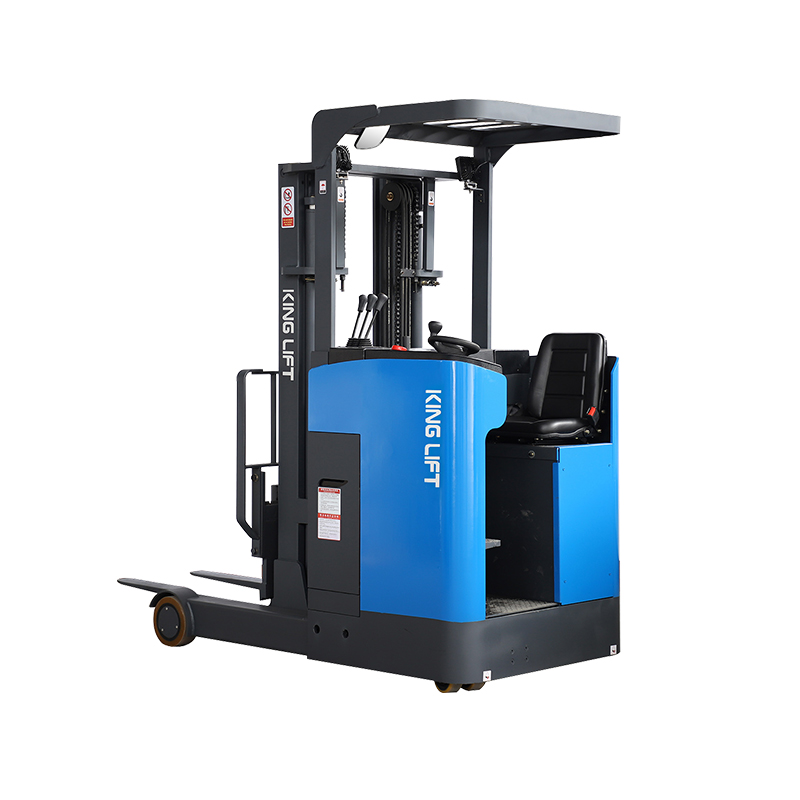
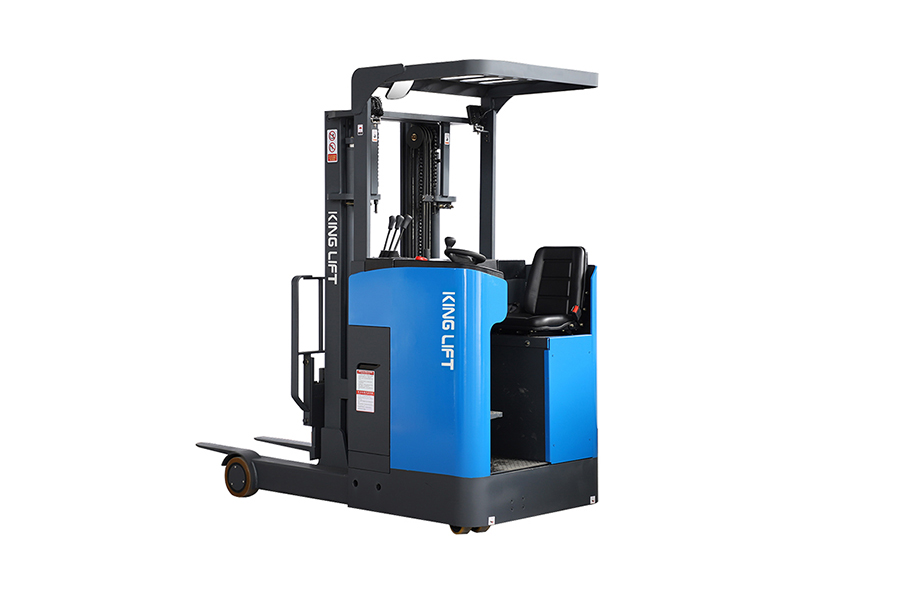
| Narrow aisles | Compact electric reach truck | Maneuverability and visibility |
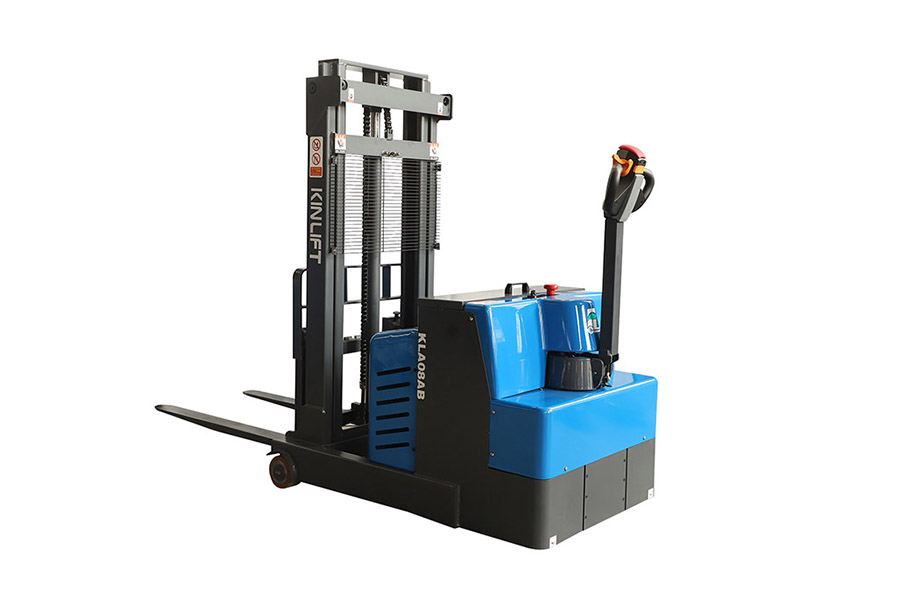
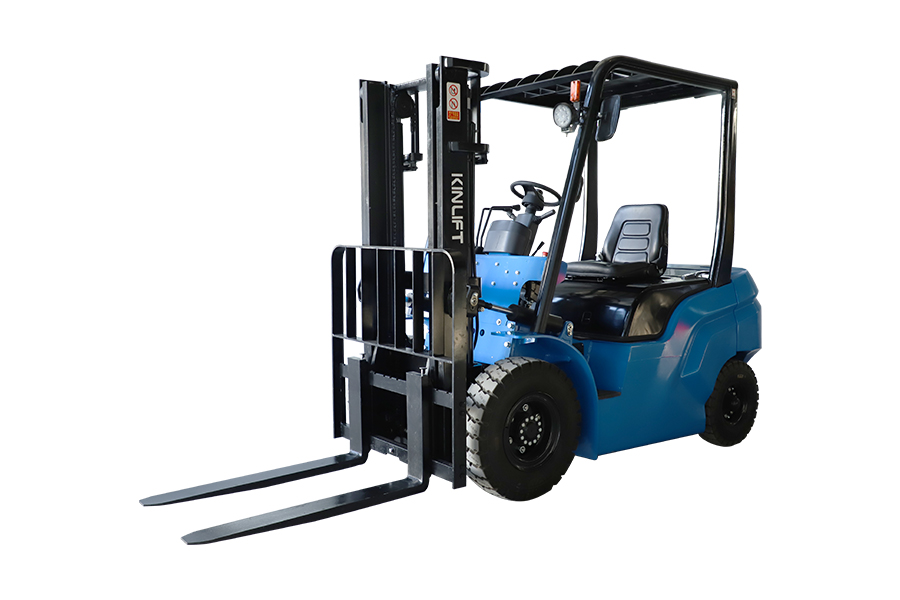
| High rack storage | Electric counterbalance lift truck | Load stability and lifting height |
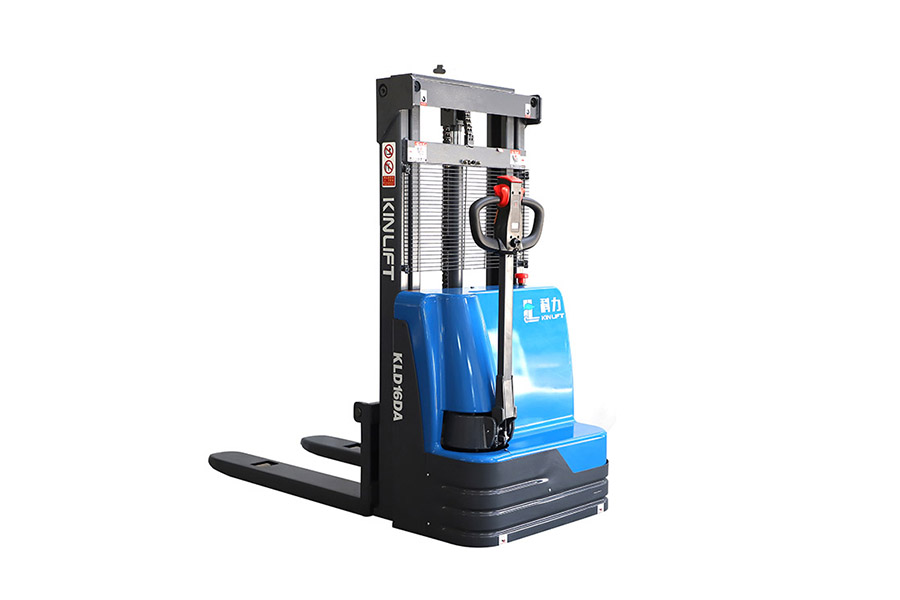
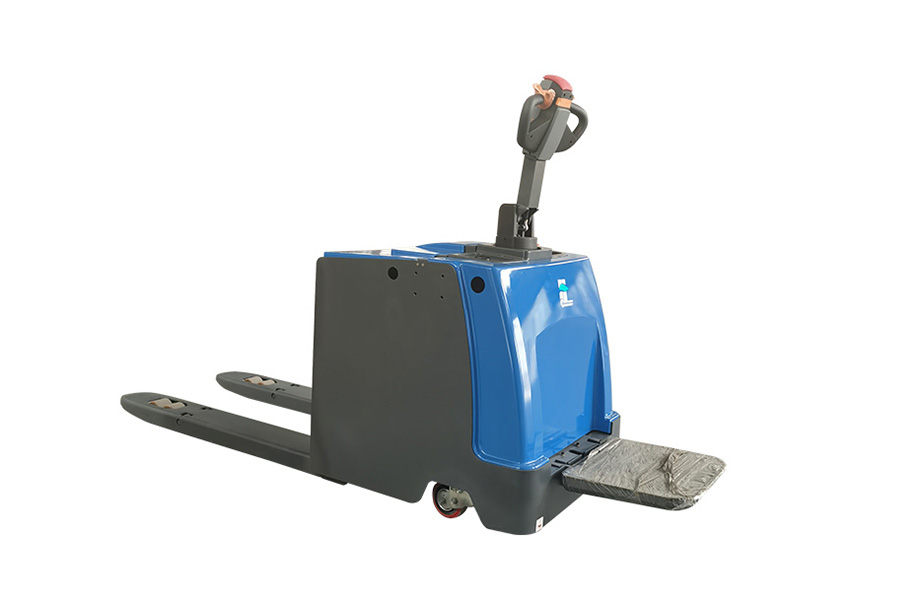
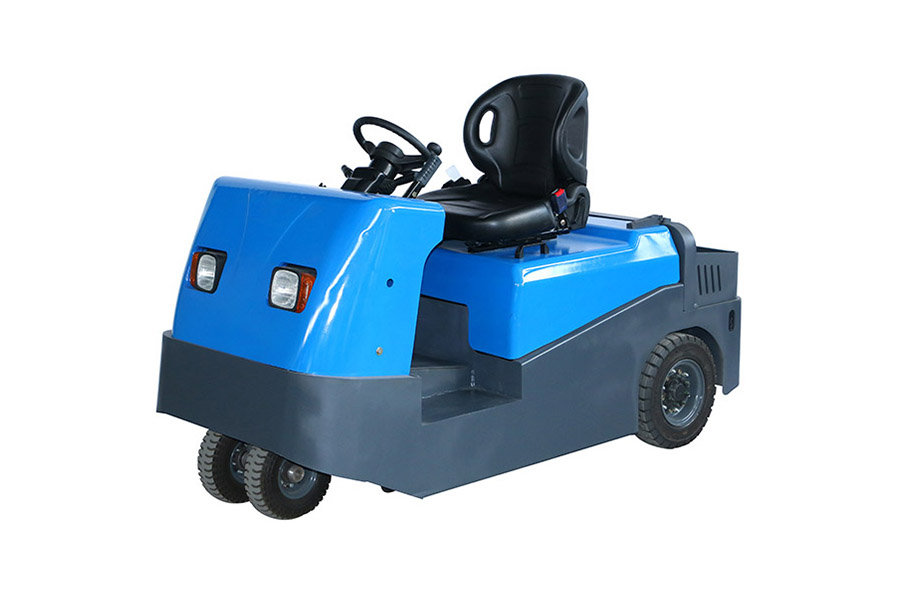
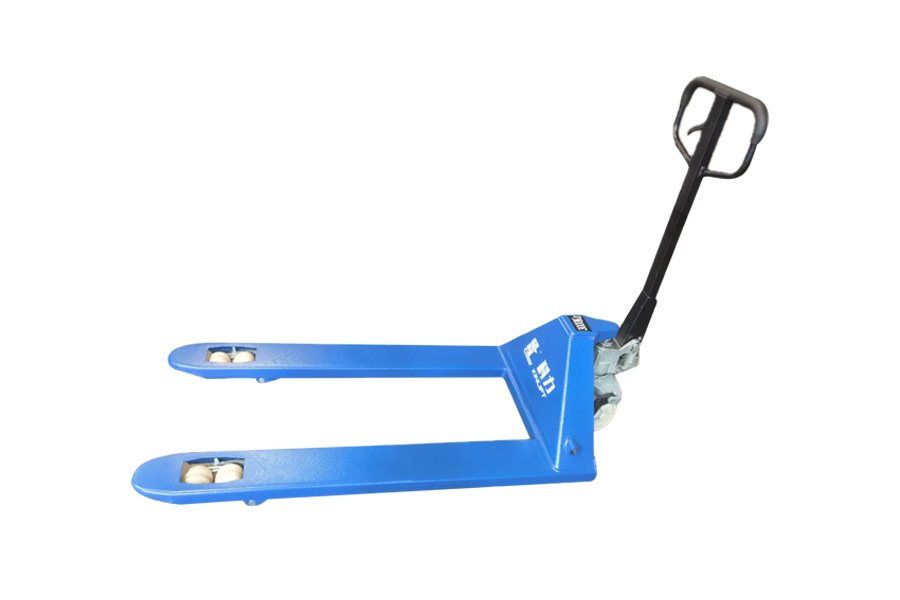
| Frequent pallet movement | Electric pallet truck | Energy efficiency and speed |
| Cold storage area | Lithium-powered lift truck | Temperature resistance and fast charging |
By aligning the truck’s structural design and energy source with the warehouse environment, managers can achieve both high productivity and reduced operational downtime.
Energy Efficiency and Sustainability
One of the main advantages of electric forklifts for warehouse use is energy efficiency. Unlike internal combustion models, they produce zero emissions and significantly reduce noise levels, creating a cleaner and safer working environment.
Energy-saving warehouse lift truck solutions often include regenerative braking, intelligent battery management systems, and optimized motor efficiency. These technologies recycle energy during braking or lowering operations, extending runtime while lowering total energy consumption.
Furthermore, switching to electric lift trucks supports warehouse sustainability goals. Facilities using renewable energy sources for charging can achieve near-zero operational emissions, aligning with global green logistics initiatives.
Maintenance and Cost Considerations
Maintenance requirements are a decisive factor when selecting electric lift trucks for warehouse use. The simplicity of electric powertrains reduces the need for frequent servicing compared to fuel-powered alternatives. However, battery maintenance and charger compatibility remain critical.
Regular maintenance checks should include:
Battery inspection for electrolyte levels (for lead-acid types)
Cleaning connectors to prevent corrosion
Monitoring voltage balance in battery cells
Ensuring proper ventilation during charging
| Cost Factor | Electric Lift Truck Impact | Optimization Tip |
|---|---|---|
| Initial Investment | Slightly higher than diesel forklifts | Choose models with longer battery lifespan |
| Operating Cost | Significantly lower due to energy efficiency | Implement energy-saving charging schedules |
| Maintenance Cost | Minimal with lithium systems | Schedule preventive maintenance quarterly |
| Downtime | Reduced through fast charging | Use opportunity charging during shift breaks |
The total cost of ownership is ultimately lower when energy savings and reduced maintenance are considered. For facilities running multiple shifts, high-efficiency lithium systems offer the balance between performance and lifetime cost.
Ergonomics and Operator Safety
While battery systems and energy efficiency often dominate the discussion, operator comfort plays an equally important role in warehouse productivity. Electric lift trucks feature smoother acceleration, reduced vibration, and precise electronic control, making them ideal for extended shifts.
Ergonomic design elements include adjustable seating, intuitive control panels, and panoramic visibility. These factors directly influence operator fatigue levels and handling accuracy, especially in narrow or high-rack environments.
Safety technologies — such as speed control, automatic braking on inclines, and overload sensors — further enhance warehouse operations. Choosing trucks with advanced control systems can prevent common workplace accidents and improve workflow efficiency.
Matching Lift Capacity to Warehouse Demands
Selecting the right load capacity is essential for both safety and operational continuity. Over-specifying capacity increases cost and reduces maneuverability, while under-specifying can instability and premature wear.
| Load Range | Recommended Lift Truck Class | Application |
|---|---|---|
| Up to 1.5 tons | Electric pallet truck | Light warehouse transport |
| 1.5–3 tons | Electric counterbalance truck | General warehouse operations |
| 3–5 tons | Heavy-duty electric lift truck | Industrial and manufacturing warehouses |
A precise assessment of daily pallet weight, stacking height, and frequency of lifting operations ensures that the chosen lift truck aligns perfectly with warehouse workflow patterns.
Integration with Warehouse Automation Systems
As warehouses evolve toward automation, modern electric lift trucks can integrate with digital management systems. Features such as telematics monitoring, route optimization, and battery analytics help supervisors track performance and plan preventive maintenance.
Smart control systems in warehouse lift trucks improve coordination with automated storage and retrieval systems, ensuring smooth material flow and minimizing idle time. This integration represents the next step in sustainable warehouse logistics, combining electric efficiency with intelligent control.
Environmental and Regulatory Compliance
Many regions now encourage the adoption of eco-friendly warehouse vehicles. Electric lift trucks contribute to compliance with environmental regulations by reducing carbon output, noise levels, and hazardous waste.
Choosing battery-powered lift trucks not only improves air quality within warehouses but also supports corporate sustainability objectives. When combined with renewable power charging stations, they form part of a fully green logistics ecosystem.
Conclusion
Selecting the right electric lift truck for your warehouse requires balancing battery technology, warehouse layout, operational hours, and sustainability goals. Among all features, the battery system remains the influential factor — dictating uptime, cost efficiency, and long-term reliability.
Warehouse electric lift trucks with advanced lithium-ion batteries, ergonomic designs, and smart control systems are transforming material handling practices. By understanding warehouse conditions and operational priorities, businesses can make data-driven choices that enhance performance while minimizing environmental impact.