

 English
 русский

Home / News / Industry News / How Do Warehousing Electric Forklifts Transform Material Handling Efficiency?
Introduction
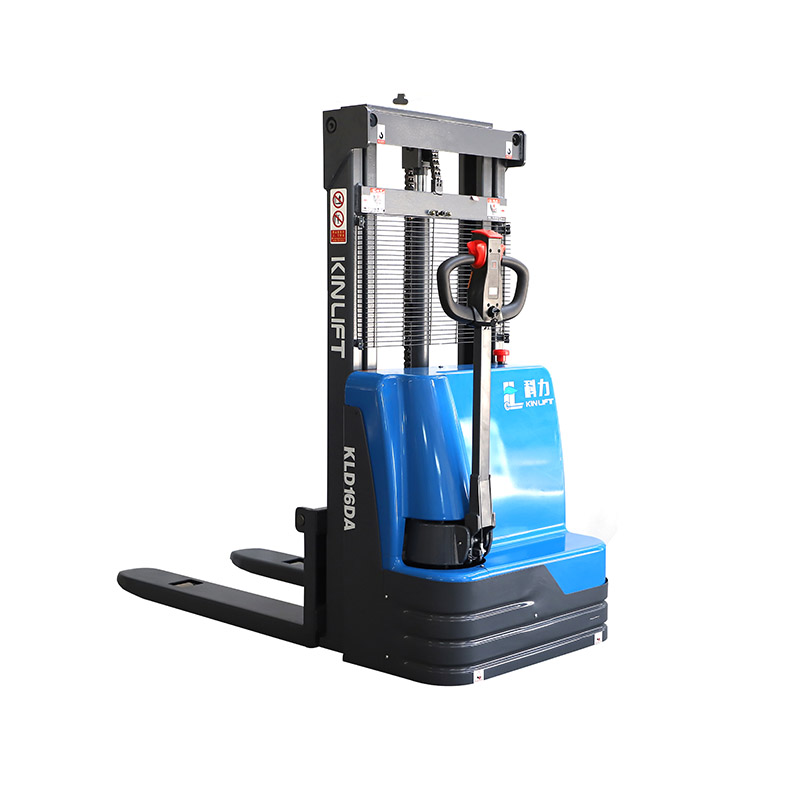
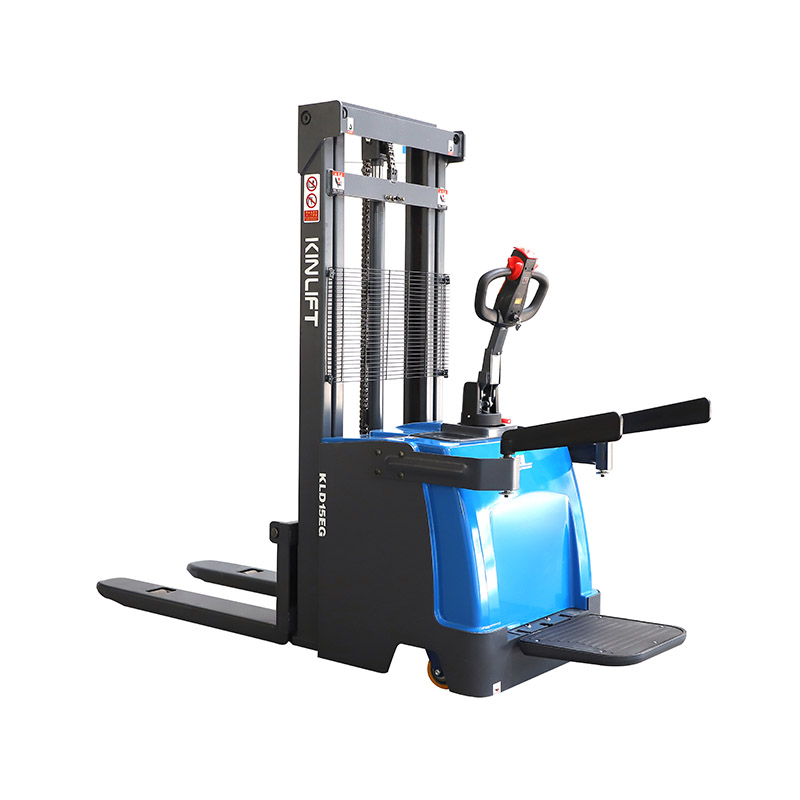
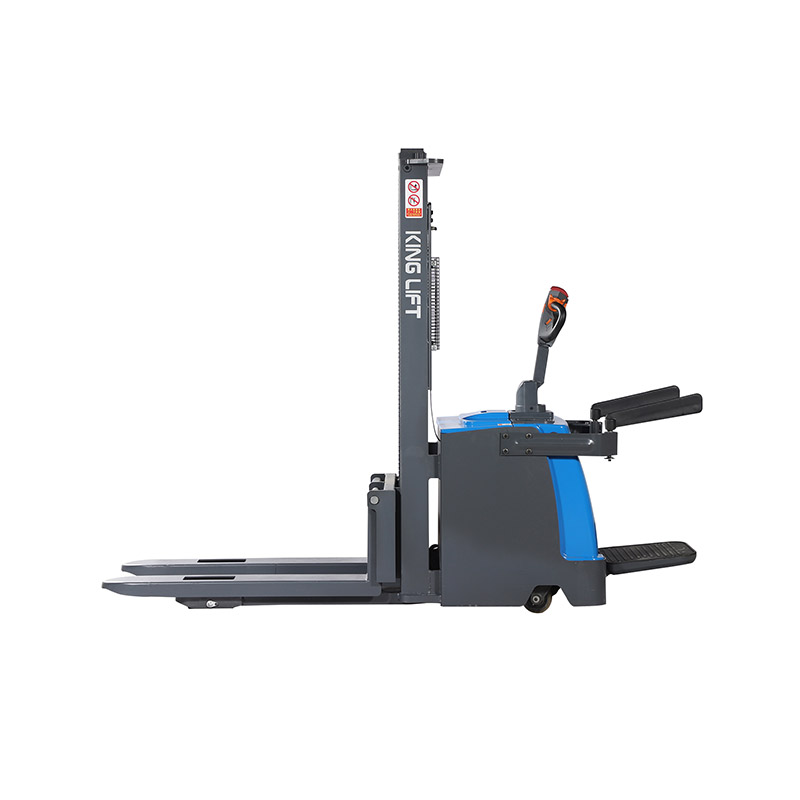
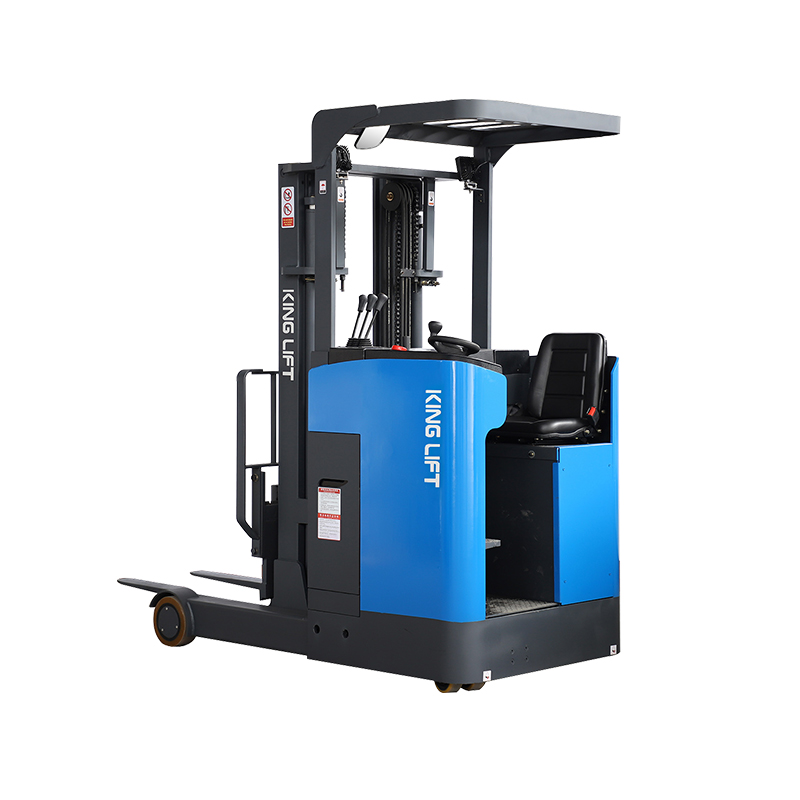
Modern warehouses demand speed, precision, and sustainability in every stage of material handling. As supply chains evolve toward automation and eco-friendly operations, warehousing electric forklifts have emerged as a cornerstone of this transformation. Unlike conventional internal combustion forklifts, these machines leverage battery power to deliver cleaner, quieter, and more efficient performance. Their growing role in logistics is not only reshaping warehouse operations but also redefining how efficiency is measured across storage, retrieval, and transport systems.
The Shift Toward Electric Power in Material Handling
The rise of electric forklifts for warehouse operations is driven by a combination of environmental regulations, energy cost considerations, and space optimization needs. In enclosed warehouse spaces, air quality and noise control are essential. Battery-powered forklifts address both concerns by eliminating tailpipe emissions and significantly reducing operational noise.
Compared to traditional fuel-driven machines, electric lift trucks convert stored electrical energy into motion more efficiently, minimizing energy waste. This higher energy conversion rate translates into longer operation times per charge and reduced overall operating costs.
The transition also aligns with the industry’s broader sustainability goals. Energy-efficient forklifts support warehouse carbon reduction strategies without compromising lifting power or maneuverability. As automation becomes integrated into logistics, these forklifts seamlessly adapt to systems that prioritize electric and data-driven operation.
Core Feature: The Energy-Efficient Power System
The defining feature of warehousing electric forklifts is their advanced energy management system. It includes components such as lithium-ion or lead-acid batteries, regenerative braking mechanisms, and intelligent power controllers. These technologies collectively optimize energy use, extend runtime, and reduce charging frequency.
The power system not only supplies consistent torque for material handling but also ensures stable lifting performance during prolonged shifts. This stability is crucial for high-density warehouse operations where downtime directly impacts throughput.
The following table summarizes key aspects of the energy-efficient power system:
| Component | Function | Contribution to Efficiency |
|---|---|---|
| Battery Module | Stores electrical energy for traction and lifting | Provides stable power delivery and long operation time |
| Regenerative Braking | Converts kinetic energy back into electrical energy | Reduces energy loss and extends battery life |
| Smart Power Controller | Manages current flow between battery and motor | Ensures smooth acceleration and reduces energy waste |
| Energy Monitoring System | Tracks power consumption in real time | Supports predictive maintenance and optimized energy use |
This system not only optimizes performance but also minimizes unnecessary energy drain, a critical factor in achieving sustainable warehouse logistics.
Improved Efficiency in Material Handling Operations
Warehousing electric forklifts significantly enhance operational efficiency by offering precise control and consistent lifting power. The absence of engine lag allows instant torque response, improving maneuverability during pallet stacking and retrieval. In narrow aisle or multi-tier storage facilities, this level of control directly translates into faster material movement and reduced risk of handling errors.
Their compact design also contributes to improved spatial efficiency. Compact electric forklifts for limited spaces can operate in narrower aisles, storage density without compromising mobility. The smooth acceleration and deceleration patterns reduce product damage, ensuring safer material transitions.
In addition, electric forklifts integrate seamlessly with warehouse automation systems. Through sensors and communication interfaces, they can interact with automated storage and retrieval systems, further boosting operational coordination. This compatibility supports modern warehouse strategies that rely on synchronized digital processes for inventory management and fleet optimization.
Lower Operational Costs and Maintenance Efficiency
The shift from internal combustion to electric power brings measurable reductions in operating costs. Electric forklifts eliminate the need for fuel storage and combustion engine maintenance. Their simplified drivetrain has fewer moving parts, reducing the frequency of repairs and downtime.
Energy efficiency also translates into lower power consumption per operating hour. For warehouse operators managing large fleets, this cumulative saving becomes significant over time.
The table below compares general cost and maintenance characteristics between traditional and electric warehouse forklifts:
| Parameter | Electric Forklift | Internal Combustion Forklift |
|---|---|---|
| Energy Source | Battery (Rechargeable) | Diesel or LPG Fuel |
| Maintenance Frequency | Low | High |
| Noise Level | Very Low | High |
| Operating Cost per Hour | Low | Moderate to High |
| Emissions | Zero | CO₂ and Particulates |
By reducing operational noise and emissions, electric forklifts also improve the overall working environment. Operators experience less fatigue due to smoother motion and lower vibration levels, indirectly improving handling efficiency through better focus and reduced downtime.
Sustainability and Environmental Benefits
In modern logistics, sustainability is as critical as efficiency. Warehousing electric forklifts play an integral role in reducing a facility’s environmental footprint. By using rechargeable batteries, these forklifts help eliminate direct carbon emissions within enclosed environments.
Energy-efficient forklifts for sustainable warehousing further contribute to green logistics initiatives by lowering total energy consumption. Many models incorporate regenerative energy capture, allowing energy generated during deceleration or descent to recharge the battery.
This closed energy loop enhances power utilization while minimizing waste. Moreover, when powered by renewable electricity sources, electric forklifts create a nearly carbon-neutral material handling process.
Integration with Smart Warehousing Systems
Smart electric forklifts equipped with IoT-enabled sensors are redefining the efficiency of warehouse logistics. Through real-time data exchange, fleet managers can monitor battery status, route optimization, and usage frequency. Predictive analytics help anticipate maintenance needs, preventing unplanned downtime.
Automation-ready electric forklifts also align with the broader trend of warehouse digitalization. They can be integrated into automated workflows, where each forklift communicates with central management systems to coordinate tasks dynamically. This level of connectivity ensures consistent performance even under high operational loads, optimizing throughput and labor allocation.
The Future of Material Handling Efficiency
The ongoing evolution of lithium-ion battery technology will further enhance the capabilities of electric forklifts. Faster charging, higher energy density, and longer life cycles will allow for continuous operation with minimal interruptions.
As smart warehouses become standard, the combination of electric power and digital connectivity will define future material handling efficiency. Instead of relying solely on human control, fleets will operate as part of an interconnected logistics ecosystem, productivity while minimizing environmental impact.
Warehousing electric forklifts are no longer just an equipment upgrade—they represent a strategic advancement in warehouse management philosophy, where sustainability and performance merge into one operational standard.
Conclusion
The transformation of material handling efficiency through warehousing electric forklifts is rooted in one key element: energy-efficient power systems that redefine how energy, precision, and sustainability coexist in warehouse operations. By reducing operating costs, improving maneuverability, and integrating with smart logistics infrastructure, these forklifts elevate warehouse efficiency to new levels.