

 English
 русский

Introduction
The design and efficiency of a warehouse rely heavily on how materials are moved within its space. Among various handling solutions, warehouse electric lift trucks have become essential for optimizing productivity, safety, and space utilization. Yet, selecting the right type of lift truck is not simply about capacity or speed—it largely depends on the warehouse layout itself. From narrow aisles to open storage zones, the right match between truck type and environment determines long-term operational efficiency.
Understanding Warehouse Electric Lift Trucks
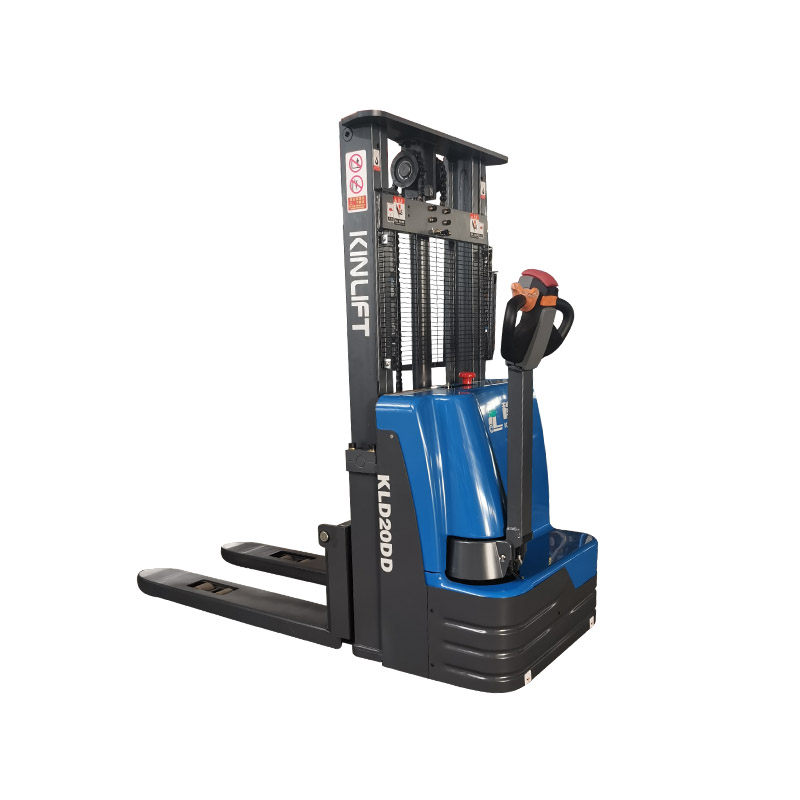
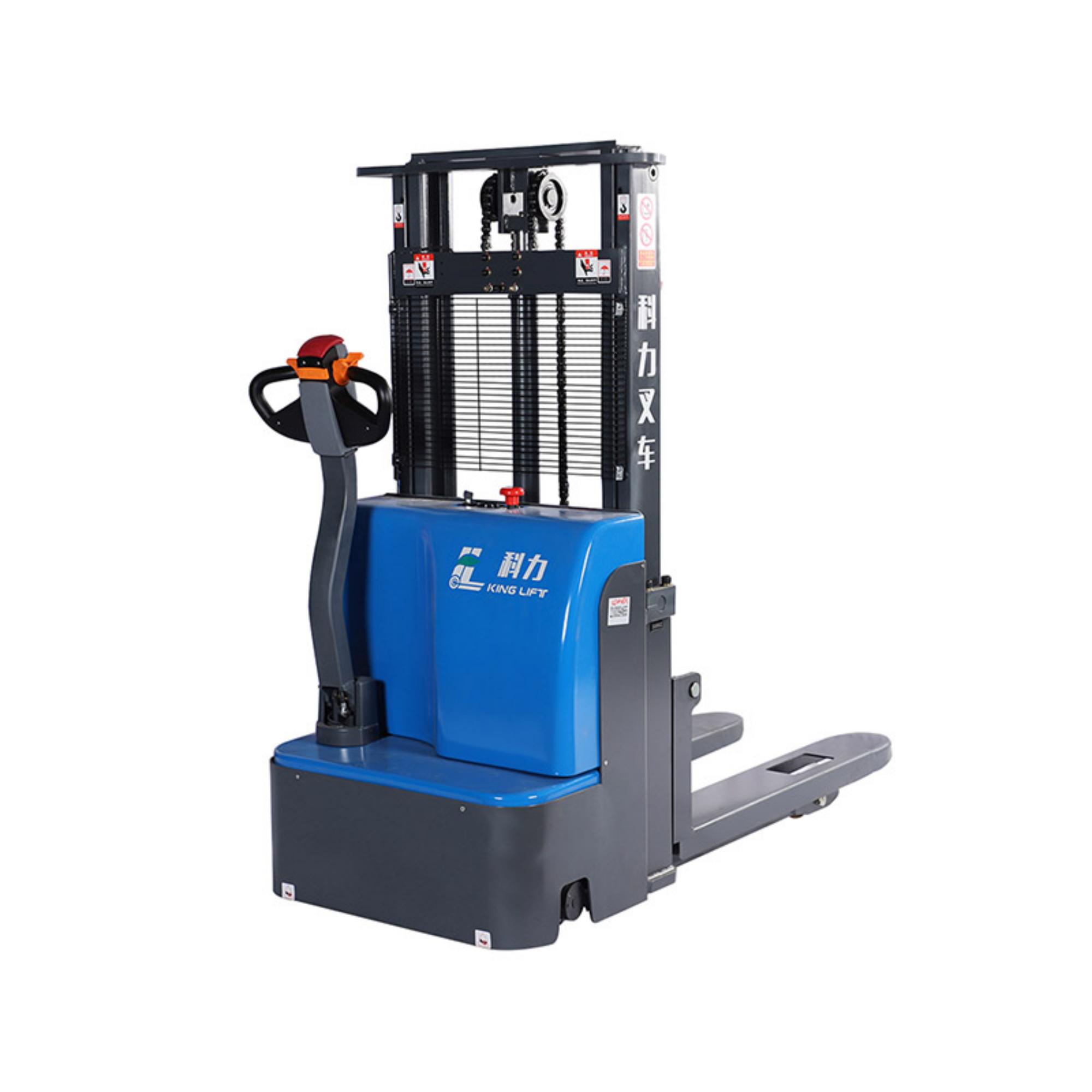
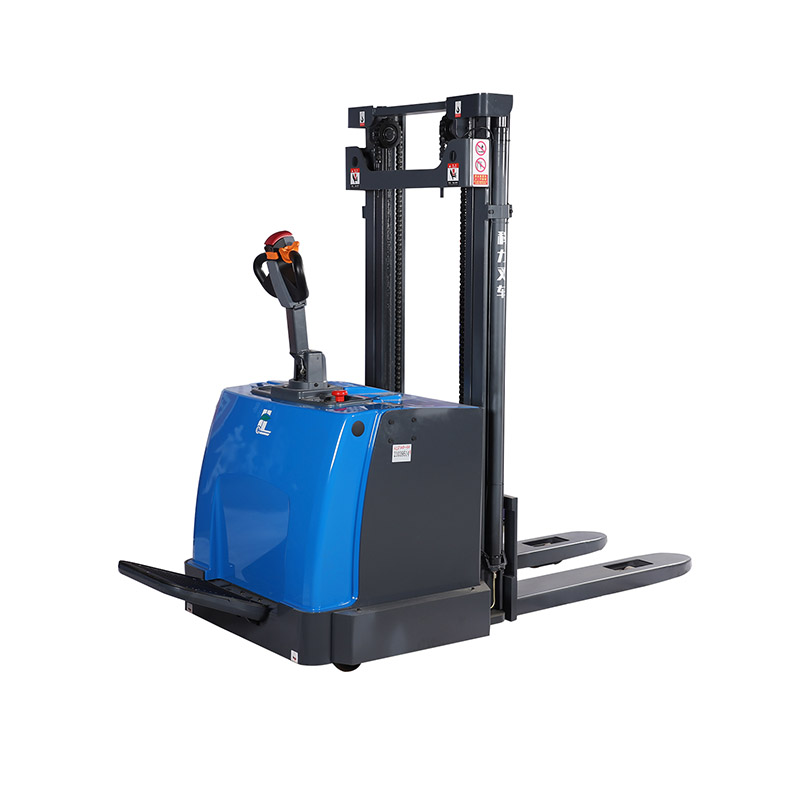
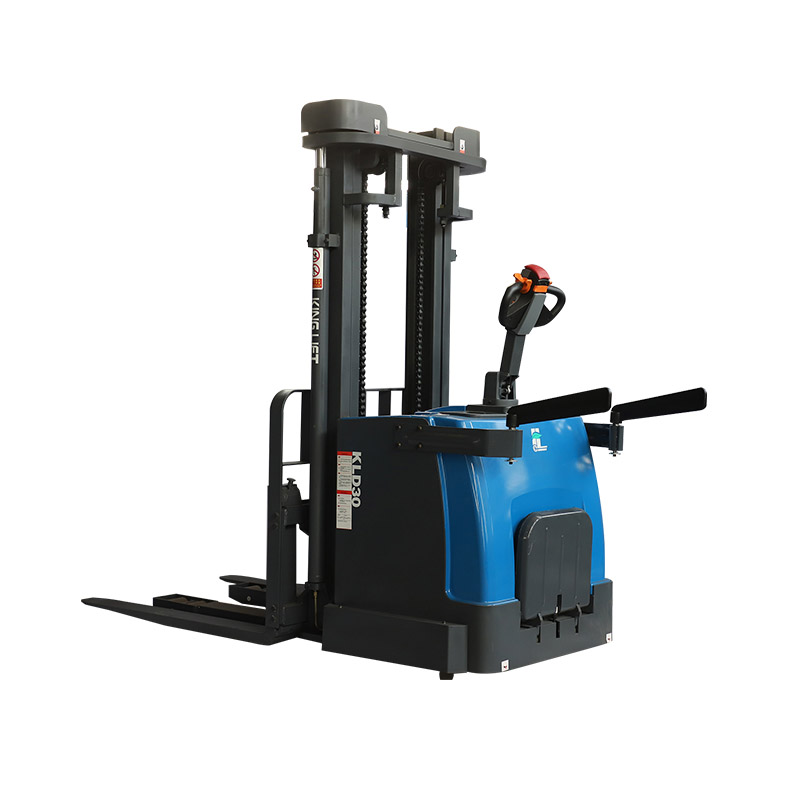
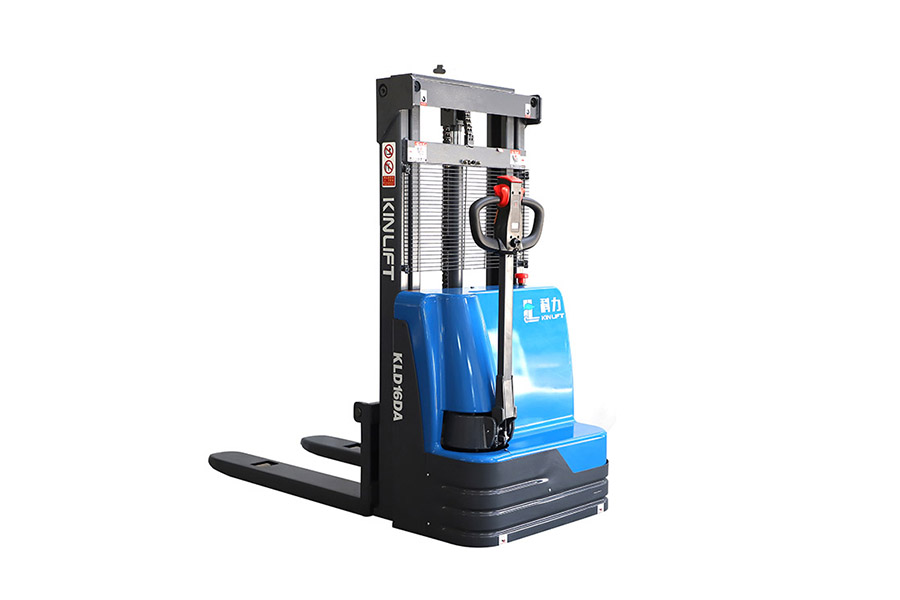
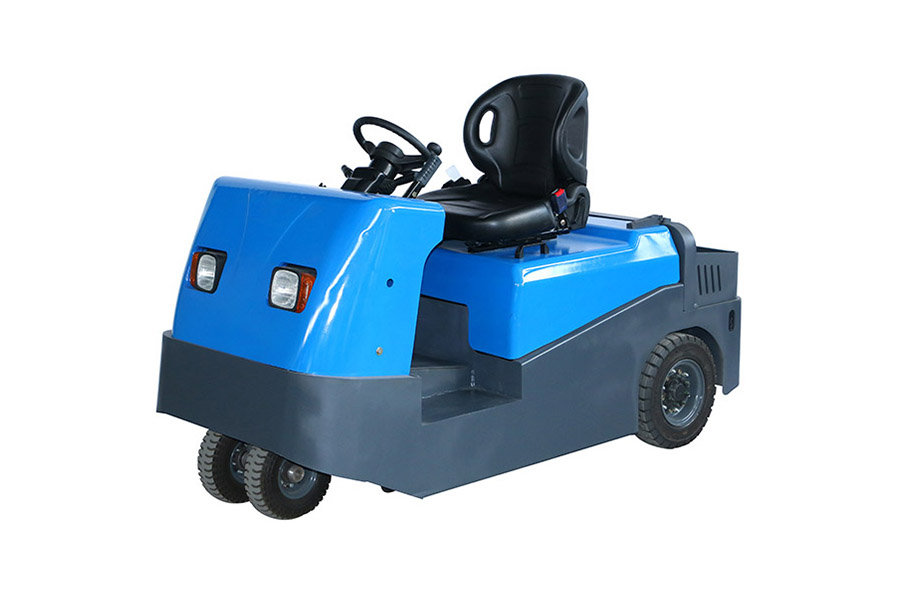
Warehouse electric lift trucks are battery-powered vehicles used for lifting, stacking, and transporting materials. Unlike internal combustion models, they operate quietly and produce no direct emissions, making them suitable for indoor logistics. Their compact size, precision control, and variable lifting heights allow seamless navigation in both small and large-scale facilities.
Electric lift trucks come in several configurations, each serving a specific layout need. The three common types include:
| Type | Typical Use | Maneuverability | Lifting Range | Ideal Layout |
|---|---|---|---|---|
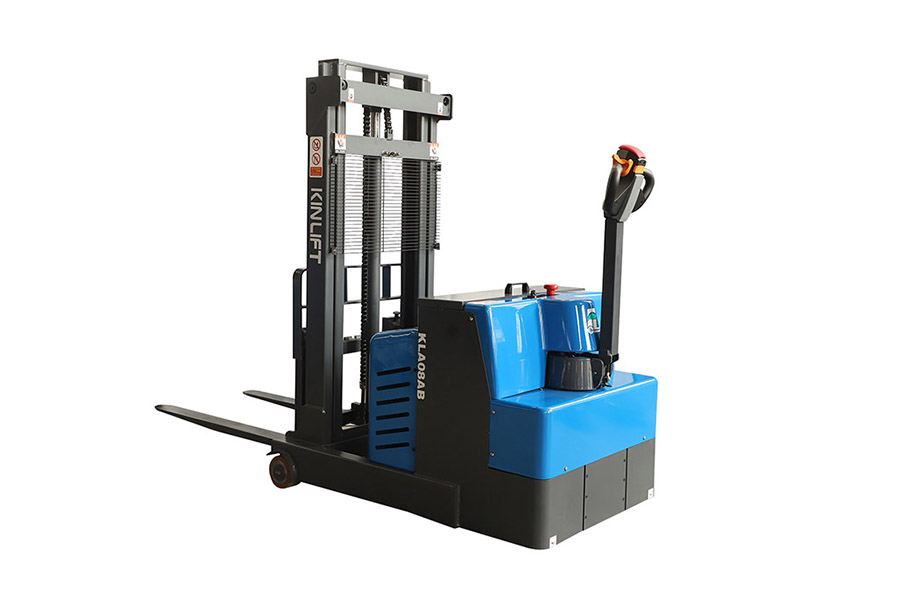
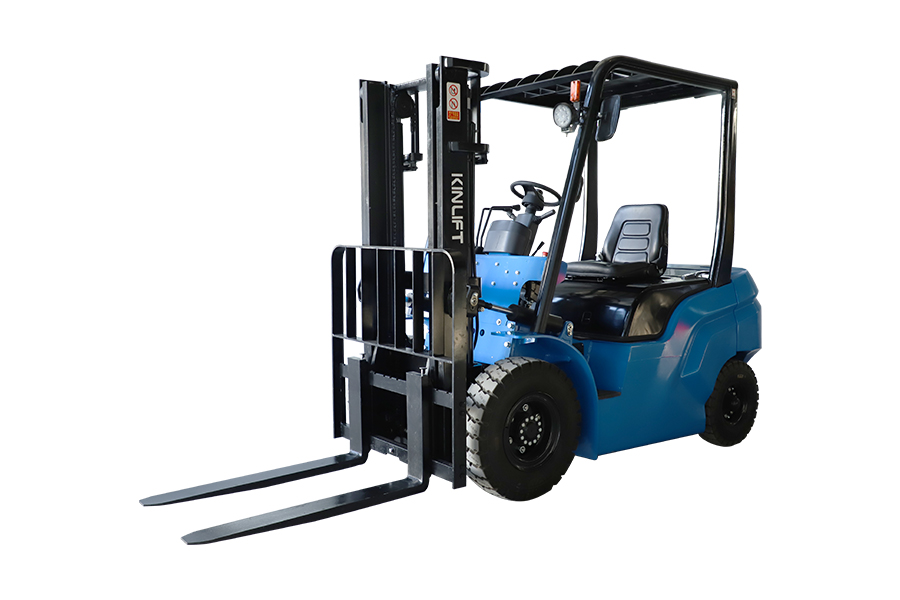
| Counterbalance Truck | General loading and unloading | Moderate | Medium to High | Open floor layout |
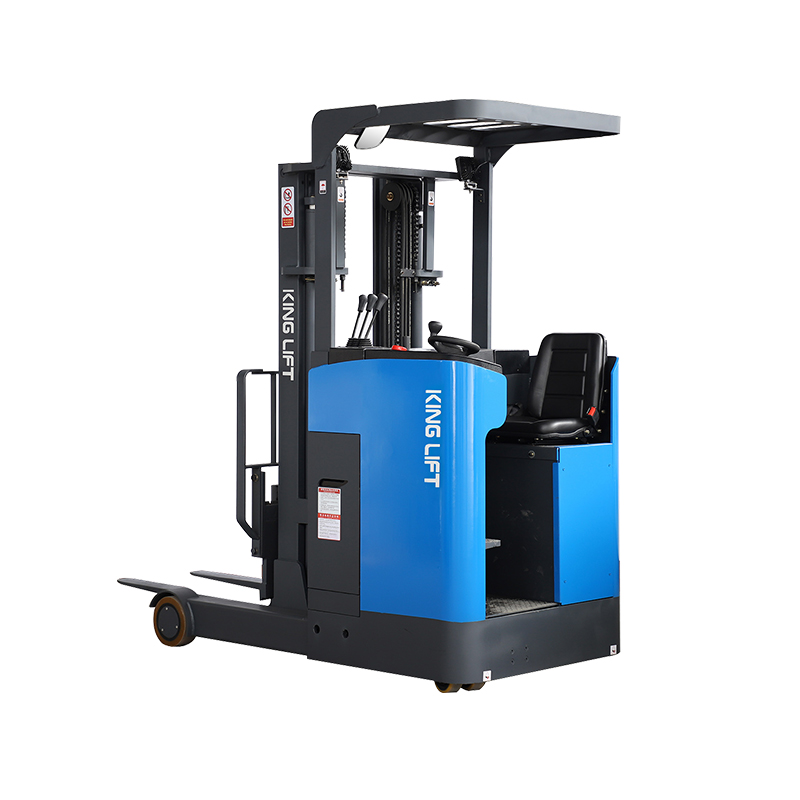
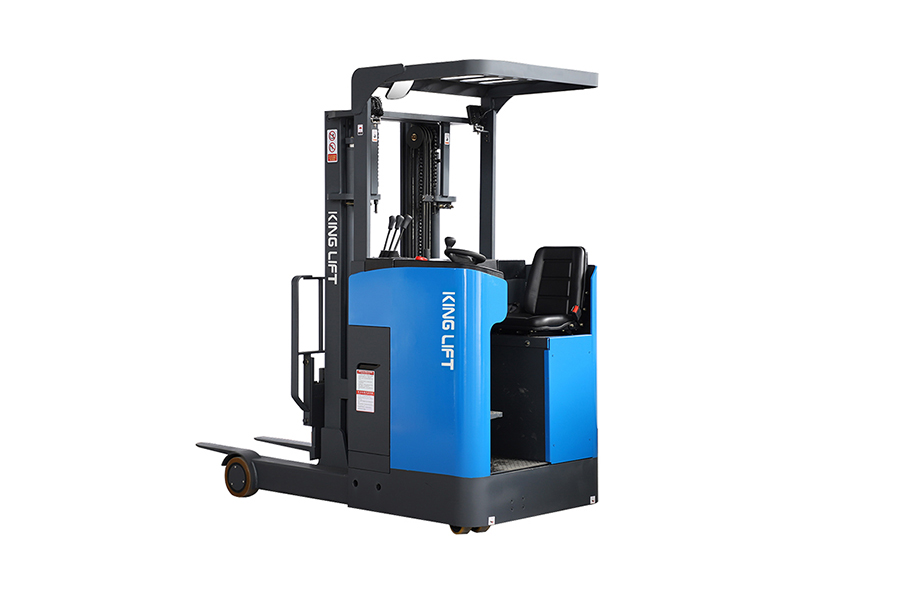
| Reach Truck | High-rack storage | Excellent | High | Narrow aisle |
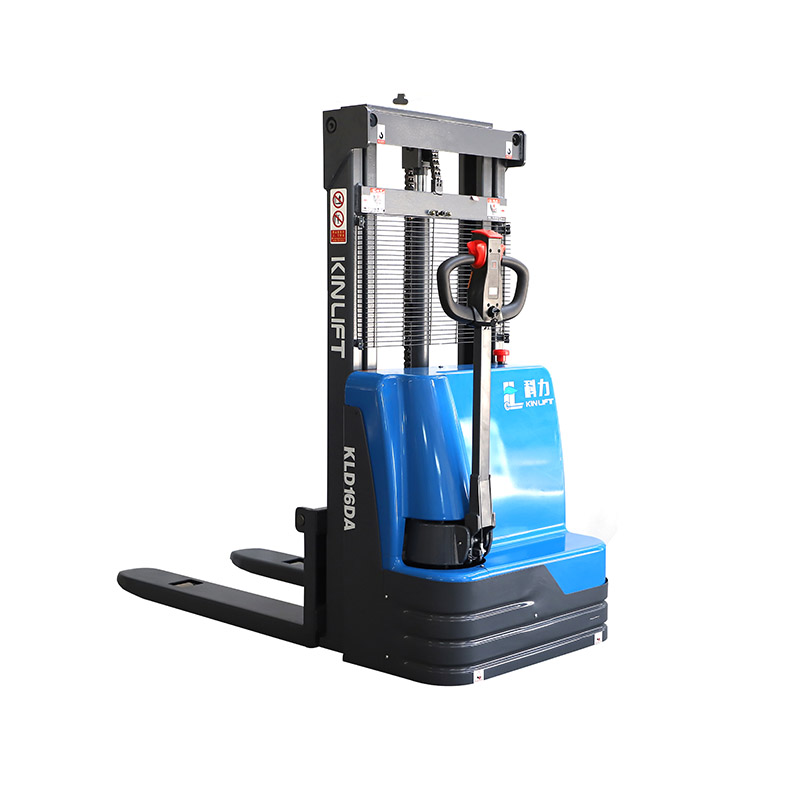
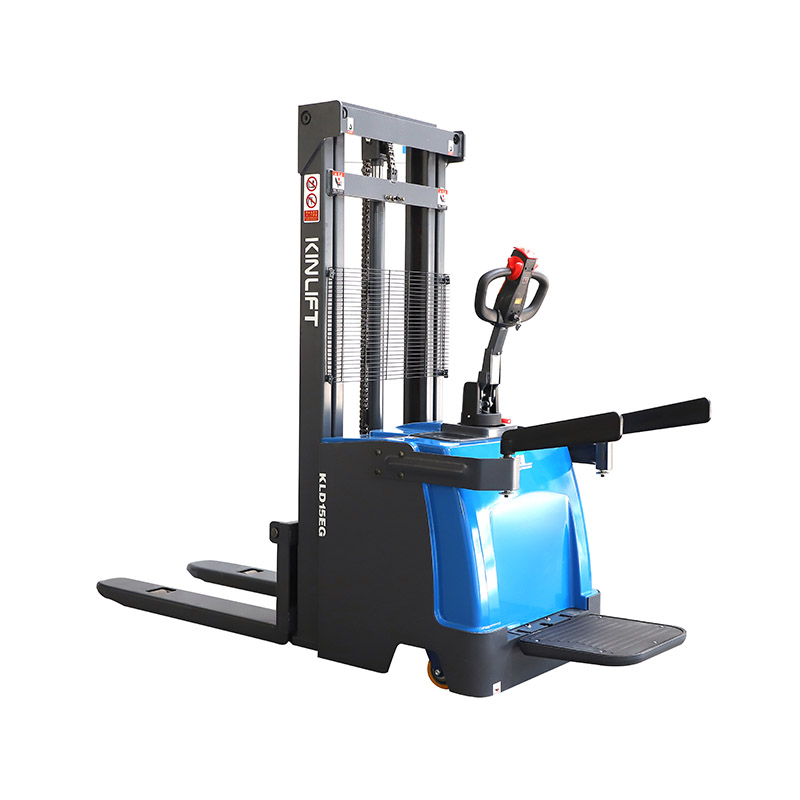
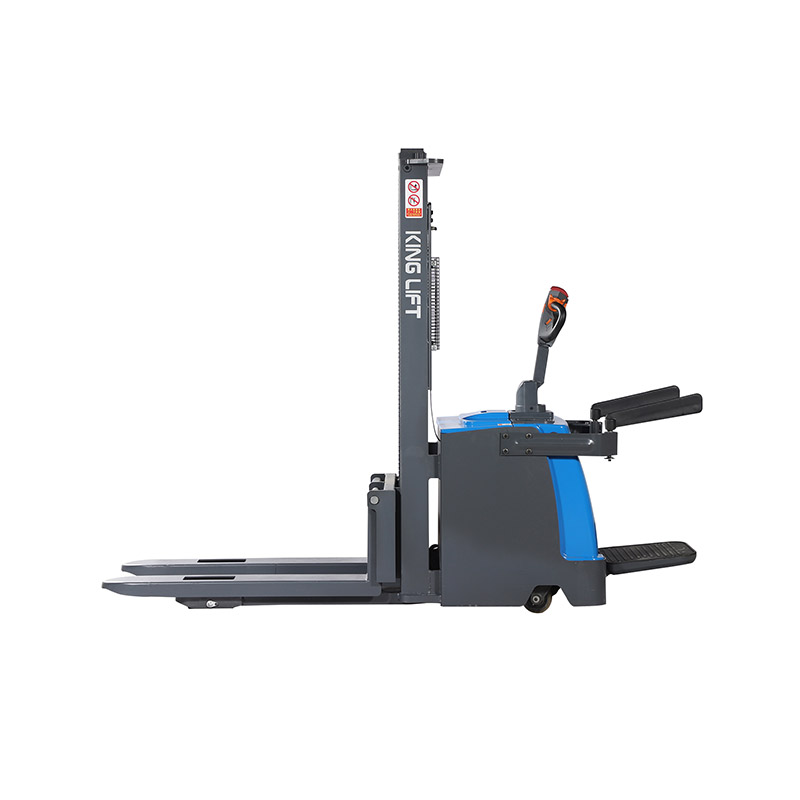
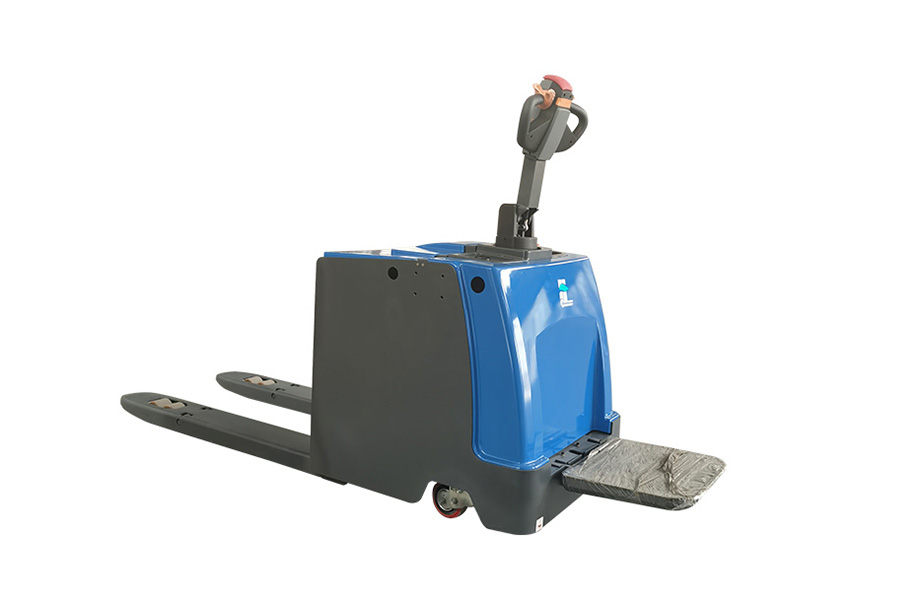
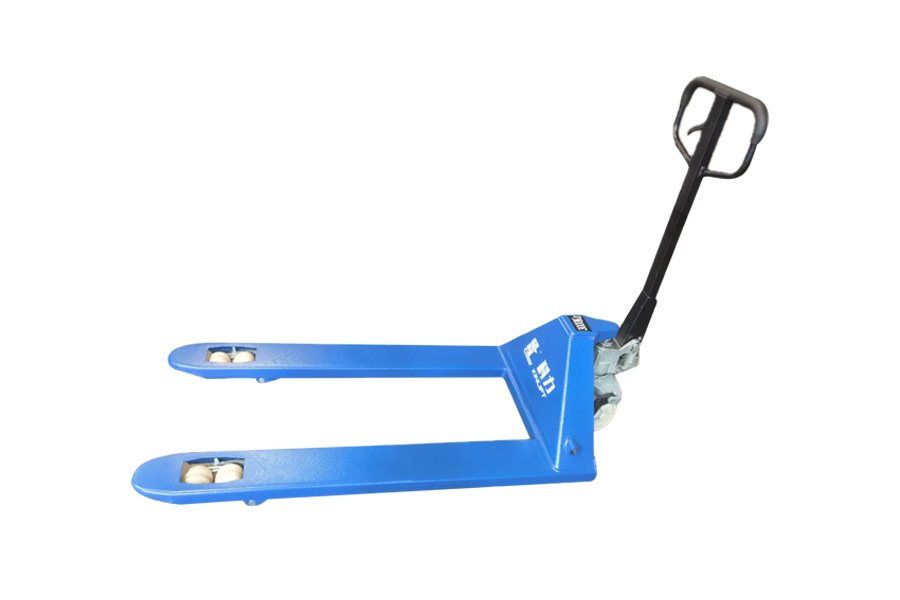
| Pallet Truck | Short-distance transport | High | Low | Ground-level storage |
These categories differ not only in structural design but also in their adaptability to spatial constraints. Understanding these distinctions helps match the right truck to your warehouse geometry.
The Role of Layout in Equipment Selection
A warehouse’s physical layout dictates how materials flow from one area to another. A poorly matched lift truck can wasted time, unnecessary energy use, and potential safety issues. The critical spatial factors include:
Aisle Width: Determines how easily trucks can maneuver between shelves.
Ceiling Height: Influences the required lifting capacity.
Storage Density: Affects whether reach or counterbalance types are more efficient.
Traffic Pattern: Impacts turning space and travel routes.
A warehouse designed with high-density shelving may prioritize vertical reach over horizontal movement. In contrast, a facility with open lanes for bulk items benefits from faster-moving counterbalance models.
Thus, evaluating layout dimensions before equipment purchase ensures that the selected lift truck can navigate seamlessly while maintaining high throughput.
Feature Focus: Maneuverability and Turning Radius
Among all performance indicators, maneuverability plays a decisive role in warehouse efficiency. It determines how easily operators can turn, position, and handle loads within confined spaces. The turning radius—the smallest circular turn the truck can make—is especially crucial in narrow-aisle environments.
A smaller turning radius allows trucks to move efficiently between tightly packed racks without colliding with shelving or inventory. It reduces time spent aligning forks with pallets and lowers the risk of damage to goods or equipment.
| Truck Type | Average Turning Radius | Layout Compatibility | Key Advantage |
|---|---|---|---|
| Counterbalance | Medium | Open layout | Stability for heavy loads |
| Reach | Small | Narrow aisles | Precision and vertical reach |
| Pallet | Very small | Low-clearance areas | Fast horizontal movement |
By evaluating the turning radius in relation to aisle width, warehouse managers can optimize both space and time efficiency.
Matching Truck Type to Layout Design
Open Floor Warehouses
These facilities typically feature wide lanes and low shelving. Forklifts need to transport goods quickly between loading docks, packaging areas, and storage sections.
Best fit: Counterbalance electric lift truck.
Reasoning: Its balanced chassis and powerful lifting mechanism allow for stable load handling without additional support legs.
Benefit: Enhanced stability during transport and easy operation in open spaces.
Narrow Aisle Warehouses
Modern e-commerce and distribution centers prioritize high-density storage. Shelving often extends vertically to maximize cubic capacity.
Best fit: Reach truck.
Reasoning: Designed with extended forks and a small turning radius, it accesses pallets on high racks while navigating tight aisles.
Benefit: Efficient use of vertical space, reducing total storage footprint.
Cross-Docking or Transit Hubs
Facilities that focus on high-throughput material movement require fast, frequent transport across short distances.
Best fit: Electric pallet truck.
Reasoning: Compact, agile, and ideal for quick loading/unloading cycles.
Benefit: Minimizes handling time in fast-paced environments.
This targeted approach ensures each truck operates under conditions, reducing mechanical stress and extending equipment lifespan.
Optimizing Efficiency Through Layout-Equipment Integration
The interaction between equipment design and warehouse geometry directly influences workflow efficiency. Properly aligning lift truck type with layout characteristics allows for:
Reduced travel time: Shorter turning distances minimize unnecessary maneuvers.
Improved safety: Better visibility and control reduce collision risks.
Higher throughput: Smooth navigation increases pallet movements per hour.
Lower energy use: Efficient routes cut down battery discharge cycles.
To illustrate, consider the following optimization matrix that links layout type with efficiency focus:
| Warehouse Layout | Recommended Truck | Core Advantage | Efficiency Gain |
|---|---|---|---|
| Open layout | Counterbalance | Stability and load capacity | Faster bulk movement |
| Narrow aisle | Reach | Vertical access and tight turning | Maximized storage density |
| Mixed layout | Combination use | Balanced flexibility | Adaptable operations |
| Low-clearance | Pallet | Compact size | Rapid short-haul transport |
Strategically integrating warehouse design with lift truck characteristics ensures a consistent and predictable flow of goods, essential for scalable operations.
Additional Considerations When Selecting Warehouse Electric Lift Trucks
Battery Type and Charging Infrastructure
Lithium-ion batteries offer shorter charging cycles and longer lifespans compared to lead-acid alternatives. Warehouses with continuous operations should invest in fast-charging systems to minimize downtime.
Operator Visibility and Ergonomics
Enhanced visibility and ergonomic seat designs improve operator comfort and precision during maneuvering—particularly in narrow spaces.
Maintenance Access
Trucks designed with accessible components reduce maintenance time, improving operational continuity.
Load Weight and Center of Gravity
Understanding average pallet weight helps determine the right lifting capacity, ensuring balance and safety.
Noise and Vibration Levels
Electric models inherently produce low noise, but attention to vibration control enhances operator comfort in long shifts.
These secondary considerations reinforce the primary decision factor—matching truck design to layout—by ensuring overall performance consistency.
Conclusion
Choosing the right type of electric lift truck is not solely a matter of load capacity—it’s an architectural decision shaped by warehouse layout, workflow, and spatial constraints. The turning radius and maneuverability determine whether your operations will run smoothly or face daily inefficiencies.
By aligning warehouse electric lift trucks with the physical environment—open floor, narrow aisle, or mixed—the result is a safer, faster, and more energy-efficient material handling process. Careful consideration of design features, from battery systems to visibility, ensures long-term adaptability as warehouse demands evolve.