

 English
 русский

Home / News / Industry News / What Are Warehouse Electric Lift Trucks and How Do They Improve Efficiency?
Introduction
In the modern logistics landscape, efficiency within storage and handling operations determines overall productivity. Among the many tools that streamline warehouse processes, warehouse electric lift trucks stand out for their ability to combine lifting strength with energy efficiency and maneuverability. As warehouses continue to adopt sustainable, automation-friendly technologies, electric lift trucks have become a fundamental component of high-performance warehouse operations.
Understanding Warehouse Electric Lift Trucks
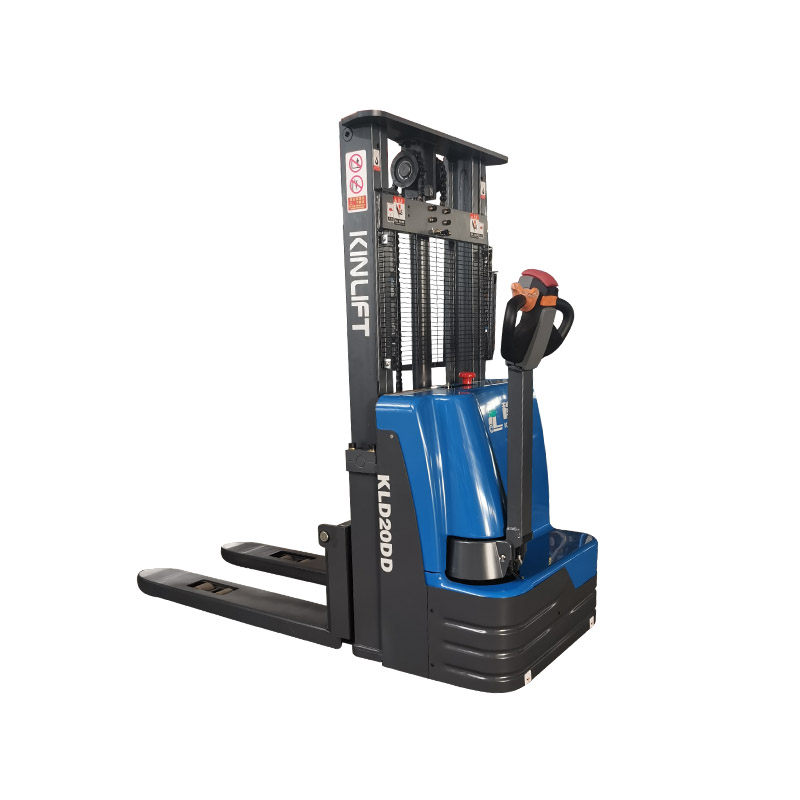
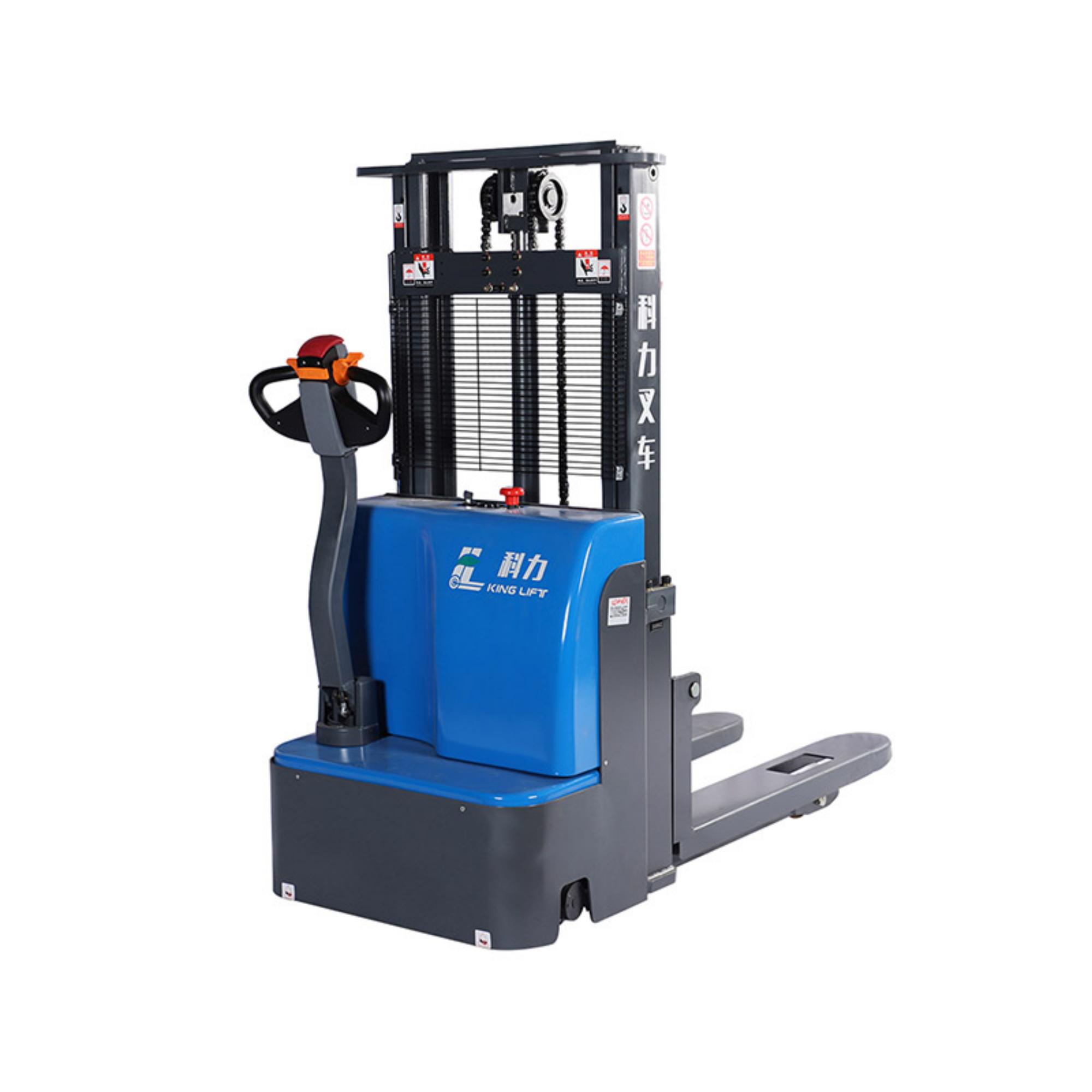
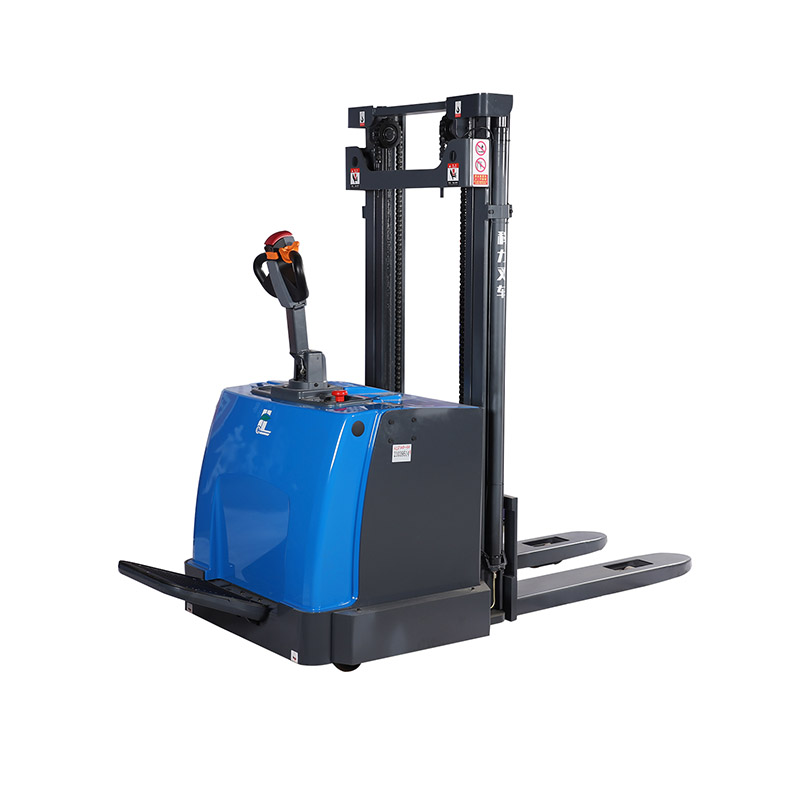
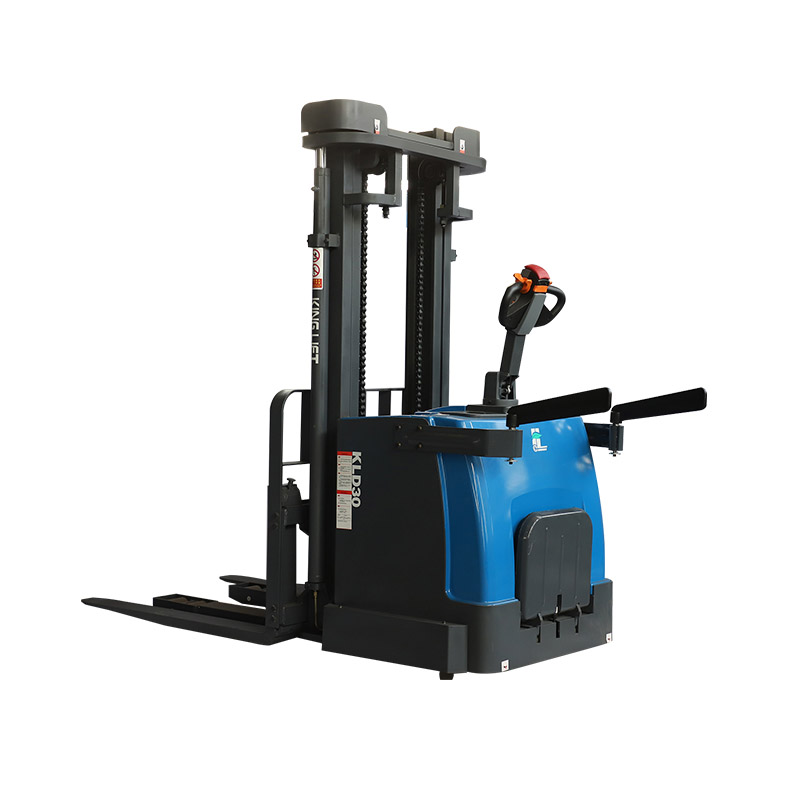
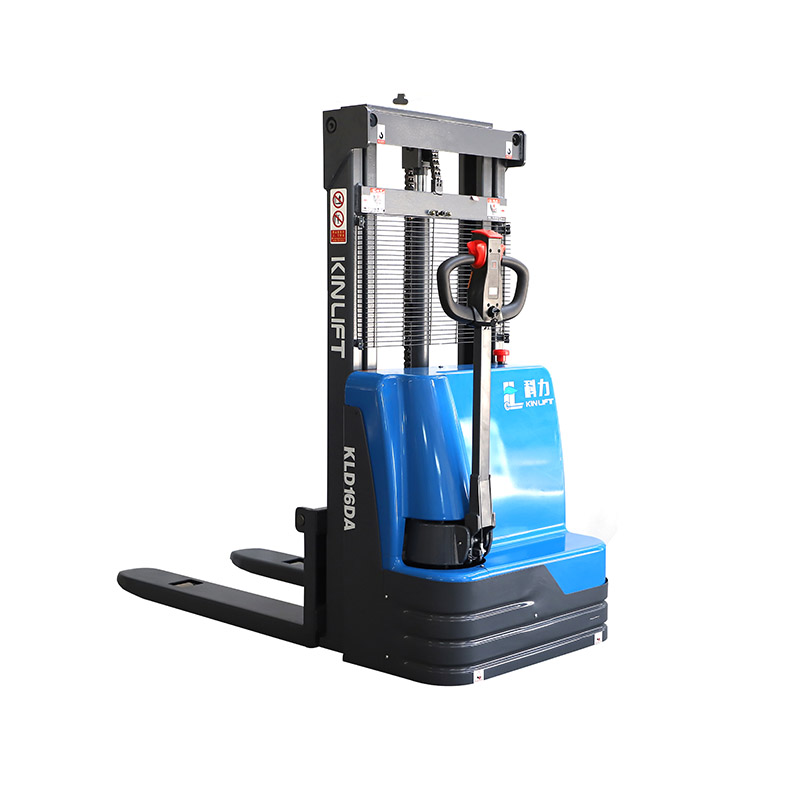
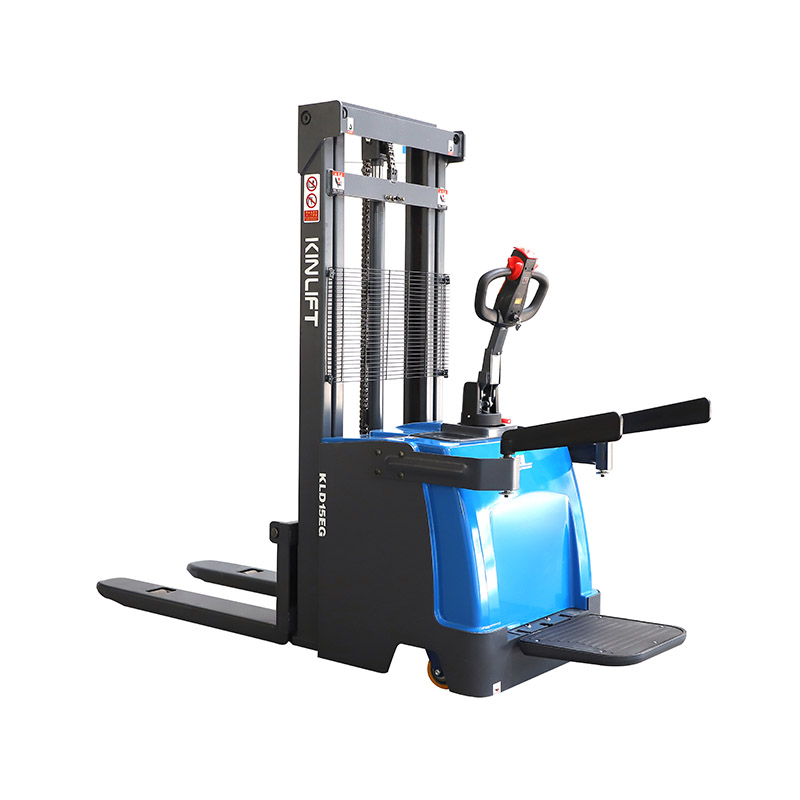
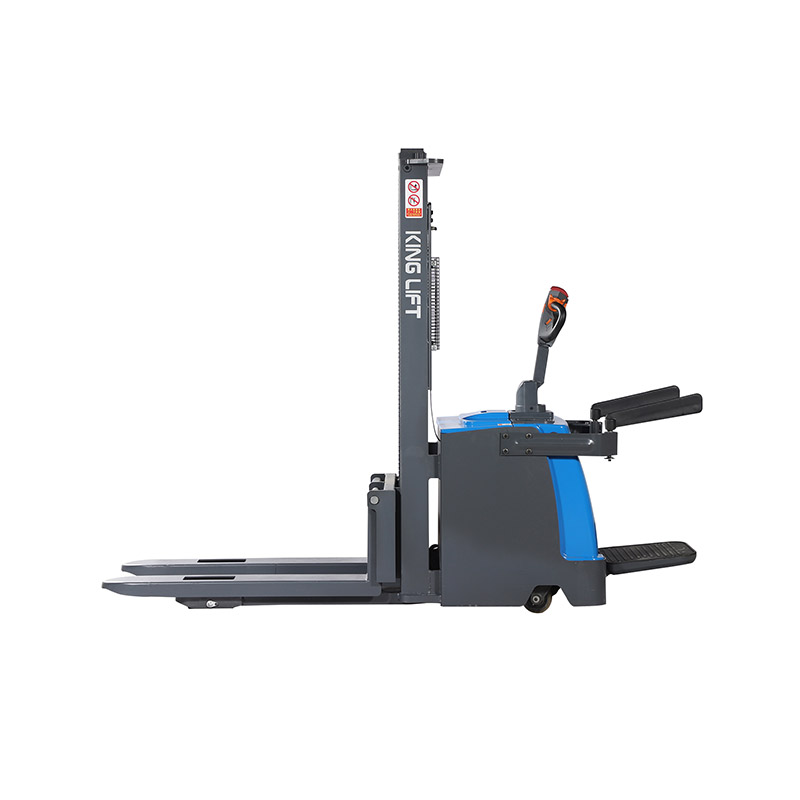
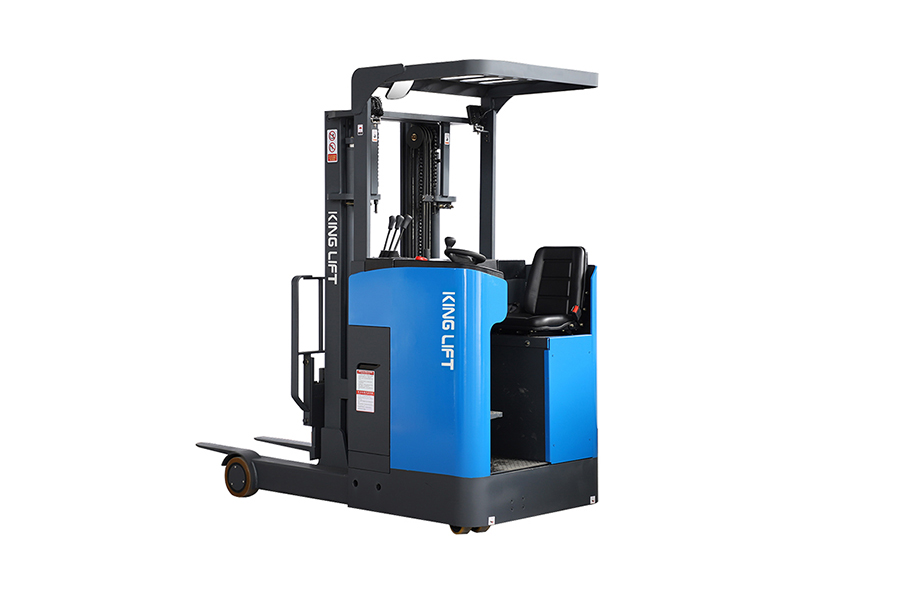
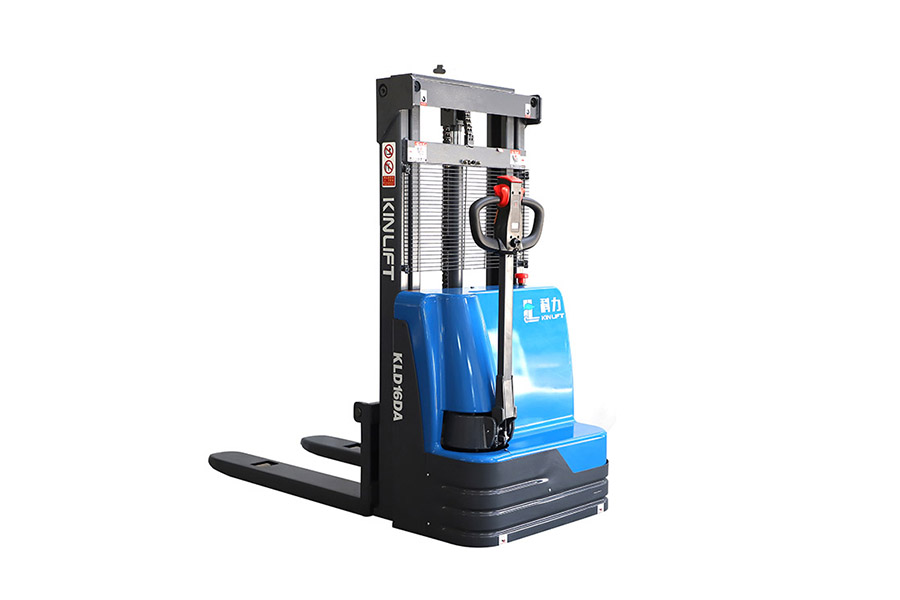
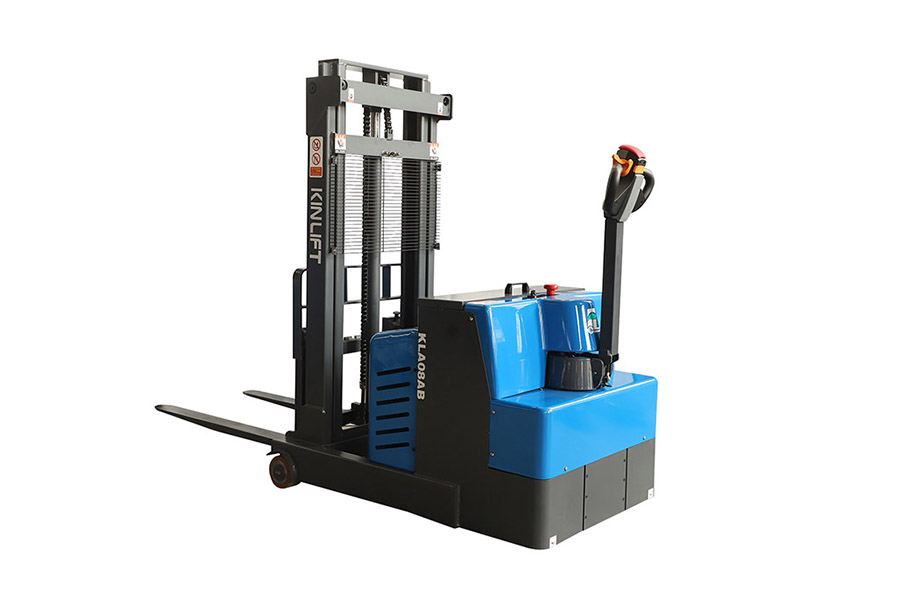
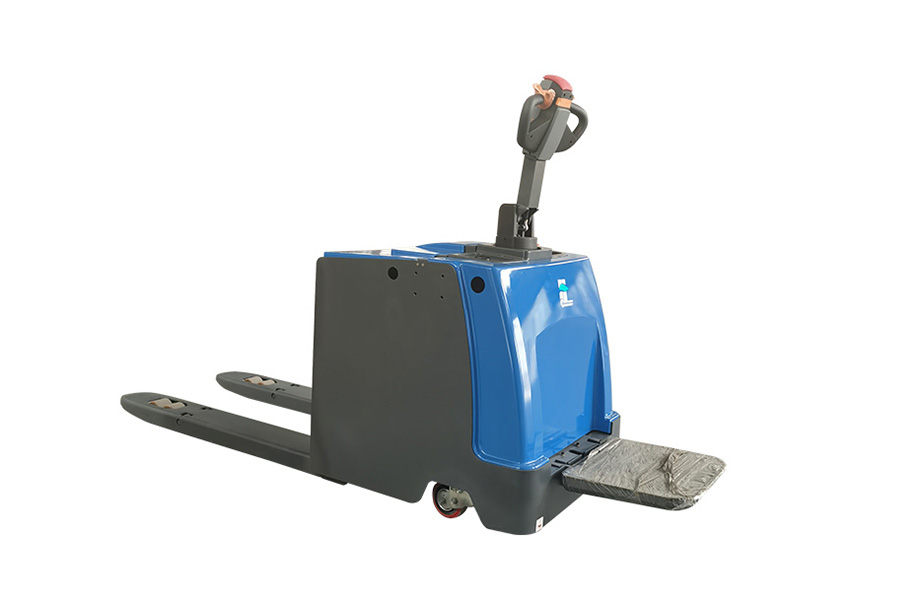
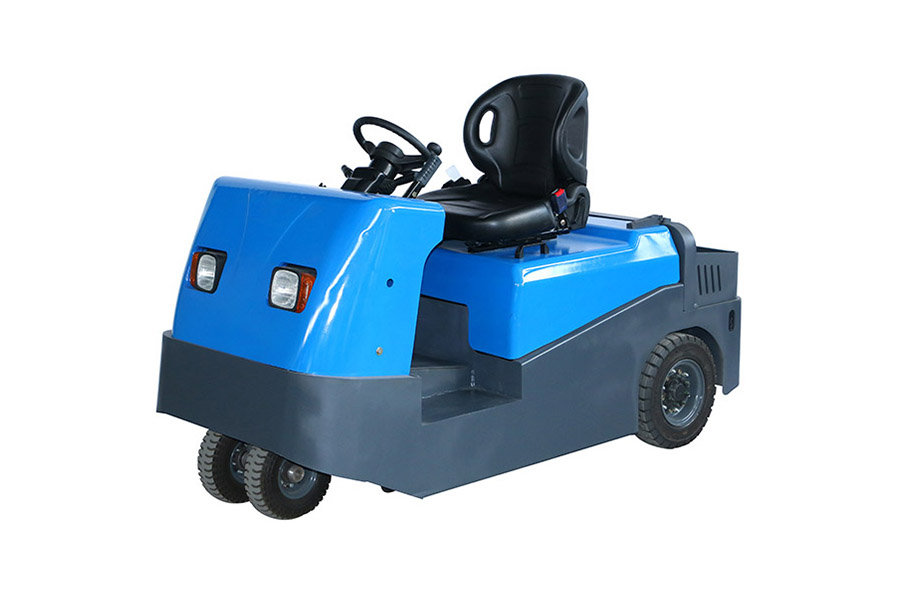
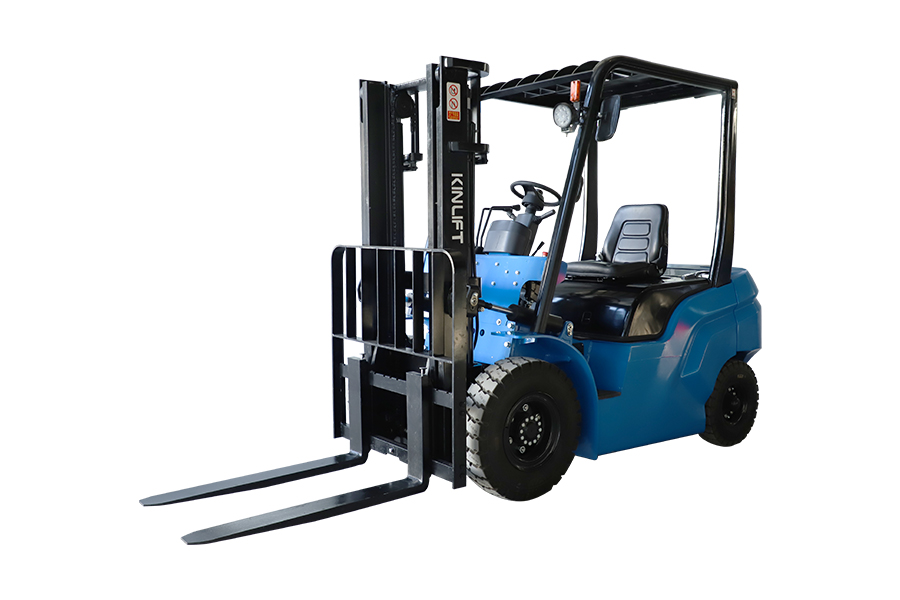
Warehouse electric lift trucks are battery-powered vehicles designed to lift, transport, and stack materials within confined indoor environments. Unlike traditional internal combustion forklifts, these trucks operate quietly and emit no exhaust gases, making them suitable for enclosed spaces such as cold storage facilities, distribution centers, and assembly lines.
The design of these vehicles integrates compact bodies, advanced control systems, and precise hydraulic lifting mechanisms. Their adaptability to different floor layouts, shelving heights, and load capacities makes them a vital asset in space-constrained facilities.
The Role of Maneuverability in Warehouse Efficiency
Maneuverability defines how easily a vehicle can navigate narrow aisles, corners, and storage racks without compromising stability or safety. In a warehouse where floor space is limited and time-sensitive operations are constant, even slight improvements in turning radius or steering precision can have measurable impacts.
A lift truck with maneuverability enables operators to:
Reduce travel time between loading zones
Access tighter rack configurations
Minimize collision risk and product damage
Maintain consistent workflow during peak hours
Electric systems, due to their compact motor configurations and responsive controls, are inherently better suited for smooth directional changes and tight-space navigation than their combustion counterparts.
Core Design Elements Enhancing Maneuverability
The maneuverability of warehouse electric lift trucks results from a combination of structural and electronic design factors. Each component contributes to reducing operator fatigue and improving route precision.
| Design Element | Function | Efficiency Contribution |
|---|---|---|
| Compact chassis design | Enables tighter turning radius | Reduces navigation time in narrow aisles |
| Electric steering control | Provides smoother directional adjustments | Improves accuracy and load placement |
| Adjustable speed settings | Allows controlled acceleration and deceleration | Enhances operator control and reduces energy waste |
| Low center of gravity | Increases vehicle stability during turns or elevated loads | Prevents tipping and enhances safety |
| Regenerative braking system | Converts kinetic energy into electrical energy | Extends battery life and supports sustainability goals |
By optimizing these structural and mechanical parameters, manufacturers achieve precise movement without sacrificing lifting power or stability.
How Maneuverability Translates Into Operational Efficiency
Improved maneuverability contributes directly to measurable operational benefits. In dense storage layouts, electric lift trucks capable of turning within minimal radii enable higher rack density, available storage capacity without facility expansion.
Additionally, enhanced steering precision allows faster transitions between picking zones and reduces unnecessary idle time. Over extended operations, this efficiency translates into lower energy consumption and fewer work interruptions.
From a labor perspective, maneuverable trucks minimize operator strain. When steering requires less physical effort and vehicle control feels intuitive, overall productivity rises, and operator retention improves due to reduced fatigue and injury risk.
Comparing Traditional and Electric Lift Truck Handling
To better understand the functional advantages of electric systems, consider the following comparison focusing on handling efficiency:
| Feature | Traditional Lift Truck | Electric Lift Truck |
|---|---|---|
| Steering responsiveness | Slower mechanical steering | Instant electronic feedback |
| Turning radius | Wider, requires more clearance | Compact and optimized for narrow aisles |
| Acceleration control | Limited precision | Variable, easily adjustable |
| Emission level | Produces exhaust gases | Zero emissions, suitable for indoor use |
| Noise level | Higher operational noise | Quiet operation, enhances working environment |
This comparison highlights how maneuverability, combined with the silent and clean operation of electric power systems, provides distinct advantages for warehouse efficiency and employee comfort.
Safety Implications of Enhanced Maneuverability
In warehouse operations, safety and efficiency are closely linked. Vehicles that can move smoothly and predictably reduce accident risks caused by sudden direction changes or misjudged turns.
Electric lift trucks with advanced maneuvering systems typically include automatic speed reduction in turns, anti-slip controls, and responsive braking systems. These safety features not only protect operators but also safeguard stored goods and infrastructure.
Moreover, precise steering and braking enable more accurate pallet placement, preventing stacking instability—a critical concern in high-bay warehouses.
Energy and Maintenance Efficiency
Another indirect benefit of maneuverability lies in its relationship to energy and maintenance costs. Trucks that require fewer directional corrections or shorter travel paths consume less power per operation. Over time, this contributes to extended battery life and lower charging frequency.
Electric lift trucks also have fewer moving mechanical components compared to internal combustion models. The absence of complex transmission systems and fuel components means reduced wear and lower maintenance frequency, further improving uptime and total operational efficiency.
Space Optimization Through Maneuverability
As warehouses increasingly adopt vertical storage strategies, the ability to navigate between closely spaced racks becomes critical. Electric lift trucks with compact frames and precision steering allow facilities to design narrower aisles without compromising accessibility.
The following table illustrates how maneuverability influences space planning:
| Aisle Type | Minimum Width (Approx.) | Recommended Truck Type | Operational Advantage |
|---|---|---|---|
| Standard aisle | 3.0 – 3.5 meters | Counterbalanced electric lift truck | Flexible for general warehouse use |
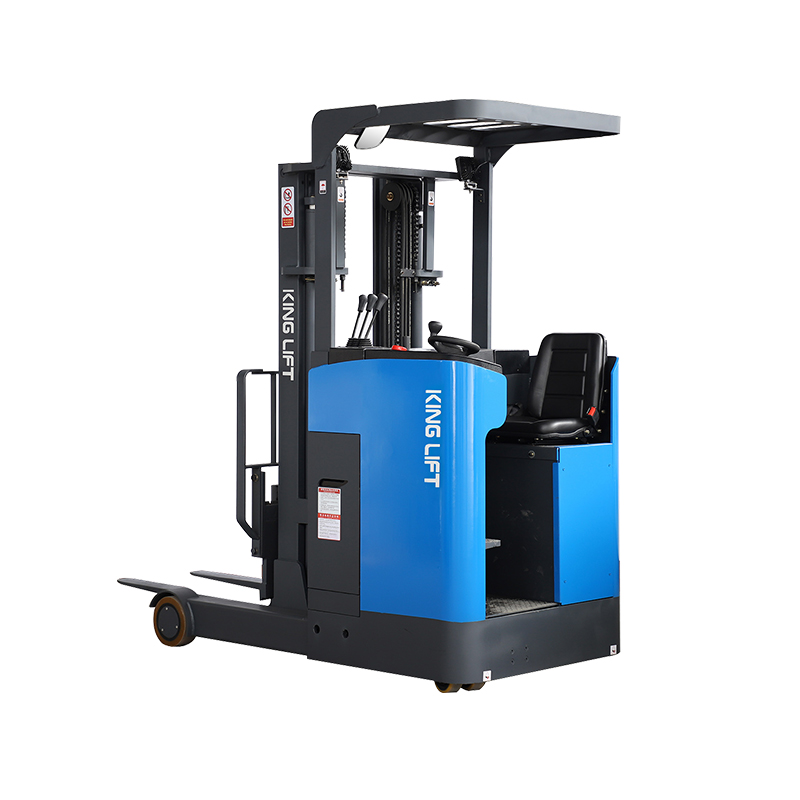
| Narrow aisle | 2.0 – 2.5 meters | Reach truck or articulated model | Maximizes storage density |
| Very narrow aisle | 1.5 – 1.8 meters | Turret or multi-directional lift truck | Enables ultra-high racking systems |
Through efficient use of space, warehouses can expand storage capacity and reduce building costs, demonstrating how maneuverability contributes beyond direct movement efficiency.
Sustainability and Future Outlook
Maneuverability also aligns with broader sustainability and automation trends. As facilities move toward smart logistics systems, vehicles that can adapt seamlessly to guided navigation, AI-assisted routing, and automated control environments will dominate future warehouse design.
Electric power systems provide the flexibility to integrate with sensors, automated guidance systems, and fleet management software—further enhancing the precision and sustainability of warehouse operations.
Conclusion
Warehouse electric lift trucks represent a convergence of ergonomic design, energy efficiency, and advanced maneuverability. Their ability to operate in confined spaces with precision directly translates to faster workflows, safer operations, and more efficient use of warehouse real estate. Focusing on maneuverability reveals that efficiency in modern warehousing is not solely about speed or load capacity but about intelligent control and adaptable movement.