

 English
 русский
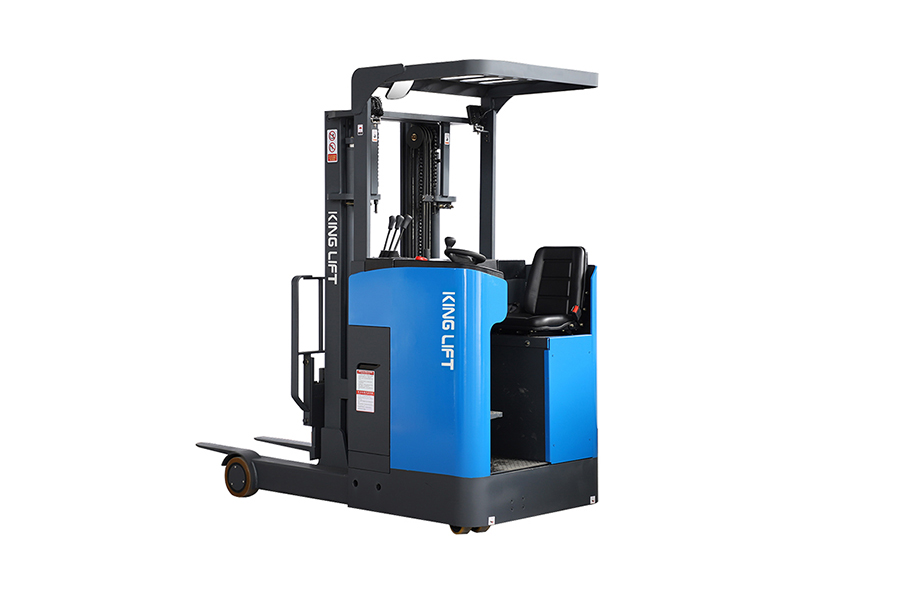
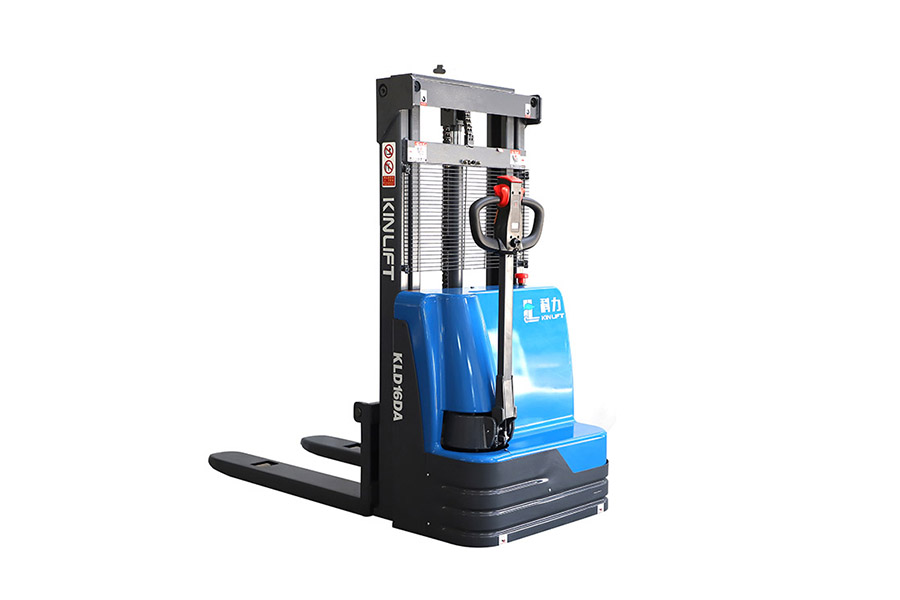
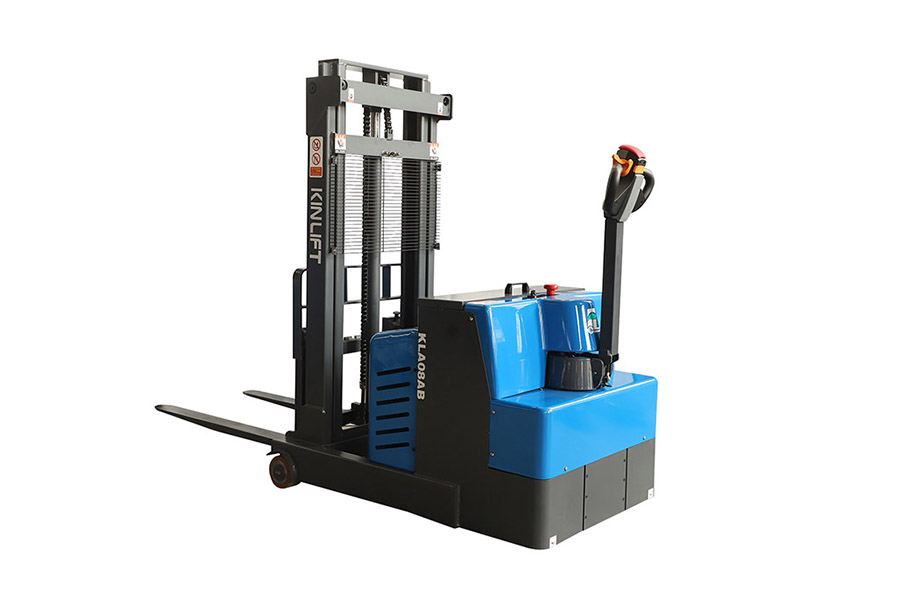
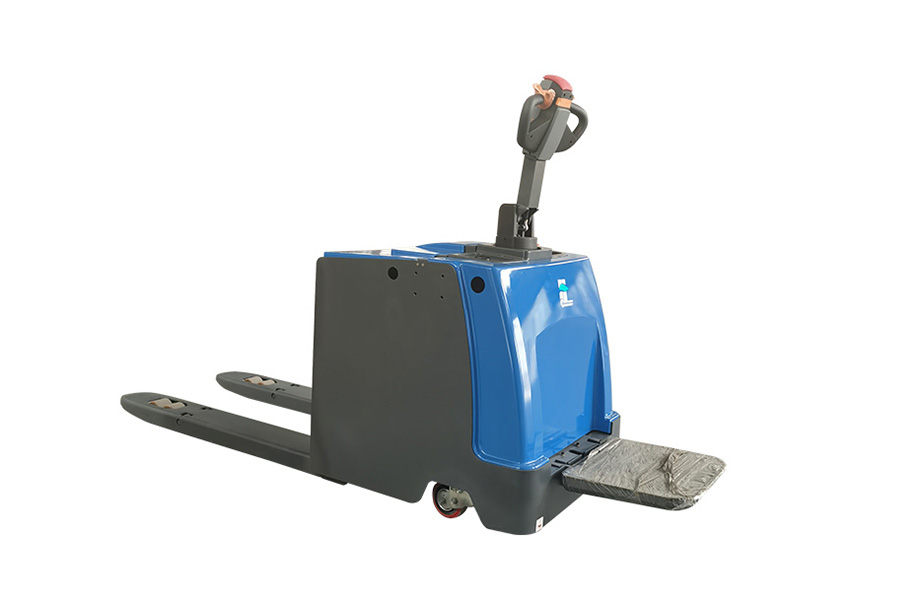

Shifting Focus Toward Operator Comfort
In the evolving landscape of warehouse logistics, the demand for efficiency is no longer measured solely by load capacity or lifting speed. Increasingly, ergonomic design is becoming the defining feature of warehouse electric stackers. These machines, once evaluated mainly on performance metrics, are now being assessed for how effectively they reduce operator fatigue, enhance comfort, and ensure long-term usability in high-intensity working environments.
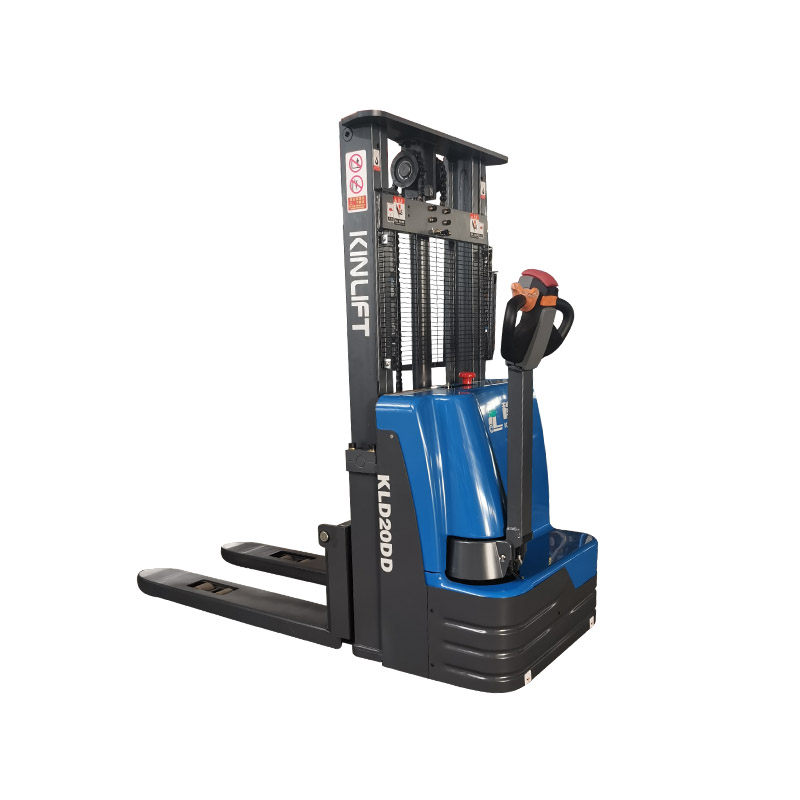
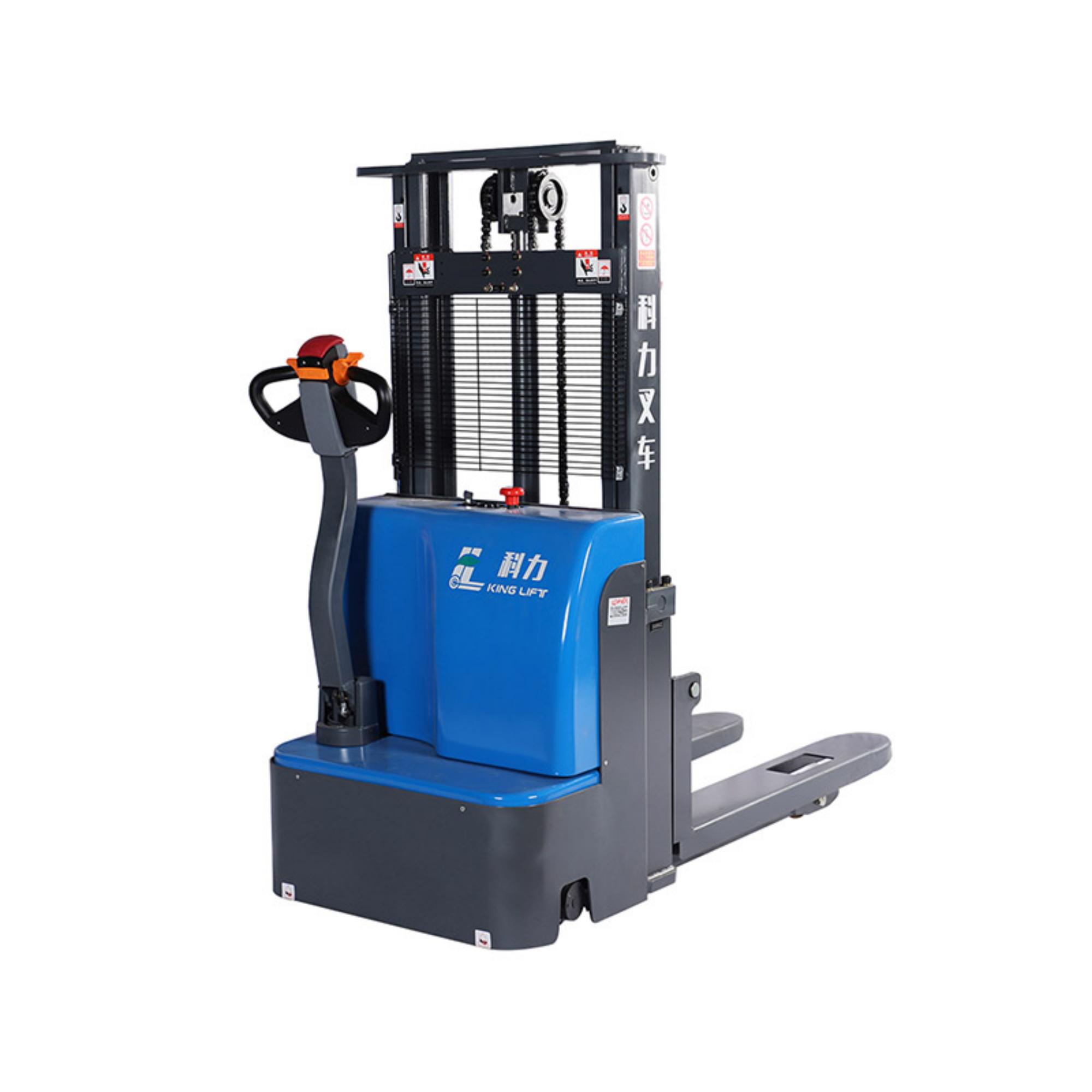
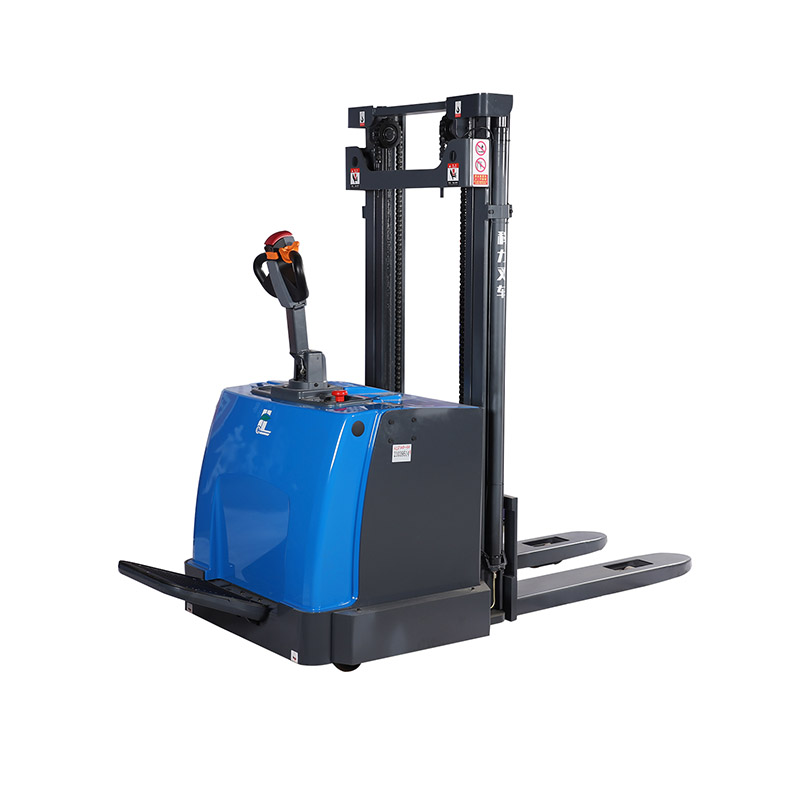
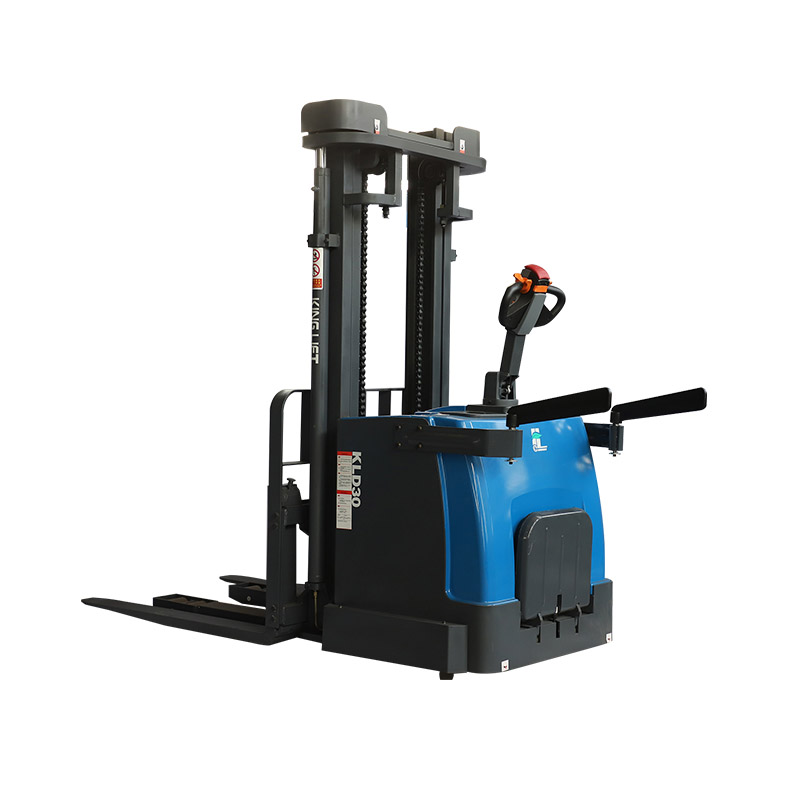
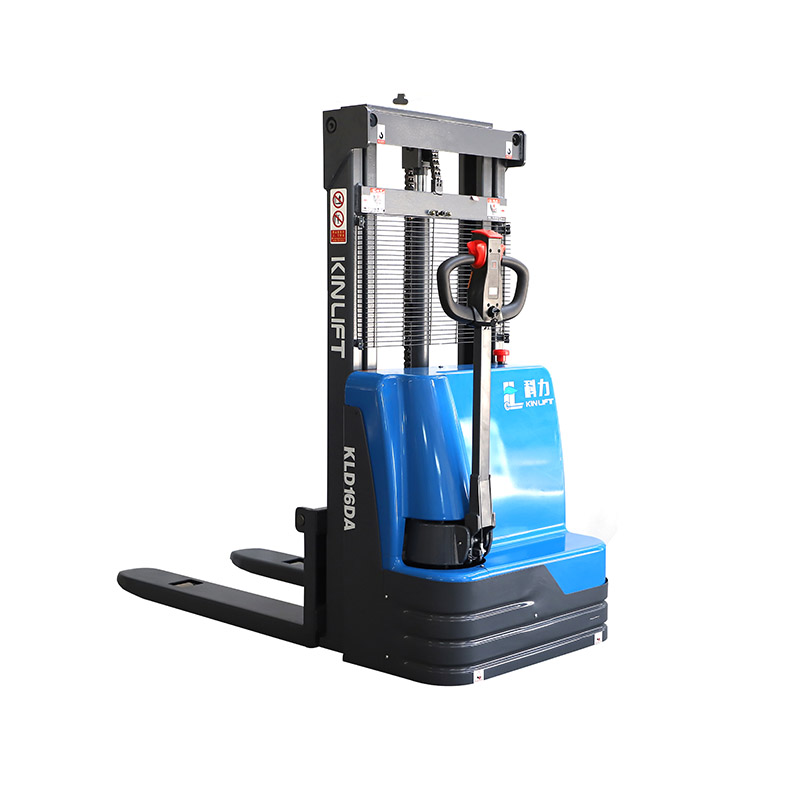
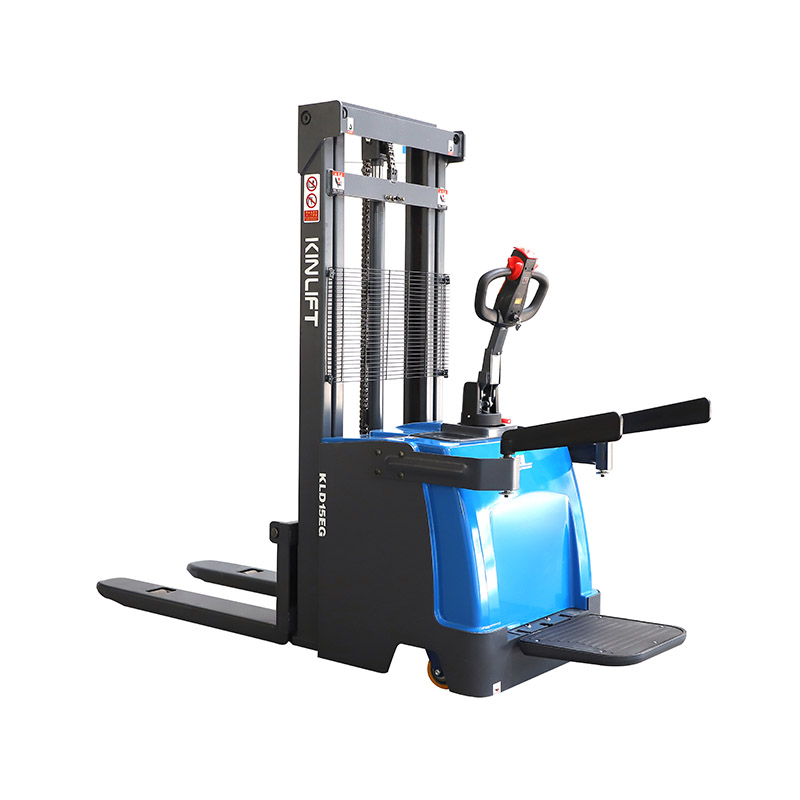
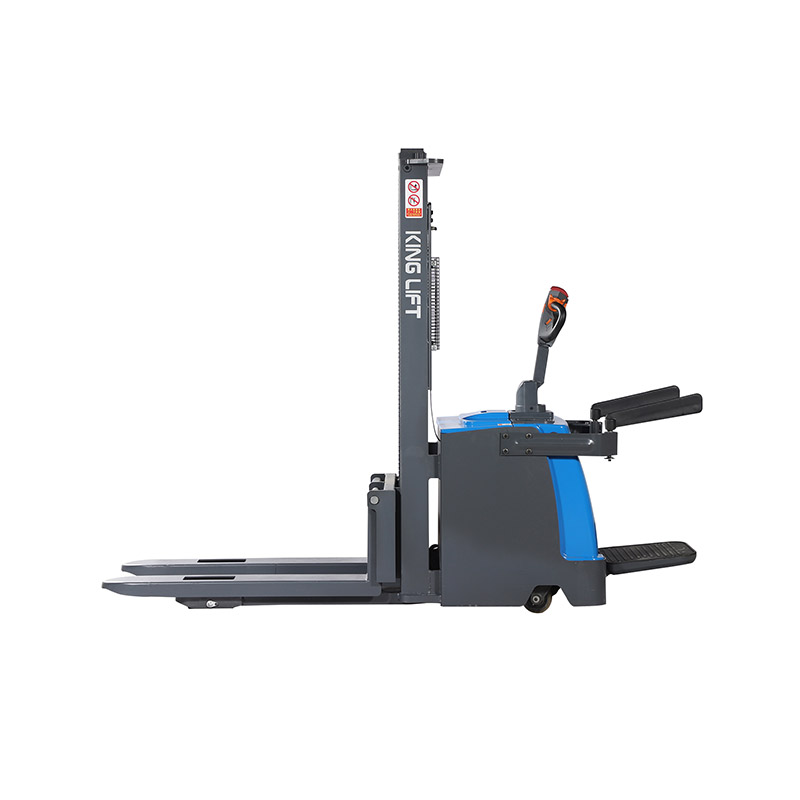
The electric pallet stacker, as a representative category, highlights this transformation. While its fundamental role remains the safe and efficient movement of pallets, its ergonomic enhancements are changing the operator’s experience. Adjustable controls, intuitive handling, and carefully designed steering mechanisms are now central to product development.
Ergonomic Features in Warehouse Electric Stackers
Ergonomic design in lifting equipment is not a cosmetic addition but a functional necessity. Operators often handle repetitive tasks in narrow aisles and confined warehouse layouts, where comfort and precision significantly influence productivity.
Key ergonomic elements include:
Adjustable tiller arms to accommodate different operator heights.
Low-effort steering systems that minimize strain in tight maneuvers.
Optimized handle grips designed for natural wrist positioning.
Reduced vibration platforms that lessen physical stress during extended shifts.
Clear visibility mast designs ensuring safer navigation.
These features collectively redefine how powered warehouse stackers are used in day-to-day operations, making ergonomics not just a convenience but a performance multiplier.
Comparative Table of Ergonomic Elements
| Feature | Description | Impact on Operator |
|---|---|---|
| Adjustable Tiller Arm | Height and angle flexibility for varied operators | Reduces posture fatigue |
| Low-Effort Steering | Smooth handling in narrow aisle stackers | Minimizes wrist strain |
| Optimized Handle Grip | Contoured design for natural grip position | Improves comfort |
| Reduced Vibration Platform | Dampens shocks during pallet transport | Lowers body stress |
| Clear Visibility Mast | Open view mast design for precision control | Enhances safety |
Why Ergonomics Drives Productivity
When an operator spends hours using an electric pallet stacker, small discomforts accumulate into significant fatigue. Poor posture, repetitive strain, and limited visibility can reduce efficiency over time. By contrast, ergonomically enhanced battery powered stackers promote smoother workflows and fewer interruptions.
Research across material handling industries shows a direct link between ergonomic investment and improved productivity outcomes. A well-designed compact warehouse stacker not only reduces physical stress but also decreases the risk of operational errors. This balance between safety and performance underlines why ergonomics has become a central selling point.
Narrow Aisle Applications
In modern warehouses, space optimization leads to narrower aisles and higher stacking heights. Here, the importance of ergonomics becomes even clearer. An ergonomic electric lifting equipment allows precise maneuverability without requiring excessive operator force. In tight environments, reduced steering resistance and clear mast visibility are essential for preventing collisions and ensuring smooth pallet handling.
The narrow aisle stacker equipped with ergonomic controls becomes indispensable in logistics centers where storage density is critical.
Energy Efficiency Meets Ergonomic Handling
Another dimension worth noting is the interaction between ergonomics and energy efficiency. When operators use energy efficient stackers, reduced strain also contributes to smoother, more deliberate movements, ultimately lowering power consumption. For instance, smoother acceleration and deceleration, aided by ergonomic controls, align with the sustainability goals of modern warehouses.
Thus, ergonomics not only serves operators but also supports broader operational priorities, from lowering maintenance costs to extending battery life.
Long-Term Industry Implications
As warehouses continue to automate and optimize, human involvement remains central in load handling, storage stacking, and pallet movement. The industry’s recognition that operator well-being drives efficiency ensures that ergonomics will remain a priority.
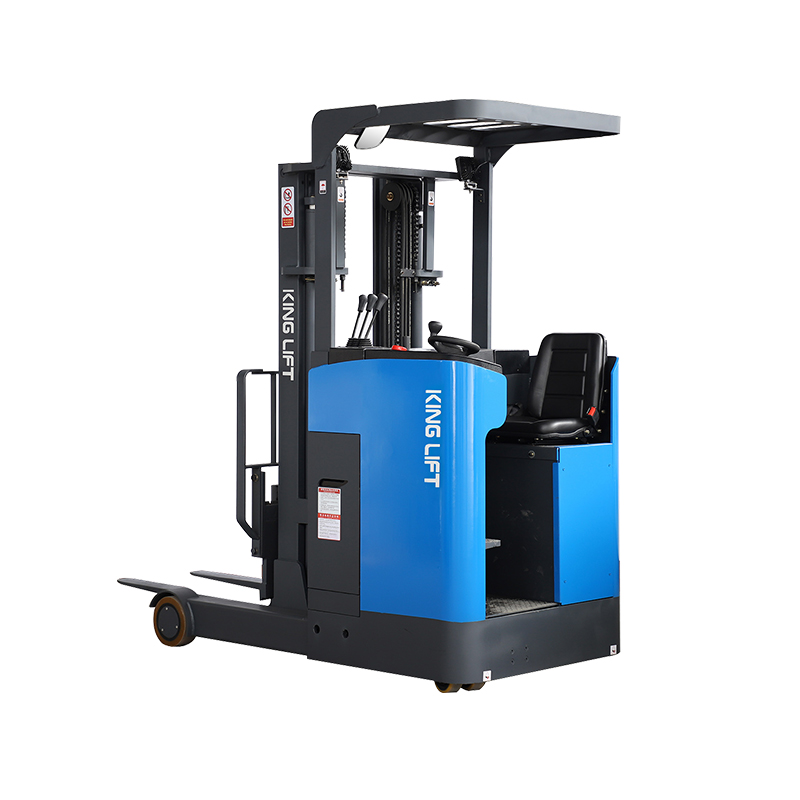
Future designs of heavy duty electric stackers are expected to combine ergonomic features with advanced automation, making them operator-friendly even in highly mechanized environments. The convergence of precision lifting stackers with ergonomic interfaces will define the next phase of material handling equipment.
Conclusion
The transformation of warehouse electric stackers underscores a critical truth: productivity is inseparable from operator well-being. By embedding ergonomics into design, manufacturers are not just improving comfort but actively enhancing efficiency, safety, and energy performance.
From ergonomic electric stackers that adapt to different operators, to low maintenance stackers designed for durability, the industry shift reflects a broader commitment to sustainable and human-centered warehousing.