

 English
 русский

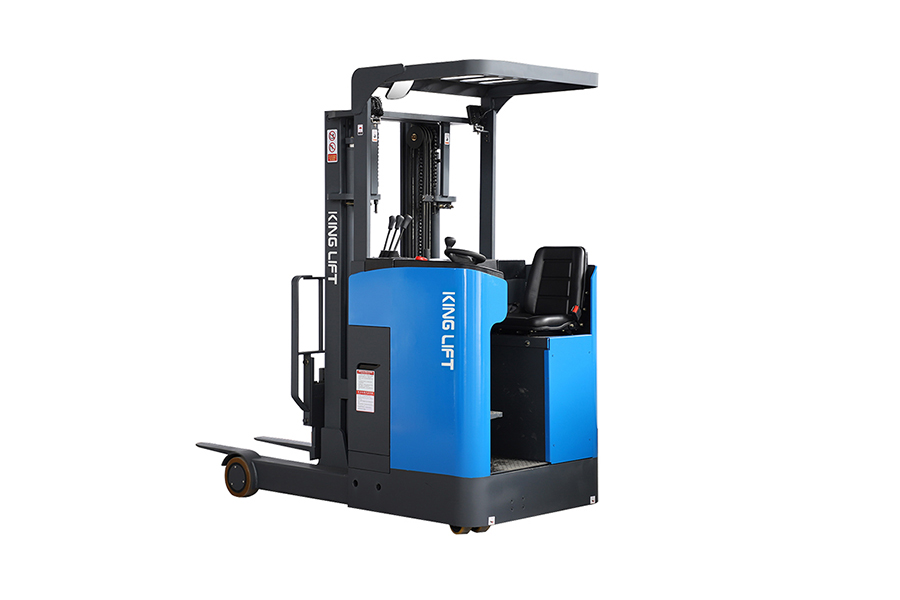
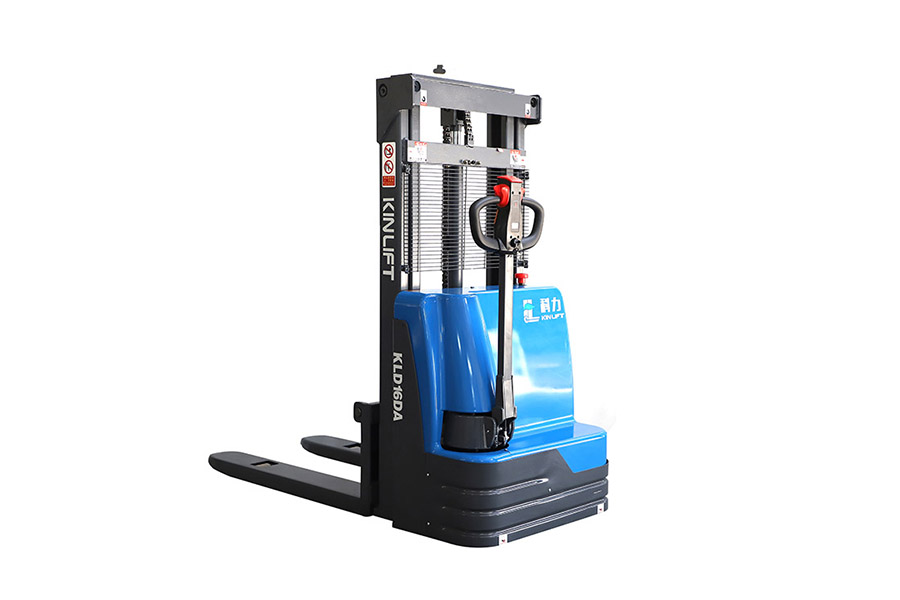
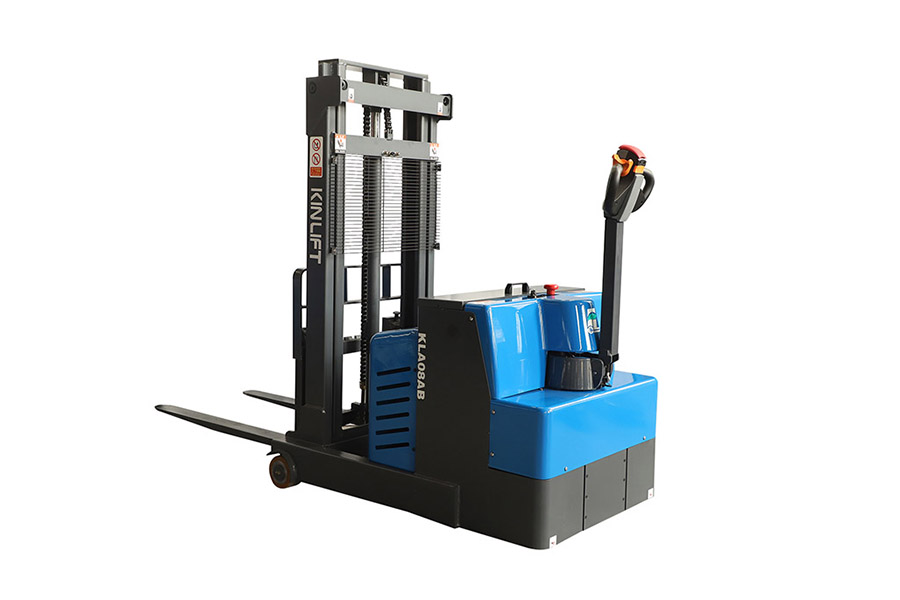
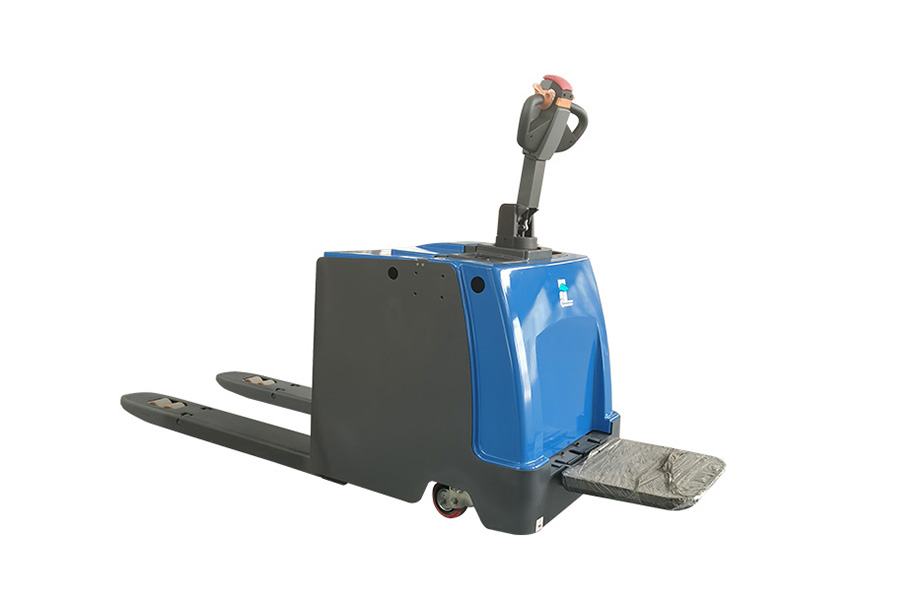

Home / News / Industry News / How to Choose Warehouse Electric Stackers for Your Aisle, Load and Budget
0.5 to 2.0 t Typical rated capacity range
2.0 m to 2.6 m Common narrow aisle widths
Up to 5.5 m Working lift height on mast models
One shift Target battery runtime for single-shift operations
What Sets a Warehouse Electric Stacker Apart from a Forklift or Manual Stacker
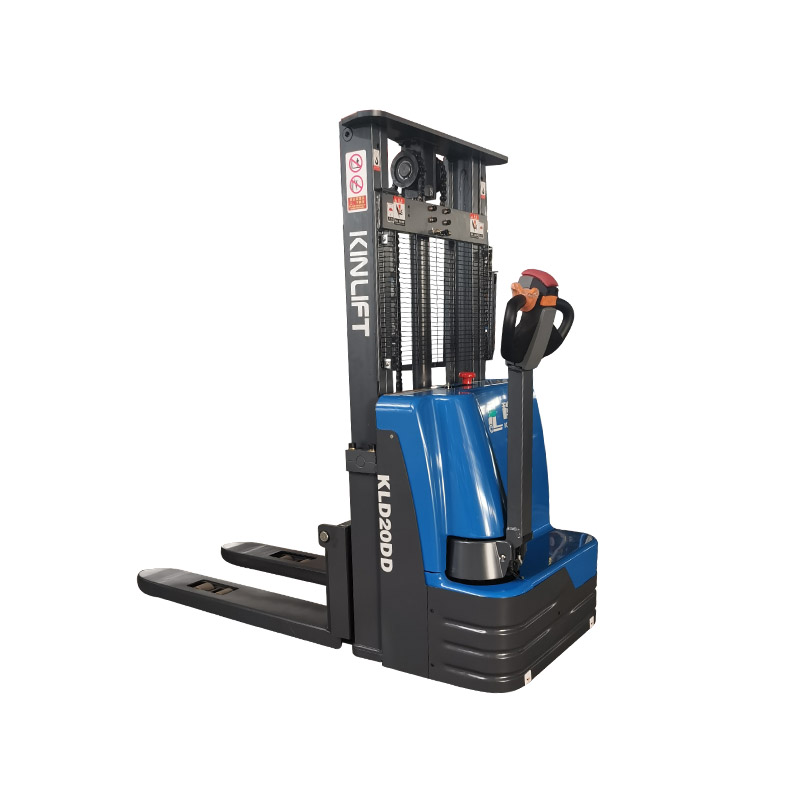
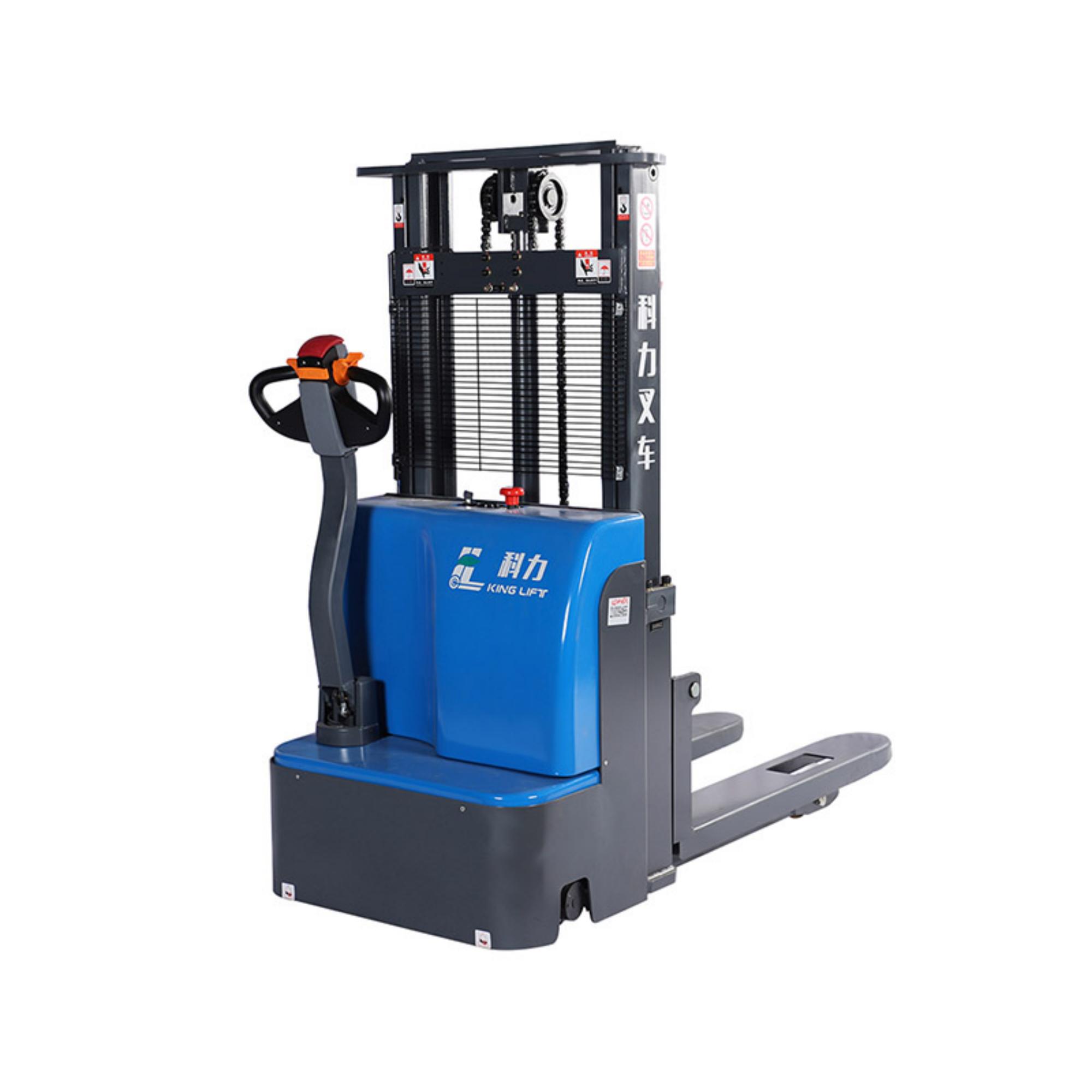
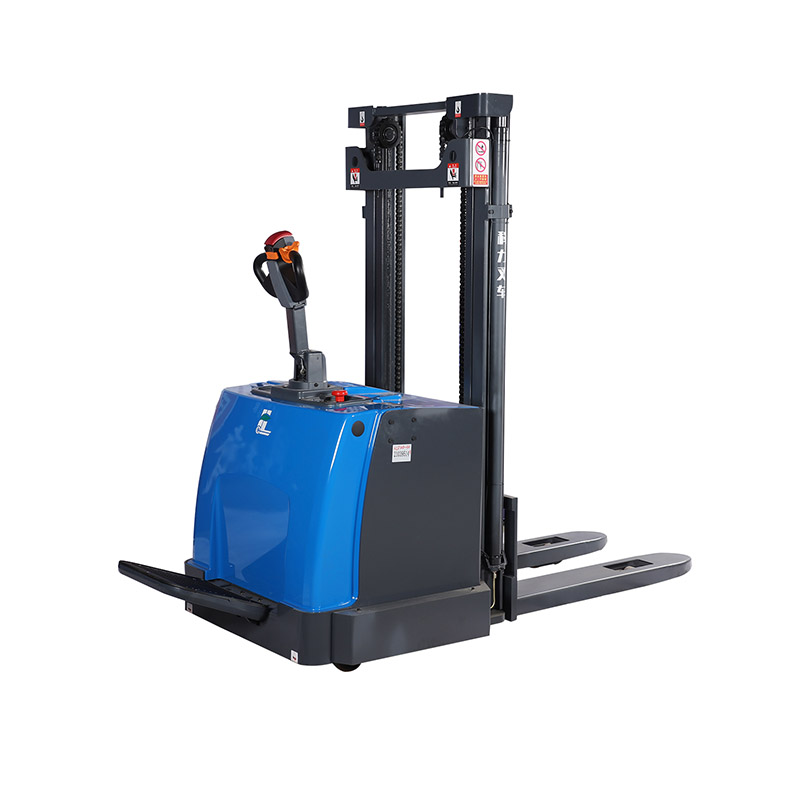
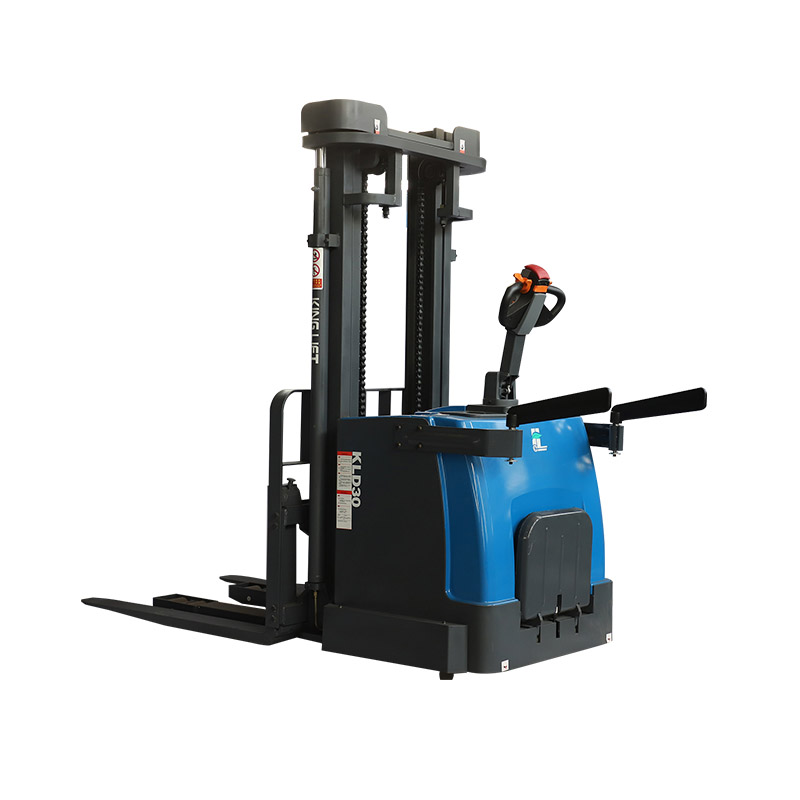
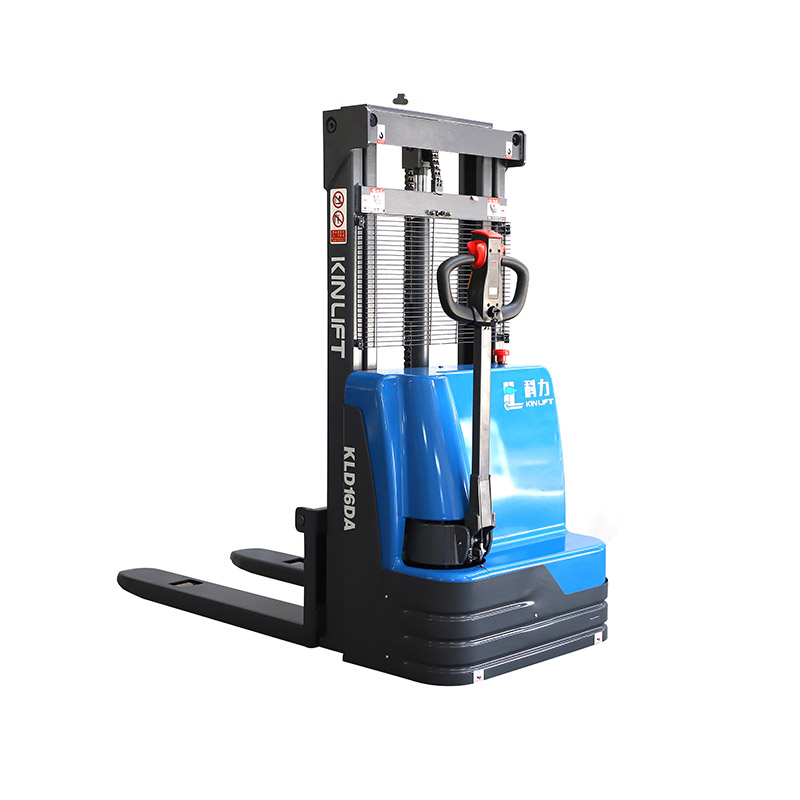
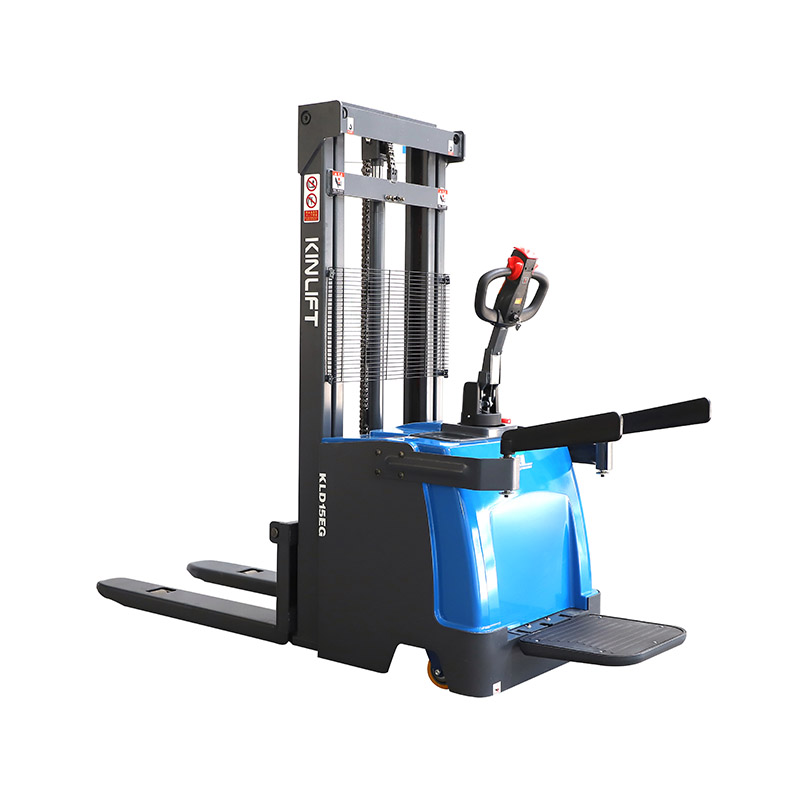
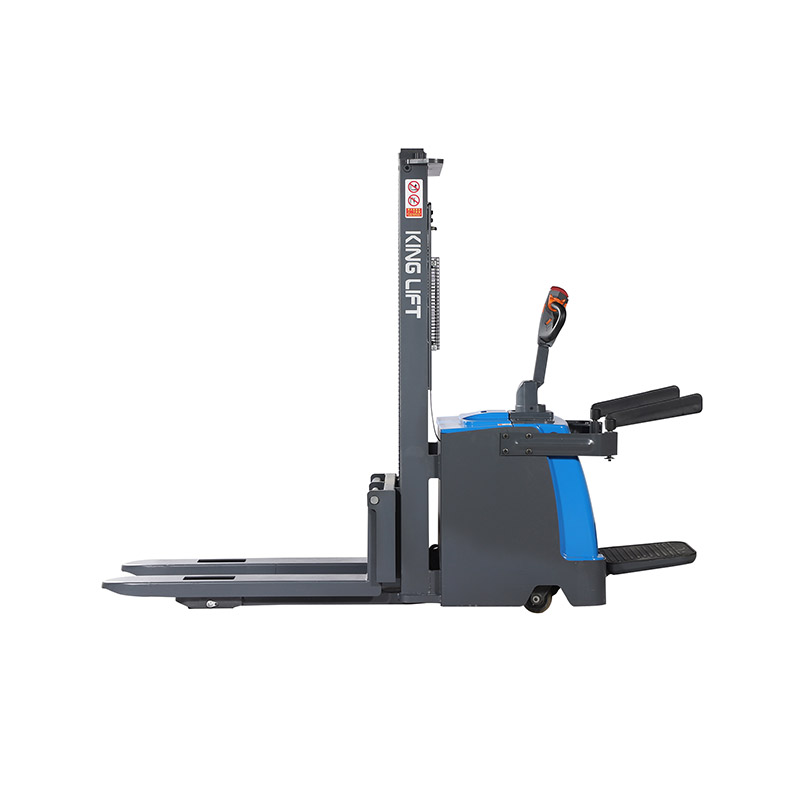
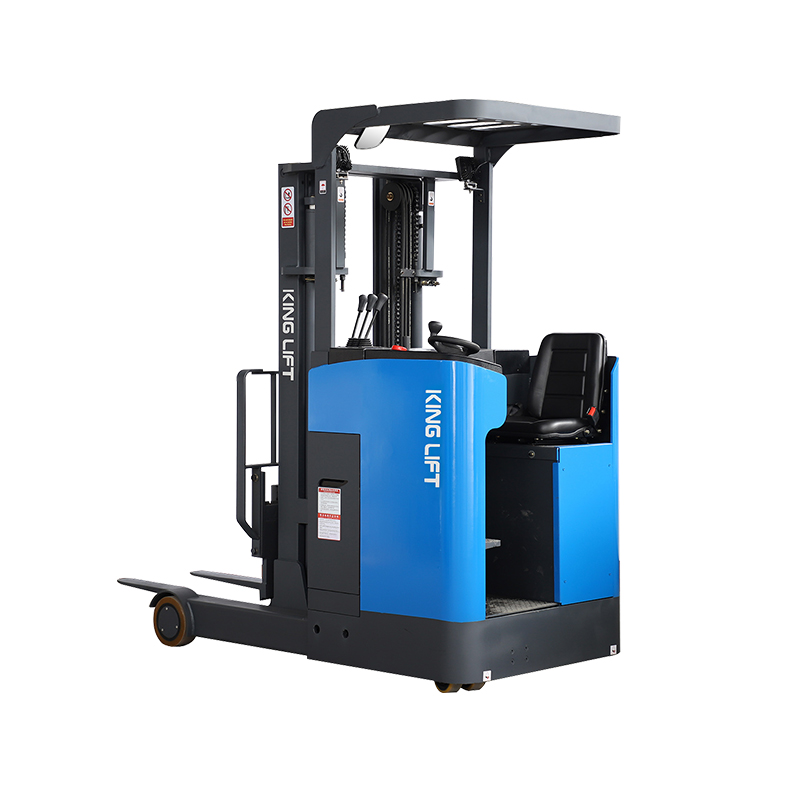
Many buyers compare a warehouse electric stackers option against a counterweight forklift or a manual pallet jack. Each category solves a different part of the material handling problem, and the differences matter more than headline capacity numbers.
Operating Cost per Hour
Electric stackers draw power only while working, and their motors have few wearing parts compared with combustion engines. Over a typical shift, the energy cost per hour is generally lower than fuel plus engine maintenance for a comparable indoor machine. Manual stackers have the lowest acquisition cost but shift the expense to labor and to the injury risk that comes with repetitive manual lifting.
| Factor | Electric Stacker | Counterweight Forklift | Manual Stacker |
|---|---|---|---|
| Indoor emissions | None at point of use | Exhaust present | None |
| Aisle width needed | Narrow | Wide | Narrow |
| Lift height | Moderate to high | High | Low |
| Operator effort | Low | Low | High |
| Noise level | Low | Moderate | None |
Aisle Space Requirement
The biggest practical advantage of a stacker is its footprint. Because it does not need a large counterweight swing radius, it can work in aisles that a standard forklift cannot enter. Facilities that once used wide aisles to accommodate combustion equipment often recover floor space when they move to a stacker, which can add pallet positions without expanding the building.
Three Steps to Match a Stacker to Your Operation
A reliable selection process starts with physical measurements and then moves to operating demand. Skipping either step is the most common reason buyers end up with a machine that works in the demo but struggles on the floor.
1
Measure the Narrowest Aisle
Record the clear width at the tightest point, including any protruding beams or floor markings. This single number determines whether a stand-on or walkie configuration is practical.
2
Calculate Daily Lift Cycles
Count pallet moves per shift and estimate total lift and travel time. This drives battery capacity and whether opportunity charging or battery swapping is needed.
3
Confirm Mast Height Against Racking
Compare the highest rack beam with the required fork height, leaving clearance for the load. Mast choice follows directly from this figure.
Reference Pairings Between Capacity and Mast Height
The table below shows commonly seen pairings in narrow aisle applications. Actual availability varies by configuration, so treat these as starting points for discussion rather than fixed limits.
| Rated Capacity | Typical Max Lift Height | Common Use Case |
|---|---|---|
| 0.5 t | Around 5.0 m | Light goods, high-density racks |
| 1.0 t | Around 4.5 m | General palletized goods |
| 1.5 t | Around 4.0 m | Retail distribution, mixed loads |
| 2.0 t | Around 3.0 m to 3.5 m | Heavier pallets, lower racking |
Practical tip: Send your aisle width, rack height, and maximum load to a supplier before you request pricing. A specific brief usually produces a more accurate recommendation than a generic catalog request.
Key Specifications to Verify Before Ordering
Specification sheets can look similar on the surface. The details below separate a machine that performs well for years from one that causes repeated downtime.
Battery Type and Real-World Runtime
Lead-acid and lithium batteries behave differently across a shift. Lithium packs generally tolerate opportunity charging and maintain voltage more consistently, which helps throughput in multi-shift operations. Lead-acid remains common and lower in upfront cost, but it requires room for charging, watering, and cooldown time.
When a supplier quotes runtime, ask under what duty cycle it was measured. A figure taken at light loads on flat concrete will differ significantly from a result on a ramped dock with frequent lifting.
- Confirm whether the quoted runtime assumes full rated load or partial load.
- Ask whether battery swapping is possible without moving the machine.
- Check the charger output and whether fast charging is included.
Mast Stages and Free Lift
Two-stage masts are simpler and cost less, while three-stage masts provide greater lift height and a useful free lift that lets forks rise slightly before the mast extends. Free lift matters when loading trailers or working at low levels, where a non-free-lift mast may bind or require extra clearance.
Two-stage mast
Lower cost and simpler maintenance, suited to moderate racking heights.
Three-stage mast
Higher reach and better free lift, suited to tall racking and frequent low-level work.
Safety Features That Affect Insurance and Training
Safety features are not only a compliance question. Emergency power cutoff, anti-slip braking, and speed limiting on turns reduce incident rates and can influence insurance terms and operator training requirements. Ask for a full list of standard versus optional safety equipment rather than relying on a summary.
Real Warehouse Scenarios and How They Are Solved
Abstract criteria become clearer when applied to actual layouts. The three scenarios below reflect common situations that buyers describe during planning.
Scenario A
Grocery Distribution Center
Aisles are about 2.2 m wide, and the team moves roughly 300 pallets per day. The main need is quick cycle time and low noise during early shifts. A compact 1.5 t stand-on model with lithium batteries and fast charging fits this pattern, because opportunity charging during breaks keeps the machine available throughout the day.
Scenario B
Chemical Storage Warehouse
Here, the priority is an electrically powered machine without combustion exhaust, along with protective configurations suited to the environment. Electric drive is the baseline, and the specific guarding, enclosure, and electrical ratings must be confirmed against the facility's hazard classification before ordering.
Scenario C
High-Bay Storage Above 4.5 m
When racking exceeds about 4.5 m, a 1.0 t capacity with a three-stage mast is a common choice. The extra free lift helps when stacking onto lower levels, and it reduces the number of repositioning moves that slow down order picking.
Not sure which scenario matches your warehouse? Describe your rack layout and aisle width, and a supplier can suggest a configuration that fits.
Why Work with a Specialized Manufacturer
Buyers usually care about three things beyond the machine itself: credible quality systems, the ability to adjust specifications to a real site, and dependable delivery and support after the sale.
01
Certified Production
Look for ISO 9001 quality management and the relevant special equipment manufacturing licence, which indicates controlled production and inspection processes.
02
Custom Configuration
Mast height, fork length and width, battery configuration, and seat or platform options should be adjustable to your racking and workflow.
03
Delivery and Warranty Clarity
Ask how long a quotation takes, what the warranty covers, and how spare parts are supplied and how quickly they arrive.
Frequently Asked Questions
These questions come up most often during early planning, before a formal quotation is requested.
Q1: What is the typical price range for a warehouse electric stacker?
Pricing depends on rated capacity, mast type, battery chemistry, and optional safety equipment. Entry-level manual-controlled models cost less than stand-on lithium units with three-stage masts. A supplier can provide an exact figure once the aisle, load, and lift requirements are defined.
Q2: Can an electric stacker operate in aisles narrower than 2 meters?
Many narrow aisle designs operate in clear widths around 2 meters or slightly less, depending on fork dimensions, load size, and turning geometry. Measure the tightest point in your layout and share it with the supplier for a feasibility check.
Q3: How much maintenance does an electric stacker require?
Routine tasks include battery care, checking hydraulic fluid levels, inspecting forks and chains, and testing brakes and emergency stops. Maintenance intervals are usually based on operating hours, and a documented schedule helps control downtime.
Q4: Do lithium batteries really reduce downtime compared with lead-acid?
Lithium batteries accept partial charges without the memory effects or watering requirements of lead-acid, which makes opportunity charging practical. The benefit is greatest in multi-shift facilities where the machine would otherwise sit idle during long charging cycles.
Q5: What information should I prepare before requesting a quotation?
Prepare the minimum aisle width, maximum load weight and dimensions, required lift height, number of daily pallet moves, power supply available, and destination country. These inputs allow a supplier to recommend a suitable model and an accurate delivered price.