

 English
 русский

Home / News / Industry News / Warehouse Electric Stackers vs. Pallet Jacks: Which is More Cost-Effective?
Introduction
In the modern warehouse environment, choosing the right equipment for material handling can have a significant impact on operational efficiency and overall cost. Two popular choices for lifting and moving goods are warehouse electric stackers and pallet jacks. While both are crucial for different tasks within a warehouse, determining which one is more cost-effective depends on various factors, including the type of operation, volume of goods, and the specific tasks that need to be completed.
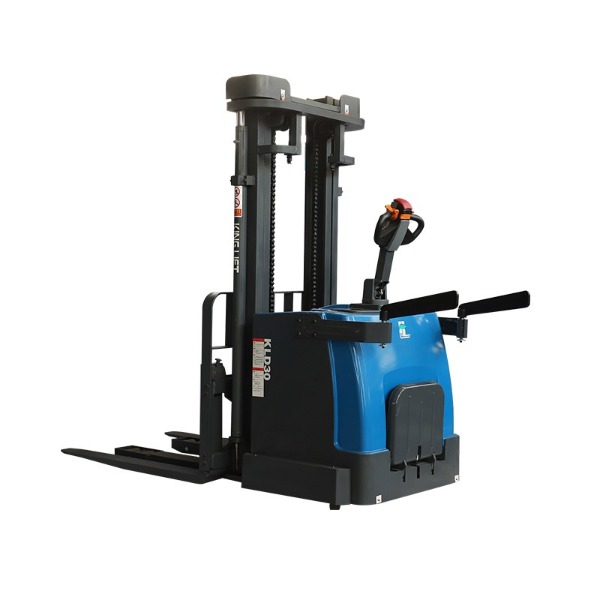
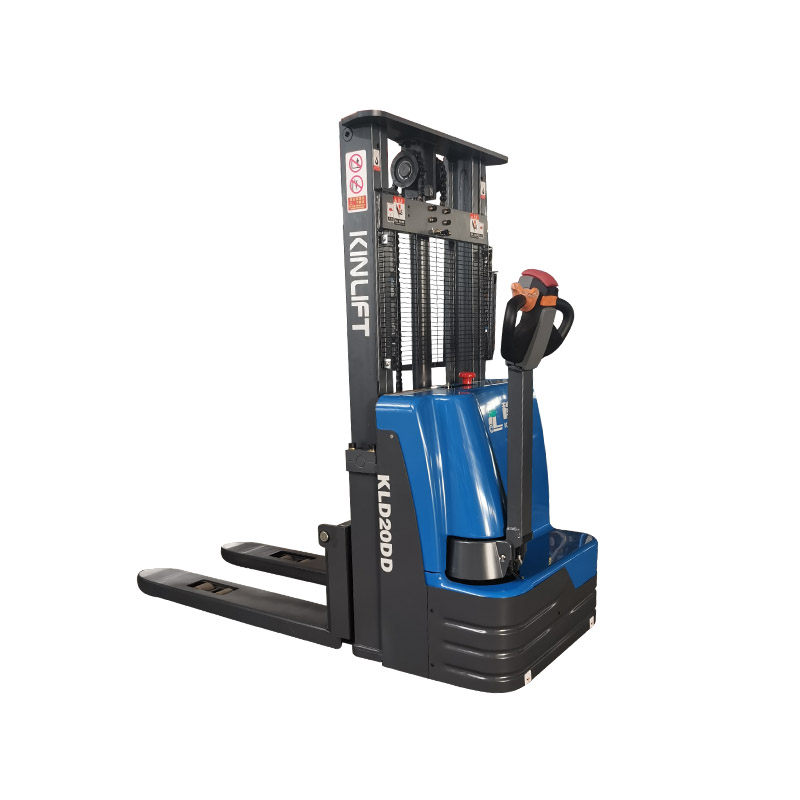
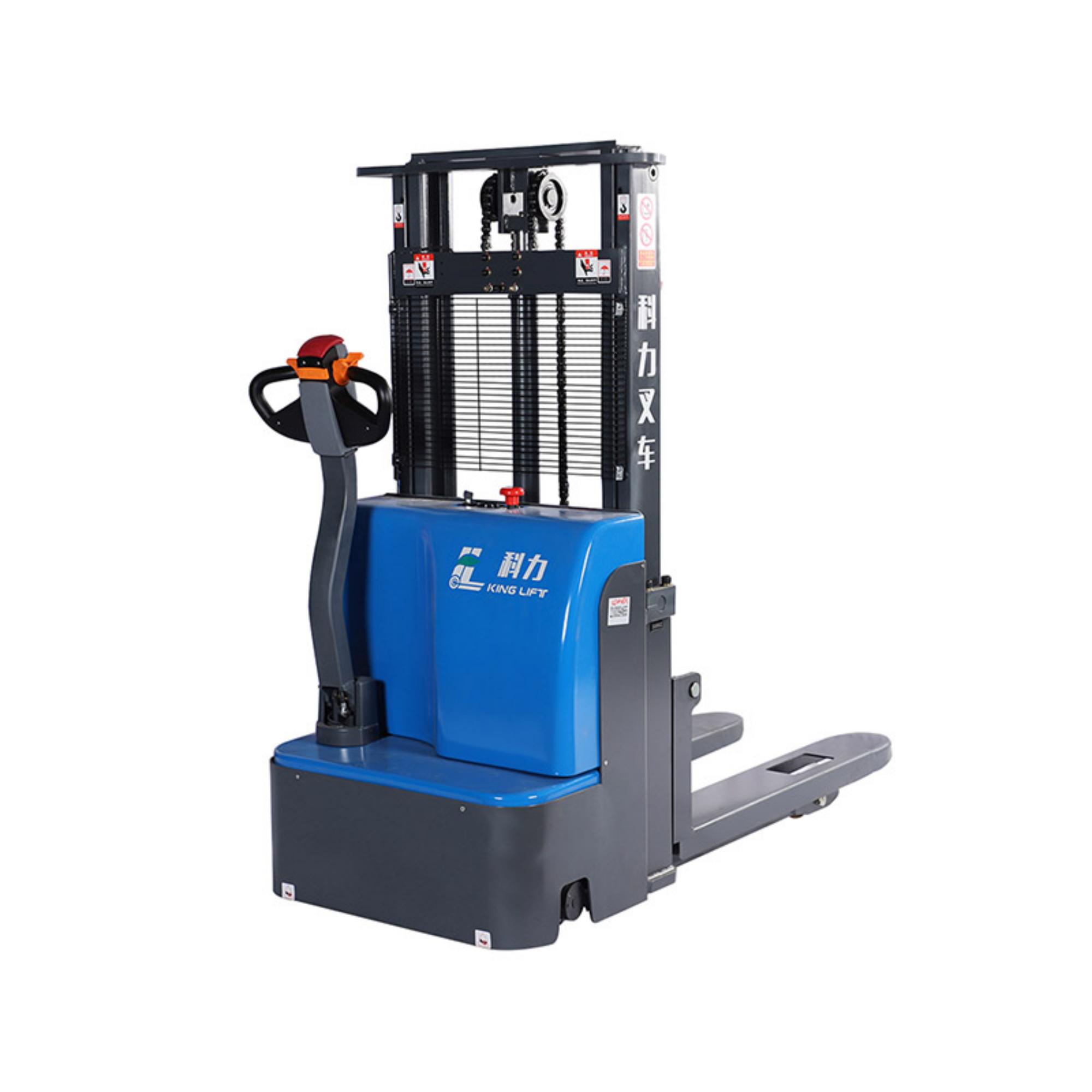
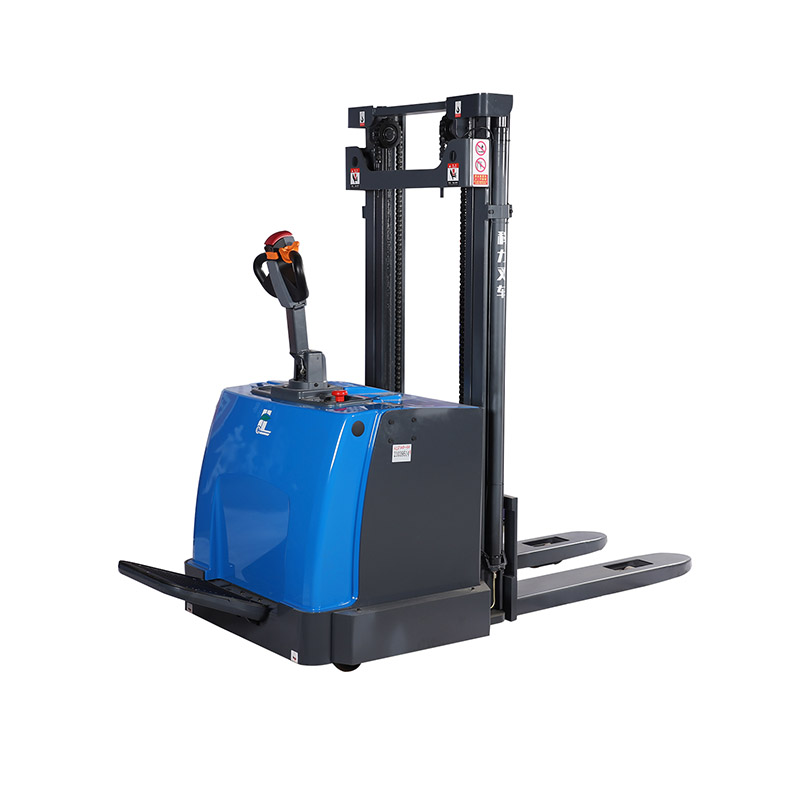
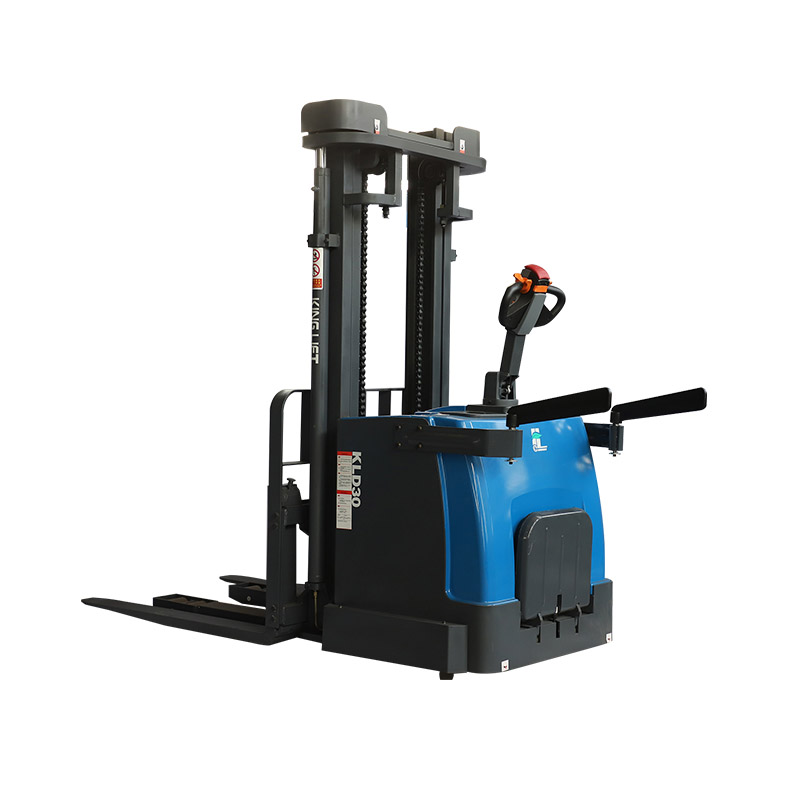
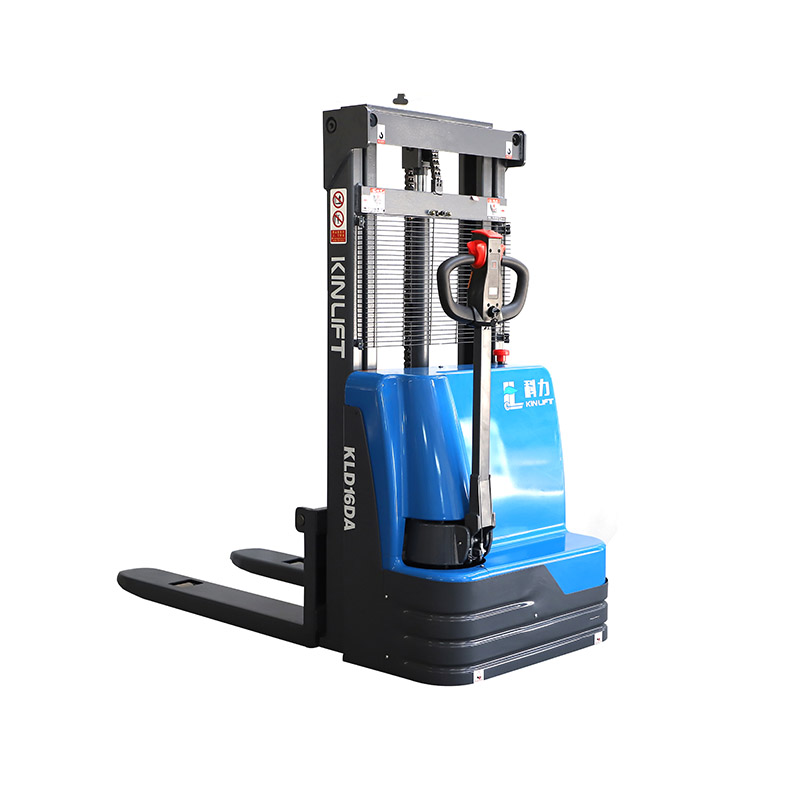
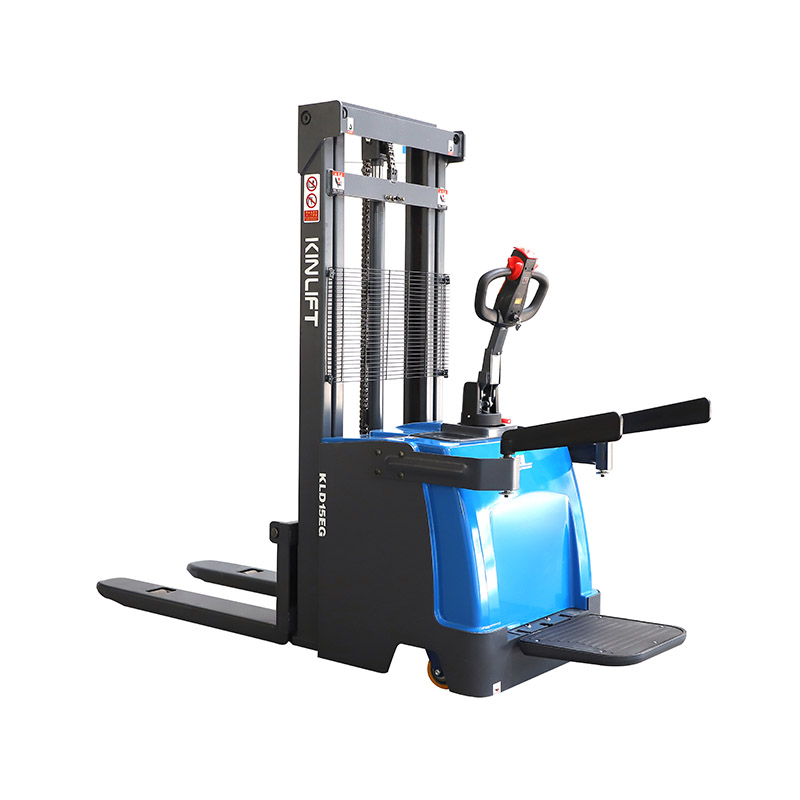
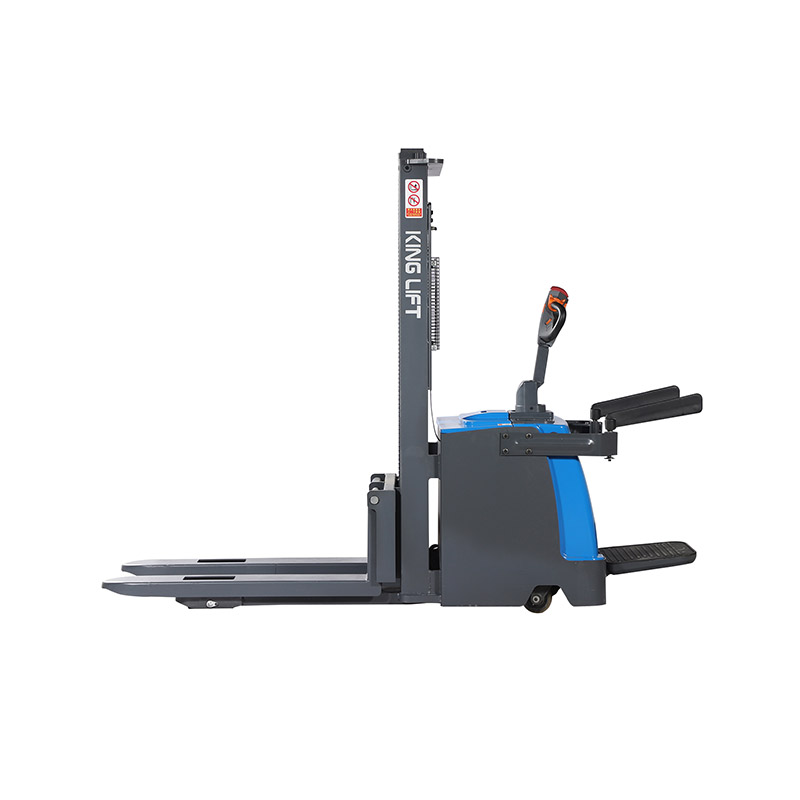
Overview of Warehouse Electric Stackers
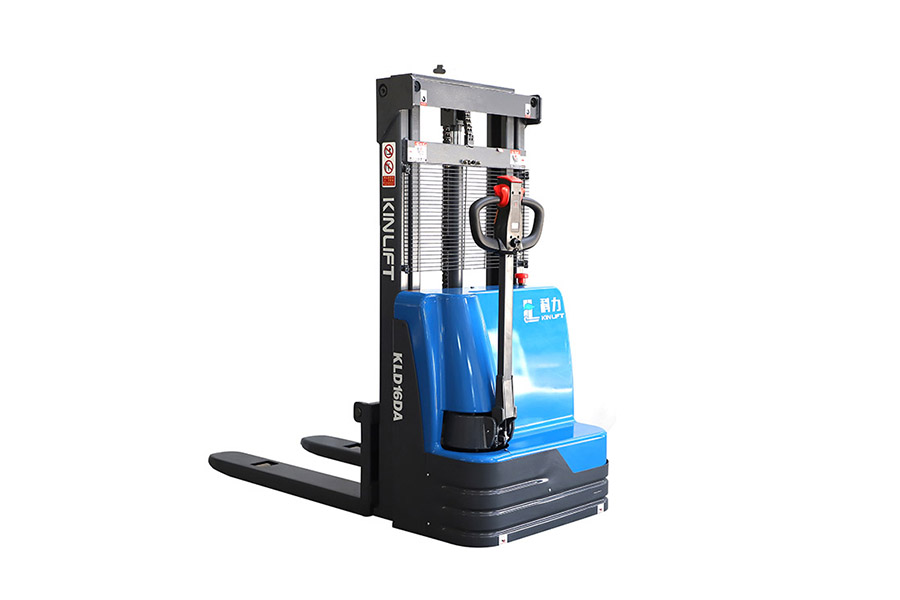
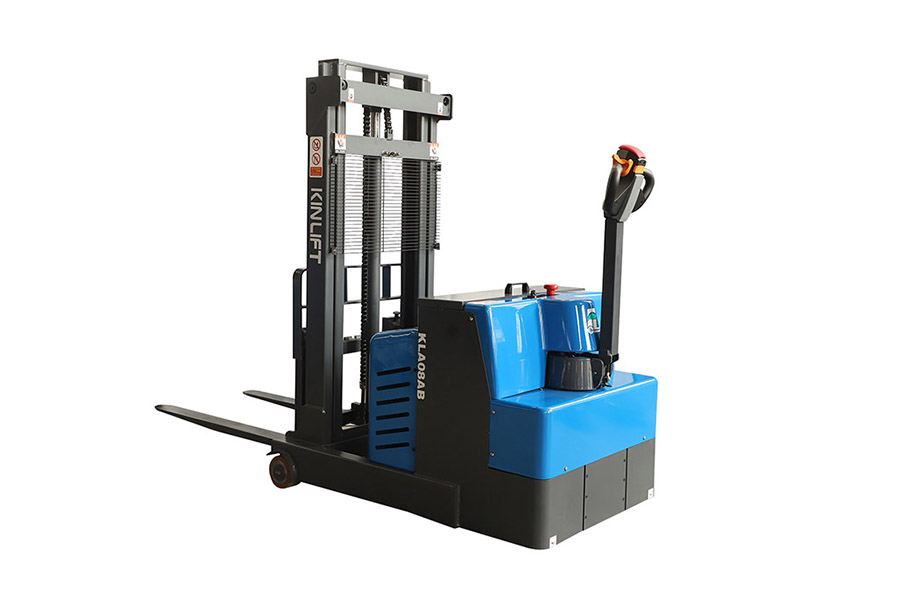
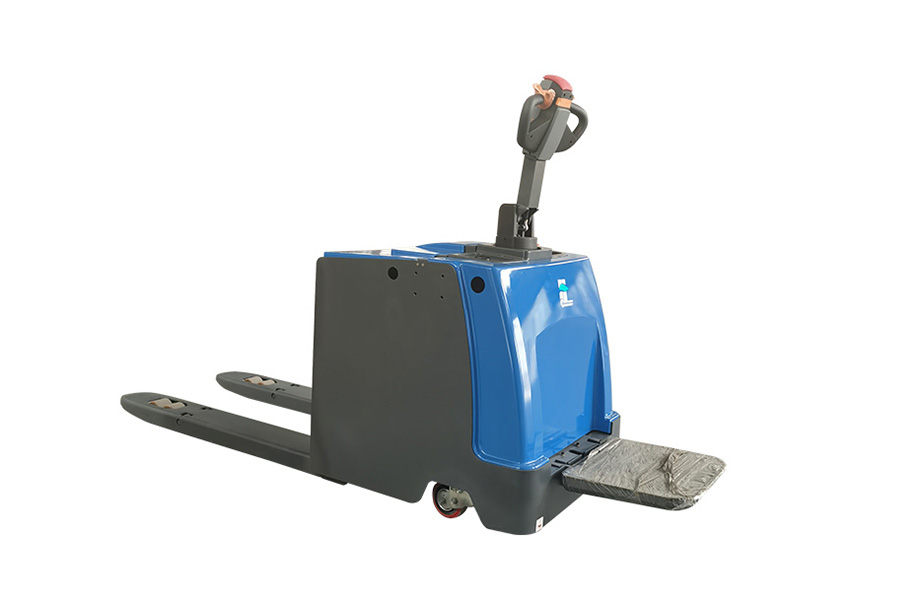
Warehouse electric stackers are motorized vehicles used to lift and stack materials on pallets in storage locations. Unlike traditional manual pallet jacks, electric stackers are powered by electricity and are designed to reduce manual labor while increasing productivity in environments where goods need to be stored at height.
Key Features of Warehouse Electric Stackers:
- Motorized Lifting: Powered by electricity, allowing for more precise control and lifting.
- Lifting Height: Can lift goods to greater heights compared to manual options.
- Maneuverability: Designed to work in narrow aisles, ideal for smaller spaces.
- Versatility: Suitable for stacking, lifting, and moving loads of varying sizes.
Applications:
Electric stackers are beneficial in medium to large warehouses where height and heavy lifting are regular requirements. They are designed for use in racking systems and can handle heavier loads than manual jacks, making them suitable for high-density storage.
Overview of Pallet Jacks
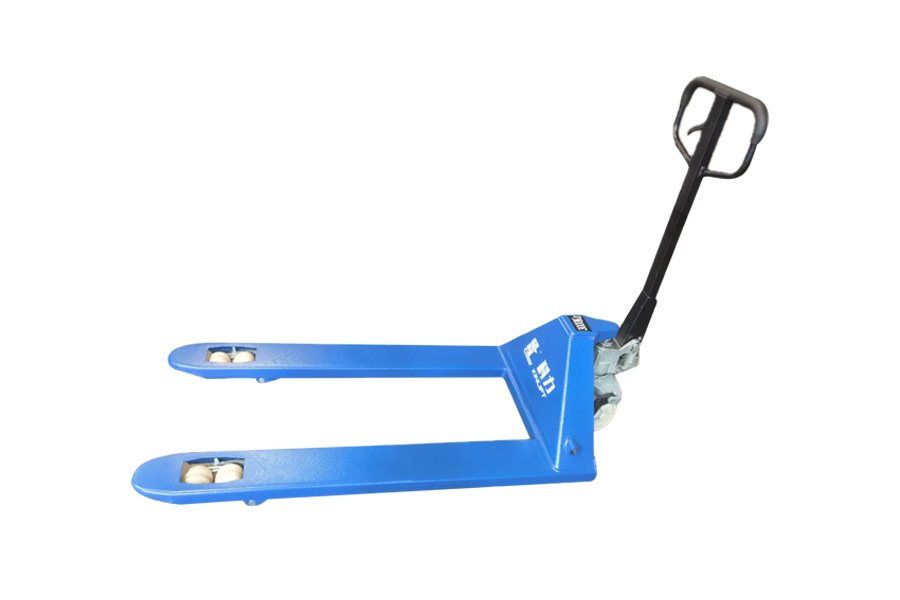
Pallet jacks, also known as pallet trucks, are manually operated tools used to lift and move pallets. These devices are simpler than electric stackers, with a basic design that allows the operator to raise or lower pallets using hydraulic power.
Key Features of Pallet Jacks:
- Manual Operation: Requires human effort to operate, making them less expensive but more physically demanding.
- Compact Design: Ideal for moving goods across short distances on flat surfaces.
- Low Cost: Generally cheaper upfront than electric stackers.
- Durability: Reliable for simple lifting tasks without the need for frequent maintenance.
Applications:
Pallet jacks are suited for environments where minimal lifting and horizontal movement of pallets are required. They are commonly used in smaller warehouses or for tasks such as loading and unloading from trucks.
Cost-Effectiveness Comparison
When evaluating cost-effectiveness, it’s crucial to consider both initial costs and long-term operational expenses. Below is a detailed comparison of warehouse electric stackers and pallet jacks.
Initial Purchase Cost
- Warehouse Electric Stackers: Typically more expensive due to the electric motor and additional features. The cost can vary based on lift capacity and brand but usually ranges from $3,000 to $10,000.
- Pallet Jacks: Significantly cheaper, usually costing between $200 and $2,000 depending on features like weight capacity and design.
Maintenance Costs
- Warehouse Electric Stackers: Maintenance is generally more expensive due to the complexity of the motorized parts. Regular maintenance, battery replacements, and charging systems must be factored into the overall cost.
- Pallet Jacks: Require less maintenance, with occasional checks on the hydraulic systems and wheels. Because of their simpler design, they incur lower costs for repairs.
Energy Costs
- Warehouse Electric Stackers: Electric stackers require charging, which leads to ongoing energy costs. However, their efficiency in performing multiple tasks and reducing manual labor often balances out these costs.
- Pallet Jacks: No energy costs are involved, as they are manually operated. This can make them more cost-efficient in low-volume environments.
Labor Costs
- Warehouse Electric Stackers: Although the initial investment is higher, electric stackers can reduce the need for manual labor, allowing for higher throughput and less physical strain on workers.
- Pallet Jacks: While more affordable initially, they require more human labor and are less efficient, which could increase labor costs in large operations.
Productivity and Efficiency
In terms of productivity, warehouse electric stackers generally outperform pallet jacks. Their ability to stack goods at height and handle heavier loads with ease allows for greater efficiency in high-volume environments. However, pallet jacks can still offer sufficient productivity in smaller operations with lower demands.
Warehouse Electric Stackers:
- Increased lifting capacity allows for stacking at higher levels, optimizing storage.
- Faster and more efficient, reducing the time required for loading and unloading.
- Can be used with minimal manual labor, improving worker safety and productivity.
Pallet Jacks:
- Simple design, easy to operate for short distances.
- Ideal for environments with low vertical storage needs and limited lift capacity.
- Slower in comparison to electric stackers, especially when high-frequency movement is required.
Key Considerations for Choosing the Right Equipment
The choice between warehouse electric stackers and pallet jacks ultimately depends on the specific needs of the warehouse operation. Here are key considerations to guide your decision:
Warehouse Size
- Electric Stackers: Best suited for larger warehouses or environments with vertical racking systems.
- Pallet Jacks: Ideal for smaller spaces and operations with lower demand for vertical storage.
Type of Goods
- Electric Stackers: More suitable for heavy goods and frequent lifting to high shelves.
- Pallet Jacks: Perfect for moving lighter goods over short distances.
Budget
- Electric Stackers: Higher initial costs but could reduce long-term costs due to increased efficiency.
- Pallet Jacks: Lower upfront cost but may incur higher labor costs over time due to their manual nature.
Conclusion
Both warehouse electric stackers and pallet jacks serve critical roles in warehouse operations, but they cater to different needs and environments. While electric stackers offer greater efficiency, productivity, and lifting capacity, pallet jacks are more cost-effective for smaller operations or those with low-volume demands. By understanding the specific needs of your warehouse, you can make an informed decision that balances both costs and productivity.
FAQ
1. What is the primary difference between warehouse electric stackers and pallet jacks?
The primary difference is that electric stackers are motorized and can lift and stack goods at height, whereas pallet jacks are manually operated and are for horizontal movement over short distances.
2. Are warehouse electric stackers worth the higher upfront cost?
If your warehouse requires frequent lifting and high-volume movement, the added productivity and reduced manual labor can make warehouse electric stackers a worthwhile investment.
3. Can pallet jacks be used in narrow aisles?
Yes, pallet jacks can be used in narrow aisles, but they may not be as efficient in these spaces as electric stackers due to the physical effort required to maneuver the load.
4. How long do warehouse electric stackers last?
With proper maintenance, electric stackers typically last around 5 to 7 years, though this can vary depending on usage frequency and care.
5. What are the main factors to consider when choosing between a warehouse electric stacker and a pallet jack?
Factors include warehouse size, type of goods, lifting height requirements, budget, and the volume of material handling needed.