

 English
 русский

Home / News / Industry News / What Are the Most Common Issues with Electric Reach Forklifts and How to Prevent Them?
Introduction
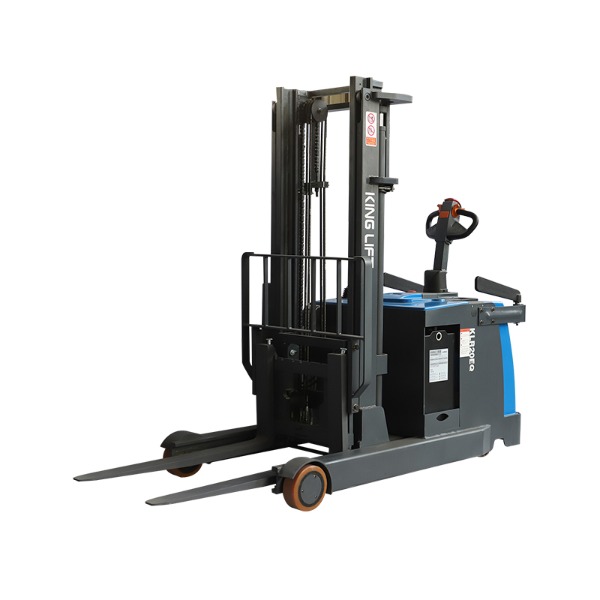
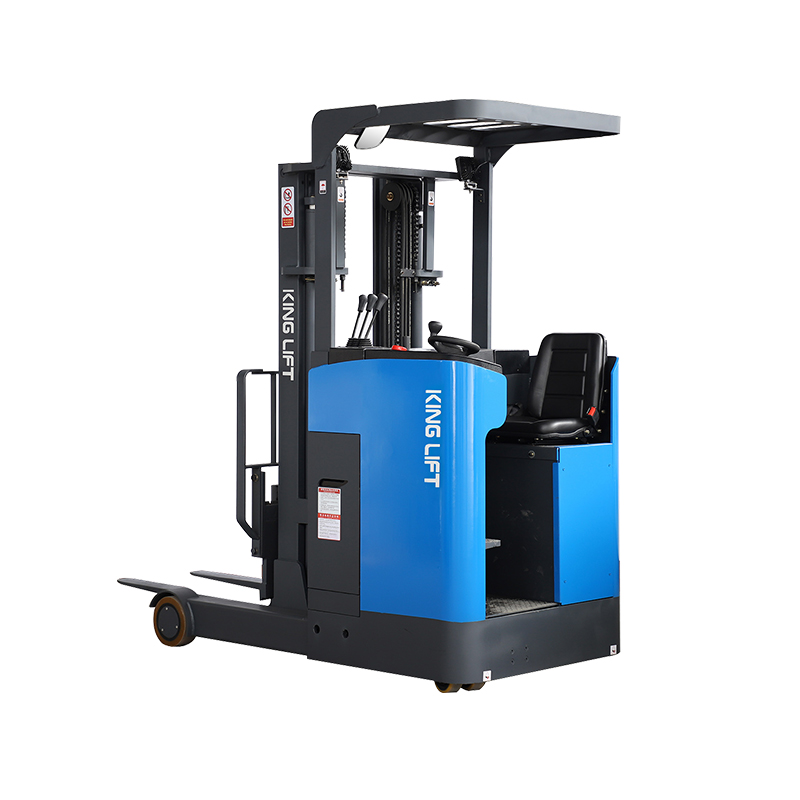
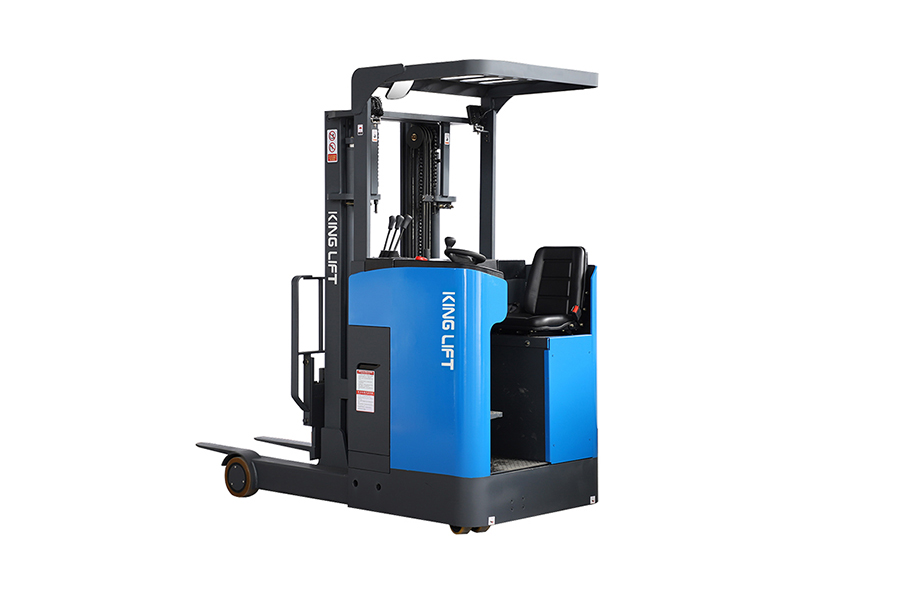
Electric reach forklifts are an essential piece of equipment for warehouses, particularly in environments where space optimization and efficiency are key. While these machines offer numerous advantages, including energy efficiency and maneuverability, they are not immune to issues. Over time, common problems can arise that may impact productivity, result in costly repairs, or shorten the forklift's lifespan.
Battery and Charging Issues
Common Problems:
One of the common issues with electric forklifts is related to the battery and its charging system. These problems include:
- Reduced Battery Life: Overcharging, undercharging, or improper charging cycles can reduce the lifespan of the battery.
- Battery Overheating: Poor charging practices or excessive load can cause the battery to overheat, reducing its effectiveness and efficiency.
- Slow Charging: Over time, charging times may increase, affecting operational efficiency.
Prevention:
- Regular Charging Maintenance: Always follow the manufacturer’s guidelines for charging cycles. Avoid overcharging or completely draining the battery.
- Use High-Quality Chargers: Ensure that the charging system is compatible with the forklift’s battery specifications.
- Temperature Monitoring: Monitor the battery’s temperature during charging and ensure that it is stored in a cool, dry place to prevent overheating.
Motor and Electrical Failures
Common Problems:
Motor and electrical system failures are among the disruptive issues for electric forklifts. These problems can include:
- Motor Overload: When the forklift is consistently overloaded, it can place excessive strain on the motor, causing premature wear.
- Electrical Shorts: Short circuits in the wiring can occur due to exposure to moisture, dirt, or damage.
- Contaminated Connections: Dust and debris can build up on electrical connections, resulting in poor performance or failure.
Prevention:
- Avoid Overloading: Ensure that the forklift is used within its rated capacity. Regularly check the load weight to avoid overloading.
- Routine Inspection: Perform regular inspections to check for signs of wear or damage to the motor and electrical connections.
- Cleanliness: Keep the forklift clean and free from dust or debris that can interfere with electrical components. Properly seal electrical connections to prevent contamination.
Hydraulic System Problems
Common Problems:
Hydraulic systems are essential for lifting and lowering operations, but they can develop issues that affect performance:
- Leaks: Hydraulic fluid leaks can reduce lifting capacity and cause operational inefficiencies.
- Insufficient Hydraulic Pressure: This can slow or uneven lifting.
- Pump Failure: Overuse or contamination can the failure of hydraulic pumps.
Prevention:
- Regular Fluid Checks: Regularly inspect hydraulic fluid levels and ensure they are topped up. Replace hydraulic fluid according to the manufacturer’s recommendations.
- Inspect for Leaks: Periodically inspect hydraulic hoses, seals, and pumps for leaks or wear.
- Hydraulic Filter Maintenance: Replace hydraulic filters as needed to prevent contamination of the system.
Tire Wear and Damage
Common Problems:
Worn or damaged tires can cause instability and affect the forklift’s maneuverability, particularly in tight spaces:
- Uneven Tire Wear: This can cause the forklift to handle poorly, affecting safety and efficiency.
- Flat or Punctured Tires: Flat tires or those with punctures can significantly reduce the forklift’s load-bearing capabilities.
Prevention:
- Regular Tire Inspections: Check for signs of wear and damage regularly. Ensure that tires are properly inflated and free from debris.
- Correct Tire Pressure: Maintain the recommended tire pressure for performance and safety.
- Replace Worn Tires: When tires show signs of wear, replace them promptly to ensure safe operation.
Steering and Lift Mechanism Issues
Common Problems:
The steering and lifting mechanisms are vital for effective operation. Common problems include:
- Steering Malfunctions: Problems with the steering wheel or hydraulic system can cause difficulty in maneuvering the forklift.
- Lifting Problems: Issues with the lift cylinders, chains, or forks can prevent the forklift from lifting loads properly.
Prevention:
- Regular Steering System Checks: Inspect the steering components for wear and check the fluid levels in the hydraulic system to prevent malfunctions.
- Lift Mechanism Lubrication: Ensure that all moving parts of the lift mechanism are adequately lubricated to prevent premature wear and ensure smooth operation.
Maintenance Checklist for Electric Reach Forklifts
| Component | Issue | Prevention Method |
|---|---|---|
| Battery | Reduced battery life, overheating | Follow charging guidelines, monitor temperature |
| Motor | Overload, electrical shorts | Avoid overloading, routine inspection |
| Hydraulic System | Leaks, insufficient pressure | Regular fluid checks, inspect for leaks |
| Tires | Uneven wear, punctures | Inspect for damage, maintain correct tire pressure |
| Steering & Lift | Malfunctions, poor lift | Check for wear, lubricate moving parts |
Forklift Controller Issues
Common Problems:
The forklift controller is the brain of the operation. Malfunctions can cause:
- Unresponsive Controls: Faulty controllers may result in unresponsive steering or lifting functions.
- Erratic Movement: A malfunctioning controller can unpredictable movements, affecting both safety and performance.
Prevention:
- Routine Controller Testing: Regularly test the forklift’s controller to ensure it is responding correctly.
- Software Updates: Ensure that the forklift’s software is up-to-date and functioning correctly. Consult the manufacturer for recommended software updates.
Conclusion
Electric reach forklifts are integral to warehouse operations, but like any mechanical system, they require regular maintenance to perform optimally. By addressing common issues early—such as battery care, motor maintenance, hydraulic system checks, and tire inspections—warehouse managers can ensure their forklifts operate smoothly, reducing downtime and improving overall efficiency. Following the preventive measures outlined in this article will help extend the life of the forklift, reduce costly repairs, and maintain a safe working environment for warehouse staff.
FAQ
1. How often should I charge my electric forklift’s battery?
It’s to follow the manufacturer’s recommended charging cycles. Generally, avoid fully discharging the battery and charge it when it reaches around 20-30% to extend its life.
2. What should I do if my forklift’s steering is not responding properly?
Inspect the steering mechanism for wear, check the hydraulic fluid levels, and ensure that there are no blockages or damage to the system.
3. How can I prevent hydraulic fluid leaks?
Regularly inspect the hydraulic hoses, seals, and pumps for any signs of wear or damage. Replace any components that show signs of leakage.
4. When should I replace the tires on my electric forklift?
Replace tires when they show signs of excessive wear or damage, such as punctures, uneven wear, or cracks that affect the forklift’s stability.
5. What is the common cause of motor failure in electric forklifts?
Motor failure is typically caused by overloading or inadequate maintenance. Ensure that you’re operating the forklift within its load capacity and performing regular inspections.