

 English
 русский


Scissor Lifts in Practical Aerial Work
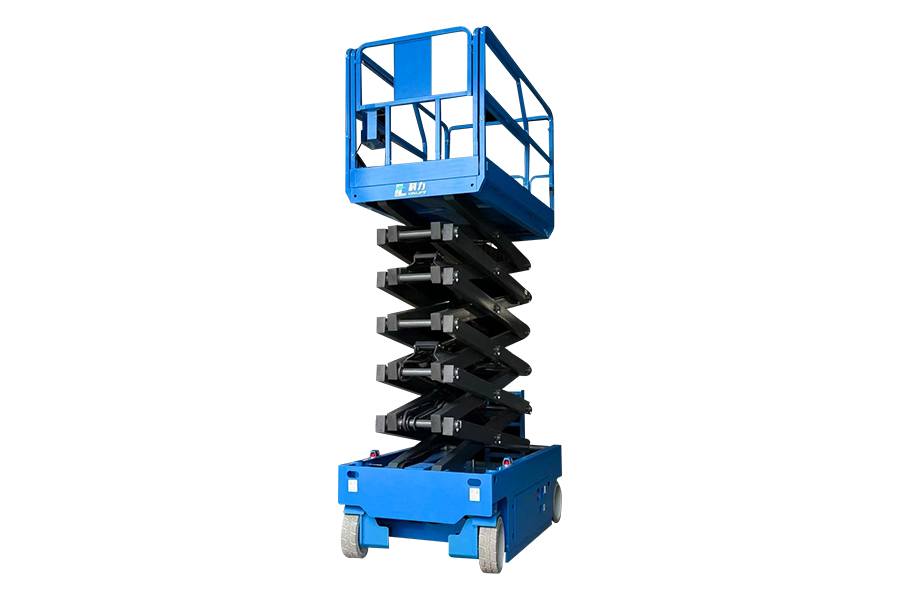
scissor lifts are mobile elevating work platforms built around crossed support arms. The arms fold and unfold in a vertical plane, raising a guarded platform straight up rather than along an arc. That straight vertical travel is the defining trait buyers care about: the operator stays within the footprint of the machine, the platform remains level, and the working area above the chassis is predictable.
Most procurement problems do not come from a lack of options. They come from mismatched selection. A buyer compares a 5m electric unit with a 12m diesel unit, then wonders why the price gap is so wide. A rental fleet adds a manual push-around model and discovers operators avoid it on long shifts. A factory orders a platform without checking door widths and floor loading. This guide works through the selection logic in the order a real purchase decision happens: how the machine works, which type fits which job, what the numbers on the datasheet actually mean, and where safety and cost intersect.
5mTypical working height, compact electric class
300kgCommon rated load for two operators plus tools
2Main drive types: self-propelled and manual push
How Scissor Lifts Work and Where They Fit
A hydraulic scissor lift uses one or more hydraulic cylinders to push the lower ends of the scissor arms together. As the arms close horizontally, the platform rises vertically. Lowering is controlled by releasing hydraulic pressure through a valve block, which gives smooth descent rather than a drop. Electric models drive the hydraulic pump from a battery bank, so the same machine can lift, steer and travel without a power cable.
Core mechanical advantages
- Large platform area relative to machine footprint, because the platform sits directly above the chassis.
- High lateral stability at height, since the load stays inside the wheelbase.
- Full perimeter guardrails and gate entry, which suits two-person tasks and bulky materials.
- Simple control layout: lift, lower, steer and drive functions on one panel.
Scissor lifts compared with boom lifts
The two categories are frequently confused in search and in tenders. A boom lift reaches up and over obstacles using an articulated or telescopic arm. A scissor lift platform goes straight up and must be positioned directly under the work area. If the job is ceiling grid, ductwork, racking faces or interior fit-out, the scissor type is usually faster and cheaper per task. If the job requires reaching across a wall, a roof edge or machinery, a boom is the correct tool.
Main Types of Scissor Lifts
The category splits along two axes: how the machine is driven, and what the running gear is designed for. Getting this split right narrows the field faster than any other decision.
Electric self-propelled scissor lifts
Battery powered, with drive motors on the chassis and controls on the platform. The operator drives the machine to the work position, raises the platform, works, lowers and drives on. No pushing, no cable handling, no exhaust. This is the standard choice for indoor work: warehouses, factories, retail interiors, airports and exhibition halls. Low noise and zero local emissions matter in occupied buildings, and the compact chassis passes standard doorways.
Within this class, the KLJC series electric scissor lift is a representative compact specification: 300kg rated load and 5m working height. That combination covers most two-person interior maintenance tasks while keeping the machine narrow enough for aisle work.
Manual push-around scissor lifts
Lower cost, lighter, no battery. The operator pushes the machine into position, then lifts using a foot pedal, hand pump or small electric pump. Suitable for short, intermittent tasks on flat floors, such as light bulb replacement or signage work. The trade-off is operator fatigue and slower repositioning over a full shift.
Diesel rough-terrain scissor lifts
Four-wheel drive, large pneumatic tyres, high ground clearance and a diesel engine. Built for outdoor construction sites, concrete slabs, yards and ground-level steel erection support. Emissions and noise rule them out for most occupied interiors.
Stationary hydraulic scissor lift platforms
Fixed installations for level changes between floors, loading docks and production lines. No drive system; the platform travels on a guided vertical path and is often integrated with conveyors or safety gates. These are capital equipment items, specified per site rather than rented.
| Type | Power | Typical use | Repositioning | Indoor suitability |
|---|---|---|---|---|
| Electric self-propelled | Battery | Warehouse, fit-out, maintenance | Self-drive | High |
| Manual push-around | Manual or small pump | Short intermittent tasks | Pushed | High |
| Diesel rough-terrain | Diesel | Outdoor construction | Self-drive | Low |
| Stationary platform | Electric or hydraulic | Fixed level change | None | Application specific |
Common Applications of Scissor Lifts
Task type, not industry, predicts whether a scissor lift is the right machine. The pattern across sectors is consistent: work that sits directly above an accessible floor, needs a stable platform for tools and materials, and repeats across many positions.
- Warehouse and racking maintenance: label replacement, beam inspection, sprinkler and lighting checks above aisle level.
- Interior fit-out: ceiling grid installation, duct connection, partition framing, painting and finishing.
- Factory maintenance: overhead conveyor inspection, pipe and valve access, motor replacement.
- Exhibition and event work: truss assembly, rigging checks, stage and stand construction.
- Facility management: shopping mall atria, signage, glazing and ventilation cleaning.
In a typical distribution centre, a 5m electric unit moves between fifty and eighty pick-face or lighting positions in a shift. The value comes from fast repositioning between short tasks, which is exactly where a self-propelled aerial scissor lift outperforms manual alternatives. For work above roughly 12m to 14m, platform stability and machine weight start to favour boom equipment instead.
Key Specifications to Check Before Buying
Datasheets use similar terms across manufacturers but measure them differently. The five figures below decide whether a machine fits the job and what it will cost.
Working height and platform height
Working height is normally platform height plus 2m, representing a person's reach. A 5m scissor lift has a platform floor around 3m, giving safe reach to ceiling services at roughly 5m. Confirm which figure a quotation states, because the two numbers differ by 2m and that gap changes the price bracket.
Rated load capacity
A 300kg scissor lift typically carries two operators at 80kg to 100kg each plus tools and materials. Load rating covers the platform, not the machine. Extension decks, if fitted, often reduce the permitted load when deployed. Check whether the rating applies to the main deck only.
Power source and drive mode
Battery voltage and capacity determine how many lift cycles fit in a shift. Self-propelled drive is measured by gradeability and travel speed. For multi-level buildings, confirm the machine fits the goods lift and that battery charging points are available.
Platform dimensions and entry
Platform length and width limit how many people and how much material can be staged. Fold-down guardrails allow passage through standard doorways. Check gate width and the height of the folded machine against any low openings on site.
Safety and control features
- Emergency stop on platform and ground controls
- Tilt sensor with cut-out and alarm
- Overload sensing on the platform
- Non-marking tyres for finished floors
- Descent alarm and manual lowering valve
These parameters drive scissor lift price more than any single feature. Height and load set the structure, battery capacity sets the drive cost, and safety electronics set the certification burden. A quote is only comparable when all five are specified.
Specification checklist for a quotation request
Working height, platform height, rated load, indoor or outdoor use, floor surface, doorway width, shift length, and any requirement for extension decks or non-marking tyres. Suppliers who receive these details can quote a matched machine instead of a range.
How to Match a Machine to the Job
Selection follows a short sequence. Working through it in order prevents the most common and most expensive mistakes.
- Measure the highest point of work, not the ceiling. Add reach and clearance to get required working height, then subtract 2m for platform height.
- Estimate the heaviest realistic platform load. Two people, tools and a material stack. Add margin rather than assuming best case.
- Survey the route. Door widths, lift capacities, floor loading, ramps and thresholds. A machine that cannot reach the work area has zero value.
- Decide the drive type from shift pattern. Frequent repositioning favours self-propelled. Occasional short tasks tolerate manual push.
- Confirm environment. Indoor work rules out diesel. Dusty or outdoor sites may rule out compact electric unless the ground is prepared.
Rental companies apply the same logic at fleet level: a mixed fleet of compact electric units plus a smaller number of rough-terrain machines covers most enquiries, while specialist heights are sub-contracted. Factories and facility operators usually need fewer machines but should verify battery charging infrastructure before committing to a battery-only fleet.
Safety Practices for Operators and Fleet Managers
Most incidents with aerial work platforms trace back to setup and load discipline rather than mechanical failure. The checks below are the ones that change outcomes.
- Pre-use inspection: guardrails, gate latch, hydraulic lines, tyre condition, battery charge and control response. Record the result.
- Ground condition: level, load-bearing surface. Tilt sensors protect against slope, not against a collapsing floor or a soft patch.
- Load discipline: never exceed the rated capacity and never use the guardrail as a ladder or anchor point for pulling.
- Fall protection: follow site rules; guardrails are primary protection, harness points are secondary where specified.
- Emergency controls: test the platform stop and the ground lowering valve before every shift, and confirm operators know how to descend if power is lost.
- Travel at height: keep the platform lowered while driving unless the manufacturer permits otherwise, and watch overhead obstructions.
For fleet managers, a short daily checklist and a documented familiarisation session for each new model does more for safety than additional machine features alone. Mixed fleets need particular attention, because control layouts differ between models.
Cost Factors and Procurement Notes
Purchase price for a compact electric self-propelled unit sits in a narrow band once height and load are fixed. The larger variables are battery specification, safety electronics, certification documentation and after-sales support in the destination market.
| Cost driver | Effect on price | Effect on running cost |
|---|---|---|
| Working height class | Strong increase per metre of reach | Low |
| Rated load and deck size | Moderate increase | Low |
| Battery capacity and charger type | Moderate increase | Shift coverage, replacement cycle |
| Safety and control electronics | Moderate increase | Lower incident and downtime risk |
| Certification and documentation | Fixed per order | Site acceptance, insurance compliance |
| Spare parts availability | Small effect at purchase | Major effect on uptime |
Buyers comparing scissor lift for sale listings should ask for the battery type and cycle count, the spare parts list, and the certification set that ships with the machine. A slightly higher price with local parts support usually beats a lower price that strands the machine for weeks.
What a Well-Specified Electric Platform Looks Like
A practical specification for interior maintenance reads as follows: 5m working height, 300kg rated load, battery electric drive, self-propelled steering, fold-down guardrails, non-marking tyres, emergency stop at both control stations and a tilt sensor with cut-out. That profile covers two-person tasks, passes standard doorways and runs a full shift between charges in most warehouse applications.
When comparing offers, ask three questions. What is the platform height as distinct from working height? What is the load rating with any extension deck deployed? Which certification documents ship with the unit? Answers to these three separate a genuinely matched machine from a datasheet that only looks comparable.
Frequently Asked Questions
Q1: What is a scissor lift used for?
It is used for overhead work that sits directly above an accessible floor: ceiling and duct installation, racking and lighting maintenance, factory equipment inspection, and event or exhibition construction. The platform rises vertically, so the machine is positioned under the work area rather than reaching across obstacles.
Q2: How much does an electric scissor lift cost?
Price depends mainly on working height, rated load, battery capacity and certification. Compact units in the 5m to 6m class with around 300kg capacity sit at the lower end of the electric range. Request a quotation with your height, load and site details for a comparable figure.
Q3: What is the maximum load of a scissor lift?
Compact electric models commonly carry 230kg to 320kg. Larger deck and rough-terrain models go higher. The rating covers people, tools and materials on the platform, and may reduce when an extension deck is deployed.
Q4: What is the difference between self-propelled and push-around scissor lifts?
A self-propelled unit drives itself from the platform controls, which suits frequent repositioning across a shift. A push-around unit is moved manually and lifted by pump or pedal, which suits short intermittent tasks on flat floors at lower cost.
Q5: Can scissor lifts be used outdoors?
Electric models can be used outdoors on firm, level surfaces such as concrete slabs. Rough, uneven or sloped ground calls for a rough-terrain diesel machine with appropriate tyres and ground clearance. Wind exposure and surface condition should always be assessed before raising the platform.
Q6: What maintenance does an electric scissor lift need?
Daily pre-use checks of guardrails, controls and hydraulics; periodic inspection of battery condition and charging; hydraulic fluid and filter checks at manufacturer intervals; and inspection of tyres, brakes and limit switches. Keeping a written log supports both safety compliance and resale value.
Final Selection Notes
Scissor lifts reward buyers who start from the task rather than the catalogue. Fix the working height, the load and the route to the work area first. Those three answers eliminate most of the market and make price comparison meaningful. For interior work with frequent repositioning, a compact battery electric self-propelled machine with around 5m working height and 300kg capacity covers the widest range of everyday tasks at the lowest total cost.
Confirm platform height separately from working height, check load ratings with any deck extension, and verify which certification documents and spare parts are included. A machine specified against a measured task will outperform a larger machine chosen on headline height alone.