

 English
 русский
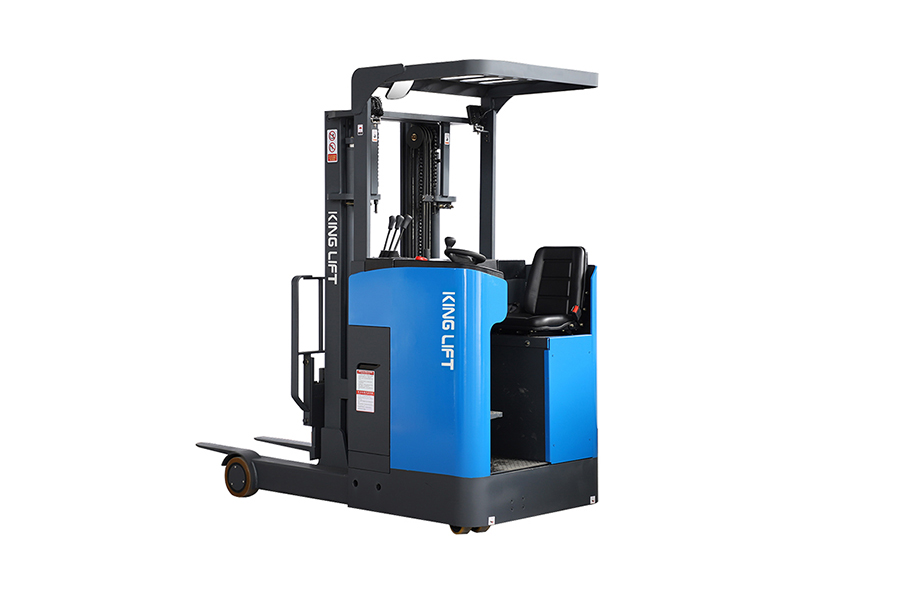
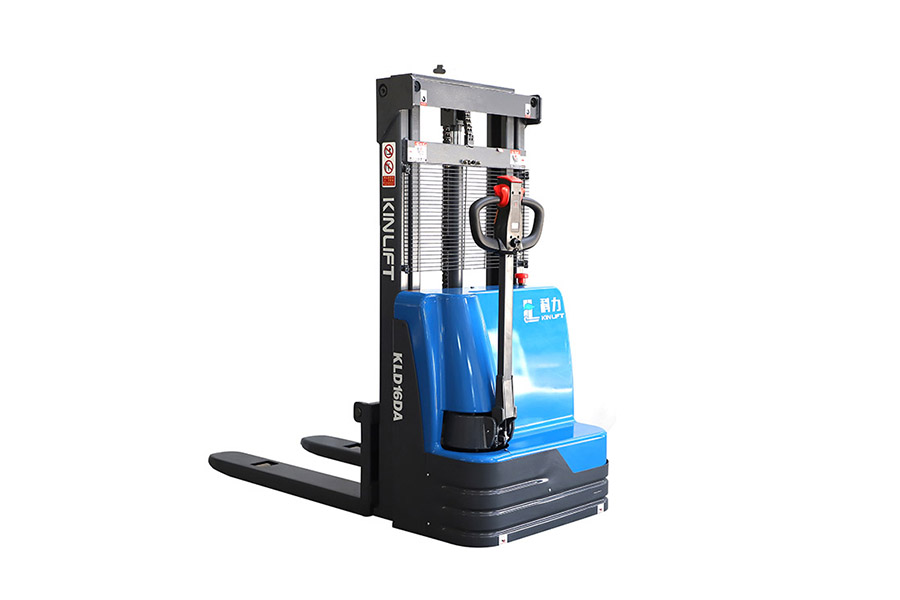
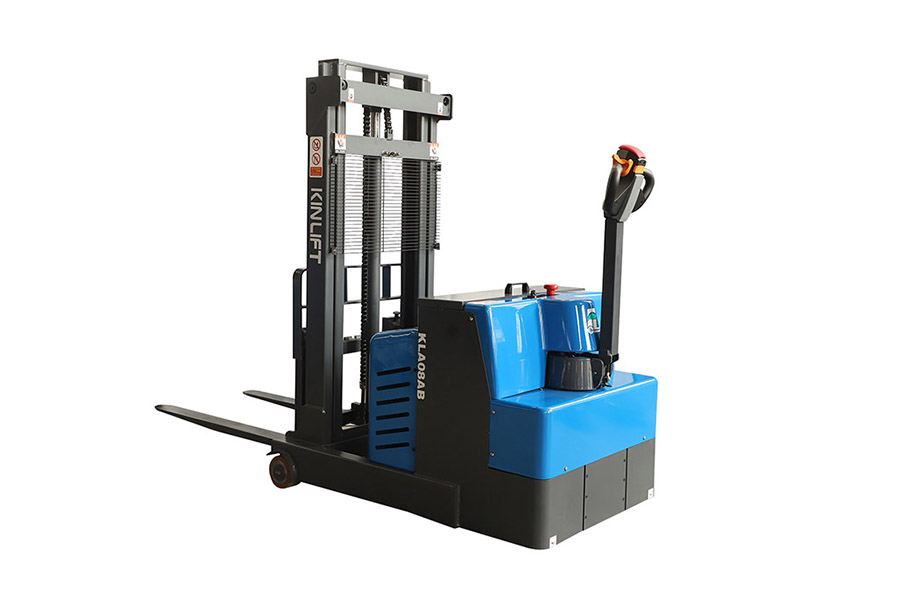
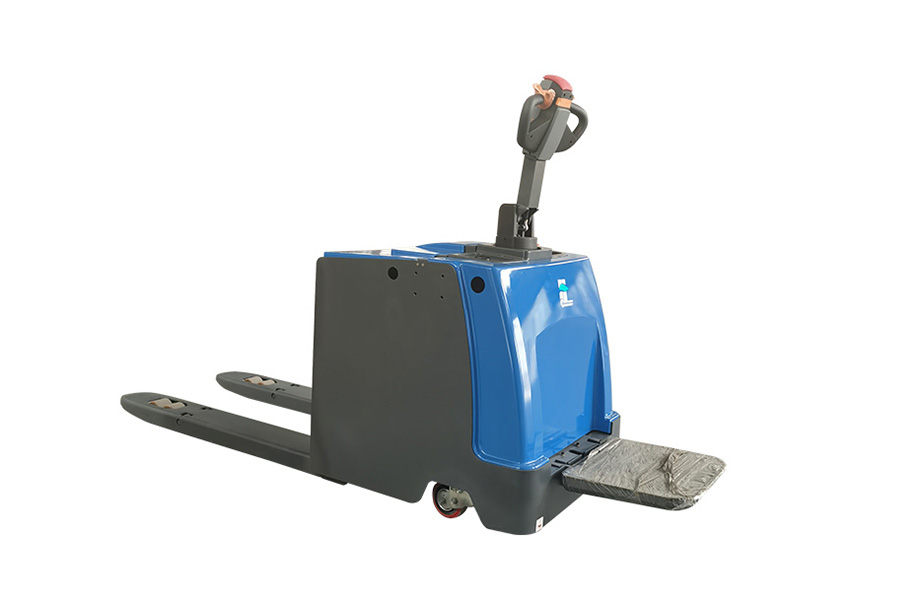

Home / News / Industry News / Why Electric Counterbalanced Forklifts Are Replacing Diesel Models in Modern Warehouses
The Real Cost of Sticking with Diesel and LPG Forklifts
Your warehouse is running the same forklifts it did five years ago. Fuel costs have climbed 35 percent. Maintenance technicians spend half their time on engine overhauls. Emission regulations are tightening, and your facility no longer qualifies for certain high-value contracts that require zero tailpipe solutions. Sound familiar?
The problem is not that you lack efficiency—it is that your equipment cannot adapt to market demands. An electric counterbalanced forklift solves this by cutting operating costs, extending equipment lifespan, and opening doors to regulated industries. But switching is only smart if you choose the right model for your specific operation.
This guide cuts through the complexity. It shows you exactly what to evaluate, which capacity makes sense, and why battery type matters more than you think.
How Electric Counterbalanced Forklifts Work Differently
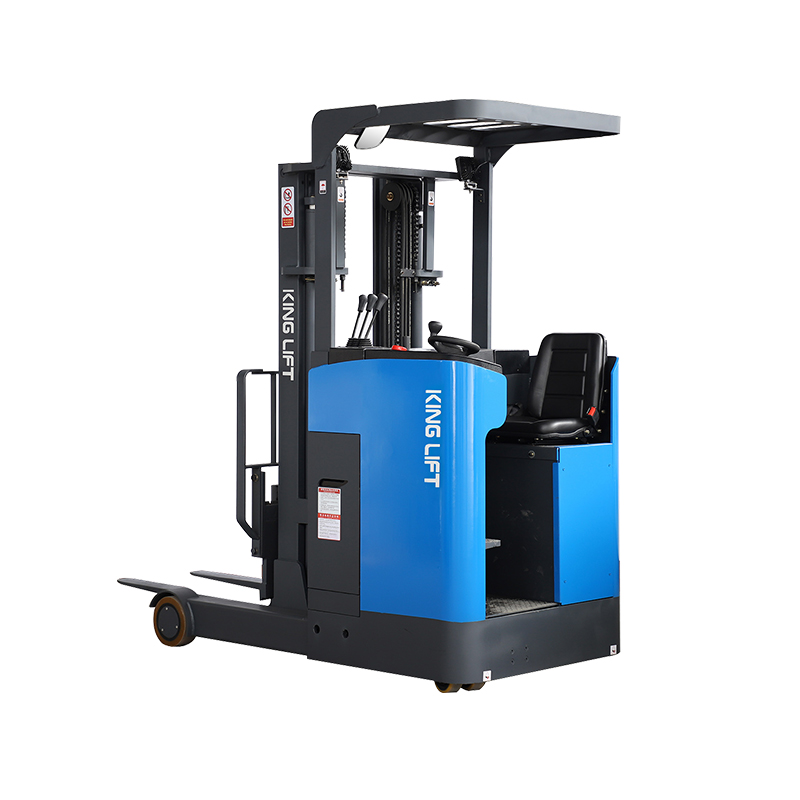
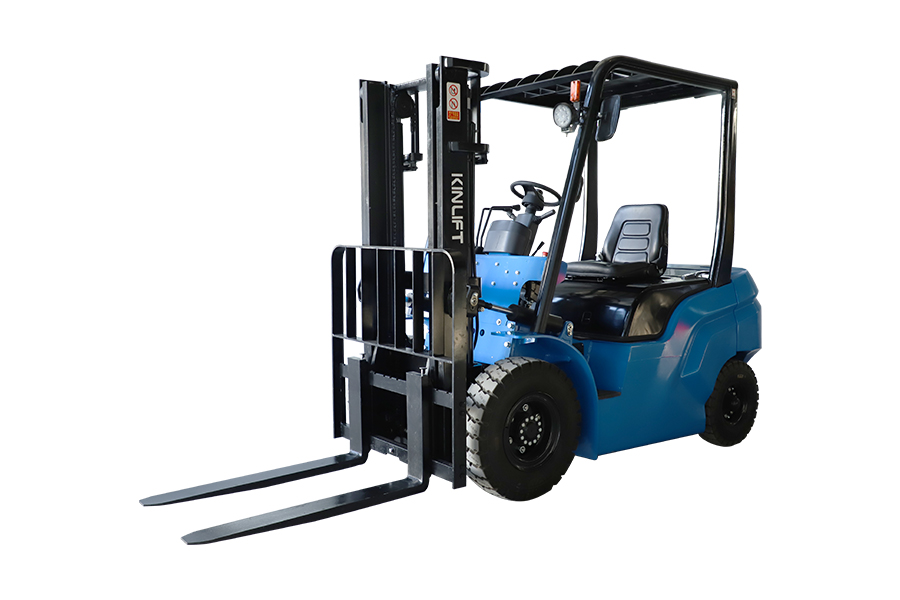
A counterbalanced forklift distributes weight by placing a heavy iron or lead mass behind the rear axle. This design allows the mast to lift loads without tipping—the driver and counterweight balance the load on the forks. Traditional models used internal combustion engines; electric versions swap the engine for a battery-powered motor.
Core Mechanical Differences
- Electric motor replaces combustion engine—fewer moving parts mean lower maintenance
- Battery system replaces fuel tank—supports planned charging cycles or opportunity charging
- Hydraulic pump driven by motor instead of engine—identical load handling performance
- Regenerative braking capability on some models—energy recovered during descent
The lifting capacity, mast height, and load handling remain functionally identical to diesel counterparts. The difference lies in operational cost, noise, and emissions.
Operational Cost Comparison: Electric vs. Diesel and LPG
Purchasing price is only one piece of the cost equation. The real financial advantage emerges over a 5-year operating window.
| Cost Factor | Diesel Forklift | LPG Forklift | Electric Forklift |
|---|---|---|---|
| Fuel/Energy per Hour | 3.50 - 4.20 USD | 2.80 - 3.40 USD | 0.90 - 1.40 USD |
| Annual Maintenance | 1,200 - 1,600 USD | 900 - 1,200 USD | 300 - 600 USD |
| Oil Changes Required | 4-6 per year | 4-6 per year | 0 |
| Brake Overhauls (5 years) | 2-3 times | 2-3 times | Rarely needed |
For a facility running three forklifts eight hours per day, the electric option saves approximately 8,000 to 12,000 USD annually in direct operating costs alone. Over a five-year lifecycle, that difference scales significantly.
Beyond Direct Costs: Regulatory and Market Access
Food storage facilities, pharmaceutical warehouses, and clean-room manufacturing increasingly require zero-emission equipment. Switching to electric unlocks contracts with these clients. Additionally, many municipalities offer tax incentives for electric logistics equipment, further reducing net acquisition cost.
Technical Specifications and Capacity Options
Choosing the wrong capacity is costly. Too small, and you cannot handle your peak loads. Too large, and you pay for unused power and consume floor space unnecessarily.
| Specification | Typical Value | Common Options |
|---|---|---|
| Load Capacity | 2.5 Tons | 1.5T, 2T, 2.5T, 3T, 4T, 5T |
| Lift Height | 3500mm | 2700mm, 3000mm, 3500mm, 4500mm, 6000mm |
| Battery Voltage | 48V or 80V | 24V (small), 48V (standard), 80V (high-power) |
| Turning Radius | 1.9m (3-wheel) | 1.8-2.1m (3-wheel), 2.2-2.8m (4-wheel) |
| Aisle Width Requirement | 3.5m (minimum) | 3.2-3.8m depending on model |
| Battery Capacity | 300-600 Ah | 200-800 Ah depending on duty cycle |
A practical approach: document your heaviest single load and tallest racking height. Add 10-15 percent margin to capacity for safety and occasional peak demand. Then cross-reference the required aisle width—this often determines whether 3-wheel or 4-wheel design suits your facility.
Real-World Application Scenarios
Warehouse and Distribution Centers
Warehouses with narrow aisles between racking benefit most from compact designs. Electric models in the 2.0 to 2.5-ton range with lift heights of 3000-4000mm dominate this segment. Lead-acid batteries work well if you operate single-shift, and the lower upfront cost offsets any efficiency loss. Three-wheel models shine here because their tight turning radius minimizes rack-bumping risk and maximizes space utilization.
Manufacturing and Production Lines
Factories running two or three shifts need equipment that keeps pace. Downtime for battery swaps is unacceptable. Lithium-ion with opportunity-charging capability allows operators to top up during breaks and lunch periods without stopping the line. Mid-range capacity (2.5 to 3.5 tons) with variable mast heights suits assembly environments where material staging varies by production schedule.
Food and Pharmaceutical Storage
Cold storage and clean-room facilities require zero-emission equipment by regulation or contractual requirement. Electric forklifts are the only legal option. Low-temperature batteries perform better than lead-acid in cold conditions, making lithium technology more reliable in freezer environments. These sectors typically justify premium upfront investment because compliance is non-negotiable.
Loading Dock and Cross-Dock Operations
Outdoor and semi-outdoor use requires 4-wheel stability, especially if ramps are involved. Four-wheel counterbalanced models with higher ground clearance handle rough surfaces better than three-wheel designs. Medium to high capacity (2.5 to 5 tons) accommodates containers and pallets typical of dock work. Lithium batteries are preferable because dock operations run irregular schedules and cannot rely on set charging windows.
3-Wheel vs. 4-Wheel: Making the Right Choice
This decision affects maneuverability, stability, load handling, and maintenance cost. Neither design is universally superior—each serves distinct operating conditions.
The decision tree is simple: if your warehouse aisles measure less than 3.8 meters wide and you operate indoors only, three-wheel is optimal. If you require outdoor capability, operate across multiple shifts, or handle loads exceeding 3 tons, four-wheel stability justifies the larger footprint.
Battery Technology: Lead-Acid vs. Lithium-Ion
Battery choice determines total cost of ownership, charging flexibility, and production uptime. This is not a one-size-fits-all decision.
Lead-Acid Battery Systems
Lead-acid technology has existed for over a century. It is reliable, well-understood, and inexpensive. A typical lead-acid pack costs 15 to 25 percent less than equivalent lithium capacity. However, the operational model requires commitment.
- Requires dedicated battery room with ventilation and acid containment
- Must charge for 8-10 hours after each shift before reuse
- Batteries degrade within 4-5 years with heavy use
- Complete battery pack replacement costs 8,000 to 15,000 USD
- Water top-ups required monthly in some environments
Lead-acid works best in single-shift operations where you accept a charging/swap window between shifts. If you run two shifts and cannot afford equipment downtime, this option creates scheduling constraints.
Lithium-Ion Battery Systems
Lithium-ion batteries charge faster, last longer, and support opportunity charging—the ability to top up during short breaks without full discharge cycles. They cost more upfront (25 to 40 percent premium), but the operational advantages often justify the expense.
- Fast charging: 1-2 hours to full capacity
- Opportunity charging: Safe to charge during lunch, coffee breaks, or shift handoffs
- No memory effect: Battery maintains capacity regardless of charge depth
- Expected lifespan: 6-8 years with proper care
- No toxic residue: Safer for warehouses near food or pharmaceuticals
- Consistent power delivery: Performance does not degrade until end-of-life
For multi-shift operations, lithium-ion eliminates the need for battery swaps, reduces downtime, and supports continuous production. The higher upfront cost is recovered within 3-4 years through operational efficiency gains.
Cold-Environment Considerations
Lead-acid performance deteriorates in temperatures below freezing. A lead-acid battery loses 20 to 50 percent of capacity in cold storage. Lithium-ion maintains capacity better in cold, making it mandatory for freezer warehouses and outdoor dock work in northern climates.
How to Select the Right Model for Your Operation
The selection process requires documenting three critical parameters and then cross-referencing them against available models.
Step 1: Determine Load Requirements
List your three largest loads that the forklift must handle regularly. Add the weight of pallets or attachments. Select a capacity rated 10 to 15 percent above that total. Do not cut margins here—overestimating capacity costs less than underestimating it.
Step 2: Measure Facility Dimensions
- Aisle width between racking: Determines 3-wheel vs. 4-wheel
- Tallest racking height: Defines mast height requirement
- Floor condition: Level and smooth (indoor) vs. rough/sloped (outdoor/dock)
- Operating schedule: Single-shift, multiple-shift, or variable
Step 3: Evaluate Your Operational Schedule
Single-shift with regular breaks: Lead-acid is economical. You can dedicate a charging window between shifts.
Multiple shifts with high utilization: Lithium-ion is necessary. Opportunity charging prevents production loss.
Variable schedule with unpredictable demand: Lithium-ion reduces risk because you never know when the next shift will request equipment.
Step 4: Calculate 5-Year Total Cost
Use this framework: Acquisition cost + (Annual operating cost x 5) + (Planned maintenance x 5) - Residual value. Electric models have higher acquisition cost but lower operating cost. Diesel has lower upfront cost but higher operating expense. The math consistently favors electric over five years.
Capacity Myths and Realistic Performance Expectations
Myth 1: Higher Capacity Always Means Better Performance
Reality: A 5-ton forklift handling 2-ton loads all day wastes energy, consumes floor space, and ages faster from underutilization. Right-size your equipment to your actual load profile, not theoretical maximum.
Myth 2: Battery Discharge Stops Work Immediately
Reality: Modern forklifts display battery status continuously. A 20 percent battery reserve is adequate for most situations. Regenerative braking on modern electric models recovers 10-15 percent of energy during descent, extending usable range.
Myth 3: You Cannot Charge While Operating
Reality: Lithium-ion systems support opportunity charging. A 30-minute charge during a lunch break recovers 40-50 percent capacity, enough for afternoon operations without battery swap.
Myth 4: Electric Forklifts Perform Worse in Cold Weather
Reality: Performance depends on battery type, not propulsion method. Lithium-ion maintains capacity better than lead-acid in cold. Standard electric models function normally in temperatures above -10 degrees Celsius. Diesel loses fuel viscosity at the same temperatures.
Maintenance and Long-Term Reliability
Electric forklifts require significantly less maintenance than internal combustion models. A typical electric system contains 80 percent fewer moving parts.
Routine Maintenance Schedule
- Weekly: Battery charge level inspection, visual damage check
- Monthly: Tire condition, connector cleanliness, brake responsiveness
- Quarterly: Battery terminal corrosion check, hydraulic fluid level
- Annually: Full safety inspection, load capacity verification, electrical system diagnostics
Common Failure Points and Prevention
Tire wear is the most frequent maintenance issue—caused by aggressive steering and rough surfaces, not the motor. Replace tires every 2-3 years depending on usage. Brake systems require inspection annually; electric regenerative braking extends pad life by 40 percent compared to diesel models.
Water contamination in electrical connectors is preventable through routine cleaning. A dry, clean connection extends system lifespan by years. Battery terminal corrosion signals low charge discipline; establish a consistent charging protocol to minimize this risk.
Environmental and Regulatory Compliance
Emission regulations are tightening globally. The EU classified non-road mobile machinery emissions in Stage V in 2019. Many American states and municipalities follow similar trajectories. Zero-emission equipment is increasingly a compliance requirement, not a competitive advantage.
Industries with Mandatory Zero-Emission Requirements
- Pharmaceutical manufacturing and storage
- Food production and cold storage facilities
- Hospital and medical supply warehouses
- Clean-room and laboratory environments
- Indoor parking structures and facilities
If your facility handles materials destined for these sectors, your equipment must comply. Many high-value contracts explicitly forbid non-electric forklifts. Switching to electric removes compliance risk and opens contract opportunities.
Why Supplier Selection Matters
Not all electric counterbalanced forklifts are equivalent. Supplier capabilities determine availability, support, and long-term reliability.
Critical Supplier Qualities
Certification and Standards Compliance: International suppliers should hold CE marking (Europe), meeting ISO 3691 safety standards. These certifications indicate rigorous design and testing protocols. Request documentation of compliance testing before purchasing.
Manufacturing Capacity and Lead Times: Check if the supplier manufactures in-house or assembles from components. In-house manufacturing allows customization and faster delivery. Suppliers with production capacity of 500+ units annually demonstrate operational stability.
Warranty and After-Sales Support: Standard warranty should cover powertrain and battery for 24 months. After-sales support—spare parts availability, technical support, field service—determines true total cost of ownership. A cheaper forklift with poor parts availability becomes expensive.
Customization Options: Every facility has unique requirements—specific mast heights, non-standard load centers, or specialized lifting attachments. Suppliers capable of ODM (Original Design Manufacturing) and OEM customization provide solutions tailored to your operation rather than forcing you to adapt.
Common Quality Indicators
- ISO 9001 quality management certification
- In-house testing lab for load capacity and safety verification
- Patent portfolio showing continuous innovation
- Customer references from recognized logistics companies
- Extended warranty options (36+ months) available
Implementation and Transition Planning
Switching from diesel to electric is not just a purchasing decision—it requires operational planning to minimize disruption.
Transition Timeline
Months 1-2: Facility assessment, equipment specification, supplier evaluation. Run trials with demo units to validate capacity and maneuverability in your environment.
Month 3: Order placement and production scheduling (typical lead time 6-8 weeks). Arrange operator training and battery management protocols.
Months 4-5: Infrastructure preparation—install charging stations, create battery storage areas, establish preventive maintenance schedules.
Month 6: Equipment delivery, final inspection, operator certification, and full transition. Run parallel operations for 2-4 weeks if you have critical customers to minimize service disruption.
Operator Training Requirements
Electric forklifts operate identically to diesel models from the driver perspective. Training typically requires 4-8 hours. Key differences operators must learn: battery status monitoring, opportunity charging protocols, regenerative braking response, and charging dock procedures. Proper training prevents battery damage and extends equipment lifespan.
ROI and Financial Modeling
The economic case for electric forklifts strengthens as fuel prices rise and utilization increases. Here is a realistic scenario:
This model assumes lead-acid technology with battery replacement in year 4. Lithium-ion extends the breakeven point slightly but increases year 5 savings. The math consistently demonstrates that electric pays for itself within 36 to 42 months.
Frequently Asked Questions
Q1: What is the typical price range for an electric counterbalanced forklift?
Standard 2 to 2.5-ton models range from 18,000 to 35,000 USD depending on battery technology and lift height. Lead-acid systems cost 15 to 20 percent less than lithium-ion equivalents. Specialized models with custom masts or attachments cost an additional 5,000 to 12,000 USD. The investment is 30 to 40 percent higher than diesel models but recovers through operational savings within 3 to 4 years.
Q2: How long does the battery last per charge, and can it handle a full 8-hour shift?
A fully charged lead-acid or lithium-ion battery delivers 6 to 8 hours of continuous operation at moderate load. Actual runtime depends on load weight, mast speed, and duty cycle. Lighter loads extend range; heavy lifting consumes more energy. Lithium-ion systems support opportunity charging, allowing 30-minute top-ups during breaks without full discharge. Lead-acid requires complete charging cycles between shifts.
Q3: Can electric forklifts work effectively in narrow aisles and tight warehouse spaces?
Yes, and this is one of their primary advantages. Three-wheel electric models achieve turning radii of 1.8 to 2.1 meters, enabling operation in aisles as narrow as 3.2 to 3.5 meters. This is tighter than most diesel counterparts and makes electric models the preferred choice for high-density storage facilities.
Q4: What warranty and after-sales support should I expect?
Standard warranties cover powertrain and battery for 24 months or 2,000 operating hours. After-sales support includes spare parts availability, troubleshooting hotlines, and field service options. Establish these details before purchase—poor parts availability can trap you with downtime if failures occur after warranty expiration. Many suppliers offer extended warranties extending coverage to 36 or 48 months for a modest premium.
Q5: Do electric counterbalanced forklifts require special charging infrastructure?
Lead-acid systems require a dedicated charging room with proper ventilation and acid containment. Lithium-ion systems require simpler infrastructure—a standard electrical outlet suffices for opportunity charging. Full charging stations cost 2,000 to 5,000 USD per unit installed. Factor infrastructure costs into your total project budget.
Q6: Can electric forklifts operate outdoors or on slopes?
Three-wheel models are optimized for indoor, level surfaces. Four-wheel models handle outdoor terrain and slopes up to 10 degrees grade. Cold weather operation (below -10 Celsius) is possible but reduces battery efficiency by 20 to 30 percent. Lithium-ion maintains performance better than lead-acid in cold environments.
Q7: How do I know which capacity and lift height my operation actually needs?
Document your three largest single loads including pallet weight, then add 10 to 15 percent margin. Measure your tallest racking height and add 0.5 meters for load clearance and operator visibility. Cross-reference these specifications against manufacturer capacity tables. If uncertain, request a facility assessment from the supplier—most offer this service at no charge.
Q8: Is operator training required for electric models, and how much does it cost?
Operators already certified on diesel forklifts need only 4 to 8 hours of familiarization training on electric models. Training typically costs 50 to 150 USD per operator. Proper training prevents battery misuse and equipment damage, making it a worthwhile investment despite the modest cost.
Q9: What happens if the battery dies during my shift?
Modern systems include battery status displays. Drivers receive warnings at 20 percent charge, allowing time to complete current tasks and move to a charging station. Lithium-ion systems support opportunity charging; a 30-minute charge recovers sufficient capacity for continued operation. Lead-acid systems require planned charging windows between shifts to avoid this scenario entirely.
Q10: Are electric counterbalanced forklifts more expensive to maintain than diesel models?
No. Annual maintenance costs are 60 to 70 percent lower than diesel equivalents. Electric models eliminate oil changes, engine overhauls, and complex fuel system maintenance. Routine tasks involve tire inspection, battery terminal cleaning, and brake checks—simpler and faster than combustion engine service.