

 English
 русский

Home / News / Industry News / How to Choose the Right Warehouse Electric Lift Trucks for Your Operation and What They Really Cost
Why Choosing the Right Warehouse Electric Lift Trucks Matters More Than Ever
By 2026, electric power has become the default in warehousing. Around 58 percent of operations run electric counterbalance trucks, and the broader category of warehouse electric lift trucks now covers everything from compact pallet movers to high-reach machines. That variety is exactly where the risk starts.
The term electric forklifts for warehousing is convenient, but it hides major differences in design, cost, and application. A truck that looks suitable on a quote sheet can still be the wrong machine for your aisle layout, load center, or shift pattern. Choosing the wrong type is often more damaging than choosing the wrong brand, because the mismatch shows up every day in slower cycles, higher damage rates, and hidden operating costs.
This guide is built to help you in five minutes or less. Instead of listing product categories, it follows the way warehouse work actually flows, then explains which electric truck type fits which task, which specifications drive total cost of ownership, and how to prepare a quote request that gets a real number rather than a vague range.
Which Type of Warehouse Electric Lift Truck Does Your Operation Really Need?
Selection should start with the work, not the catalog. The three main families below cover most warehouse duties, but they are not interchangeable. The right choice depends on load weight, lift height, aisle width, travel distance, and how often the truck leaves the building.
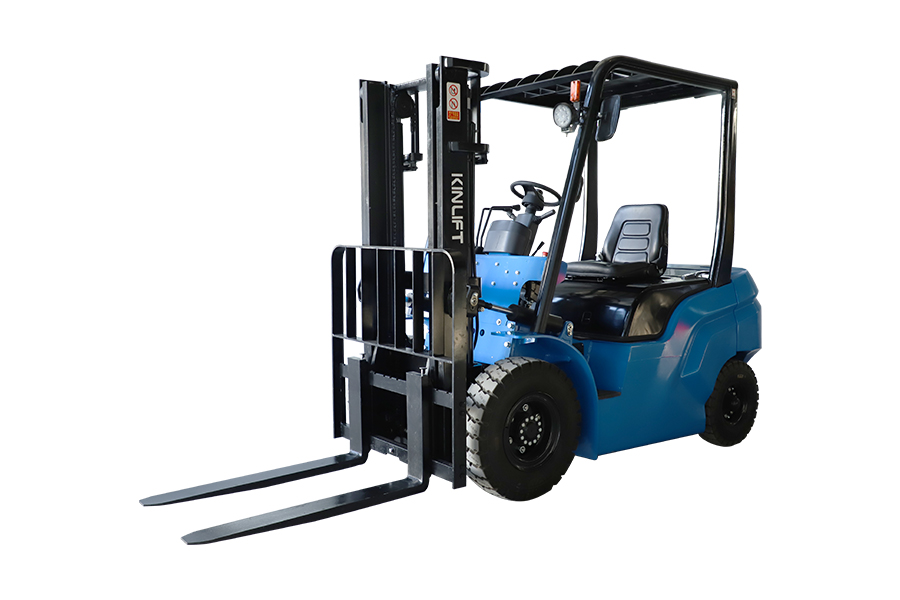
Counterbalance Electric Forklift
A counterbalance electric lift truck uses a heavy rear section to offset the load. That design makes it the most flexible option for mixed duties.
- Best for: trailer loading and unloading, moving between outdoor yards and indoor docks, large open-floor stacking, and container work.
- Mainstream capacity: 2,200 kg to 3,500 kg covers most warehouse and distribution tasks.
- Specs to check: through-mast window visibility, turning radius, and whether the mast can handle your tallest rack beam without reducing capacity too much.
Because it can travel outdoors and handle a wide range of loads, this type is often the first choice for receiving and shipping. The trade-off is aisle width. Counterbalance trucks need more room to turn than reach trucks or stackers, so they are less efficient in very narrow storage lanes.
Reach Truck
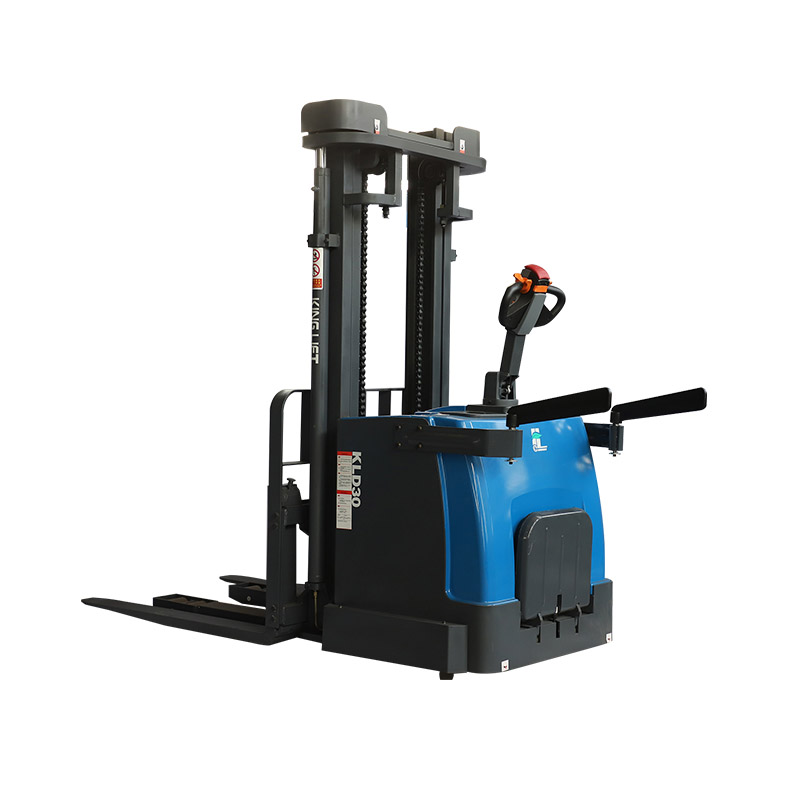
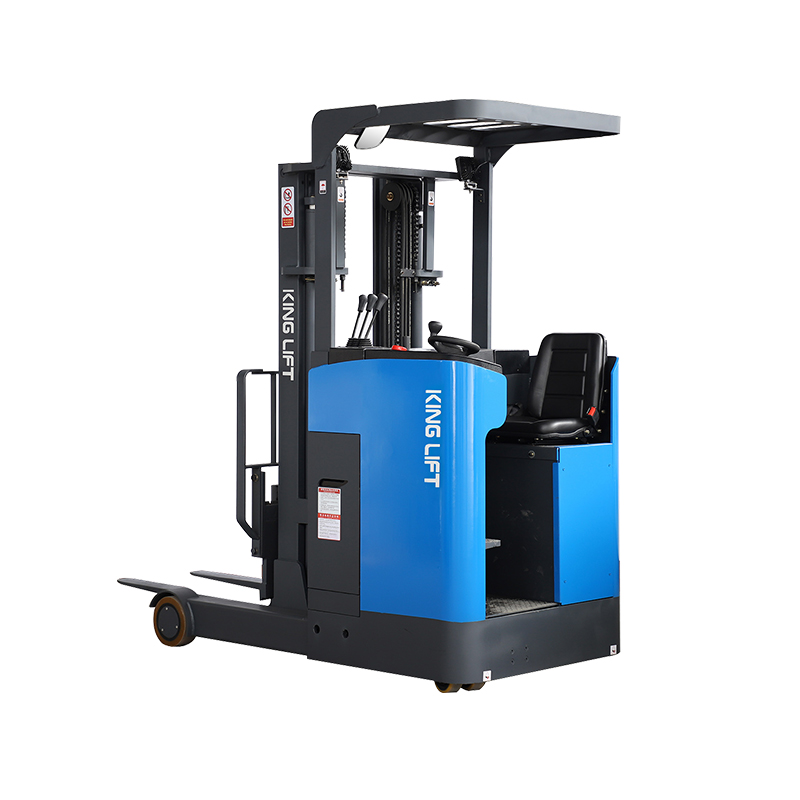
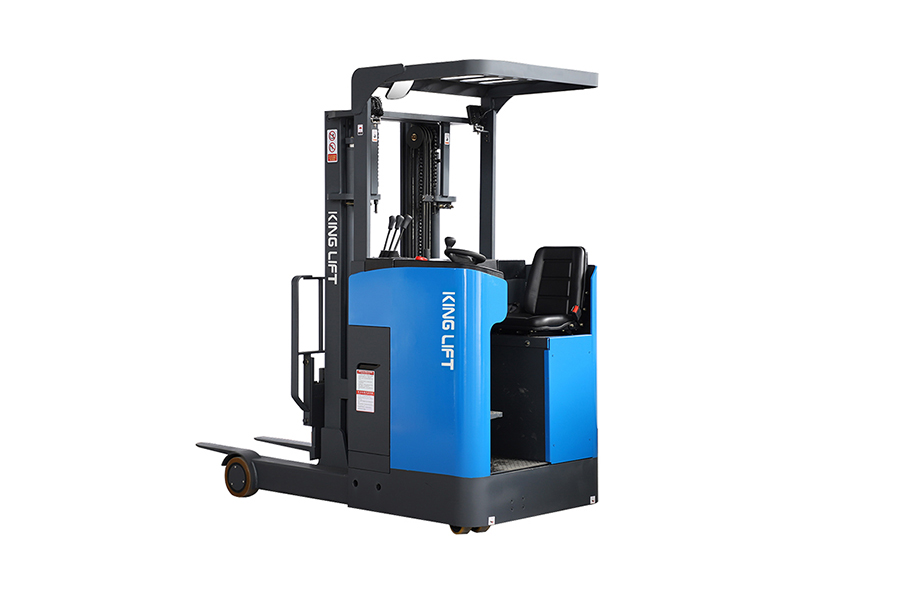
An electric reach truck for warehouse use is built for high-density storage. The mast moves forward to pick or place a pallet while the body stays in the aisle. That saves space and improves cycle time in tall racking.
- Best for: high racking up to roughly 13 m, aisle widths around 2.5 m to 3.5 m, and pallet handling where the truck does not need to turn the whole body.
- Specs to check: residual capacity at maximum lift height. A truck rated at 1,800 kg at low height may safely handle only a fraction of that at 10 m or higher.
- Operational note: reach trucks are less suited to long travel distances or outdoor use. They are specialists, not generalists.
The most common mistake with reach trucks is buying on rated capacity alone. The figure that matters is residual capacity, because it tells you what the truck can actually lift once the mast is extended and raised.
Electric Pallet Truck and Stacker
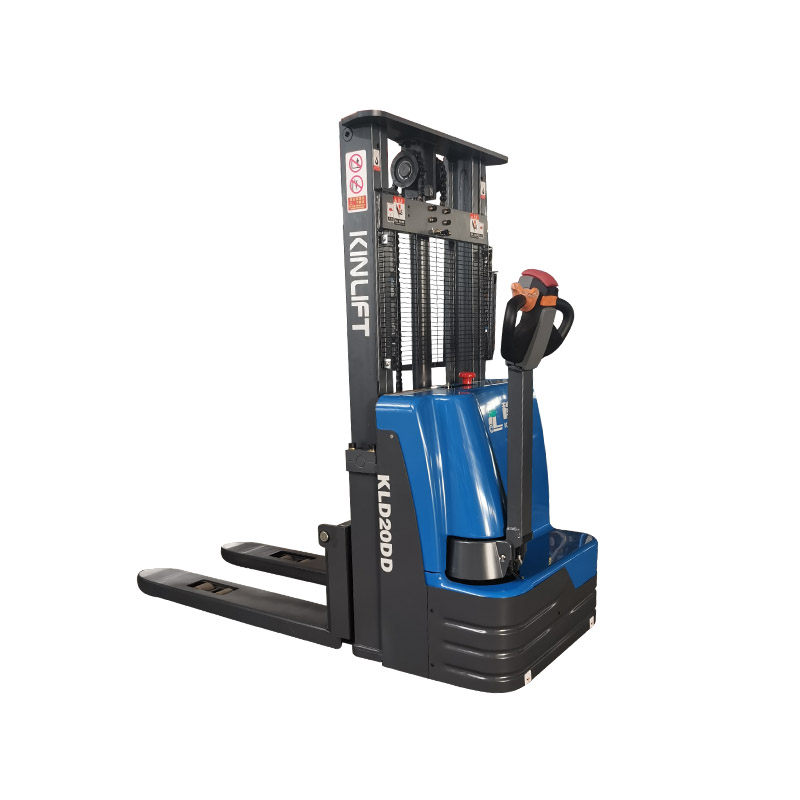
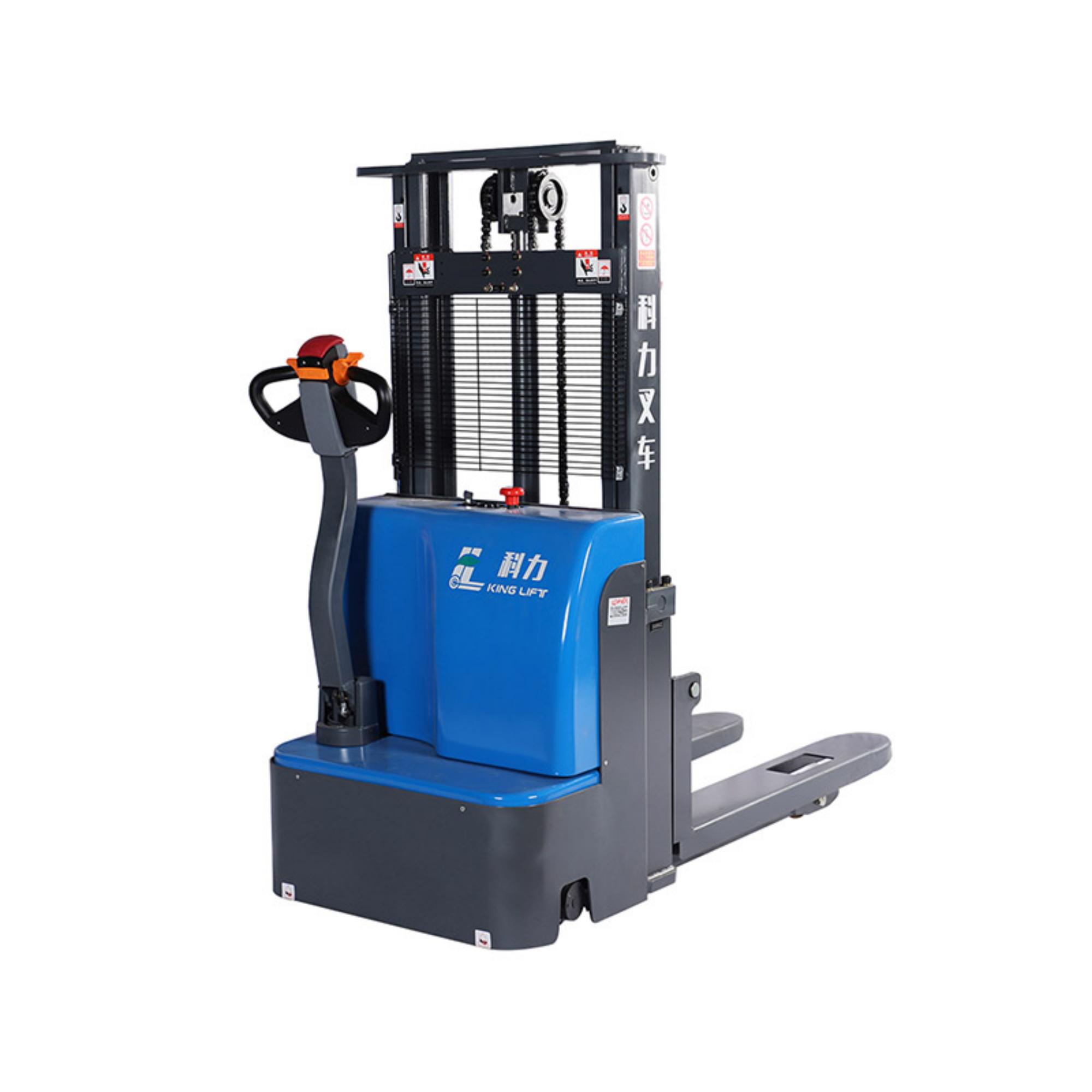
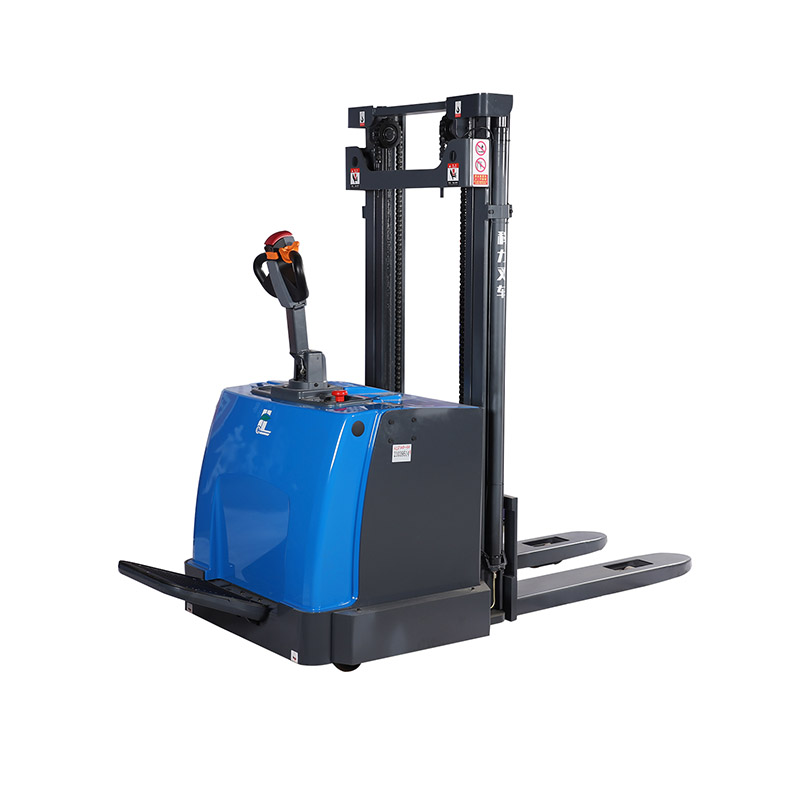
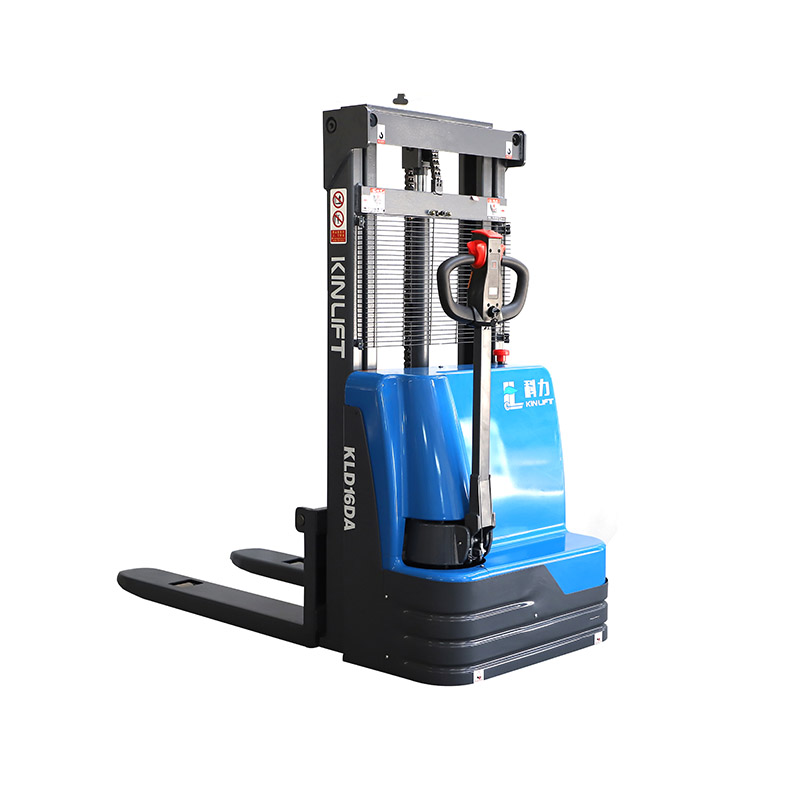
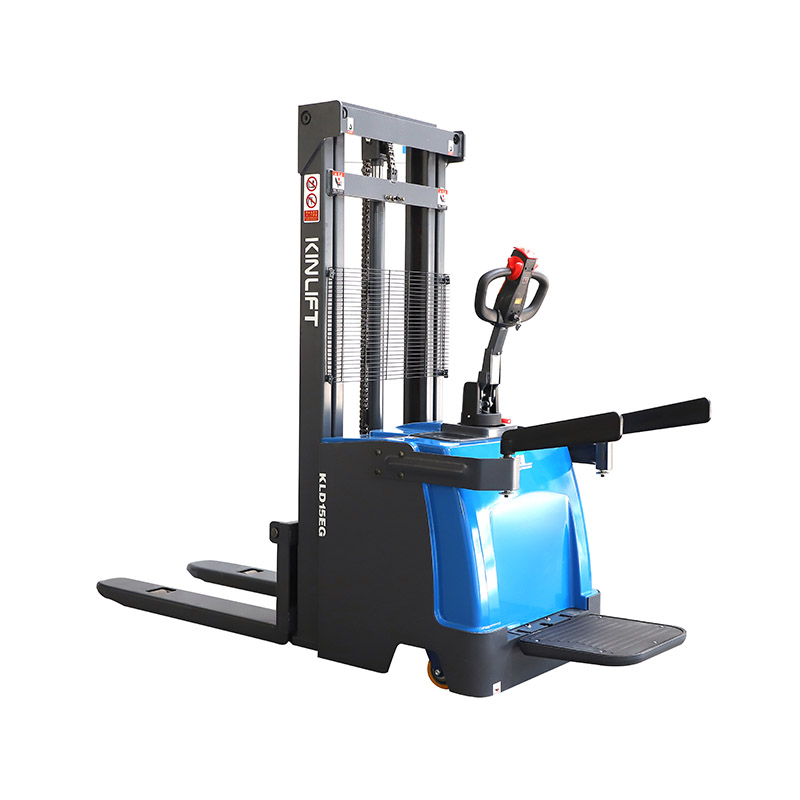
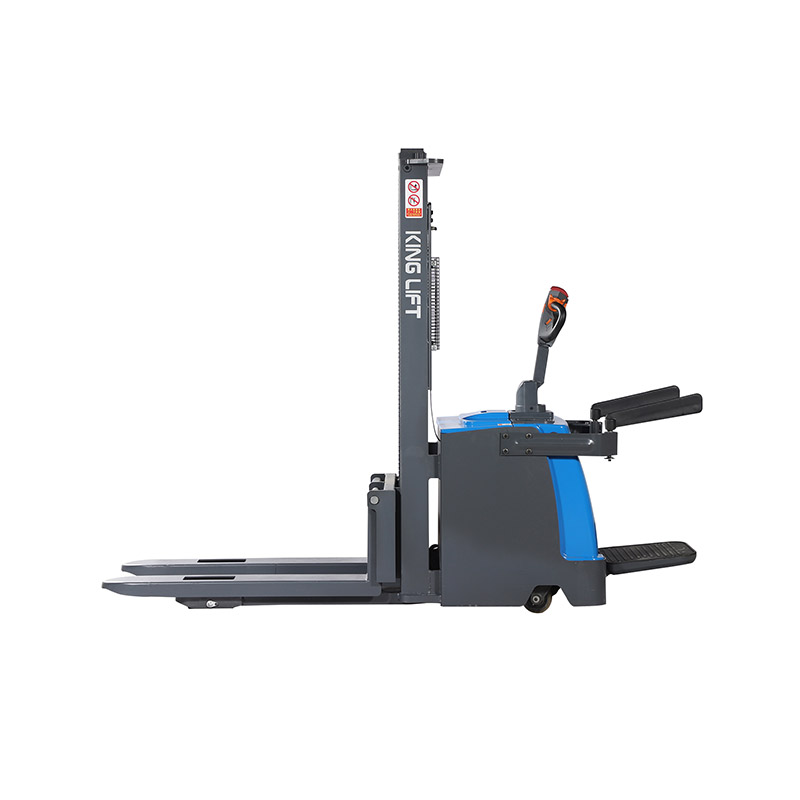
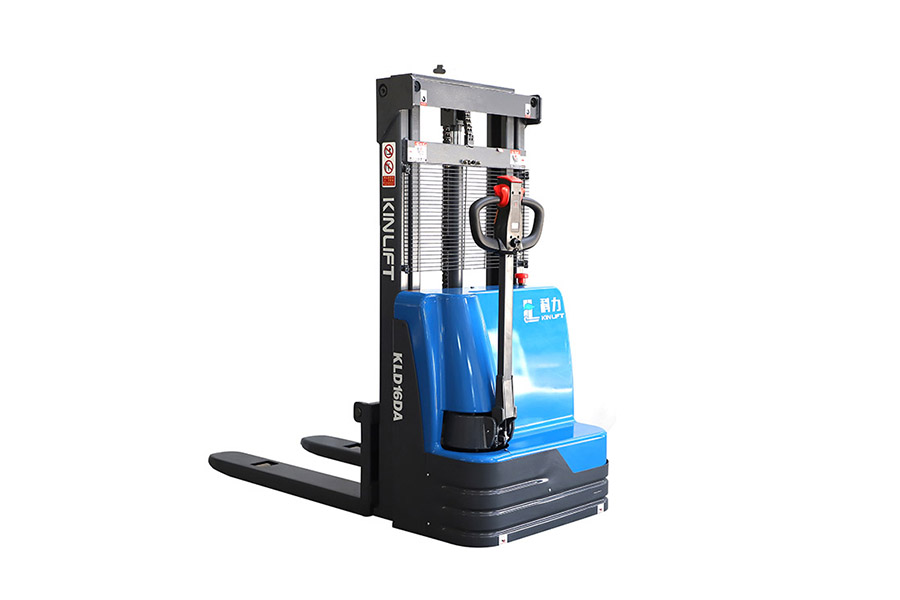
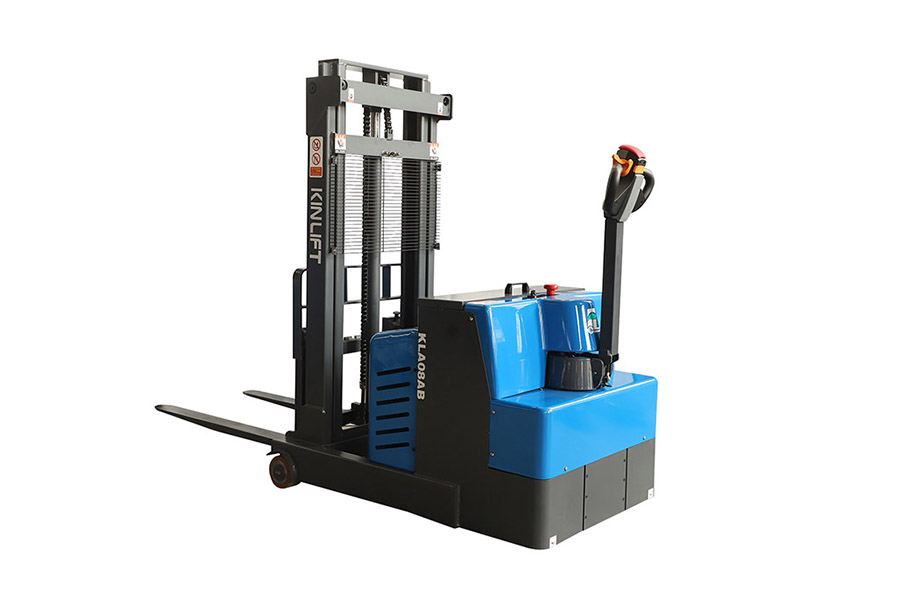
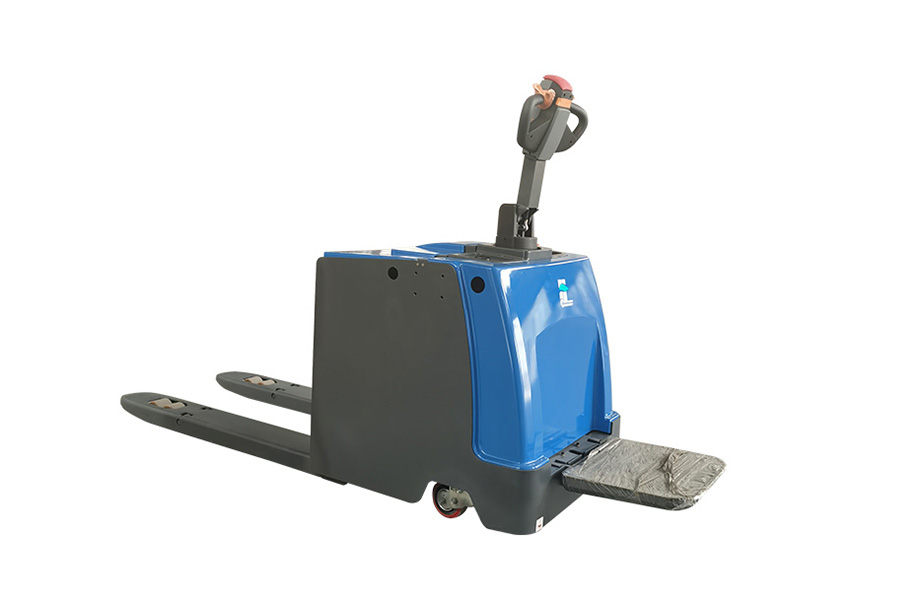
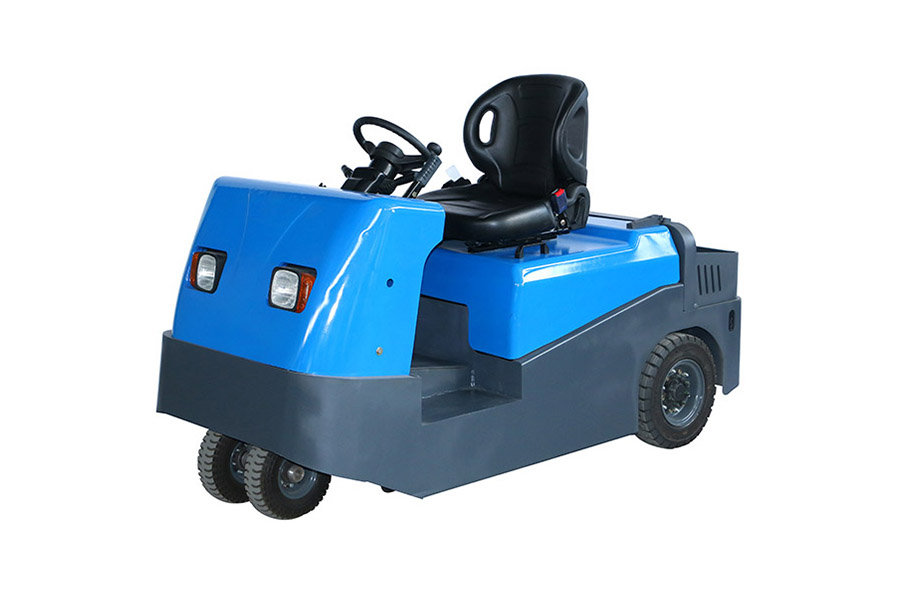
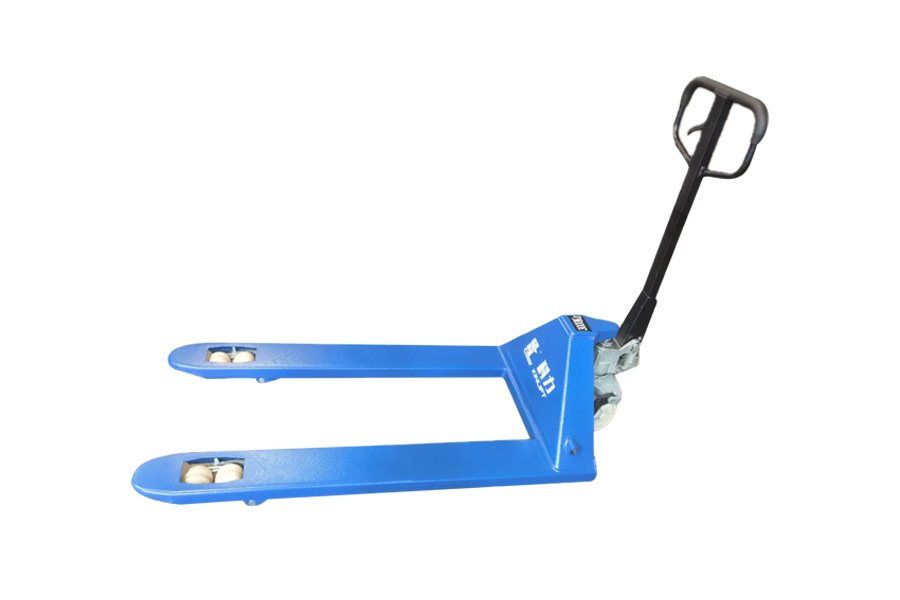
An electric pallet truck for warehouse use handles horizontal movement, while a stacker adds lifting capability for low to medium racking. These machines are simpler and cheaper to run, but they are not built for every task.
- Best for: horizontal transport, order picking support, loading bays, and low to mid-height stacking.
- Travel distance: if operators move loads more than about 30 m per trip, a ride-on model usually pays for itself in reduced fatigue and faster cycles.
- Specs to check: lithium-ion opportunity charging, which lets the truck top up during breaks and removes battery swap downtime.
Walkie and ride-on pallet trucks are often the most cost-effective choice for moving goods from receiving to storage. The mistake is asking them to do the job of a counterbalance or reach truck. They cannot safely replace either one in high racking or heavy dock work.
Four Electric Forklift Parameters That Drive Total Cost of Ownership
Buyers often ask for a price first. A better question is what drives that price over five to seven years. For warehouse electric lift trucks, four parameters explain most of the difference between a low purchase price and a genuinely low total cost of ownership.
1. Battery: Lead-Acid vs. Lithium-Ion
A lithium-ion electric lift truck carries a higher upfront price than a lead-acid equivalent. That premium buys maintenance-free operation, opportunity charging, no spare battery for multi-shift work, and a longer cycle life. In a two-shift warehouse, the total cost of ownership usually favors lithium-ion because the operation avoids battery rooms, watering, equalizing, and swap labor.
| Factor | Lead-Acid | Lithium-Ion |
|---|---|---|
| Upfront cost | Lower | Higher |
| Maintenance | Watering and equalizing | Essentially none |
| Charging style | Full charge and cool down | Opportunity charging |
| Multi-shift fit | Needs spare batteries | One battery can work |
| Cycle life | Shorter | Longer |
2. Capacity vs. Residual Capacity
Rated capacity is measured at a standard load center, usually 500 mm or 600 mm. Add an attachment such as a clamp or sideshifter, or raise the load to high racking, and the safe lifting capacity drops. This is not a small detail. Buying the wrong capacity class is one of the most common hidden costs in warehousing, because the truck either cannot do the job or wears out faster than expected.
3. Aisle Width and Lift Height
If your racking is already installed, aisle width immediately narrows the field. A reach truck typically works in 2.5 m to 3.5 m aisles. Very narrow aisle trucks can operate in roughly 1.5 m to 2 m, but they usually require guidance systems and a different storage strategy. Lift height matters just as much, because every additional meter reduces residual capacity and increases the need for stability features.
4. Energy Replenishment Strategy
A traditional battery room consumes floor space and requires ventilation, PPE, and labor. Lithium-ion opportunity charging lets operators plug in during breaks at convenient points around the warehouse. In an existing building, avoiding a dedicated charging room can save significant infrastructure cost and shorten the payback period.
Cost insight: A lower purchase price on a lead-acid truck can disappear within two years when battery maintenance, spare batteries, and charging room labor are included. The right comparison is total cost of ownership electric lift truck, not sticker price.
New vs. Used vs. Leasing: A Practical Decision Framework
Once the truck type and specifications are clear, the next question is how to acquire it. The answer depends mainly on daily usage and duty cycle.
- More than 4 hours per day or high duty cycle: a new truck is usually the best choice. Uptime matters, warranty coverage matters, and the latest lithium-ion and safety features reduce long-term risk.
- Intermittent use or maintenance tasks: a used truck or short-term rental can be a sensible way to avoid tying up capital in an asset that sits idle.
- Predictable monthly cost and flexibility: leasing is attractive because it converts a large capital purchase into an operating expense and makes it easier to upgrade at the end of term.
More than 60 percent of forklift users choose leasing over buying. The main reasons are predictable monthly cost, included service options, and the ability to change equipment as the operation evolves. For many warehouses, the question is not whether leasing is cheaper on paper, but whether the flexibility is worth more than outright ownership.
This section is not an argument for one path. It is a filter. If your operation runs long shifts and depends on every truck every day, new or leased equipment usually protects throughput. If the truck is a backup or handles occasional tasks, buying used can be the rational choice.
Seven Details to Prepare Before You Request a Quote
Most quote requests stall because the buyer and the supplier are not comparing the same thing. The list below removes that friction. Send these seven details and you can get a real number instead of a broad range.
- Maximum load weight and load center
- Maximum lift height
- Aisle width
- Daily operating hours and number of shifts
- Floor conditions and ramp gradients
- Existing charging infrastructure
- Attachment requirements such as clamps, sideshifters, or rotators
With those details, a supplier can match the right warehouse electric lift truck to the task and give you a meaningful price. Without them, any number is a guess. Send these details and we will match you with the right warehouse electric lift truck quote and give you a real number, not a range.
Frequently Asked Questions
Q1: What is the difference between a warehouse electric lift truck and a standard electric forklift?
A warehouse electric lift truck is a broad term that includes counterbalance trucks, reach trucks, pallet trucks, and stackers. A standard electric forklift usually refers to a counterbalance model. The right type depends on aisle width, lift height, and whether the truck works indoors, outdoors, or both.
Q2: How much does a warehouse electric lift truck cost?
Price depends on capacity, lift height, battery type, and attachments. A lithium-ion truck costs more upfront than a lead-acid model, but it often has a lower total cost of ownership in multi-shift operations because it avoids battery swaps and maintenance. Leasing spreads the cost into predictable monthly payments.
Q3: When should I choose a reach truck instead of a counterbalance truck?
Choose a reach truck when storage density matters and your aisles are roughly 2.5 m to 3.5 m wide. Choose a counterbalance truck when you need outdoor capability, container access, or frequent trailer loading. Reach trucks are specialists in high racking, while counterbalance trucks are generalists.
Q4: Is lithium-ion always better than lead-acid?
Not always. For single-shift, low-hour operations, lead-acid can still be cost-effective. For two or three shifts, lithium-ion usually wins because opportunity charging removes battery changes and reduces infrastructure needs. The deciding factor is how intensively the truck is used.
Q5: What information do I need before asking for a price?
You need maximum load weight and load center, maximum lift height, aisle width, daily run hours, floor and ramp conditions, existing charging setup, and attachment requirements. These seven details allow a supplier to quote a specific configuration rather than a generic estimate.