

 English
 русский

Home / News / Industry News / How to Choose Warehouse Electric Lift Trucks: Reduce Costs & Boost Productivity in 2026
Introduction
Warehouse managers in 2026 face a trifecta of pressure: rising energy costs, stricter environmental mandates, and the relentless demand for faster throughput. For many, the internal combustion (IC) forklift that once seemed like a workhorse is now a bottleneck. The solution is clear: warehouse electric lift trucks are no longer a niche alternative—they are the new standard for efficient, sustainable, and cost-effective material handling. This guide moves beyond generalities. By the end, you will know exactly which electric truck fits your specific operation and how to calculate your real return on investment.
Why Switch to Electric? The Unmatched Benefits of Warehouse Electric Lift Trucks
The transition from diesel or LPG to electric power is not just an environmental statement—it is a strategic business decision. The total cost of ownership tells a compelling story.
Zero Emissions
Cleaner Air, Healthier Teams
Electric lift trucks produce zero tailpipe emissions. This is not just about compliance with tightening EPA or local regulations; it directly impacts warehouse air quality. Studies show that indoor air quality can be improved by over 60% when switching to a full electric fleet, reducing respiratory issues among operators and allowing for safer, enclosed dock operations without costly ventilation retrofits.
Lower TCO
Total Cost of Ownership Advantage
While the initial purchase price of an electric forklift can be 15-25% higher than an IC equivalent, the lifetime costs tell a different story. Electricity costs roughly half as much as diesel or LPG per hour of operation. More importantly, electric motors have far fewer moving parts. Maintenance costs are typically 50-70% lower over a 10,000-hour lifecycle, with no oil changes, filter replacements, or cooling system flushes.
Quiet Operation
Low Noise, High Productivity
Electric trucks operate at nearly silent levels compared to their roaring IC counterparts. This is critical for night-shift operations or warehouses in noise-sensitive urban areas. Lower decibel levels mean less operator fatigue, better communication on the floor, and the ability to run multiple shifts without disturbing surrounding businesses or residential zones.
Superior Control
Precision in Tight Spaces
Electric powertrains deliver instant, smooth torque, giving operators superior control for delicate loads and tight maneuvering. This precision reduces product damage and allows for faster, more confident operations in congested dock areas or high-bay racking systems. The regenerative braking also reduces wear on brake components.
Navigating Your Options: Types of Warehouse Electric Lift Trucks
Not all electric trucks are created equal. The right choice depends entirely on your application. Here is a breakdown of the three main classifications used in the industry, with real-world context.
| Class | Common Types | Ideal Use Case | Key Advantage |
|---|---|---|---|
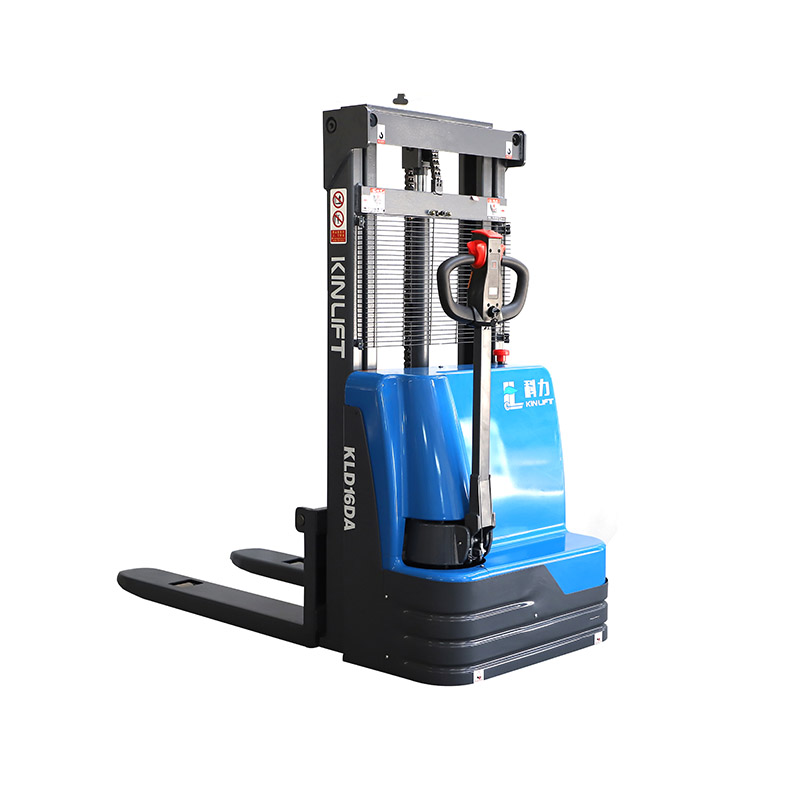
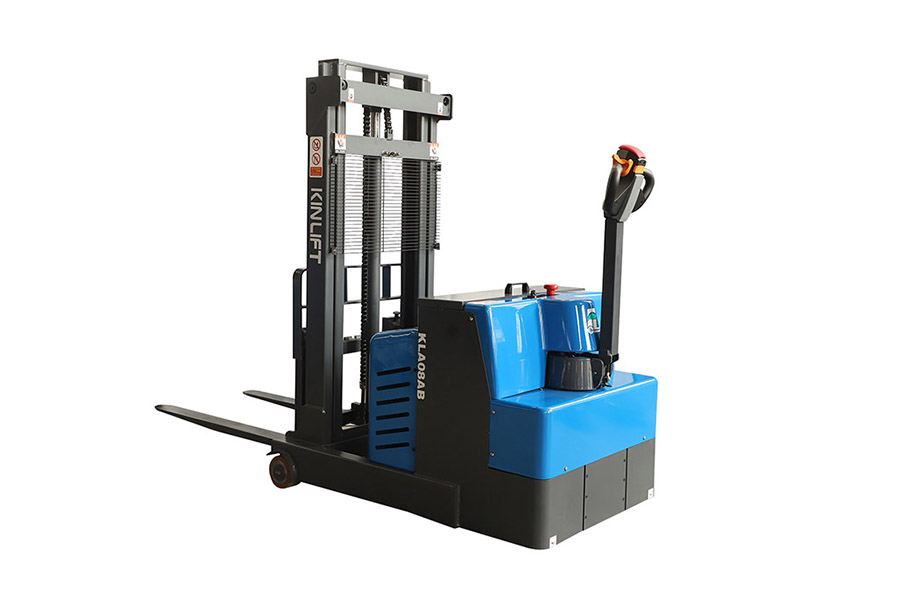
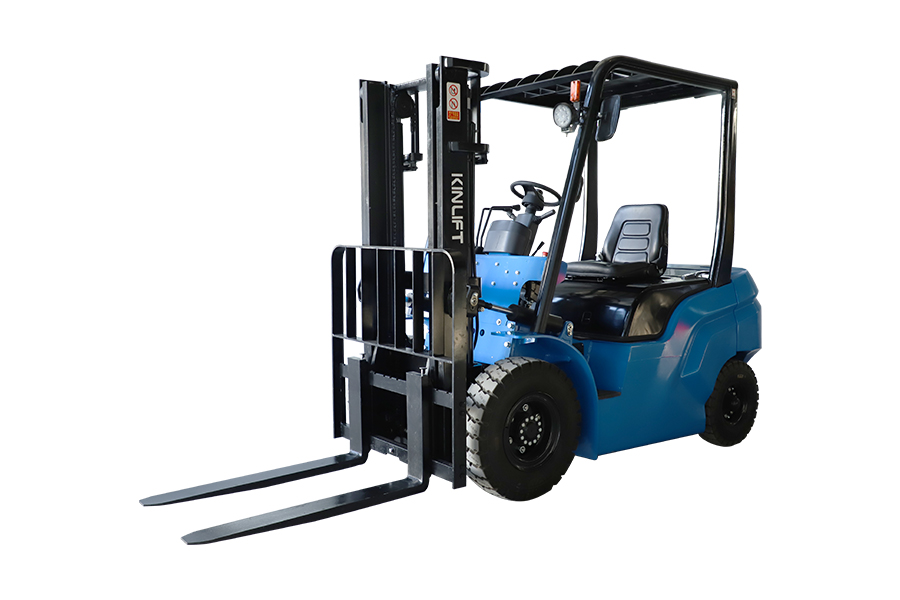
| Class I | Electric Counterbalance | Loading/unloading trucks, general pallet handling, dock work. | Stability and high lift capacity (up to 10,000 lbs). |
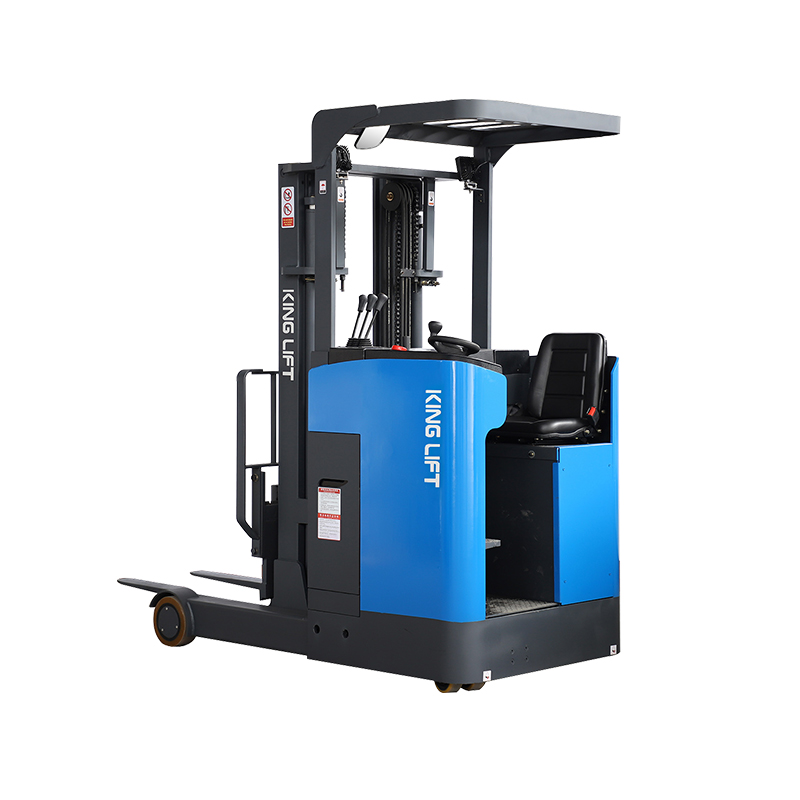
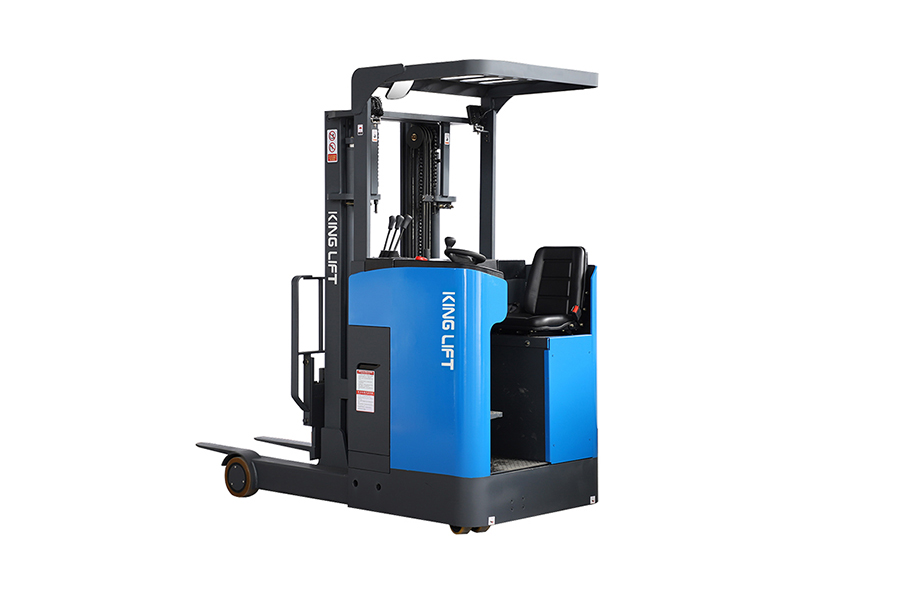
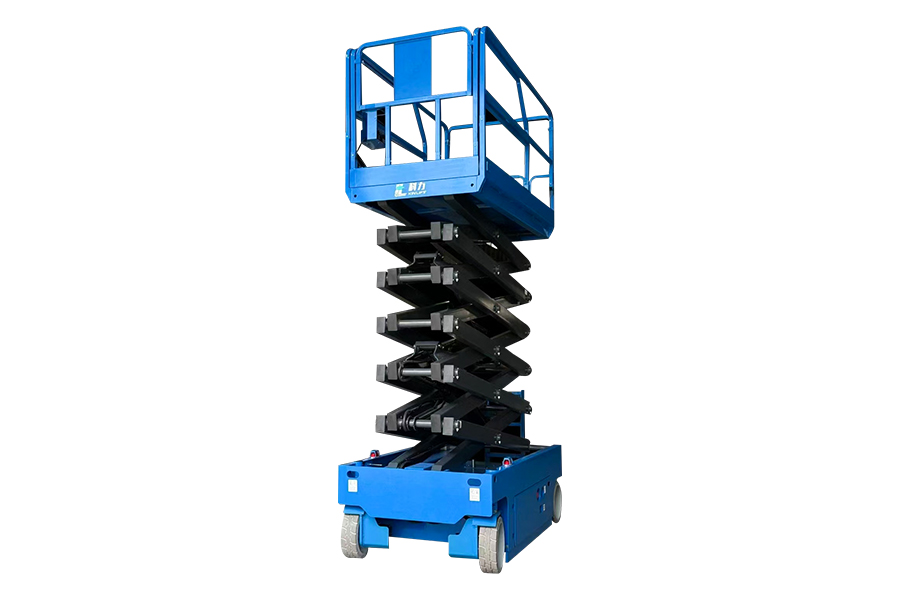
| Class II | Reach Trucks, Order Pickers | Narrow-aisle high-bay storage, picking at heights up to 40 ft. | Maximizes vertical storage density, reduces floor space needs. |
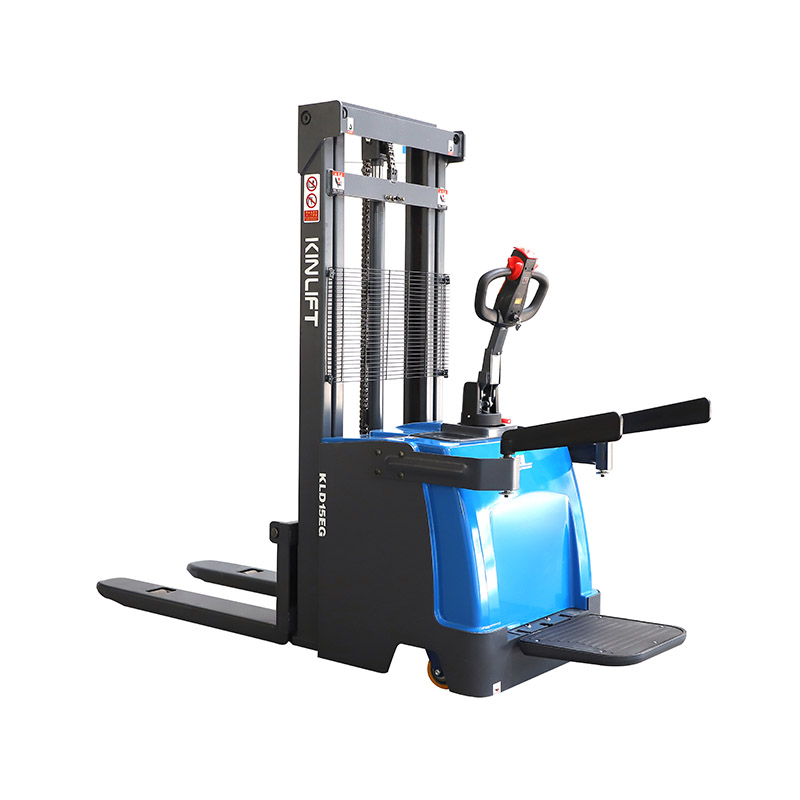
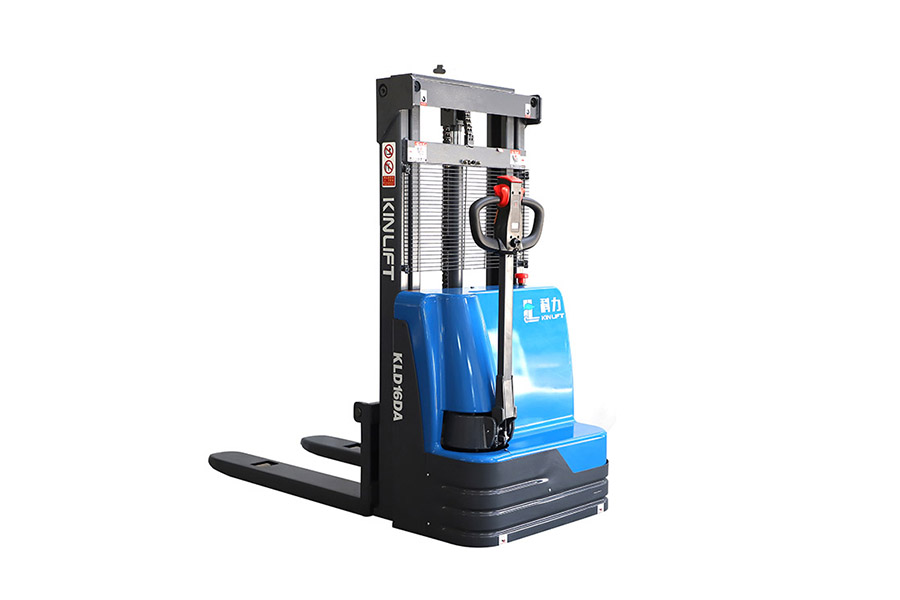
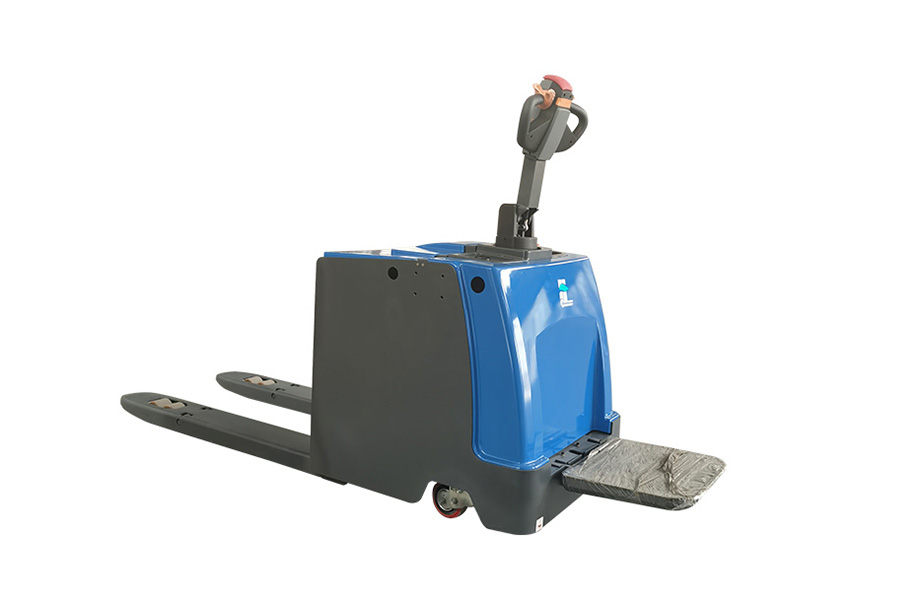
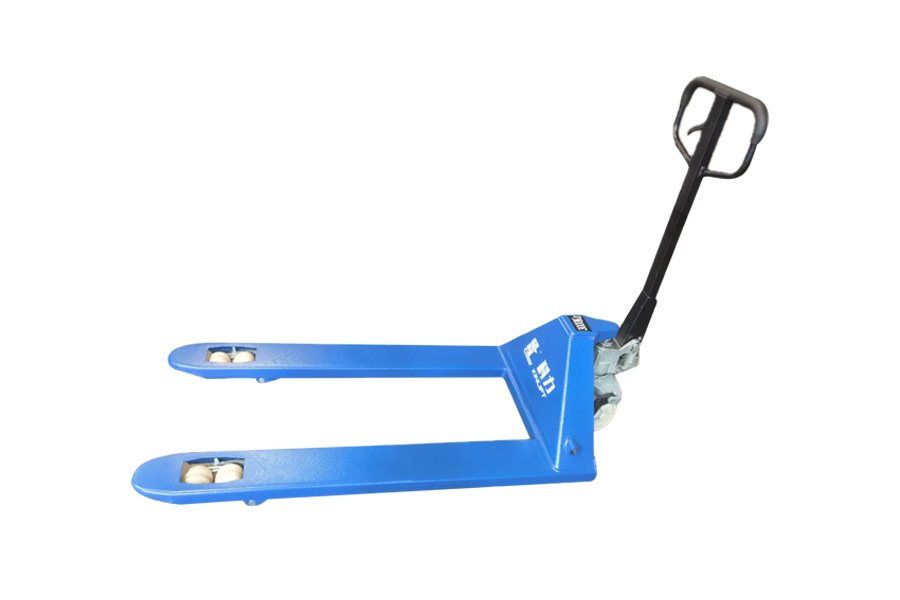
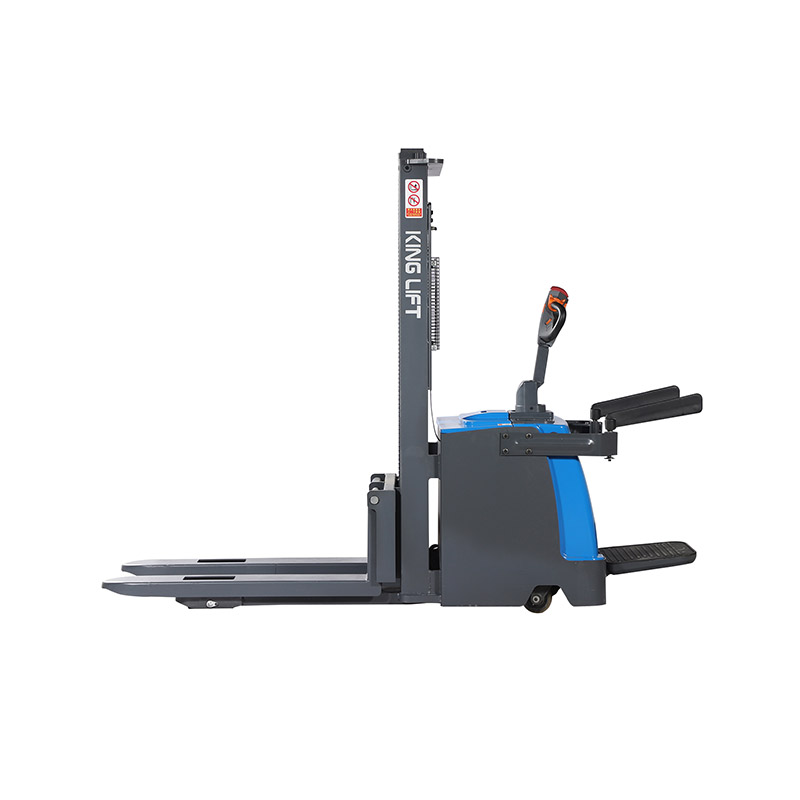
| Class III | Pallet Jacks, Stackers | Horizontal transport, light stacking, order picking. | Lowest entry cost, exceptional maneuverability. |
Key Considerations: How to Choose the Right Electric Lift Truck for Your Warehouse
Selecting the correct model requires a deep dive into your operation. Here are the critical factors to evaluate before making a decision.
Work Cycle Analysis
Begin by mapping a typical shift. What is the average load weight? What is the maximum lift height? How many feet does the truck travel per hour? These variables dictate the required capacity, mast height, and battery size. For instance, a facility moving heavy pallets over long distances (more than 500 feet per cycle) will deplete a standard battery much faster than a facility with short, shuttle-like moves. Always calculate your average energy consumption per shift to avoid premature battery depletion.
Battery Technology: Lithium-ion vs. Lead-Acid
This is arguably the most significant decision you will make. The battery is the heart of your electric truck.
- Lithium-ion (Li-ion): The clear trend for new purchases. Li-ion batteries offer opportunity charging—you can charge during lunch breaks without damaging the battery. They require no watering, equalization, or acid spills. They also last 2-3 times longer than lead-acid, with a typical lifecycle of over 5,000 charge cycles. The upfront cost is higher, but the operational flexibility and lower labor (no battery changing) make them the superior choice for multi-shift operations.
- Lead-Acid: The traditional choice. Lead-acid batteries are cheaper initially but require dedicated charging rooms, 8-hour cool-down periods, and weekly watering. They are sensitive to deep discharges and have a shorter lifespan (1,500 cycles). They remain viable for single-shift operations with low throughput where budget is the primary constraint.
Key Parameter to Watch: The load center distance is often overlooked. Most trucks are rated at a 24-inch load center. If your load's center of gravity is farther out (e.g., 30 inches), you must derate the capacity—sometimes by 20% or more. Always check the capacity chart for your specific load dimensions.
Safety and Ergonomics
Operator comfort directly correlates with productivity. Look for trucks with a spacious operator compartment, intuitive fingertip controls, and excellent mast visibility. Features like automatic speed reduction in turns, overhead guard, and anti-slip floor plates are not luxuries—they are essential for preventing accidents. Reducing operator fatigue by 10% can increase picking accuracy by 15%, according to industry safety studies.
Maximizing ROI: Maintenance and Total Cost of Ownership
A thoughtful maintenance strategy is the single biggest factor in protecting your investment. The total cost of ownership (TCO) for an electric lift truck is heavily influenced by how you manage the battery, tires, and service intervals.
Preventive Maintenance -45% downtime
Battery Care (Li-ion) +30% lifespan
Fleet Telematics -20% energy use
Implement a scheduled maintenance plan based on engine hours, not just calendar time. This includes regular inspection of contacts, hydraulic fluids, and mast chains. For lead-acid batteries, strict adherence to watering and equalizing schedules is non-negotiable. For lithium-ion, simply follow the manufacturer's recommended state-of-charge (SOC) windows. Tires are another major cost center—cushion tires are standard for indoor use, but pneumatic tires are better for uneven surfaces. Rotating tires and ensuring proper inflation can extend their life by 40%.
Frequently Asked Questions
Q1: What is the average payback period for switching from an IC forklift to an electric model?
Based on real-world data from distribution centers, the payback period typically ranges from 18 to 30 months. This is calculated by comparing fuel and maintenance savings against the higher purchase price. For multi-shift operations, the payback can be as short as 12 months due to the dramatic reduction in energy and maintenance labor.
Q2: Can I use a lithium-ion battery in a truck originally designed for lead-acid?
Yes, in most cases, but it is not a simple drop-in replacement. Lithium-ion batteries are lighter and have different charging characteristics. You will need a compatible charger and may need to add counterweight to maintain the truck's stability. Many manufacturers now offer "Li-ion ready" models or conversion kits. It is best to consult with your supplier about the specific retrofitting requirements.
Q3: How do I calculate the correct lift capacity for my operation?
Do not base your decision solely on the maximum weight of your heaviest pallet. Factor in the attachment weight (e.g., sideshifters, clamps) and the load center distance. A common rule of thumb is to add 10-15% to your heaviest load weight as a safety buffer. For example, if your heaviest pallet weighs 3,500 lbs, specify a truck with at least 4,000 lbs capacity at a 24-inch load center to account for the attachment and slight off-center loading.