

 English
 русский

Home / News / Industry News / Complete Guide to Electric Pallet Stacker for Warehouse Material Handling
An electric pallet stacker is a battery-powered lifting and stacking machine designed for moving, lifting, and organizing palletized goods in warehouses, factories, and logistics environments. These versatile machines are essential in warehouses and distribution centers, manufacturing facilities, retail storage areas, logistics hubs, cold chain storage facilities, and production workshops. Warehouse operators, logistics companies, and industrial equipment distributors choose electric pallet stackers for their efficient pallet handling, reduced manual labor, compact operation design, lower maintenance costs, improved workplace safety, and flexible indoor transportation. Electric pallet stacker selection directly affects storage efficiency, material handling speed, workplace productivity, equipment lifespan, and operating costs.
What Is an Electric Pallet Stacker?
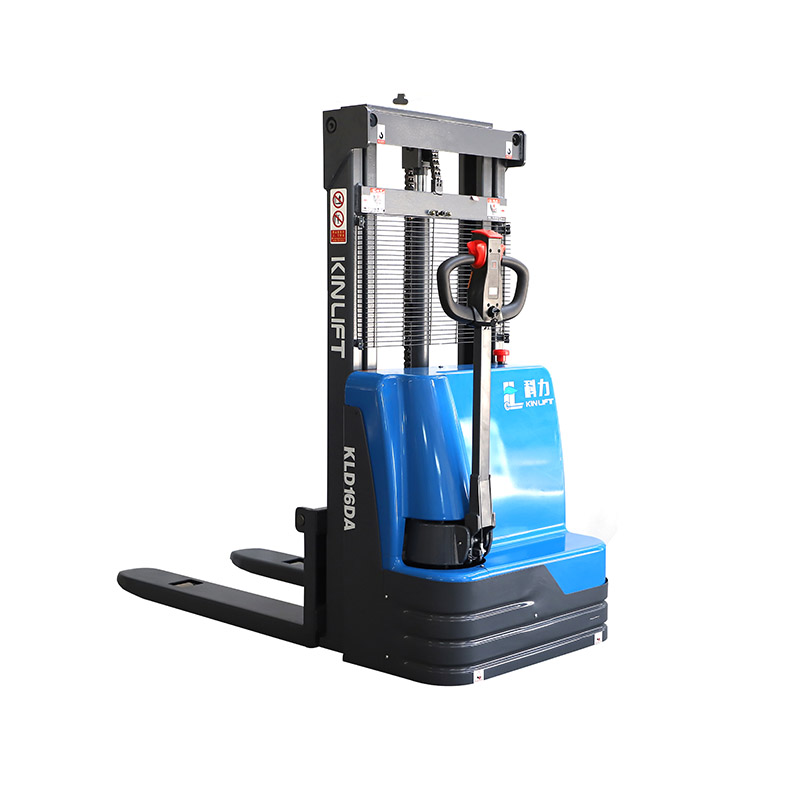
An electric pallet stacker is an electrically powered lifting machine used to transport and stack pallets at different heights. Understanding the structure and components helps buyers evaluate quality and performance.
Structural Components and Their Functions
Every electric pallet stacker consists of nine essential components working together to deliver reliable material handling:
- Electric motor: Provides driving and lifting power for efficient pallet movement and stacking operations.
- Battery system: Supplies energy for all electrical functions — available in lithium or lead-acid technologies.
- Hydraulic lifting system: Controls lifting movement with smooth and precise vertical positioning.
- Mast assembly: Supports vertical lifting and provides structural stability during elevation operations.
- Forks: Carry pallet loads and support weight during transport and stacking.
- Drive wheel: Enables forward and reverse movement with maneuverability in confined spaces.
- Control handle: Manages speed, direction, and lifting functions with intuitive operation.
- Safety system: Includes emergency stop, brakes, and stability features for operator protection.
- Chassis frame: Provides structural integrity and supports all components in a rugged design.
How Electric Pallet Stackers Work
The battery powers the electric motor, which drives the wheels for movement and operates the hydraulic pump. The hydraulic pump generates lifting force to raise the forks. The operator controls movement and lifting functions through the control handle. Forks lift pallets and place them at required heights in racking systems. Key operating functions include forward and reverse driving, pallet lifting and lowering, load positioning, and safety braking.
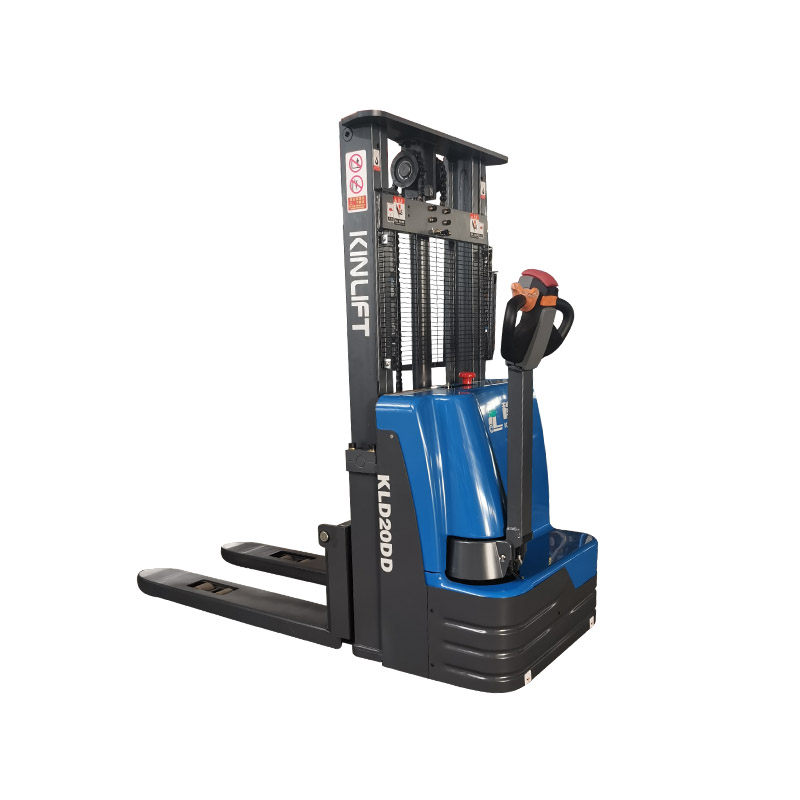
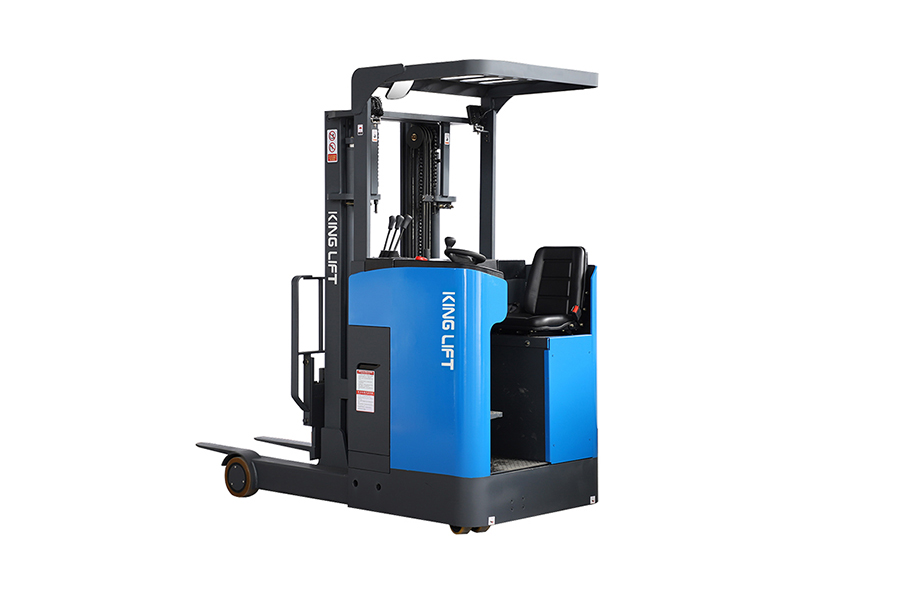
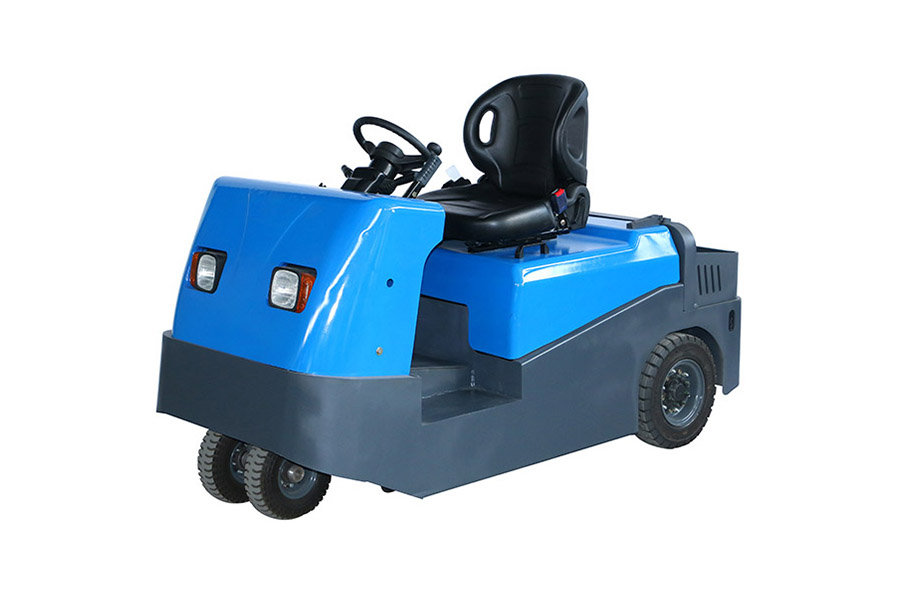
1 Chassis & frame manufacturing
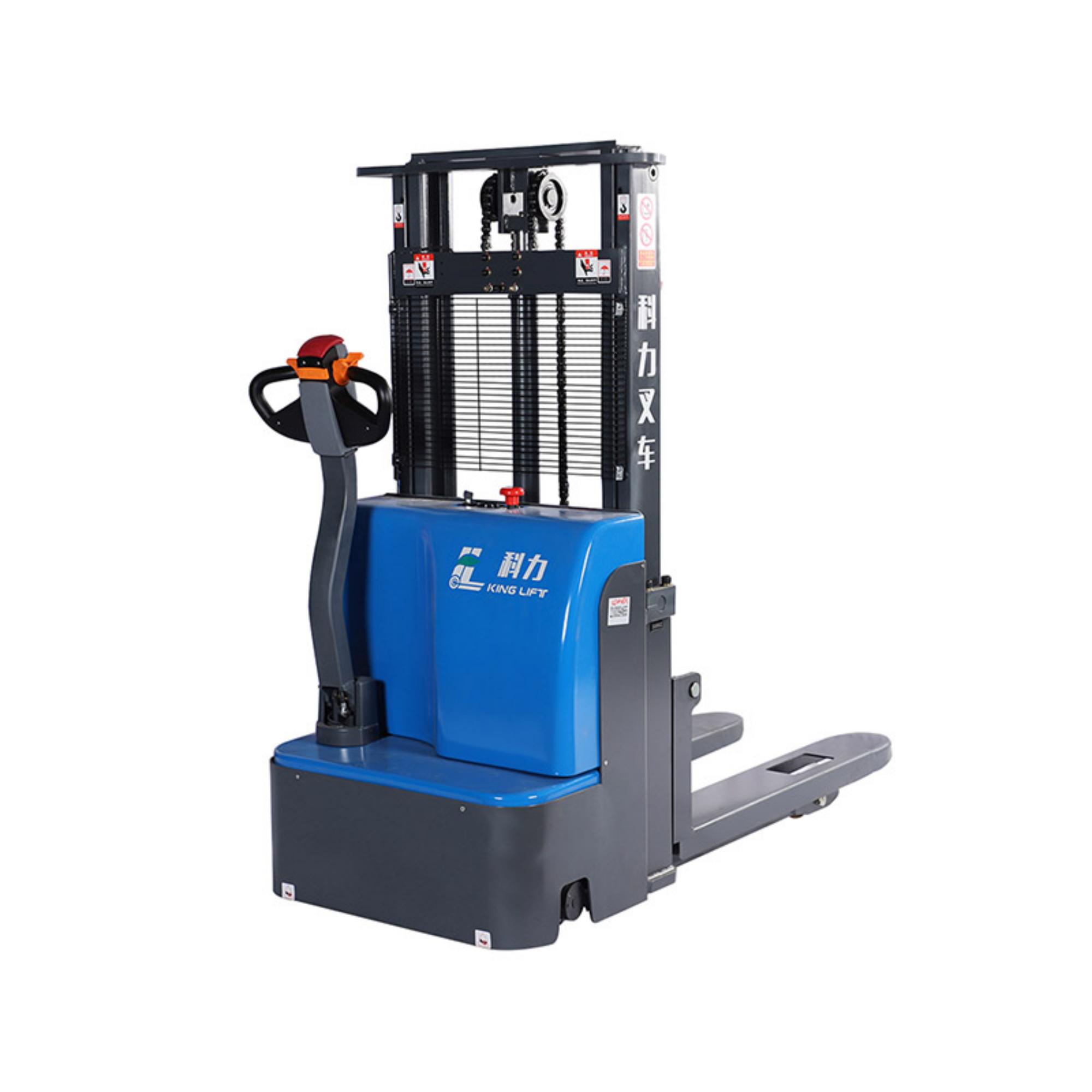
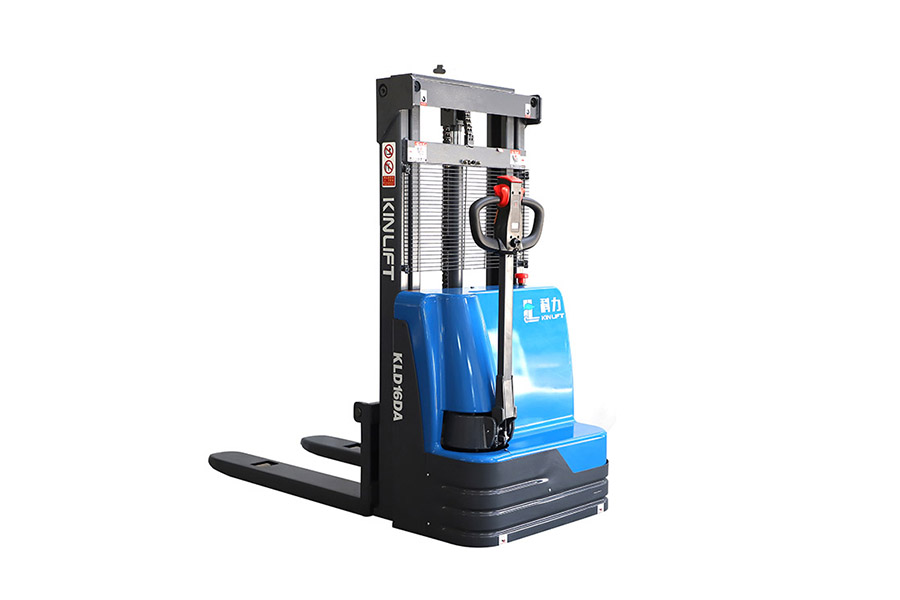
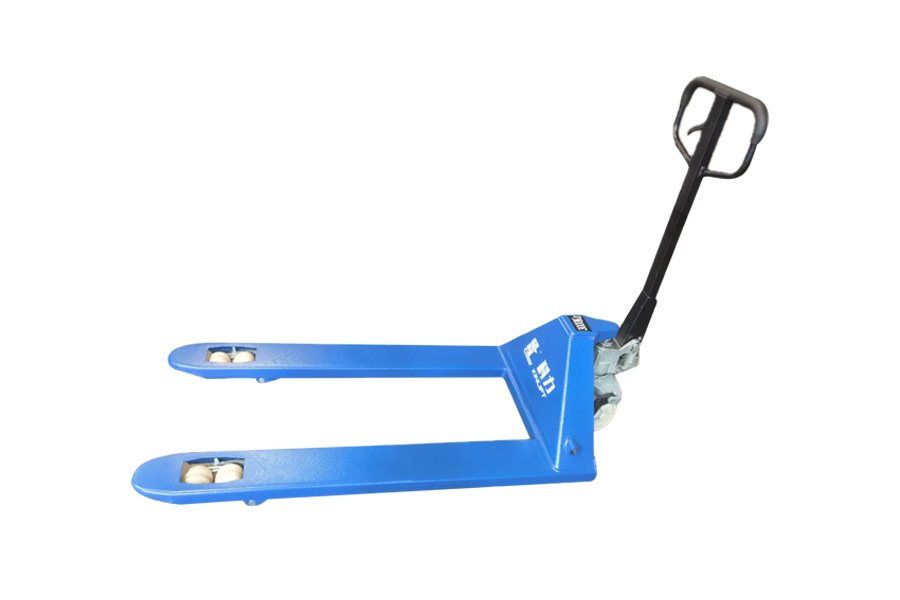
2 Electric drive & battery system
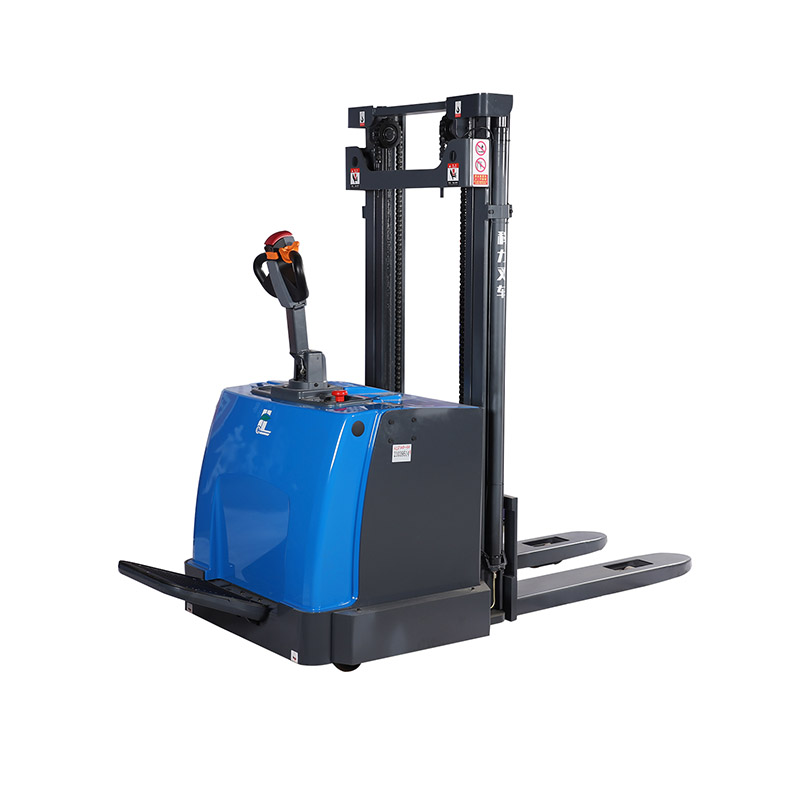
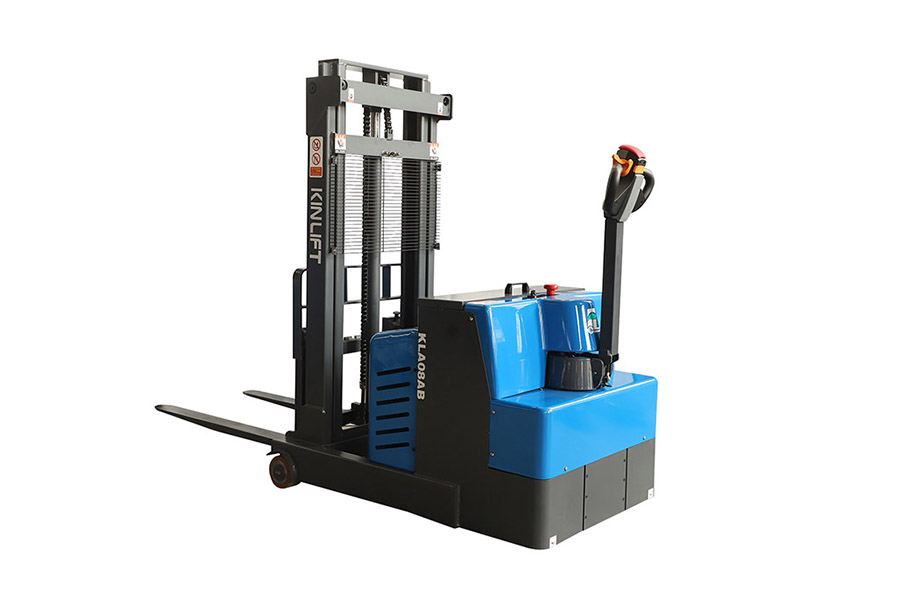
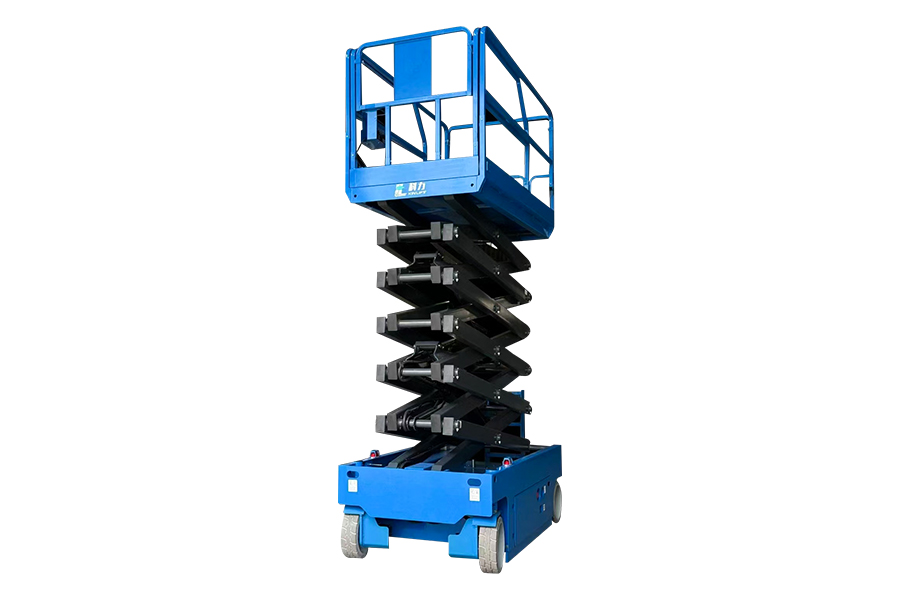
3 Hydraulic lifting system
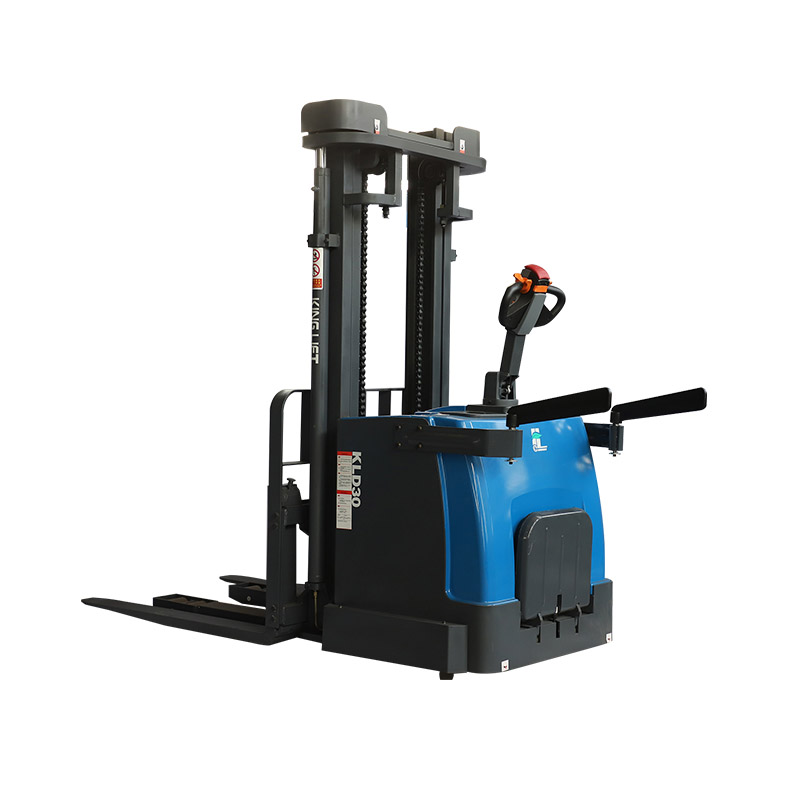
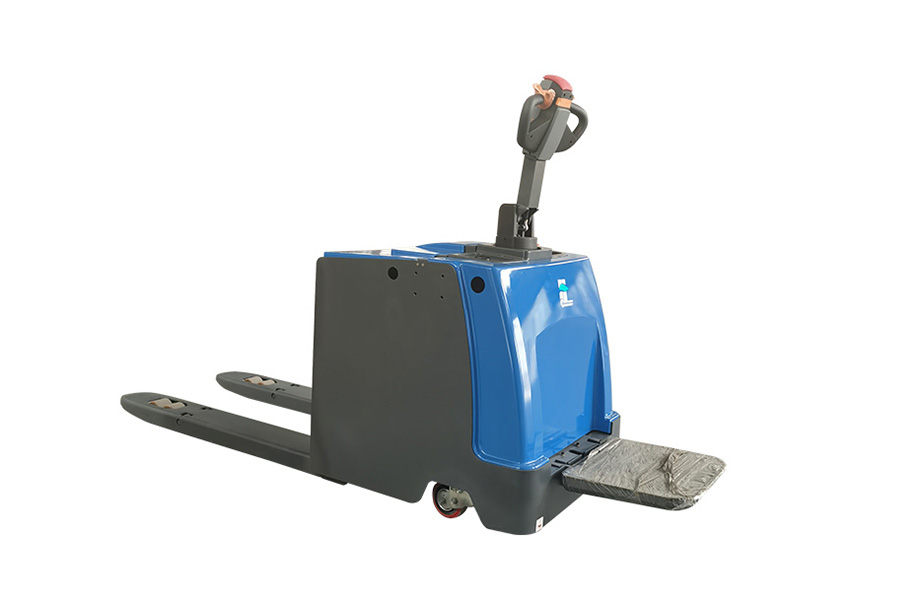
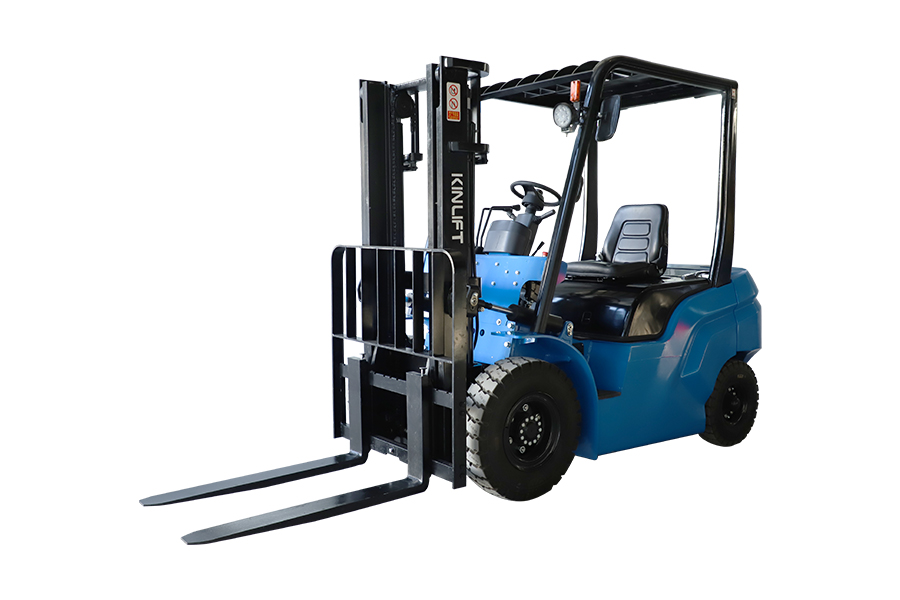
4 Assembly & quality testing
Types of Electric Pallet Stackers
Electric pallet stackers are available in various configurations to suit different warehouse operations, load requirements, and working environments.
| Stacker Type | Key Features | Best Applications | Performance Characteristics |
| Walkie | Operator walks behind, compact, maneuverable | Small warehouses, retail, narrow spaces | Compact, flexible |
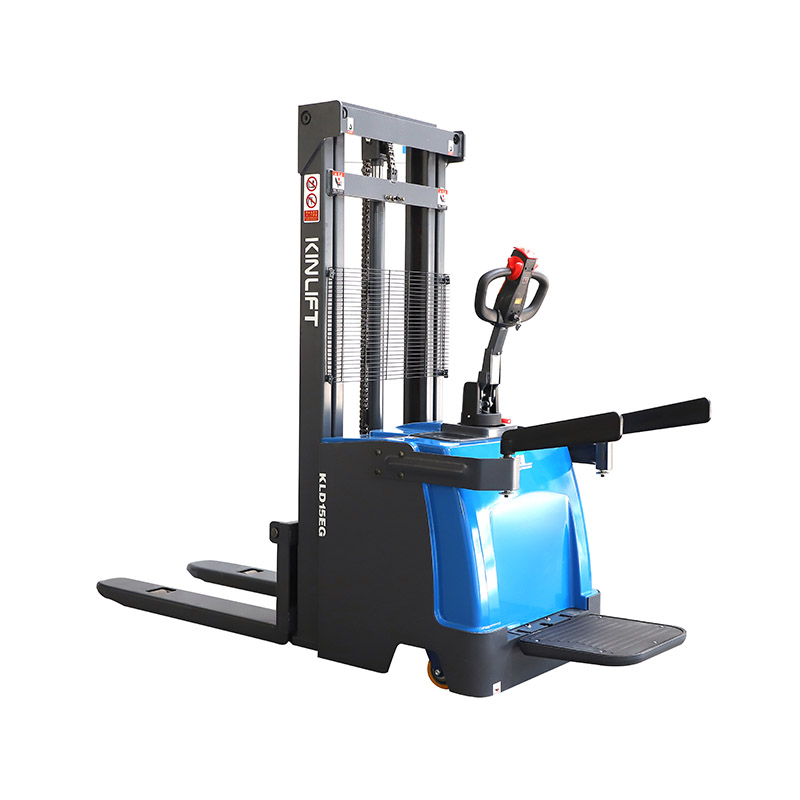
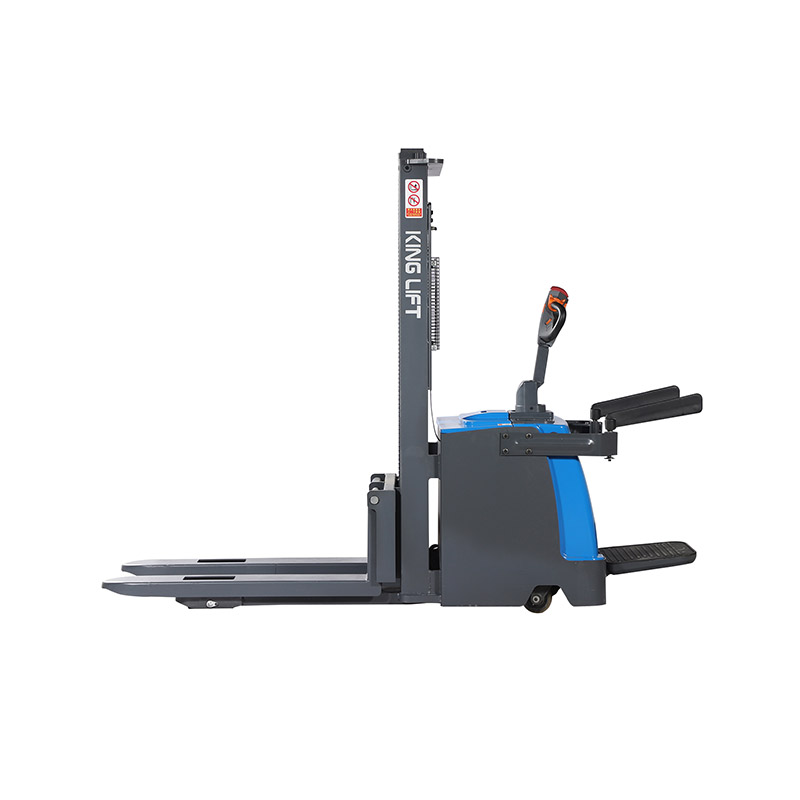
| Rider | Operator platform, higher efficiency, longer travel | Large warehouses, distribution centers | High productivity |
| Semi Electric | Electric lift, manual push, cost-effective | Light duty, occasional use | Economical, simple |
| Full Electric | Electric drive and lift, improved efficiency | Manufacturing plants, logistics centers | High efficiency |
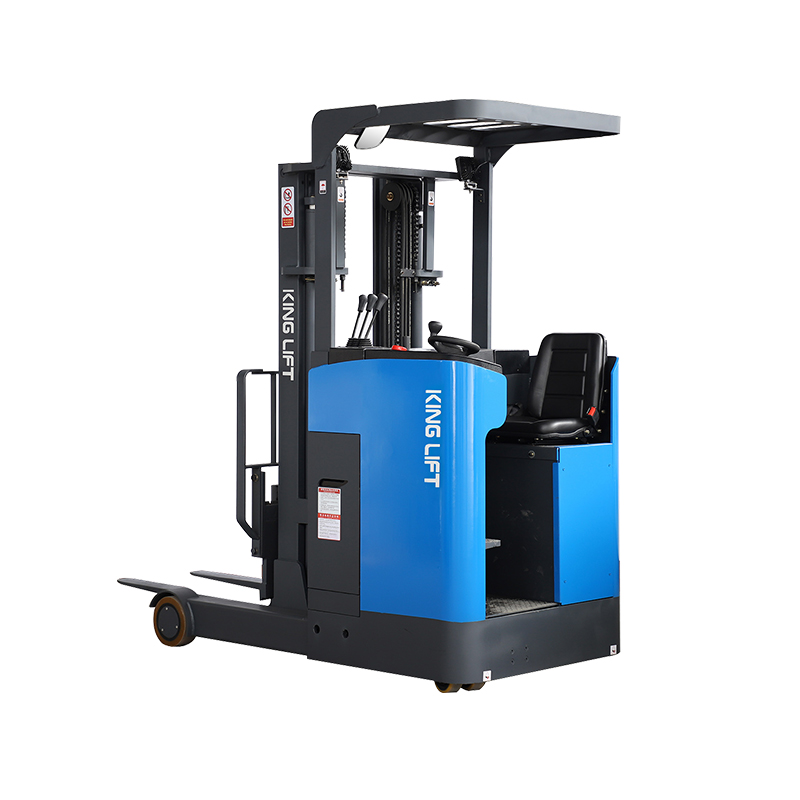
| Counterbalanced | Counterweight structure, stability, higher load | Heavy pallet handling, industrial storage | Heavy duty, stable |
| Custom Solutions | Load capacity, lift height, fork dimensions, battery | Special projects, OEM solutions | Tailored specifications |
Select the right stacker type based on your operational requirements. Walkie for compact spaces; rider for high-volume operations; semi electric for cost-sensitive applications; full electric for maximum efficiency; counterbalanced for heavy loads; custom for specific project requirements.
Manufacturing Process and Quality Standards
Electric pallet stackers undergo a precision manufacturing process that ensures performance, durability, and safety. Understanding this process helps buyers evaluate supplier capabilities and product quality.
Chassis and Frame Manufacturing
The manufacturing process begins with steel cutting and precision welding. Surface treatment includes painting or powder coating for corrosion protection. Frame assembly integrates all structural components. Requirements include structural strength, stability, and load-bearing capability for safe operation.
Electric Drive and Battery System Assembly
Production processes include motor installation, battery integration, controller connection, and electrical testing. Key components include lithium batteries (longer life, faster charging), lead-acid batteries (cost-effective, reliable), AC drive motors (efficient, durable), and electronic controllers (precise speed and lift control).
Hydraulic Lifting System Manufacturing
Components include the hydraulic pump (pressure generation), cylinder (lifting force), oil tank (fluid storage), and lifting mechanism (vertical movement). Requirements include smooth lifting, load stability, and long service life under continuous operation.
Assembly and Quality Testing
Electric pallet stackers undergo comprehensive testing: load capacity testing (rated weight verification), lifting performance testing (height and speed), brake testing (stopping distance), battery endurance testing (runtime), and safety inspection (operator protection). Quality requirements include reliable operation, operator safety, and long-term durability.
Key Advantages of Electric Pallet Stackers
The value proposition of electric pallet stackers extends beyond basic lifting — delivering critical benefits for warehouse and logistics operations.
Handling Efficiency
Faster pallet movement, easier stacking operations, and reduced manual handling increase productivity and enable better warehouse organization for all operations.
Labor Cost Reduction
Electric lifting reduces manual effort, easier operation compared with manual equipment, and suitability for repeated handling tasks reduce labor requirements and improve operator comfort.
Space Optimization
Small turning radius, flexible operation, and suitability for narrow aisles enable efficient material handling in small warehouses, production workshops, and storage rooms.
Low Emission Operation
Battery-powered operation with no fuel emissions, lower maintenance requirements, and cleaner indoor environments reduce operating expenses and support sustainable warehouse practices.
Primary Applications Across Industries
The versatility of electric pallet stackers makes them suitable for a broad spectrum of material handling applications.
- Warehouses and distribution centers: Pallet storage, goods transportation, and rack stacking operations requiring high efficiency, flexible movement, and reliable operation.
- Manufacturing and production facilities: Raw material movement, production line supply, and finished product handling requiring continuous operation, load stability, and safety performance.
- Retail and storage operations: Stock movement, inventory management, and backroom storage requiring compact size, easy operation, and low noise.
- Logistics companies and industrial equipment distributors: Logistics service providers, equipment distributors, and warehouse automation companies prioritizing production capability, product reliability, and technical support.
Electric Pallet Stacker vs Other Material Handling Equipment
Making an informed decision requires understanding how electric pallet stackers compare to alternative material handling equipment.
Electric vs Manual Pallet Stacker
Electric stackers offer faster operation, less physical effort, and higher productivity. Manual stackers are cost-effective but require more operator effort. Choose electric for frequent use and heavy loads; manual for occasional light-duty applications.
Electric Stacker vs Forklift
Electric stackers are more compact, maneuverable, and cost-effective for indoor warehouse applications. Forklifts offer higher load capacity and outdoor capability but are larger and more expensive. Choose stackers for indoor pallet handling; forklifts for heavy loads and mixed environments.
Electric Stacker vs Pallet Truck
Electric stackers provide lifting capability for stacking at height. Pallet trucks are limited to horizontal transport without lifting. Choose stackers for vertical storage applications; pallet trucks for simple floor-level transport.
How to Choose the Right Electric Pallet Stacker
Selecting the optimal electric pallet stacker involves evaluating both the product and the manufacturer.
Key Manufacturer Evaluation Factors
For warehouse operators and equipment buyers, supplier selection is critical. Assess potential manufacturers on: manufacturing experience (proven track record), equipment quality (reliable performance), battery technology (power and longevity), production capacity (volume and lead time), customization capability (design flexibility), and after-sales support (service and parts availability).
Critical Technical Specifications
When comparing products, examine these key parameters: load capacity (maximum weight), maximum lifting height (storage reach), fork dimensions (pallet compatibility), battery capacity (runtime), motor power (driving and lifting), travel speed (operating speed), turning radius (maneuverability), and operating hours (shift capability). Specification tables from reputable manufacturers provide essential data for informed decision-making.
Maintenance and Troubleshooting Guide
Proper maintenance of electric pallet stackers extends service life and ensures reliable operation.
Daily
- Check battery charge level
- Inspect forks for damage
- Test lifting and braking functions
Weekly
- Check hydraulic fluid level
- Inspect tires for wear
- Clean battery terminals
Quarterly
- Full hydraulic system inspection
- Electrical system testing
- Professional maintenance service
Common Issues and Solutions
- Battery power reduction: Usually caused by aging or improper charging — follow charging procedures and replace batteries when capacity drops significantly.
- Lifting failure: Results from hydraulic issues or motor problems — check hydraulic fluid level and inspect pump operation.
- Hydraulic leakage: Caused by worn seals or damaged hoses — inspect and replace hydraulic components as needed.
- Motor problems: Indicates electrical or mechanical issues — check connections and consult professional service technicians.
- Controller errors: Often from electrical faults or software issues — reset system and check all connections.
Future Trends
The electric pallet stacker industry continues to evolve with warehouse automation and logistics technology advances.
Lithium Battery Technology
Lithium batteries offer longer runtime, faster charging, and reduced maintenance compared to lead-acid. Opportunity charging enables continuous operation across multiple shifts.
Autonomous and Semi-Autonomous Operation
Automated guided vehicles and semi-autonomous stackers enable unmanned pallet movement and reduced labor requirements for repetitive material handling tasks.
IoT Fleet Management
Connected stackers with real-time tracking, predictive maintenance alerts, and performance analytics enable better fleet management, reduced downtime, and optimized operations.
What is the difference between a walkie and a rider pallet stacker?
Walkie stackers require the operator to walk behind the machine, offering compact size and maneuverability for small spaces. Rider stackers have an operator platform, providing higher productivity for longer travel distances and larger warehouse operations.
What load capacity do I need?
Load capacity typically ranges from 1000 kg to 2000 kg for standard electric pallet stackers. Choose capacity based on your heaviest pallet loads with a safety margin. Consider future needs when selecting capacity.
How long do batteries last on a single charge?
Battery runtime depends on capacity and usage. Lithium batteries typically provide 6-8 hours of continuous operation with fast charging capabilities. Lead-acid batteries provide 4-6 hours with longer charging times. Consider shift requirements when selecting battery type.
Are electric pallet stackers suitable for narrow aisles?
Yes. Compact electric pallet stackers with small turning radii are specifically designed for narrow aisle applications. Walkie stackers are particularly suitable for confined spaces with aisle widths of 2000-2500 mm.
What maintenance is required for electric pallet stackers?
Regular maintenance includes battery inspection and charging, hydraulic fluid checks, fork inspection, tire maintenance, and electrical system testing. Follow manufacturer recommendations for service intervals to ensure reliable operation.