

 English
 русский
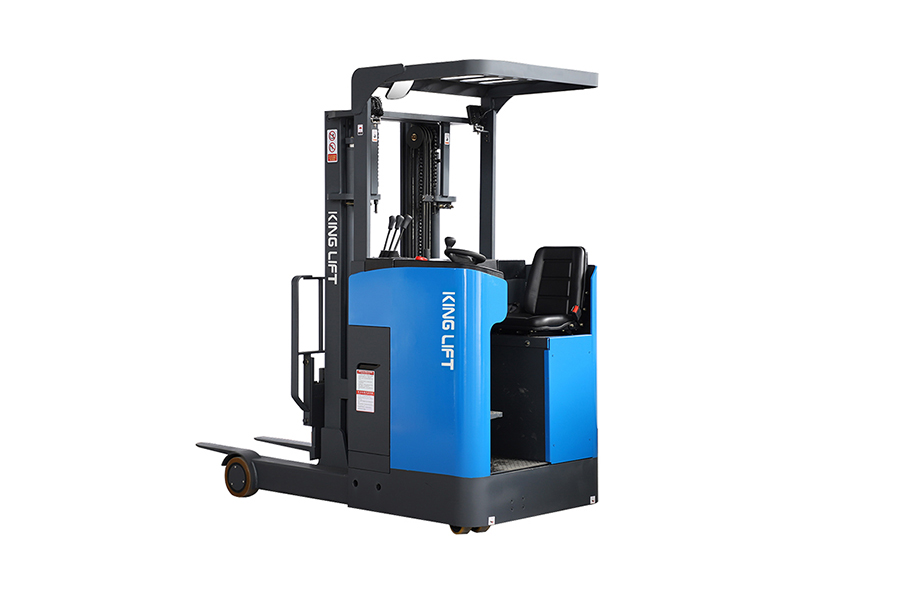
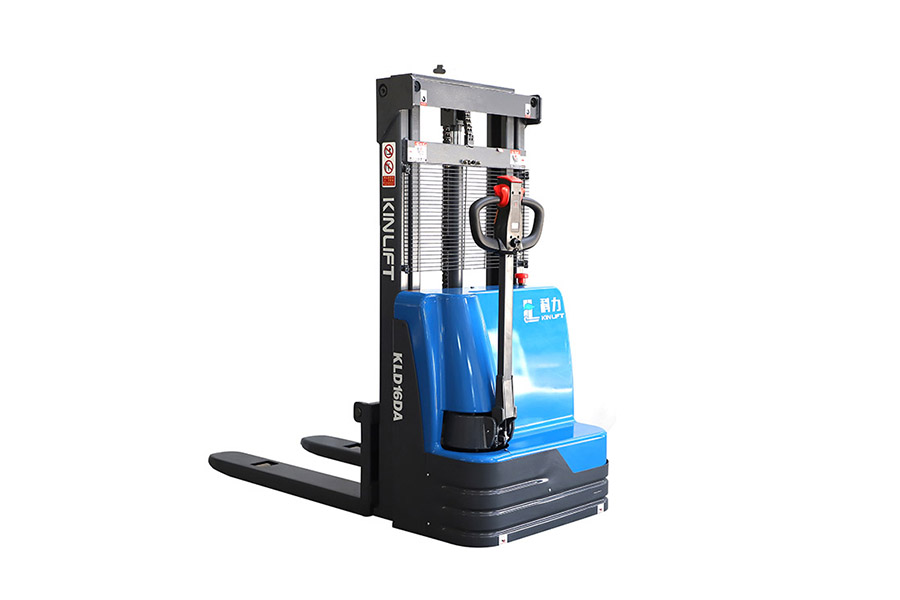
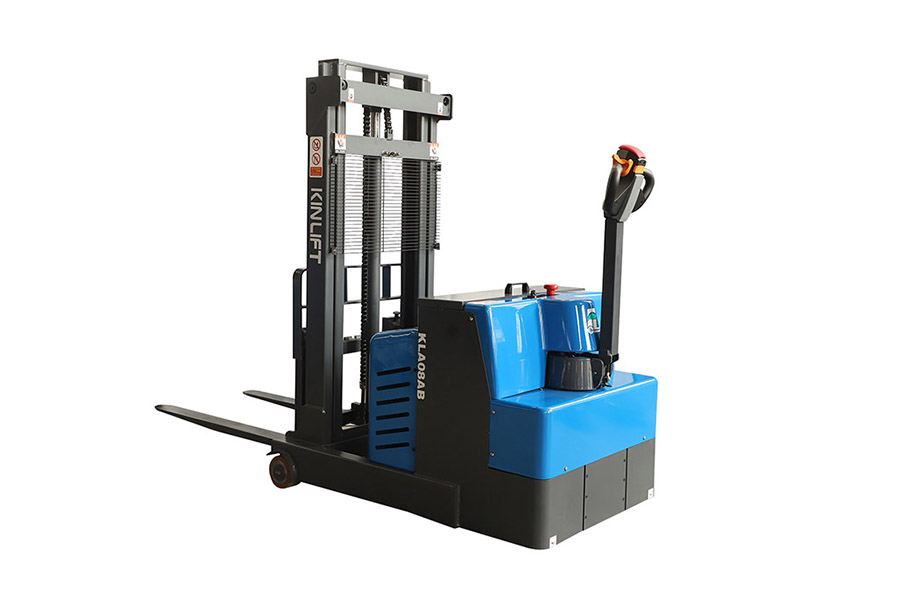
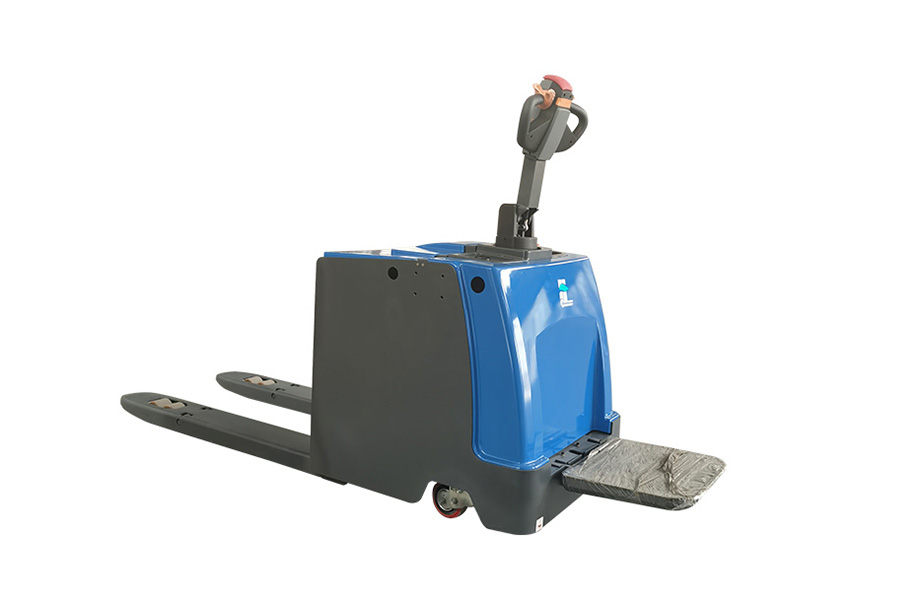
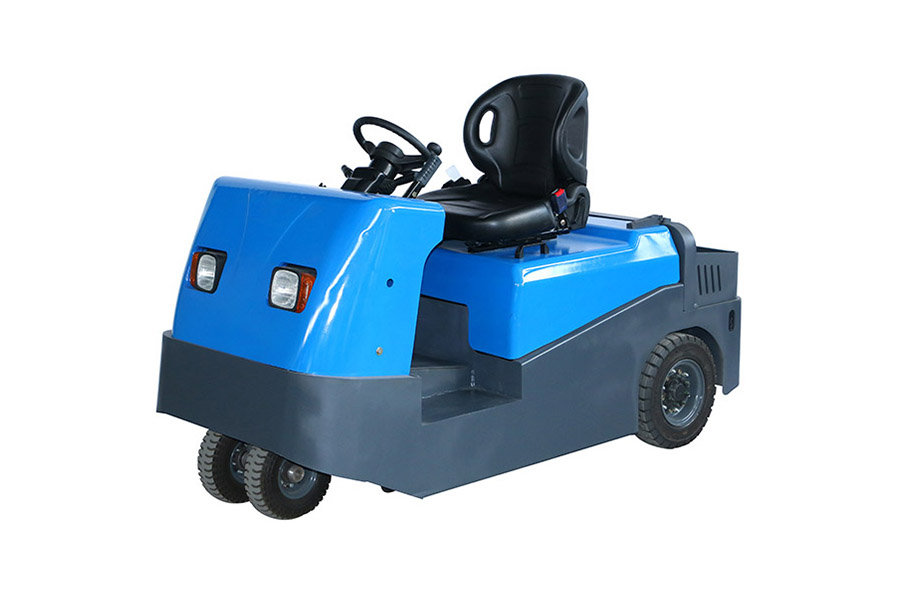

Electric tow tractors are battery-powered industrial vehicles designed to pull multiple carts, trailers, or material handling equipment across factories, warehouses, airports, and logistics facilities. Unlike forklifts that carry loads, tow tractors move trains of trailers — making them ideal for efficient material movement across large facilities. A high-performance electric tow tractor delivers zero-emission operation, low maintenance costs, quiet performance, and high towing efficiency for modern manufacturing and logistics operations.
1–20 tonnes towing capacity range
8–12 hours typical battery runtime
3 primary operator configurations
Operating principle and towing mechanics
Electric tow tractors operate on a straightforward principle: battery power drives an electric motor, which turns the drive wheels, propelling the vehicle forward or backward. The operator controls speed, direction, and braking using intuitive controls — typically a tiller for walk-behind models or steering wheel/joystick for rider models. The towing capacity, measured in tonnes, determines how much weight the tractor can pull — compact models handle 1–3 tonnes, while heavy-duty units can tow up to 20 tonnes. The battery system — typically lead-acid or lithium-ion — provides 8–12 hours of runtime per charge, with lithium-ion offering faster charging and longer service life. A electric tow tractor with regenerative braking recovers energy during deceleration, extending battery life and reducing brake wear. The towing hitch — pin-type, ball-type, or automatic coupling — must match the trailers being pulled. The tractor's turning radius determines maneuverability in tight spaces; compact models achieve radii as small as 1.2 metres.
Battery power Lead-acid or lithium-ion · 8–12 hour runtime
Electric motor AC or DC · Smooth acceleration
Towing hitch Pin-type · Ball-type · Automatic
Operator configurations
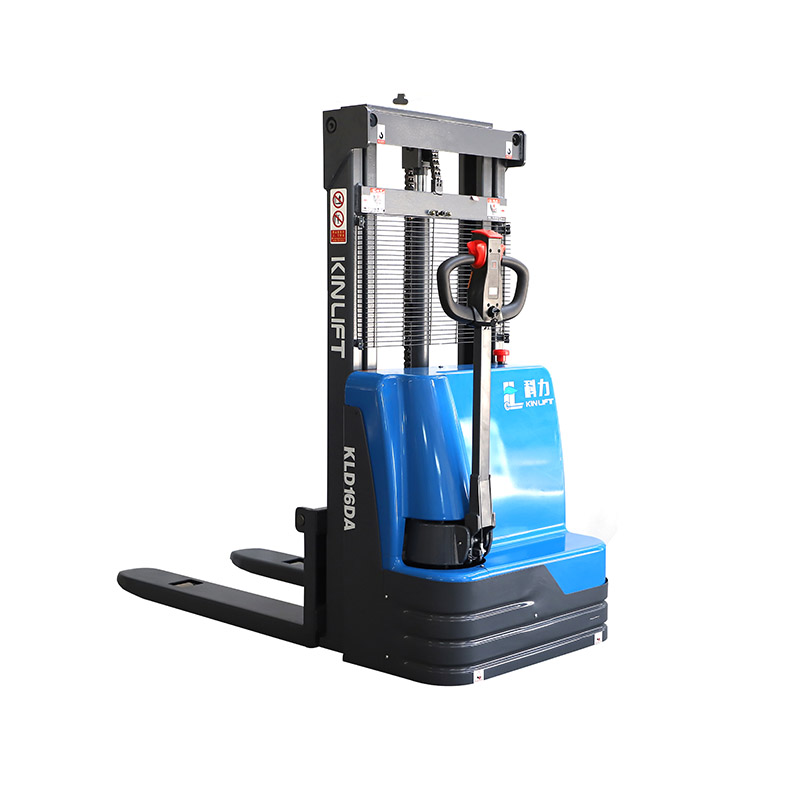
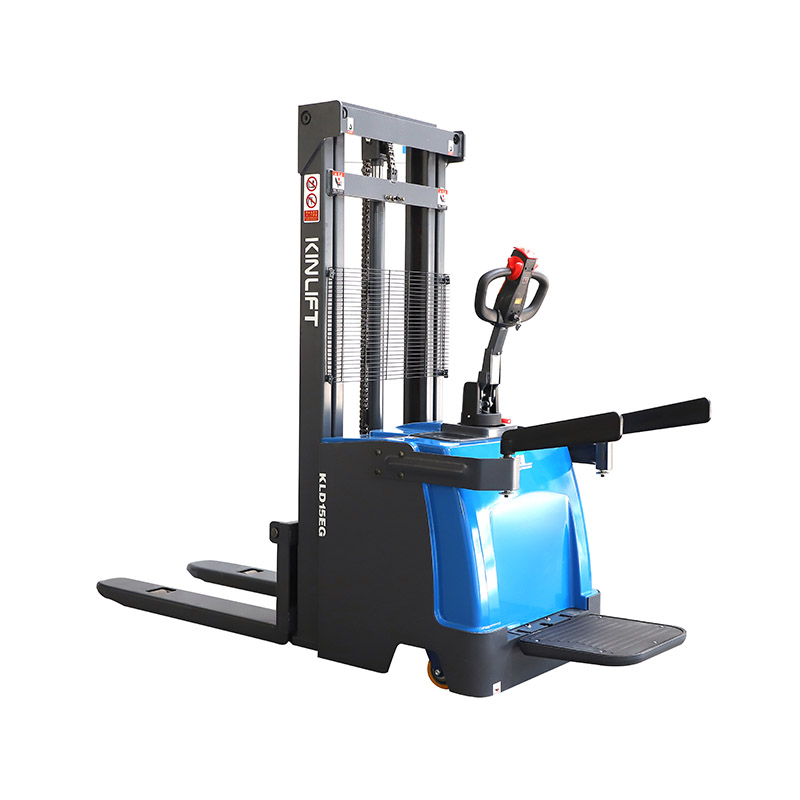
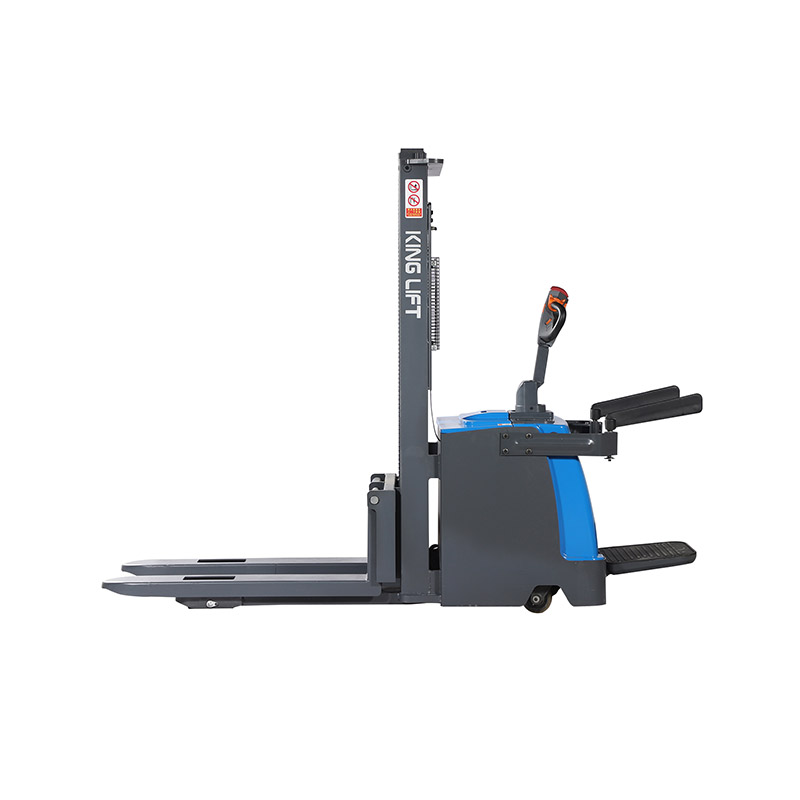
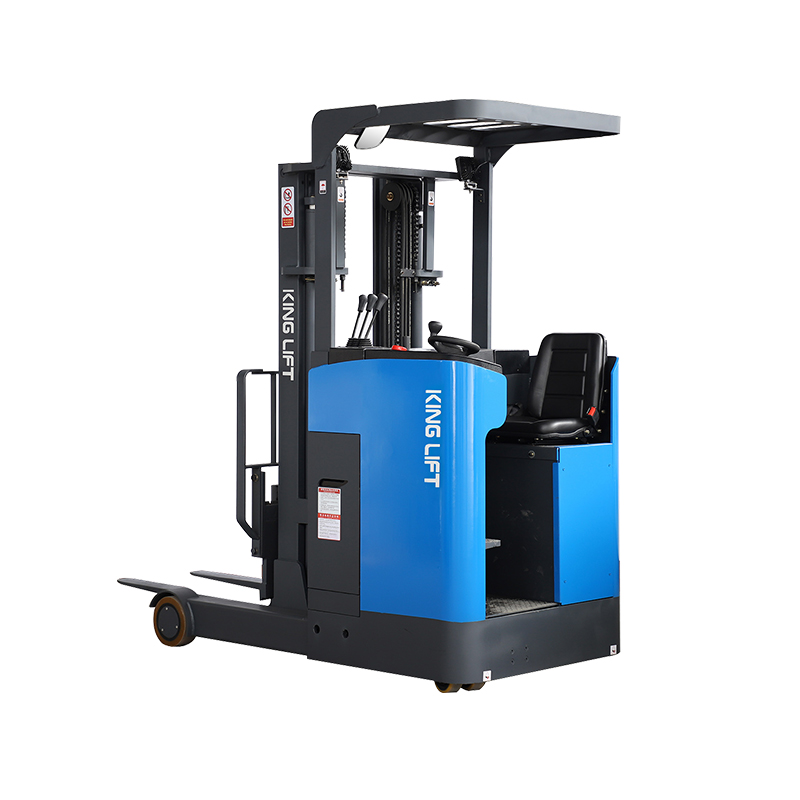
Electric tow tractors are available in three primary operator configurations, each suited to different applications. Walk-behind (walkie) tractors are operated by an operator walking behind the vehicle, providing excellent manoeuvrability and visibility — ideal for congested areas, narrow aisles, and short-distance transport. Rider tractors feature a platform or seat for the operator, enabling higher speeds and longer-distance transport with reduced operator fatigue — suitable for large facilities and outdoor applications. Stand-up rider tractors combine the benefits of riding with a compact footprint, allowing the operator to step on and off quickly for frequent load changes. Autonomous tractors operate without an on-board operator, using sensors and navigation systems to follow predetermined paths — increasingly common in smart factories and automated warehouses. The choice of configuration affects operator comfort, transport efficiency, and facility layout requirements.
Walk-behind Compact · Manoeuvrable · Short distances
Rider High speed · Long distance · Comfort
Autonomous Driverless · Smart · Automated
Battery technology and energy management
The battery system is the heart of any electric tow tractor, determining runtime, performance, and operating costs. Lead-acid batteries are the traditional choice — they are lower in initial cost, widely available, and recyclable. However, they require regular maintenance (water top-up, equalisation charging) and have longer charging times (8–10 hours). Lithium-ion batteries are increasingly preferred for their advantages: faster charging (1–3 hours), longer service life (2,000–3,000 cycles vs 1,200 for lead-acid), no maintenance, and consistent voltage throughout the discharge cycle. Lithium-ion also supports opportunity charging — topping up during breaks without damaging the battery. The battery capacity, measured in ampere-hours (Ah), determines runtime; typical capacities range from 200–800 Ah for lead-acid and 100–400 Ah for lithium-ion. Battery management systems (BMS) monitor cell voltage, temperature, and state-of-charge, protecting against over-discharge and extending battery life. The choice of battery technology affects total cost of ownership, with lithium-ion offering lower operating costs over the vehicle's service life.
Lead-acid Lower cost · 8–10 hr charge · Regular maintenance
Lithium-ion Fast charge · 3,000 cycles · Zero maintenance
Safety features and operator protection
Electric tow tractors incorporate multiple safety features designed to protect operators, pedestrians, and equipment. The emergency stop button provides immediate power cut-off in critical situations. Speed limiting systems prevent excessive speed in congested areas — adjustable limits for indoor and outdoor operation. Warning lights — blue spotlights, strobe beacons, and LED headlights — improve visibility in busy facilities. The braking system includes regenerative braking for controlled deceleration and a mechanical parking brake for secure stopping. The operator presence system — dead-man switches or seat sensors — ensures the tractor stops if the operator leaves the control position. Anti-rollback protection prevents the tractor from rolling backward on inclines. The towing hitch includes a safety pin or locking mechanism to prevent accidental trailer detachment. These features reduce workplace accidents and improve operator confidence, making electric tow tractors a safer alternative to manual cart-pulling.
Application environments
●
Manufacturing plants Production lines · Component transport · Assembly
●
Warehouses & distribution Cart movement · Order fulfilment · Logistics
●
Airports Baggage handling · Ground support · Cargo
●
Industrial campuses Inter-building transport · Material supply
Selection checklist
Define towing capacity required (tonnes)
Select operator configuration (walkie, rider, autonomous)
Choose battery type (lead-acid or lithium-ion)
Verify turning radius for facility layout
Confirm hitch compatibility with trailers
Check safety features and operator protection
Maintenance and operational reliability
Regular maintenance ensures electric tow tractors operate reliably over their service life. Battery care is critical — for lead-acid batteries, check water levels weekly, equalise monthly, and clean terminals to prevent corrosion. Lithium-ion batteries require minimal maintenance but should be kept within the recommended temperature range (10–40°C). Tire inspection includes checking pressure and tread wear — solid rubber tires are common for indoor applications; pneumatic tires are used for outdoor operation. Brake system inspection should verify pad wear and braking performance — typically every 500 operating hours. The electrical system — controllers, wiring, and connections — should be inspected for loose connections and corrosion. The towing hitch mechanism should be lubricated and checked for wear. With proper maintenance, an electric tow tractor typically operates for 8–12 years, with battery replacement required at 3–5 year intervals for lead-acid and 5–8 years for lithium-ion.
Final guidance: Select an electric tow tractor by matching towing capacity to load weight, operator configuration to transport distance and facility layout, and battery technology to operating costs and charging infrastructure. Walk-behind for short-distance manoeuvrability, rider for long-distance efficiency, autonomous for automated operations. Lithium-ion batteries offer lower operating costs for multi-shift operations. A well-chosen tow tractor improves material flow, reduces manual labour, and supports sustainable logistics.