

 English
 русский
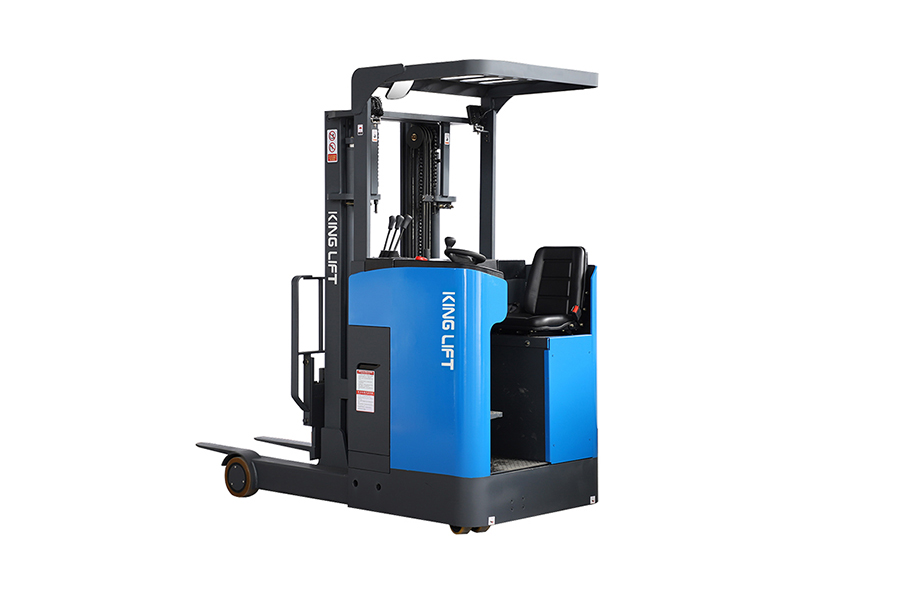
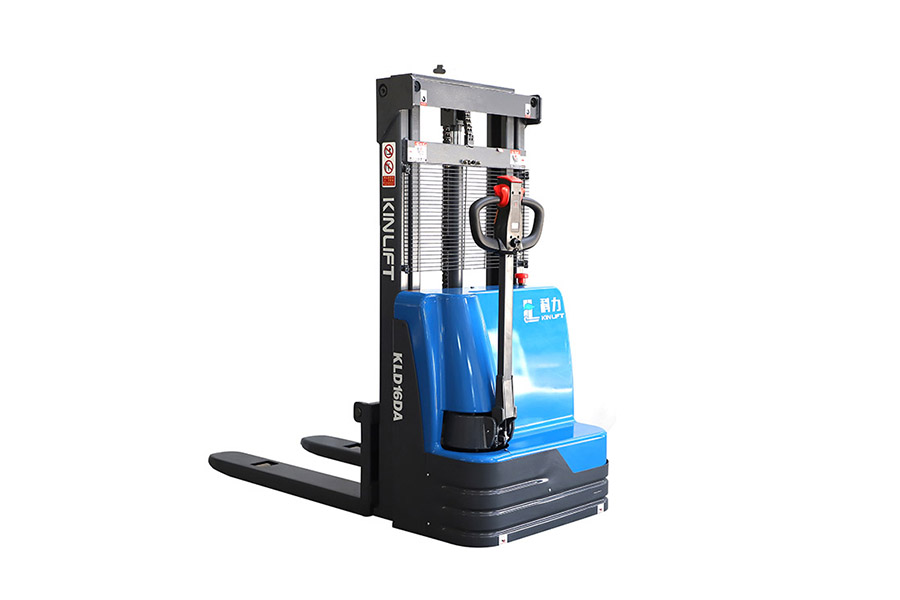
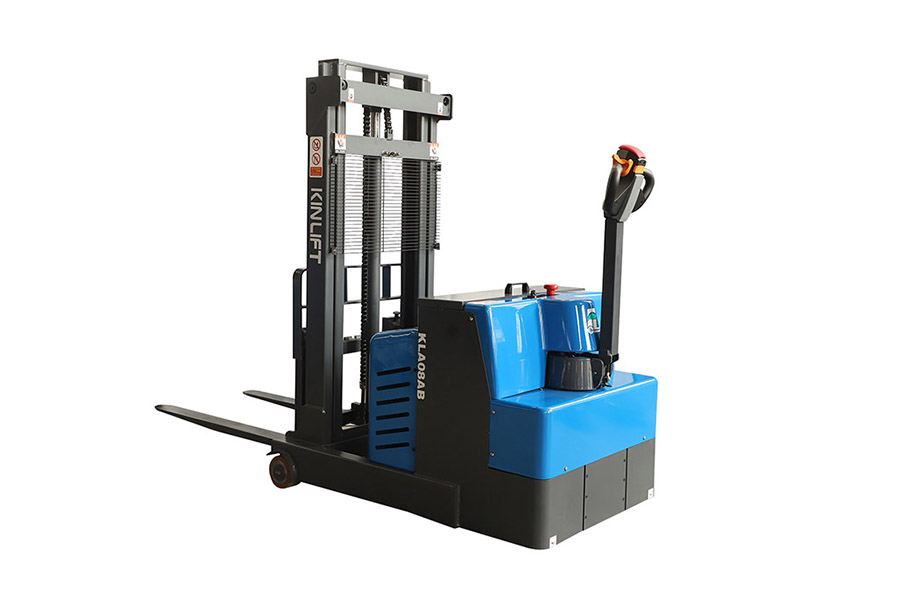
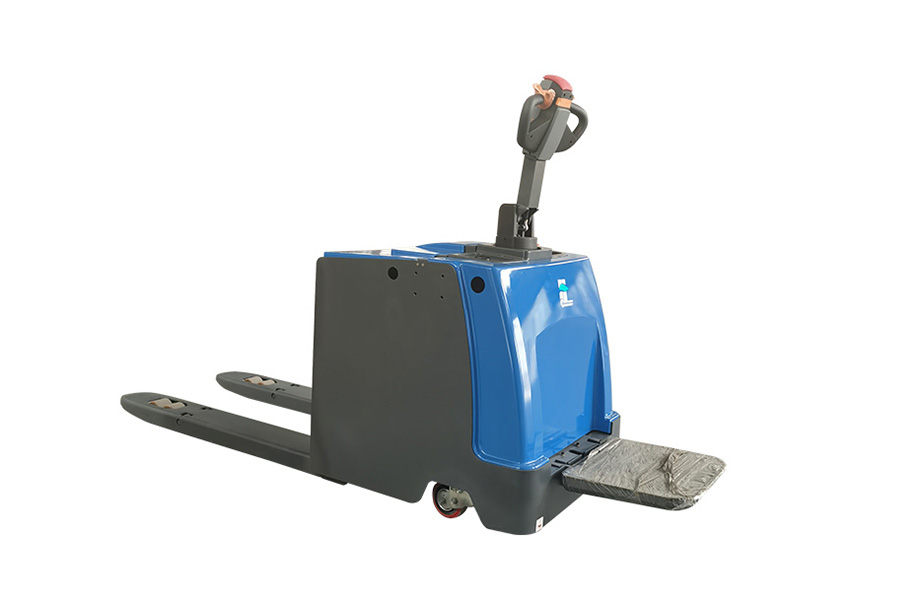

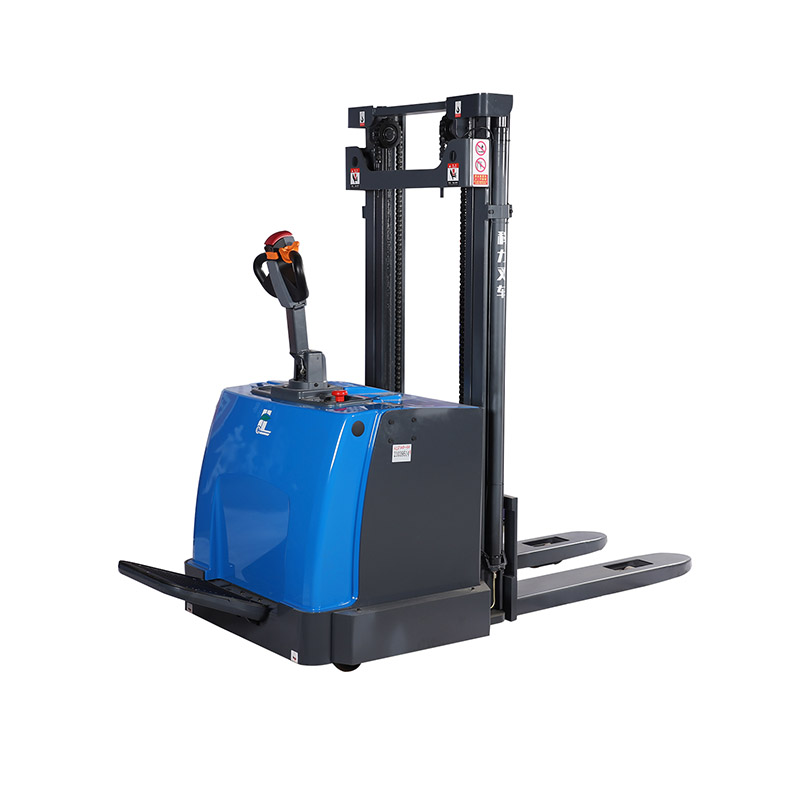
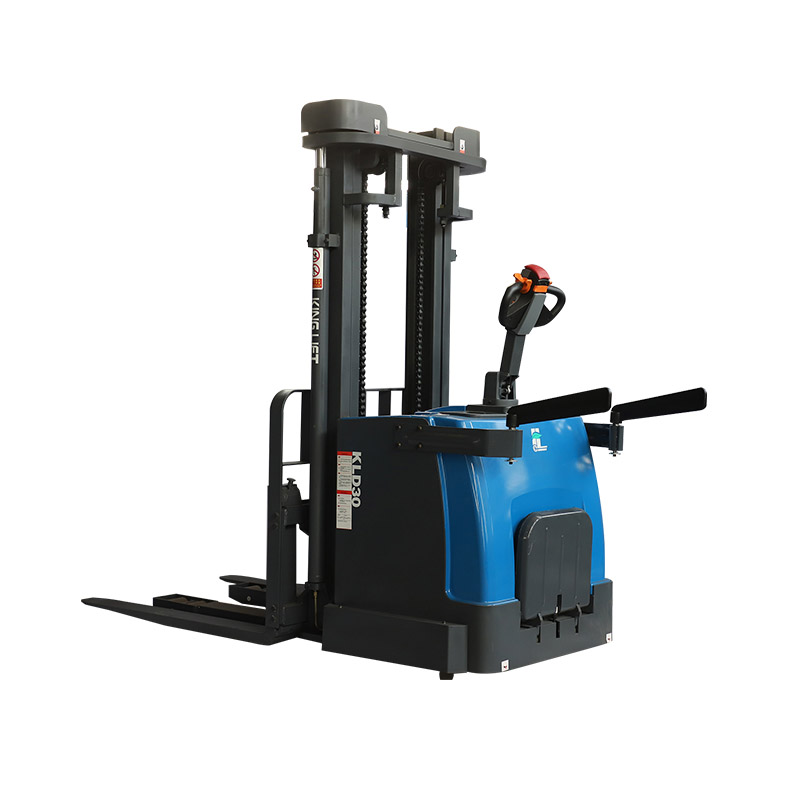
Selection framework A narrow aisle stand up forklift transforms warehouse operations by reducing aisle width from 3.6–4.2 metres (counterbalance) to 2.4–3.0 metres. This 30–40% reduction in aisle space directly increases storage capacity — often by 20–35% without expanding the building. The selection process balances lift height (up to 12.8 metres), load capacity (1,000–2,000 kg), and battery type (lead-acid vs lithium-ion) against operational duty cycles and warehouse racking configuration.
30–40% Aisle width reduction
20–35% Storage capacity increase
12.8 m Maximum lift height
2,000 kg Maximum load capacity
◆ ◆ ◆
Aisle width and warehouse density
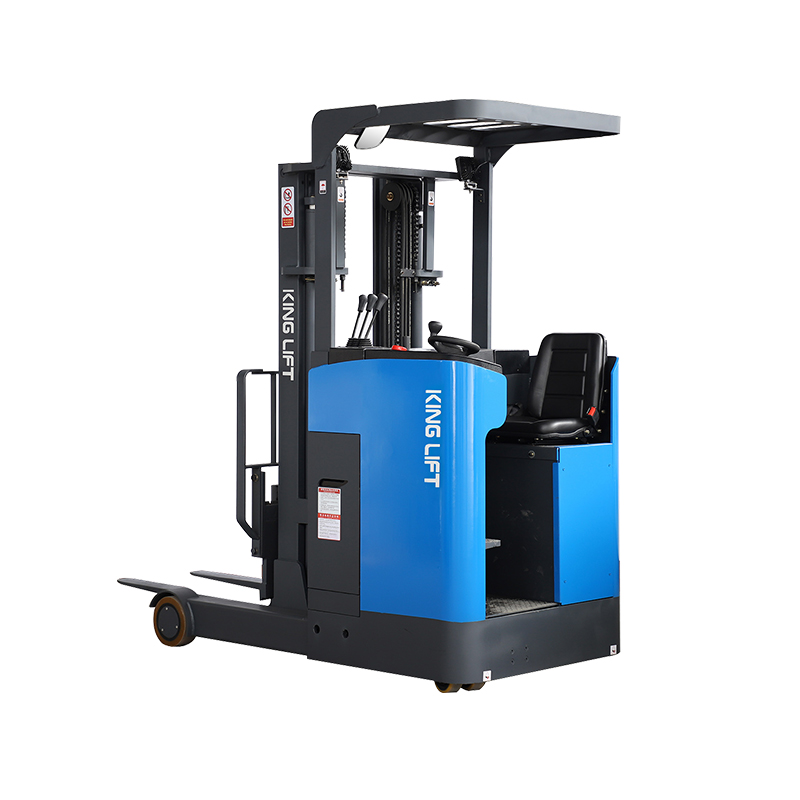
The defining advantage of a narrow aisle stand up forklift is its ability to operate in confined spaces. Where counterbalance forklifts require 3.6–4.2 metres of aisle width, narrow aisle reach trucks operate effectively in 2.4–3.0 metre aisles. This difference translates directly into warehouse capacity: a facility with 20,000 m² of floor space gains 1,500–3,000 m² of additional racking area by switching from counterbalance to narrow aisle equipment. The stand-up design contributes to this efficiency — the operator's position over the drive wheels reduces the overall vehicle length, enabling tighter turning. For warehouses built with standard 3.0 metre aisle configurations, narrow aisle forklifts often install without requiring structural changes.
Narrow aisle reach truck 2.4–3.0 m Stand-up · High density
Counterbalance forklift 3.6–4.2 m Sit-down · Standard density
Very narrow aisle (VNA) 1.6–2.0 m Wire-guided · Maximum density
◆ ◆ ◆
Lift height and mast selection
Lift height determines how effectively vertical warehouse space is utilised. Narrow aisle stand up forklifts typically offer lift heights from 6 metres to 12.8 metres. The mast type significantly influences lift capacity at height — single-stage masts provide maximum rigidity but limited height; two-stage masts offer 6–8 metre lift with good stability; three-stage masts achieve 10–12.8 metres with reduced capacity at maximum extension. When specifying lift height, consider the rack configuration and building clearance. A 10 metre building with 9 metre racks requires a three-stage mast with at least 9.5 metre lift height. Each additional metre of lift height increases mast cost by approximately 8–12% and reduces load capacity by 3–5%.
Mast type Lift height Capacity at height Application
Single-stage 4–6 m 100% of rated Low-bay warehouses
Two-stage 6–9 m 85–90% of rated Medium-bay storage
Three-stage 9–12.8 m 70–80% of rated High-bay warehouses
◆ ◆ ◆
Load capacity and stability
Load capacity for narrow aisle stand up forklifts ranges from 1,000 kg to 2,000 kg, with the higher capacity models typically having larger chassis dimensions and wider aisle requirements. Capacity decreases as lift height increases — a forklift rated at 1,500 kg at 6 metres may only handle 1,100 kg at 12 metres. This reduction is due to the increased moment arm created by the extended mast. Stability is achieved through the vehicle's low centre of gravity and wide baseleg design. The stand-up operator position, with the operator's weight distributed over the drive wheels, contributes to stability during high-level operations. For warehouses handling heavy pallets at height, selecting a model with 1,800–2,000 kg capacity provides necessary safety margin.
6 m lift 1,500 kg Full capacity
9 m lift 1,300 kg 85–90% of rated
12 m lift 1,100 kg 70–80% of rated
◆ ◆ ◆
Battery technology and shift planning
Battery selection directly impacts operational uptime and total cost of ownership. Lead-acid batteries are the traditional choice, offering lower upfront cost ($3,000–6,000 per battery) but requiring 8-hour charging cycles, water top-ups, and weekly equalisation charges. A typical lead-acid battery provides 5–6 hours of continuous operation before requiring change-out. Lithium-ion batteries cost $8,000–12,000 but deliver 1–2 hour fast charging, eliminate maintenance, and provide consistent power throughout the discharge cycle. For single-shift operations, lead-acid may be cost-effective. For multi-shift or 24/7 operations, lithium-ion's opportunity charging capability—charging during breaks—eliminates battery change-out time and reduces fleet size requirements by 20–30%.
Lead-acid $3,000–6,000 · 8 hr charge 1,200 cycles · 5–6 hr runtime Single shift
Lithium-ion $8,000–12,000 · 1–2 hr charge 3,000+ cycles · Opportunity charge Multi-shift
◆ ◆ ◆
Operator safety and ergonomics
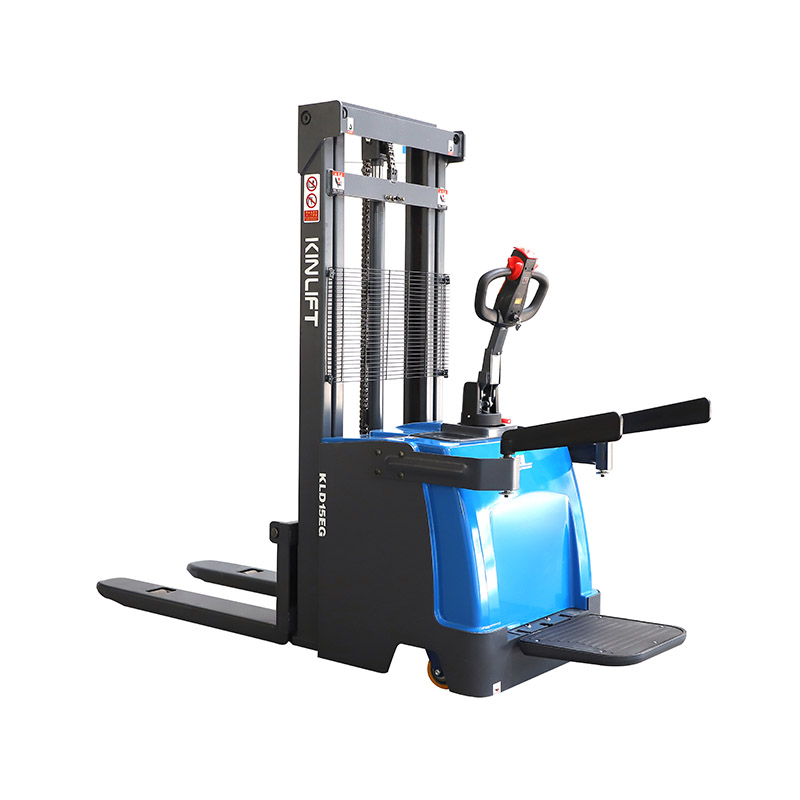
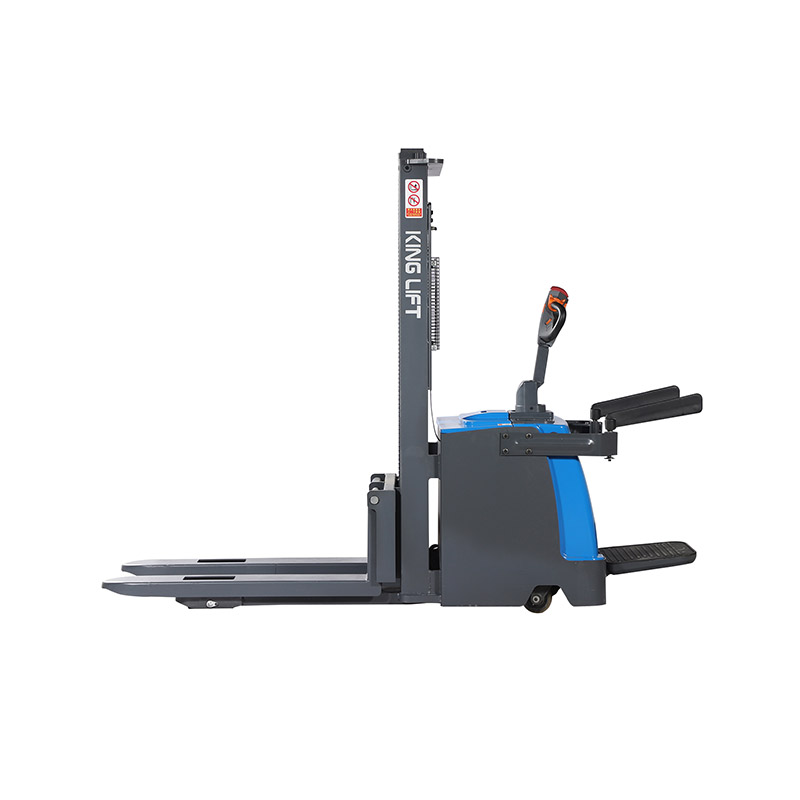
Stand-up design provides safety advantages over sit-down forklifts. The open platform allows quick entry and exit, reducing the risk of entrapment during emergencies. Visibility is significantly improved — the operator stands higher than in a sit-down forklift, with unobstructed forward views for precise fork positioning. Crown's stand-up reach trucks include: independent floorboard pedals with sensors to ensure correct operator positioning; entry bar safety switches that reduce travel speed if the operator's foot leaves the running lines; and backrest extensions that provide protection during travel. These features reduce workplace injury rates and improve operator confidence during high-level operations.
Floorboard sensor system Ensures correct operator positioning
Entry bar safety switch Reduces travel speed on unsafe positioning
Backrest extension Protection during travel and reversing
Third corner post Additional overhead protection standard
◆ ◆ ◆
Application parameter reference
High-bay distribution 2,000 kg · 12.8 m lift · Three-stage mast
Cold storage Cold package · Lithium-ion · Low-temp components
Medium-bay warehouse 1,500 kg · 9 m lift · Two-stage mast
Manufacturing facility 1,000–1,500 kg · 6–8 m lift · Single/two-stage
◆ ◆ ◆
Selection checklist
Measure existing aisle width — confirm 2.4–3.0 m compatibility
Determine maximum rack height — select mast stage
Calculate maximum pallet weight — set load capacity
Review shift schedule — select battery type
Assess cold storage need — special package availability
Verify safety features — floorboard sensor and entry bar
Final guidance: Choose a narrow aisle stand up forklift by matching aisle width (2.4–3.0 m) to your warehouse layout, lift height to rack configuration, and load capacity to pallet weight. Three-stage masts achieve 12.8 m lift but reduce capacity at height. Lithium-ion batteries deliver lower operating costs for multi-shift operations. Verify safety features including floorboard sensors and entry bar switches for operator protection.