

 English
 русский

Home / News / Industry News / Are Electric Reach Forklifts Worth the Investment Compared to Traditional Forklifts?
The Investment Question: Electric vs Traditional Forklifts
Warehouse managers face a critical decision when modernizing their material handling operations. The choice between electric forklifts for warehouse use and traditional fuel-powered equipment extends far beyond initial purchase price. This comprehensive analysis examines the financial, operational, and environmental factors that determine whether electric equipment represents a sound investment for your facility.
The global shift toward electrification in warehousing reflects a fundamental change in how businesses evaluate equipment value. Rather than focusing solely on acquisition costs, forward-thinking operations managers now assess total cost of ownership, productivity gains, safety improvements, and regulatory compliance requirements over a five to ten-year operational horizon.
Understanding the Total Cost of Ownership
Initial Capital Investment and Financing
Electric warehouse equipment typically carries a higher upfront purchase price compared to internal combustion alternatives. An electric forklift truck may cost fifteen to thirty percent more initially, depending on specifications and capacity requirements. However, this comparison represents only the first component of ownership costs.
Most warehouse operations finance equipment through various channels including direct purchase, lease agreements, and equipment financing programs. Electric models often qualify for preferential financing terms, government incentives, and tax credits that can significantly reduce effective costs. Several regions offer rebates and grants specifically designed to encourage adoption of emissions-free material handling equipment.
Fuel and Energy Expenses
Operating cost differences represent the most significant long-term financial consideration. Traditional forklifts consume propane or diesel fuel at rates that fluctuate with global energy markets. Monthly fuel expenses for a typical warehouse operation utilizing five to ten traditional units can easily exceed monthly electricity costs for equivalent electric equipment by forty to sixty percent.
Electric models require charging, which operates on predictable utility rates. Most warehouse facilities achieve charging efficiency of eighty-five to ninety percent, with overnight off-peak charging options available in many regions. A standard eight-hour shift produces sufficient energy depletion to require six to eight hours of charging, timing that aligns naturally with overnight facility downtime.
Maintenance and Servicing Costs
Mechanical complexity directly correlates with maintenance expenses. Traditional engines require regular oil changes, spark plug replacement, fuel system servicing, and emission system maintenance. These scheduled services occur every two hundred to four hundred operating hours and typically cost between one hundred fifty to three hundred dollars per service visit.
Electric units eliminate engine maintenance entirely. The absence of oil systems, transmission fluid, spark plugs, and fuel filters reduces service requirements by approximately seventy percent. Brake systems, tire maintenance, and battery care represent the primary ongoing maintenance costs. Battery technology advances have extended typical battery lifespans to five to eight years, with replacement costs becoming increasingly competitive with long-term fuel consumption expenses.
| Cost Category | Traditional Forklift (Annual) | Electric Forklift (Annual) |
|---|---|---|
| Fuel/Energy | 3,200 - 4,500 | 1,200 - 1,800 |
| Maintenance | 2,400 - 3,600 | 600 - 1,000 |
| Repairs | 1,800 - 2,500 | 800 - 1,200 |
| Total Annual Cost | 7,400 - 10,600 | 2,600 - 4,000 |
Operational Efficiency and Productivity Gains
Performance Characteristics and Load Handling
Electric warehouse equipment delivers performance characteristics that match or exceed traditional alternatives in most operational scenarios. Modern battery technology provides consistent power delivery throughout the charge cycle, eliminating the power degradation that occurs in fuel-based systems as tanks deplete.
Load handling capacity remains comparable, with electric units commonly rated for three thousand to five thousand pound lift capacities. The lower center of gravity that electric systems provide, thanks to battery placement in the base frame, actually improves stability characteristics and allows for tighter turning radiuses in congested warehouse environments.
Operational Hours and Shift Capability
A fully charged electric unit operates effectively for six to eight hours of continuous use under normal conditions. This timing proves sufficient for standard warehouse shifts, particularly when opportunity charging stations are available during break periods. Multiple battery ownership or quick-change systems allow facilities to maintain round-the-clock operations without compromising equipment utilization.
Traditional forklifts require refueling stops that create downtime in busy operations. These interruptions, while brief individually, accumulate significantly across shift schedules. The ability to charge warehouse electric forklift equipment during scheduled breaks, lunch periods, or shift changes eliminates waiting time for fuel deliveries or propane tank exchanges.
Climate Control and Indoor Air Quality
Electric operation eliminates exhaust emissions entirely, fundamentally improving indoor air quality. Traditional forklift emissions include nitrogen oxides, particulate matter, and carbon dioxide. Warehouses operating with multiple internal combustion units experience measurable air quality degradation that affects worker health and requires expensive ventilation system upgrades.
The absence of thermal emissions also reduces cooling system load, particularly important for temperature-controlled storage facilities. Operations managing climate-sensitive inventory experience additional efficiency gains as electric equipment generates minimal waste heat.
Return on Investment Analysis Framework
Five-Year Investment Scenarios
The investment decision framework must account for equipment lifespan and operational parameters. A typical five-year financial analysis compares initial capital investment, annual operating costs, maintenance expenses, and any salvage value at end of term.
Scenario: Five Unit Warehouse Fleet Conversion
Initial investment difference: Electric models cost approximately twelve thousand dollars more per unit (60,000 dollars total)
Five-year cost savings: Operating expenses reduce by five thousand to six thousand five hundred dollars annually, generating twenty-five thousand to thirty-two thousand five hundred dollars in cumulative savings
Net ROI position: Break-even achievement occurs around year two, with significant profitability by year five
Key Financial Metrics
- Payback Period: Eighteen to thirty months depending on operational intensity and regional energy costs
- Annual Savings: Four thousand to six thousand dollars per unit after full payback achievement
- Five-Year NPV: Positive returns of eight thousand to twelve thousand dollars per unit
- Cost per Operating Hour: Approximately thirty to forty percent lower for electric models
Variables Affecting ROI Calculation
Several factors significantly influence individual ROI scenarios. Geographic location impacts both electricity rates and fuel costs, creating regional variations in savings potential. Facilities in areas with high propane or diesel costs experience faster ROI achievement than those in regions with lower fuel pricing.
Operational intensity directly affects savings accumulation. Warehouses running extended shift schedules realize greater annual cost reductions compared to facilities operating single shifts. Equipment utilization rates, inventory turnover speeds, and storage configuration all influence how frequently material handling equipment operates.
Available incentive programs substantially improve financial outcomes. Government rebates, utility company programs, and tax incentive eligibility can reduce effective purchase prices by five thousand to fifteen thousand dollars per unit, dramatically accelerating payback timelines.
Environmental Impact and Regulatory Compliance
Emissions Reduction and Sustainability Goals
The environmental case for electric equipment extends beyond operational benefits to encompass corporate sustainability commitments. A warehouse fleet of ten traditional forklifts operating continuously generates greenhouse gas emissions equivalent to several passenger vehicles. Over five years, this cumulative impact becomes substantial from both environmental and regulatory perspectives.
Electric equipment produces zero direct emissions, supporting corporate carbon neutrality initiatives and demonstrating commitment to environmental responsibility. This positioning gains increasing importance as supply chain partners, customers, and investors prioritize vendors with measurable sustainability records.
Compliance with Emerging Regulations
Environmental regulations continue tightening across developed markets. Several jurisdictions have implemented or proposed restrictions on new internal combustion equipment purchases, particularly in urban and indoor warehouse environments. Forward planning that addresses regulatory trends protects capital investments from potential obsolescence.
Air quality regulations in certain regions now impose stricter standards for indoor industrial operations. Facilities currently operating traditional equipment may face pressure to upgrade or implement expensive emission control systems. Proactive conversion to electric equipment avoids these future compliance costs.
Warehouse Safety and Working Conditions
Elimination of exhaust emissions creates tangible health improvements for warehouse personnel. Reduced ambient air pollution improves working conditions, potentially decreasing respiratory issues and occupational health expenses. Enhanced air quality also benefits facility neighbors and surrounding communities.
Electric equipment operates more quietly than traditional alternatives, reducing noise pollution levels within facilities. This characteristic proves particularly valuable in multi-story warehouses and facilities operating through the night.
Electric Equipment Variety and Application Suitability
Reach Truck Applications and Advantages
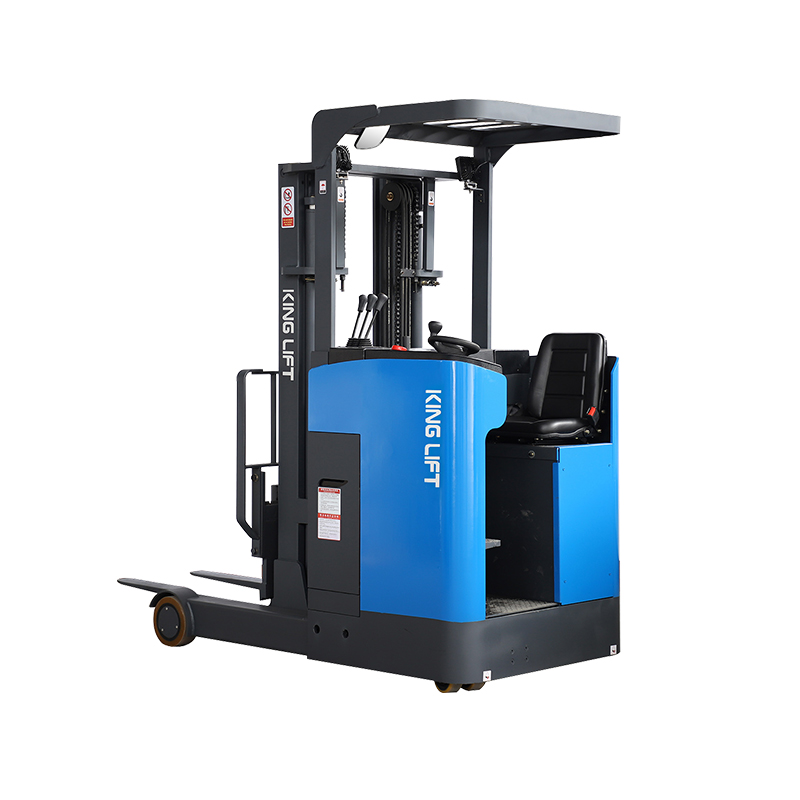
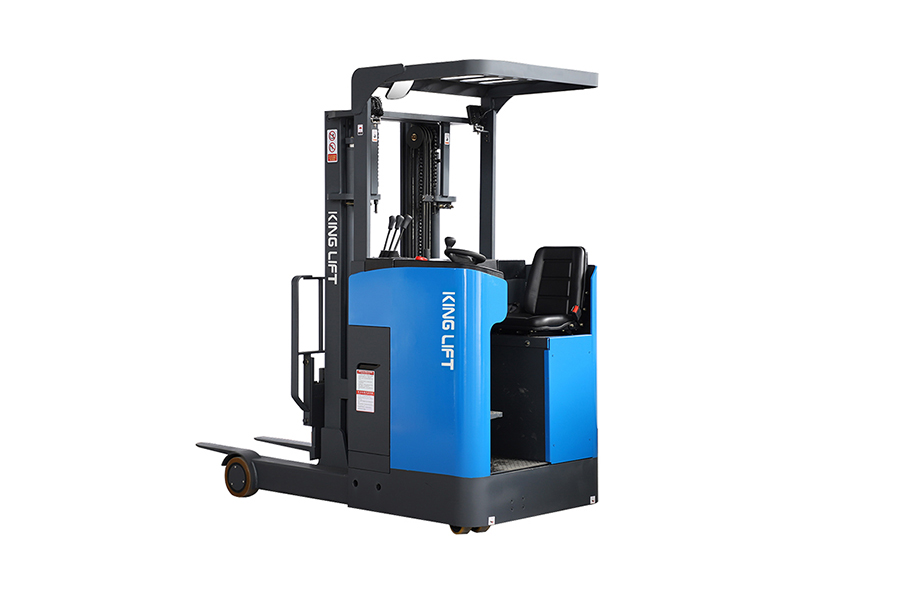
Reach forklifts represent a specialized category ideally suited for high-density storage operations. These units extend load handling capacity horizontally, enabling placement of pallets at height without requiring excessive aisle space. Electric reach equipment provides exceptional performance in warehouse environments optimized for vertical storage.
The precise handling characteristics of electric systems enhance reach equipment safety, particularly when operating at maximum heights. Consistent power delivery and responsive control systems reduce operator fatigue and accident risk in demanding conditions.
Counterbalance Forklift Applications
Counterbalance models offer versatility across diverse warehouse configurations and outdoor applications. Electric counterbalance forklifts maintain the compact footprint and maneuverability of traditional models while delivering operating cost advantages. These units prove particularly valuable in facilities requiring both indoor and outdoor material handling.
Three-Wheel vs Four-Wheel Configurations
Three-wheel electric forklifts offer enhanced maneuverability in tight spaces, making them ideal for congested warehouse environments. Four-wheel configurations provide improved stability and load handling capacity for operations requiring heavier duty applications. Modern electric technology supports both configurations effectively.
- Reach models: Optimal for high-density vertical storage requiring precise load placement
- Counterbalance units: Versatile for general warehouse operations and outdoor applications
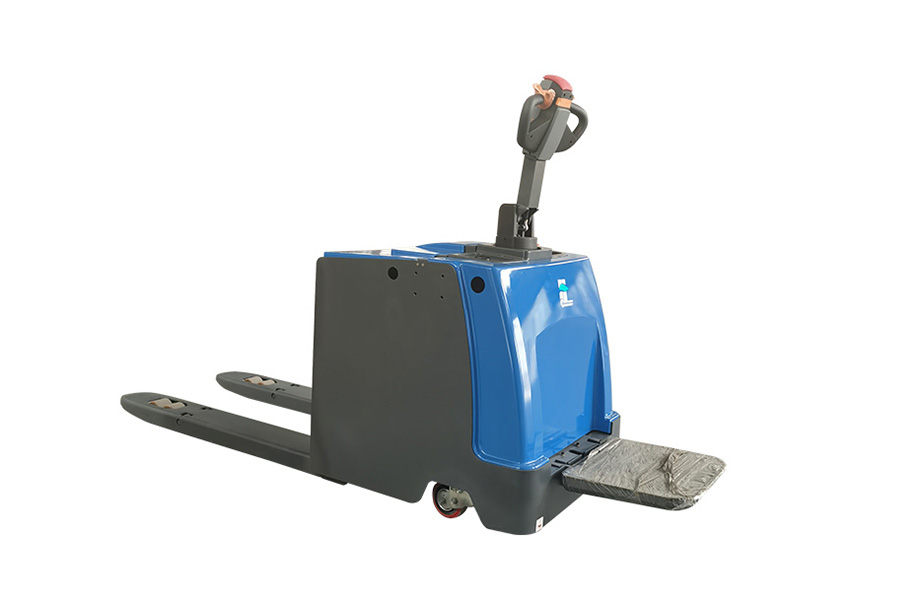
- Pallet jacks: Cost-effective solutions for light-duty material handling in small to medium facilities
- Order pickers: Specialized equipment for item-level picking operations in high-bay environments
Successful Conversion Strategy and Implementation
Phased Transition Approach
Rather than complete fleet replacement, most successful facilities implement phased conversion strategies. Beginning with high-utilization equipment and gradually expanding to full electrification allows operational adjustments and ROI validation without creating service disruptions.
Phased approaches also provide staff training opportunities, allowing operators to develop proficiency with electric equipment characteristics. This gradual transition reduces operational disruption and builds confidence in new technology performance.
Infrastructure Requirements and Planning
Successful electric equipment deployment requires adequate charging infrastructure. Most facilities benefit from installing dedicated charging stations with appropriate electrical service capacity. Modern charging systems accommodate multiple unit charging simultaneously, optimizing facility utilization.
Facility electrical systems require assessment to ensure adequate supply capacity. Most warehouse facilities can support charging infrastructure through existing utility service, though some may require minor electrical upgrades. Professional assessment during planning stages prevents deployment delays.
Operator Training and Support Programs
Equipment manufacturers provide comprehensive training programs addressing operator responsibilities specific to electric equipment. Training typically covers charging procedures, battery maintenance requirements, performance characteristics, and safety protocols. Initial training investment pays dividends through improved equipment longevity and reduced accident rates.
Maintenance Program Development
Electric equipment maintenance differs significantly from traditional alternatives. Developing robust maintenance programs specifically addressing battery management, charge system inspection, and brake system servicing ensures optimal performance throughout equipment lifespan. Manufacturer-recommended maintenance schedules provide comprehensive guidance for maintenance team implementation.
Side-by-Side Performance Comparison
Addressing Common Implementation Challenges
Range and Battery Performance Concerns
Modern battery technology has virtually eliminated range anxiety in warehouse operations. A fully charged unit operates effectively for standard eight-hour shifts with predictable performance throughout the charge cycle. Unlike traditional equipment where power gradually decreases as fuel depletes, electric systems maintain consistent performance until charge depletion occurs.
For facilities requiring extended operations or 24/7 coverage, multiple battery ownership or quick-change battery systems enable continuous operation without performance compromise. The cost of additional batteries becomes negligible when compared against fuel cost reductions.
Initial Charging Infrastructure Investment
Charging station installation represents a legitimate infrastructure consideration, but modern systems integrate seamlessly into most facilities. Standard commercial electrical service typically accommodates charging requirements without substantial upgrades. Many equipment suppliers provide charging infrastructure as part of package deals, distributing installation costs across multiple-unit purchases.
Cold Weather Performance and Battery Management
Battery performance in cold environments has improved substantially with advances in battery chemistry and thermal management systems. Modern lithium-ion systems maintain effective operation in temperatures as low as minus four degrees Fahrenheit. For facilities in extremely cold climates, heated charging areas and thermal management systems provide comprehensive solutions.
Existing Facility Constraints
Space limitations in existing warehouses sometimes create charging infrastructure challenges. Creative solutions including wall-mounted charging stations, opportunity charging systems, and centralized charging areas positioned in peripheral locations address most spatial concerns. Professional facility assessment identifies optimal charging infrastructure placement.
Equipment Selection and Procurement Framework
Capacity and Specification Requirements
Matching equipment capacity to operational requirements ensures optimal ROI and performance. Oversized equipment wastes energy and operational capacity, while undersized units struggle with peak demand periods. Professional load analysis and operational review processes identify appropriate specifications for individual facility requirements.
Consider operational flexibility and future growth when finalizing capacity selections. Equipment rated for maximum capacity provides headroom for business expansion without requiring replacement cycles.
Evaluating Equipment Suppliers
Supplier selection significantly impacts long-term ownership experience. Prioritize suppliers offering comprehensive support programs including operator training, maintenance support, and technical assistance. Warranty coverage, parts availability, and service response times should influence purchasing decisions equally with equipment cost.
Total Package Evaluation
Comprehensive procurement decisions should encompass equipment costs, charging infrastructure, training programs, maintenance support, and financing options. Some suppliers bundle these elements favorably, creating superior overall value compared to lowest-cost equipment acquisition alone.
- Equipment capacity and lifting height requirements
- Supplier reputation and customer support quality
- Warranty coverage and maintenance program terms
- Financing and incentive program availability
- Training and operator support offerings
- Parts availability and service response times
Real-World Implementation Scenarios
Scenario One: Small Regional Warehouse
A warehouse facility managing twelve thousand square feet with daily throughput of two hundred fifty pallets operates with three forklifts across two shifts. Annual operating costs for traditional equipment totaled eighteen thousand dollars including fuel, maintenance, and repairs. Conversion to electric equipment eliminated fuel expenses entirely, reducing annual operating costs to six thousand dollars. Initial investment of forty-five thousand dollars was recovered within thirty months, with cumulative five-year savings exceeding forty thousand dollars.
Scenario Two: Large Distribution Center
A major distribution center operating fifty thousand square feet with high-density storage required twenty reach forklifts across three shifts. Traditional fleet operations cost approximately two hundred thousand dollars annually in fuel and maintenance. Electric conversion reduced operating costs to eighty thousand dollars annually. Initial investment of seven hundred fifty thousand dollars achieved break-even within four years, with annual ongoing savings of one hundred twenty thousand dollars thereafter.
Scenario Three: Cold Storage Facility
Temperature-controlled environments create particular advantages for electric equipment. A cold storage facility operating at minus twenty degrees Fahrenheit experienced substantial fuel efficiency losses with traditional equipment operating in extreme conditions. Electric conversion eliminated fuel system issues entirely while reducing cooling system load. Operational reliability improved significantly, and annual maintenance costs decreased by sixty percent despite specialized cold-weather requirements.
Future Trends and Technology Advancements
Battery Technology Evolution
Battery chemistry continues advancing at accelerating rates. Lithium-ion technology improvements increase energy density while reducing manufacturing costs. Next-generation solid-state batteries promise even greater capacity improvements and lifespan extensions. These advances will further enhance electric equipment competitiveness while reducing long-term ownership costs.
Autonomous and Semi-Autonomous Equipment
Integration of autonomous technology with electric platforms promises dramatic productivity improvements. Electric equipment provides ideal platforms for autonomous operation due to simplified powertrains and precise control characteristics. Future warehouse operations may feature fleets of autonomous electric material handling equipment operating continuously with minimal human oversight.
Smart Warehouse Integration
Electric equipment integration with warehouse management systems and IoT technology enables real-time performance monitoring, predictive maintenance, and optimized charging scheduling. These systems provide comprehensive visibility into equipment utilization and enable data-driven fleet management decisions.
Cost Trajectory and Market Dynamics
Manufacturing scale increases and battery cost reductions continue narrowing the purchase price gap between electric and traditional equipment. Industry projections suggest purchase price parity achievement within three to five years. This development will make electric equipment the default choice for new warehouse operations independent of operating cost considerations.
Strategic Recommendations for Decision-Making
Financial Analysis Approach
Comprehensive ROI analysis must account for all cost components including fuel, maintenance, repairs, infrastructure, training, and financing costs. Regional variations in energy pricing, available incentives, and operational requirements create facility-specific financial outcomes. Professional financial analysis addressing individual circumstances provides reliable guidance superior to generic industry estimates.
When Electric Equipment Makes Strong Financial Sense
- Facilities operating high-utilization equipment requiring frequent material handling cycles
- Locations with elevated propane or diesel fuel costs
- Operations qualifying for government incentives or utility rebate programs
- Facilities with temperature-controlled environments affected by fuel-related heat generation
- Warehouses prioritizing air quality and occupational health improvements
- Operations with regulatory compliance pressures regarding emissions or air quality
Implementation Best Practices
- Conduct detailed operational analysis to establish realistic utilization patterns and cost baselines
- Evaluate available incentive programs and financing options before finalizing budget allocations
- Begin with pilot programs testing electric equipment in specific warehouse zones
- Plan charging infrastructure systematically integrating into existing facility design
- Invest in comprehensive operator training and ongoing support programs
- Establish maintenance programs specifically designed for electric equipment characteristics
- Monitor performance metrics and cost tracking to validate assumptions and optimize operations
Frequently Asked Questions
Q1: How long does it take to charge an electric forklift fully?
Standard charging cycles require six to eight hours for complete charge from empty battery state. Most facilities charge overnight during operational downtime, eliminating impact on production schedules. Opportunity charging systems allow partial charging during shift breaks, extending total available operating time when necessary. Fast-charging systems reduce charging time to two to three hours but require specific electrical infrastructure investment.
Q2: What happens to electric forklifts in cold weather environments?
Modern electric equipment operates effectively in temperatures down to minus four degrees Fahrenheit using standard lithium-ion battery technology. Thermal management systems maintain optimal battery performance even in extreme cold conditions. Heated charging areas and indoor storage ensure consistent reliability. Some specialized applications in ultra-cold environments like frozen food storage may benefit from specialized battery chemistry, though standard systems provide adequate performance for most applications.
Q3: Can electric equipment lift the same loads as traditional forklifts?
Electric forklifts provide comparable lift capacity to equivalent traditional models, typically ranging from three thousand to six thousand pounds for standard warehouse equipment. Reach models provide specialized load handling for high-density storage. Equipment selection should match operational requirements rather than technology type, as both electric and traditional options accommodate most warehouse applications.
Q4: What is the expected lifespan of electric forklift batteries?
Modern lithium-ion batteries provide five to eight years of reliable operation under normal warehouse use patterns. Battery capacity gradually diminishes over time, typically reaching eighty-five percent of original capacity after five years. End-of-life batteries often provide value through recycling programs and material recovery. Replacement batteries cost between eight thousand and fifteen thousand dollars depending on capacity and specifications, representing ongoing investment rather than catastrophic expense.
Q5: Do electric forklifts qualify for tax incentives or rebate programs?
Many jurisdictions offer tax incentives, grants, and rebate programs specifically encouraging electric equipment adoption. Federal tax credits, state-level incentive programs, and utility company rebates can reduce effective purchase prices by five thousand to twenty thousand dollars per unit depending on location. Professional consultation during procurement planning identifies available incentives and optimizes financial outcomes.
Q6: How much training do operators need for electric equipment?
Operators already proficient with traditional forklifts require minimal supplemental training, typically four to eight hours addressing electric-specific features including charging procedures, battery monitoring, and performance characteristics. New operators benefit from comprehensive training covering general forklift operation plus electric-specific requirements. Manufacturers provide formal training programs and certification options ensuring operator competency.
Q7: What maintenance does electric equipment require?
Electric equipment requires significantly less maintenance than traditional alternatives. Regular inspections of brake systems, tire maintenance, battery terminal inspection, and charging system monitoring address primary maintenance needs. No oil changes, spark plug replacement, fuel system service, or emission system maintenance occurs. Annual maintenance typically costs sixty to seventy percent less than equivalent traditional equipment servicing.
Q8: Can electric forklifts operate outdoors?
Standard electric equipment operates effectively in most outdoor conditions including light rain and moderate temperatures. Specialized waterproofing and weather-resistant designs enable reliable outdoor operation even in challenging environments. Battery performance diminishes in extreme cold, but operational effectiveness continues even in adverse conditions. Equipment selection should account for specific environmental exposure expected in outdoor applications.
Q9: What is the resale value of used electric forklifts?
Used electric forklifts retain value comparable to traditional alternatives, typically depreciating to fifty-five to sixty-five percent of original value after five years. Strong market demand for quality used electric equipment supports robust secondary markets. End-of-life battery replacement value is sometimes recouped through equipment sales at reduced cost, potentially exceeding depreciation rates of comparable traditional equipment.
Q10: How does electric equipment perform in extended shift operations?
Single battery systems operate effectively for standard eight-hour shifts. Extended shift operations benefit from multiple battery ownership or quick-change battery systems enabling continuous operation throughout twenty-four hour periods. The additional battery investment becomes economically justified in high-utilization operations, often achieving positive ROI within two to three years based on extended operational capacity.