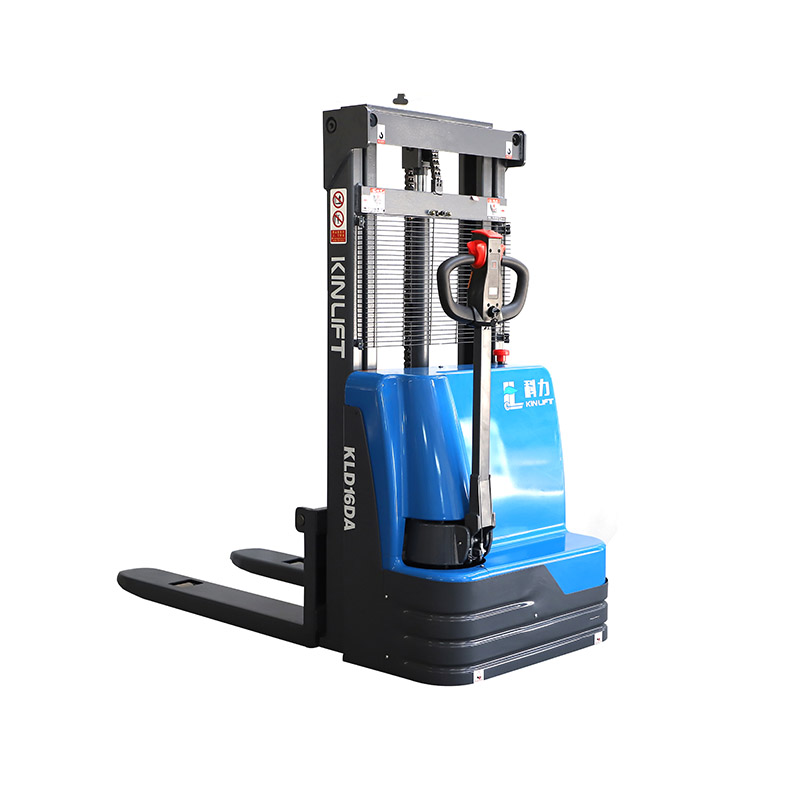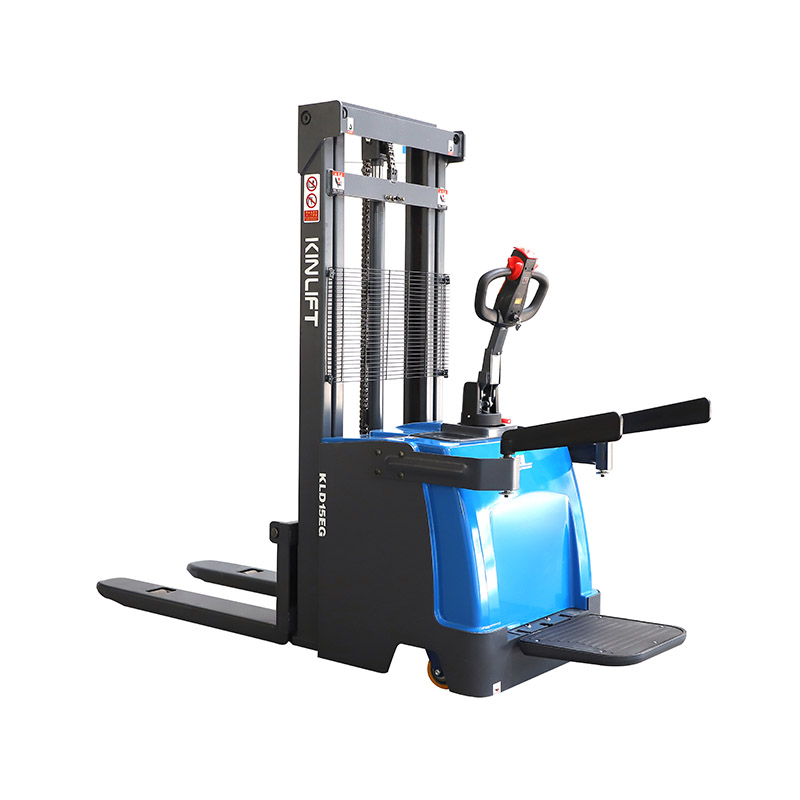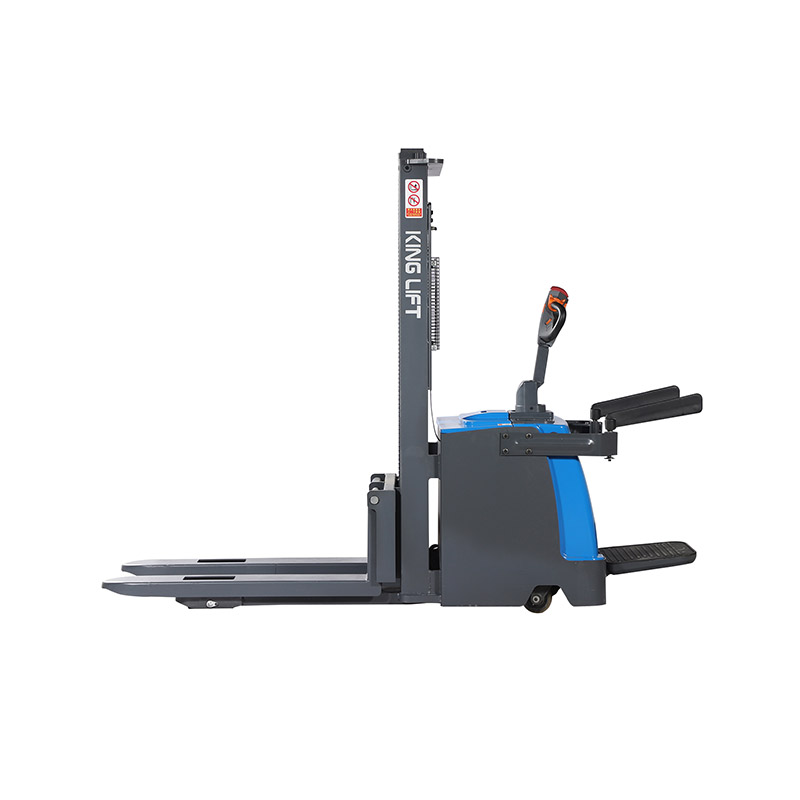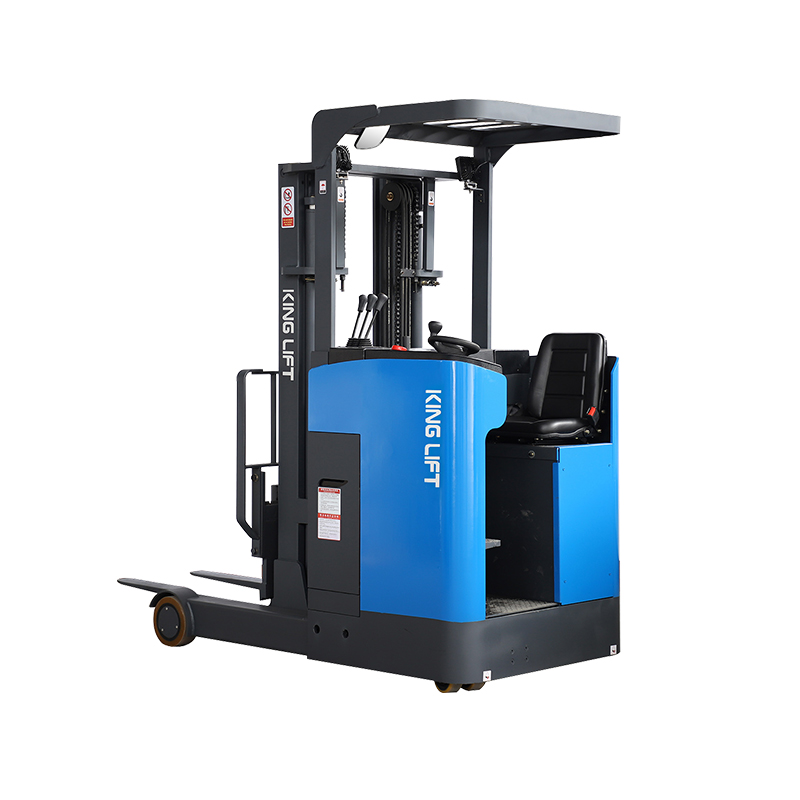


 English
 русский
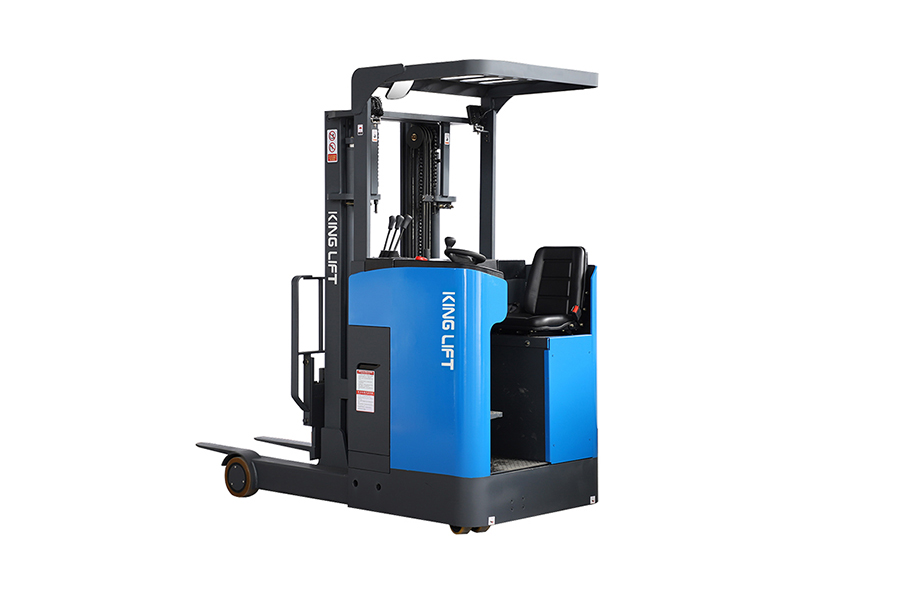
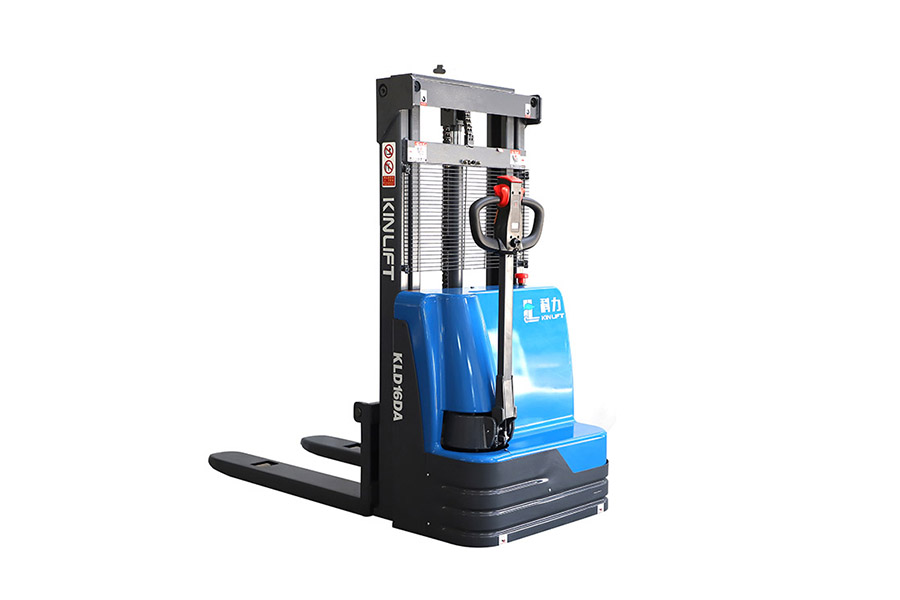
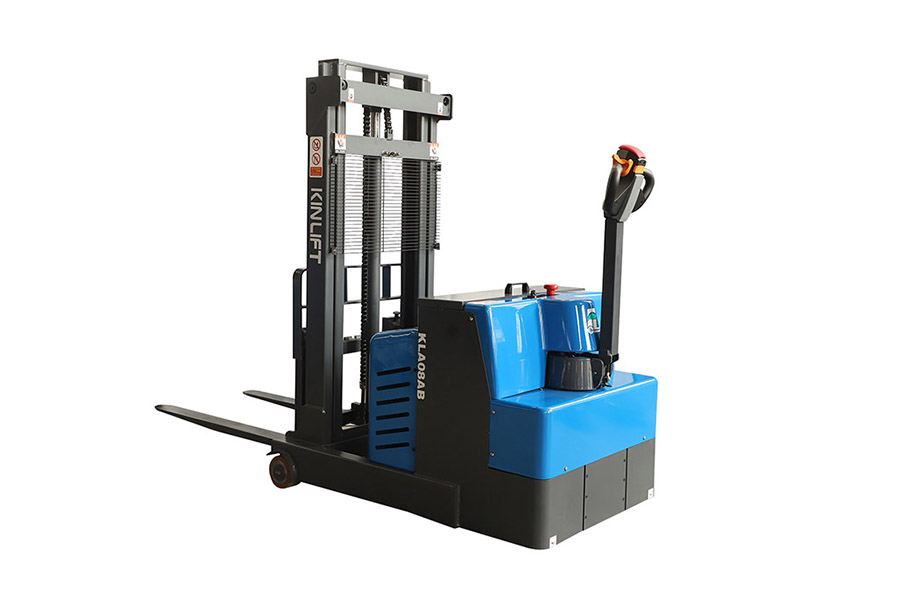
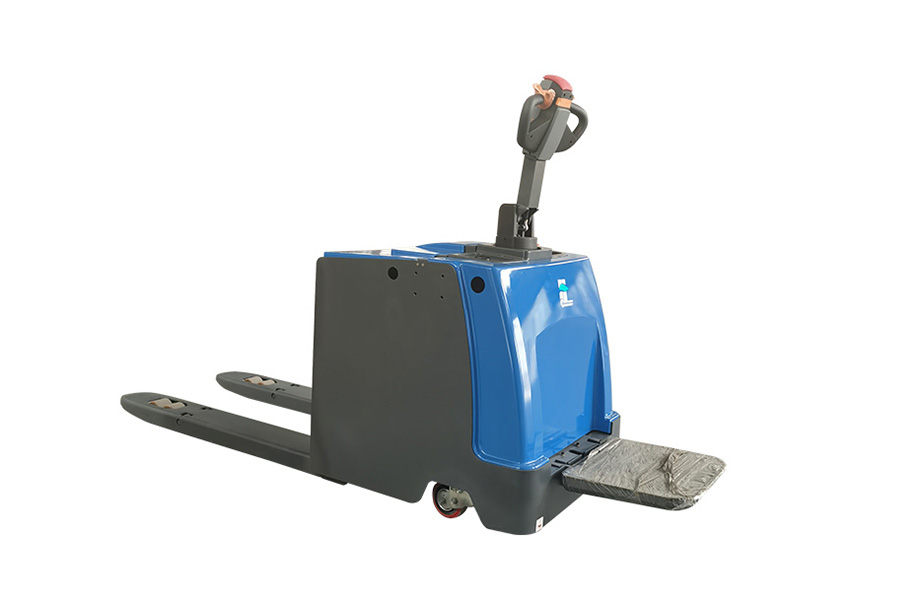
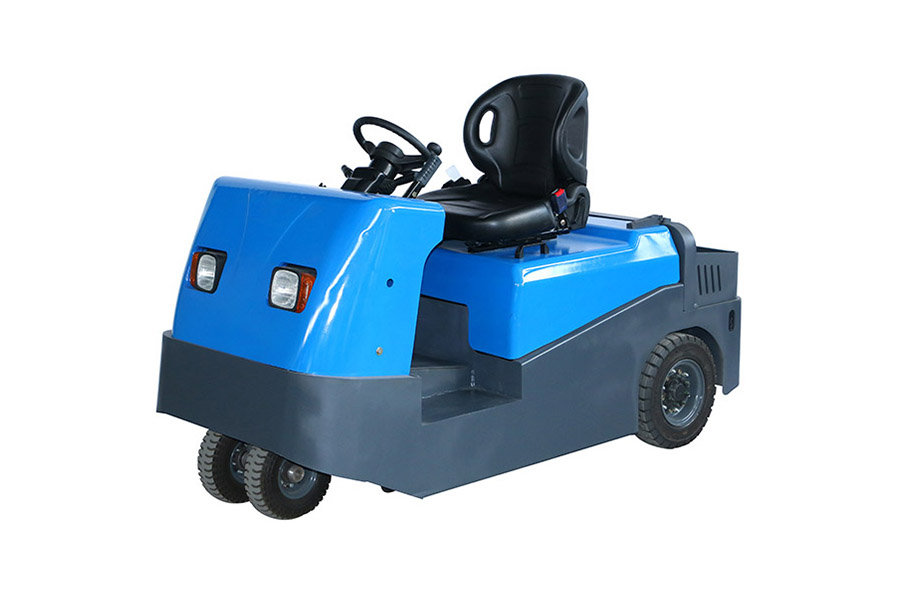
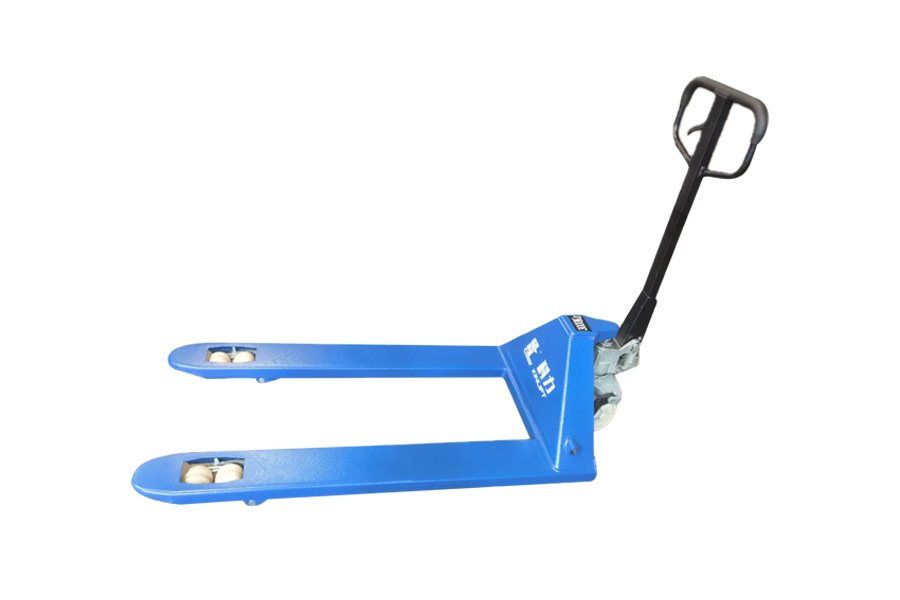
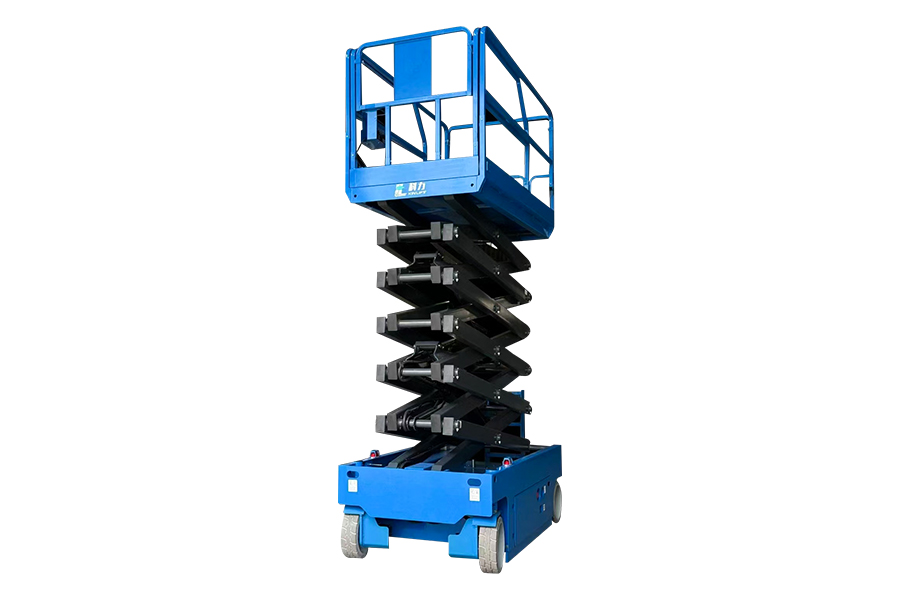
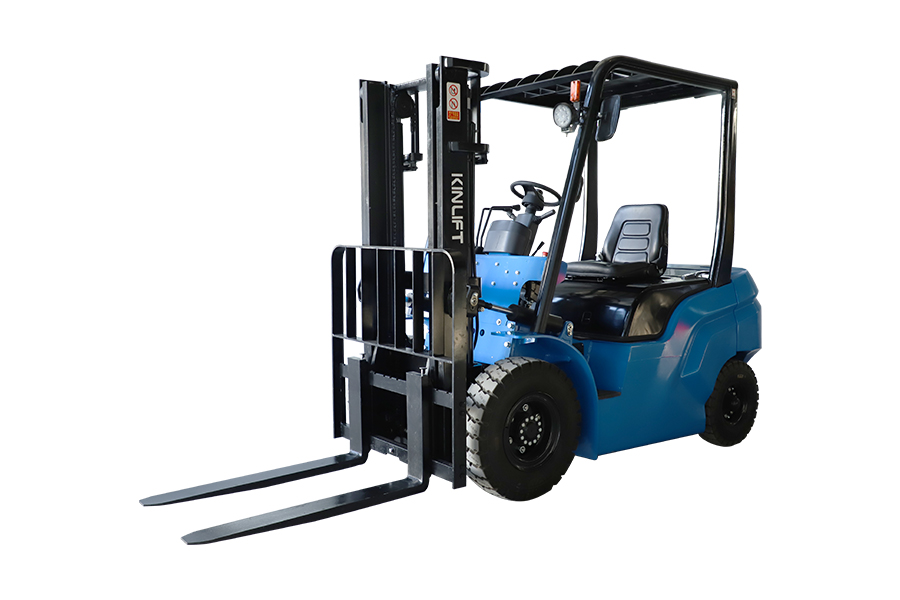

An electric counterbalanced forklift is matched to a job by three numbers working together: rated load capacity at the required lift height, battery runtime against actual shift length, and turning radius against your narrowest aisle. Get any one wrong and the truck either can't do the job or wastes capital on capability the operation never uses.
0
Direct exhaust emissions70%
Fewer moving parts vs fuel models2
Battery types: lead-acid, lithium-ionWhat Sets Counterbalanced Forklifts Apart
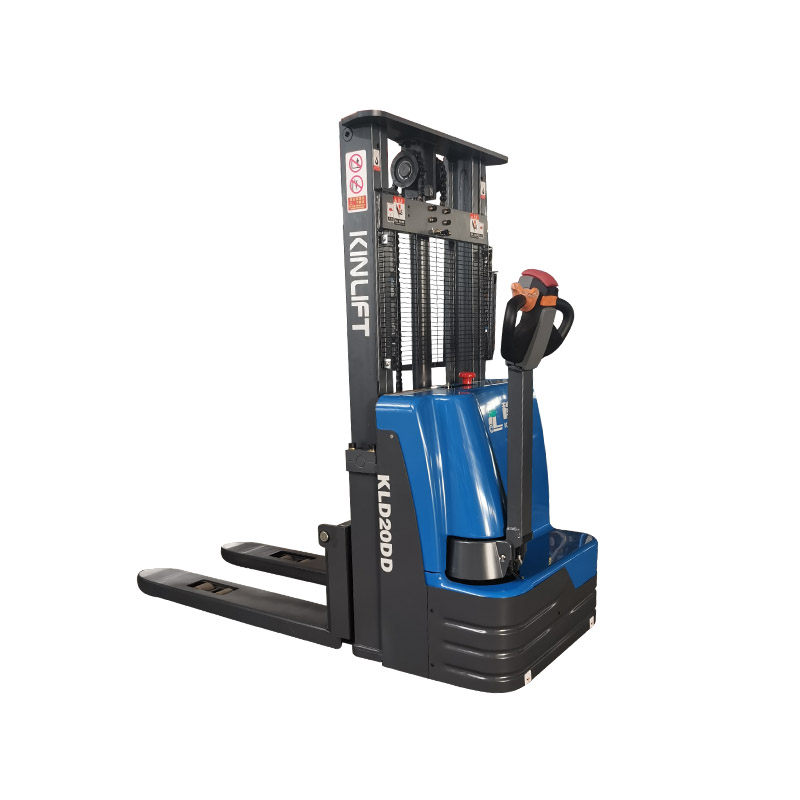
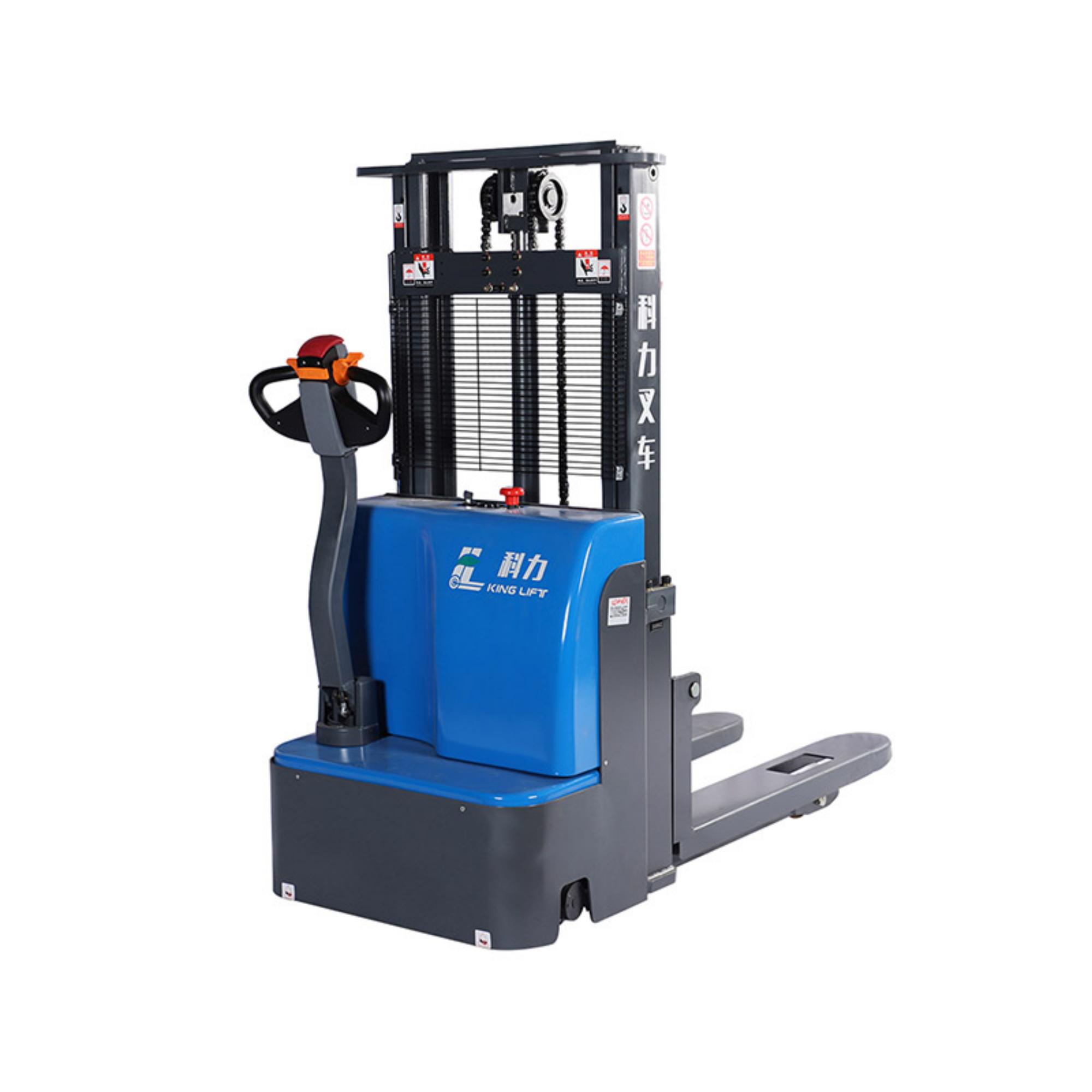
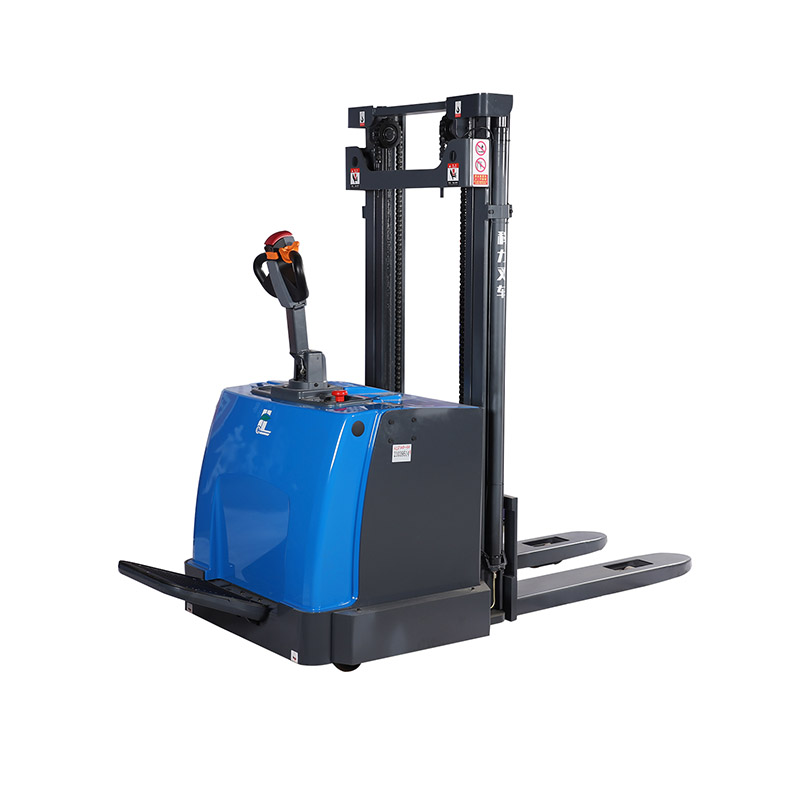
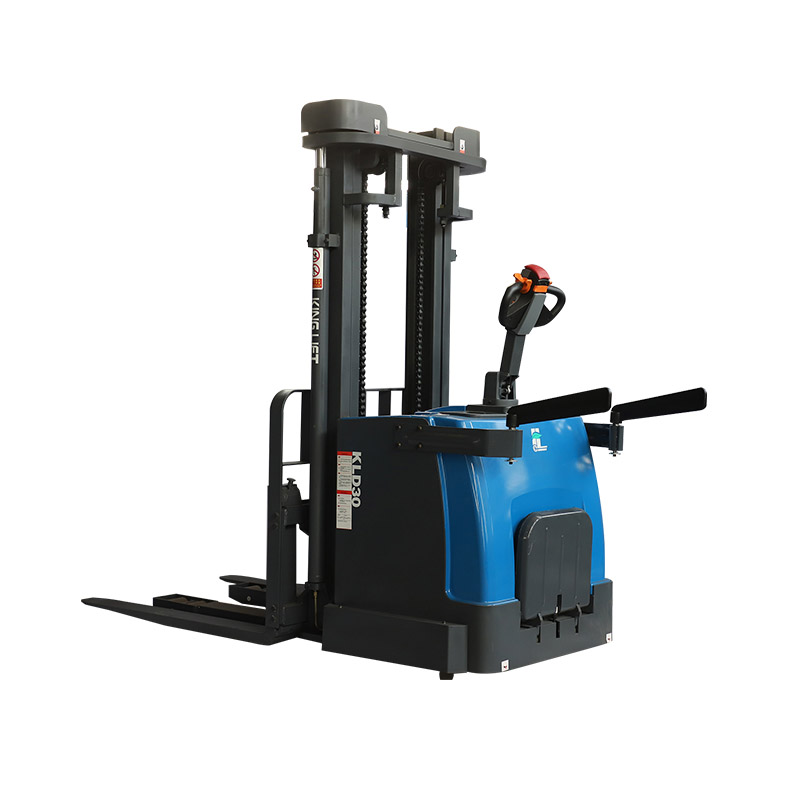
An electric counterbalanced forklift uses a rear-mounted counterweight to offset the load carried on its forks, which is what allows it to lift and carry directly at the front of the truck without the outrigger arms a reach truck needs. This structure makes it the most versatile forklift format for general warehouse and yard work, since it can handle both floor-level pallet moves and higher rack storage without needing a specialized aisle layout.
Lead-Acid vs Lithium-Ion Battery Systems
Battery choice affects far more than runtime on an electric counterbalanced forklift — it changes charging routine, maintenance workload, and total shift coverage.
Lead-Acid Battery
- Lower upfront battery cost
- Requires watering and equalization maintenance
- Needs a full charge cycle, typically with cool-down time
- Best for single-shift, predictable operations
Lithium-Ion Battery
- Higher upfront cost, lower lifetime cost per hour
- No watering, minimal maintenance
- Supports opportunity charging between tasks
- Best for multi-shift or unpredictable duty cycles
Specification Checklist by Warehouse Type
| Environment | Priority Spec | Why |
| Narrow-aisle warehousing | Compact turning radius, three-wheel configuration | Maneuvers tight rack layouts without wasted aisle width |
| Heavy pallet distribution | Higher rated load capacity, four-wheel stability | Consistent handling of dense, heavy loads |
| Cold storage | Lithium battery, sealed electrical components | Reliable cold-temperature performance and condensation resistance |
| Multi-shift operations | Fast-charge lithium battery | Opportunity charging avoids production gaps |
A forklift rated for a load capacity that assumes the fork tips, not the load center, will show a lower effective capacity once the load is carried at a realistic distance from the mast.
Electric vs Traditional Fuel Forklift
- Performance — electric drive gives smooth, precise control; fuel engines give raw power with higher emissions
- Cost — electric models cost more upfront but less to operate long term
- Environment fit — electric suits enclosed, indoor, and noise-sensitive spaces; fuel suits rugged outdoor terrain
- Maintenance — electric drivetrains have fewer moving parts and simpler servicing routines
Qualifying a Forklift Supplier
1
Load Testing Documentation
Ask for rated capacity figures tested at realistic load centers, not just maximum theoretical lift.
2
Spare Parts and Service Network
Confirm parts availability and technician response time in your operating region before ordering.
3
Customization Options
Check what can be configured: mast height, fork dimensions, attachments, and battery type.
4
Certification and Safety Systems
Verify the truck meets relevant industrial safety certifications for your market before deployment.
Frequently Asked Questions
How do I calculate the load capacity I actually need?
Load capacity should be checked at your typical load center distance and lift height, since a forklift's rated capacity drops as the load moves further from the mast or higher up the mast.
Is lithium-ion worth the higher cost over lead-acid batteries?
For multi-shift or unpredictable operations, the ability to opportunity-charge and the lower maintenance workload typically offset the higher upfront cost of lithium-ion over the equipment's service life.
Can electric counterbalanced forklifts be used outdoors?
Many models can operate outdoors on paved surfaces, but battery sealing, tire type, and terrain conditions should be confirmed against the specific model before committing to outdoor use.
What determines charging time for an electric forklift?
Charging time depends on battery chemistry and charger output, with lithium-ion systems generally supporting faster and more flexible charging than traditional lead-acid batteries.