

 English
 русский
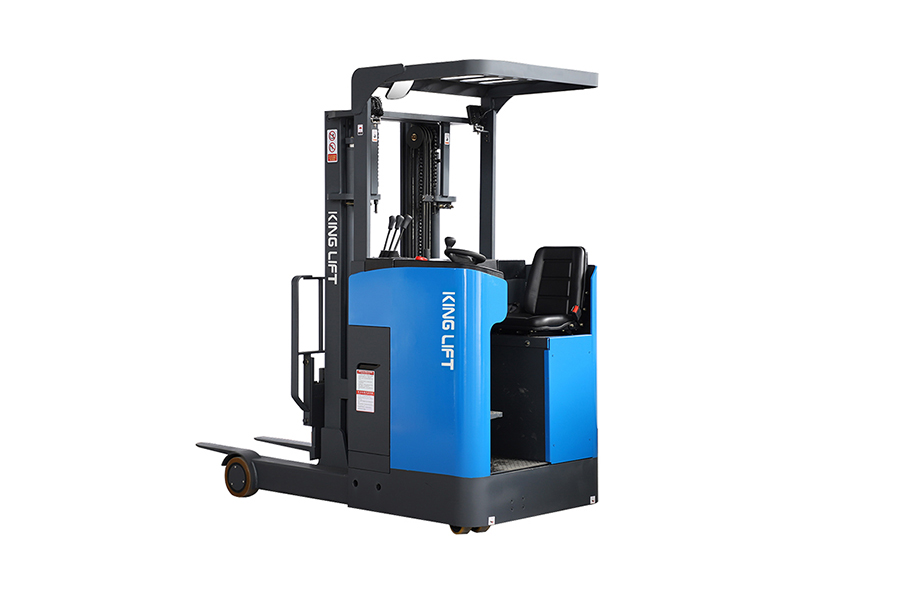
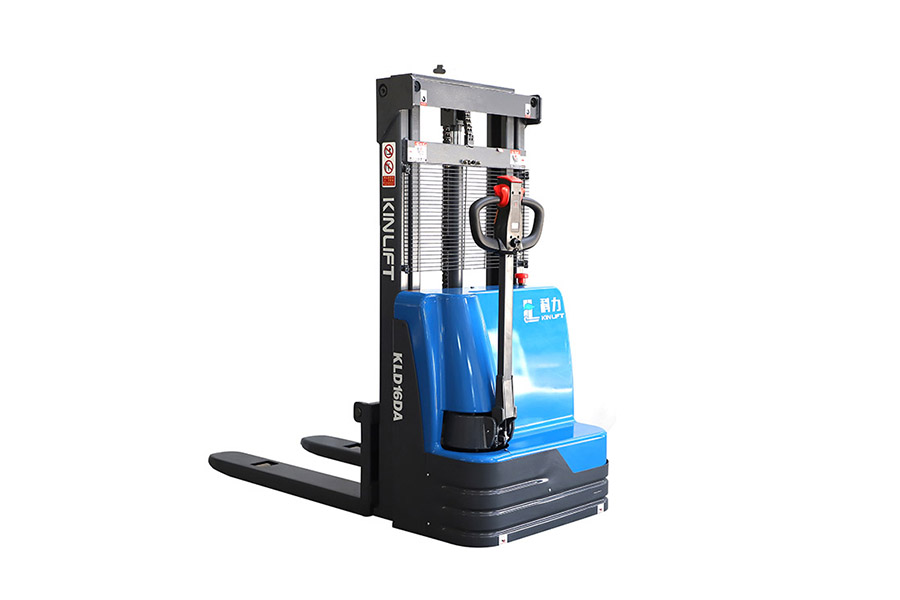
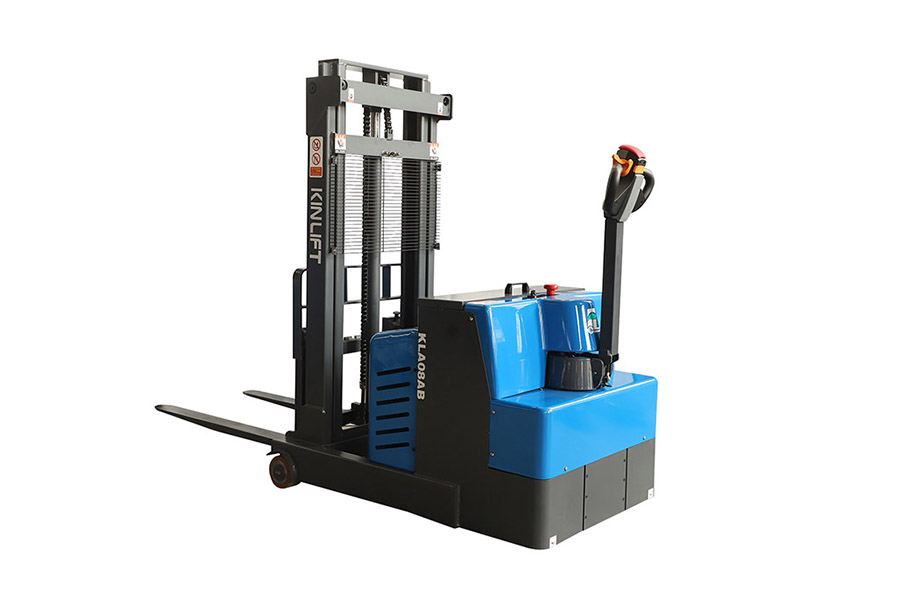
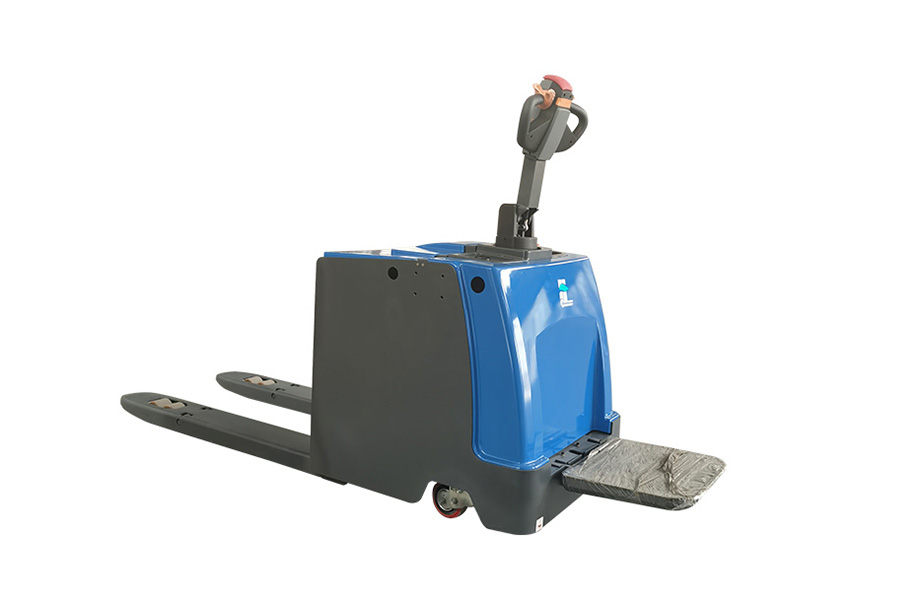
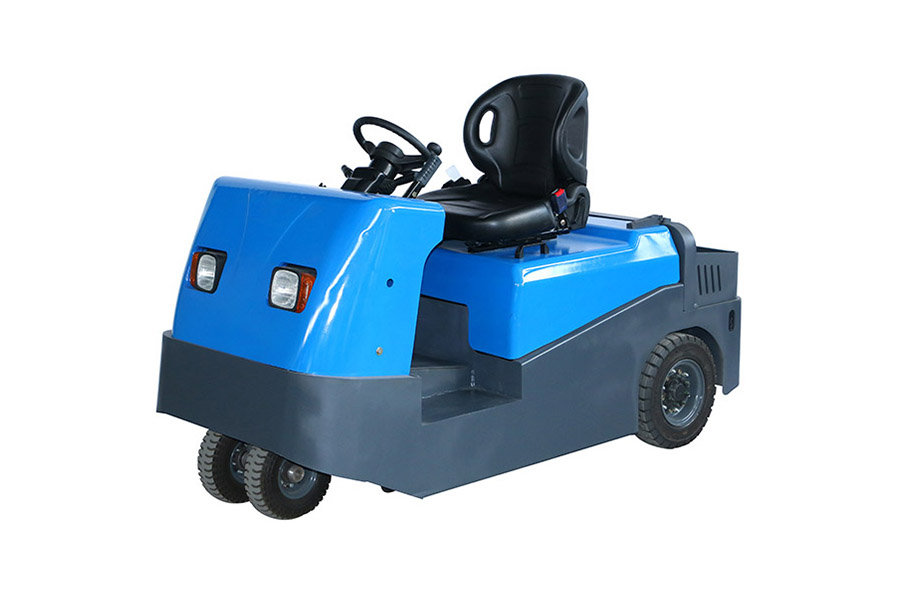
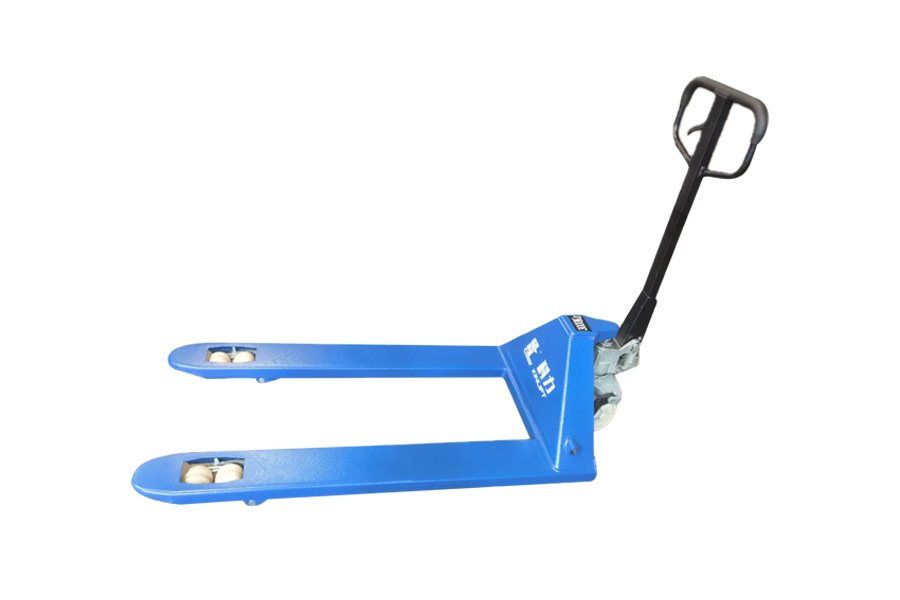
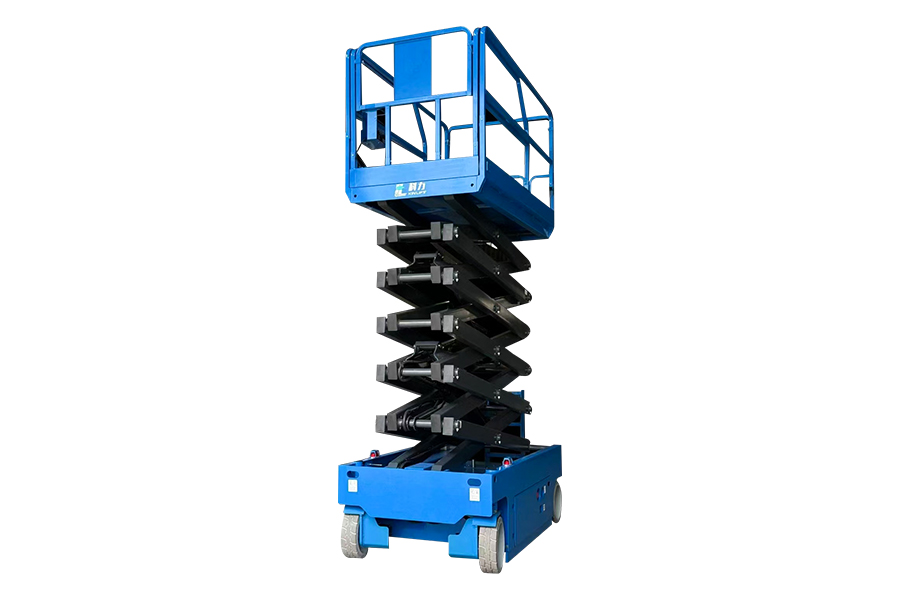
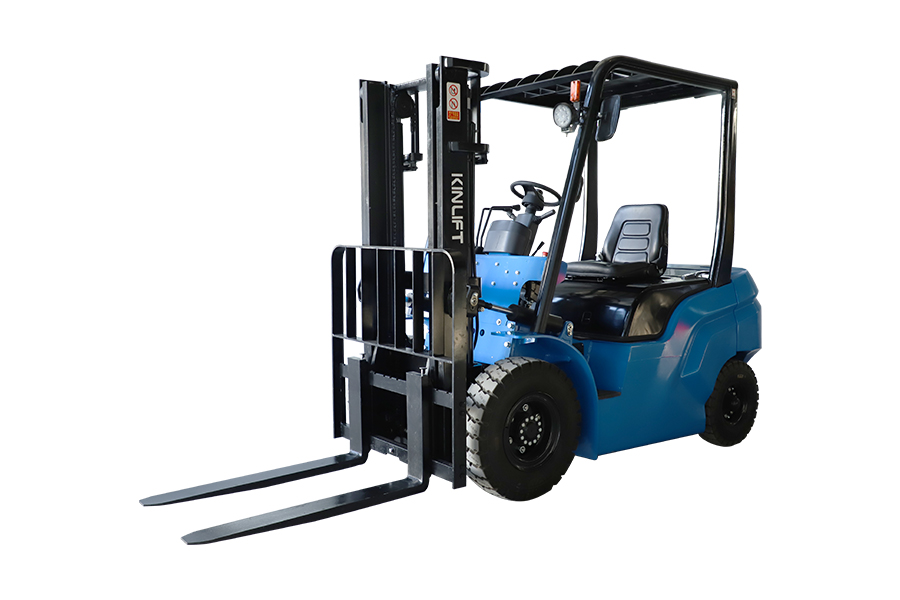

Understanding Warehouse Electric Lift Trucks
The decision to invest in warehouse electric lift trucks represents a significant capital expenditure for any warehouse or logistics operation. Unlike traditional internal combustion forklifts, electric models have emerged as the preferred choice for indoor material handling due to their environmental benefits, lower operational costs, and improved workplace safety. However, selecting the right equipment requires careful evaluation of multiple factors to ensure long-term value and operational efficiency.
Electric lift trucks have become increasingly sophisticated, with modern designs incorporating advanced battery technology, ergonomic features, and precision controls. Understanding the nuances of these systems helps facility managers make informed decisions that align with their operational requirements and budget constraints.
Assessing Your Operational Requirements
Analyzing Daily Workload and Duty Cycles
Before selecting any electric warehouse forklift, conduct a thorough analysis of your facility's material handling demands. This involves documenting the volume of loads moved daily, the frequency of operations, peak usage periods, and average lift heights. Facilities operating at full capacity for eight to twelve hours daily require different specifications than those with lighter, intermittent usage patterns.
Consider the following operational metrics when assessing your needs:
- Total loads lifted per day and their weight distribution
- Average distance traveled during each operation
- Frequency of multi-tier stacking operations
- Peak usage hours and seasonal variations
- Environmental conditions within your warehouse
Space Constraints and Maneuverability
Warehouse layout and aisle width directly impact which electric forklift models will function effectively in your space. Narrow aisle operations demand equipment with tight turning radiuses and compact dimensions, while larger open spaces may accommodate standard three-wheel or four-wheel configurations. Measure existing aisles, doorways, and loading dock dimensions to establish clear spatial parameters.
High-density storage systems and racking configurations require equipment capable of precise positioning and stable lifting at height. Some operations benefit from tri-cycle designs offering superior maneuverability, while others require the stability of four-wheel counterbalance models.
Battery Technology and Performance Specifications
Battery Chemistry and Energy Density
Modern electric lift trucks utilize lithium-ion or lead-acid battery systems, each offering distinct advantages and operational profiles. Lead-acid batteries remain cost-effective for lighter duty cycles, while lithium-ion systems provide superior energy density, faster charging capabilities, and extended operational lifespan.
Battery Chemistry Comparison
| Specification | Lead-Acid | Lithium-Ion |
|---|---|---|
| Cycle Life | 1,000-2,000 cycles | 3,000-5,000 cycles |
| Charging Time | 8-10 hours | 2-4 hours |
| Energy Efficiency | 75-85% | 90-95% |
| Maintenance Requirements | Regular watering, equalization | Minimal maintenance |
| Initial Cost | Lower | Higher |
Runtime and Charge Duration Calculations
Calculate required battery capacity by determining how long equipment must operate between charging cycles. For operations with sufficient downtime, opportunity charging systems can extend battery life and reduce total cost of ownership. Conversely, operations requiring continuous operation may benefit from multiple battery sets or higher capacity systems.
Battery amp-hour ratings correlate directly to runtime duration. A 100 amp-hour battery operating under medium load conditions typically provides four to six hours of continuous operation. However, actual runtime varies based on load weight, lift height, travel distance, and operator technique.
Load Capacity and Lifting Performance
Determining Required Lifting Capacity
Establish maximum load requirements by identifying the heaviest items your facility handles regularly, plus a safety margin. Standard electric counterbalance forklift models range from 3,000 to 5,000 pounds capacity, with specialized designs accommodating loads exceeding 10,000 pounds. Oversizing capacity unnecessarily increases equipment cost and energy consumption, while undersizing creates operational bottlenecks and safety risks.
Consider not only the maximum load weight but also load geometry and balance characteristics. Awkwardly shaped loads or those with unusual weight distribution may require additional safety considerations or specialized attachment solutions.
Lift Height and Stacking Efficiency
Warehouse racking systems determine required lift height capabilities. Standard configurations typically lift six to eight feet, while high-density operations may require heights exceeding twenty feet. Increased lift heights impact equipment stability, requiring improved counterbalance systems and careful load distribution.
Lifting performance diminishes as load reaches maximum height. Capacity specifications typically reference lifting at standard height, with reduced capacity ratings at maximum reach. Verify load capacity charts across the full range of heights your operations require.
maximum heightFinancial Considerations and Total Cost of Ownership
Initial Purchase Price and Equipment Options
The electric lift truck cost varies significantly based on capacity, battery type, special features, and manufacturer specifications. Standard warehouse models range from fifteen thousand to fifty thousand dollars, while specialized equipment or those with enhanced safety systems command premium pricing. Budget allocations should account for attachments, custom configurations, and delivery expenses.
Consider whether new equipment provides sufficient value compared to certified used machines for operations with budget constraints. Used equipment often provides acceptable performance at significantly reduced initial investment, though warranty coverage and service history require careful evaluation.
Operational Cost Components
Beyond purchase price, comprehensive cost analysis must include electricity expenses, battery replacement, maintenance and repairs, operator training, and facility modifications. Electric systems typically cost five to ten percent less to operate compared to internal combustion alternatives when accounting for fuel, oil changes, filter replacements, and emission control maintenance.
Annual Operating Cost Breakdown (Average Facility)
- Electricity and battery charging: 8-12%
- Battery replacement reserve: 15-20%
- Routine maintenance and service: 10-15%
- Tire and wear items replacement: 5-8%
- Operator training and certification: 3-5%
Return on Investment Metrics
Evaluate equipment based on payback period, considering efficiency improvements, labor cost reductions, and downtime prevention. Many modern electric systems demonstrate return on investment within three to five years through improved productivity and reduced operational expenses. Advanced features such as regenerative braking and load management systems enhance long-term value.
Safety Features and Operator Protection
Built-in Safety Systems
Modern electric forklift trucks incorporate multiple safety systems designed to prevent accidents and protect operators and bystanders. These include stability control systems, load moment indicators, emergency braking systems, and operator presence sensors that prevent unintended machine operation.
Review specific safety features offered by different models:
- Automatic load moment indication prevents overloading at height
- Electronic stability control systems adjust performance based on load
- Regenerative braking systems recover energy while slowing descent
- Emergency descent capabilities maintain control during system failures
- Operator presence detection prevents unauthorized use
- Improved visibility through low-mast designs and camera systems
Ergonomic Design and Operator Comfort
Extended use of material handling equipment places significant physical demands on operators. Ergonomic seating, adjustable controls, reduced vibration, and quiet operation minimize operator fatigue and injuries. Facilities with high-volume operations benefit substantially from equipment prioritizing operator comfort, as this directly correlates with productivity and error reduction.
Electric models produce significantly less noise and vibration compared to combustion alternatives, creating healthier work environments. This becomes particularly important in temperature-controlled facilities where engine emissions cannot be tolerated.
Maintenance Requirements and Service Support
Preventive Maintenance Programs
Electric material handling equipment requires substantially less maintenance compared to internal combustion alternatives. The absence of engines, fuel systems, and emission controls eliminates major maintenance categories. However, systematic preventive maintenance remains essential for reliability and longevity.
Typical maintenance intervals include:
- Daily inspections of tires, brakes, and hydraulic systems
- Weekly battery terminal cleaning and connection verification
- Monthly fluid level checks and hydraulic system inspection
- Quarterly filter and seal inspections
- Annual comprehensive service and safety certification
Service Infrastructure and Technical Support
Evaluate service availability and response times from equipment manufacturers and authorized service providers. Facilities located far from service centers face extended downtime during repairs. Many providers offer mobile service, loaner equipment, and preventive maintenance programs that minimize operational disruptions.
Document warranty coverage details, including parts and labor coverage duration, extension options, and any conditions that void coverage. Comprehensive warranties provide peace of mind and reduce unexpected repair expenses during critical equipment usage periods.
Selecting the Right Equipment Type
Forklift Truck Configurations
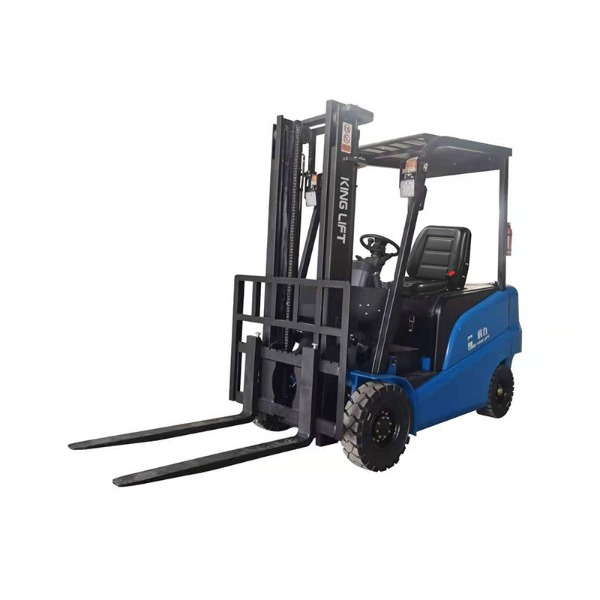
Different forklift designs serve specific operational needs. Counterbalance models offer versatility for general warehouse operations, with the battery and motor positioned to counterweight lifted loads. These machines function well in moderate aisle widths and handle diverse load types effectively.
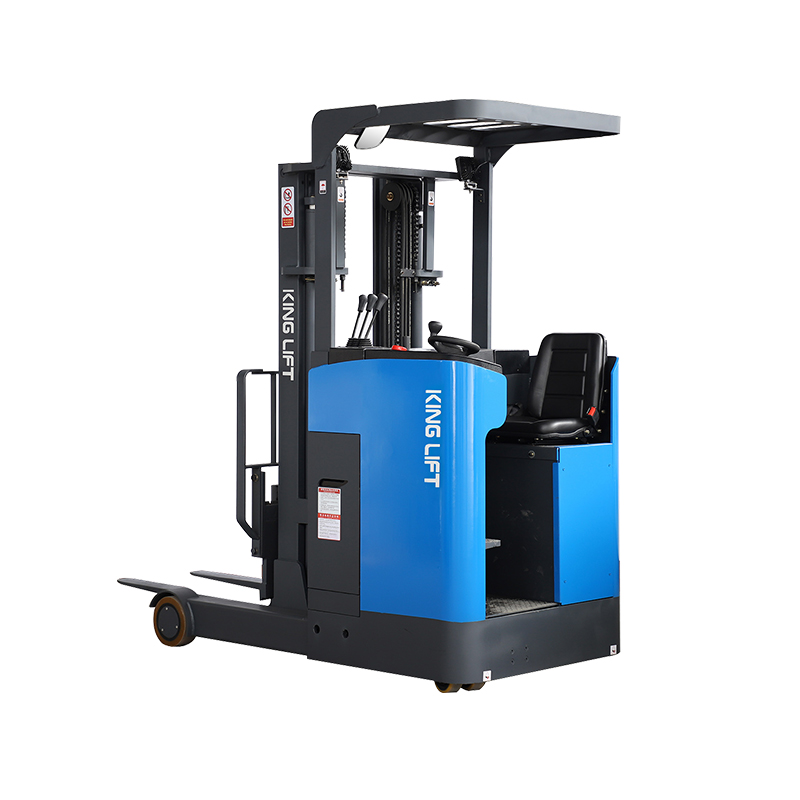
Reach trucks extend the load beyond the front wheels, enabling narrower aisle operations and higher stacking efficiency. These models maximize storage density but require more precise operator control and careful load management.
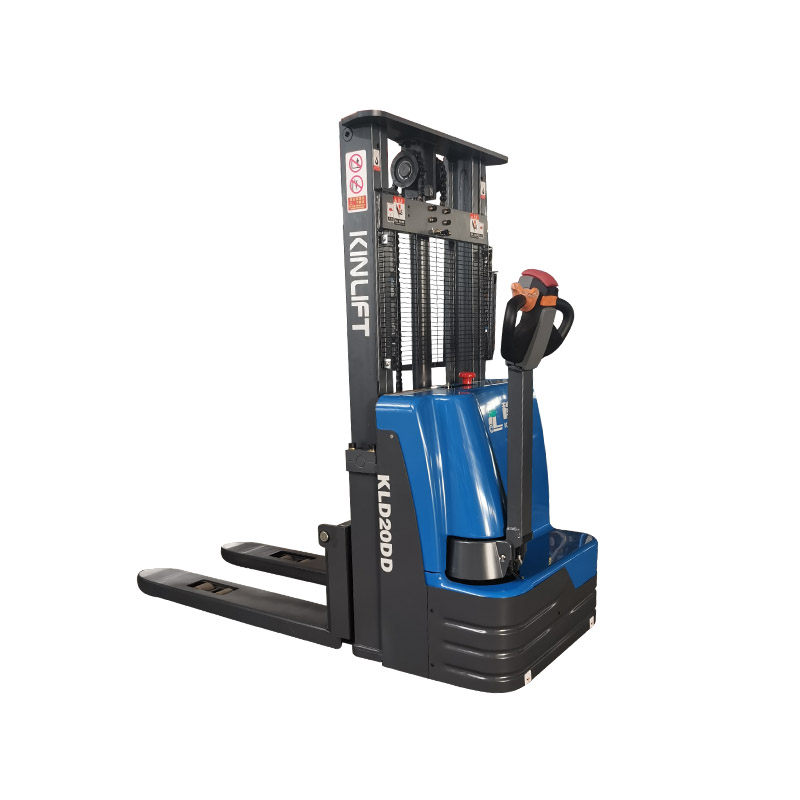
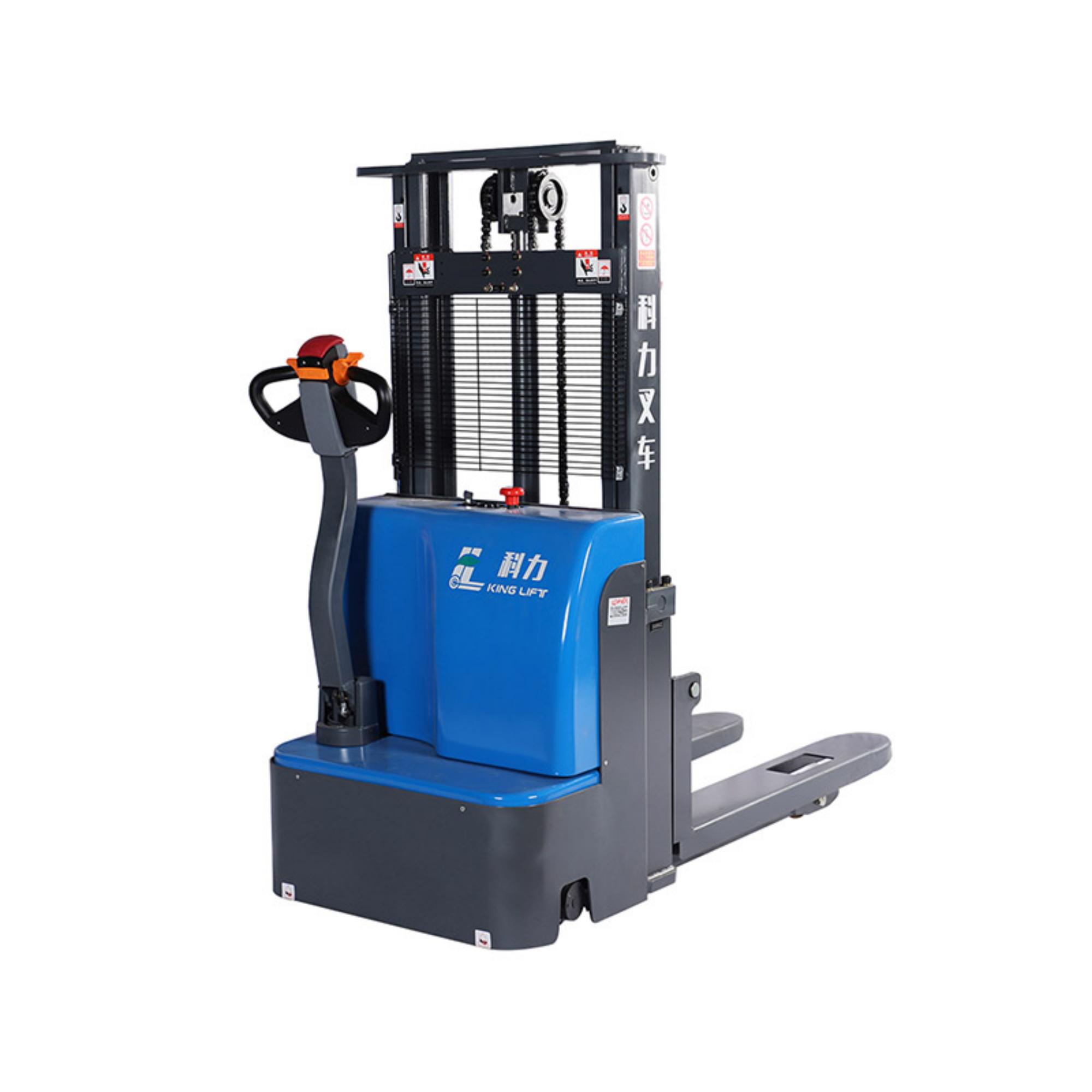
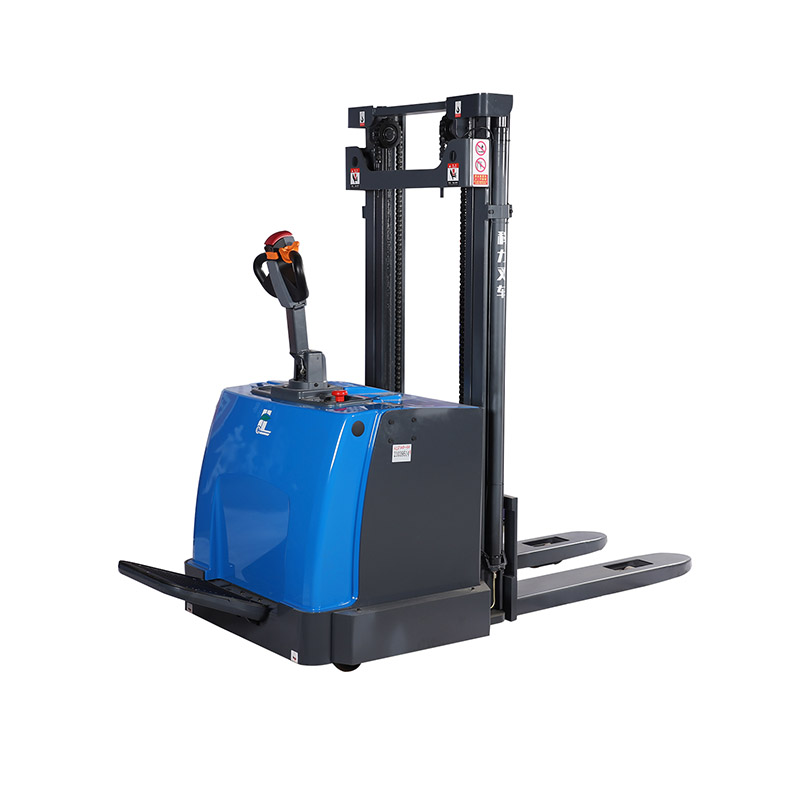
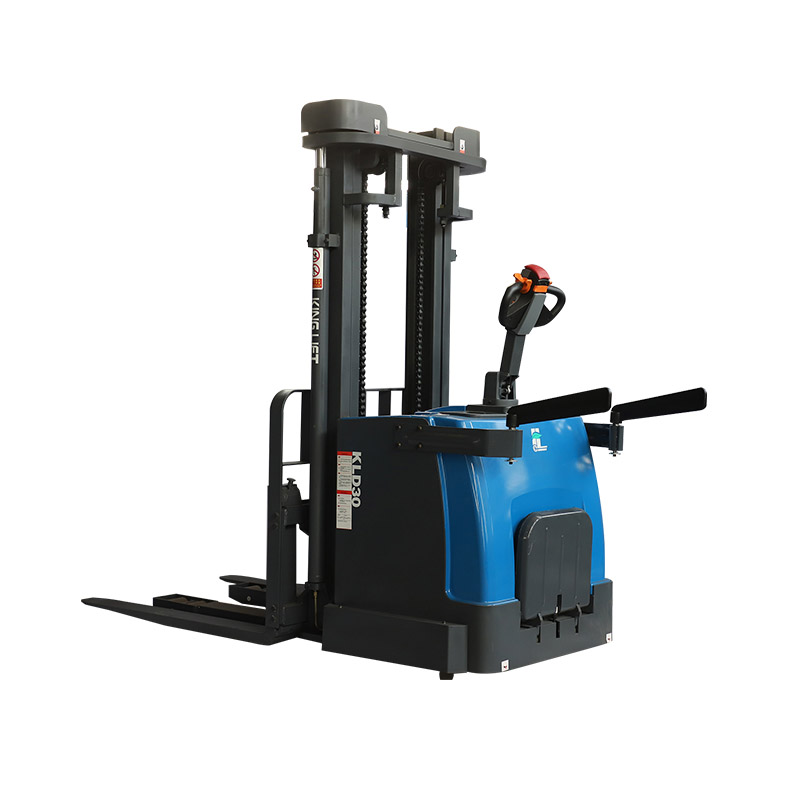
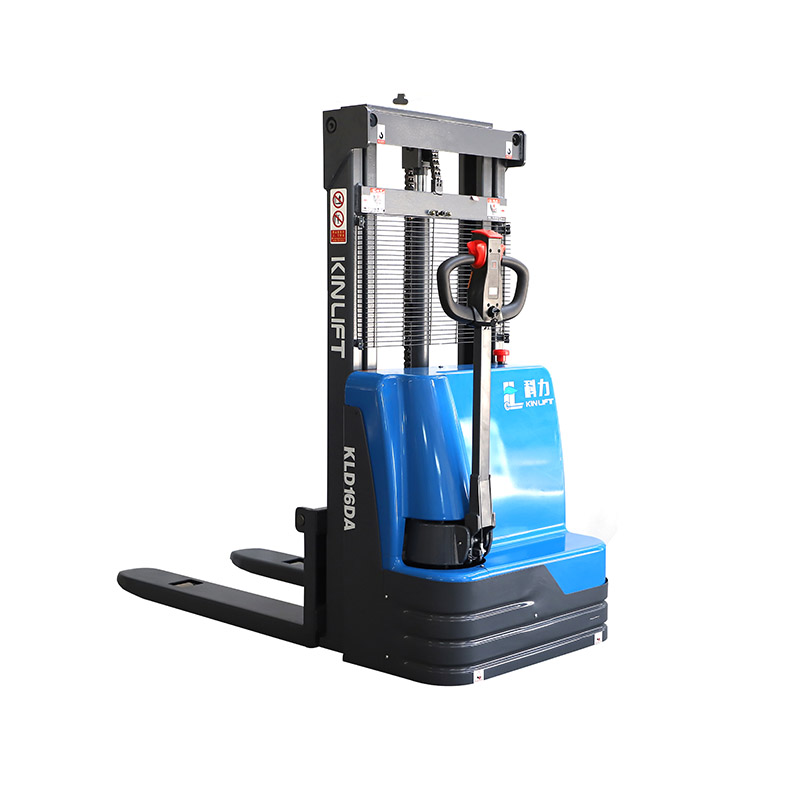
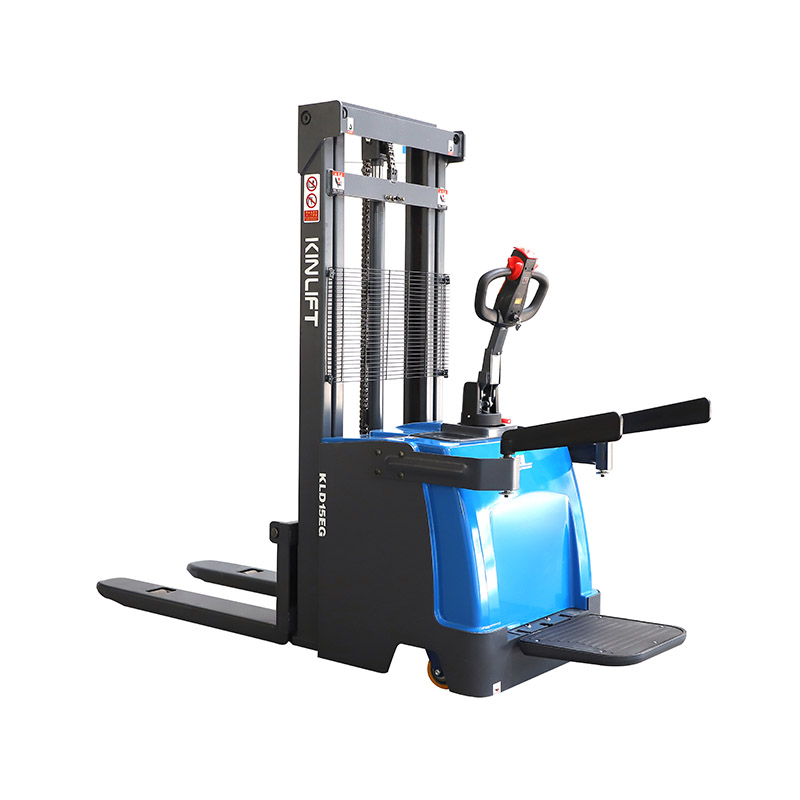
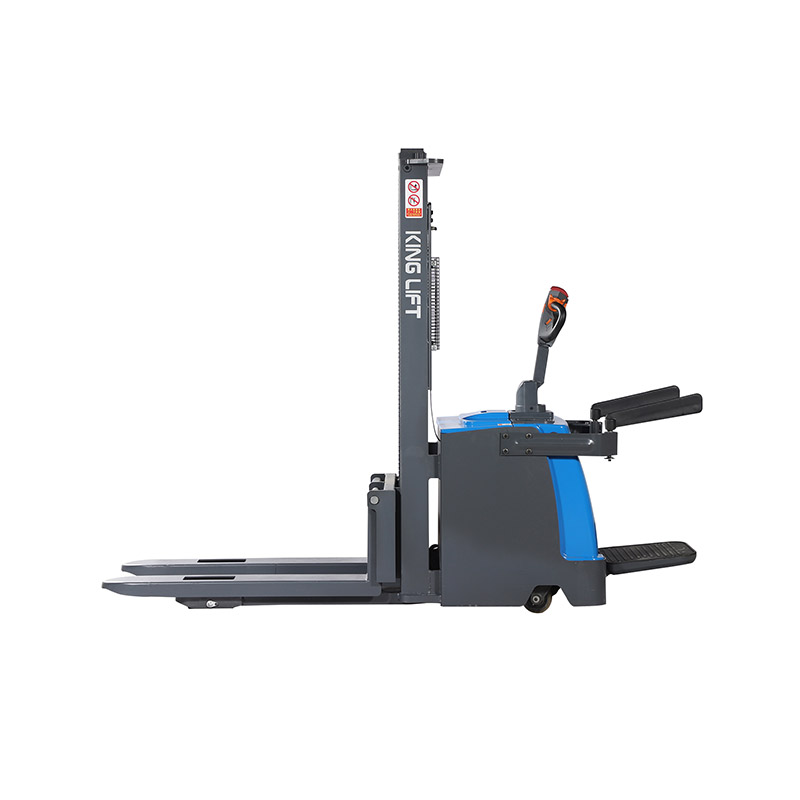
Pallet jacks and stackers handle lighter loads with semi-automatic or fully automatic lifting. These compact designs excel in limited-space applications, customer service areas, and operations not requiring full-size forklift capabilities.
Specialized Attachments and Accessories
Many operations benefit from attachments extending equipment functionality. Side-shift mechanisms allow lateral load positioning without repositioning the entire machine. Rotating clamps handle cylindrical or specialty loads. Fork positioners adjust tine spacing for various load widths. Push-pull attachments accommodate non-palletized materials.
Evaluate whether attachments justify added cost and complexity. Some attachments reduce lift capacity or increase energy consumption, requiring careful analysis of operational benefits versus trade-offs.
Integration with Warehouse Operations and Systems
Facility Modifications and Infrastructure Requirements
Electric equipment requires charging infrastructure, including dedicated charging stations, electrical service upgrades, and safety protocols for battery handling. Facility managers must evaluate electrical system capacity, charging location placement for maximum efficiency, and operator access to charging facilities during shifts.
Older facilities may require electrical upgrades to support multiple simultaneous charging operations. Budget for installation of charging pedestals or wall-mounted units, adequate ventilation where lead-acid systems are charged, and appropriate signage and safety barriers around charging areas.
Integration with Warehouse Management Systems
Modern warehouse handling equipment increasingly incorporates technology integration capabilities. Telematics systems track equipment utilization, maintenance needs, battery status, and operational efficiency metrics. Some systems integrate with warehouse management software, providing real-time data on inventory movement and equipment location.
These data integration capabilities help facility managers optimize operations, identify bottlenecks, and make informed decisions regarding equipment deployment and utilization.
Operator Training and Certification Requirements
Regulatory Compliance and Training Standards
Facilities must ensure operators receive proper training and certification before operating material handling equipment. Regulatory requirements mandate documented training covering safe operation procedures, load handling practices, equipment limitations, and emergency protocols.
Training programs should include both classroom instruction and hands-on practice with actual equipment. Newly hired operators and those transitioning to different machine types require comprehensive training. Refresher training at regular intervals maintains safety standards and addresses emerging best practices.
Operator Skill Development and Safety Culture
Invest in ongoing operator development to maximize equipment efficiency and minimize accidents. Advanced techniques such as smooth acceleration and deceleration, precise load placement, and efficient path planning reduce equipment stress and operational time. Facilities with strong safety cultures and well-trained operators experience significantly lower accident rates and equipment damage.
Recognition programs rewarding safe operation and operational efficiency encourage employee engagement and reduce turnover among skilled operators.
Environmental Considerations and Regulatory Compliance
Indoor Air Quality and Workplace Safety
Electric systems eliminate harmful emissions associated with combustion engines, dramatically improving indoor air quality in temperature-controlled facilities. This becomes particularly important in food processing, pharmaceutical manufacturing, and environments where air purity impacts product quality or worker health.
Absence of engine noise and vibration creates healthier work environments. Studies demonstrate that operators working with quieter equipment experience reduced fatigue and improved job satisfaction.
Energy Efficiency and Sustainability Goals
Organizations pursuing sustainability objectives find electric equipment aligns with environmental initiatives. Modern systems incorporate regenerative braking, which recovers energy during descent, and efficient motor designs that minimize power consumption. Battery recycling programs and responsible end-of-life equipment management complete the sustainability picture.
Many facilities qualify for incentive programs or tax benefits when investing in electric material handling equipment as part of sustainability initiatives.
Evaluating Equipment Vendors and Manufacturers
Vendor Reputation and Experience
Select equipment suppliers with established track records, industry experience, and references from comparable facilities. Review customer testimonials, industry certifications, and safety compliance records. Established vendors typically offer superior technical support, comprehensive warranties, and access to replacement parts.
Request facility tours or case studies from similar operations to understand how equipment performs in comparable environments. Direct conversations with existing customers provide valuable insights into long-term reliability and vendor support quality.
Technical Specifications and Performance Verification
Obtain detailed specification documents for all equipment under consideration. Verify performance claims through independent testing where possible. Reputable vendors provide comprehensive documentation including capacity curves, battery performance data, and safety certifications from recognized standards organizations.
Ensure equipment meets or exceeds relevant safety standards and regulatory requirements for your jurisdiction. Different regions may have varying standards, so confirm compliance before purchase.
Vendor Evaluation Checklist
- Years in business and industry experience
- References from similar facilities
- Equipment warranties and coverage terms
- Service response times and availability
- Availability of loaner equipment during repairs
- Training programs for operators and maintenance staff
- Technical documentation and support materials
- Parts availability and pricing
- Equipment customization capabilities
Developing a Comprehensive Selection Framework
Weighted Scoring Methodology
Create a decision matrix assigning weights to various evaluation criteria based on your facility's priorities. Capacity requirements, operational efficiency, total cost of ownership, safety features, and vendor support represent primary considerations. Assign numerical scores to each candidate equipment based on how well it addresses each criterion.
This systematic approach prevents emotional or biased decision-making and ensures selection criteria align with actual business requirements.
Conducting Trials and Demonstrations
Before committing to major equipment purchases, request trials or demonstrations with your actual loads and facility layout. Allow operators to familiarize themselves with equipment and provide feedback on handling characteristics, visibility, and control responsiveness. Trial periods reveal compatibility with existing operations that specification sheets cannot convey.
Frequently Asked Questions
Q1: What is the typical lifespan of an electric warehouse forklift?
Well-maintained electric lift trucks typically provide seven to ten years of productive service, with some equipment lasting longer depending on usage intensity and maintenance quality. Battery replacement usually occurs every three to five years for lead-acid systems and five to eight years for lithium-ion batteries. Regular maintenance and proper charging protocols significantly extend equipment lifespan.
Q2: How much space does charging infrastructure require?
Charging station requirements vary based on fleet size and charging method. A single pedestal charger typically occupies approximately four square feet of floor space. Facilities with large fleets may implement centralized charging stations with multiple pedestals or wall-mounted charging points distributed throughout the warehouse. Proper ventilation and safety clearances add to spatial requirements, particularly for lead-acid battery charging areas.
Q3: Can electric forklifts handle outdoor operations?
Most standard electric warehouse forklifts are designed for indoor use in climate-controlled environments. Exposure to weather conditions, temperature extremes, and moisture accelerates battery degradation and component corrosion. Specialized outdoor-rated electric models exist but are less common and typically cost more than standard warehouse equipment. For facilities requiring both indoor and outdoor operations, internal combustion alternatives may be more practical despite higher operating costs.
Q4: What training do operators require for electric equipment?
Operators must complete comprehensive training covering safe operation procedures, load handling techniques, equipment limitations, and emergency protocols. Training requirements typically mandate eight to sixteen hours of classroom instruction plus hands-on practice. Refresher training every three years maintains compliance with regulatory standards. Specialized training programs address different equipment types when facilities operate multiple forklift models.
Q5: How do electric lift trucks perform in cold storage facilities?
Cold storage operations pose challenges for both battery performance and operator comfort. Lithium-ion batteries function better in cold environments compared to lead-acid systems, which experience reduced capacity at lower temperatures. Some facilities employ battery warming systems or rotating battery sets to maintain performance. Operators require specialized clothing and heated cab enclosures for comfort during extended cold storage operations.
Q6: What is the difference between reach trucks and counterbalance forklifts?
Counterbalance forklifts position the engine and battery to counterweight lifted loads, functioning well in standard warehouse aisles with diverse load types. Reach trucks extend the load beyond the front wheels, enabling narrower aisle operations and higher stacking efficiency. Reach trucks are typically more expensive and require higher operator skill levels but maximize storage density in space-constrained facilities.
Q7: Can electric forklifts operate at high altitudes?
High altitude operations slightly reduce electric forklift performance due to thinner air affecting cooling efficiency. Most standard equipment functions adequately at elevations up to five thousand feet. Facilities at significantly higher elevations may require equipment modifications or derated capacity ratings. Consult equipment manufacturers for specific guidance when operating above six thousand feet elevation.
Q8: What warranty coverage should I expect for electric warehouse equipment?
Standard warranties typically cover equipment for two to three years or a specific number of operating hours, whichever occurs first. Extended warranties provide coverage for up to five years. Most warranties cover manufacturing defects but exclude damage from accidents, misuse, or inadequate maintenance. Review warranty terms carefully, including coverage limitations and any conditions that void protection.
Q9: How do battery costs factor into total equipment cost?
Battery replacement represents a significant cost component during equipment lifecycle. Lead-acid battery replacement typically costs twenty to thirty percent of initial forklift purchase price, while lithium-ion battery replacement may represent thirty to forty percent of purchase price due to higher initial battery costs. However, superior lithium-ion lifespan often provides better value over extended equipment ownership periods.
Q10: What maintenance can operators perform versus requiring professional service?
Operators should perform daily visual inspections of tires, brakes, hydraulic hoses, and battery terminals. Weekly cleaning of battery terminals prevents corrosion and connection issues. Checking fluid levels and examining for hydraulic leaks constitute routine operator tasks. Professional service providers should handle major repairs, annual safety certifications, and comprehensive diagnostics. Establishing clear maintenance responsibility boundaries prevents oversight and ensures proper equipment care.