

 English
 русский
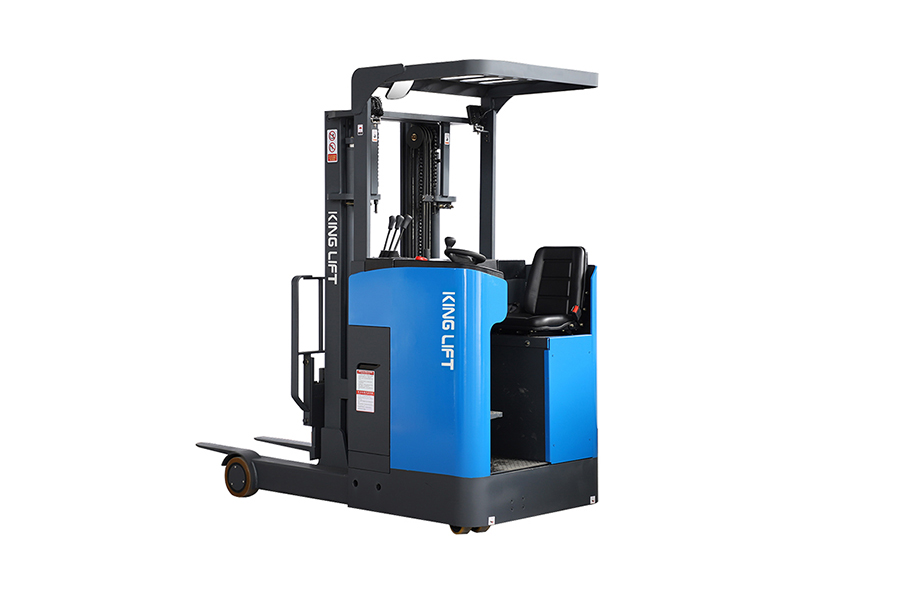
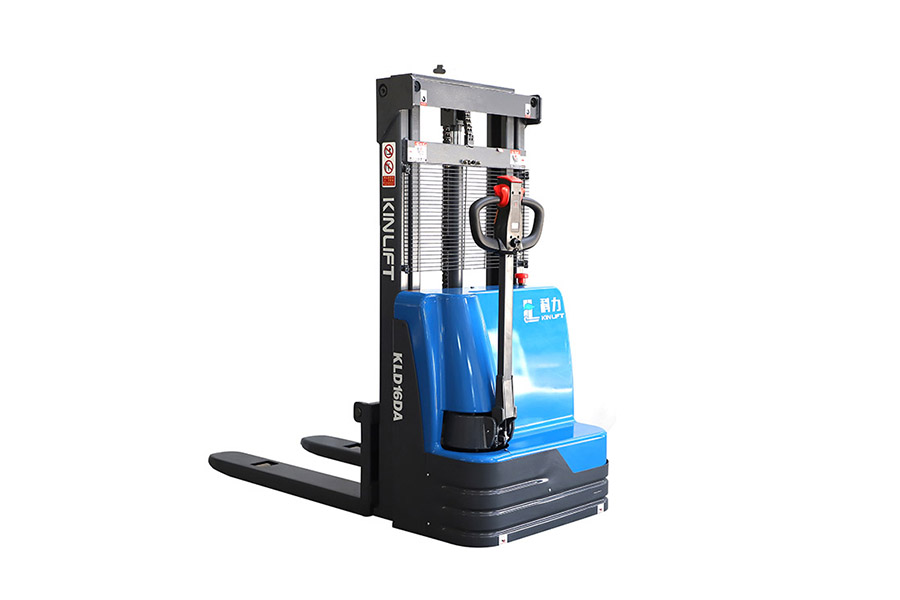
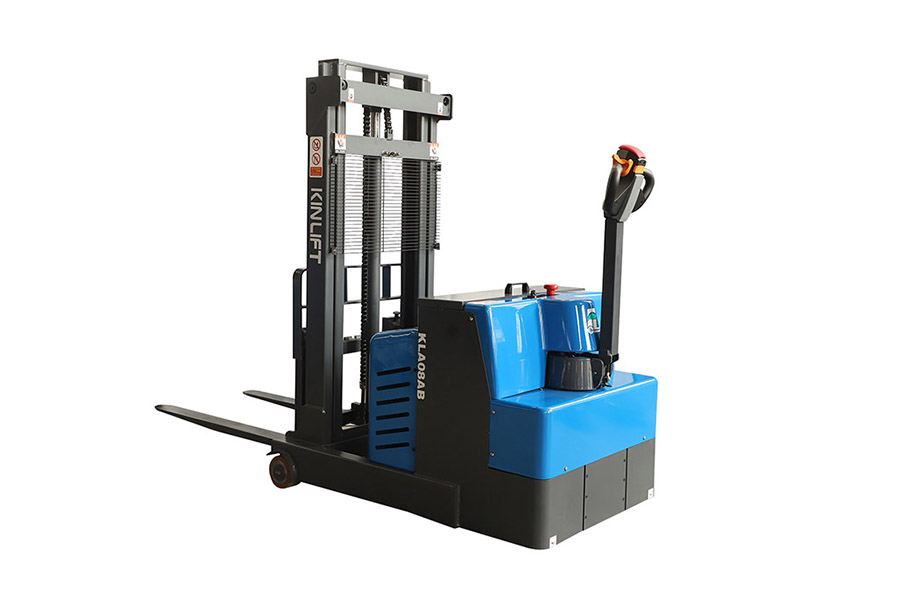
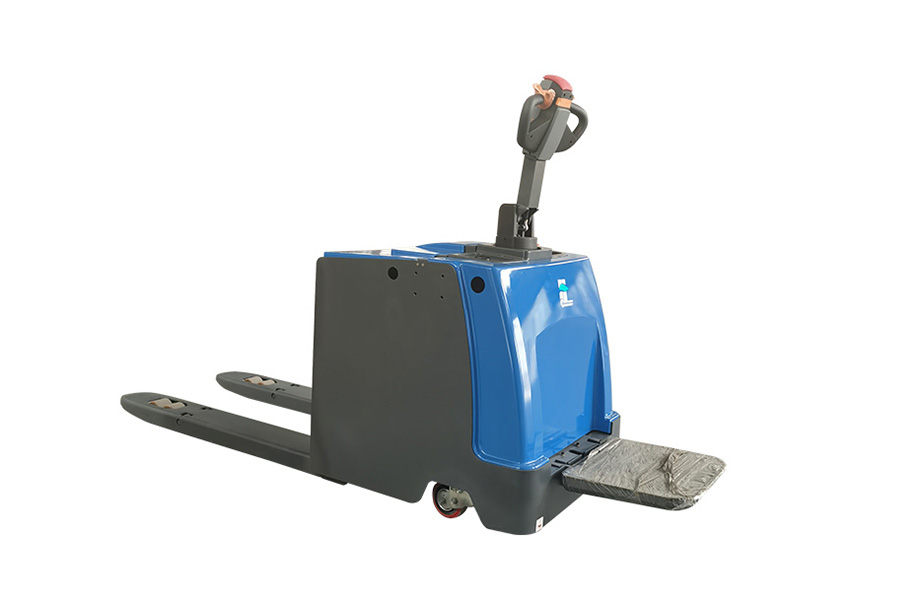
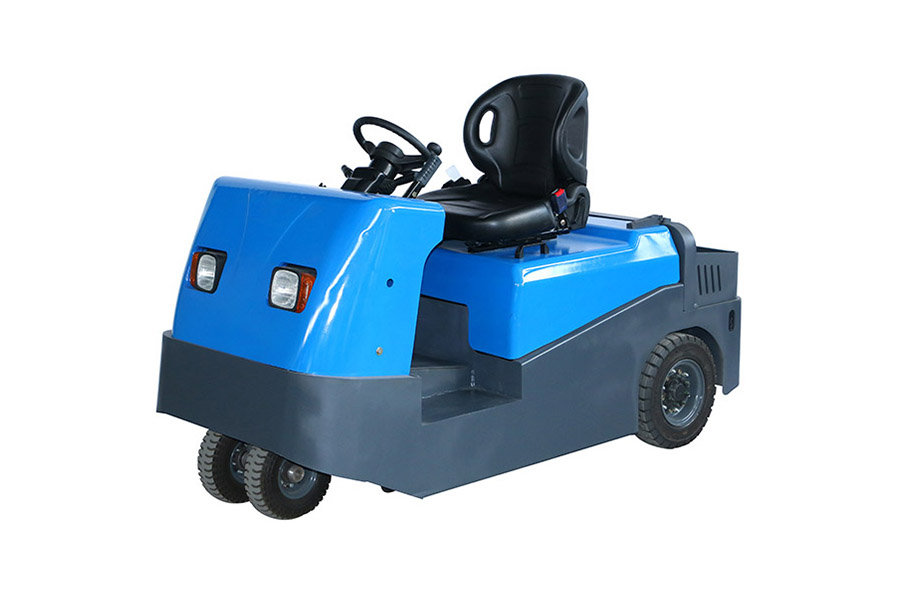
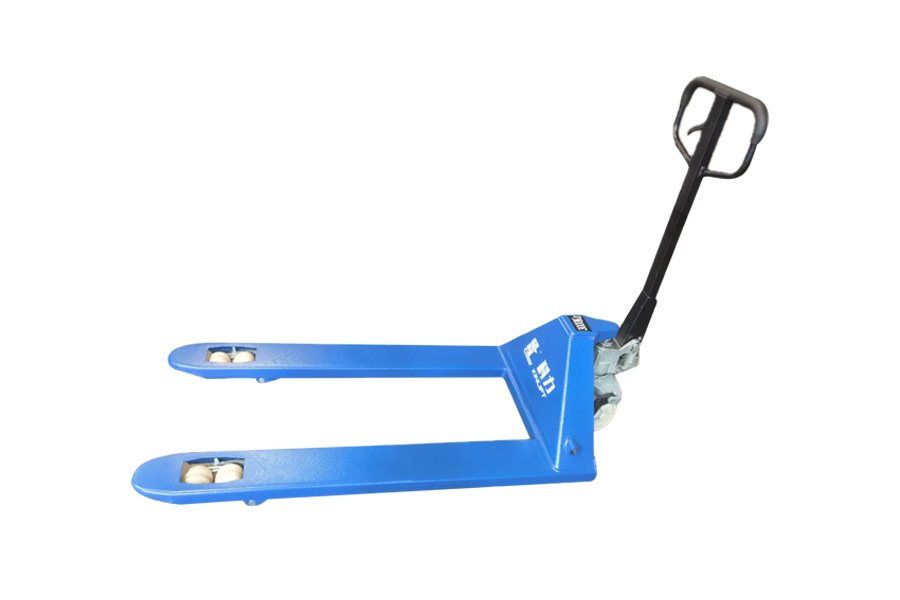
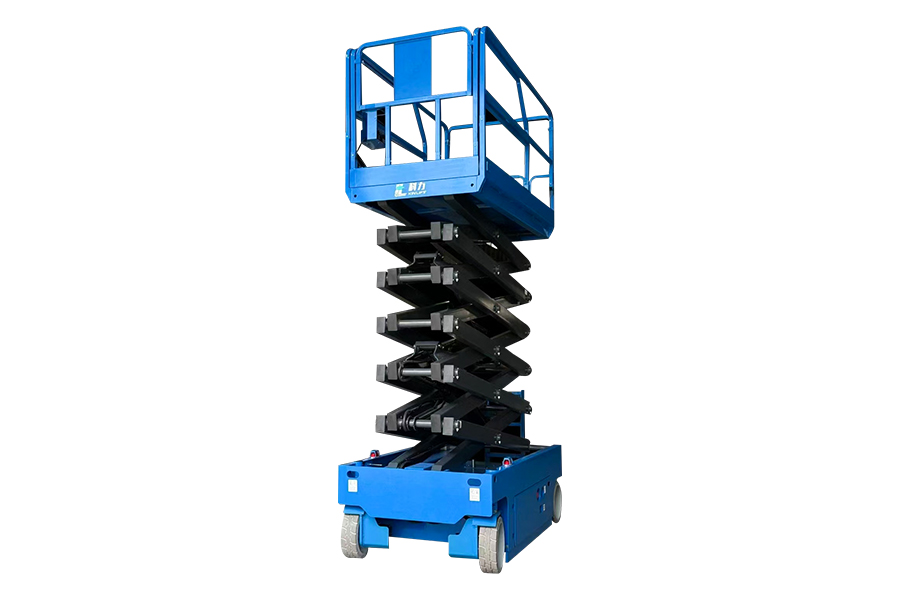
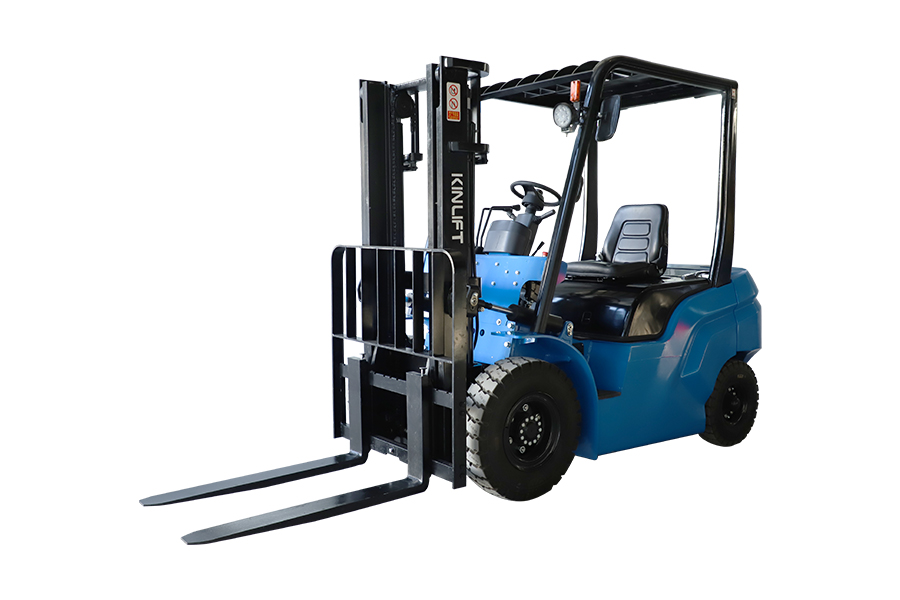

An electric reach forklift is built to do what a counterbalance truck can't: stack pallets high in a narrow aisle without wasting warehouse floor space on turning room. Choosing the right unit means matching load capacity, lift height, and battery endurance to your actual rack layout and shift length, not just the biggest spec sheet available.
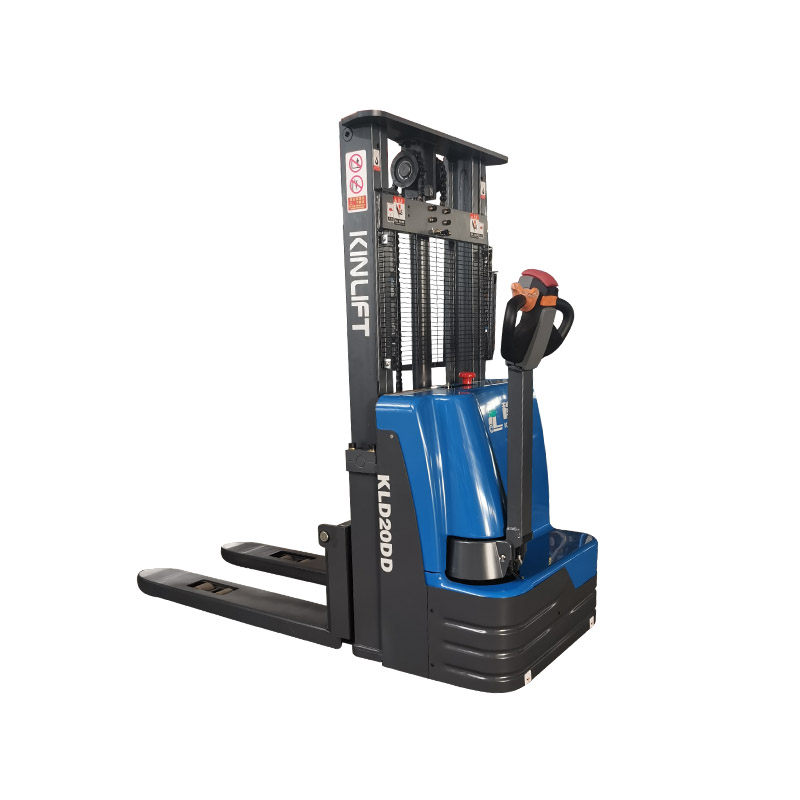
Standard Lift
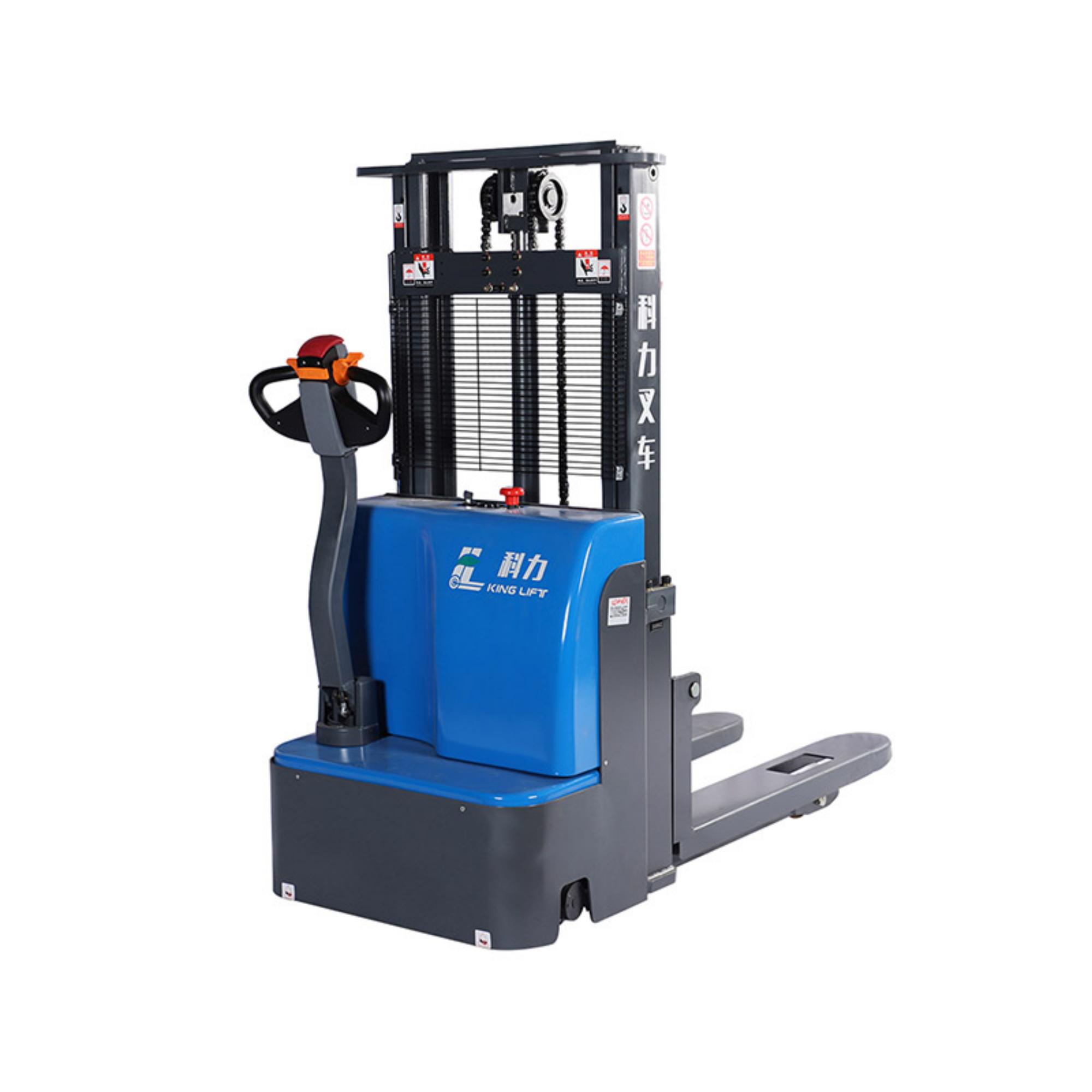
High Rack Lift
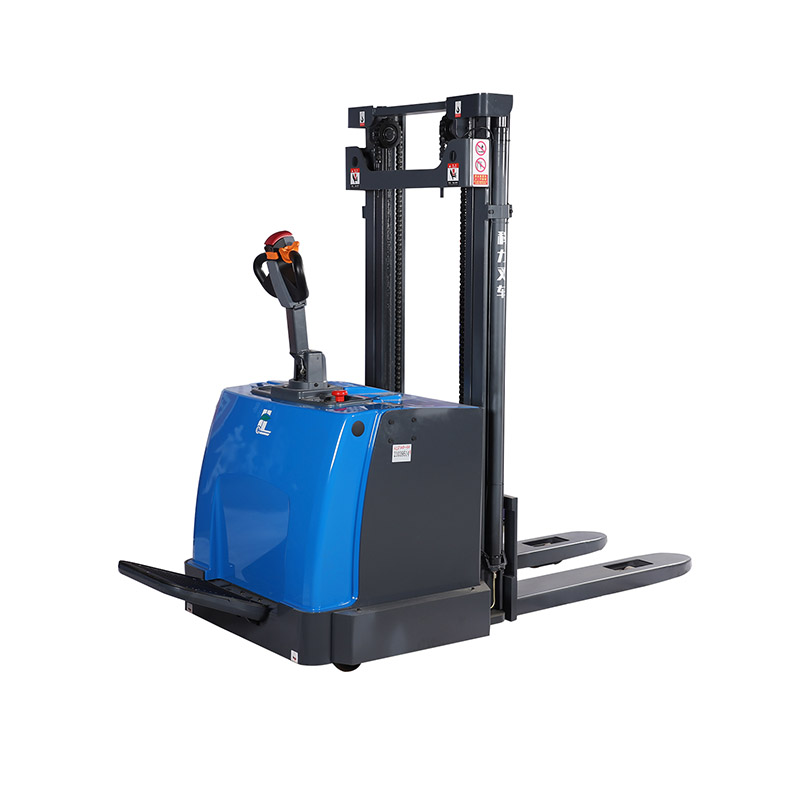
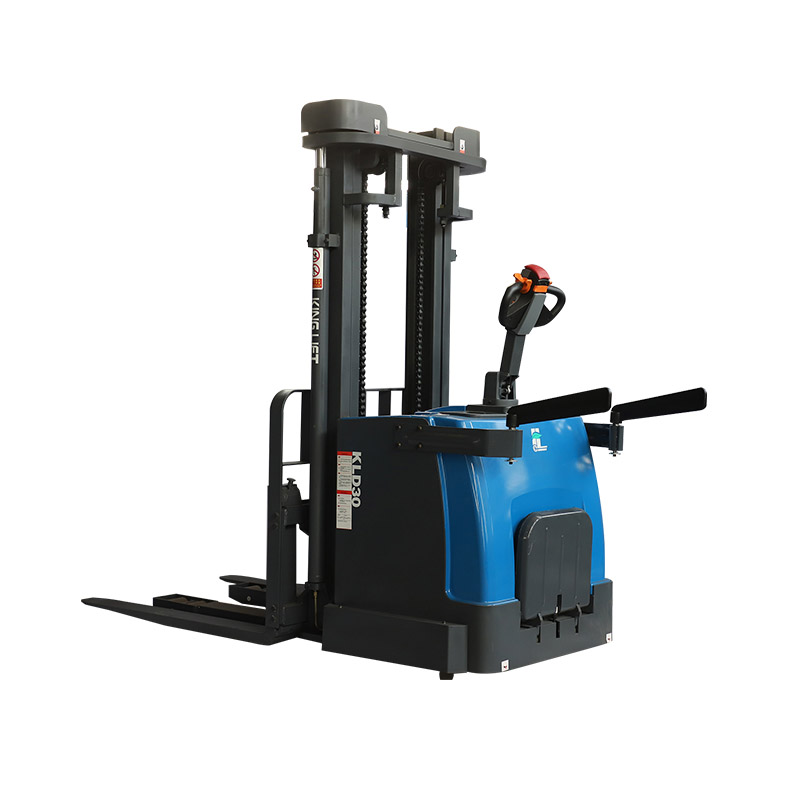
Maximum Reach
What Is an Electric Reach Forklift?
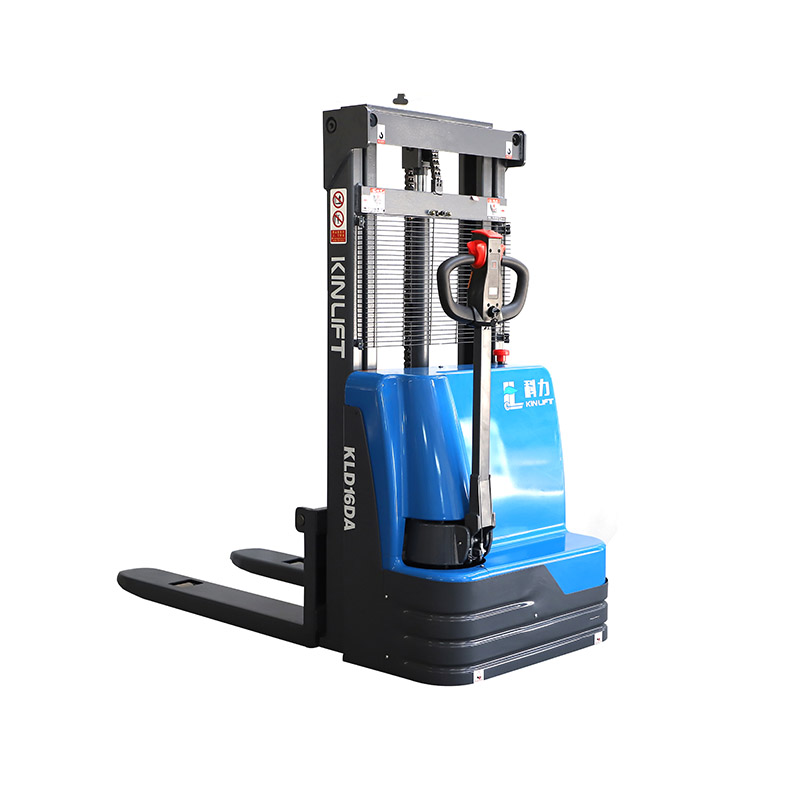
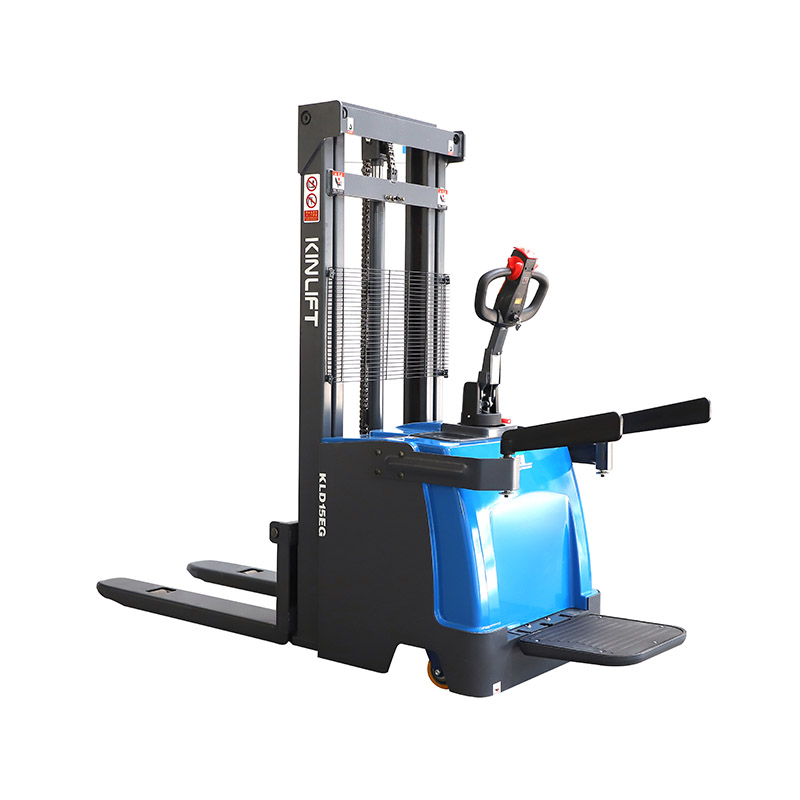
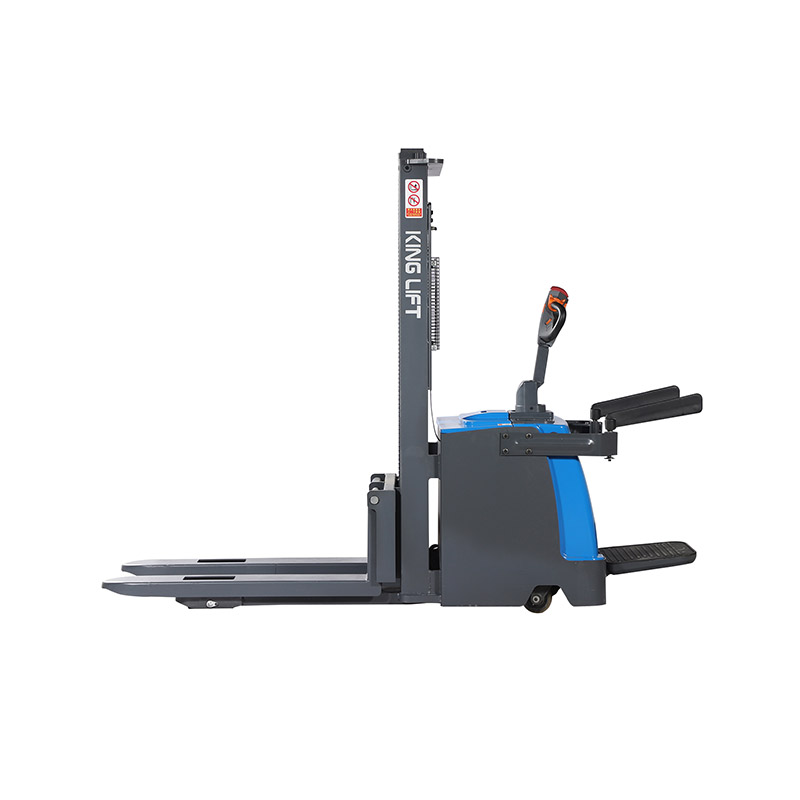
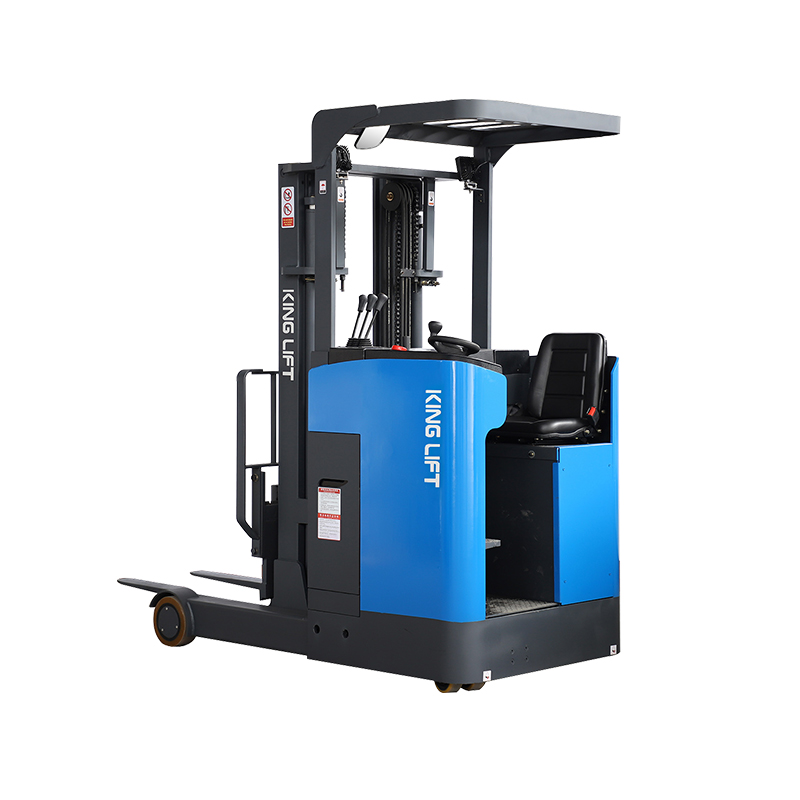
An electric reach forklift is a battery-powered industrial truck built with an extendable mast and reach mechanism, letting operators lift pallets to significant heights while working inside aisles too narrow for a standard forklift's turning radius. Core components include the electric drive motor, battery system, mast lifting system, reach mechanism, fork assembly, hydraulic lifting system, and control system, all built around a compact frame designed for indoor precision work.
Common configurations include stand-up reach trucks, double reach forklifts for double-deep storage, high-lift reach trucks for tall racking, and narrow aisle electric forklifts purpose-built for the tightest warehouse layouts. Choosing between them comes down to how your racking is arranged and how deep into each bay the truck needs to reach.
Why Warehouses Standardize on Reach Trucks
A
Space utilization. Narrow aisle capability lets warehouses maximize vertical storage without widening aisles.
B
Operating efficiency. Quick acceleration and precise positioning cut handling time across a shift.
C
Zero direct emissions. Battery power keeps indoor air quality safe without ventilation workarounds.
D
Low maintenance. Fewer mechanical components than combustion equipment means less downtime.
Before comparing models, walk the actual aisle width and rack height you'll be working with — spec sheets built around a wider "typical" aisle can leave you with a truck that can't turn where you need it to.
Where Electric Reach Forklifts Get Deployed
Warehousing and logistics operations use reach forklifts for pallet storage and high rack handling where storage density directly affects throughput. Manufacturing plants rely on them for raw material transportation and production line supply, while automotive facilities use the same precision lifting for heavy component handling on tight assembly line timelines.
Cold Storage and Clean Environments
Food and beverage cold storage depends on the clean, low-emission operation electric trucks provide, and electronics manufacturing uses the same precision handling to move components through production without introducing contamination risk.
Electric Reach Forklifts vs Traditional Forklifts
| Feature | Electric Reach Forklift | Traditional Forklift |
| Best environment | Narrow aisles, indoor warehouses | Broader indoor and outdoor use |
| Maintenance | Lower, fewer moving parts | Regular engine servicing required |
| Operating cost | Lower through energy efficiency | Higher fuel and maintenance cost |
| Emissions | Zero direct emissions | Direct exhaust emissions |
How to Choose the Right Reach Forklift
Measure the Real Conditions
Warehouse aisle width, storage height, load requirements, and duty cycle should set the spec before comparing brands. A truck rated for more lift height than your racking needs adds cost without adding value.
Confirm the Supplier's Support
Battery technology, frame strength, and control system reliability determine service life, so verify the manufacturer's production capacity, technical support, and custom engineering capability before finalizing a fleet order.
Key Takeaways
The right electric reach forklift comes down to matching load capacity, lift height, and battery endurance to your warehouse's actual aisle width and rack layout, then backing that match with a supplier who can support the fleet long-term. Getting this right turns narrow-aisle storage from a constraint into a throughput advantage.