

 English
 русский

Home / News / Industry News / Can Electric Reach Forklifts Replace Traditional Diesel Models in Heavy-Duty Applications?
The Evolution of Warehouse Material Handling
The logistics industry stands at a critical crossroads. For decades, diesel-powered forklifts have dominated warehouse environments, offering reliability and raw power for demanding operations. Today, technological advancement is reshaping this landscape. Electric forklifts have transitioned from niche alternatives to serious contenders in material handling, with capabilities that challenge traditional assumptions about performance, efficiency, and cost-effectiveness.
This shift is not merely about environmental consciousness, though sustainability plays an important role. Modern electric systems deliver operational benefits that directly impact profitability: reduced fuel costs, lower maintenance expenses, improved workplace conditions, and enhanced battery technologies that extend operational hours. Yet significant questions remain about whether these advantages translate across all heavy-duty applications.
Understanding this transition requires examining the technical capabilities, economic implications, environmental impact, and practical limitations of both systems in real warehouse environments.
Performance Comparison: Power and Capability Analysis
The traditional narrative suggests that diesel forklifts offer superior power and lifting capacity. This assumption requires careful examination when considering modern electric alternatives.
Lifting Capacity and Load Handling
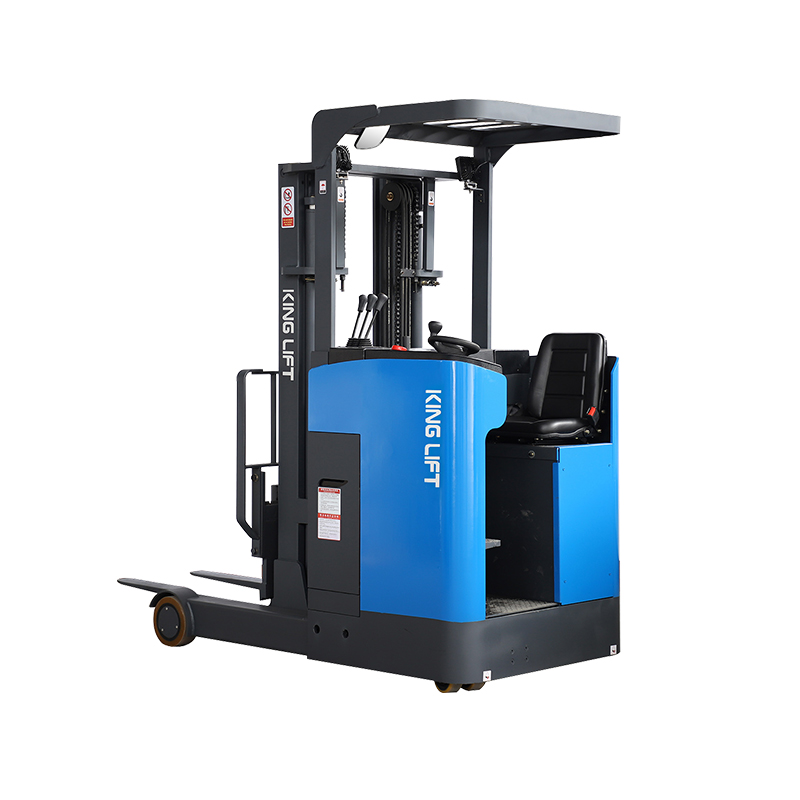
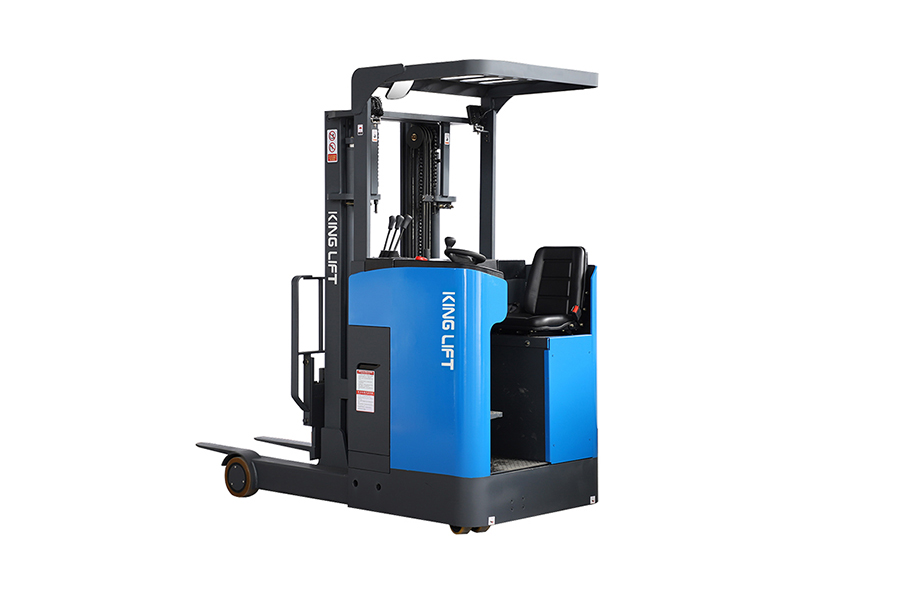
Electric reach trucks now achieve lifting capacities ranging from 1,000 to 5,000 kilograms, matching or exceeding many diesel counterparts in standard warehouse operations. Advanced hydraulic systems paired with powerful electric motors deliver consistent force regardless of ambient temperature, a distinct advantage over diesel engines that experience performance degradation in cold conditions.
Modern lithium-ion equipped reach trucks maintain performance throughout their operational window. A diesel forklift operating in subfreezing temperatures may experience engine sluggishness and reduced power output. Electric systems maintain rated capacity even during challenging weather conditions, resulting in more predictable performance across seasons.
Speed and Responsiveness
Electric motors provide instantaneous torque delivery, enabling faster acceleration compared to diesel engines that require warm-up periods. This responsiveness translates to faster cycle times in fast-paced warehouse operations. Modern electric units complete lifting and lowering operations smoothly through electronic controls that optimize movement patterns.
Acceleration rates of electric systems often exceed diesel equivalents by 15-25%, particularly valuable in high-volume picking operations where every second impacts throughput. The consistent power delivery eliminates the hesitation experienced with combustion engines during acceleration.
Operational Runtime
Battery technology represents the primary differentiator in runtime capability. Lithium-ion batteries provide 8 to 12 hours of continuous operation on a single charge under normal warehouse conditions, sufficient for single-shift operations. For facilities requiring extended operations or heavy utilization across multiple shifts, battery swapping systems allow continuous deployment with minimal downtime.
Diesel models operate as long as fuel is available, typically 8 to 12 hours per tank, offering similar single-shift performance. However, diesel refueling infrastructure and fuel quality variations can affect reliability, whereas centralized battery charging systems provide consistent performance.
Economic Analysis: Total Cost of Ownership
Purchase price represents only one component of the total cost equation. Comprehensive economic evaluation reveals complex trade-offs between capital expenditure and operational expenses.
Initial Capital Investment
Electric reach trucks typically cost 25-40% more than equivalent diesel models. A diesel unit might cost USD 25,000-35,000, while a comparable electric version ranges from USD 35,000-50,000. This substantial premium requires justification through operational savings.
Several factors contribute to the higher initial cost: advanced battery technology, sophisticated power management systems, electronic control modules, and manufacturing overhead for lower production volumes compared to established diesel production lines. As manufacturing scales up and competition intensifies, this price differential continues narrowing.
Fuel and Energy Costs
This category presents dramatic long-term savings potential. Diesel fuel costs approximately USD 1.20-1.50 per liter in most developed markets. A typical diesel forklift consumes 5-8 liters daily during standard 8-hour shifts, resulting in daily fuel expenses of USD 6-12 per unit.
Electricity for charging lithium batteries costs significantly less, approximately USD 2-4 per daily charge in most regions, representing 60-70% cost reduction compared to diesel fuel. Annual savings per unit range from USD 700-2,500 depending on electricity rates and operational intensity.
Maintenance Expenditures
Electric systems require substantially less maintenance. No oil changes, spark plugs, fuel filters, or emission system servicing are necessary. Maintenance primarily involves battery monitoring, tire replacement, and hydraulic fluid checks, reducing annual maintenance costs to approximately USD 500-1,000 per unit.
Diesel forklifts demand regular engine servicing: oil and filter changes every 200-250 operating hours, fuel injector cleaning, air filter replacement, and emission control system maintenance. These services accumulate to USD 2,000-3,500 annually per unit, depending on usage intensity and local labor costs.
| Cost Category | Diesel Forklift (Annual) | Electric Forklift (Annual) |
|---|---|---|
| Fuel/Energy | USD 2,000-3,000 | USD 600-1,000 |
| Maintenance | USD 2,000-3,500 | USD 500-1,000 |
| Tire Replacement | USD 800-1,200 | USD 600-900 |
Return on Investment Timeline
For a facility operating 2,000-2,500 forklift hours annually, the 25-40% premium on purchase price typically recovers within 4-7 years through cumulative fuel and maintenance savings. Facilities with higher utilization rates (3,000+ hours annually) achieve payback within 3-5 years. Organizations planning equipment lifecycles of 10+ years find electric systems significantly more economical.
Financial analysis becomes even more favorable when considering intangible benefits: reduced downtime from fewer maintenance issues, improved worker satisfaction from quieter operation, and potential tax incentives for green equipment purchases available in many jurisdictions.
Environmental and Workplace Health Considerations
Beyond economics, electric and diesel systems differ dramatically in environmental footprint and workplace health impacts.
Emissions and Air Quality
Diesel engines emit nitrogen oxides, particulate matter, and volatile organic compounds that deteriorate indoor air quality and contribute to respiratory issues among warehouse workers. Long-term exposure to diesel exhaust correlates with increased cardiovascular and respiratory disease incidence in occupational health research.
Electric systems produce zero direct emissions, dramatically improving indoor air quality. Facilities converting to electric equipment report significant improvements in worker air quality measurements within months. This benefit compounds when multiple diesel units operate in enclosed warehouse spaces.
Noise Reduction
Diesel engines generate 80-85 decibels of noise during operation. Electric motors operate at 65-70 decibels, representing roughly 50% perceived volume reduction. This difference substantially improves communication between warehouse staff and reduces noise-related fatigue and stress among workers.
Extended exposure to high noise levels increases error rates and reduces worker productivity. Quieter electric equipment indirectly enhances operational efficiency through improved focus and communication.
Carbon Footprint Considerations
While electric systems produce zero direct emissions, lifecycle carbon footprint depends on electrical grid composition. In regions with renewable energy sources, electric forklifts produce 70-90% lower lifecycle emissions compared to diesel. Even in grid regions relying partially on fossil fuels, electric systems typically produce 40-60% lower total carbon emissions when accounting for manufacturing, operation, and fuel extraction impacts.
This advantage continues improving as electrical grids transition toward renewable energy sources, meaning electric equipment becomes progressively cleaner over its operational lifetime.
Waste and Recycling
Modern lithium batteries recycling programs recover 90%+ of materials, including lithium, cobalt, nickel, and other valuable elements. Battery recycling infrastructure continues expanding, and many equipment suppliers now offer take-back programs for end-of-life batteries.
Diesel equipment generates used oil, filters, and emission control components requiring specialized disposal, with associated environmental and disposal costs.
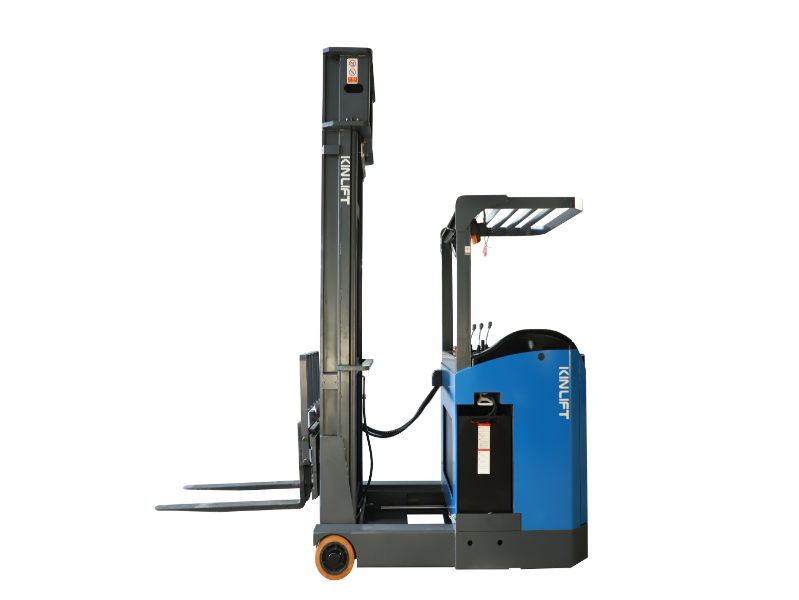
Battery Technology: The Core of Electric Advantage
Battery performance and reliability determine whether electric systems can truly replace diesel across heavy-duty applications.
Lithium-Ion Superiority
Modern warehouse forklifts predominantly utilize lithium-ion batteries offering several advantages over older lead-acid technology:
- Energy density: 150-250 Wh/kg compared to 30-50 Wh/kg for lead-acid, enabling longer operation in smaller, lighter packages
- Cycle life: 3,000-5,000 complete charge cycles compared to 500-1,000 for lead-acid, extending replacement intervals
- Charging speed: 2-4 hours for lithium versus 8-12 hours for lead-acid, enabling quick battery swaps during operations
- Temperature tolerance: Maintains 90%+ capacity in -10 to 50 degree Celsius range, outperforming lead-acid in variable conditions
- Minimal maintenance: No water addition, terminal cleaning, or specific gravity monitoring required
Battery Management Systems
Advanced Battery Management Systems (BMS) optimize performance and longevity through real-time monitoring. These systems track individual cell health, temperature distribution, charge cycles, and usage patterns, automatically adjusting charging protocols to extend battery lifespan and prevent failures.
Predictive maintenance capabilities alert facility managers when batteries approach end-of-life, preventing unexpected equipment failures. This contrasts with diesel engines where failure often occurs unexpectedly, disrupting operations.
Thermal Performance and Safety
Modern batteries incorporate thermal management systems that maintain optimal operating temperatures even during intense usage or ambient temperature extremes. Built-in safety systems prevent overcharging, over-discharge, and excessive current draw that could damage batteries.
These safeguards essentially eliminate the catastrophic battery failures that occasionally plagued older electric systems, making modern equipment as reliable as diesel counterparts.
Charging Infrastructure Requirements
Facilities converting to electric equipment must establish charging infrastructure. Standard warehouse settings typically require:
- Dedicated charging stations: 2-4 kW chargers for standard operations, 7-10 kW for fast-charging systems
- Electrical supply: 30-100 amp service upgrades depending on fleet size and charging speed requirements
- Battery storage: Climate-controlled areas maintaining 15-25 degree Celsius for optimal battery longevity
- Maintenance areas: Space for periodic battery inspection and thermal monitoring
These infrastructure investments typically cost USD 5,000-15,000 for small to medium facilities, amortized across multiple equipment units and recovered through operational savings within 2-3 years.
Application Analysis: Where Electric Excels and Diesel Remains
Determining whether electric reach trucks can replace diesel requires analyzing specific operational contexts rather than making blanket recommendations.
Optimal Electric Forklift Applications
Electric systems perform exceptionally well in these operational scenarios:
- Indoor warehouse operations: Climate-controlled environments optimize battery performance and eliminate emission concerns
- High-volume picking operations: Faster cycle times and responsiveness increase throughput in fast-paced environments
- Night shift operations: Quiet operation enables communication without disturbing adjacent facilities or residential areas
- Cold storage facilities: Electric systems maintain consistent performance where diesel engines experience degradation
- Specialized pharmaceutical and food warehouses: Zero emissions comply with strict contamination prevention requirements
- Facilities with high electricity availability: Abundant renewable energy sources minimize operational costs
Scenarios Favoring Diesel Retention
Diesel equipment remains preferable in specific operational contexts:
- Outdoor heavy construction operations: Extreme weather exposure and extended continuous operation without charging access favor fuel-based systems
- Remote locations with unreliable electricity: Facilities without dependable power infrastructure cannot support electric charging requirements
- Extreme ambient temperatures: Deep freeze or high-heat environments below -20 or above 55 degrees Celsius may challenge battery performance
- Highly variable seasonal demand: Operations experiencing dramatic utilization fluctuations may struggle with battery investment economics
- Emergency or disaster response scenarios: Situations requiring maximum flexibility and minimal infrastructure dependency favor portable fuel systems
Hybrid Approach Strategies
Many forward-thinking facilities adopt hybrid strategies deploying both systems optimally:
- Electric equipment for predictable, high-volume indoor operations
- Diesel units for outdoor, variable, and demanding applications
- This approach minimizes total cost while capturing electric benefits where they're most impactful
Industry Trends and Market Evolution
Market dynamics increasingly favor electric systems as technology matures and adoption accelerates.
Technological Advancement Trajectory
Battery energy density continues improving at approximately 5-8% annually, enabling longer operation with smaller, lighter batteries. Fast-charging technology development promises 1-hour charging for full capacity within the next 3-5 years, eliminating current charging time as an operational constraint.
Solid-state battery research promises 50% energy density improvements and enhanced safety profiles, potentially revolutionizing electric equipment performance within the next decade.
Regulatory Environment
Increasingly stringent emissions regulations are tightening diesel engine requirements and raising compliance costs. California, the European Union, and several other jurisdictions have implemented regulations favoring or mandating electric equipment in certain applications. These regulatory pressures accelerate electric adoption timelines.
Tax incentives, subsidies, and grants for electric equipment purchases continue expanding, reducing effective capital costs and improving investment economics.
Supply Chain and Manufacturing Scale
As production volumes increase, manufacturing costs decline and equipment availability improves. The price premium for electric systems has already decreased from 50-60% five years ago to current 25-40% levels, with further reductions anticipated as manufacturing scales.
Increased manufacturer competition drives innovation and quality improvements, with more organizations entering the electric equipment market and pushing technology boundaries.
Implementation Strategies for Fleet Conversion
Successfully transitioning from diesel to electric systems requires thoughtful planning addressing multiple organizational dimensions.
Assessment Phase
Comprehensive current-state analysis forms the conversion foundation:
- Quantify annual forklift utilization hours per unit and distribution across shifts
- Document operational cycles and identify peak demand periods
- Evaluate current maintenance costs and service patterns
- Assess existing electrical infrastructure capacity and upgrade requirements
- Identify environmental constraints and regulatory compliance requirements
- Calculate projected electricity rates and availability
Phased Deployment Approach
Rather than complete fleet conversion simultaneously, successful implementations follow phased approaches:
- Phase 1 (Pilot): Deploy 2-3 electric units in optimal-use scenarios to validate technology, train operators, and establish procedures
- Phase 2 (Infrastructure Development): Build charging infrastructure and optimize charging protocols based on pilot learnings
- Phase 3 (Scaled Expansion): Systematically convert additional units based on operational performance data and economics
- Phase 4 (Optimization): Integrate remaining units while retiring older diesel equipment reaching end-of-life
Operator Training and Acceptance
Successful technology adoption requires comprehensive operator training covering:
- Electric system operation and performance characteristics
- Battery status monitoring and charging station procedures
- Safety protocols specific to electric equipment
- Maintenance recognition and reporting requirements
- Comparison with familiar diesel operation to ease transition
Operator input proves invaluable in identifying practical challenges and optimization opportunities that theoretical analysis misses.
Financial Planning and Justification
Develop detailed financial models considering:
- Capital expenditure requirements for equipment and infrastructure
- Fuel and energy cost projections over equipment lifespan
- Maintenance cost reductions and predictability improvements
- Potential tax incentives and government subsidies
- Improved equipment reliability and reduced downtime benefits
- Intangible benefits: worker health improvements, noise reduction, environmental leadership positioning
Comprehensive financial analysis typically demonstrates compelling return on investment when calculated over appropriate timeframes.
Comparative Performance Metrics Summary
Emerging Technologies Shaping the Future
Next-generation innovations promise to further improve electric equipment competitiveness.
Solid-State Batteries
Solid-state battery technology replaces liquid electrolyte with solid materials, promising 50% energy density increases, reduced fire risk, and extended cycle life beyond 10,000 cycles. Commercial deployment is anticipated within 5-8 years, fundamentally transforming equipment capabilities.
Wireless Charging Systems
Emerging wireless charging infrastructure enables automatic battery charging through floor-embedded systems, eliminating manual charging station requirements. Warehouses could deploy charging zones throughout facilities, enabling continuous fleet operation without planned charging interruptions.
Artificial Intelligence Integration
AI-powered battery management systems learn operational patterns, optimize charging schedules, predict maintenance needs, and allocate equipment across facility zones intelligently. Machine learning algorithms continuously improve efficiency and prevent failures.
Fast-Charging Innovations
Ultra-fast charging technologies promise to restore 80% battery capacity within 15-20 minutes, enabling rapid battery swaps during shift changes. This development addresses one of the remaining objections to complete electric fleet adoption.
Addressing Concerns and Managing Risks
Successful electric adoption requires honestly addressing legitimate concerns and implementing appropriate risk mitigation strategies.
Battery Longevity and Replacement Costs
Concern: Battery replacement represents a significant cost approaching 30-40% of initial equipment cost, typically occurring after 5-7 years of operation.
Risk Mitigation: Modern battery warranties cover 5-8 years or 3,000-5,000 charge cycles. Predictable replacement timelines enable budget planning. Battery costs continue declining, making future replacements less expensive than today. Battery second-life applications in stationary storage reduce total lifecycle costs.
Charging Infrastructure Limitations
Concern: Electrical system upgrades or charging station infrastructure may be costly or technically challenging in existing facilities.
Risk Mitigation: Professional electrical assessment identifies upgrade requirements early. Phased infrastructure development spreads costs over time. Modern charging systems are increasingly modular and scalable. Many facilities discover existing electrical capacity is adequate after professional evaluation.
Cold Weather Performance Uncertainty
Concern: Battery performance degradation in extreme cold conditions may limit operational capability during winter months.
Risk Mitigation: Modern battery thermal management systems maintain performance in -10 to 50 degree Celsius ranges. Most warehouse environments remain climate-controlled year-round. Cold-weather applications benefit from indoor storage and gradual warm-up periods. Battery heating systems can be added to units operating in extremely cold environments.
Operator Transition and Acceptance
Concern: Experienced operators may resist technology changes and efficiency gains may not materialize during transition periods.
Risk Mitigation: Comprehensive training programs and operator involvement in pilot phases build confidence and expertise. Phased deployment allows experienced operators to mentor colleagues. Performance tracking demonstrates actual benefits, building support for continued adoption.
Supply Chain and Spare Parts Availability
Concern: Limited supplier networks and spare parts availability may disrupt operations if equipment fails.
Risk Mitigation: Growing supplier diversity and market competition continuously expand spare parts availability. Longer equipment lifespans and reduced maintenance requirements mean fewer spare parts are needed. Supplier relationships and service contracts ensure availability when required.
Decision Framework: Evaluating Electric Readiness
Organizations should systematically evaluate their operational readiness for electric equipment using this comprehensive framework:
Technical Capability Assessment
- Current electrical infrastructure capacity evaluation
- Space availability for charging station installation
- Climate control capability in equipment storage areas
- Average daily utilization hours per equipment unit
- Peak operational periods and charging requirements
Financial Readiness Evaluation
- Capital budget availability for 25-40% equipment premium
- Infrastructure investment capacity
- Sensitivity analysis on electricity rate variations
- Ability to benefit from available tax incentives
- Payback period acceptability and ROI requirements
Operational Compatibility Analysis
- Application suitability for electric equipment
- Shift structure and charging window availability
- Ambient temperature ranges in operational areas
- Expected equipment utilization patterns
- Maintenance infrastructure and expertise
Strategic Alignment Considerations
- Environmental sustainability commitments and goals
- Worker health and safety priorities
- Brand positioning and corporate responsibility messaging
- Long-term facility and business strategy
- Regulatory compliance and incentive optimization
Organizations scoring favorably across these dimensions should seriously evaluate electric equipment conversion as a strategic investment rather than purely a cost consideration.
Conclusion: The Verdict on Electric Replacement Potential
The question of whether electric reach forklifts can replace diesel models in heavy-duty applications yields a nuanced answer: In appropriate operational contexts, yes; universally across all applications, not yet.
Modern electric equipment delivers compelling performance across multiple dimensions: comparable lifting capacity, superior acceleration responsiveness, dramatically reduced operating costs, minimal maintenance requirements, zero direct emissions, and increasingly sophisticated battery technology. These advantages concentrate in indoor, climate-controlled warehouse environments with predictable utilization patterns and access to charging infrastructure.
Diesel equipment remains preferable for specific scenarios: outdoor operations, extreme ambient conditions, irregular utilization patterns, remote locations without reliable electricity, and applications requiring maximum operational flexibility.
The trajectory is unmistakable. Advancing battery technology, declining costs, expanding manufacturing capacity, regulatory pressures favoring emissions reductions, and increasingly sophisticated power management systems all accelerate the timeline toward electric equipment dominance. Facilities that delay conversion decisions risk falling behind competitors who capture cumulative efficiency gains and establish operational expertise earlier.
The optimal strategy for most organizations involves thoughtfully assessing their specific operational context, implementing a phased conversion approach beginning with optimal-use applications, and building infrastructure and expertise as the business case strengthens. This approach balances financial prudence with strategic positioning for evolving market realities.
Electric reach trucks represent not merely a technological alternative but an operational evolution offering superior economics, enhanced workplace quality, reduced environmental impact, and improved reliability. Whether the investment makes financial sense depends on your specific operational context, but the underlying technology has matured beyond proof-of-concept to proven, deployable systems that deliver measurable benefits across multiple performance dimensions.
For facility managers and logistics leaders evaluating this transition, the evidence increasingly suggests that the question is not whether to transition to electric equipment, but rather when and in what sequence to optimize the conversion process for maximum benefit.
Frequently Asked Questions
Q1: How long do electric forklift batteries typically last before requiring replacement?
Modern lithium-ion batteries in material handling equipment typically last 5-8 years under normal warehouse conditions, or approximately 3,000-5,000 complete charge cycles, whichever comes first. Battery capacity gradually decreases over time, with most systems remaining at 80-85% capacity after 5 years of standard use. Warranty coverage typically extends 5-8 years, and predictable replacement timelines enable budget planning. Proper charging protocols, climate control, and battery management systems significantly extend operational lifespan.
Q2: What is the actual cost difference between purchasing electric and diesel forklifts?
Electric reach trucks typically cost 25-40% more than equivalent diesel models at purchase. For example, a diesel unit might cost USD 25,000-35,000, while a comparable electric version ranges from USD 35,000-50,000. However, when analyzed over the equipment lifespan, total cost of ownership favors electric systems due to 60-70% lower fuel costs, substantially reduced maintenance expenses, and longer periods between major service interventions. Most facilities recover the purchase premium within 4-7 years through operational savings.
Q3: Can electric forklifts operate effectively in cold weather conditions?
Modern electric forklifts perform effectively in temperatures down to -10 degrees Celsius and up to 50 degrees Celsius, with battery management systems maintaining performance across this range. Many warehouses maintain climate-controlled environments year-round, providing ideal operating conditions. For facilities in extremely cold climates, supplemental battery heating systems can be installed. Electric equipment actually outperforms diesel in cold conditions, as diesel engines experience warm-up requirements and reduced power output at low temperatures.
Q4: How much does it cost to establish charging infrastructure for a fleet of electric forklifts?
Charging infrastructure installation typically costs USD 5,000-15,000 for small to medium facilities, depending on fleet size, charging speed requirements, and existing electrical system capacity. Costs include charging stations (USD 2,000-5,000), electrical system upgrades if required, and battery storage area preparation. Infrastructure investments are amortized across multiple equipment units and typically recover costs within 2-3 years through operational savings.
Q5: What maintenance is required for electric forklifts compared to diesel models?
Electric forklifts require significantly less maintenance: no oil changes, spark plugs, fuel filters, or emission system servicing. Routine maintenance includes battery monitoring, tire replacement, and periodic hydraulic fluid checks, accumulating to approximately USD 500-1,000 annually per unit. Diesel equipment requires regular engine servicing every 200-250 operating hours, fuel injector cleaning, and emission control maintenance, totaling USD 2,000-3,500 annually per unit. The maintenance reduction with electric equipment improves equipment reliability and reduces unexpected downtime.
Q6: Are there tax incentives or subsidies available for purchasing electric material handling equipment?
Numerous jurisdictions offer tax credits, subsidies, and grants for electric equipment purchases. Specific incentives vary by location, ranging from 10-30% of purchase price in many regions. California, the European Union, and several other areas have implemented particularly generous incentive programs. Organizations should evaluate available incentives in their jurisdiction as part of financial analysis, as these programs significantly improve return on investment. Incentive programs continue expanding as policy priorities shift toward emissions reduction.
Q7: Can I use electric forklifts for outdoor operations and material handling?
While electric forklifts are primarily designed for indoor warehouse operations, some models can perform outdoor tasks under favorable conditions. However, exposure to precipitation, extreme temperatures, and outdoor terrain can degrade battery performance and equipment longevity. Most organizations maintain separate diesel equipment for outdoor operations while utilizing electric systems for controlled indoor warehouse environments where they deliver maximum benefits and economic advantage.
Q8: What is the training requirement for operators transitioning from diesel to electric forklifts?
Operator training for electric equipment covers battery status monitoring, charging station procedures, safety protocols, and basic maintenance awareness. Most operators transition smoothly within 1-2 weeks, as fundamental forklift operation remains similar. Training typically requires 2-4 hours of instruction per operator, plus supervised operation time. Organizations successfully implementing electric equipment emphasize operator involvement in pilot programs, which builds confidence and expertise before full fleet conversion.
Q9: How do electric and diesel forklifts compare in terms of total operational noise levels?
Electric motors operate at 65-70 decibels compared to 80-85 decibels for diesel engines, representing approximately 50% perceived volume reduction. This noise difference substantially improves worker communication, reduces operator fatigue and stress, and eliminates compliance issues with occupational noise exposure limits in many jurisdictions. Lower noise levels also enable night shift operations without disturbing adjacent facilities or residential areas.
Q10: What happens to used lithium batteries after electric forklifts reach end-of-life?
Modern lithium battery recycling programs recover 90%+ of materials, including lithium, cobalt, nickel, and other valuable elements. Many equipment suppliers offer take-back programs for end-of-life batteries, ensuring proper recycling. Recycling infrastructure continues expanding globally, and recovered materials support manufacturing of new batteries. Battery second-life applications in stationary energy storage systems extend useful life before recycling, further improving lifecycle economics and environmental benefits.