

 English
 русский

Home / News / Industry News / Why Electric Four-Wheel Counterbalance Forklifts Dominate Mixed-Use Material Handling Operations
Understanding the Complete Picture: Why Four-Wheel Electric Configuration Matters
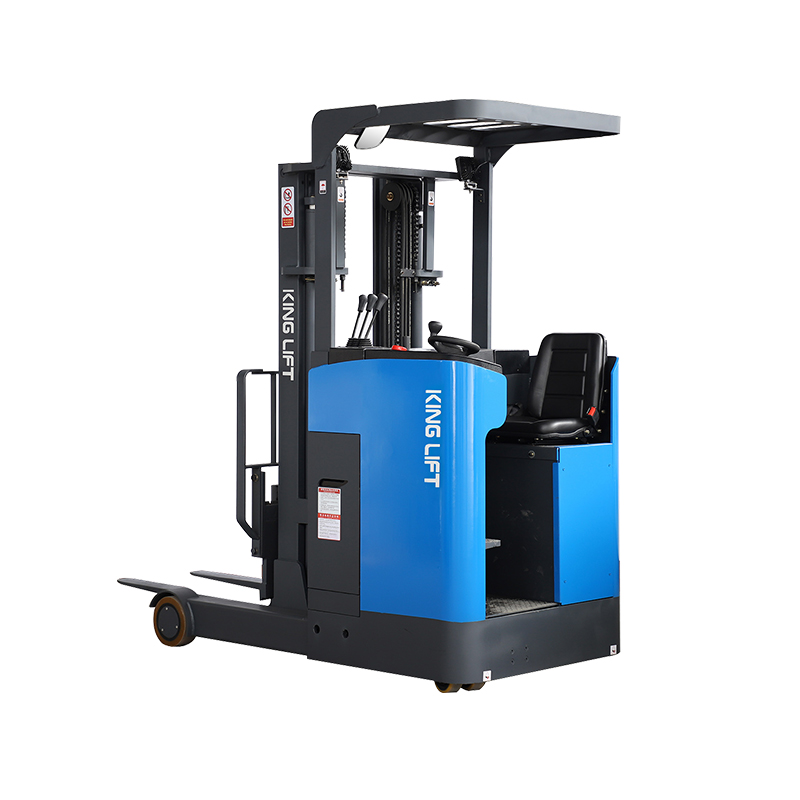
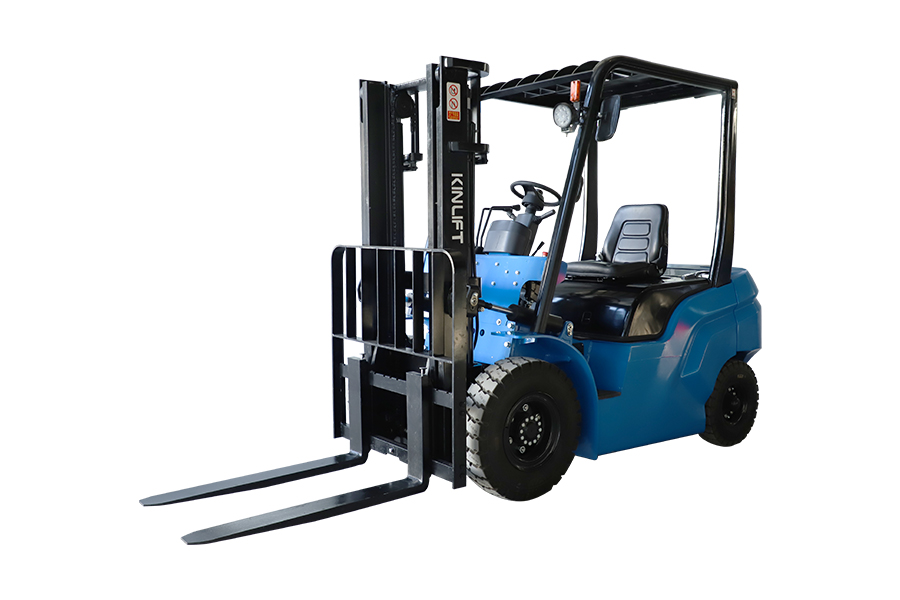
Modern warehouse and manufacturing operations demand equipment that bridges multiple working environments without compromise. An electric four-wheel counterbalance forklift delivers the stability, efficiency, and environmental compliance that businesses require when moving materials across both indoor and outdoor terrains.
Unlike three-wheel electric models that excel in tight indoor corridors or internal combustion units that generate emissions and maintenance overhead, the four-wheel electric platform represents a balanced investment. It combines zero-emission operation with robust load-carrying capacity, making it the natural choice for companies handling mixed-use logistics across diverse facility types and seasonal demands.
This guide unpacks the technical specifications, operational advantages, and selection criteria that directly influence pricing and long-term total cost of ownership for procurement teams.
The Four-Wheel Electric Advantage: Breaking Down Core Benefits
Stability and Load Distribution
A four-wheel electric forklift distributes load weight across four contact points, creating a lower center of gravity and superior stability on uneven terrain. This configuration prevents the tip-over risks that plague narrow three-wheel designs when operating on slopes, gravel, or outdoor surfaces. The result: fewer accidents, reduced insurance liability, and consistent uptime even in harsh conditions.
Year-Round Outdoor Capability
Weather and seasonal changes no longer dictate operational boundaries. Electric forklifts operate reliably in rain, snow, and humidity without the engine deterioration associated with internal combustion models. Pneumatic tire options protect undercarriage components while maintaining traction in muddy or loose soil environments.
Operating Cost Advantage: Electricity vs. Fuel
The cost structure of electric operation dramatically differs from fuel-dependent alternatives. Electricity typically costs 70-80 percent less per operating hour than gasoline or diesel. Additionally, electric units eliminate engine oil changes, spark plug replacements, emission system repairs, and fuel contamination issues—all common maintenance expenses that compound over a three to five year ownership cycle.
Zero-Emission Compliance and Future-Proofing
Regulations governing indoor air quality and carbon emissions continue tightening across regions. Facilities adopting electric material handling equipment position themselves ahead of compliance curves, reduce fines, and strengthen corporate sustainability narratives essential for major contracts and partnerships.
Noise Reduction and Worker Safety
The absence of engine noise—typically 15-20 decibels quieter than internal combustion models—improves worker communication, reduces fatigue-related errors, and creates a safer acoustic environment, particularly in confined warehouse aisles where sudden sounds create disorientation hazards.
Critical Specifications That Drive Pricing: A Technical Breakdown
Purchase price and total cost of ownership for electric four-wheel counterbalance forklifts fluctuate based on specific operational demands. Understanding which specifications matter most ensures your quotation accurately reflects actual needs rather than over-specification or capability gaps.
Load Capacity: From 1.5 Tons to 3.5 Tons and Beyond
Capacity selection directly impacts unit cost. A 1.5-ton model serves light picking operations and smaller package handling, while 2-ton, 2.5-ton, 3-ton, and 3.5-ton variants accommodate progressively heavier industrial components, stacked pallets, and material preparation tasks. Pricing typically increases 15-25 percent per ton increment, making capacity alignment essential to avoid overpaying for unused capability or purchasing equipment prone to overload damage.
Lift Height Flexibility: Standard vs. Extended Mast Options
Standard lift height ranges from 10-12 feet on basic models. Many operations require 15-18 feet or higher, necessitating duplex (two-stage) or triplex (three-stage) mast configurations. Triplex masts cost significantly more than simplex or duplex units due to additional hydraulic cylinders, extended structural components, and engineering complexity. However, the height differential determines whether your facility can achieve high-density storage or faces operational constraints.
| Mast Configuration | Typical Lift Height | Relative Cost | Best For |
|---|---|---|---|
| Simplex (Single Stage) | 8-10 feet | Base Price | Ground-level transfers, truck bed loading |
| Duplex (Two Stages) | 12-15 feet | +15-20% | Mid-height racking, standard warehouses |
| Triplex (Three Stages) | 18-22 feet | +30-40% | High-density storage, maximized floor space |
Battery Technology: Lead-Acid vs. Lithium-Ion Economics
Battery selection represents one of the most consequential cost decisions. Lead-acid batteries have lower upfront costs but require 8-hour charging cycles, limiting multi-shift operations. Conversely, lithium-ion batteries support opportunity charging—topping off during breaks—and maintain power delivery consistency, making continuous or multiple-shift operations economically viable without purchasing backup units.
Lead-Acid Battery Economics:
- Upfront cost: 20-30 percent lower than lithium equivalents
- Charging requirement: 8 hours between shifts
- Lifespan: 3-5 years typical
- Operating limit: Single-shift or part-time only
- Maintenance: Regular water checks, terminal cleaning needed
- Total cost of ownership: Higher due to frequent replacement cycles
Lithium-Ion Battery Economics:
- Upfront cost: Premium pricing, justified by capability
- Charging: 1-3 hour opportunity charging cycles
- Lifespan: 8-10 years with managed cycle counts
- Operating capacity: Multi-shift, 20+ hour daily operation
- Maintenance: Minimal, battery management system self-regulating
- Total cost of ownership: Lower per operating hour despite higher purchase price
Tire Type Selection: Pneumatic vs. Solid vs. Polyurethane
Tire selection influences both performance capability and operational environment compatibility. Pneumatic (air-filled) tires provide excellent shock absorption on rough outdoor terrain but require maintenance and carry puncture risks. Solid or foam-filled tires eliminate flats but generate more heat and vibration. Polyurethane soft tires offer quiet operation ideal for noise-sensitive indoor environments but wear faster on abrasive surfaces.
Optional Attachments Affecting Total Package Cost
Standard forks handle pallets, but many operations require specialized attachments. Side shifters allow precise lateral load positioning without repositioning the entire unit. Load stabilizers prevent lateral swing. Rotating hoppers streamline bulk material transfer. Each attachment adds 5-15 percent to base unit cost but eliminates secondary handling steps that waste operator time and increase damage risk.
Indoor vs. Outdoor Operations: Application-Specific Selection Criteria
Warehouse and Distribution Center Applications
High-volume warehouse operations prioritize turning radius, acceleration, and precision fork control. Indoor electric forklifts optimize for smooth concrete surfaces and controlled environmental conditions. However, many modern facilities feature mixed indoor-outdoor loading docks, outdoor staging areas, and cross-dock operations requiring weather-resistant electrical systems and rough-terrain capability. A four-wheel electric unit delivers both through sealed connector systems and reinforced undercarriage components.
Key considerations for distribution:
- Turning radius: Prioritize compact designs for narrow aisle navigation
- Load stability: Four-wheel configuration prevents tip-over when placing loads at height
- Quiet operation: Reduces worker fatigue during 8-10 hour shifts in enclosed spaces
- Battery type: Lithium enables continuous operation across multiple shifts without downtime
Manufacturing and Production Line Applications
Production facilities require material handlers that support diverse tasks: raw material intake, in-process component movement, finished goods staging, and scrap management. These operations often occur outdoors or in semi-outdoor environments where internal combustion equipment creates air quality hazards and noise complaints. Electric four-wheel counterbalance forklifts handle production tempo without emission concerns.
Key considerations for manufacturing:
- Duty cycle: Heavy-use operations benefit from lithium batteries supporting 16+ hour daily operation
- Rough terrain capability: Pneumatic tires handle unpaved factory yards and gravel staging areas
- Weather resistance: Sealed electrical components prevent short circuits in humid or dusty production environments
- Load capacity: 2.5-3.5 ton models handle heavy industrial materials typical in manufacturing
Food Processing, Beverage, and Cold Storage Facilities
Temperature-controlled environments present unique challenges. Cold storage operations require equipment with condensation-resistant electrical systems and materials that resist rust and corrosion. Hygienic facility standards demand washdown-compatible designs. Electric operation eliminates engine exhaust, protecting sensitive products from contamination. Battery selection becomes critical since cold reduces lithium efficiency, requiring capacity oversizing or managed charging protocols.
Key considerations for food and beverage:
- Moisture resistance: Sealed connectors and stainless hardware prevent corrosion in washdown environments
- Battery performance: Factor 10-15 percent capacity reduction in sub-freezing storage areas
- Load positioning: Compact four-wheel designs navigate tight aisles between stacked pallets
- Operator comfort: Sealed cabs with heating systems support productivity in temperature extremes
Outdoor and Heavy Construction Material Handling
Outdoor-intensive operations—landscape material distribution, outdoor lumber yards, gravel and aggregate handling—demand equipment built for harsh conditions. Four-wheel configuration with pneumatic tires handles mud, loose gravel, and uneven surfaces where three-wheel models would struggle or tip. Weather-sealed systems protect electronics during rain and snow. Heavier duty suspensions and reinforced frames support rough-terrain operation.
Key considerations for outdoor operations:
- Tire type: Pneumatic tires essential for traction on loose or muddy ground
- Frame reinforcement: Heavy-duty construction handles impacts and rough material surfaces
- Battery protection: Sealed systems prevent water infiltration and corrosion
- Load capacity: 2-3.5 ton models accommodate heavy materials typical in construction logistics
Decoding the Quotation Process: What Drives Final Pricing
Accurate pricing quotations require suppliers to understand your specific operational context. Generic requests produce generic or inflated estimates. Professional procurement teams provide detailed specifications, enabling suppliers to engineer solutions matching actual requirements rather than worst-case assumptions.
Essential Information for Requesting Competitive Quotes
Documentation Checklist for Quotation Requests:
- Load capacity requirement in tons: Specify typical load weight and maximum occasional loads
- Required lift height in feet: Determine mast configuration (simplex, duplex, or triplex)
- Operating environment: Indoor, outdoor, or mixed; temperature range; ground surface conditions
- Operating schedule: Single shift, multiple shift, or continuous; daily operating hours
- Duty cycle: Light (part-time), medium (regular use), or heavy (intensive daily use)
- Attachment requirements: Side shifters, load stabilizers, or specialized hoppers needed
- Battery preference: Lead-acid for cost sensitivity or lithium for continuous operation
- Tire type preference: Pneumatic for outdoor rough terrain, solid or polyurethane for controlled indoor surfaces
- Installation timeline: Immediate need or future planning; affects delivery and customization options
- Budget parameters: Total cost of ownership considerations; expected useful life; replacement cycle expectations
Cost Structure Breakdown: What Comprises Final Pricing
Volume Discounts and Payment Terms
Bulk purchases typically attract discounts of 10-20 percent, with larger operations (5+ units) negotiating 15-25 percent reductions. Extended payment terms or leasing arrangements may offer different economics compared to outright purchase. Facility expansion phasing sometimes involves initial purchase with planned additions later, making timeline communication valuable for favorable terms.
Total Cost of Ownership Calculation Framework
Procurement teams should evaluate long-term value beyond purchase price. A lower-cost lead-acid unit requiring replacement every 3-4 years and limited to single-shift operation creates hidden costs. A higher-upfront lithium model operating 15+ years and supporting multiple shifts delivers superior per-hour economics despite larger initial expenditure.
TCO Formula Components:
- Purchase price minus residual value at end-of-life
- Plus: Annual battery replacement or conditioning costs
- Plus: Maintenance and repair estimates (electric units typically lower than internal combustion)
- Plus: Operator training and facility modifications
- Minus: Energy savings from electric operation versus fuel alternatives
- Divided by: Expected useful life in years and annual operating hours
Step-by-Step Selection Framework: From Requirements to Purchase
Step 1: Define Your Load Profile
Document typical load weights, maximum occasional loads, and load dimensions. This determines capacity selection. Most operations operate at 60-75 percent of equipment capacity, so specify realistic needs rather than theoretical maximums to avoid over-specification premium costs.
Step 2: Map Your Operating Environment
Create a document describing all locations where your forklift will operate: indoor climate-controlled warehouse, semi-outdoor loading dock, paved outdoor lot, or gravel staging area. This environmental profile guides mast configuration selection, tire type determination, and battery chemistry choices. Mixed-environment operations justify four-wheel designs over lighter three-wheel alternatives.
Step 3: Establish Your Operating Schedule
Single-shift operations (8 hours daily) with adequate battery charging time can utilize lead-acid systems. Multi-shift or continuous operations require lithium batteries supporting opportunity charging without extended downtime. Round-the-clock facilities need backup units or rapid-charge battery systems, both adding to total ownership costs but enabling continuous productivity.
Step 4: Identify Essential Attachments
Standard fork-only configurations serve many operations. However, side shifters, load stabilizers, bale clamps, or rotatable hoppers streamline specific workflows. Document exact attachment needs to avoid purchasing capabilities never used or discovering essential functionality missing during operation.
Step 5: Establish Budget Parameters and Timeline
Communicate realistic budget ranges and acquisition timelines to suppliers. Long lead times (90-120 days for customized units) differ dramatically from stock equipment available for immediate delivery. Budget clarity enables suppliers to recommend appropriate customization levels rather than over-engineering or delivering minimally specified units.
Step 6: Request and Compare Competitive Quotations
Provide standardized specification requests to multiple suppliers, ensuring quotes address identical configurations. Compare not just purchase price but included services: delivery, setup, operator training, initial maintenance, and warranty duration. Lowest price often reflects higher long-term costs through limited support and faster deterioration.
Step 7: Evaluate and Negotiate Terms
Quality quotations include delivery timelines, spare parts availability, certified service network locations, warranty terms, and buyback value at end-of-life. Negotiate warranty extensions, maintenance contract terms, and battery replacement schedules if purchasing lithium systems. Professional suppliers adjust terms for multi-unit orders and extended service commitments.
Regional Variations and Market Factors Affecting Pricing
Equipment costs fluctuate based on geographic location, local regulatory standards, import tariffs, and regional supplier competition. Understanding these variables prevents surprises and enables informed procurement timing.
Market Variables Influencing Pricing:
- Raw material costs: Steel, aluminum, and electronic component pricing create year-to-year variations
- Import duties and tariffs: Regional trade policies impact equipment sourced from international manufacturers
- Local regulatory standards: Emission controls, safety certifications, and environmental compliance add regional customization costs
- Supplier concentration: Regions with multiple competing suppliers typically show 15-20 percent lower pricing than markets with limited options
- Seasonal demand fluctuations: Peak seasons (spring and fall in temperate regions) often feature higher pricing and longer lead times
- Local labor and service availability: Regions with established service networks and technician availability offer better long-term support economics
Currency Exchange and Global Supply Chain Considerations
International procurement introduces currency exchange risk and supply chain complexity. Equipment specified in foreign currency exposes buyers to exchange rate fluctuations. Global supply chain disruptions—shipping delays, component shortages—can extend lead times from standard 60-90 days to 120-180 days, impacting facility planning and productivity targets.
Timing Your Acquisition for Optimal Pricing
Strategic procurement calendars coordinate equipment purchase timing with organizational capital budgets, facility expansion timelines, and market pricing cycles. Purchasing during slower seasons (winter in temperate regions) often reveals more favorable pricing and accelerated delivery compared to peak demand periods.
Frequently Asked Questions About Electric Four-Wheel Counterbalance Forklifts
Q1: What is the primary difference between a four-wheel electric forklift and a three-wheel electric model?
Four-wheel forklifts distribute load across four contact points, creating superior stability on uneven terrain and slopes. Three-wheel models excel in tight indoor corridors with superior maneuverability but sacrifice outdoor stability and load security on rough surfaces. Four-wheel configurations best serve mixed-use operations spanning both indoor and outdoor environments.
Q2: How long do lithium batteries last compared to lead-acid alternatives?
Quality lithium batteries deliver 8-10 years of reliable service with proper management systems monitoring charge cycles and temperature. Lead-acid batteries typically last 3-5 years before capacity degradation necessitates replacement. While lithium carries higher upfront costs, superior lifespan and multi-shift operational support create favorable long-term economics for high-use facilities.
Q3: Can an electric forklift operate effectively in cold storage environments?
Electric forklifts operate reliably in cold storage, though lithium battery performance reduces by 10-15 percent in sub-freezing conditions. Facility designers can oversizing battery capacity, implement heated battery enclosures, or utilize specialized cold-rated battery variants. Electric operation advantages—zero emissions in confined cold storage spaces and minimal vibration during sensitive product handling—often justify these accommodations.
Q4: What maintenance requirements do electric forklifts have compared to internal combustion models?
Electric forklifts require fraction of the maintenance: no oil changes, spark plug replacements, emission system service, or fuel system cleaning. Primary maintenance involves battery management, tire inspections, and periodic hydraulic system checks. Total annual maintenance costs typically run 30-50 percent lower than equivalent internal combustion equipment, directly reducing total cost of ownership.
Q5: How does operator training differ for electric versus internal combustion forklifts?
Operator certification requirements remain similar; core differences involve regenerative braking characteristics and acceleration response. Electric units deliver progressive power delivery without gear shifting transitions. Most experienced operators adapt within hours. New operator training programs integrate electric-specific techniques without significant curriculum expansion.
Q6: What factors should I consider when choosing between pneumatic and solid tires?
Pneumatic tires offer superior shock absorption on rough outdoor terrain, ideal for gravel lots and uneven ground. Solid tires prevent punctures and deliver longer operational life on smooth surfaces, making them suitable for controlled warehouse environments. Mixed-use operations might deploy pneumatic tires on outdoor units and solid tires on indoor-dedicated equipment, rather than attempting to optimize both with compromise selections.
Q7: Is it possible to rent rather than purchase an electric forklift?
Many suppliers offer short-term rental and long-term lease options for electric equipment. Rental suits temporary needs, seasonal fluctuations, or pilot operations validating operational concepts before capital commitment. Leasing arrangements frequently include maintenance support, battery management, and equipment replacement guarantees, distributing risk across long contract periods. Compare lease costs against purchase alternatives using complete total cost of ownership calculations.
Q8: How do I calculate the electricity costs associated with operating an electric forklift?
Most electric forklifts consume 15-25 kilowatt-hours per 8-hour shift depending on load intensity and operating duty. Multiply daily consumption by regional electricity rates (typically 0.10 to 0.15 dollars per kilowatt-hour) to calculate daily operating costs. Results typically show 70-80 percent cost reductions compared to diesel or gasoline alternatives. Many industrial facilities benefit from favorable time-of-use electricity rates if charging occurs during off-peak hours.
Q9: What safety certifications and standards apply to electric forklifts?
Equipment must meet OSHA (Occupational Safety and Health Administration) standards in the United States, CE marking requirements in European markets, and regional certification standards. Reputable manufacturers engineer equipment to exceed minimum standards, incorporating redundant safety systems, tip-over protection, and emergency braking capabilities. Verify certifications and safety feature specifications before purchasing.
Q10: How do I determine the right mast configuration for my facility's height requirements?
Measure your maximum required lift height, then select mast configuration accommodating that need. Simplex masts provide 8-10 feet, duplex 12-15 feet, and triplex 18-22 feet. Add 2-3 feet for safety margin above maximum load heights. While triplex configurations cost 30-40 percent more than simplex, the storage density advantages often justify higher initial investment. Consult facility planning regarding future storage expansion; under-specifying mast height creates productivity constraints and forces equipment replacement within years.
Q11: What warranty coverage should I expect from reputable suppliers?
Standard warranties cover structural defects and component failures for 1-2 years. Premium suppliers extend coverage to 3-5 years on frame and hydraulic components. Battery warranty varies dramatically: lead-acid typically 1-2 years, lithium-ion 5-8 years depending on charge cycle management. Request warranty details in writing and verify coverage includes both parts and labor. Extended warranty options often provide peace-of-mind value for critical facility equipment.
Q12: Can electric forklifts handle outdoor winter conditions?
Yes, electric forklifts operate reliably in winter weather including rain and light snow. Sealed electrical connectors and corrosion-resistant materials handle moisture exposure. Battery performance slightly decreases in cold temperatures, but properly maintained equipment functions effectively. Some facilities utilize heated garage storage during extreme weather for battery protection and operator comfort, extending equipment lifespan and worker safety.