

 English
 русский


Home / News / Industry News / Why Reach Trucks Lead Warehousing Electric Forklifts for Narrow Aisle and High-Bay Storage
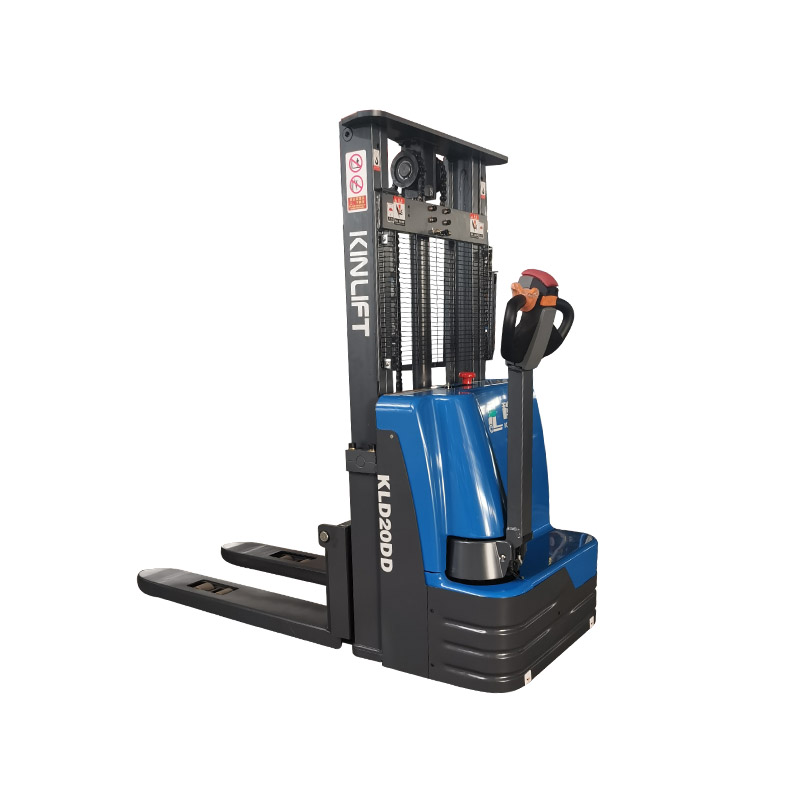
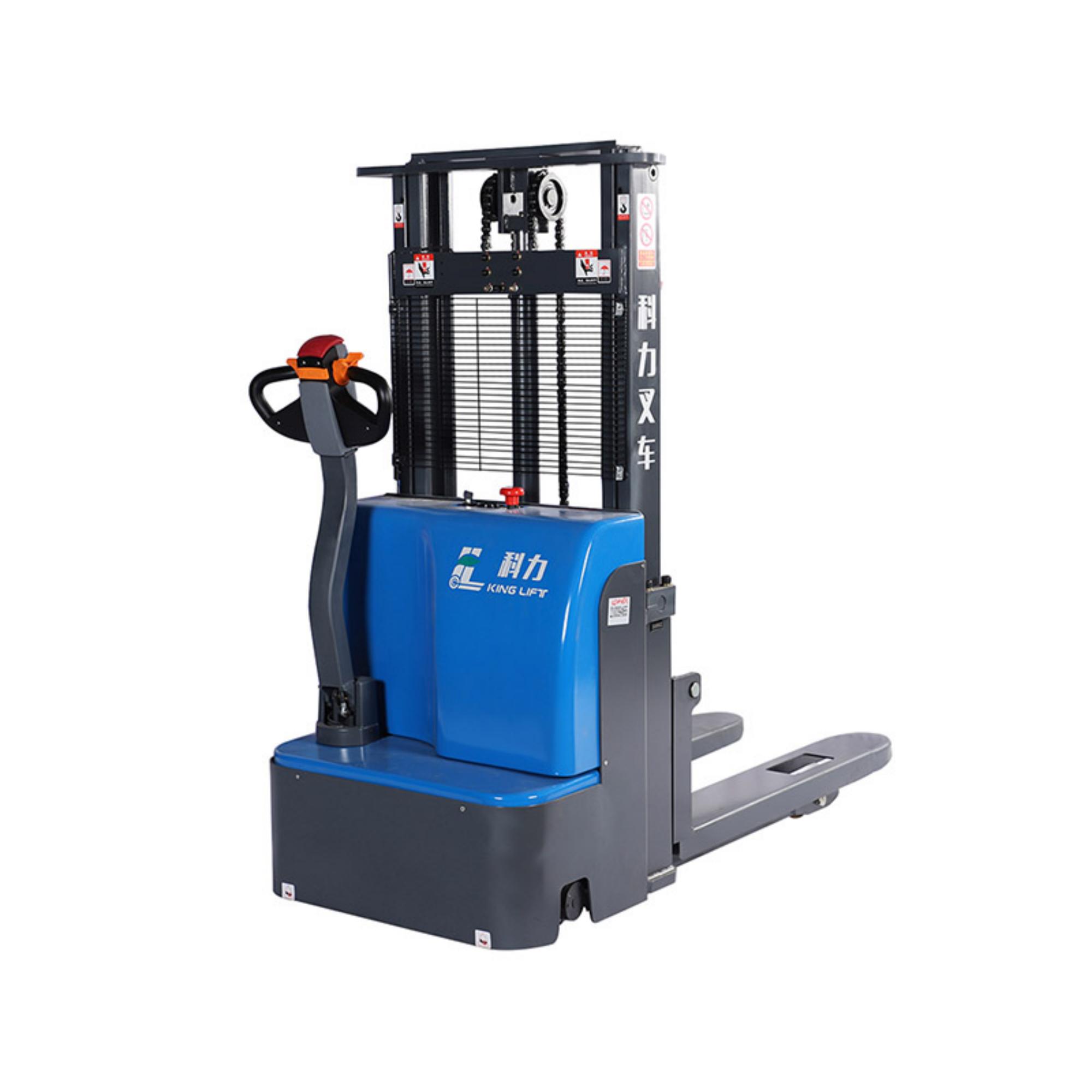
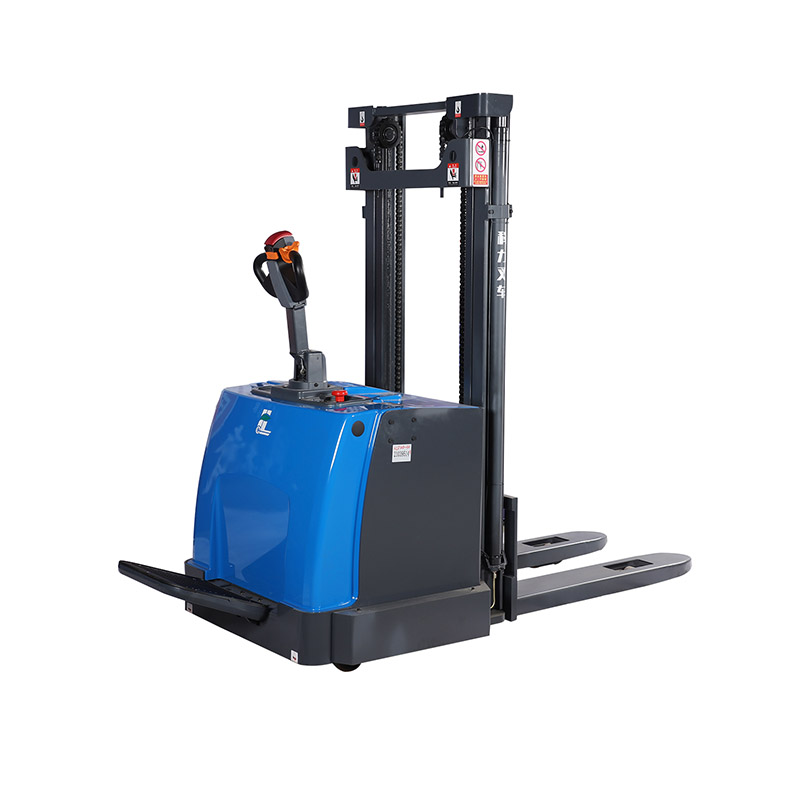
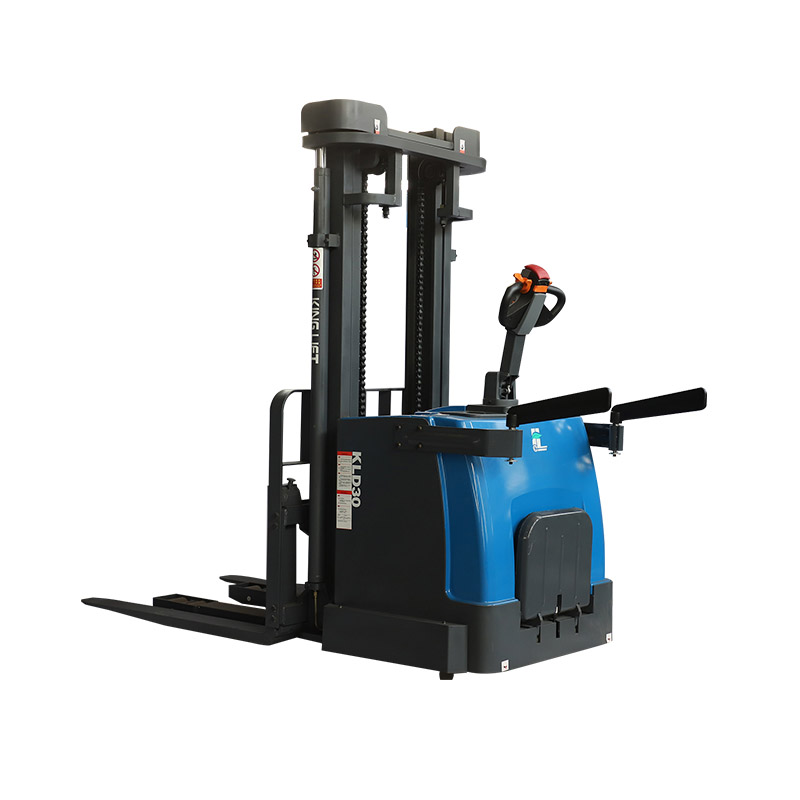
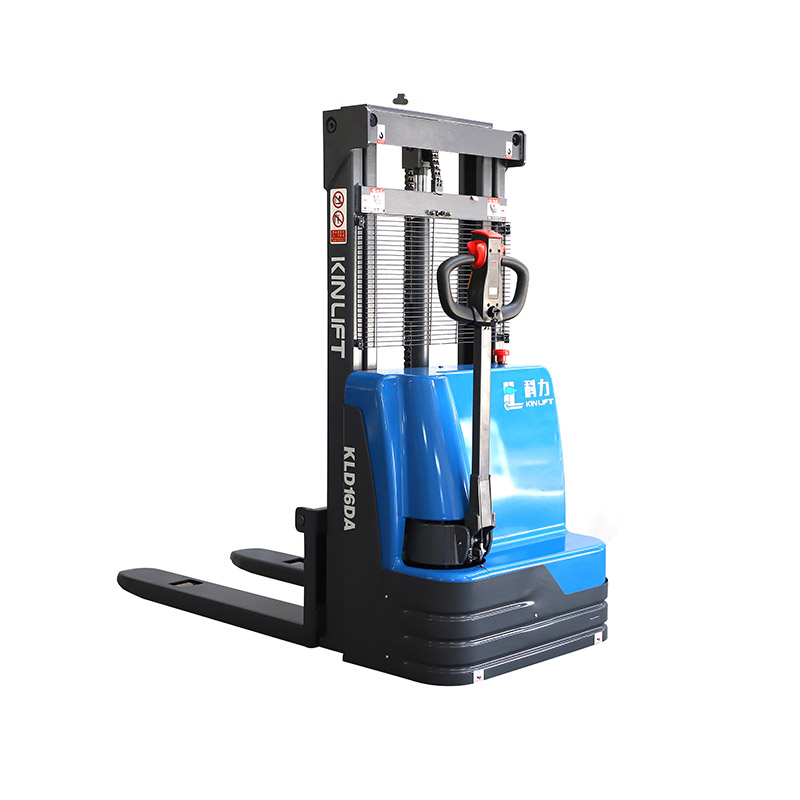
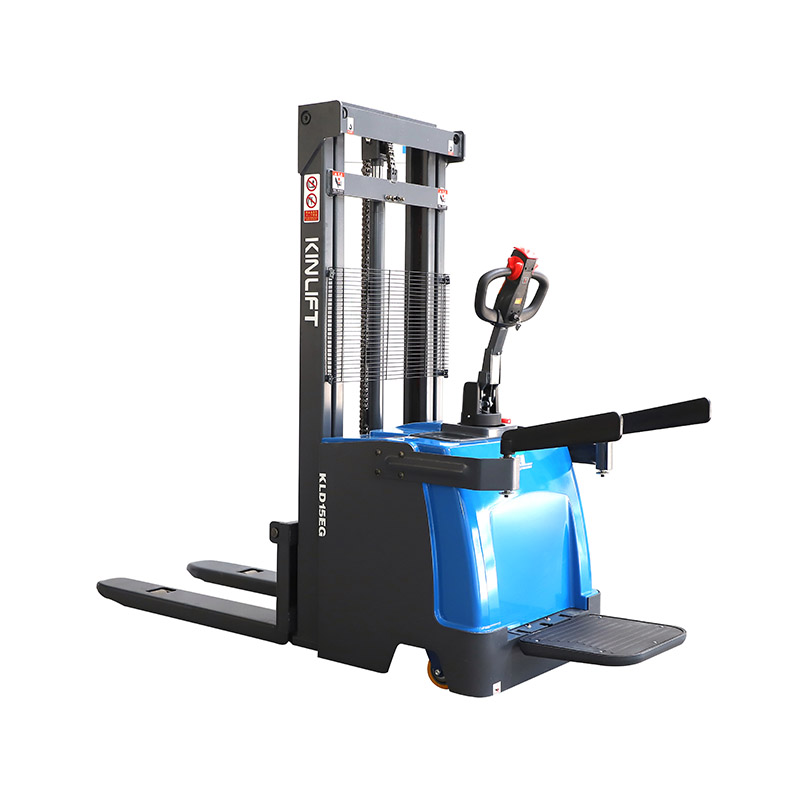
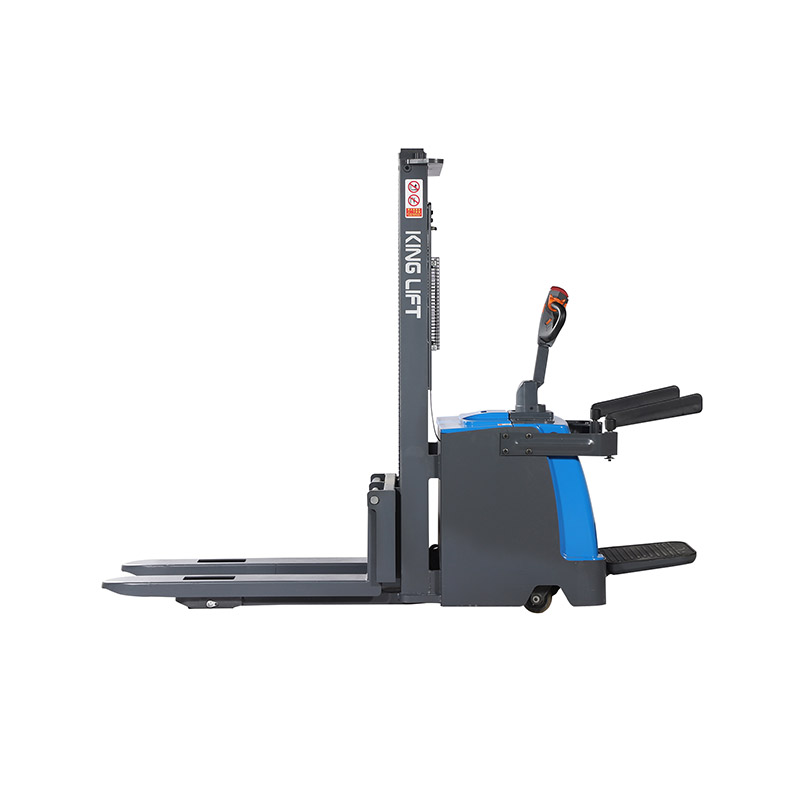
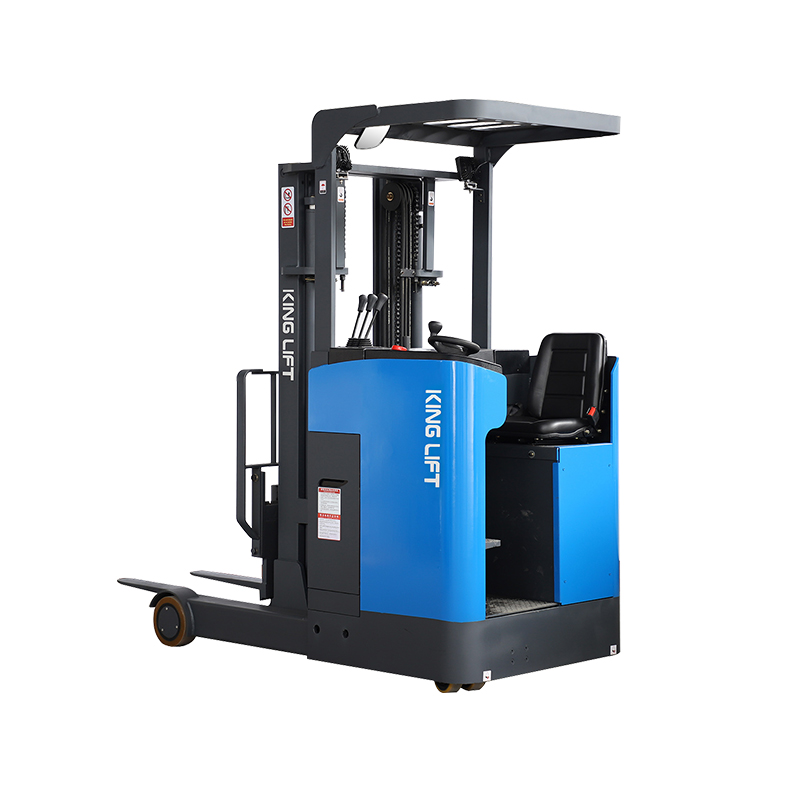
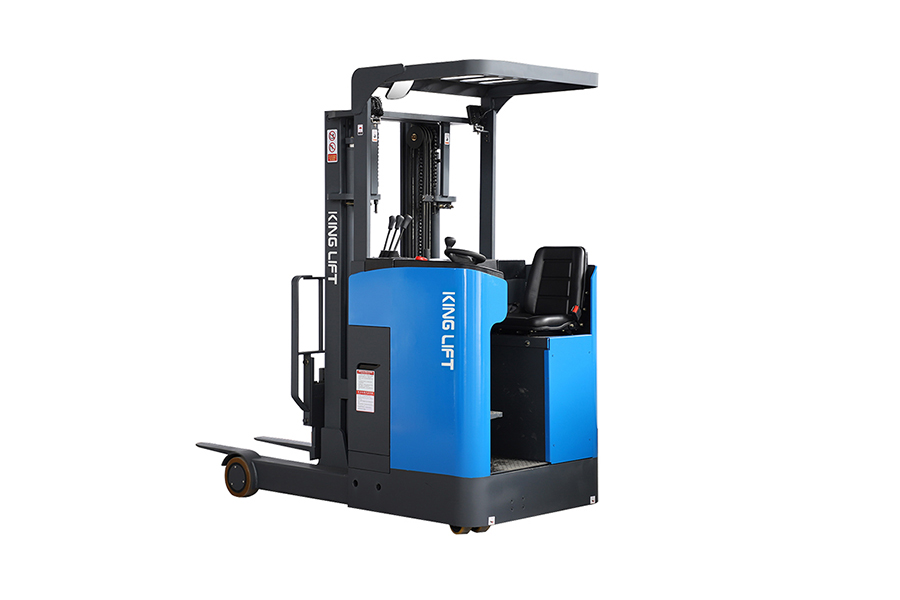
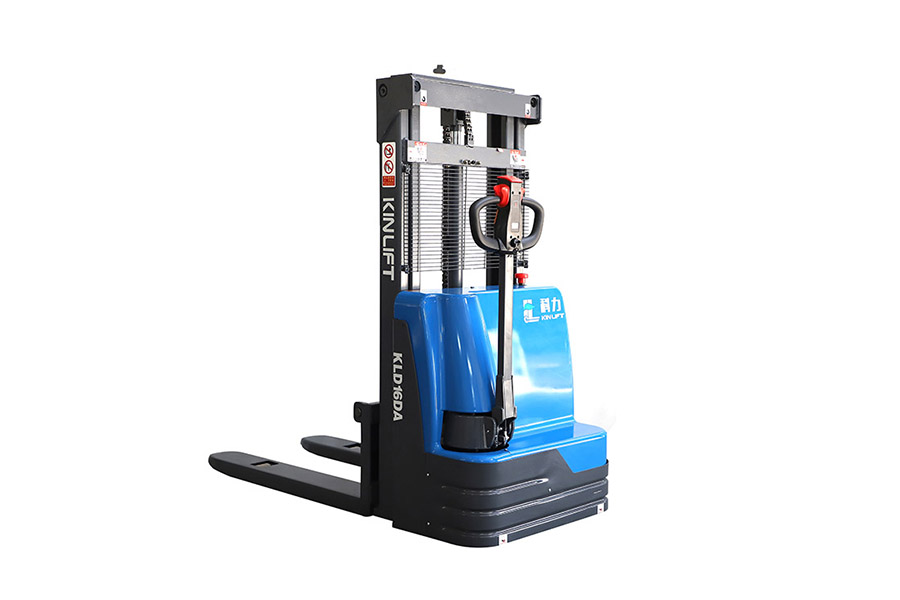
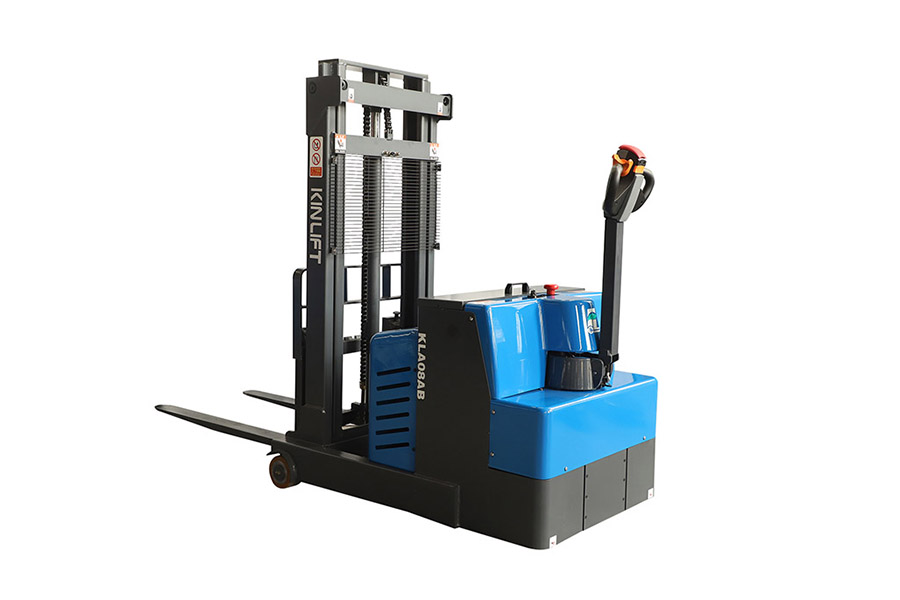
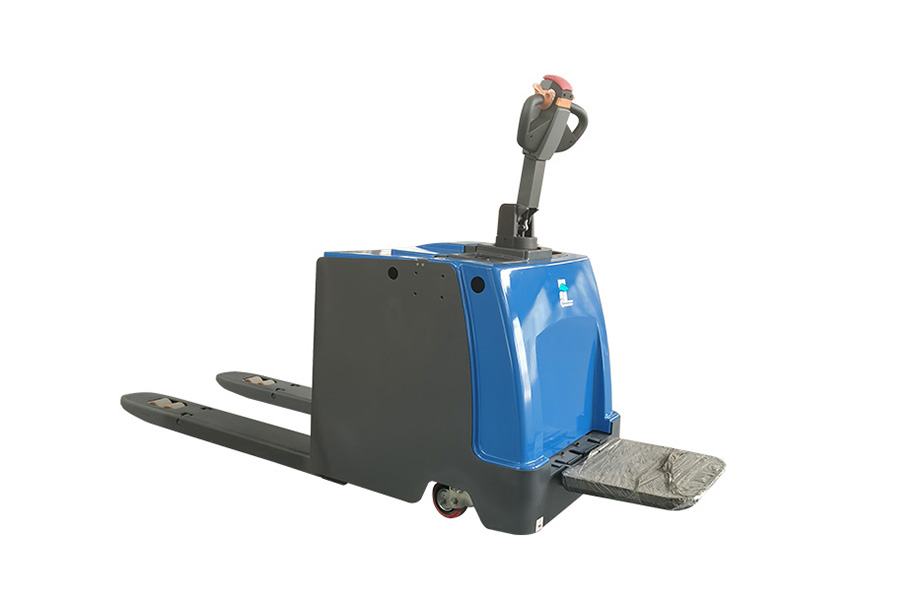
Warehousing electric forklifts cover a broad family of battery-powered material handling machines, from pallet trucks and stackers to counterbalance and reach models. Each type serves a different layout, throughput level and racking height. Among them, the electric reach truck stands out whenever floor space is limited and storage needs to climb high, because it is engineered to work efficiently inside tight aisles.
Space is the most expensive resource in a distribution center, and the right forklift choice can reclaim a surprising share of it.
What Defines a Warehousing Electric Forklift
Indoor material handling imposes requirements that outdoor equipment never faces. Air quality, noise levels, smooth concrete floors and tight turning spaces all shape the design. For this reason, warehousing electric forklifts are built with compact chassis, zero tailpipe emissions and low-noise drive systems that can run for full shifts without disturbing staff.
Core characteristics
- Zero local emissions keep indoor air clean for workers and stored goods.
- Compact footprint allows operation in narrower corridors than combustion alternatives.
- Precise low-speed control supports safe placement of pallets on upper racking levels.
- Predictable energy cost per shift when paired with a planned charging routine.
How the Reach Design Changes the Aisle Equation
A reach truck extends its mast and forks forward to place a pallet inside the racking, then retracts to travel with the load close to the body. This geometry keeps the center of gravity within the wheelbase, which means the machine needs far less turning room than a counterbalance model of comparable capacity.
Reach truck aisle width 2.5 to 3.0 m Typical working range for a standard pallet
Counterbalance aisle width 3.2 to 3.8 m Typical range for the same capacity class
The difference of several tenths of a meter per aisle may look small, but across dozens of aisles it can add hundreds of additional pallet positions without expanding the building.
Why Electric Reach Forklifts Suit High-Bay Operations
High-bay warehouses often store pallets at heights between 6.5 and 12 meters. At these levels, load stability becomes a central concern. A well-matched electric reach forklift keeps the load close to the mast and within the stability envelope, while smooth hydraulic control prevents sway during lifting and placement.
- Lift height capacity must match the highest racking level in the building.
- Rated capacity at height is often lower than the nameplate value, so the upper load limit should be confirmed.
- Mast and fork geometry determines how easily the operator can reach into deep pallet positions.
- Operator visibility at elevated positions affects both speed and safety.
Field observation: In facilities that moved from manual stacking to electric reach equipment, operators commonly reported shorter cycle times during peak shifts, mainly because travel with the load became more predictable in narrow corridors.
Typical Specification Overview
The table below summarizes the main parameters that buyers compare when evaluating reach-type warehousing electric forklifts. Values vary by capacity class and mast configuration.
| Parameter | Typical range | Why it matters |
|---|---|---|
| Rated capacity | 1.4 to 2.0 t | Defines the pallet weight the truck can handle |
| Maximum lift height | 6.5 to 12 m | Determines the highest usable racking level |
| Working aisle width | 2.5 to 3.0 m | Controls how much floor space is needed |
| Battery voltage | 24 to 48 V | Influences runtime and charging workflow |
| Turning radius | Compact | Supports maneuvering in confined spaces |
How to Match a Machine to Your Operation
Selecting equipment becomes simpler when the decision follows a short sequence of site measurements and operational questions. The steps below help narrow the choice before engaging suppliers for a formal quote.
Site assessment checklist
- Measure clear aisle width between rack uprights, not between pallet faces.
- Confirm the top-level load weight and its rated value at that height.
- Plan shift patterns to decide between spare batteries and fast-charging systems.
- Inspect floor condition, since cracked or uneven concrete reduces high-lift stability.
Battery and charging considerations
Multi-shift facilities typically favor lithium-based packs for opportunity charging, while single-shift sites may find lead-acid systems adequate with a planned overnight routine. Either way, the charging area should have adequate ventilation and clear access.
Operational Flow Overview
The diagram below shows how a typical reach truck cycle moves through a narrow-aisle warehouse, from pick-up at the staging zone to placement in high-bay racking.
Frequently Asked Questions
Q1: What is the main difference between a warehousing electric forklift and a reach truck?
A reach truck is one type within the broader family of warehousing electric forklifts. It is optimized for narrow aisles and high racking, while other types may suit open floors or lower storage.
Q2: How much aisle width does an electric reach forklift typically need?
Most standard pallet applications work comfortably within a range of about 2.5 to 3.0 meters, though the exact figure depends on load size, mast height and operator technique.
Q3: Does lift height reduce the rated load?
Yes. Capacity usually decreases as the load rises, so the rated value at the highest racking level should be checked before purchase.
Q4: Are lithium batteries better than lead-acid for reach trucks?
Lithium packs support opportunity charging and longer daily operation, while lead-acid can be cost-effective for single-shift use with a set charging schedule.
Next Steps for Your Storage Project
Warehousing electric forklifts deliver the most value when the equipment is matched to aisle geometry, racking height and shift demands. For facilities planning a layout change, a reach-based solution often unlocks additional storage capacity without expanding the building footprint. To explore detailed options, review the reach forklifts range and compare specifications against your site measurements.