

 English
 русский

Home / News / Industry News / How to Choose Warehousing Electric Reach Trucks: Specs, Costs and Quote-Ready Data
Start With the Constraint, Not the Catalog
Warehouse space is rarely getting cheaper, and SKU density keeps climbing. When pallet positions move upward and aisles keep narrowing, a standard counterbalance forklift starts to lose its advantage. That is the moment warehousing electric reach trucks become the center of the conversation.
This guide is built for the buyer who needs a defensible decision, not a brochure. You will get definitions, operating economics, specification logic, budget ranges, and the exact data to prepare before requesting a quote.
Core idea: A reach truck is not a standard product. It is a configuration matched to aisle width, lift height, load weight and shift pattern.
What Exactly Is a Warehousing Electric Reach Truck?
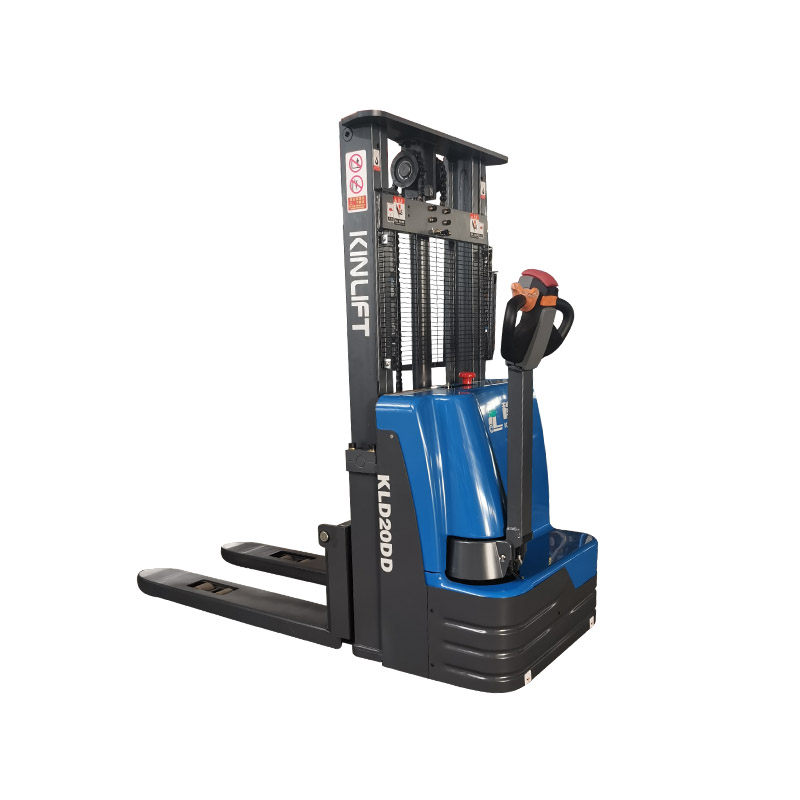
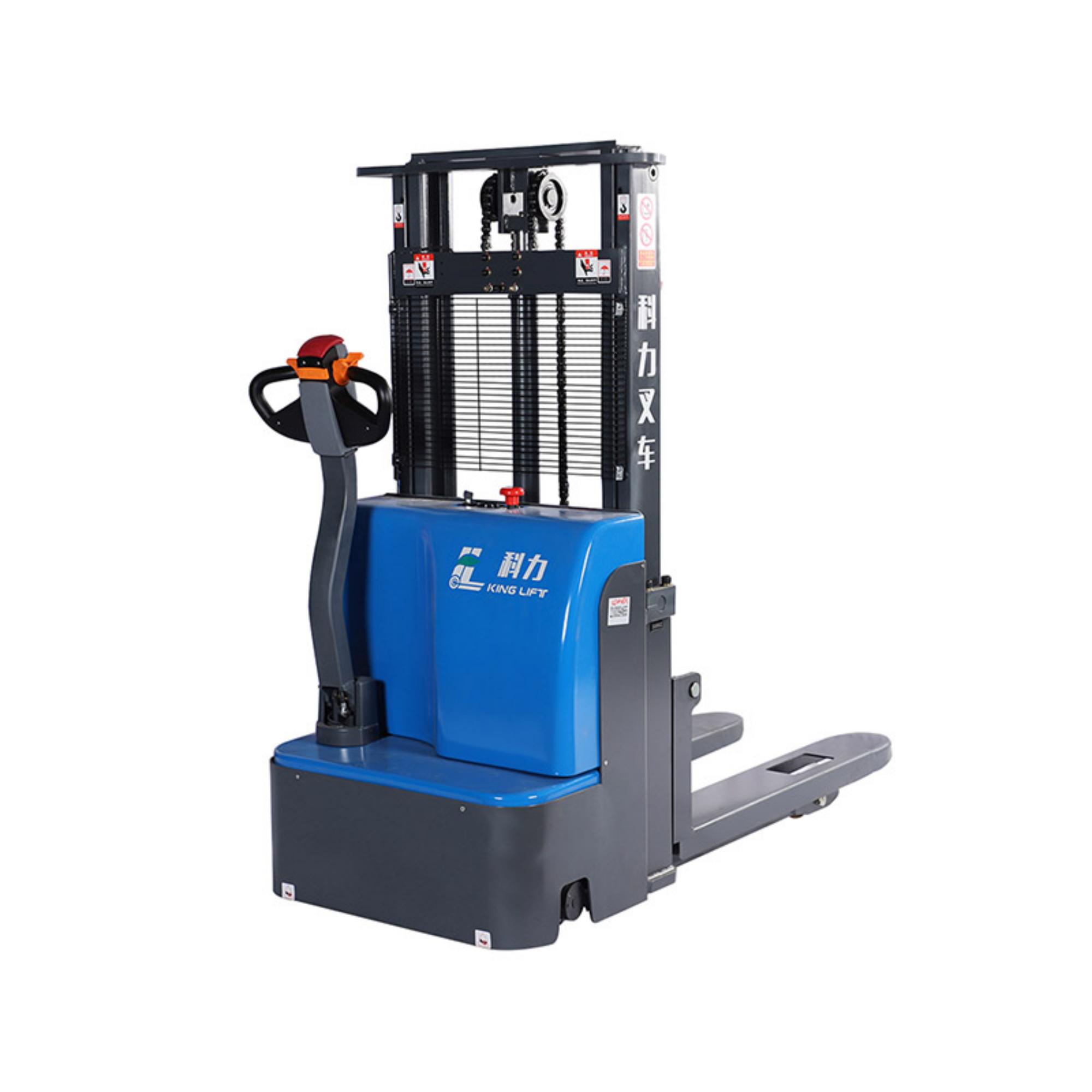
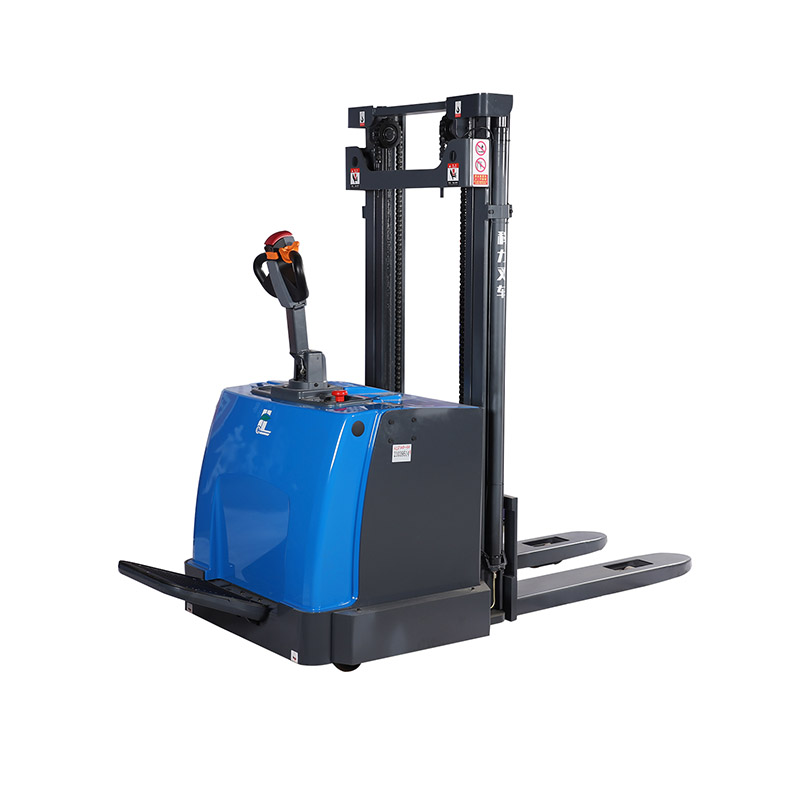
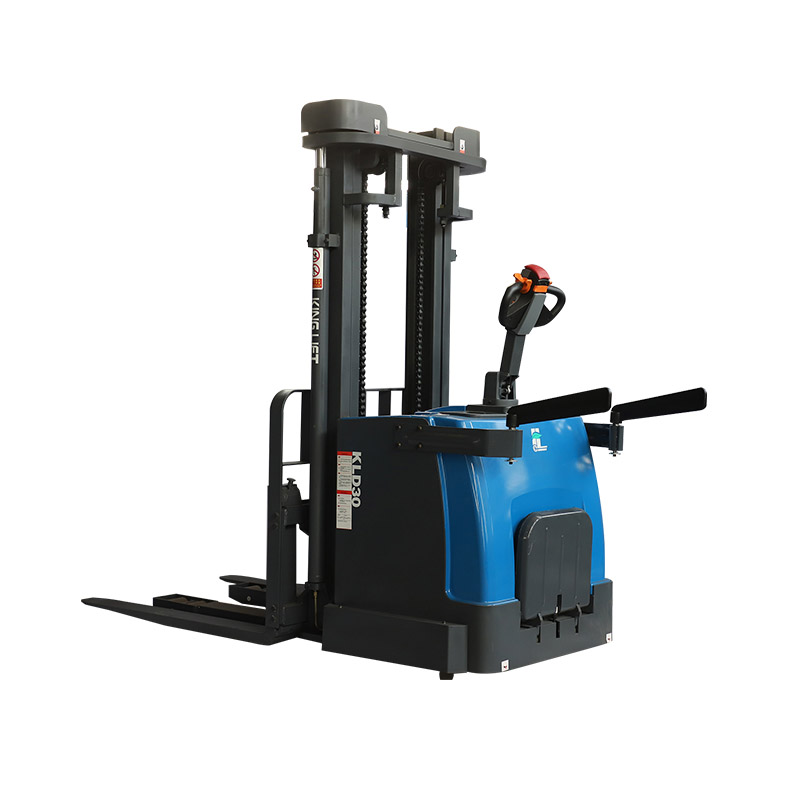
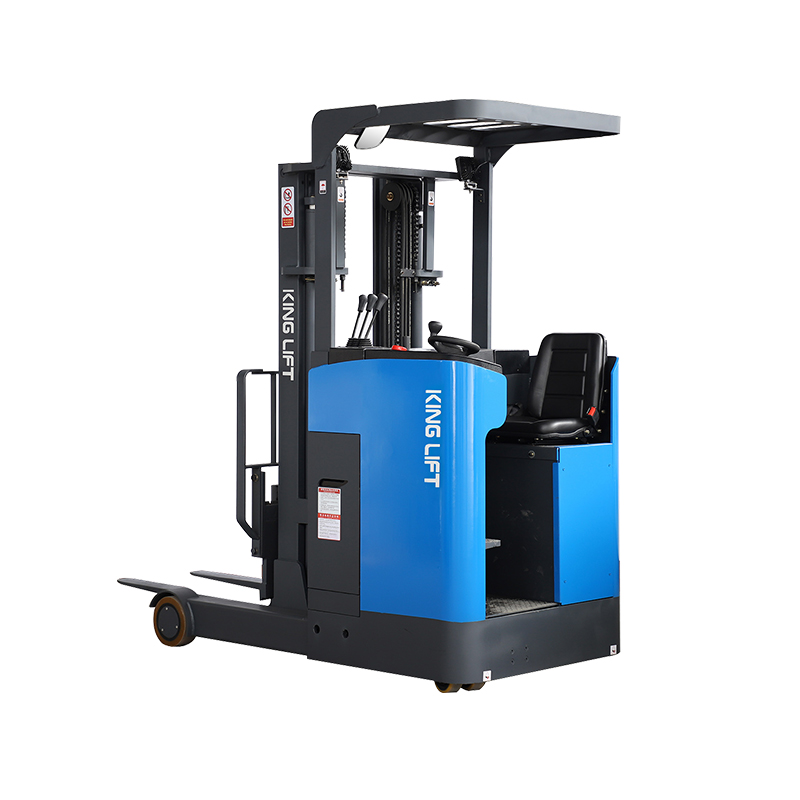
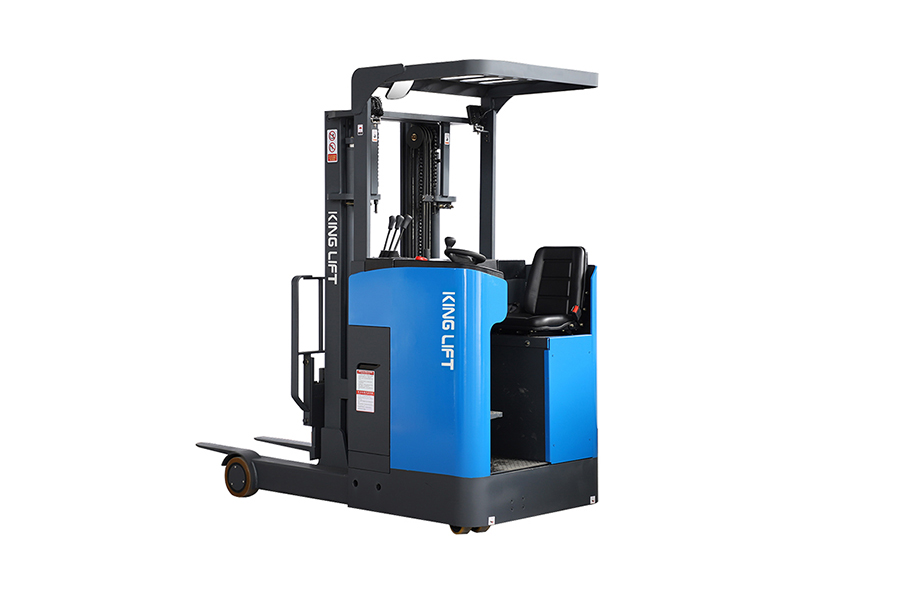
A reach truck is a narrow-aisle lift truck with a moving mast and forward-reaching forks. Instead of driving the whole chassis into the rack bay, the operator stays in the aisle and the forks extend to place or retrieve the pallet. That single mechanical difference changes almost everything about how the warehouse is laid out.
Core Definition: The Difference From a Counterbalance Forklift
A counterbalance forklift carries the load outside the front wheels. It needs space in front of the rack and a wider turning area. A reach truck keeps the load closer to the chassis during travel and extends only at the rack face. The result is less required aisle depth and more usable storage area.
Why Warehouse Operations Prefer It: Narrow Aisle Fit, High-Bay Access, Zero Emissions
Three operational realities push warehouses toward reach trucks:
- Narrow aisle fit: Typical reach truck aisles run 8 to 10 feet, compared with 12 to 15 feet for counterbalance trucks.
- High-bay access: Lift heights commonly reach 300 to 400 inches, with specialized configurations going higher.
- Indoor zero emissions: Electric drive means no exhaust, lower noise, and no fuel storage requirements.
Why Warehousing Operations Switch to Electric Reach Trucks
The switch is rarely driven by a single factor. It is a combination of space economics, throughput pressure, and total cost of ownership. Understanding each driver helps you build a business case that survives budget review.
Space Economics: Narrow Aisles Mean More Pallet Positions Per Square Meter
If you reduce aisle width from 12 feet to 9 feet across a 200-foot-long rack run, you recover roughly 600 square feet of floor area. That recovered space can become additional pallet positions, staging area, or pick faces. In leased facilities, that directly reduces cost per pallet stored.
Operational Efficiency: Lift Speed, Cycle Time, and Lithium Fast Charging
High-lift reach trucks are not just about height. They are about cycle time. A truck that lifts 400 inches at a faster rate and travels smoothly in a narrow aisle can complete more put-aways and retrievals per hour. For multi-shift operations, lithium-ion batteries support opportunity charging during breaks, reducing battery changes and downtime.
Hidden Costs: Maintenance, Energy, and Safety Impact on TCO
Electric reach trucks have fewer moving fluids, no engine oil, and simpler maintenance schedules. Energy cost per hour is typically lower than propane or diesel. Safety improves because operators stay within the aisle envelope and load stability is managed by the reach mechanism rather than counterweight alone.
Space Recovery Up to 25% more pallet positions in the same footprint
Maintenance Fewer service points than IC engines
Charging Opportunity lithium supports multi-shift use
Key Specs That Determine Your Warehousing Electric Reach Truck Fit
Spec sheets are full of numbers, but only a handful actually determine whether a truck fits your warehouse. Focus on these three areas first.
Lift Height and Residual Capacity: The Spec Most Buyers Miss
Maximum load capacity is rated at a specific load center and often at a lower lift height. As the mast raises, residual capacity drops. If your heaviest pallet goes to the highest shelf, you must check the capacity at that height, not the headline number.
Aisle Width and Turning Radius: Measure First, Then Read the Spec Sheet
Your aisle width is a fixed constraint. A reach truck’s turning radius and right-angle stacking aisle requirement must be equal to or smaller than your actual aisle. If the spec sheet says 8.5 feet and your aisle is 8 feet, the truck will not work, regardless of other features.
Lithium-Ion vs. Lead-Acid: Opportunity Charging and Multi-Shift Availability
| Factor | Lead-Acid | Lithium-Ion |
|---|---|---|
| Charging pattern | Full charge, then cool down | Opportunity charging during breaks |
| Battery changes | Required for multi-shift | Often eliminated |
| Maintenance | Watering, equalizing | Low maintenance |
| Upfront cost | Lower | Higher |
How to Compare Electric Reach Truck Options Without Getting Lost in Spec Sheets
Most spec sheets look similar. The differences that matter for your quote are narrower than you think. Use these filters to cut through the noise.
Three Dimensions That Actually Move the Quote: Lift Height, Capacity, and Custom Requirements
- Lift height: Higher masts require stronger components and change the price band.
- Capacity: Heavier-rated trucks need larger frames, batteries, and counterweight design.
- Custom needs: Multidirectional or special fork positions push a truck into a non-standard category.
Brand Landscape and Positioning: Mainstream Production vs. Heavy-Duty or Custom Solutions
Mainstream production models cover most standard warehouse aisles and lift heights. Heavy-duty and custom configurations serve specialized applications, such as very high bays, unusual load dimensions, or extreme duty cycles. The right category depends on your data, not on brand preference.
Practical rule: If your aisle is under 9 feet, your top shelf is above 300 inches, or your pallet weight is near the truck’s rated limit at height, you are in configuration territory. Get a supplier to confirm the match.
The Real Cost Question: What Should You Budget for a Warehousing Electric Reach Truck?
Reach truck pricing is not a single number. It is a range driven by configuration. New units vary significantly based on lift height, capacity, battery type, and custom features. Used units have their own market bands, but condition and battery health matter enormously.
How Configuration Differences Create Wide Price Gaps for the Same “Model”
Two trucks with the same model name can differ by tens of thousands of dollars if one has a higher mast, a larger battery, or a special attachment. That is why a meaningful quote requires your operational data first.
Information to Prepare Before Requesting a Quote
Give your supplier these four data points, and you will get a configuration-based quote instead of a generic price list:
- Aisle width: The narrowest aisle the truck must operate in.
- Highest shelf height: The top beam height where pallets are stored.
- Heaviest pallet: The maximum load weight, including the pallet.
- Shift pattern: Single shift, double shift, or 24-hour operation.
Used market reference $14,000 – $20,000 Example range for older 4,500 lb capacity units; condition varies
New standard configuration Quote required Dependent on height, capacity, battery, and options
Custom / heavy-duty Quote required Multidirectional, very high lift, or special attachments
Used equipment can provide a reference point, but it should not be used to estimate a new truck with different specifications. The only reliable path to a real number is a quote based on your data.
7 Questions to Ask Before Requesting a Quote for a Warehousing Electric Reach Truck
These questions turn a vague inquiry into a precise request. Each one addresses a common procurement risk.
- What is the residual capacity at my highest lift height? This prevents overloading at the top shelf.
- Does the right-angle stacking aisle fit my narrowest aisle? This confirms physical fit before price discussion.
- Is the battery system sized for my shift pattern? This avoids downtime in multi-shift operations.
- What maintenance intervals and parts are required? This informs total cost of ownership.
- Are there optional features that change the lead time? Custom options can extend delivery.
- What training or certification is included? Operator readiness affects safety and productivity.
- What data do you need from me to finalize the quote? This closes the loop and speeds up the process.
If you already have answers to these questions, you are ready for a supplier to match a configuration to your warehouse. A complete request can often be turned around within 24 hours.
Final Take: Matching the Truck to the Warehouse, Not the Other Way Around
A warehousing electric reach truck is not an off-the-shelf purchase. It is a scenario fit. The truck must match your aisle, your rack height, your load weight, and your shift pattern. When those four elements align, the truck becomes a productivity asset. When they do not, it becomes a bottleneck.
Use the data you gathered in this guide to request a configuration-based quote. Provide aisle width, highest shelf height, heaviest pallet, and shift pattern. That is enough to start a meaningful conversation and receive a matched recommendation.
Ready to compare configurations? Share your aisle width, lift height, load weight, and shift pattern. We can match a warehousing electric reach truck to your operation and provide a quote based on your actual data.
Frequently Asked Questions
Q1: What is the difference between a reach truck and a counterbalance forklift?
A reach truck has a moving mast and forks that extend forward, so the chassis stays in the aisle while the load is placed. A counterbalance forklift carries the load outside the front wheels and requires a wider aisle and more turning space.
Q2: What aisle width does a warehousing electric reach truck need?
Most reach trucks operate in aisles between 8 and 10 feet. The exact requirement depends on the truck’s right-angle stacking aisle dimension and your rack configuration. Always measure your narrowest aisle first.
Q3: Why does capacity decrease at higher lift heights?
The mast and carriage add load moment as height increases, which reduces the truck’s stability envelope. Manufacturers publish residual capacity charts. You must check the capacity at your highest shelf, not just the maximum rating.
Q4: Is lithium-ion always better than lead-acid for reach trucks?
Not always. Lithium-ion supports opportunity charging and reduces battery changes, which is valuable for multi-shift operations. Lead-acid has a lower upfront cost and may suit single-shift warehouses with dedicated charging rooms.
Q5: What information do I need to get an accurate reach truck quote?
Provide aisle width, highest shelf height, heaviest pallet weight, and shift pattern. These four data points allow a supplier to recommend a configuration and provide a meaningful price range.
Q6: Can a reach truck work in a freezer or cold storage environment?
Yes, but the truck needs cold-store conditioning, including lubricants, seals, and battery specifications rated for low temperatures. This is a configuration option, not a standard feature.
Q7: How long does it take to receive a reach truck after ordering?
Lead times vary by configuration and production schedule. Standard models may ship faster, while custom masts, attachments, or battery systems can extend the timeline. Ask for a lead time estimate with your quote.