

 English
 русский

Home / News / Industry News / What to Look for in Electric Forklifts for Storage Facilities: A Practical Selection Guide
Why Storage Density Is Reshaping Equipment Choices
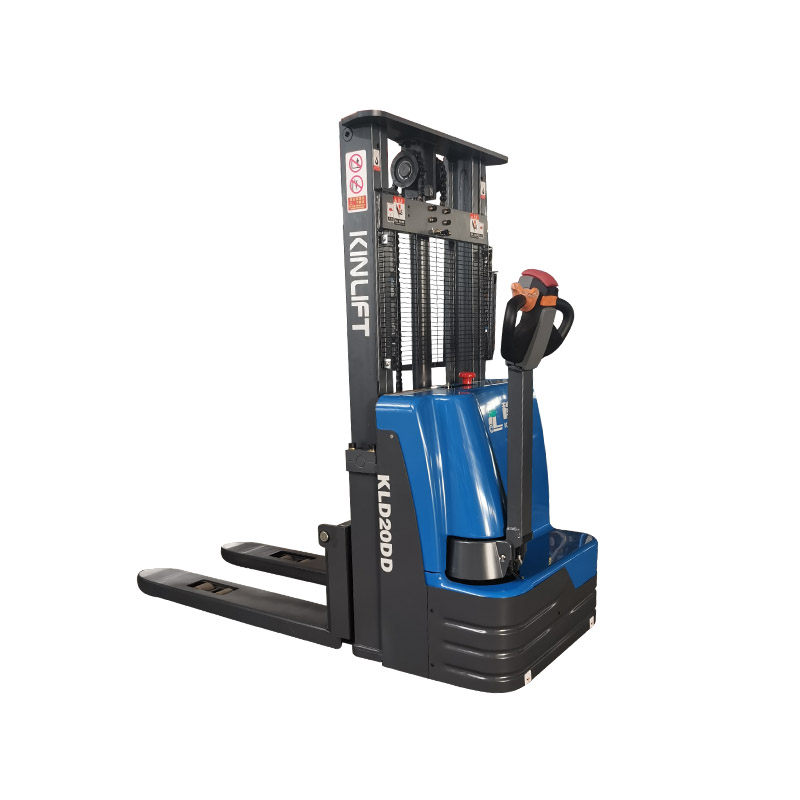
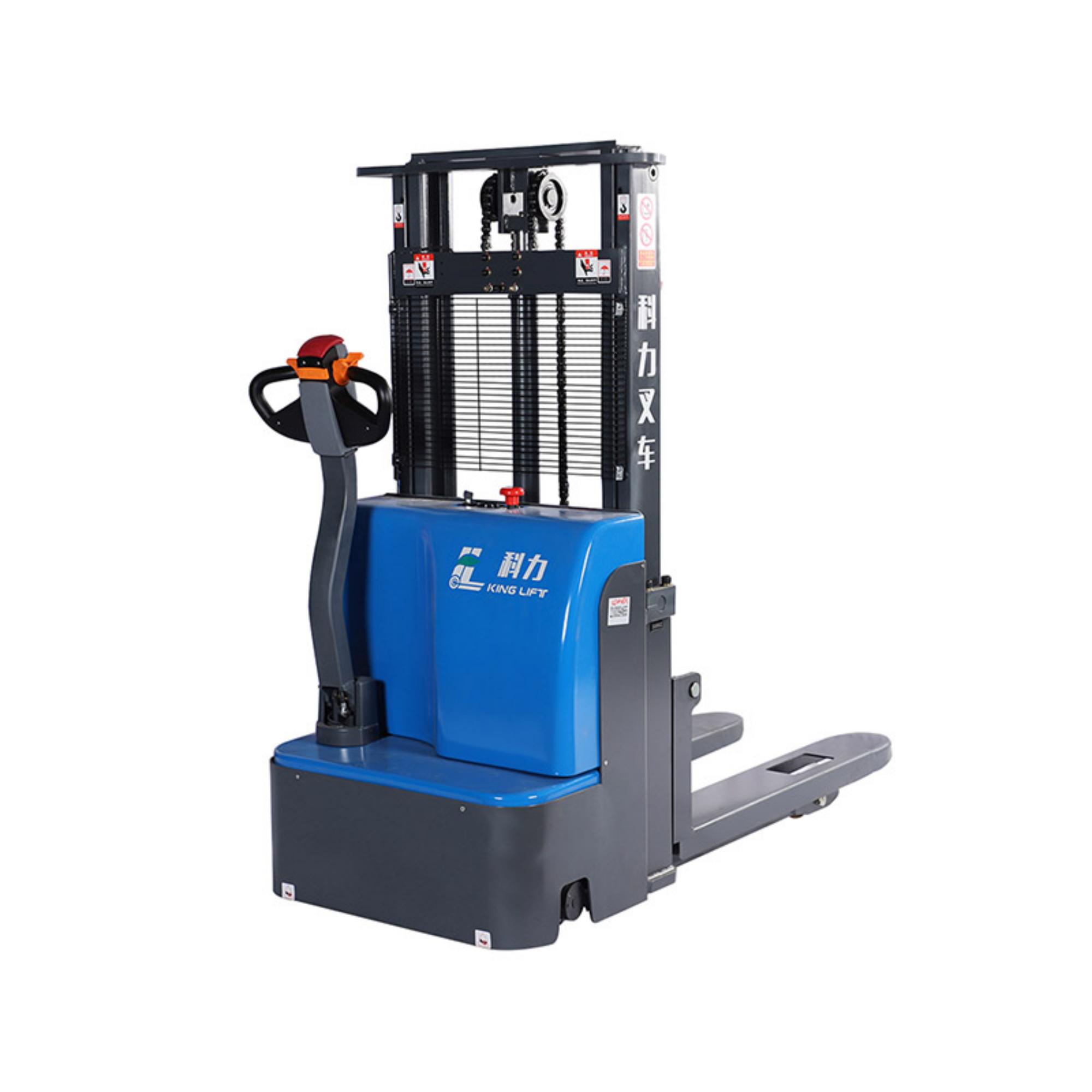
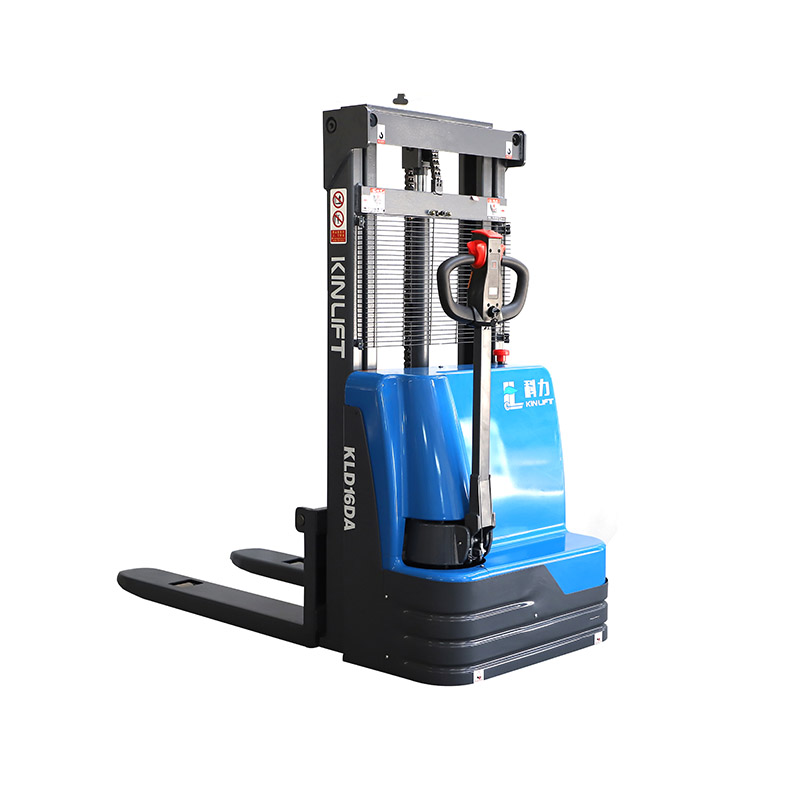
Warehouse floor space has never been more expensive, and every square meter now has to earn its place. Many operators who once relied on wide aisles and low racking are moving toward taller, denser layouts that fit more pallets into the same footprint. That shift changes what a lift truck must do. A machine that works well in an open yard may struggle in a narrow aisle, while a truck built for a sprawling distribution floor may be too heavy for a mezzanine. This is why many buyers begin their research with electric forklifts for storage facilities rather than generic material handling catalogs.
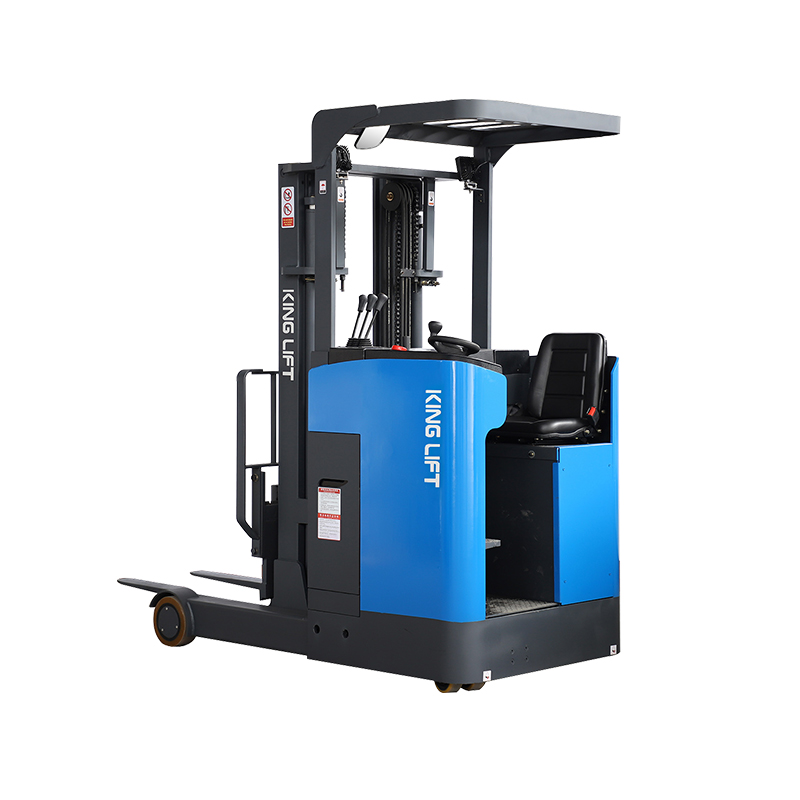
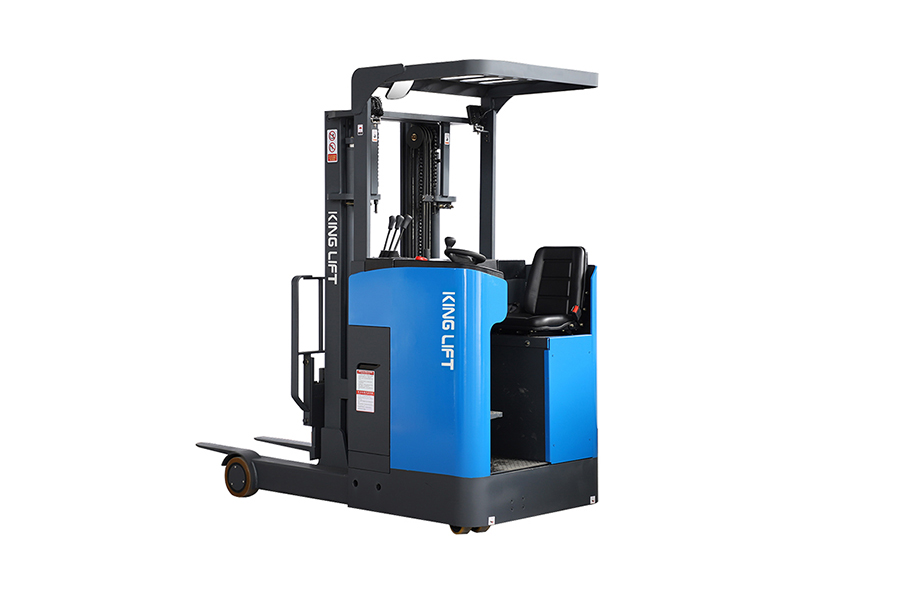
Electric reach trucks sit at the center of this transition. They combine the stability of a counterbalance design with the reach of a dedicated storage machine, allowing one operator to load and retrieve pallets from racking that is taller and tighter than combustion alternatives can serve. Because they run on batteries and produce no exhaust, they also suit indoor sites where ventilation is limited, noise must stay low, and product contamination is a concern.
9.5 m
Lift heights reachable on high-bay reach models
Zero
Exhaust emissions during indoor operation
2.5 to 3 m
Typical reach aisle width range in many storage halls
This guide walks through how these machines work, which configurations suit different storage environments, the specifications that actually drive performance, and the steps buyers follow from site survey to acceptance testing. The goal is not to find a single best truck. It is to match the right machine to your racking, your workflow and your budget.
The most expensive forklift is the one that cannot reach the pallet your racking was designed to hold.
How Electric Reach Trucks Work Inside Storage Facilities
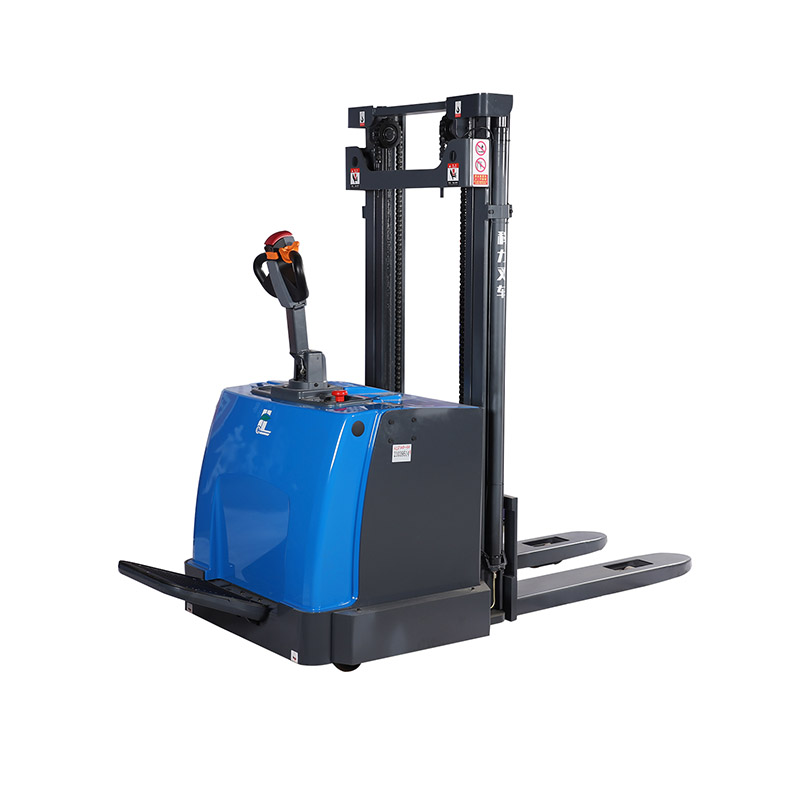
The defining feature of a reach truck is its telescoping mast. Instead of driving forks deep into a pallet opening the way a standard counterbalance truck does, the operator stays in a compact footprint while the mast extends forward to position the load. Once the forks clear the rack, the mast retracts and pulls the load back toward the chassis for travel. Because the truck never needs to swing wide, this movement makes the design highly efficient in narrow aisles.
The Retrieval Cycle
- Approach the rack face in a straight, controlled line with the forks lowered for travel.
- Raise the forks to the target level and extend the mast until the carriage reaches the pallet.
- Engage the load, retract the mast and lower the forks to a safe travel height.
- Reverse out of the aisle or proceed to staging with the mast fully retracted for stability.
Why Battery Power Changes Daily Operations
Battery power removes exhaust from the workspace and introduces regenerative braking, which returns some energy to the pack when the truck slows. The result is quieter travel, cleaner air and fewer routine service tasks. The table below summarizes the practical differences that storage managers usually notice first.
| Factor | Electric reach truck | Combustion counterbalance |
|---|---|---|
| Indoor exhaust | None at point of use | Requires strong ventilation |
| Noise during travel | Low | Higher |
| Aisle width | Designed for narrow aisles | Needs wider aisles |
| Routine upkeep | Fewer fluids and filters | Engine, fuel and filter service |
| Energy recovery | Regenerative braking | Not available |
Sit-Down and Stand-Up Models: Matching Operator Position to Shift Pattern
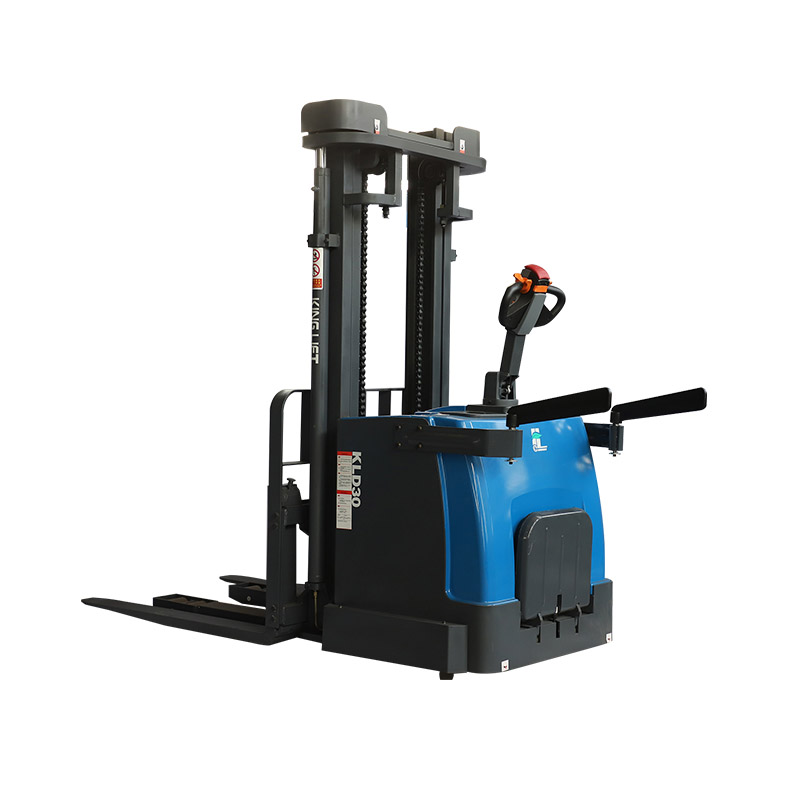
Two operator positions dominate reach equipment, and the choice affects ergonomics, productivity and training time. A sit-down reach forklift keeps the operator seated with a steering wheel and a stable floorboard, which suits long shifts with frequent travel. A stand-up model places the operator on a platform with a tiller-style control, which favors short moves, frequent dismounts and fast put-away work.
Sit-Down Configuration
Seated models fit facilities where operators cover long distances in one shift, such as extended rack runs or multi-level storage floors. Visibility from a seated position is generally good, and the operator avoids repeated stepping on and off the truck.
Stand-Up Configuration
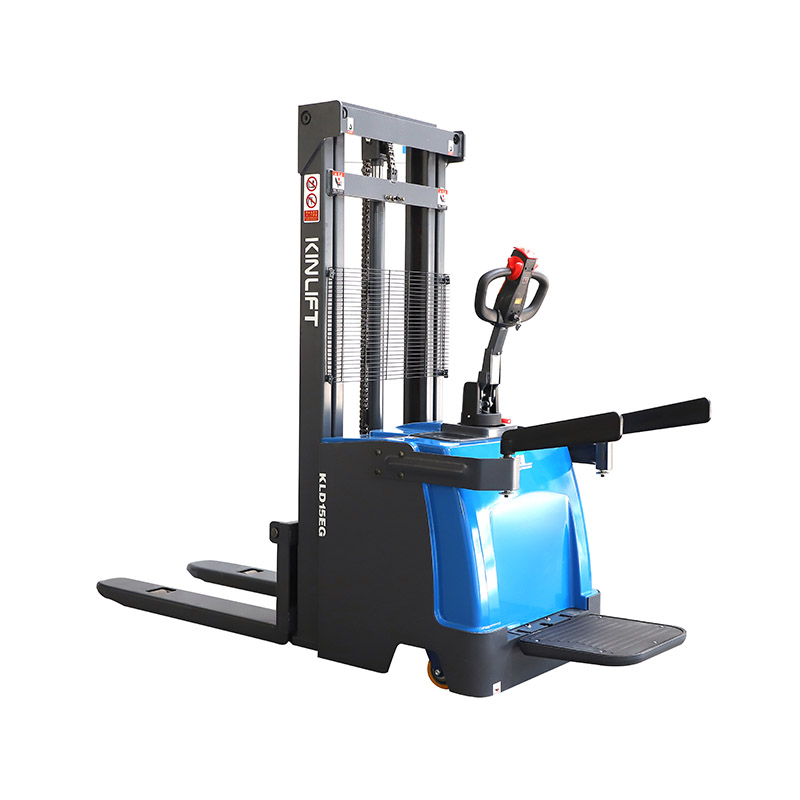
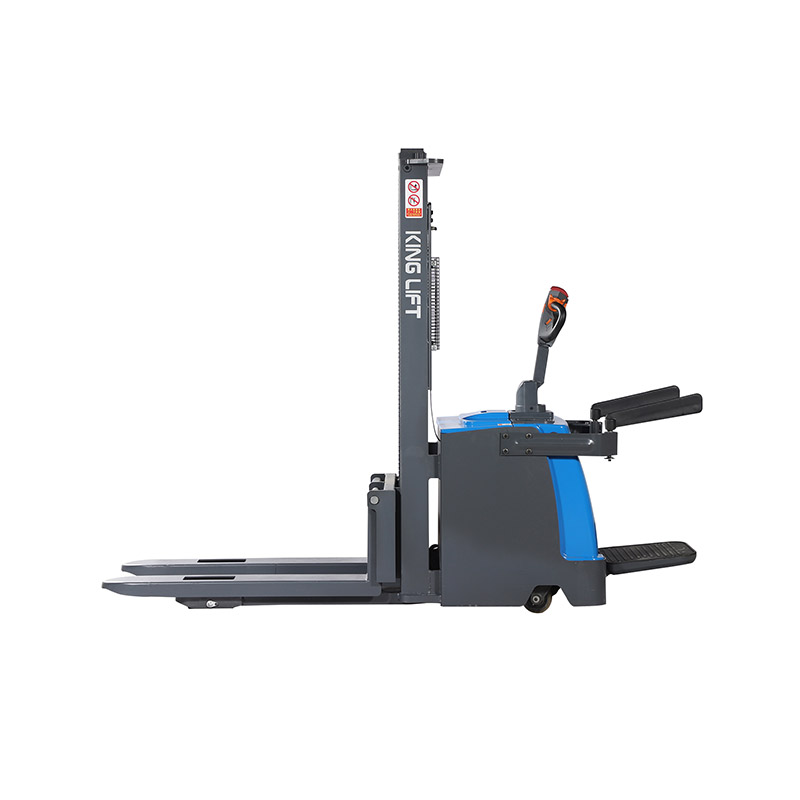
Stand-up units are compact and easy to maneuver in tight staging areas. Crews that rotate between picking and putaway often find that short cycle times favor this format.
| Criteria | Sit-down reach | Stand-up reach |
|---|---|---|
| Typical shift pattern | Long, travel-heavy | Short, high-frequency cycles |
| Operator comfort on long shifts | Higher | Lower |
| Machine footprint | Larger | Compact |
| Training time | Moderate | Short |
- Average travel distance per cycle in your aisles
- Number of operators who rotate across shifts
- Width of staging areas and turning space at aisle ends
Specifications That Drive Performance in Narrow-Aisle Storage
Specification sheets can look overwhelming, but four attributes do most of the work in storage environments: rated capacity, maximum lift height, aisle width requirement and battery configuration. Check each against your racking drawings before comparing secondary features. These attributes interact. A truck with a higher lift may carry a different counterweight, and a larger battery can change wheelbase and turning behavior.
| Specification | Typical range | What to verify on site |
|---|---|---|
| Rated capacity | 1.0 to 2.5 tonnes | Heaviest pallet weight and load center |
| Maximum lift height | About 2 to 9.5 meters | Top beam height and clearance under sprinklers |
| Aisle width | Roughly 2.5 to 3 meters | Clear aisle width at the rack face |
| Battery type | Lead-acid or lithium-ion | Charging area, shift length and maintenance capacity |
Rated Capacity and Load Center
Rated capacity is only meaningful when paired with the load center, which describes how far the center of the load sits from the front face of the forks. Heavier pallets with a long load center reduce the usable capacity. Ask suppliers to state both figures together.
Lift Height and Storage Geometry
Higher lifts unlock vertical density, but they also demand tighter tolerance on racking alignment and floor levelness. When you compare each reach forklift candidate, confirm the highest beam level you actually plan to use rather than the maximum on the brochure.
Battery Chemistry Choices
Lead-acid batteries are familiar and often lower in upfront cost, but they require watering, equalizing and dedicated charging space. Lithium-ion packs allow opportunity charging, need less maintenance and handle partial top-ups well, which can suit multi-shift sites.
Industry Applications Across Storage Facility Types
Each storage sector places different demands on equipment. The following applications show where electric reach trucks typically earn their place.
Food and Beverage Storage
Zero exhaust protects product quality and supports stricter hygiene regimes in dry goods and chilled areas.
Pharmaceutical Storage
Low particulate output and quiet operation help maintain controlled environments and documented handling procedures.
Electronics and Light Manufacturing
Narrow aisles let plants store more components per square meter while keeping production traffic moving.
Cold Storage Zones
Electric drives and sealed battery compartments are better suited to low-temperature environments than many combustion engines.
Across these sectors, tags such as Zero emissionLow noiseHigh-bay rackingNarrow aisle appear repeatedly in specification reviews, which reflects the consistent priorities of storage managers.
Battery Strategy, Charging Discipline and Energy Recovery
A well-run battery program protects uptime more than almost any other operational habit. Poor charging routines shorten battery life and cause unexpected truck stoppages during peak periods. The workflow below shows a disciplined approach that many multi-shift facilities adopt.
- Schedule charging into planned breaks so trucks return to service with adequate charge.
- Use short top-up charges between tasks instead of deep discharge cycles.
- Keep the charging area ventilated, clean and clear of combustible materials.
- Allow batteries to cool before connecting them to charge after heavy use.
- Check electrolyte levels on flooded lead-acid units and add water only as the manufacturer specifies.
Regenerative Braking in Daily Driving
Smooth deceleration on ramps and long straight runs returns energy to the battery. Operators who brake gradually rather than stopping abruptly often see longer runtime per charge, and gentler braking also reduces stress on mechanical components.
Maintenance Routines That Protect Uptime
Maintenance for electric reach trucks is predictable and inexpensive when it follows a fixed schedule. Most failures that stop a fleet begin as small defects that operators can spot during routine walk-arounds.
| Interval | Task | Purpose |
|---|---|---|
| Daily | Walk-around and fork inspection | Catch damage before it spreads |
| Weekly | Check tires, mast chains and lubrication points | Keep mast travel smooth |
| Monthly | Test brakes, horn and emergency stop | Verify safety functions |
| Annually | Full structural and electrical inspection | Confirm rated performance |
Keep a simple log for each truck. Records of battery condition, reported faults and repairs make it far easier to spot patterns, such as a pallet position that consistently causes mast strain or a charging station that runs too warm.
A Buying Process From Site Survey to Acceptance Testing
Strong purchasing decisions follow a structured sequence. Skipping the early steps often leads to trucks that fit the brochure but not the building.
- Map your storage layout, including aisle widths, rack heights and floor condition.
- Define your duty cycle, covering shifts, pallets moved per hour and typical load weights.
- Shortlist configurations and compare operator position, battery type and mast options.
- Request quotations that state capacity, lift height, battery specification and warranty terms.
- Arrange a demonstration in your own aisles wherever possible.
- Agree on acceptance criteria before delivery, including commissioning checks and operator training.
Test the truck in the aisle it will actually work in. A demonstration on an open test pad rarely reveals the constraints that matter most.
Frequently Asked Questions
Q1: What makes electric forklifts for storage facilities different from standard forklifts?
They are designed around narrow aisles and tall racking. A telescoping mast lets the operator place pallets deep into racks without the truck needing a wide turning radius, and battery drive keeps indoor air and noise levels suitable for enclosed storage.
Q2: Are reach trucks suitable for cold storage?
Many electric reach trucks are built to operate in refrigerated areas, but battery performance and component seals should be confirmed for your specific temperature range before purchase.
Q3: Which battery is better, lead-acid or lithium-ion?
Lead-acid suits single-shift sites with dedicated charging space. Lithium-ion is often preferred for multi-shift operations because it tolerates opportunity charging and requires less routine maintenance.
Q4: How high can a reach truck lift pallets in a high-bay warehouse?
Lift heights vary by model, commonly from about 2 meters to around 9.5 meters. Always compare the highest beam level you plan to use with the truck's maximum working height and overhead clearance.
Q5: How do I estimate the number of trucks my facility needs?
Start with pallet movements per hour, average travel distance and the number of active shifts. Then add a buffer for charging breaks, maintenance and peak demand periods.
Q6: What information should I prepare before requesting a quotation?
Provide your aisle widths, racking heights, heaviest pallet weight, shift pattern, floor condition and any environmental requirements such as temperature or hygiene standards. Complete information leads to more accurate quotations.