

 English
 русский

Home / News / Industry News / What Are the Maintenance Requirements for Electric Counterbalance Forklifts?
Introduction
Electric counterbalance forklifts are widely used in a variety of industries, offering versatility and efficiency in material handling tasks. As essential tools for warehouse and factory operations, ensuring the performance of electric counterbalance forklifts is crucial. Regular maintenance not only enhances the lifespan of the equipment but also ensures safety, productivity, and cost-effectiveness.
Overview of Electric Counterbalance Forklifts
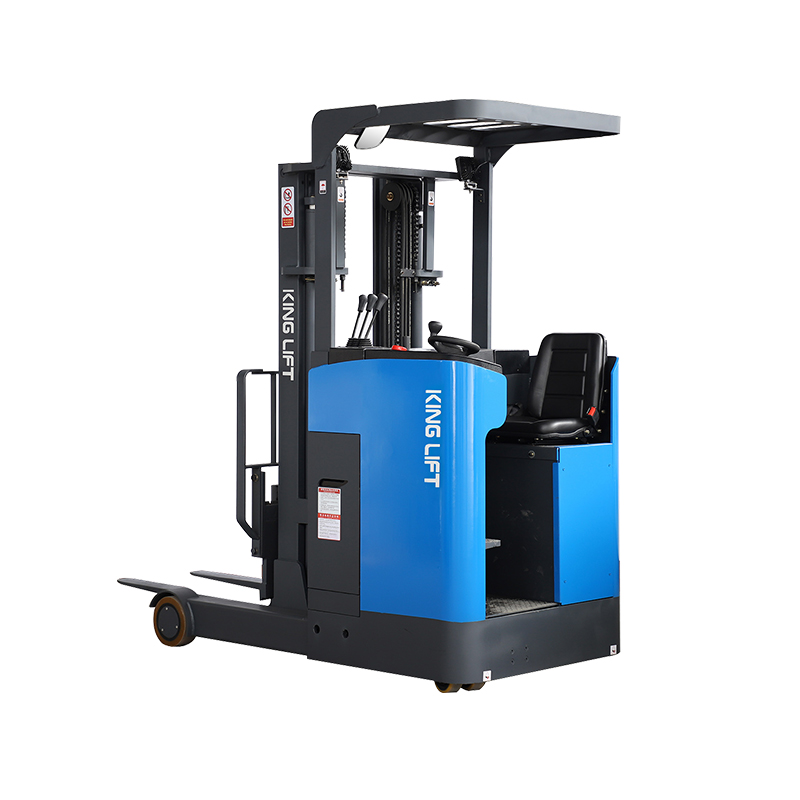
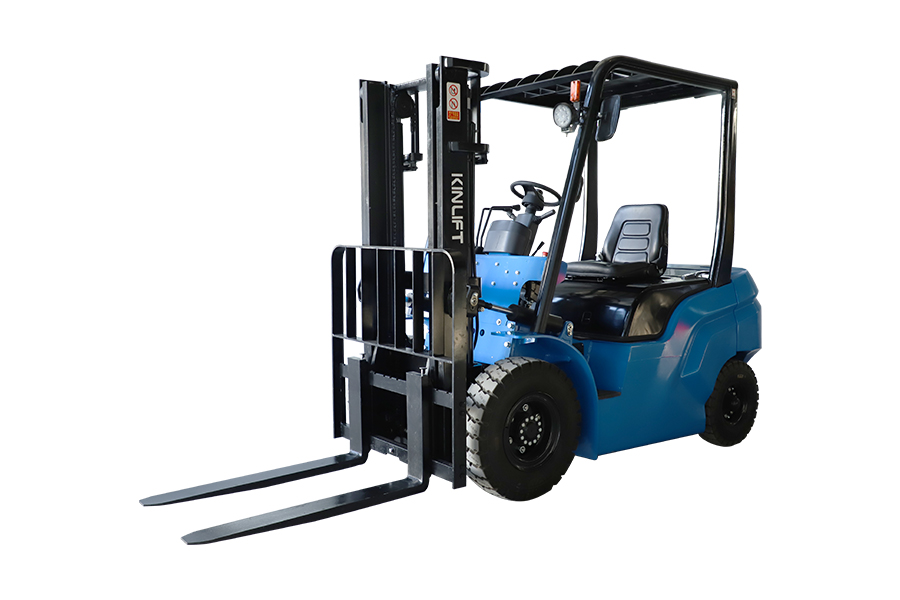
Electric counterbalance forklifts are powered by electric motors and are used to lift and transport materials. Unlike traditional internal combustion forklifts, these machines operate quietly, produce fewer emissions, and are ideal for indoor operations where air quality is a concern. Their design, featuring counterbalance weights at the rear of the truck, enables them to handle heavy loads efficiently while maintaining stability.
These forklifts are common in industries like logistics, manufacturing, and retail, and are highly valued for their energy efficiency and environmental benefits.
Importance of Regular Maintenance
Proper maintenance of electric counterbalance forklifts is essential to ensure they operate safely, reliably, and efficiently. Regular maintenance helps prevent unexpected breakdowns, improves operational productivity, and reduces repair costs. Moreover, routine checks reduce the likelihood of accidents caused by mechanical failures.
Maintenance can be divided into several categories: daily, weekly, monthly, and annual maintenance tasks. Each type of maintenance is crucial to keep the forklift in condition.
Daily Maintenance Tasks
Daily maintenance involves checking the forklift before each shift to ensure it is ready for use. These tasks are typically quick and involve the following:
- Battery Check: Inspect the battery charge level and ensure there is no damage to the terminals. Ensure the battery is fully charged before use, and clean the battery terminals if necessary.
- Hydraulic System: Check for any visible leaks in the hydraulic system and ensure that the fluid levels are adequate.
- Tires and Wheels: Inspect the tires for wear or damage. Ensure that they are properly inflated and free from foreign objects that could cause punctures.
- Lights and Indicators: Test all lights, including headlights, tail lights, and indicators. Make sure the warning lights are functional and not indicating faults.
- Brakes: Ensure the parking brake is functioning properly, and check that the foot brakes respond smoothly and without any unusual resistance.
Weekly Maintenance Tasks
Weekly maintenance tasks help to ensure the forklift remains in condition throughout the operational week. These include:
- Forks: Inspect the forks for wear or cracks. Check that the fork bolts are securely tightened and that the forks are aligned properly.
- Mast: Inspect the mast for any signs of wear or damage. Ensure that the mast moves smoothly without any unusual noise or resistance.
- Power Steering: Check the power steering system to ensure it is functioning properly, with no leaks in the system and sufficient fluid levels.
- Battery Electrolyte Levels: Check the electrolyte levels in lead-acid batteries. If needed, top off with distilled water to prevent battery damage.
Monthly Maintenance Tasks
Monthly maintenance is designed to keep the forklift in prime working condition. Monthly tasks include:
- Chassis and Frame: Inspect the chassis and frame for any signs of rust, cracks, or structural damage. These parts should be free from stress or deformation.
- Electrical System: Inspect the electrical wiring for any signs of wear, fraying, or short circuits. Check for proper connections and ensure that all electrical systems, including the controller and charging system, are working efficiently.
- Fluid Levels: Check all essential fluid levels, including hydraulic fluid, brake fluid, and oil. Ensure they are within the manufacturer’s recommended ranges.
- Cooling System: Inspect the cooling system for any debris or blockages that could prevent airflow and cooling of the motor.
Annual Maintenance Tasks
Annual maintenance tasks are the comprehensive checks and should be performed by trained professionals. These tasks typically include:
- Comprehensive Inspection: A full inspection of all components, including the engine, transmission, drive system, and electronic control systems.
- Battery Replacement: Depending on the battery’s age and performance, replacement may be necessary. A professional technician should assess the battery and determine if it needs to be replaced.
- Brake System Overhaul: Inspect and service the brake system to ensure that it provides stopping power. Replace brake pads or components that show signs of wear.
- Drive System: Inspect the drive motor and transmission for wear, corrosion, or damage. Ensure that the system is well-lubricated and free from dirt or debris.
Specialized Maintenance for Electric Forklifts
Electric counterbalance forklifts have unique maintenance needs due to their electric motor systems and battery-powered operation. The following tasks are specific to electric forklifts:
- Battery Charging: Charge the battery in a well-ventilated area and avoid overcharging. Use an appropriate charger designed for the forklift battery.
- Battery Conditioning: If using lead-acid batteries, perform battery conditioning to avoid sulfation, which can shorten battery life. Equalize the charge to balance cell voltages.
- Electrical System Calibration: Periodically calibrate the forklift’s electrical systems to ensure that the drive motor, steering system, and control systems function correctly.
Troubleshooting Common Issues
Even with regular maintenance, some issues may arise during the operation of an electric counterbalance forklift. Some common problems and troubleshooting tips include:
| Problem | Possible Causes | Solution |
|---|---|---|
| Forklift won’t start | Battery is dead or low charge | Check battery charge and connections |
| Brakes not functioning | Worn brake pads or air in brake lines | Replace brake pads or bleed brakes |
| Poor lifting capacity | Low hydraulic fluid or damaged hydraulic pump | Check fluid levels or replace pump |
| Uneven steering | Faulty steering motor or low fluid levels in power steering system | Inspect motor and fluid levels |
Safety and Documentation
Proper documentation and safety protocols are essential when performing maintenance on electric counterbalance forklifts. Keep a logbook of all maintenance tasks, repairs, and inspections. This documentation ensures that maintenance schedules are followed and provides a record for future repairs. Moreover, safety should always be prioritized during maintenance tasks—ensure that the forklift is powered off, and proper safety gear is worn.
Conclusion
Regular and thorough maintenance of electric counterbalance forklifts is critical to ensuring their performance, safety, and longevity. By adhering to daily, weekly, monthly, and annual maintenance schedules, businesses can prevent costly breakdowns and downtime, while also improving productivity and worker safety. Understanding the unique maintenance needs of these machines, particularly their battery and electrical systems, is vital for anyone involved in operating or managing forklift fleets.
FAQ
1. How often should the battery of an electric counterbalance forklift be replaced?
The battery should be replaced when it no longer holds a sufficient charge or when it is showing signs of deterioration, such as corrosion or poor performance. On average, a forklift battery lasts between 3 to 5 years.
2. What are the signs that my electric counterbalance forklift needs maintenance?
Common signs include unusual noises, difficulty lifting loads, unresponsive controls, or visible damage to the forklift components. Regular maintenance checks can help detect issues before they become major problems.
3. Can I perform electric counterbalance forklift maintenance myself?
While some routine maintenance tasks can be done by operators, more advanced tasks, especially those involving the electrical and hydraulic systems, should be handled by trained professionals.
4. How can I extend the lifespan of my electric counterbalance forklift?
Regular maintenance, proper battery care, timely repairs, and operating the forklift within its capacity can significantly extend its lifespan.
5. What safety measures should be taken during forklift maintenance?
Always ensure the forklift is turned off, and take appropriate precautions such as wearing personal protective equipment (PPE) and following manufacturer safety guidelines.